Sleeping in a car means folding seats flat, stacking pillows over the gaps, and hoping you picked a lot where no one knocks at 2 a.m. The catch is that most folded seats do not lie truly flat, and the gaps press into your hips by morning unless you build the surface level first. I learned the hard way in a Spokane church lot at 5:30 a.m., when a gravel truck idled six feet from my head.
Choose a Safe Location
Rest areas carry the clearest legal protection for overnight parking in the United States, with most states allowing at least a few hours of sleep. Walmart lots, Cabela’s, Cracker Barrel, and Home Depot often tolerate overnight stays too, but the policy shifts by location and some cities have banned it outright. A quick call to the store manager saves the knock on your window at 2 a.m.
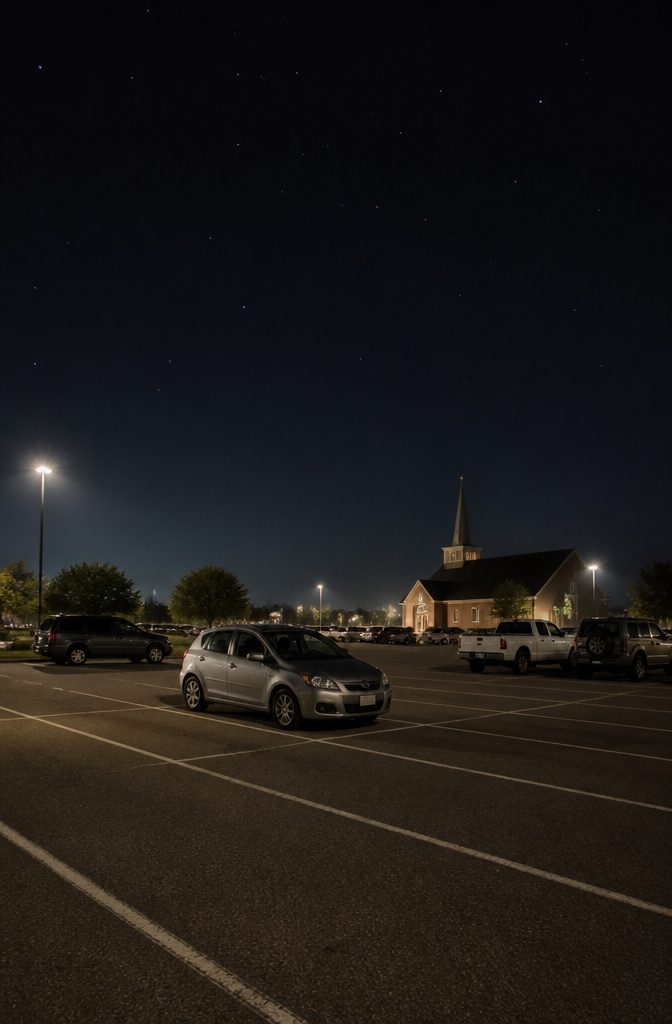
Church lots and quiet residential streets with on-street parking fill the gaps when nothing else is available. The upscale neighborhoods work better than you’d think; if someone leaves a BMW on the curb, your Honda is probably fine there too. Always text someone your location before you sleep. Darkness and isolation feel like safety but aren’t; a lit, populated spot wins every time.
I learned that the hard way in a church lot outside Spokane. No service the next morning, I thought. Quiet street, dim corner of the lot, out of the way. At 5:30 a.m. a gravel truck arrived to repave the driveway, idling six feet from my head with its backup beeper screaming. I’d picked a spot that felt hidden but was actually scheduled for construction. Light and a little foot traffic would have warned me.
Text somebody your location before going to sleep.
That one habit covers you if something goes wrong and nobody nearby knows you’re inside.

3" ADVANCED FOAM SUPPORT FOR ALL SLEEP POSITIONS ☛Upgrade your outdoor sleep with the comfort of high-density foam. This 3-inch thick camping sleeping pad (77 x 27 x 3 in / 195 x 69 x 7 cm) features a hybrid foam-and-air structure that reduces the “bouncy” feel common in traditional air pads. It provides even, stable support that helps relieve pressure on shoulders and hips for side sleepers, while remaining supportive for back and stomach sleeping without excessive sink-in

【Upgraded Support & 4" Thick Sleep Support】 The Pretyw self-inflating camping sleeping pad is made with durable outdoor materials, suitable for all weather conditions. Measuring 79×27.5 inches and inflating to 4 inches thick, it provides superior support and cushioning whether you sleep on your back or on your side, ensuring a restful night outdoors. The built-in pillow adds comfort and convenience, keeping you comfortably off the ground for great sleep.

QUICK SETUP: Built-in foot pump with Insta-Pump Technology inflates pad in under 60 seconds, no extra inflation gear needed
Prepare the Sleeping Area
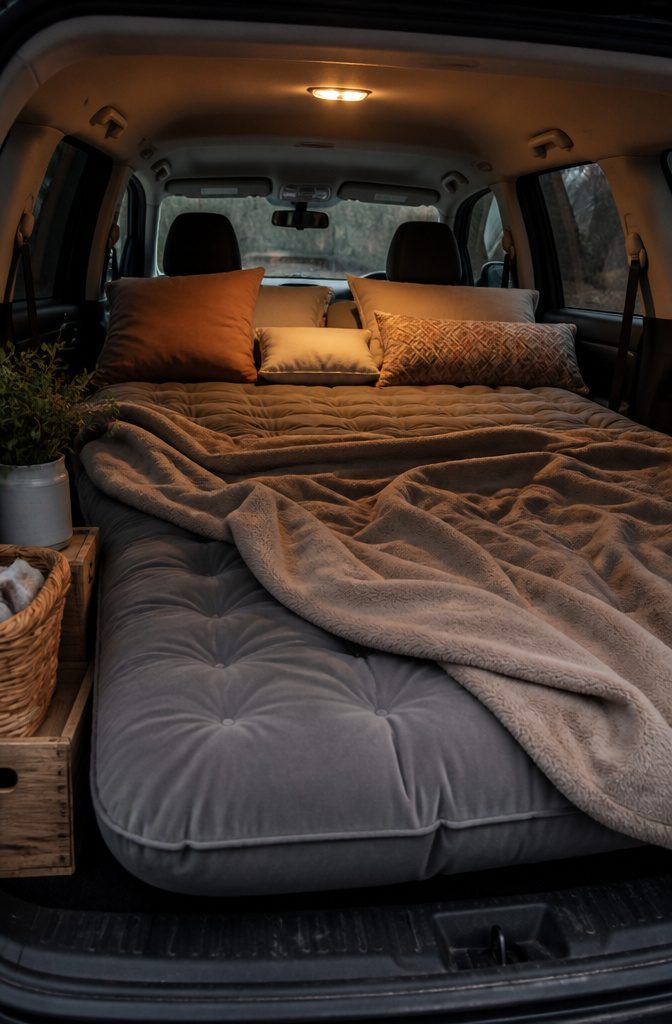
Folded seats almost never lie truly flat, and the small gaps between sections tend to press into hips and shoulders by morning. SUVs, crossovers, and minivans with flat-folding seats give you the best starting point; hatchbacks and wagons can work too, but sedans usually leave you wedged across the back seat unless the rear seats fold down completely.
The real fix is building up the low spots rather than accepting them. I stack pillows and extra blankets behind the seat gap until the surface looks level enough to test by eye, then lie down and adjust. An inflatable sleeping pad slipped behind the seat section does the same job with less bulk to store afterward. For a dedicated setup, the Exped Deep Sleep Duo Mat fills the width of most crossover cargo areas and handles the uneven floor without fussing with home remedies.
I spent about $220 on my own pad-and-pillow system over two seasons, which was cheaper than a platform build but bulkier to pack around. Measure between your wheel wells before ordering anything; a pad that fits the floor lengthwise may still catch on the sides and leave you rolling against plastic all night.

Fitment Guide: This mattress measures 75" (190cm) when fully inflated, making it a suitable fit for most mid-to-full-size SUVs. If your cargo space-from the back of the front seats to the tailgate-is at least 75", this is the mattress for you. Please double-check your vehicle's interior dimensions before ordering

【COMFORT IS PRICELESS IN EVERY CAMPING TIME】The super soft and cozy memory foam camping mattress is made of high-density memory foam material, automatically adapts to the shape and weight of the body and provides full protection. So bring about excellent comfort and shock absorption effects. Compared to sleeping bag and camping air mattress, sleeping mattress for camping providing camping lovers with a high-level sleeping experience, allowing your body to fully rest and keep energetic.

【Target Audience】 This set is only applicable to SUVs where after folding down the second-row seats, there is a height difference or slope between the seatbacks and the trunk floor. Please confirm in advance whether your SUV requires this set.
Set Up for Comfort
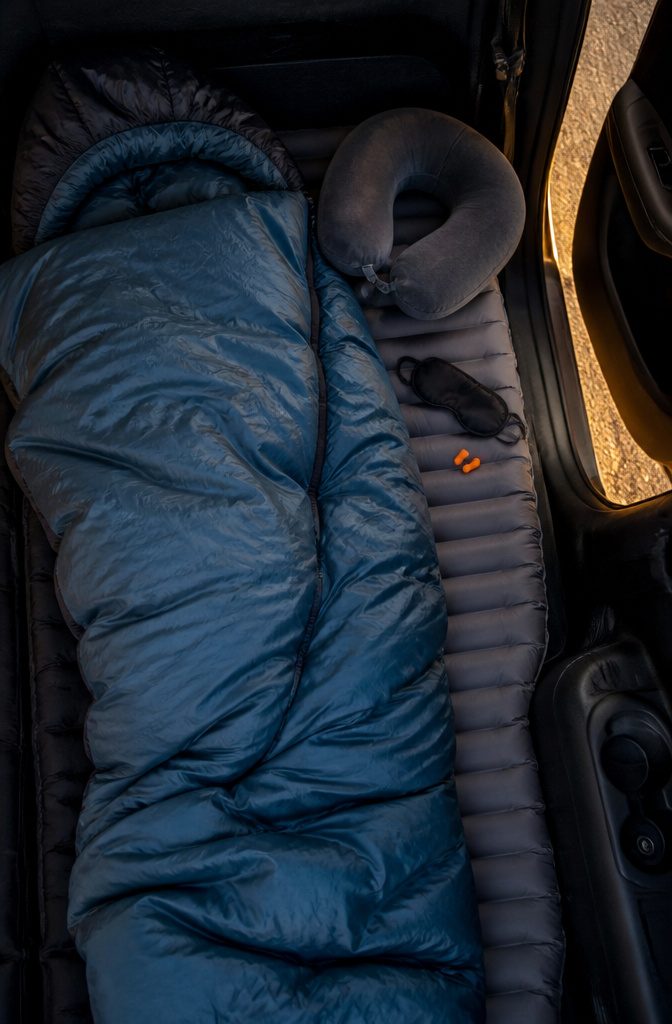
A sleeping bag rated to 20°F handles the nights that turn colder than the forecast promised. I take the NEMO Forte for that reason, even when the trip looks mild, because an hour before dawn is when you reach for warmth or do without it. Blankets from home work only for drives that start from your own driveway; they eat space a backpacker does not have.
The pillow question is neck support, not luxury. A neck pillow keeps your head from pitching forward in a seat that does not recline flat, and that matters more than the pillow you would use in a bed. A sleep mask does the same work for light, simulating darkness so your body keeps producing melatonin despite streetlamps or early sun. Earplugs or noise-canceling headphones finish the job, because a safe parking spot is rarely a quiet one.
I pack the 20°F bag, the neck pillow, the mask, and the earplugs. The comforter stays home unless I am driving from my own bed.

【Rear Seat Filling Wedge Pillow】: The car rear seat booster cushion can fill the depression of the rear seat, improve the sitting posture, and enhance the comfort of resting and sleeping in the rear seat
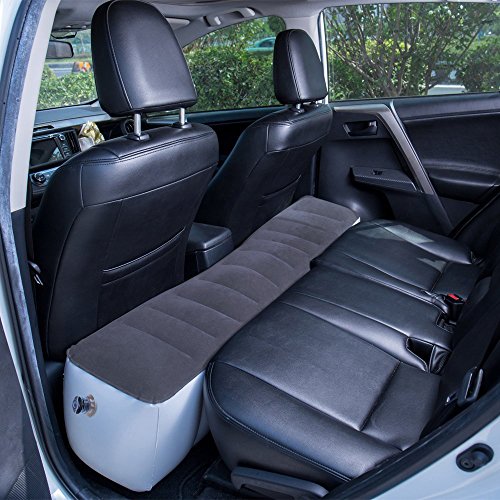
DIMENSION: 51.18*10.63*14.57 inches/ 130 x 27x 37 cm, fit for most household sedan and some SUV, can hold up to 300kg
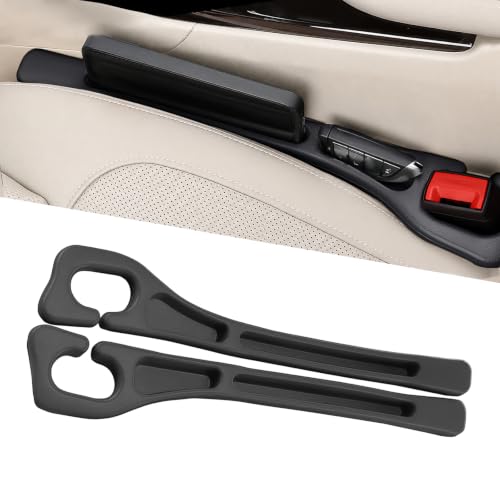
PREVENTING ITEMS FROM FALLING: Car seat gap filler can effectively prevent small items from falling into the seat gaps, eliminating the hassle of searching for items under the seat and ensuring driving safety
Crack the Windows
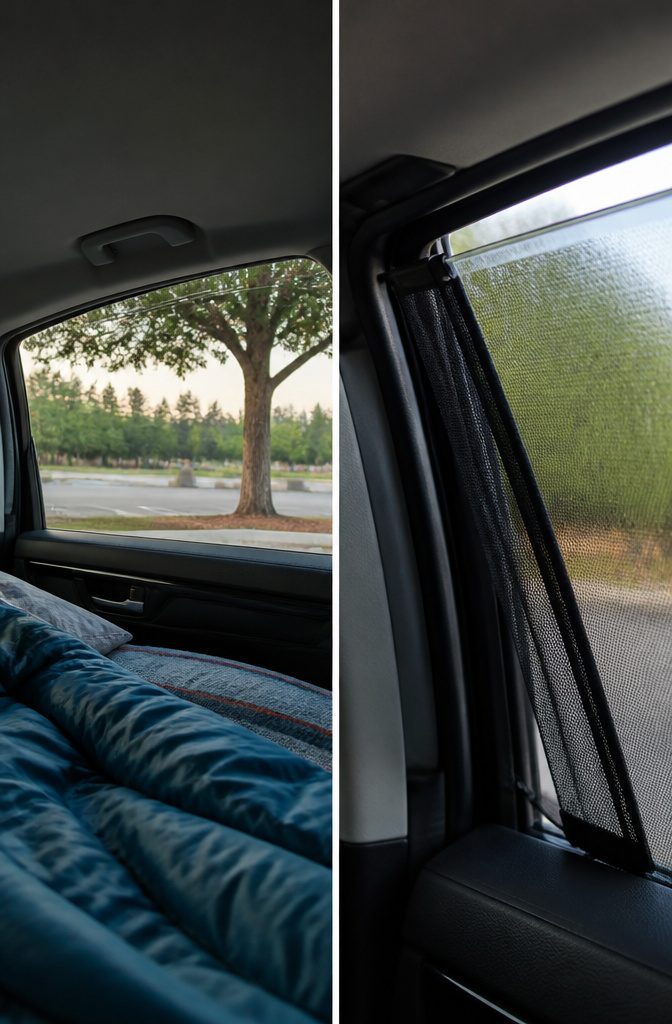
Cracking a window sounds obvious until you wake up at 3 a.m. with your breath fogging the glass from the inside and your sleeping bag damp against your back. That condensation builds fast in a sealed car, and by morning the windows can be soaked enough to drip. The fix is simpler than gear: a gap of an inch or two at the top of two diagonal windows creates cross-flow that carries moisture out without turning your vehicle into a wind tunnel.
The tradeoff is what else flows in. Bugs love that gap, and a mesh window shade clipped to the glass solves it for a few dollars at any hardware store. Rain is trickier. A sunroof cracked halfway, if you have one, lets warm air rise straight out and can be screened around the edges; a side window in a storm risks a wet seat by morning. I lean toward the leeward window, cracked less than I want, and accept that some airflow beats none.
Temperature surprises people. Sixty-one degrees outside, partly cloudy, one hour: a closed car hits 105°F. The gap matters for cooling as much as for dry air. In cold weather the same crack that saves you from condensation steals heat you cannot spare. Two windows, minimal opening, and a wool layer against the glass-side of your bag is the compromise I have landed on.

Versatile Comfort Companion: Experience unmatched comfort anywhere with ComfiLife Foldable Seat Cushion, perfect as a travel seat cushion for airplanes, stadium seat cushion, a supportive bleacher cushion for stadium events, and a portable seat pad for outdoor adventures like camping, hiking,picnic and kayaking.

【Breathable Mesh Fabric】This portable seat cushion is made of breathable mesh fabric, offering excellent ventilation and a soft feel for a comfortable seating experience.

【Ergonomic Streamlined Design Back Pillow】Based on research on human sitting posture, back pillow adopts ergonomic streamlined design, to fit the body curve perfectly, fills the gap between the waist and seat, distributes the pressures evenly, reduces the burden on the waist, supports lower back gently to relax your lower back and muscles.
Lock Up and Shut Down
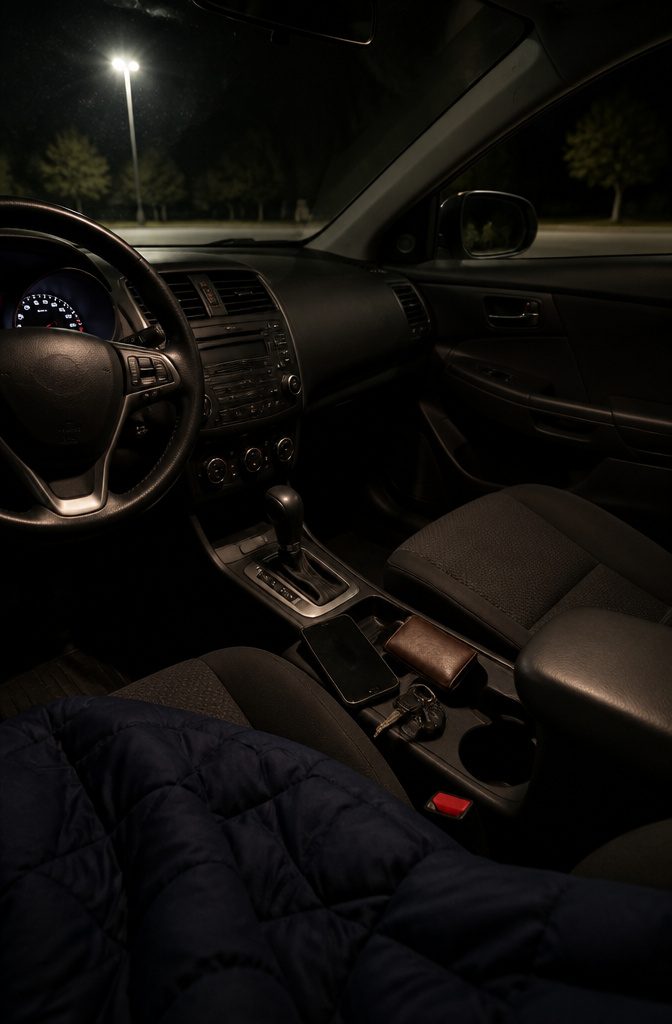
The engine goes off the moment you decide to sleep, full stop. Running it overnight risks carbon monoxide poisoning, and the small chance is not worth any amount of warmth. I crack a window instead for fresh air and to keep condensation from coating the glass by morning.
Keys stay in the same pocket as my phone and wallet, all of it within arm’s reach of where I lie. The one time I woke up with the keys on the dash and the phone slid under the passenger seat, the temperature had dropped hard and I lost ten minutes fumbling in the cold before I could start the car and run the heater.
Lock the doors once you’re settled. Keep the driver’s seat empty and ready in case you need to leave fast. If anyone approaches the car, never tell a stranger you’re alone; your friend is meeting you shortly, always.

【Extra Wide & 3" Thick Sleep Support】 The self inflating pad for camping is up to 78*27*8 inches, after inflating keeps you away from the uneven ground and hard rocks. The innovative egg-shaped air cells and built-in pillow are designed to relieve back and neck pressure, allowing you to freely adjust your body balance and comfort, whether on your back or your side, ensuring maximum comfort and warm for your sleep all night!

【Upgraded Support & 4" Thick Sleep Support】Pretyw sleeping pad for camping is made with durable outdoor materials. Measuring 78x54 inches and inflating to 4 inches thick, it provides ample space and strong support for two people. The built-in pillow adds comfort and convenience, ensuring a great night’s sleep without touching the ground.

1. Ultimate Comfort Sleep Mat: V-Shape Support + 4in Thick, Zero ground contact for side sleepers. A 4in thick air layer combined provides strong lifting force. Hips and shoulders stay completely suspended during side sleeping—no more pressure from hard ground. Quiet & non-slip surface ensures silent movement and undisturbed sleep. Sleep pad built-in pillow: contoured to support your neck curve, eliminating gaps between your head and shoulders. Holds up to 400 lbs for any body shape.
Regulate Temperature
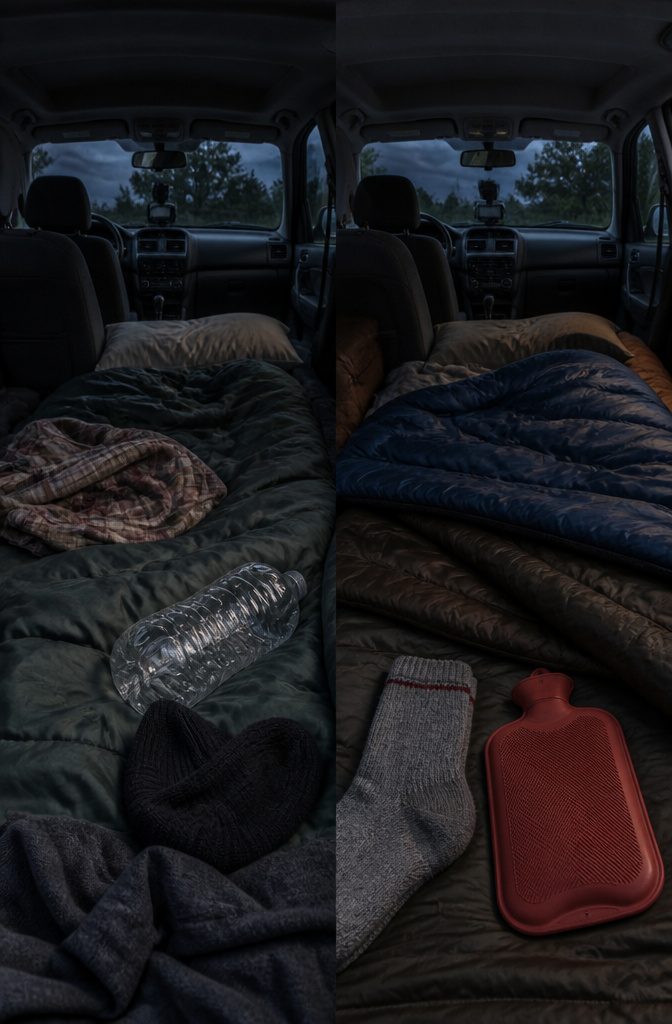
Temperature in a parked car swings hard, and the thin metal walls do almost nothing to slow it down. Dress in layers and you can peel off a fleece at 2 a.m. or pull it back on by 4. A 60 to 67 degree range is what most people sleep best at, but a car rarely lands there without help.
For warmth, a sleeping bag rated to 20°F handles real cold, though I have pushed a 30°F synthetic bag into the high 30s by stuffing spare clothes at the foot to block cold spots on my feet. Wool socks matter more than you’d think; extremities go first. A hot water bottle wrapped in a shirt, tucked inside the bag, buys maybe an hour of comfort falling asleep. Blankets from home work too, especially layered over a bag, though they eat more space.
Heat is harder. I bought a battery-operated fan for $14 after one August night in Missouri where the windows-cracked method moved exactly zero air. It was worth it. The fan runs on D-cells, sits on the dash, and pushes just enough breeze to let me fall asleep. In real heat, though, the honest limit is around 75°F for me; past that, I find a motel or I do not sleep.

Premium Fabric Construction: Our suv air mattress is made of thick flocking and premium PVC materials, ergonomic design, offering outstanding durability and waterproof performance, providing skin-friendly comfort to kids. The texture surface and sturdy construction make it shock absorption. The design of the head block is sitting on the backrest, lying on the anti-collision head, and the road is bumpy and not afraid of collision

Split Flocking Car Mattress Dimension: Our car inflatable mattress suitable for midsize to full-size cars and SUVs with distance between the front and rear seats greater than 140 cm (55 inches) and a vehicle width greater than 90 cm (35 inches).Our split car inflatable bed is suitable for more scenarios. It will also be more convenient!Before purchasing, please measure the distance between the front and rear seats of your vehicle and carefully check our size chart to ensure the product is the right fit!Please buy with caution! Thank you! Car Mattress Size:140 cm (l) x 89 cm (w) x 12 cm(t) x 42(h)/55 "x 35 "x 4.7"x16.4"(After inflationing).
【COMFORT IS PRICELESS IN EVERY CAMPING TIME】The super soft and cozy memory foam camping mattress is made of high-density memory foam material, automatically adapts to the shape and weight of the body and provides full protection. So bring about excellent comfort and shock absorption effects. Compared to sleeping bag and camping air mattress, sleeping mattress for camping providing camping lovers with a high-level sleeping experience, allowing your body to fully rest and keep energetic.
Essential Gear
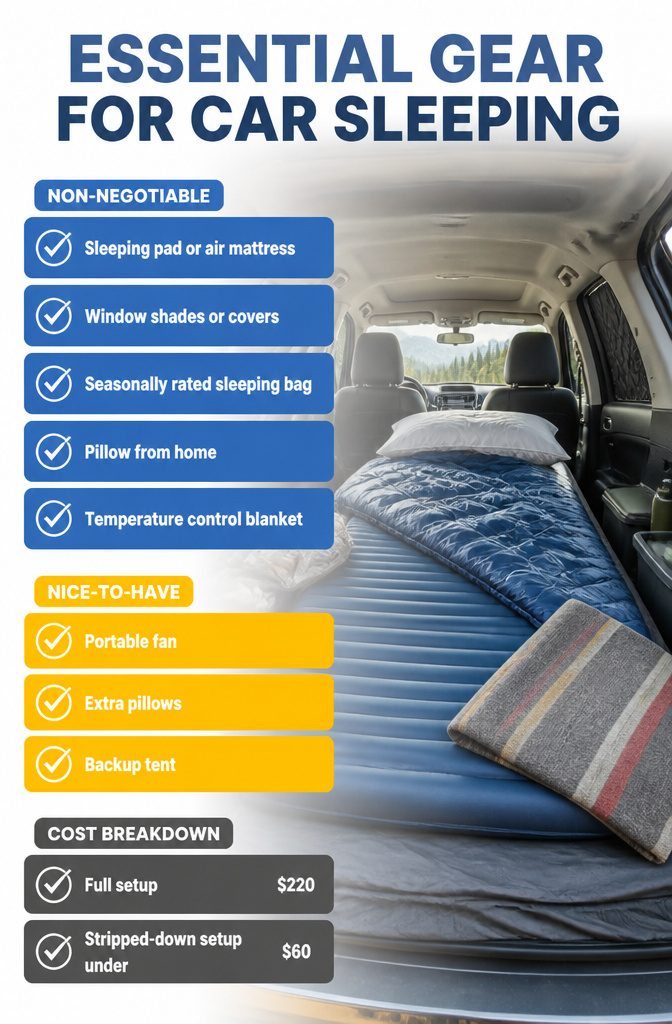
The right gear matters more than you’d think, and not all of it is worth the space it takes.
Here is what I consider non-negotiable, what can stay home, and what the whole setup cost me.
- Sleeping pad or air mattress. The single item that separates a restful night from a backache. An inflatable sleeping pad is the standard choice; a yoga mat underneath protects it from punctures and adds a thin buffer against car floor grime. I paid about $180 for a quality pad. A basic foam camping pad runs closer to $30 and works if you can handle the bulk.
- Window shades or covers. These are essential for privacy and blocking street lights. Towels work in a pinch, but fitted shades stay put and cover gaps. Hardware stores carry affordable options if custom shades feel steep.
- Sleeping bag rated for the season. Car interiors drop lower than expected overnight. A bag rated 10–15 degrees below the forecasted low keeps you from waking at 3 a.m.
- Pillow from home. One is enough. Two is nice.
- Blanket for temperature control. Ideal car sleep temperature sits around 60–67 degrees, which is hard to hit exactly. A wool blanket lets you add or shed a layer without adjusting windows or the engine.
Nice-to-have: a portable fan for hot nights, extra pillows to level uneven surfaces, and a backup tent in case car sleeping turns out to be a mistake. The fan I passed on; the tent I never needed.
My full setup ran about $220. A stripped-down version with a foam pad, basic shades, and blankets from home could get you there for under $60.

DIMENSION: 52 x 10.8 x 13 inches/ 130 x 27x 33 cm, fit for most household sedan and some SUV, can hold up to 300kg
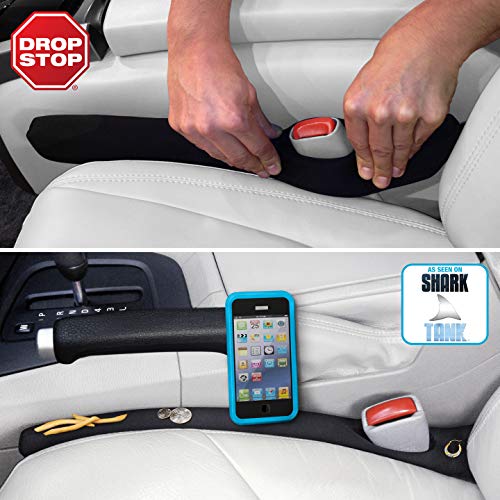
DROP STOP: Provides 100% Gap Coverage in front of, surrounding & behind seat belt catch. Drop Stop attaches to the seat belt catch via built in slot. Moves with seat, no need to readjust or reinstall

Size Information: The total size of our car seat gap filler is 16.14*1.96*1.96 inch, there are 2 pieces in the package for you. Note that some models have wider gaps and some are relatively narrow, so please check the size before buying to avoid not being able to use it when you receive it
Where to Park
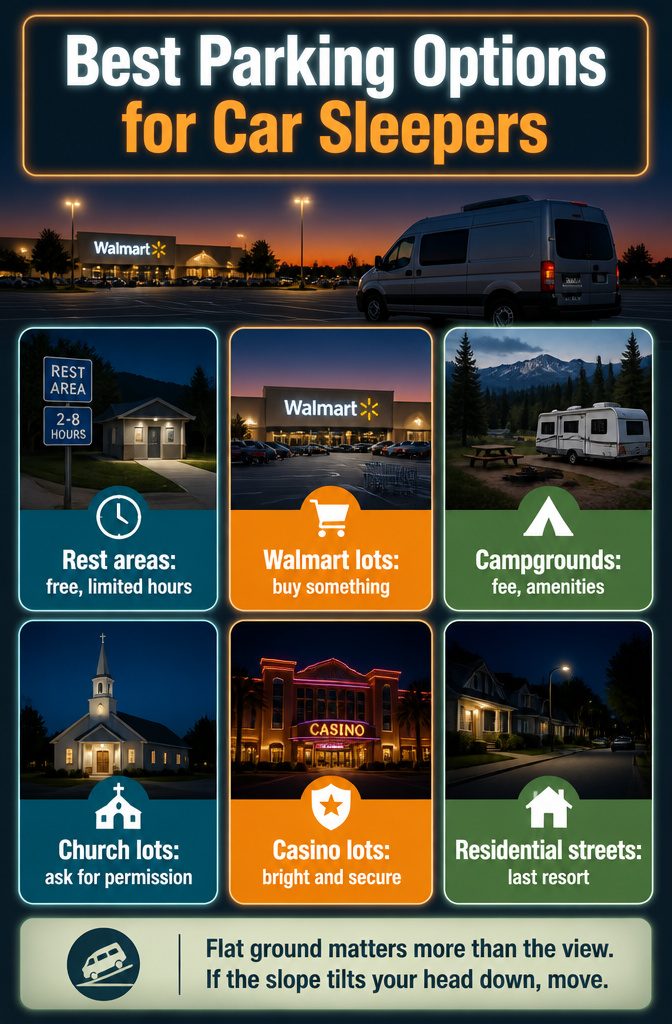
Most nights, I end up at a Walmart lot. The tradeoff is noise and sodium light, but it’s free, usually legal, and the store is right there for morning supplies. Park at the back, against the far edge, and leave before the lot fills.
- Rest areas — free and legal in most states, but time limits vary from 2 to 8 hours. Security cameras and restrooms help; highway noise does not. I use these for naps, not deep sleep.
- Walmart / big-box lots — free, no reservation, but policies shift by location. Call ahead or ask inside. Buy something. One night only, out by 8 a.m.
- Campgrounds — cost money, but showers, flat ground, and no knock at 2 a.m. State and national park sites book through recreation.gov; private ones run higher for hookups.
- Church lots — quiet on weeknights, but always ask permission. A quick call to the office saves you a sheriff visit.
- Casino lots — overlooked, well-lit, and welcoming to overnight vehicles. Security patrols mean safety and scrutiny in equal measure.
- Residential streets — last resort. No restrictions in upmarket neighborhoods can mean no sleep either; a motion light or concerned neighbor ends the night fast.
Flat ground matters more than the view. If the slope tilts your head down, move.

【MOST COMFORTABLE GEL MEMORY FOAM CUSHION】-Sojoy seat cushion is made of ultra-soft, ultra-strong, solid rubber-like Gel and Memory foam material.

OFFICE & CAR SEAT CUSHION - Ergonomic office chair cushion and car seat cushion made from premium memory foam for superior comfort. Perfect seat cushion for car or office to reduce pressure on the tailbone, hips, and lower back while maintaining posture.

【Extra Wide & High Back Stadium Seat for Adults】Upgrade your game day with our extra wide, XL bleacher chair. Featuring an oversized 18"W x 17.7"D cushion and an ergonomic high back, it provides superior lumbar support specifically for big and tall or plus size fans. It is the perfect spacious seating solution for adults at any long-duration event.
Front Seat or Back
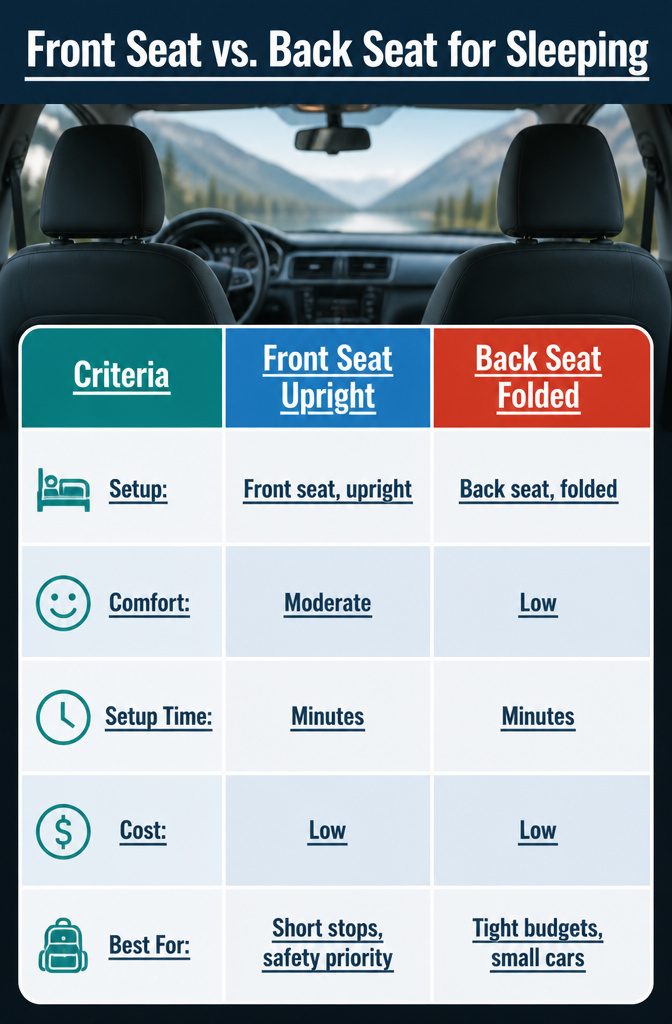
The front seat keeps you upright with a seatbelt on, which research ties to lower mortality risk than a fully reclined position. The back seat offers more room to stretch out but rarely folds flat; gaps and angles press against hips and shoulders through the night. An air mattress smooths the surface in a larger vehicle, though once inflated it swallows storage space and forces gear into the front seats or outside. A sleeping bag alone on folded seats is the fastest setup and the cheapest, though most people wake up stiff. A raised platform over a storage area costs more and takes longer to install, but it separates sleep from gear and stays flat across wheel wells and seat joints.
| Setup | Comfort | Setup Time | Cost | Best For |
|---|---|---|---|---|
| Front seat, upright | Moderate | Minutes | Low | Short stops, safety priority |
| Back seat, folded | Low | Minutes | Low | Tight budgets, small cars |
| Air mattress, cargo area | Moderate | 10–15 min | Moderate | Occasional camping, light gear |
| Sleeping bag on seats | Low | Minutes | Lowest | Single night, testing the idea |
| Platform with storage below | High | Hours to build | Higher | Extended trips, organized gear |
I tried the back seat with an air mattress first, then switched to a simple platform. The mattress deflated twice and left my cooler and pack crowding the footwell. The platform took an afternoon to build, but waking up with floor space still clear convinced me the extra work pays for itself after the third night out.

【Innovation Hexagon Design】Just Want to sleep comfortably anywhere? WANNTS sleeping pad innovation hexagon design is made special with body mapping technology.No need to suffer with a cheap, flimsy, and undersized outdoor sleeping pad! This quality portable camping pad is perfect,great sturdy and super comfortable - great for any sleep position!

【4.7" Ultra-Thick & Ergonomic Support】 Measuring 75"×27.5"×4.7", this camping mattress keeps you well-isolated from rocks and uneven ground. Ergonomic wave-shaped cells and an integrated pillow properly support your neck, back, and hips for back, side, and stomach sleepers.

REJUVENATE YOUR BODY: Powerlix camping pad has revolutionary hexagon design made with body mapping technology. The hexagon air cells ergonomically support all of your pressure points, giving you superior support and comfort all night long, no matter how you sleep! The sleeping mat is also a camping gear must haves luxury, being comfortable yet lightweight. It rolls up small, making it effortless to carry around. The cot comes in a variety of color choices, sure to match anyone's personality.
What Makes It Comfortable
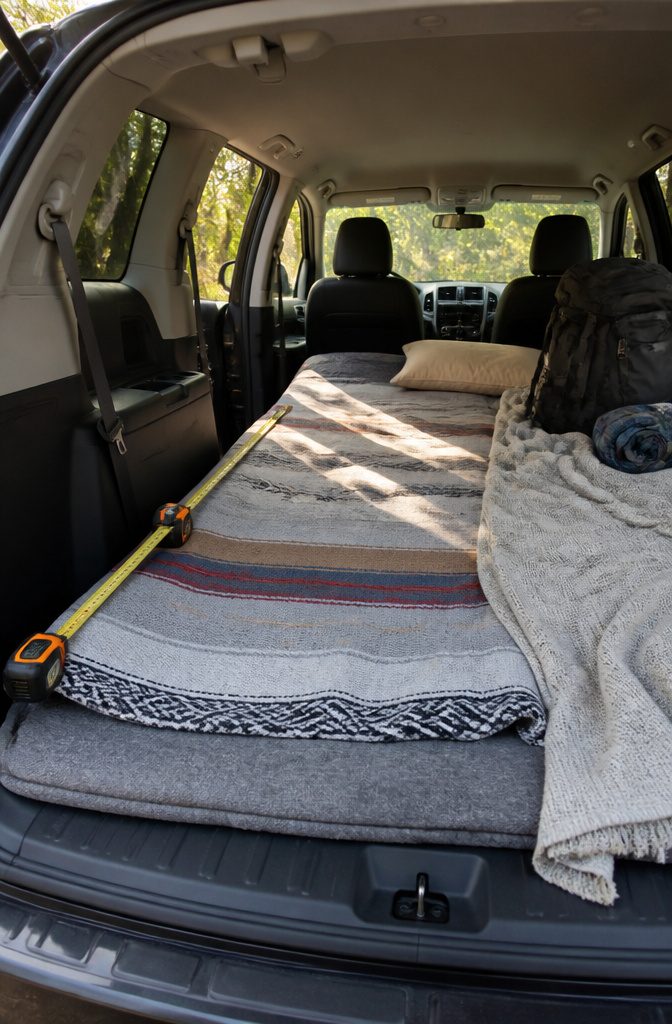
A flat surface matters more than any mattress you throw on top. Folded seats rarely lie truly level; the seatbacks angle, cargo floors drop, gaps open at the hinges. That geometry presses into hips, shoulders, knees. Most people wake up stiff after their first night because they tried to pad out the lumpiness instead of removing it.
Vehicle type changes everything. Trucks give you a bed to work with. SUVs, wagons, and hatchbacks turn usable when the rear seats fold, though the resulting surface still needs checking with a straightedge. Minivans are the outlier; many fold flat into a single continuous floor. Sedans force you into the back seat if the rear seats don’t pass through. Coupes barely qualify.
Interior length matters more than marketing inches suggest. You need enough to lie fully extended, which means measuring with the front seat forward, not where you normally drive.
Temperature control runs on ventilation. Crack two windows for cross-breeze and the temperature drops faster than any fan. Below sixty degrees you want a blanket layer; above sixty-seven, the open windows are doing the work. Bug netting over the gap keeps the trade livable.
In my own car with the seats down, the cargo floor sat two inches lower than the folded seatback. Bridging that drop with a platform gained me the first actually flat night.

UNBEATABLE DURABILITY: Our 300-denier Oxford fabric Air Mattress can handle anything camping throws your way - thorns, pet claws, sharp equipment and more. Experience long-lasting comfort without the worry of punctures or tears.

[Need Help Checking Compatibility?] If not sure the compatibility, please send us your Year, Make & Model via Amazon Messages, and our support team will help confirm compatibility within 12 hours. No guesswork, no wasted time or money

Premium Material: Our air mattress features thickened PVC fabric, ensuring exceptional durability and leak-proof performance. Enhanced with a plush velvety surface, it offers a comfortable touch and maintains waterproof quality. Whether for outdoor camping or indoor use, it provides reliable comfort and peace of mind.
What I Keep Within Reach
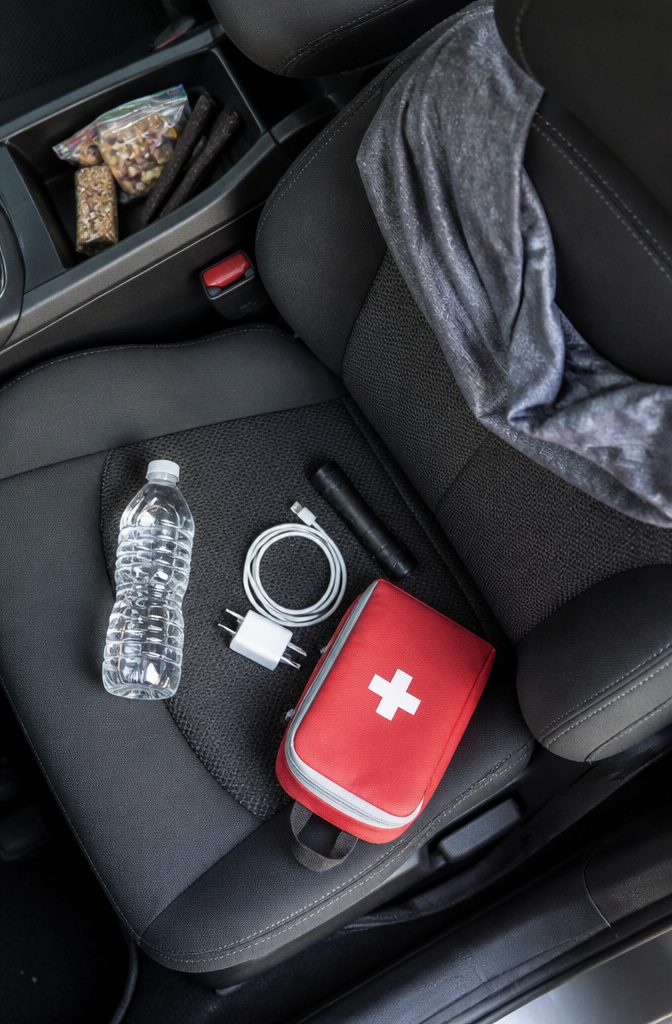
Some gear lives in the car permanently, and some only makes it in for trips that stretch past dark.
Permanent residents:
- First aid kit, because "just in case" is the whole point
- Phone charger, since a dead phone turns a minor problem into an emergency
- Flashlight or headlamp, for the times the car light is too much or too little
- One liter water bottle minimum, refilled before every outing
Trip-only additions:
- Snacks that won’t melt or crumble into the seat cracks
- Toilet paper and a small dopp kit for morning routines
- Eye mask or neck gaiter for bright mornings and full moons
The water bottle earned its keep one night in Oregon when a rest-area spigot ran brown and the nearest open store was forty minutes back the way I’d come. That liter got me through until morning.
Frequently Asked Questions
Is it safe to sleep in my car?
Yes, if you choose a legal, well-lit, and populated spot. Text someone your location before you sleep, lock the doors, turn off the engine, and keep keys within arm’s reach. Never tell a stranger you are alone; always say a friend is meeting you shortly.
How can I make my car comfortable for sleeping?
Build a flat surface first, then pad it. Folded seats rarely lie level; fill gaps with pillows, blankets, or an inflatable pad like the Exped Deep Sleep Duo Mat. A sleeping bag rated to 20°F, a neck pillow, a sleep mask, and earplugs complete the setup.
Where is the best place to sleep in my car?
Rest areas carry the clearest legal protection, with most states allowing at least a few hours. Walmart, Cabela’s, Cracker Barrel, and Home Depot lots often tolerate overnight stays, but call ahead since policies vary. Church lots and quiet residential streets with on-street parking work when nothing else is available.
What should I do to stay safe while sleeping in my car?
Lock the doors, turn off the engine to avoid carbon monoxide poisoning, and text someone your location. Keep keys, phone, and wallet in the same pocket within arm’s reach. Leave the driver’s seat empty and ready in case you need to leave fast, and never tell a stranger you are alone.