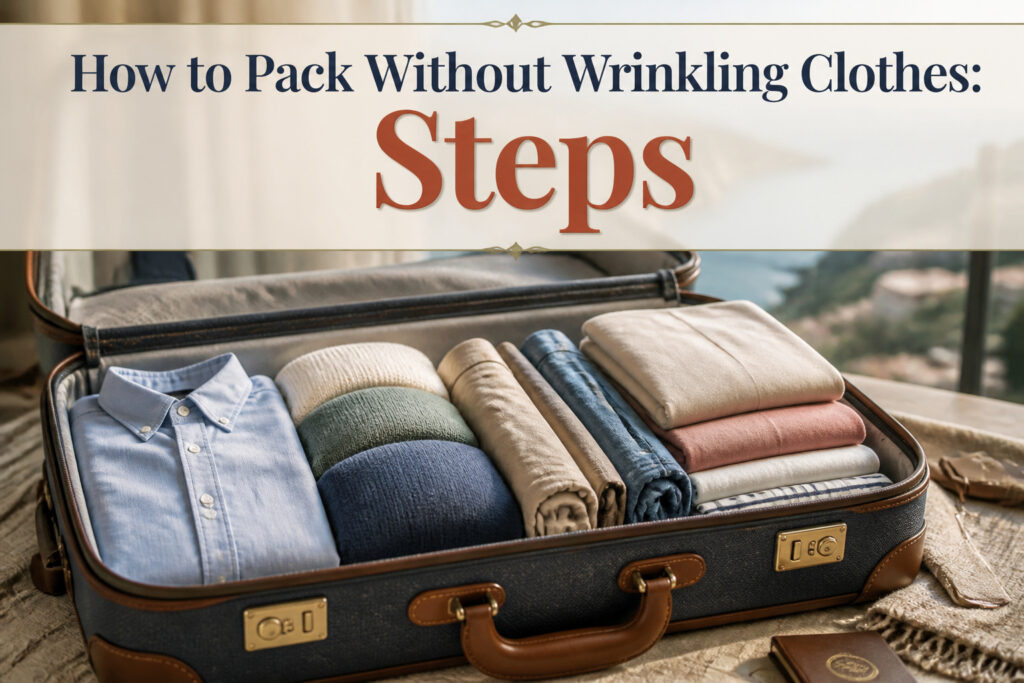
Packing without wrinkling clothes takes about ten extra minutes and a roll of tissue paper, but most people skip the step that actually matters. The method only works if you match the fabric to the technique: bundle packing for a cotton blazer will still leave creases, because cotton fibers lack the elasticity to spring back after hours of compression.
Why Clothes Wrinkle in a Suitcase
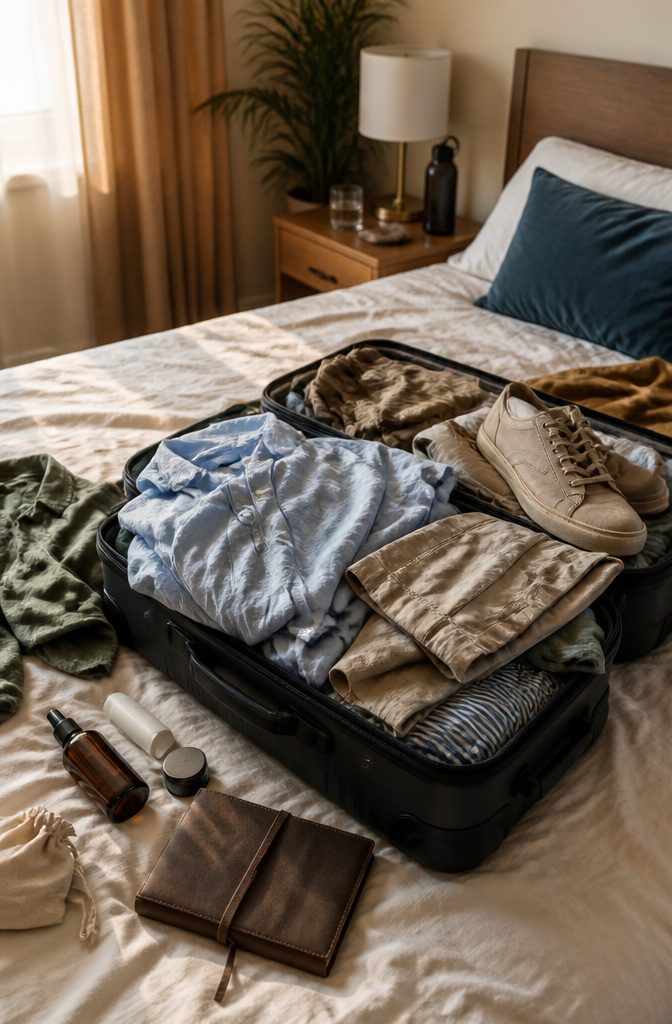
Wrinkles set when fabric fibers stay bent under pressure long enough to lose their shape. In a stuffed suitcase, your clothes press against each other for hours; the weight of shoes or a toiletry bag on top deepens the crease, and every shift of the bag adds friction that rubs new folds into the ones already there. Heat and moisture, like the warm luggage hold on a long flight, make the whole process faster and harder to reverse.
Natural fibers like cotton and linen wrinkle more easily because their fibers have less memory; once bent, they stay bent. Synthetics like polyester and nylon spring back because their fibers are more elastic. Packing method matters more for natural fibers, and fabric choice matters if you want to pack light without worrying about it at all. A suitcase packed to the brim creates enough pressure to leave deep creases even in forgiving fabrics, so the techniques that follow start with reducing that pressure and working with how different materials behave.

CLASSIC FIT: Generous fit through the hip and thigh with a straight leg. Sits below the natural waist

SLIM FIT: Fitted through hip and thigh with tapered leg. Sits below the waist.

SLIM FIT: Fitted through hip and thigh with tapered leg. Sits below the waist.
Choose Wrinkle-Resistant Fabrics
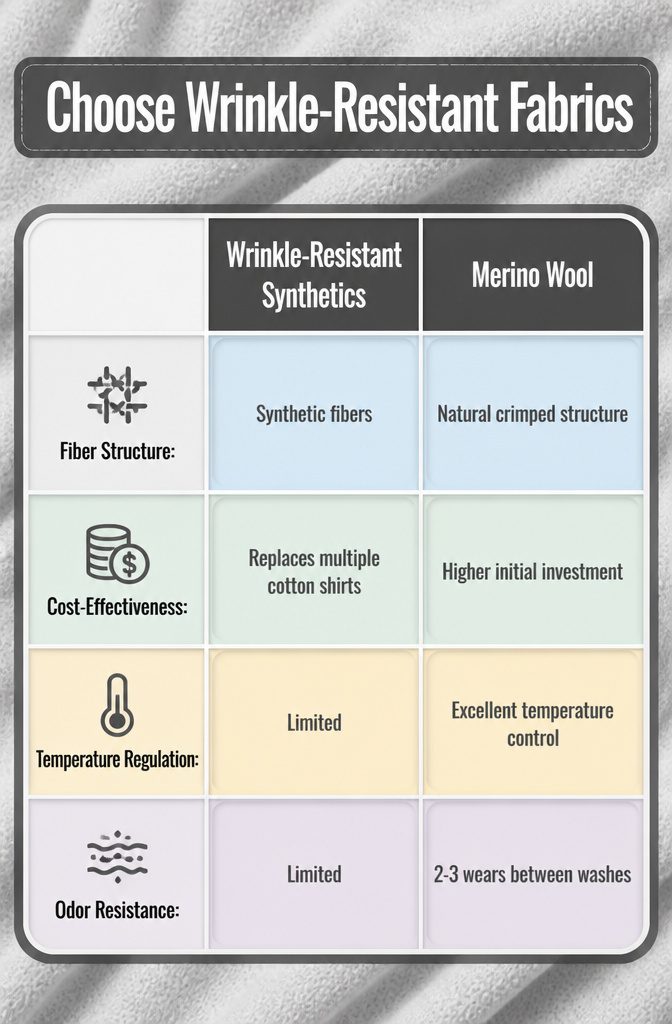
The fibers you choose matter more than any folding technique. Synthetics like polyester, nylon, and spandex blends are built to spring back from compression; their molecular structure simply lacks the hydrogen bonds that let cotton and linen set into creases. I spent years wrestling with a neatly folded stack of cotton button-downs that looked like I’d slept in them by arrival, and the difference when I switched to performance fabrics was immediate.
Merino wool sits in a category of its own. A good merino t-shirt runs $80–150, which stings until you realize three of them replace seven cotton shirts on a two-week trip. The fiber’s crimped structure creates natural elasticity, and it resists odor for two to three wears between washes. Temperature regulation is the quiet bonus: warm when the plane gets cold, cool when you’re hauling luggage through a hot terminal.
The biggest upgrade to wrinkle-free travel isn’t a packing technique — it’s building a travel wardrobe from wrinkle-resistant fabrics. Once you own 5 merino wool t-shirts and a polyester-blend chino, the packing method becomes almost irrelevant.
— Venque
What this means practically: spend your clothing budget on fabric before you spend it on organizers. Jersey knits with some stretch outperform woven cotton because the knit structure bounces back after compression. For dressier needs, wrinkle-resistant polyester blends work; for everything else, merino earns its price in luggage space and hotel time saved.

2-Pack Lightweight Merino Wool Tees:This value 2-pack set includes two well-made men's short sleeve tees crafted from 170 g/m² lightweight merino wool. Highly breathable fabric delivers unrestricted all-day comfort for daily rotation, and it also works as a thoughtful holiday or birthday gift for men of all ages

Merino Wool Hiking Socks included: Package includes Merino Wool Thermal Top Men Lightweight and Merino Wool Hiking Socks. Makes a Great Gift!

2-Pack Lightweight Merino Wool Tees:This value 2-pack set includes two well-made men's short sleeve tees crafted from 170 g/m² lightweight merino wool. Highly breathable fabric delivers unrestricted all-day comfort for daily rotation, and it also works as a thoughtful holiday or birthday gift for men of all ages
Prepare Clothes Before Packing
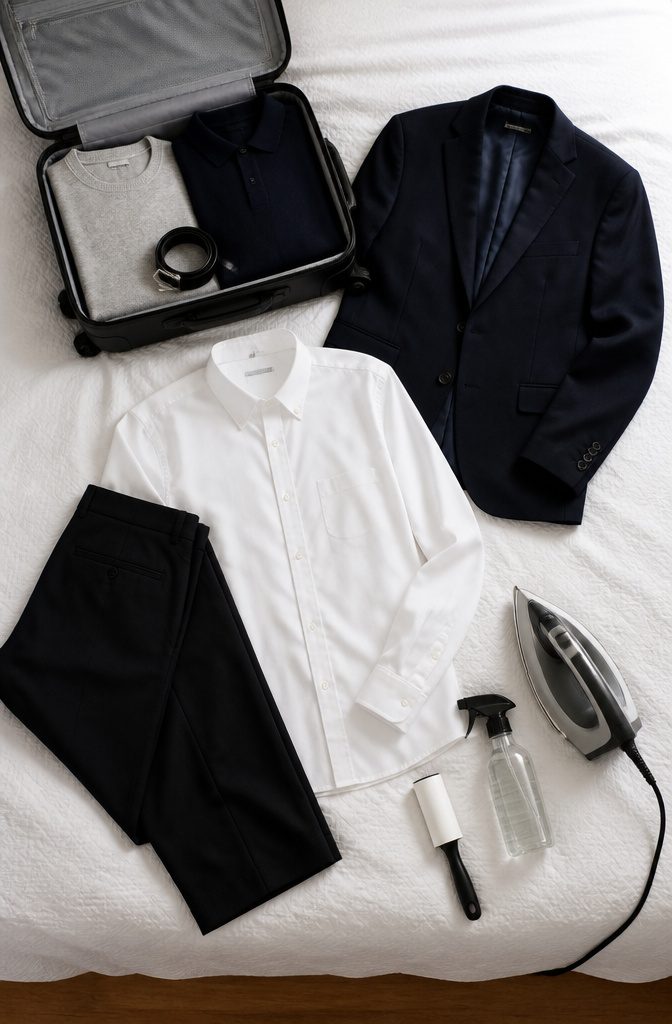
The clothes that come out of a suitcase looking decent almost always went in that way. A shirt with a set-in wrinkle from the dryer, or pants that sat crumpled in the hamper for two days, will not magically smooth themselves once packed. Freshly laundered and pressed items resist wrinkling far better than anything you try to fix at the last minute. For suits or formal dresses, a trip to the dry cleaner beforehand adds the crispness that home ironing rarely achieves, and it gives you a chance to catch stains or loose threads before you are five hundred miles from your closet.
Overpacking is the other half of this problem. A stuffed bag presses fabric against fabric until every item shares every crease. Lay out outfits for each day, note what can be re-worn with different layers, and pack only what makes the cut. The space you save leaves room for the trip itself, not just the luggage.
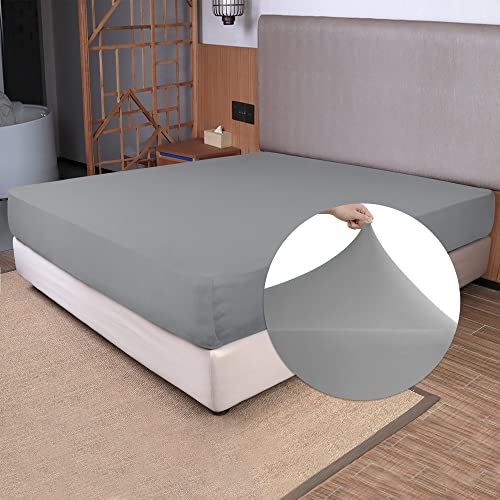
Stay Put All Night: The fabric with 4-way flexibility tech stretches over the mattress and stays in place securely all night, no more slipping off, moving or wrinkling, fits tightly and prevent scratching from your pets like dog or cat, also kids friendly
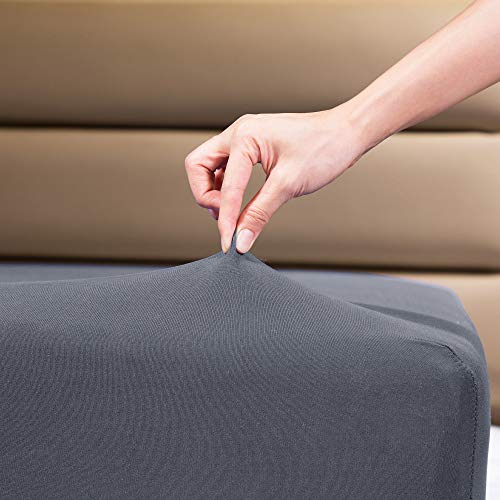
SMART, SNUG & STRETCH-FIT BED SHEETS: Our bed sheets feature magic 4-way high stretch technology, ensuring a snug fit on all mattress sizes (Twin, Full, Queen, King). These sheets stay in place without slipping, sliding, or bunching up, even if you move, making them perfect for sleeping, travel comfort, or adjustable hospital beds

SMART, SNUG & STRETCH-FIT BED SHEETS: Our bed sheets feature magic 4-way high stretch technology, ensuring a snug fit on all mattress sizes (Twin, Full, Queen, King). These sheets stay in place without slipping, sliding, or bunching up, even if you move, making them perfect for sleeping, travel comfort, or adjustable hospital beds
1. Bundle Packing for Structured Items
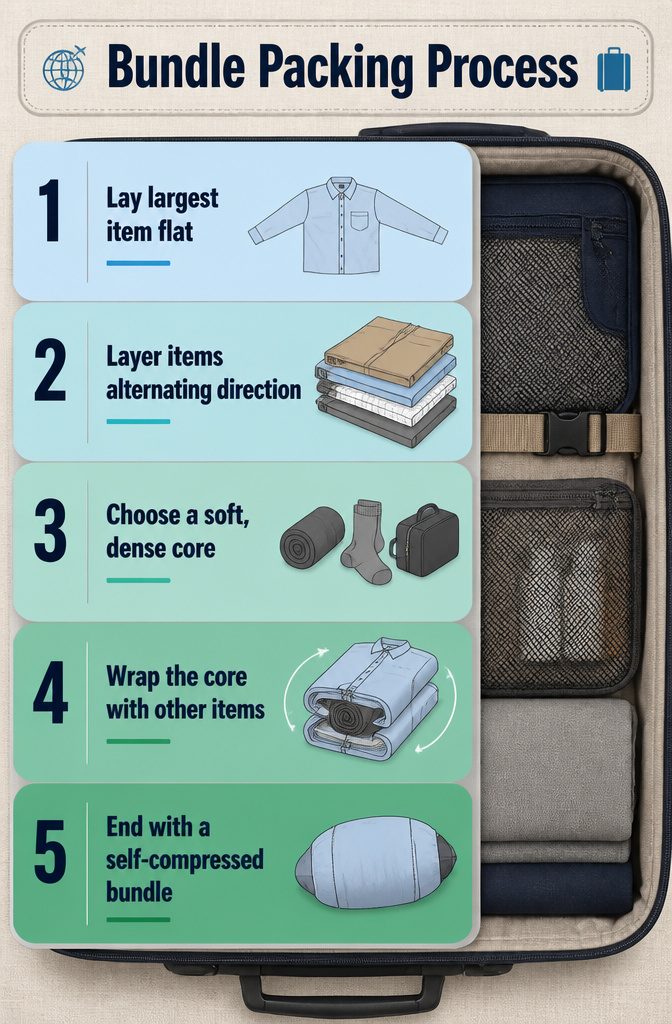
- Lay your largest, most wrinkle-prone item flat first. A dress shirt or blazer works here, arms spread, collar open. This piece ends up on the outside of the finished bundle where the wrapping has the largest radius of curvature, so it takes the gentlest bend.
- Layer each successive item on top, alternating direction. Trousers go one way, the next shirt perpendicular, the next another angle. The order runs from most structured to least: jackets and slacks, then shirts, then lighter layers. Each piece should extend slightly past the last to keep the stack balanced.
- Choose your core. A tightly rolled t-shirt, a pair of socks, a small packing cube, even a toiletries bag. Something soft and dense that holds its shape under pressure.
- Place the core dead center. Fold the innermost layer back over it first, smoothing as you go. Work outward, one garment at a time, wrapping each layer around the bundle. The tension compresses everything evenly and eliminates fold lines entirely because nothing ever folds flat.
- The result is a tight, self-compressed bundle about the size of a football, depending on your wardrobe count. Dress shirts and blazers emerge with the fewest creases; items closer to the core show slightly more. Business travelers get the most from this method, though it works for any structured piece you’d rather not iron in a hotel room.

Ultra Wrinkle Free: Advanced wrinkle-resistant fabric for less ironing and even easier care at home. Flex Collar: Stretches up to half an inch for expandable comfort. Stretch: Fabric stretches and moves with you for extra comfort.

Stretch & Wrinkle-Resistant Fabric - Crafted from a premium fabric, this men’s dress shirt delivers exceptional stretch and flexibility. The silky-smooth fabric is lightweight, breathable, easy to move in, and lightly wrinkle-resistant — keeping you polished and comfortable from morning meetings to evening plans.

Stain Shield Technology: Crafted with a unique stain resistant polyester and spandex, button down shirts for women repels spills and stains, keeping you looking fresh and professional all day long
2. Rolling for Casual Clothes
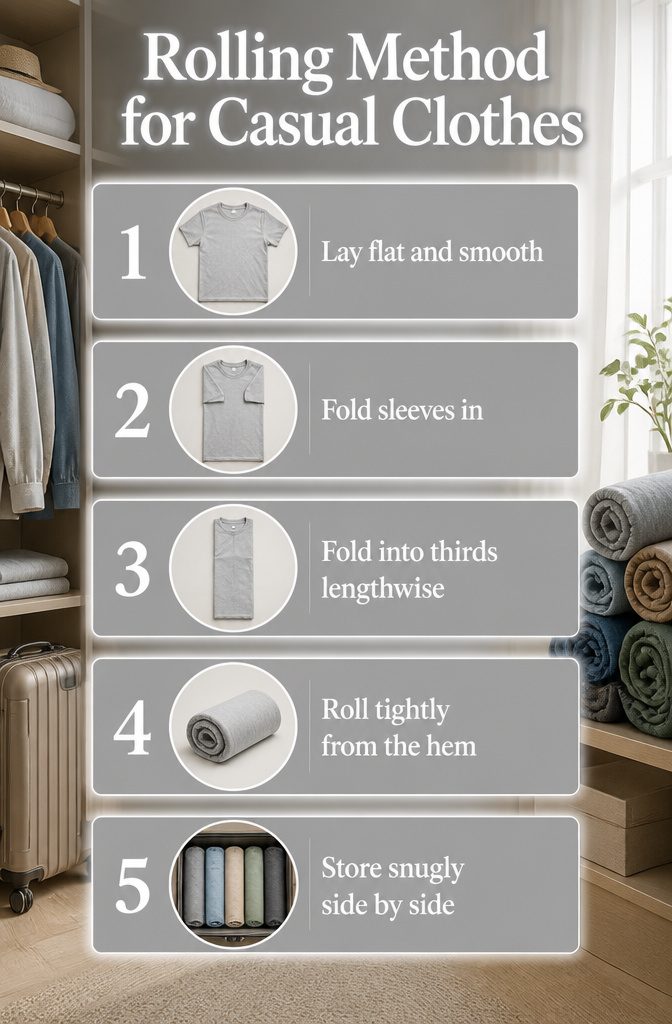
Rolling your t-shirts, jeans, and casual trousers keeps them smoother than folding flat. The crease, if one forms, runs in a single direction and relaxes fast once you unpack. The trick is tightness: a loose roll unravels in transit and lets fabric shift into wrinkles.
Here is how to do it.
- Lay the item flat and smooth it out with your hands.
- Fold the sleeves in, if there are any.
- Fold the garment in thirds lengthwise so you have a long, narrow strip.
- Roll from the bottom hem upward, keeping tension the whole way. The tighter the roll, the better it holds.
- Place rolled items side by side in your suitcase so they stay snug against each other and cannot loosen.
Loose rolling fails because the fabric has room to move. Once the suitcase shifts, those rolls slacken and the wrinkles set where the fabric bunched. Tight rolls also save space, which matters when you are fitting a week of clothes into a carry-on. This method works for casual knitwear and towels too, but skip it for structured dress shirts or jackets.

CLOTH NAPKINS – CLASSIC 16X16 INCH SIZE: Enhance everyday dining and special occasions with these white cotton dinner napkins. Each 16x16 inch fabric napkin offers a practical size for family meals, wedding receptions, dinner parties, and elegant table settings.

100% COTTON: Check out our dinner napkins which are made of 100% soft slub cotton fabric for a graceful look.

【MATERIAL】Made of 80% linen, soft, skin-friendly, lightweight, breathable, wear-resistant, comfortable to wear.
3. Tissue Paper Interleaving
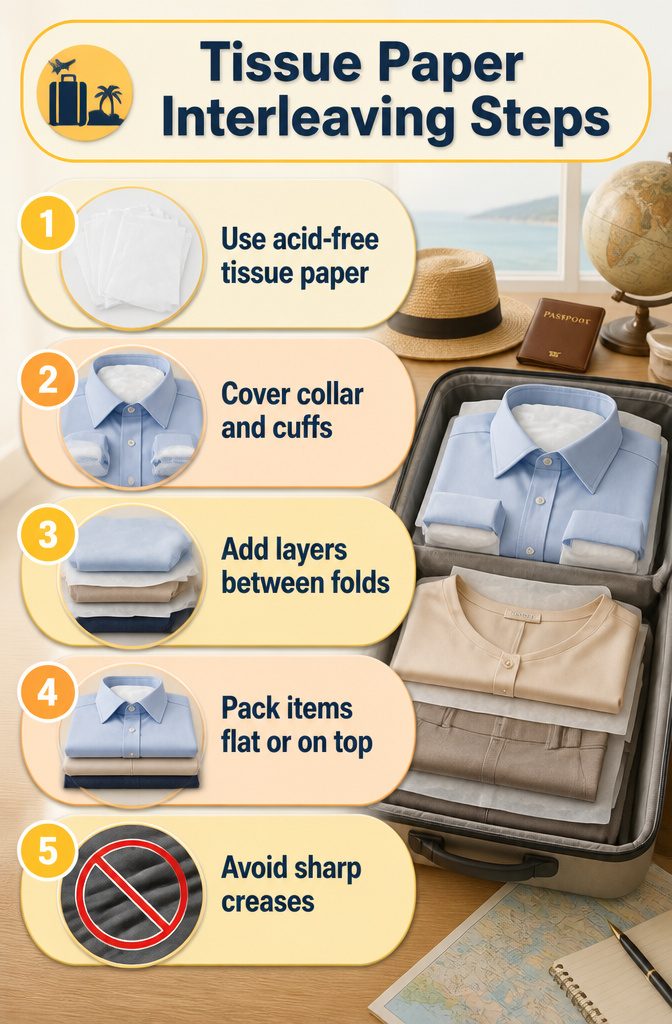
Acid-free tissue paper between each folded layer absorbs the micro-movement that deepens wrinkles in transit. Friction between fabric layers, not just pressure, is what sets creases.
Five sheets inside a dress shirt cover the collar, each cuff, and the back panel. Silk blouses and tailored trousers need the same buffer where folds are unavoidable. One packet weighs almost nothing and handles an entire wardrobe.
Dry cleaner bags work in a pinch, but uncolored tissue avoids any dye transfer risk. Place a full sheet over the garment, fold over it, and add fresh paper between each subsequent fold. Pack these items on top or lay them flat rather than burying them. The paper creates a soft barrier that prevents sharp creases from forming where fabric presses against fabric.

CLASSIC FIT: Generous fit through the hip and thigh with a straight leg. Sits below the natural waist

Slim Fit - Tailored through the hip and thigh with a tapered leg, these chinos sit comfortably below the waist for a sleek, modern look.

High Quality & Durable : Made of 100% spun polyester, sturdy sewing, soft and durable, protecting your tables and furniture from scratches, stains and sun rays
4. Dry Cleaning Bags for Dress Shirts
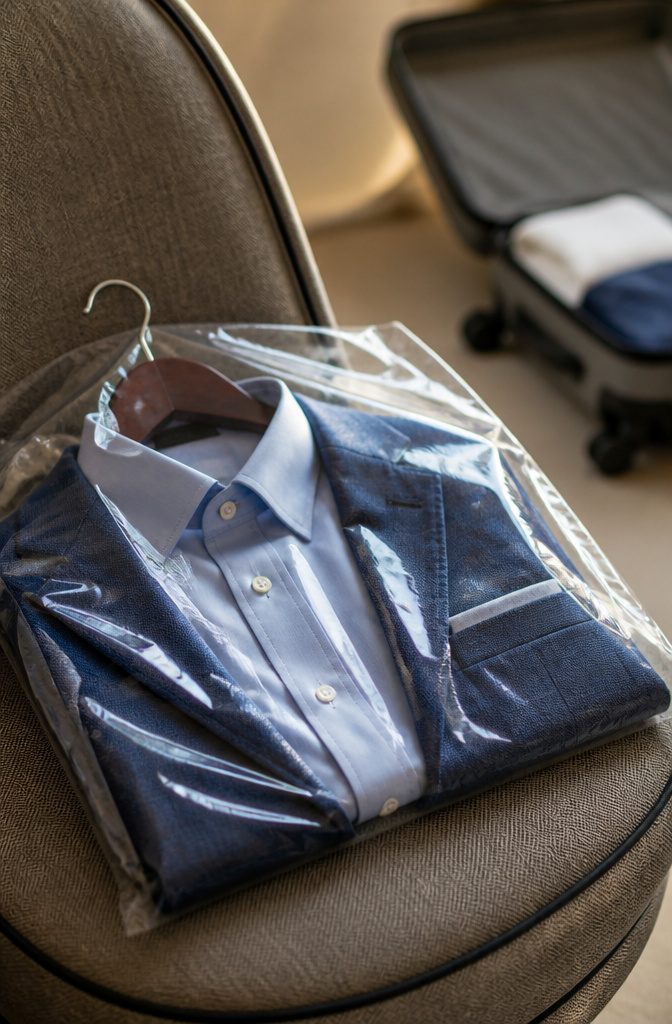
Thin plastic dry cleaning bags do one thing exceptionally well: they let fabric slide instead of grip. Surface slip is what prevents a crease from setting in when pressure hits, and the bags deliver it for free.
I keep dress shirts and blazers on their hangers, bag and all, then fold the whole unit in thirds so the hanger nests inside. The plastic becomes a frictionless layer between the fold and whatever presses against it in the suitcase. The shirt arrives looking almost pressed, not almost pressed-and-then-sat-on.
One outfit per bag works best. Stack those bagged bundles in your luggage and the plastic continues doing its job between layers. The method is less useful for items you folded conventionally; tissue paper handles that scenario better, since dry cleaning bags protect against wrinkling but not against the crease that a hard fold creates.

RELAXED FIT FOR BIG & TALL - Designed for men up to 6XL, this merino wool tee provides extra room through the chest and midsection without feeling baggy. The extended drop-tail hem helps reduce ride-up when reaching, lifting, bending, or sitting, while the 200gsm fabric drapes smoothly for a clean, polished look and comfortable all-day wear

Soft & Comfortable: 17.5 micron superfine merino wool shirts for men, lightweight 212 g/m², offers no itchiness and provides all‑day comfort

Raw Material Advantage: Unlike most 18.5μm Merino wool products on the market, all Merino wool products at Chanyarn are made from 17.5μm Superfine Australia Merino wool, which is of A+ grade quality. This choice incurs higher raw material costs. However, we chose it because it maximally restores the essence of Merino wool—being softer, warmer, more breathable, more skin-friendly, and more suitable for individuals allergic to wool.
5. Packing Cubes to Stop Shifting
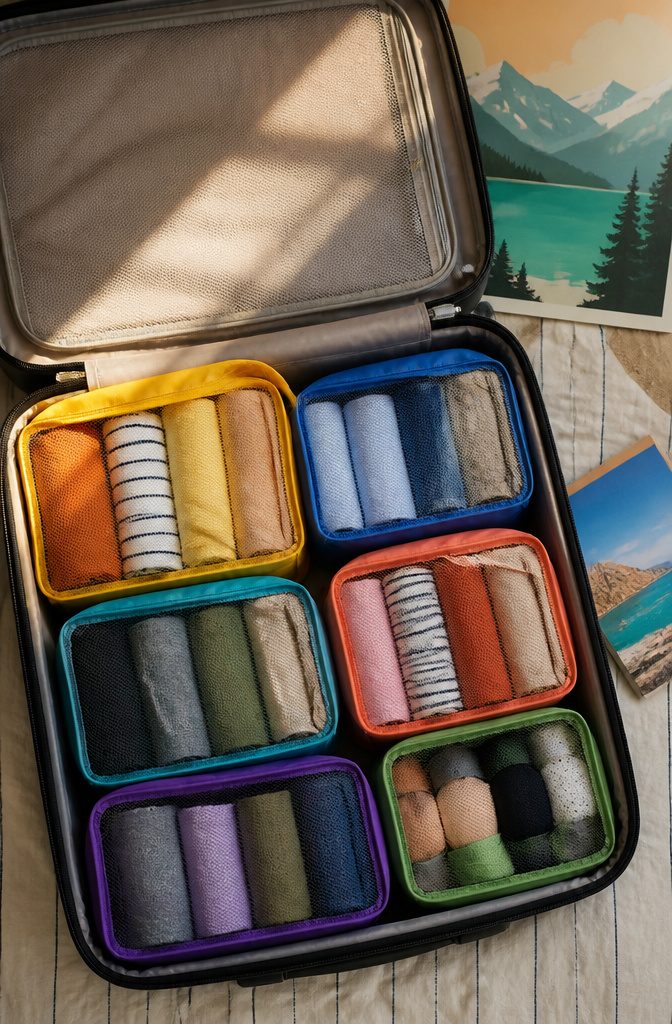
Packing cubes keep rolled or folded clothes exactly where you put them, which is where most of the wrinkle prevention actually happens. A shirt rolled tight and dropped into a cube stays rolled through baggage handling. That same shirt loose in a suitcase gets shuffled, compressed unevenly by the pair of shoes sliding into it, and arrives with creases that weren’t there when you packed.
I sort by category: one cube for tops, another for bottoms, a third for underwear and socks. The real benefit shows up mid-trip, pulling out one cube without disturbing the rest of the bag.
The distinction that matters is compression versus organization. Standard packing cubes hold things in place. Compression cubes squeeze out air to save space. Push that too far, overstuff them until the zipper strains, and the pressure creates wrinkles against the hard sides of the cube. Compression works fine for jeans and sweaters, fabrics that already resist creasing. For anything that wrinkles easily, standard cubes with a little breathing room win.
Versatile Colors and Sizing – We offer our fitted sheets in twin, full, queen, and king sizes, as well as lavish bedroom colors such as white, gray, light gray, navy and taupe

100% wrinkle resistant polyester stretch Matte Jersey
Stay Put All Night: The fabric with 4-way flexibility tech stretches over the mattress and stays in place securely all night, no more slipping off, moving or wrinkling, fits tightly and prevent scratching from your pets like dog or cat, also kids friendly
6. Wear Your Heaviest Items
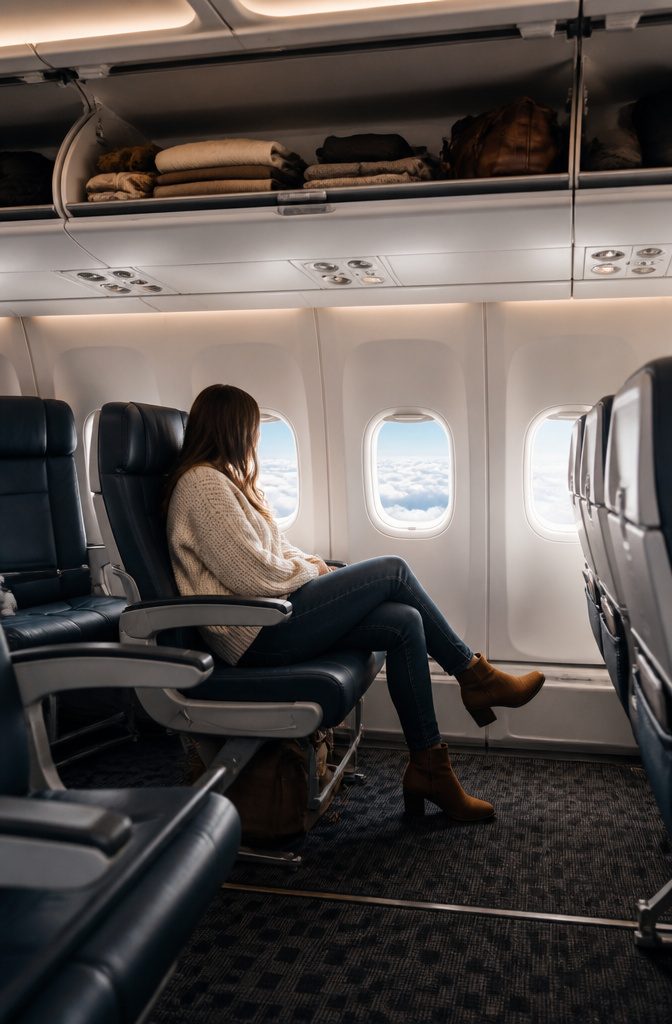
A blazer draped over a plane seat back picks up less damage than one folded into an overhead bin. The same goes for boots and a heavy sweater. Wearing your heaviest items instead of packing them frees 1.5–2 kg of bag capacity, and everything that stays inside gets lighter and easier to arrange without pressure creases.
The cabin is usually cold anyway. That thick knit you were going to roll and wedge between jeans becomes the layer you actually want at 30,000 feet. Jeans, boots, a structured jacket, a chunky sweater — all of it rides on your body, not against your shirts.
This only works for the travel day itself, not the whole trip. One heavy outfit per leg is the practical limit. I count what I will wear, subtract it from the packing list, and what is left fits flatter and lighter. The worn items might need a brush or a quick steam at the hotel, but they arrive without the deep folds that come from sitting under a suitcase’s full weight for six hours.

[ UNIQUE DESIGN ]: Classic collared neck, long sleeve, relaxed fit style will never out of style. Casual & simple, lightweight and breathable. Curved hem design can cover your hips, perfect to show out your curves and to create a stylish look.
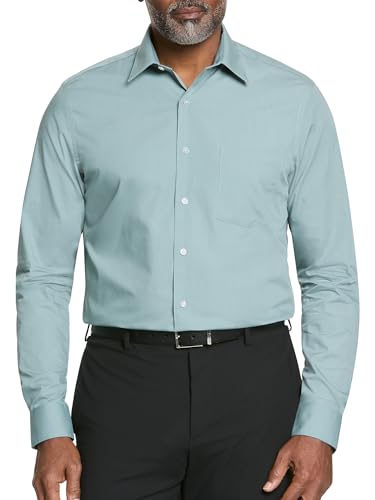
WRINKLE FREE: Developed for less wrinkles and easy care

Soft Stretch Comfort: Made from a soft polyester-blend fabric with gentle stretch, this mens dress shirt feels smooth and comfortable through long workdays,dinners,and daily wear while allowing easier movement through the shoulders and arms.
7. Unpack and Steam in the Bathroom
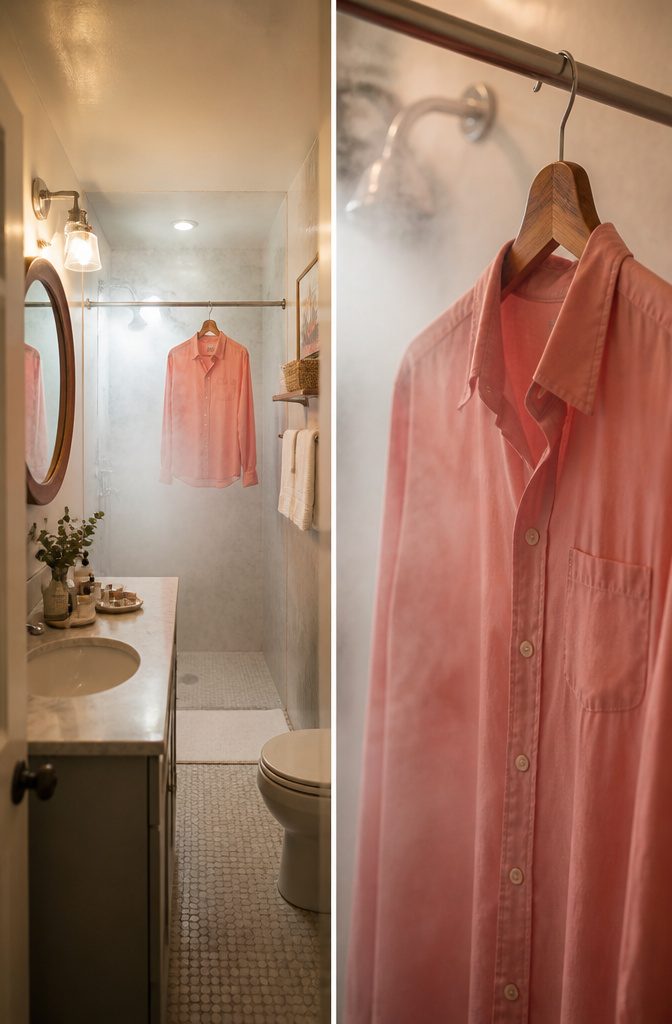
- Hang everything the moment you walk through the door. Gravity starts working on creases within minutes of a garment coming out of a cramped bag, and a hanger lets it pull in the right direction.
- Run the shower on its hottest setting with the bathroom door closed. The steam needs time and concentration to relax fibers. Five to ten minutes of hot water builds enough heat; keep the garment high on the rod or on a hook behind the door, well away from spray.
- Leave the room and let it sit. Most natural fibers release 80 to 90 percent of travel wrinkles in 10 to 15 minutes this way. Synthetics respond less dramatically.
- Skip the quick lukewarm shower with the door cracked open. The steam disperses before it can do anything useful, and you end up with damp clothes that still look slept in.

【𝐏𝐫𝐞𝐦𝐢𝐮𝐦 𝟏𝟎𝟎% 𝐖𝐚𝐬𝐡𝐞𝐝 𝐂𝐨𝐭𝐭𝐨𝐧, 𝐔𝐥𝐭𝐫𝐚 𝐒𝐨𝐟𝐭 & 𝐒𝐤𝐢𝐧‑𝐅𝐫𝐢𝐞𝐧𝐝𝐥𝐲】Made of high‑quality washed cotton, this bedding set delivers lightweight breathability and cloud‑like softness, ideal for all‑night cozy sleep.

Complete Set – 18x18 Inch Cotton Cloth Napkins (Set of 4) – Premium Heavy Quality Fabric Dinner Napkins Measuring 18x18 Inches, Perfect for Everyday Meals, Holiday Dinners, Weddings, and Formal Gatherings. Made from 100% Pure Cotton with Reinforced Stitching and Finished Edges for Long-Lasting Durability and Professional Appearance.

【Premium 100% Washed Cotton, Ultra Soft & Skin‑Friendly】 Made of high‑quality washed cotton, this bedding set delivers lightweight breathability and cloud‑like softness, ideal for all‑night cozy sleep.
Garment Bags for Formalwear
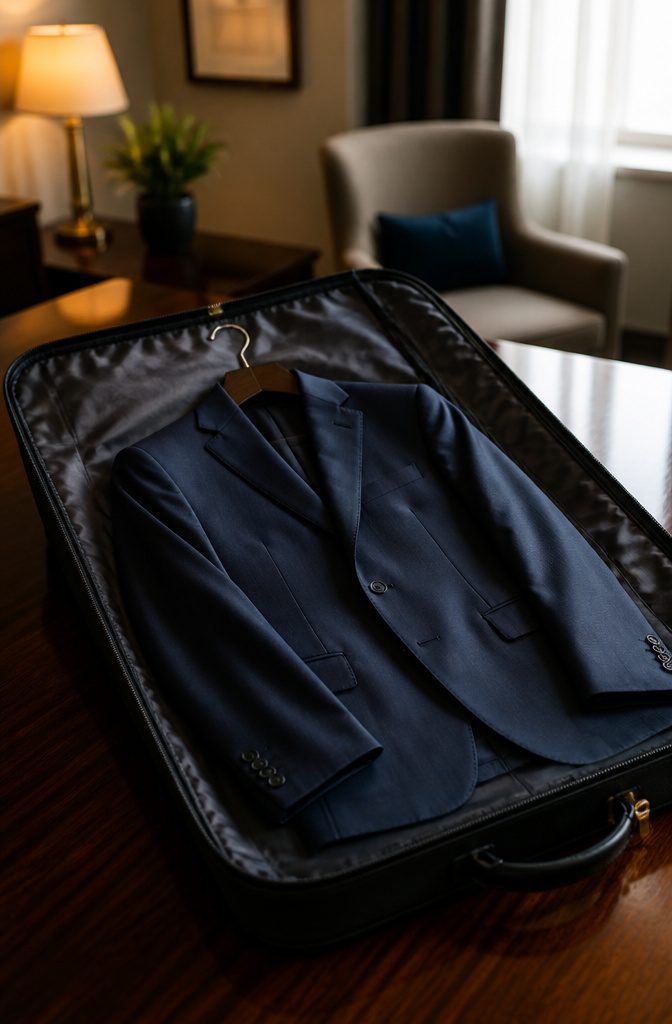
A silk dress or a tailored suit arrives at a hotel looking like a used napkin if you fold it into a standard suitcase. Garment bags keep formalwear flat and free from pressure, which is the difference between walking into a dinner and spending twenty minutes with a hotel iron that steams more than it presses.
The method is simple and specific: fold the garment as little as possible so it stays closer to its natural shape. One fold for length, maybe one for width, then lay it flat inside the bag. The bag goes on top of everything else or gets its own overhead bin slot, never at the bottom of a pile.
The real payoff hangs on what you do at the other end. As soon as you reach the room, the bag comes out and goes on a hanger. Gravity does the rest while you check in or grab coffee. Skip this step and you have saved the garment from the suitcase only to let it crease against a chair back for three hours.
A dry-cleaning bag works for a single dress shirt in a pinch, but formalwear needs the structure. The garment bag is the same idea with bones: a dedicated version for the one trip where you cannot afford to look like you packed in a hurry.
Frequently Asked Questions
What is the best way to pack clothes without wrinkles?
Bundle packing is the most effective single method for a full wardrobe. You wrap clothes around a central core item, which eliminates fold lines entirely because nothing ever folds flat. Most experienced travelers combine this with rolling for casual items and tissue paper for delicates.
Does rolling clothes prevent wrinkles?
Yes, for casual clothes. Rolling works because any crease runs in one consistent direction and relaxes quickly once unrolled. The key is tightness: a loose roll unravels and lets fabric shift into wrinkles. Skip this method for structured items like dress shirts and blazers.
How do you pack a dress shirt without wrinkles?
Use bundle packing with the shirt as the outer layer, or keep it in its plastic dry cleaning sleeve, fold in thirds, and lay flat. The plastic lets fabric slide instead of grip, which stops creases from setting under pressure. For extra protection, add tissue paper inside the collar and cuffs.
How do you get wrinkles out of clothes after travel?
Hang the garment immediately, then run the shower on its hottest setting with the bathroom door closed for 5 to 10 minutes. Keep the item high on the rod, away from spray. Most natural fibers release 80 to 90 percent of travel wrinkles in 10 to 15 minutes this way.
What fabrics travel without wrinkling?
Merino wool, polyester blends, nylon, and performance synthetics travel best. Merino wool stands out for its natural elasticity, odor resistance for two to three wears, and temperature regulation. Linen and 100% cotton wrinkle most easily and need the most careful packing technique.