Europe travel outfits are a system of mix-and-match pieces built around walking, weather swings, and dress codes you will not see coming.
The same two pairs of shoes have to handle 20,000 steps on cobblestones and a restaurant that turns away denim.
A single trench coat, one ponte pant, and a scarf that covers your shoulders at church doors: that is the core. The rest is what you leave behind.
Comfortable Walking Shoes
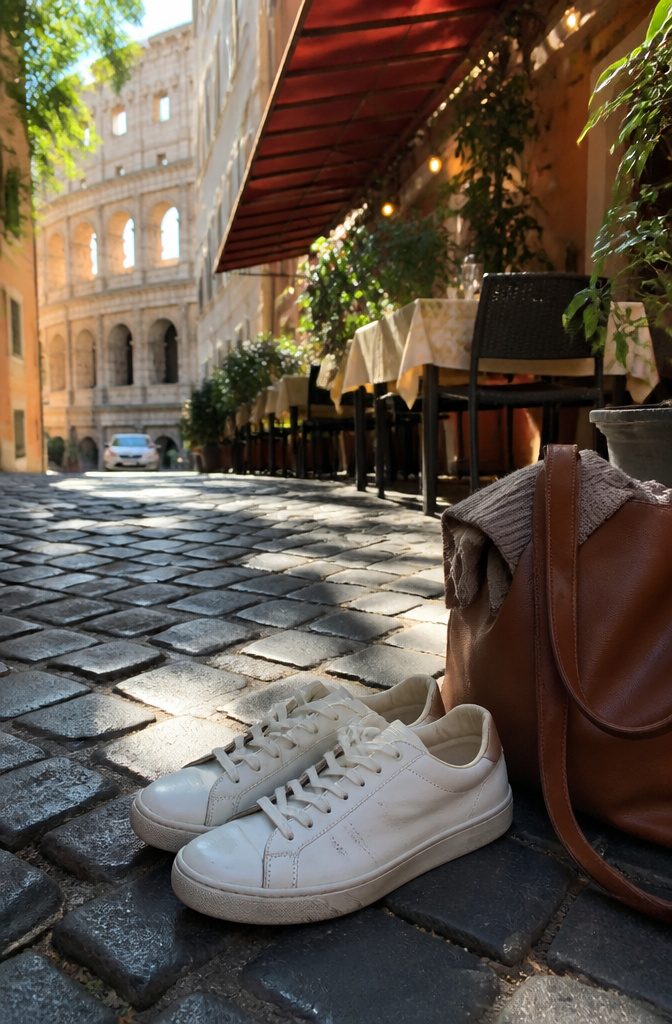
European cobblestones have a way of humbling any shoe that was not built for them.
On my first trip to Rome, I packed a pair of leather ballet flats that looked right for dinner near the Pantheon and left me limping before the appetizers arrived.
The stones along Via del Corso are uneven enough to torque an ankle in thin soles, and after eight hours of walking, the lack of arch support turned a small blister into the kind that ruins the next three days.
That experience left me with a hard rule: 2 to 3 pairs total, and every one of them broken in at home first. New shoes on European streets get destroyed within a day, and your feet go with them.
For walking days, neutral leather sneakers handle cobblestones without looking like you are heading to the gym. They wipe clean, age well, and pair with almost anything.
I keep mine to white or cream for a cleaner look, though tan or grey hides the road better if you are not the type to wipe them down each evening.
For evenings or dressier occasions, leather flats or loafers bridge the gap.
They are not sneakers, but they are not heels either, and heels are what I would skip entirely. Anything without proper support, anything overly delicate, anything that turns a museum day into a search for the nearest pharmacy.
Waterproof ankle boots round out the third pair if cold or rain is in the forecast, especially for fall travel when a dry morning can turn wet by afternoon.
The boots handle travel days in bad weather; the loafers step in for dinner; the sneakers do everything else.

Size Guide for a Better Fit:Please refer to our size chart before purchasing to select the most suitable size. These women men handmade leather orthopedic comfortable walking sneakers generally run true to size. If you have wider feet or prefer a more relaxed fit, we recommend choosing half or one size larger for added comfort.


Versatile Pants and Trousers
Pants are where most packing lists live or die. Bring the wrong pair and you are either underdressed for dinner or hauling wet denim through a rainy museum day.
I learned the hard way that jeans are not the universal answer. On a trip through the Netherlands, one pair took two full days to dry after a downpour in Amsterdam.
Another trip, dark wash or not, I was turned away from a nicer restaurant in Lyon that drew the line at denim.
The fabric also reads casual in ways that matter more in Europe than back home. Barrel-leg styles in dark washes come closest to bridging the gap, but even those have limits.
What works better is a trouser that can pass for polished without feeling costume.
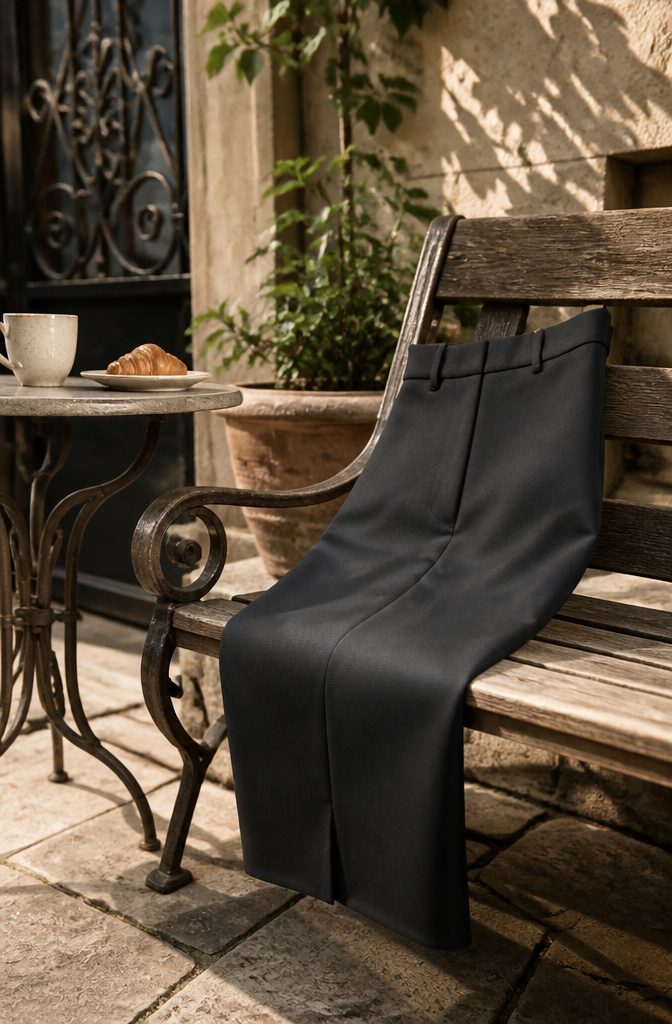
Ponte pants do this almost unfairly well. The fabric does not wrinkle, does not dig in at the waist after a long flight, and looks like a real trouser straight from the suitcase.
Black, navy, or olive handles museums in the morning and a reservation that evening. For warmer months, a relaxed linen or cotton trouser in a neutral does the same job with more air.
The key is one pair that can dress up and a second for walking-heavy days, and two pairs maximum or you are wasting space you will want later.

CLASSIC LEATHER EVERYDAY: Sleek leather lace-up design makes these women’s fashion sneakers versatile as casual sneakers women rely on for work, errands, or all-day walking comfort.
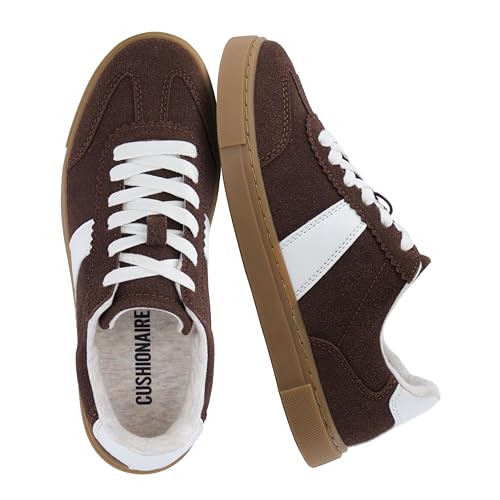
𝗙𝗶𝘁: The toe box may feel slightly narrow for some wearers—sizing up or pairing with thinner socks is recommended for those with wider feet. 𝗔𝗹𝗹-𝗗𝗮𝘆 𝗖𝗼𝗺𝗳𝗼𝗿𝘁 - These womens walking shoes feature soft padding and arch support, making them the perfect and comfortable women sneakers

Lightweight Dresses
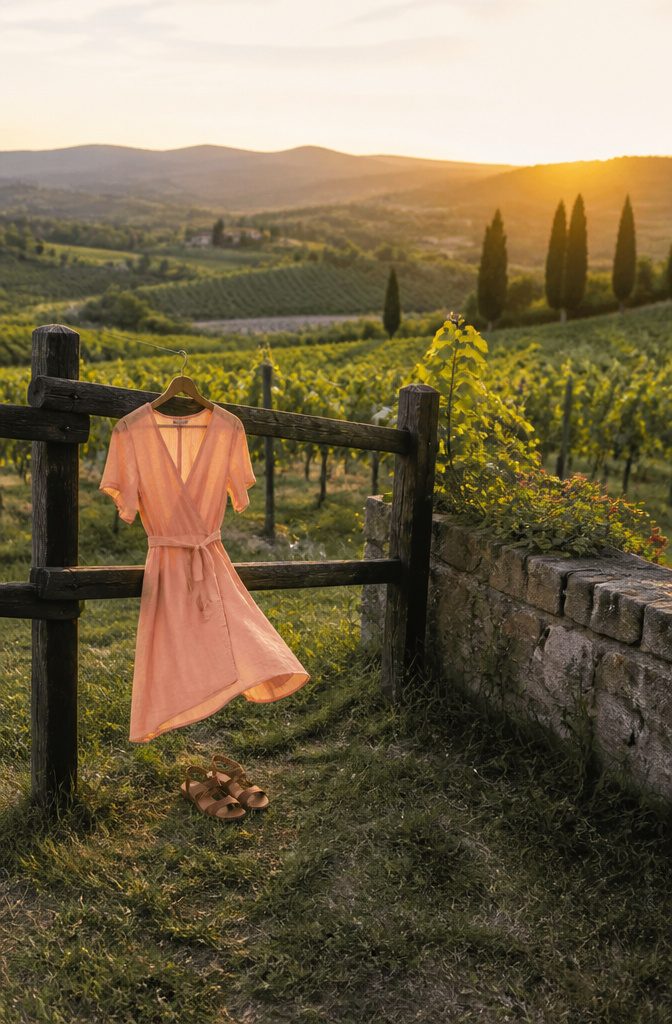
A lightweight dress in the right fabric handles the swing from 55°F morning lows to 82°F afternoon peaks without a second change.
Linen breathes through the top of that range and still looks intentional with a cardigan thrown over it when the temperature drops.
The modesty question for churches solves itself at knee length or longer; a midi or maxi cut covers shoulders and knees in one piece, no scrambling to layer a scarf as a makeshift skirt at the door.
The weight matters more than the fiber name. A heavy linen or dense cotton weave holds structure and wrinkles less brutally than the gauzy resort styles that emerge from a packed suitcase looking like a tissue.
A blended fabric with some synthetic content trades a little breathability for recoverability, and on a two-week trip that trade pays off.
Pure linen left crumpled for days needs a steamer; a linen-rayon mix shaken out and hung overnight often passes.
The dresses that wrinkle beyond saving are the ones that look pressed only for the first hour anyway, so skip the fussiest pieces and accept that European afternoons are lived in, not posed for.
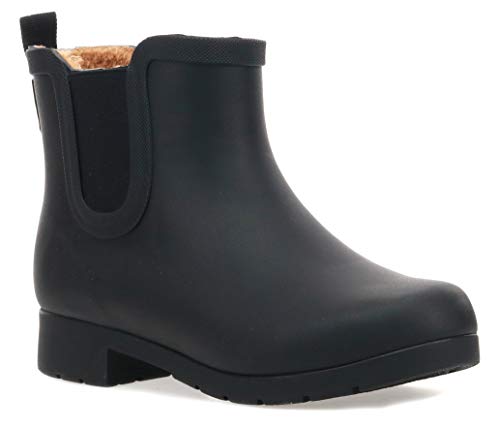
Slim Chelsea Fit: Sleek ankle-boot silhouette; Runs small, recommend sizing up

Versatile Outdoor Wear---Suitable for fall and winter outdoor activities, these snow boots for women perform well on snow, trails, wooded paths and gravel roads, keeping feet comfortable in cold weather

𝟭𝟬𝟬% 𝗚𝗲𝗻𝘂𝗶𝗻𝗲 𝗟𝗲𝗮𝘁𝗵𝗲𝗿 𝗨𝗽𝗽𝗲𝗿:Crafted from premium genuine leather, these micro boots for women combine durability, flexibility, and elevated everyday style. Designed for cooler weather, these womens boots work beautifully as fall shoes, winter footwear, and casual ankle booties for women.
Layering Sweaters and Cardigans
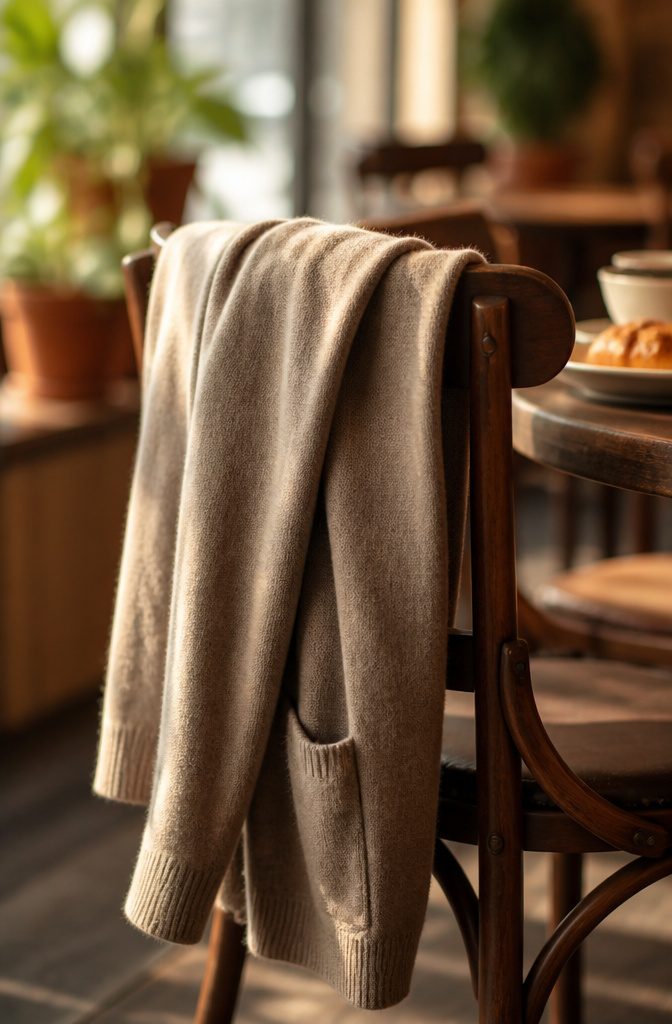
A single lightweight sweater or cardigan does more work than any other layer in my bag.
The fine-knit ones pack down to the size of a paperback, and pulling one on at 7 p.m. when the stone courtyard drops ten degrees changes the whole evening.
Cashmere or a thin merino blend is what actually travels, not the chunky cable-knit that eats half a packing cube.
I look for a V-neck and a crewneck in neutrals; the shape shift alone makes the same trousers and top feel like a different outfit.
A cardigan worn buttoned reads as a jacket in most restaurants, and open over a shell it fills the same role without the weight.
Sézane’s Betty cardigan and the matching shell combo works worn together or split across two days. Striped knits from La Ligne layer over tanks for warm evenings in Sicily or Puglia, then under a trench once October moves north.
What stays in the day bag is never the heavy layer; it’s the one that weighs nothing and covers the gap between afternoon sun and dinner by the water.
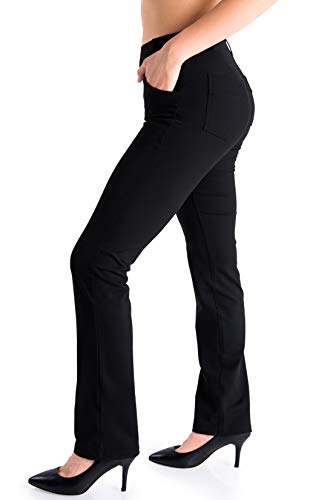
Fit: Available in 27", 29", 31", 33", 35", and 37" inseam options to fit different heights—27"/29" (Petite) for 5'–5'5", 31" (Regular) for 5'6"–5'8", 33" (Long) for 5'9"–5'11", and 35"/37" (Tall) for 5'11" and above

Superior Fabric & Construction: Made with premium stretchable ponte fabric, these flare pants provide a flattering, smooth fit with exceptional stretch and resilience, offering both comfort and elegance for all-day wear.

ShiftReady Collection Fabric: ShiftReady collection dress yoga pants made of premium 4-way stretch fabric which has a sleek drapey look as work pants but comfy as yoga pants
Light Jackets and Trench Coats
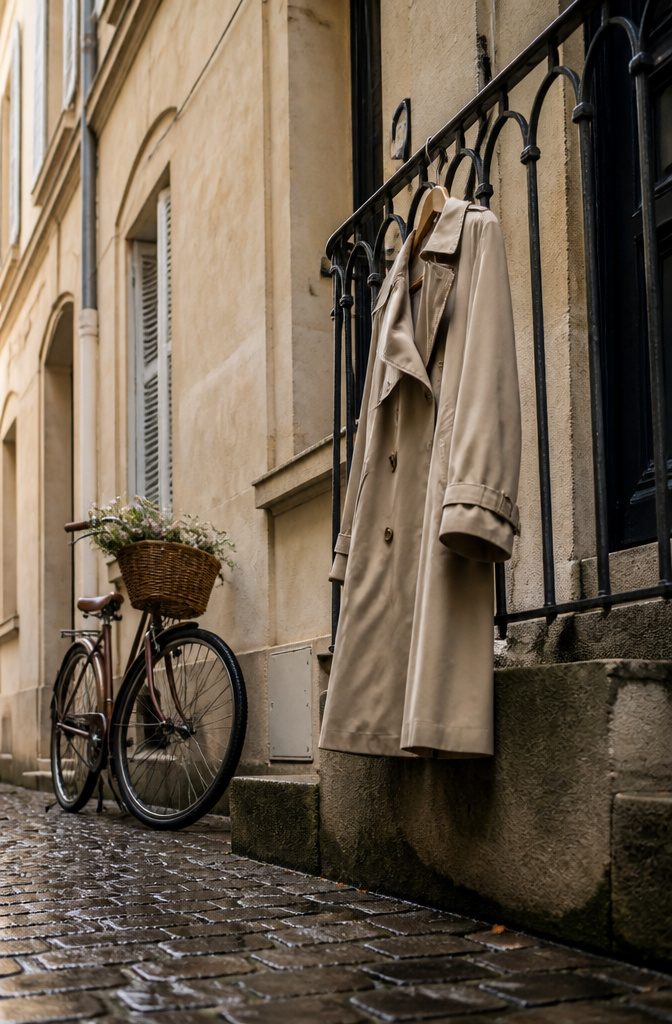
A trench coat is the single outer layer that stretches a core wardrobe across spring and fall without doubling your baggage.
The one from THEO the label packs flat enough to squeeze into a carry-on corner and holds up in real rain, not just drizzle.
That matters more than warmth: European cities rarely throw hard cold at you, but they will hand you sudden showers while you are walking between sights.
Leather jackets get the same layering job done and read as local in Paris, Madrid, Barcelona, or Amsterdam. The look is the same effortless staple you will see on women actually living in those cities, not just posing for photos.
What I wish I had left home: anything bulky that claimed to be "water-resistant" but took up half a jacket sleeve.
What I wish I had packed: a short trench I could actually wear to dinner without looking like I had just come in from a hike.
The midweight layer is where most travelers overcorrect for cold and end up sweating through museums.
Light jackets are the secret to Euro dressing… Europeans love layering, and both trench coats and leather jackets are staples in pretty much every city.
— Glamour
The practical takeaway is that one light outer layer handles three temperatures if you can add or subtract underneath.
Pack the shell that works over a sweater and a dress alike, and skip the "just in case" heavy coat that stays folded in your bag.

MATERIAL: This scarf is crafted from a soft, cozy fabric that feels as luxurious as cashmere. It’s large, warm, and thick, yet surprisingly lightweight—perfect for those chilly evenings outdoors.
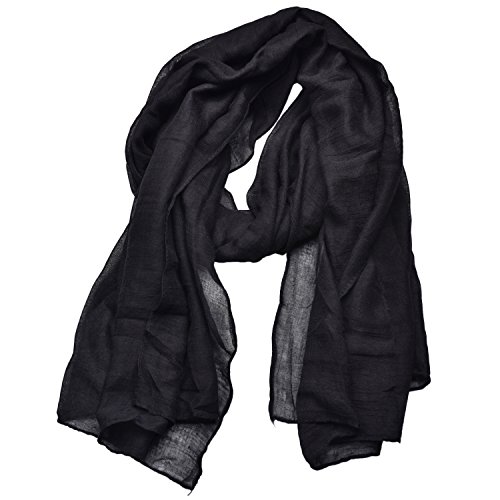
Material: It is made of 85% polyester and 15% cotton

This wrap scarf is made of soft chiffon fabric, good hand feel silky especially perfect for a cool outdoor night.can cover up your shoulders,keep warm.
Scarves and Hats
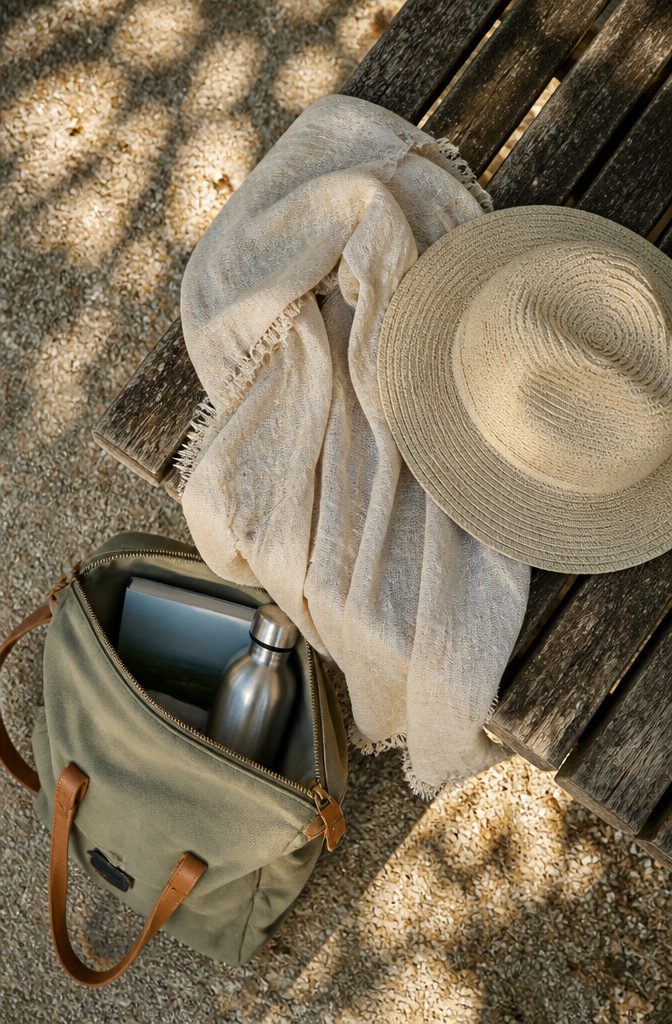
A packable sun hat keeps the same outfit workable across a full day of walking.
I learned the hard way that a stiff-brim boater looks polished at a Paris café but reads as costume once you leave the arrondissements where tourists cluster.
A soft, crushable style you can stuff in a tote blends in better and still does the job when the light hits hard around noon.
Scarves do the heavy lifting. Three in neutral tones turned my two jackets and four shirts into enough combinations for a month-long trip without repeating a look.
A lightweight scarf thrown over the same black slacks and olive jacket made the outfit feel intentional for dinner; the same scarf at breakfast just looked like I dressed for the day.
The trick is fabric weight. A cashmere or linen blend works across seasons; a thick wool scarf in May marks you as someone who packed for the wrong continent.
Sunglasses help, but only if they are not the pair you would mourn losing at a café table.
The umbrella stays in the checked bag, cheap and small, because a downpour in a tourist shop costs three times what it should.

✔ Zero-Drop Sole – By keeping your heel and forefoot at the same level, it reduces strain on joints, improves balance, and encourages a natural stride and better posture.

【Premium Hand-Stitched Leather Craftsmanship】Made from high-quality leather with detailed hand-stitched construction, these outdoor casual beck shoes combine durability with a classic vintage-inspired look. The sturdy materials and careful craftsmanship provide lasting comfort for everyday wear.Crafted with a soft inner lining and cushioned insole, these shoes offer excellent support and all-day comfort.

Quick-Drying Undergarments
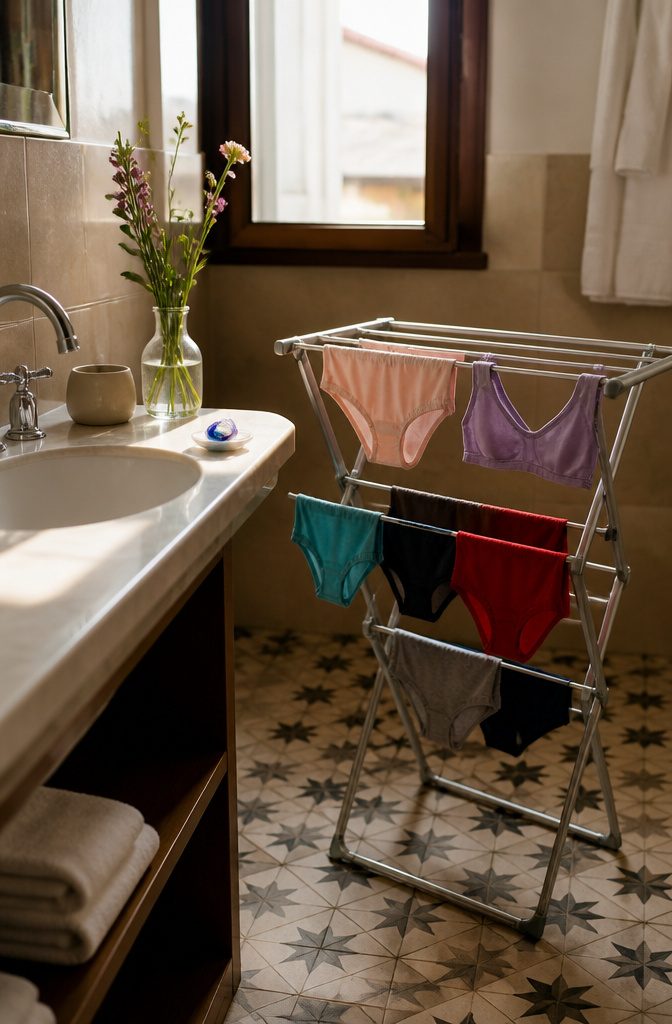
Underwear and base layers do more of the heavy lifting on a two-week Europe trip than any scarf or statement necklace ever will.
I pack 10 pairs for a fourteen-day trip, which sounds excessive until you realize five of them are in rotation while the other five dry on a hotel towel rack.
Sink-washing is what makes this number work.
In Rome, I ran a sink of cool water with one of those travel laundry pods, swished the day’s pair through, rolled it in a dry towel to press out moisture, and hung it near the window.
The lightweight synthetic fabric dried by morning; a cotton camisole I tried the same way stayed damp through breakfast and had to get packed wet.
The difference between fabrics matters more in a 10-inch hotel bathroom than it does in a full laundry room.
A base layer that dries overnight means you can carry three instead of seven.
The ones that don’t dry overnight mean you’re wearing yesterday’s damp shirt under your sweater. That choice, repeated across a trip, is what separates a carry-on from a checked bag.

HERITAGE DESIGN: Straight from the archives, it’s the PUMA Palermo. This classic terrace shoe is revived today with its signature T-toe construction, plus extra-bold colorblocking and plush materials. Its design builds on PUMA’s heritage within football, while appealing to today’s sneakerheads and terrace fashion mavens.
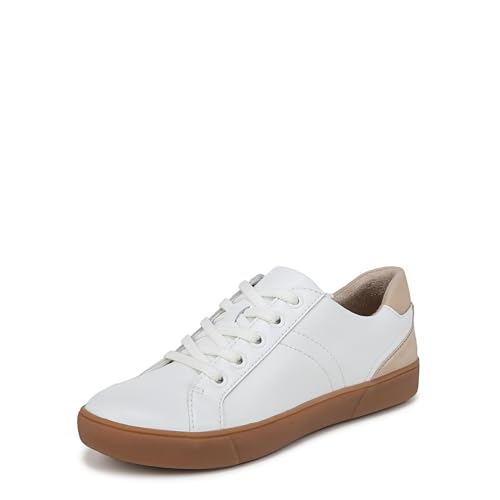
Most-loved lace up sneaker for women for comfortable everyday wear, travel, vacation and more

Bring out your style with the chic low-top elegance of these lace-up shoes
Packing Light With Mix-and-Match Pieces
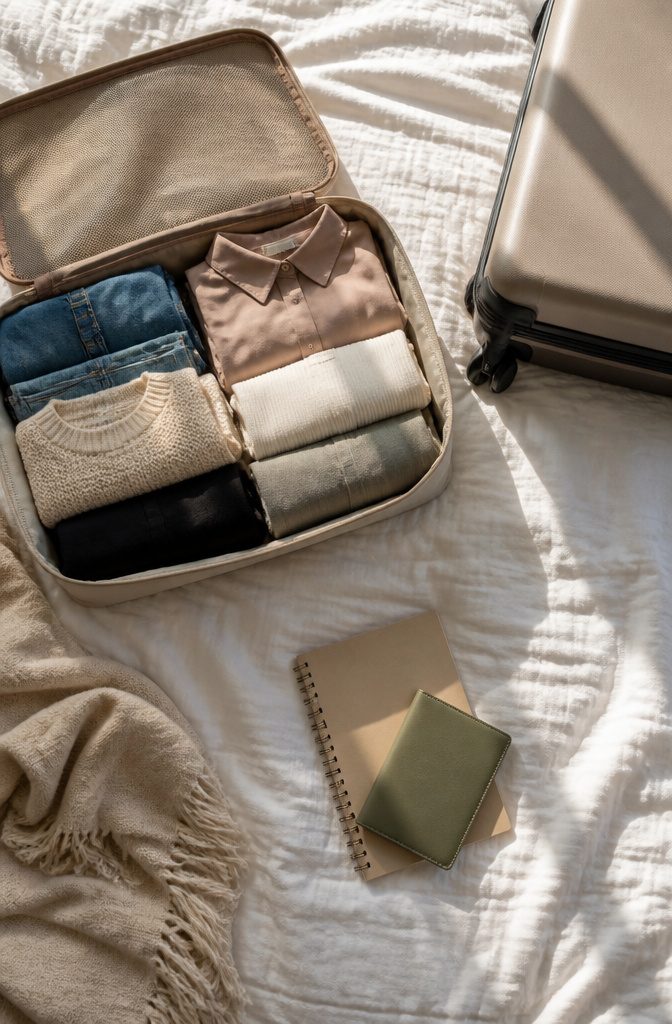
A 12-piece capsule for two weeks in Europe sounds spare until you run the combinations. Three bottoms, four tops, two layering pieces, one dress, and two "underpinnings" gives you roughly thirty-six distinct outfits before you repeat.
Packing cubes are what make the math physical: one cube for tops, one for bottoms, one for the pieces you only pull out for dinner.
I fill the cubes, compress, and the whole wardrobe fits a carry-on with room left for the return flight.
What sits in the bag unworn tells the real story. On my last trip, the third pair of shoes and the "just in case" blazer never left the cube.
Hand-washing the merino base layers in the sink every fourth night meant I reached for the same two tops again and again.
The pieces that traveled got worn; the backup-for-the-backup stayed compressed and creased. A capsule only works if you trust the combinations you actually built, not the ones you imagined needing.

DUAL-TEXTURE VISUAL MATRIX & PREMIUM SELECTION:Offering two quiet-luxury upper options: sleek semi-matte grain PU and soft light-absorbing matte suede. Smooth vertical seams create a slimming visual effect to narrow ankles and elongate legs, shifting effortlessly from formal boardroom meetings to laid-back downtown art outings on weekends.

Combat Ankle Boots for Women - A rugged trail-inspired look with a clean city silhouette, antique brass eyelets, and a chunky lug sole. Easily pairs with jeans, leggings, skirts, and fall-winter outfits

Versatile 3-Season Styling: Designed for spring, summer, and fall, plus mild winter climates, these women's ankle boots transition seamlessly from sunny days to cool evenings. Lightweight enough for warm weather yet polished enough for layering, they keep you stylish without overheating—perfect for year-round wear in non-freezing regions
Reading Weather Across Regions
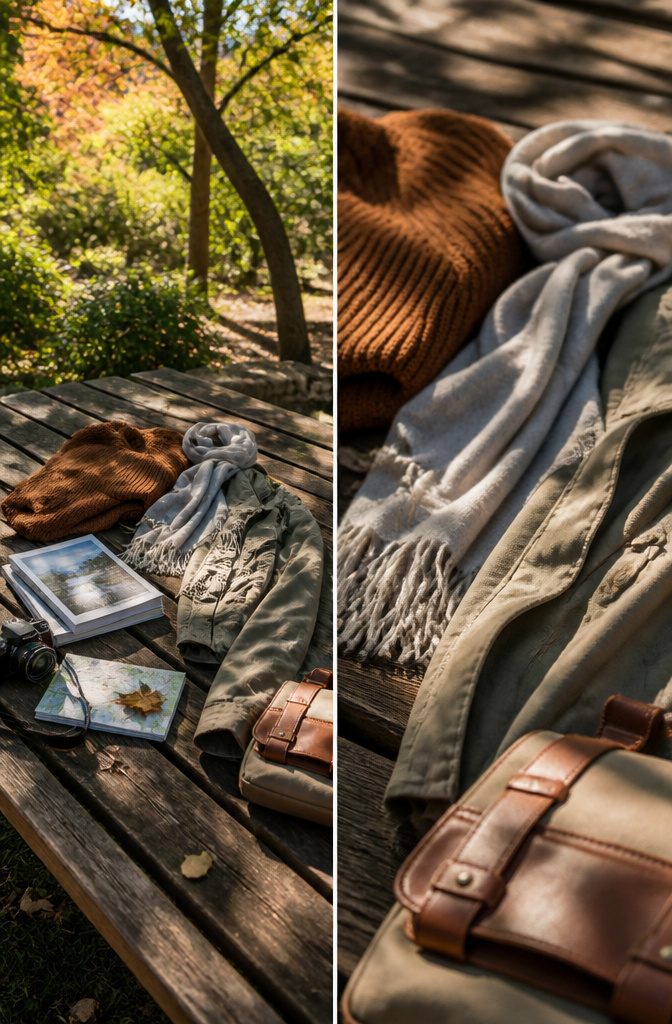
European weather in spring and fall means temperature swings of 20 to 30 degrees in a single day.
A morning in the 50s can turn into an afternoon in the high 70s, then drop back to sweater weather after sunset. That range is the packing puzzle: you need coverage for both ends without hauling two wardrobes.
The sources describe this differently by season and place.
Summer in France, Italy, and Spain brings 70s and 80s daytime heat, but mornings and evenings stay cool, and air conditioning is scarce in rentals, shops, and restaurants. The heat lingers indoors where you cannot escape it.
Fall reverses the problem: daytime sightseeing stays mild, but evenings turn chilly enough that one source layered jeans with a lightweight black sweater and another relied on a merino base, mid-layer sweater, and coat chosen for the destination temperature.
The practical move is a single system that adds or subtracts. A thin base layer handles warm afternoons; a sweater or cardigan goes on for evening.
One coat, chosen for the trip’s coldest likely moment, covers the rest. The same bottoms, ponte pants or a midi skirt, work across both states.
Two pairs of shoes, leather sneakers and one dressier option, are enough. A pashmina fills gaps without bulk.
The mistake is packing for the high or the low alone. You will either sweat through noon or shiver through dinner.

Easy-Care Ponte Pants: Vooveeya ponte pants feature double-knit material, which are thick, soft and smooth but still has heft and well recovery, combined with comfort stretch of leggings and the polished structure of dress pants
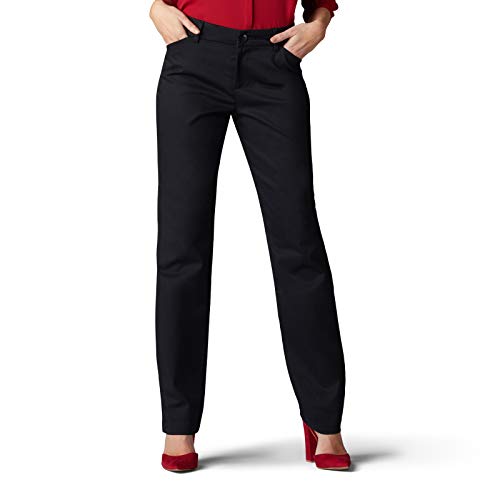
RELAXED FIT. With a relaxed fit and mid rise, these pants are a wardrobe necessity. These women's slacks help keep you looking wrinkle-free for carefree wear from work to dinner.

Stretchy & Breathable: Made of four-way stretch material, this lightweight business casual pants allows for a full range of motion and wicks miosture away quickly to enhance your daily performance.
Dressing for Churches and Cultural Sites
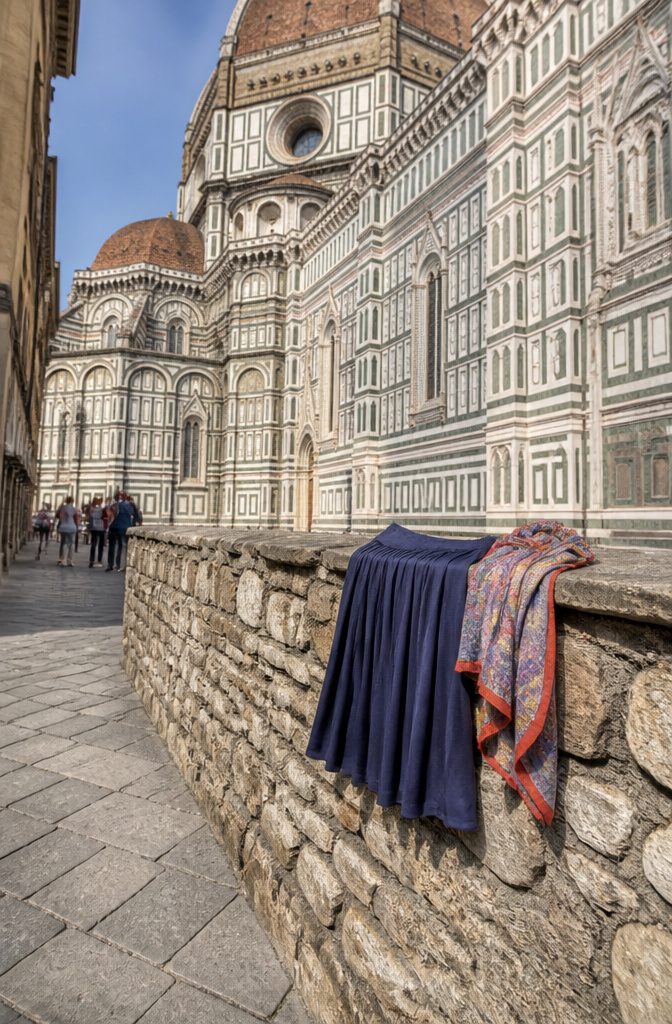
Covered shoulders and knees are the rule at many European churches, and the requirement is real enough that I have watched tourists turned back at the door of St. Peter’s Basilica in Rome and St. Mark’s in Venice.
Enforcement elsewhere is looser, but counting on that is a gamble with your afternoon.
The same pieces already in your bag handle this. A lightweight scarf or pashmina drapes over bare shoulders in seconds.
Knee-length skirts or Capri pants cover the knee without the weight of long trousers in summer heat. The silk or microfiber layers that pack small for everyday wear work here too.
At some heavily touristed churches, staff hand out tissue-paper sheets to wrap like a temporary shawl or skirt, though the fabric you brought yourself looks less like a craft project and stays put.
Men in shorts have the harder improvisation.
A pair of as-light-as-possible pants carried for dinner or cooler evenings solves it. Distressed or hole-kneed jeans already read as too casual for most European cities; churches simply make that limit explicit.
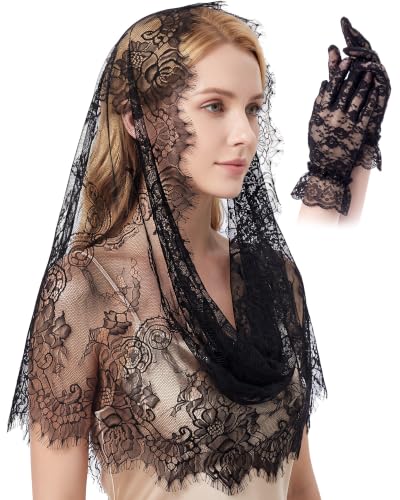
Package Includes: package includes 1 black veil and 1 pair of lace gloves, giving women a ready Halloween look when they need gothic style from head to hand; The matching set helps costume lovers create a darker outfit without searching for separate accessories

SOFT & COMFORTABLE FABRIC: Made of 70% polyester and 30% viscose, this women's shawl offers a soft, smooth feel with a graceful drape. Comfortable to wear over the shoulders and easy to pair with dresses or everyday outfits.

MATERIAL: This scarf is crafted from a soft, cozy fabric that feels as luxurious as cashmere. It’s large, warm, and thick, yet surprisingly lightweight—perfect for those chilly evenings outdoors.
Balancing Comfort and Style on Foot
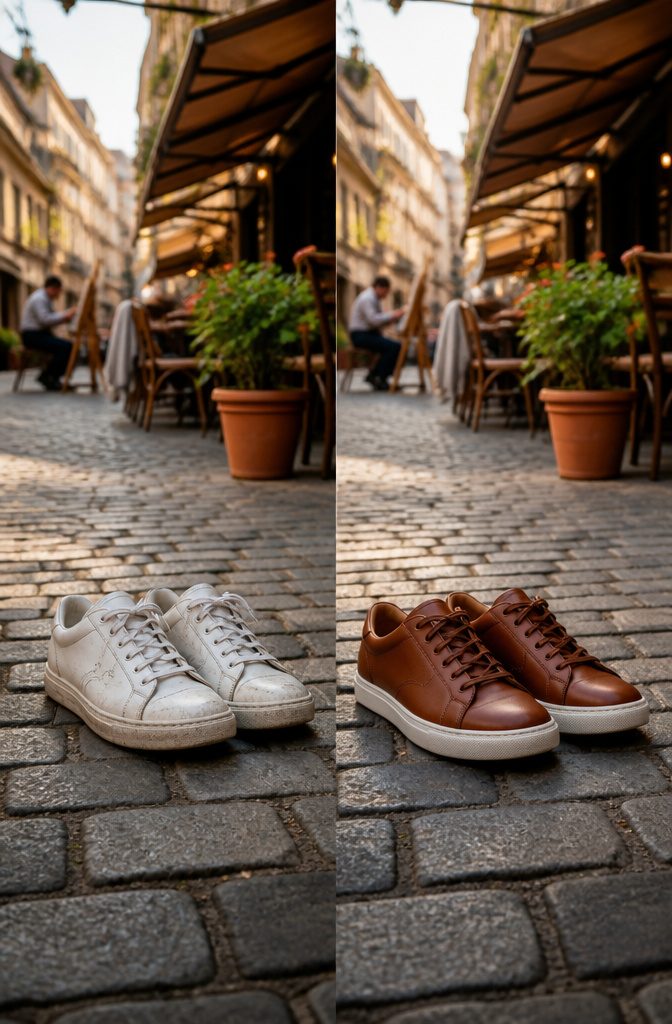
The hardest balance in any Europe travel outfit isn’t the clothes; it’s what happens below the ankle.
Cobblestones will destroy an untested shoe within a day, and a full day of walking can run past 20,000 steps without you noticing until you sit down for dinner and realize your feet are screaming.
Leather sneakers handle the walking days.
Leather flats or loafers handle the evenings. That two-pair rotation sounds minimal until you try swapping one out and find yourself limping through a museum the next morning.
Waterproof ankle boots fill the gap for cold or rainy stretches, and they earn their place fast in a fall trip through Northern Europe.
The real trap is the shoe you bought for the trip and never wore down beforehand.
Comfortable shoes are worth buying new, but only if you break them in before you fly. Beach flip flops and anything without proper support are liabilities on uneven stone.
Heels and delicate styles that won’t hold up to city wear should stay home. Your feet will thank you, and so will the dinner you can actually walk to afterward.
Frequently Asked Questions
What should I wear in Europe in the fall?
Build your fall wardrobe around layers: a thin base layer, a sweater or cardigan, and one light coat or jacket chosen for the coldest temperature you expect.
Add one or two versatile bottoms like ponte pants or a midi skirt, two to three pairs of broken-in shoes, and a pashmina to fill gaps without bulk.
This system covers the 20 to 30 degree temperature swings that happen in a single autumn day.
How many outfits do I need for a summer trip to Europe?
Aim for 7 to 10 days of mix-and-match pieces rather than a completely different outfit for each day.
A practical capsule might include three bottoms, four tops, two layering pieces, one dress, and two underpinnings, which combine into roughly thirty-six distinct looks. Packing cubes keep the math physical and the whole system carry-on sized.
What shoes should I pack for Europe?
Bring 2 to 3 pairs total, and break every one in at home first. Leather sneakers handle walking days on cobblestones; leather flats or loafers bridge dressier evenings; waterproof ankle boots earn their place in cold or rainy stretches.
New shoes on European streets get destroyed within a day, and your feet go with them.