The wrinkle-free suitcase costs an extra sixty seconds per garment, not a travel steamer you will pack once and ignore. Most people skip the first step, and every crease they pack stays creased. Shaking the garment hard, then running your palms from collar to hem before a single fold, is the thirty seconds that separates a shirt from a napkin on arrival.
1. Lay Everything Flat and Smooth It Out
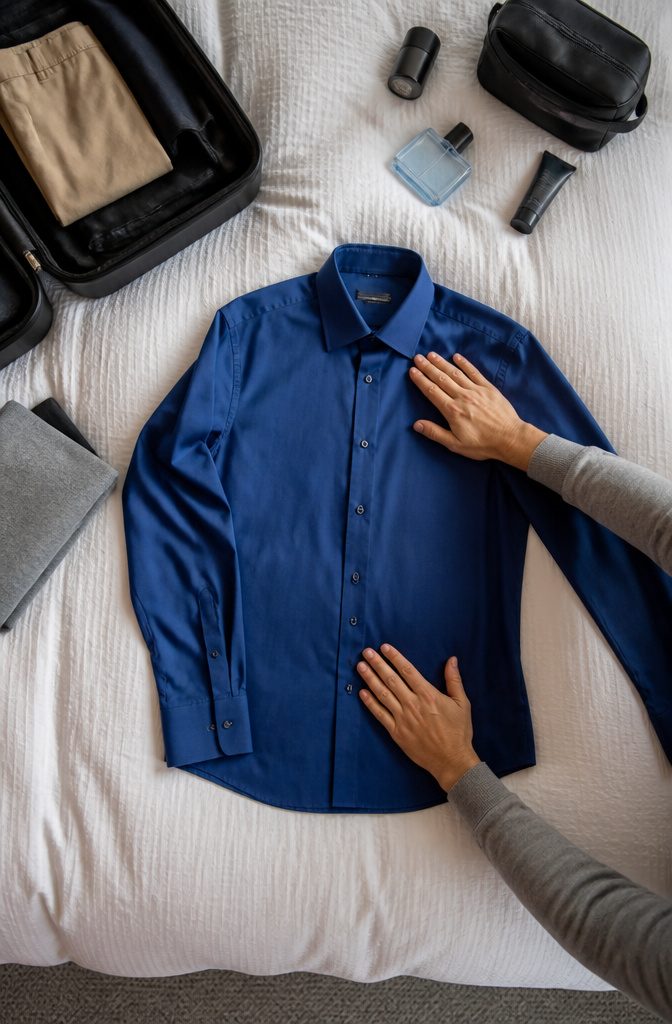
A clean hotel bedspread works fine in a pinch, but the real move is starting with fabric that is already smooth. Every crease you pack stays creased. Shake the garment hard, lay it face-down, and run your palms from collar to hem until the surface is flat. Button every button on a dress shirt first; the placket keeps the front panels aligned and the fold follows the seam instead of cutting across it. The first thirty seconds of smoothing determines whether you unpack a shirt or a napkin. For silk or anything that snags, lay a sheet of acid-free tissue over it before you fold, then fold around the paper so the tissue takes the crease, not the fabric. Skip this step and the friction of the fold itself will mark the cloth.

Abundant Quantity: 100 sheets 15" x 20" white tissue paper, ensuring you have an ample supply for your daily storage needs. Large size, the generous quantity great for making DIY crafts, flower tissue Pom Pom's, gift bags, packaging use, tassel garland and more.

Abundant quantity: This bulk pack includes 100 sheets of tissue paper bulk, ensuring you have an ample supply for your daily storage needs. Large size, 24 x 36 inches, the generous quantity also allows you to share these dependable preservation materials with family members or others who may benefit from them.

The white tissue paper bulk package contains 100 sheets of 14 x 20 inches white wrapping paper, enough quantity for you to use at will
2. Fold Sleeves and Build the Rectangle
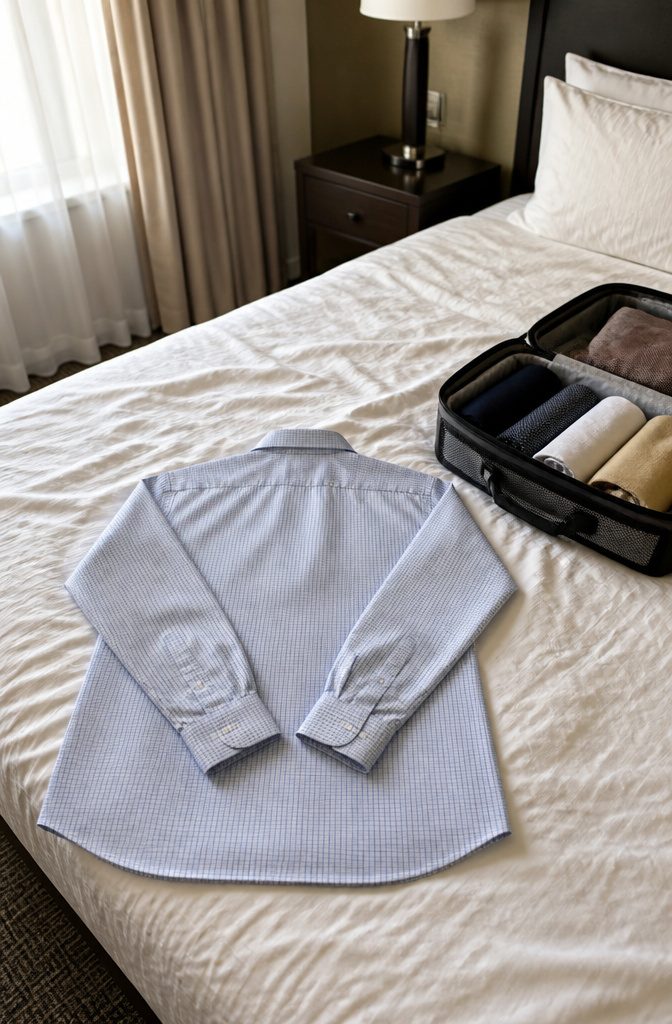
The flat fold for dress shirts starts with every button fastened, cuffs included, so the fabric stays under tension while you work. Lay the shirt face down with the arms spread, then fold one side toward the center keeping the sleeve straight. Fold that sleeve back at a 45-degree angle so the cuff points toward the collar, and repeat on the other side to form a neat rectangle. Fold the bottom third up, then fold in half again. The resulting packet stays crisp and takes minimal space.
This same inward-sleeve method scales to casual shirts when you adapt the width. Fold each sleeve inward along with an inch or two of fabric down the shirt’s length, wider for larger sizes, until the shirt matches the width of your packing cube. Lift the bottom to meet the top and you have a rectangle ready to stack. The difference is in the final fold: dress shirts get the precise thirds-and-half treatment that preserves structure, while casual shirts fold once to cube width and stop.
Structured and delicate garments reward this extra care. A blazer or silk blouse folded this way arrives with seams and edges intact, not crushed from rolling or bundling. The time added is maybe thirty seconds per item, which pays back in mornings without ironing in a hotel room with a questionable iron.

A Laundry Game Changer – Had a hard time folding shirts? This folding board will up your laundry game! The clothes board makes folding much easier, quicker and fun!

KEEP ORGANIZED - Perfect for minimizing clothing wrinkles clean when traveling ! A must-have traveling suitcase accessory, keeping your clothes compartmentalize and organized

A shirt folding board designed to fold T‑shirts, polos, and dress shirts uniformly
3. Roll Tight from Collar or Waist
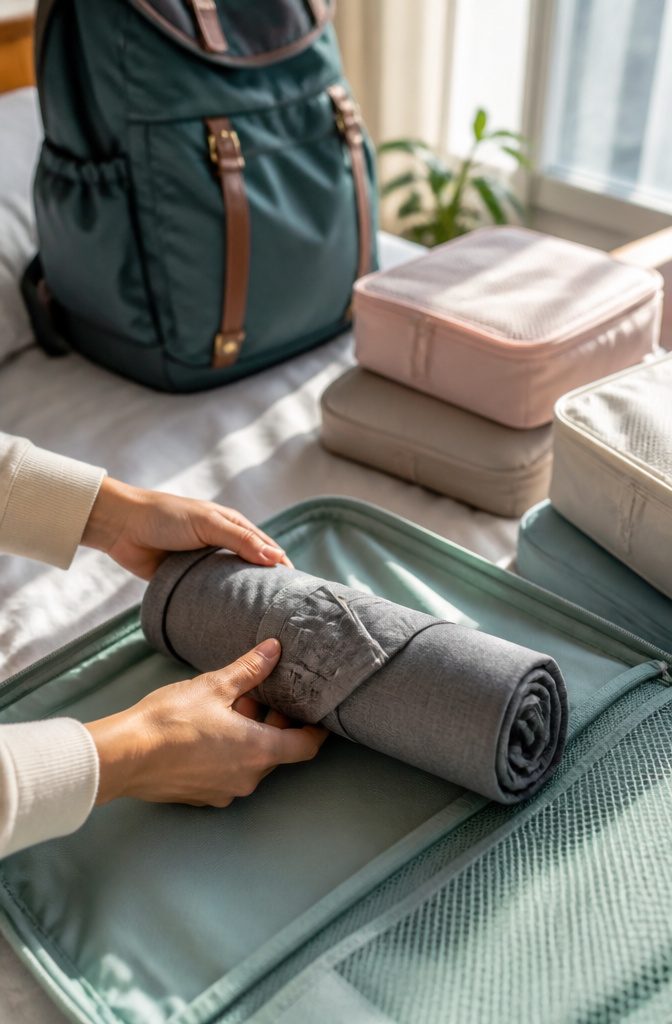
The roll itself starts at the collar for a shirt or the waistband for pants, and tightness matters more than symmetry. A loose roll traps air and takes up space; a tight one compresses the fabric into a cylinder you can stand on end.
The Ranger Roll adds one prep move that changes everything. Fold the bottom hem up and inside out two to three inches to form a cuff, then fold the sleeves inward so the shirt becomes a long rectangle. Roll from the collar down as tightly as you can, and when you reach the end, stretch that cuff over the whole roll to lock it in place. Nothing unravels, nothing shifts.
This works best on t-shirts, casual pants, and workout gear. Tech fabric especially cooperates because it resists wrinkling under pressure. For pants, the process mirrors the shirt: cuff the waistband, fold one leg over the other into a single column, roll from the ankles up, and secure with the waistband cuff. The result is a firm bundle that lines up neatly in a packing cube and stacks like firewood.

Perfect for minimizing clothing wrinkles

Stress-Free Traveling: Packing cubes help sort, organize, and quickly locate items, reducing the stress of packing. Keep your belongings in order, and avoid the frustration of unpacking for just one item. Enhance your journey with efficient organization.

Ample Storage Space: The Eagle Creek Pack-It Original Garment Folder is a compact travel clothing folder designed with premium adjustable mesh wings for maximum compression of clothing
4. Secure the Roll with Cuff or Band
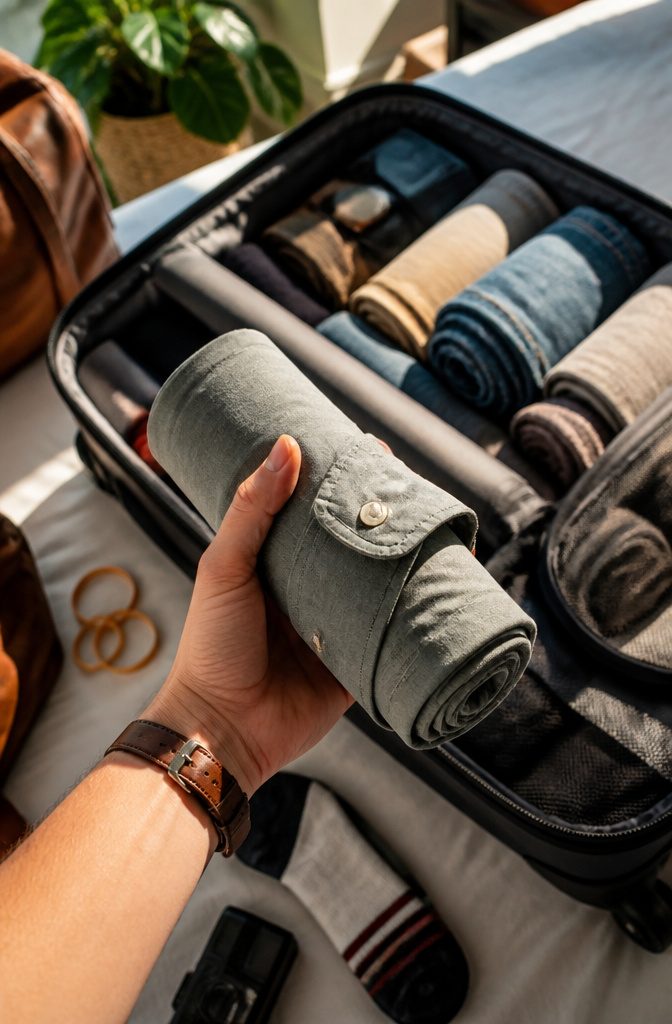
A roll that comes undone in your bag is just a wrinkle waiting to happen. The difference between a cylinder that survives TSA and one that unspools into a soft pretzel is that final lock: either the garment’s own cuff or a rubber band pulled snug.
For t-shirts and pants, flip the bottom hem inside-out before you start. That creates a two-inch cuff sitting loose at the end. Roll tight from collar or waist, then stretch that cuff back over the whole cylinder. It seals like a sleeve. Socks and underwear work the same way, though the cuff is smaller.
Tech fabrics and running gear are slippery enough that the cuff alone sometimes slips. A rubber band around the middle adds grip without adding bulk. The sources disagree on whether dressier items need the band too. My read: if the fabric has any stretch or the roll feels loose in your hand, add one. A dollar store bag of bands lives in my kit now.
The lock step takes maybe ten seconds. Skipping it costs you the ten minutes of re-rolling everything after security opens your bag.

Easy & Powerful: 1000W for a 30-second heat-up and strong steam, removing wrinkles in seconds

Powerful & Efficient: Equipped with 1000W high power, it heats up quickly in 20 seconds to generate strong steam, smoothing out garment wrinkles in just a few seconds

【Powerful 1000W & Fast Heat-Up】1000W high-power heating system, 30s heats up to generate strong, penetrating steam, removing wrinkles from most garments in seconds.
5. Pack Into Cubes or Directly Into the Suitcase
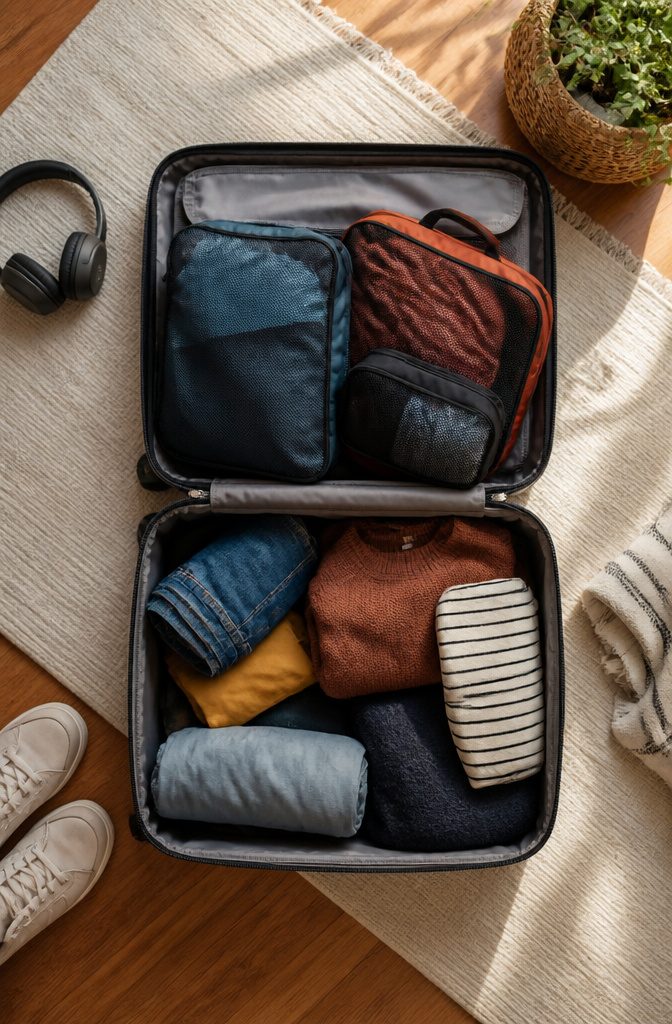
Where the clothes actually land matters more than how they were folded. Compression packing cubes can reduce bulk by up to 40%, and that second zipper is what turns a neat fold into space actually saved. I pair one compression cube with a couple of standard ones: bulky items like sweaters or a fleece get compressed, while daily outfits stay in regular cubes where I can see them at a glance.
Rolling and folding both work inside cubes, though the cube’s depth and opening style change what fits best. Deep zippered openings hold rolled garments in place if the cube tips; garment folders, by design, only take folded items. Small or slim cubes wedge into leftover corners for socks and underwear, rolled or folded. The method you used back at the dresser is less important than matching the cube to the fabric and the space it has to fill.
This is where organization meets the suitcase itself. Without that last step, even the tightest roll is just a tidy pile waiting to unravel.

Archival material created and made in USA. Lineco is a leading and trusted brand for archival art, photography, and framing supplies

Package Content: You will receive 25 sheets of acid-free tissue papers, and each sheet of paper measures 20x30inch / 50.8x76.2cm. The quantity is enough to meet your daily use need.
Abundant quantity: This bulk pack includes 100 sheets of tissue paper bulk, ensuring you have an ample supply for your daily storage needs. Large size, 30 x 20 inches, the generous quantity also allows you to share these dependable preservation materials with family members or others who may benefit from them.
6. Ranger Roll for Casual Wear
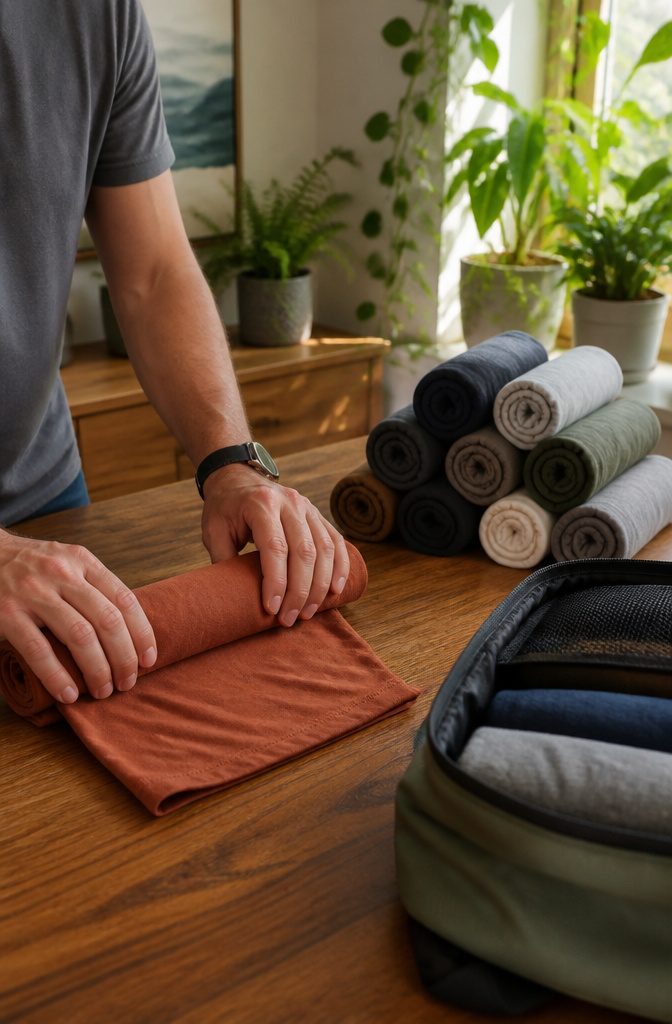
The Ranger Roll turns soft, informal garments into tight cylinders that stay locked in place and squeeze out the air flat folding traps inside. A t-shirt laid smooth, folded into a long rectangle, then rolled collar-to-hem can be secured by flipping the bottom cuff inside-out before you start and pulling it over the finished bundle. That lock means the roll survives being tossed in a bag or stuffed into a packing cube corner without unraveling.
Casual pants and workout gear behave the same way. Denim compresses tighter than most people expect, and tech fabrics shrug off the wrinkles that tighter rolling would press into cotton or linen. The uniform log shape also fills gaps between harder items in a way that flat stacks do not.
This is not the move for anything with structure. A button-down’s collar or a blazer’s shoulder pad wants the support of a fold, not the tension of a roll. But for the t-shirts, shorts, and yoga pants that make up most weekend bags, the Ranger Roll wins on space saved and order kept. Stack the finished rolls like firewood in a cube and you can see every option without unpacking half the bag to find the one shirt you wanted.
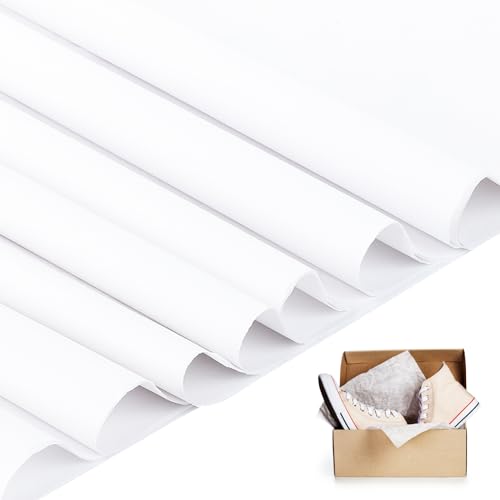
Easy to Fold and Store: This range of acid-free paper for storing is crafted from premium quality material with meticulous attention to detail. It is effortless to shape, fold, and cut, whilst remaining lightweight and dependable. The texture is comfortable, and it is both portable and suitable for compact storage

Extra Large Size: 32 sheets extra large 24 x 36 inches tissue paper for gift bags, enough to meet your gift wrapping and items packaging needs for festivals, birthdays and daily life

SUITABLE SIZE : This 14"x20” gift paper tissue is medium sized, widely used for all kinds of wrapping needs, eliminating the need for complicated cutting steps, convenient and quick to complete the wrapping work. Wrapping paper sheets suitable for daily use, providing an easy solution for your gift wrapping!
7. Flat Fold for Dress Shirts and Delicates
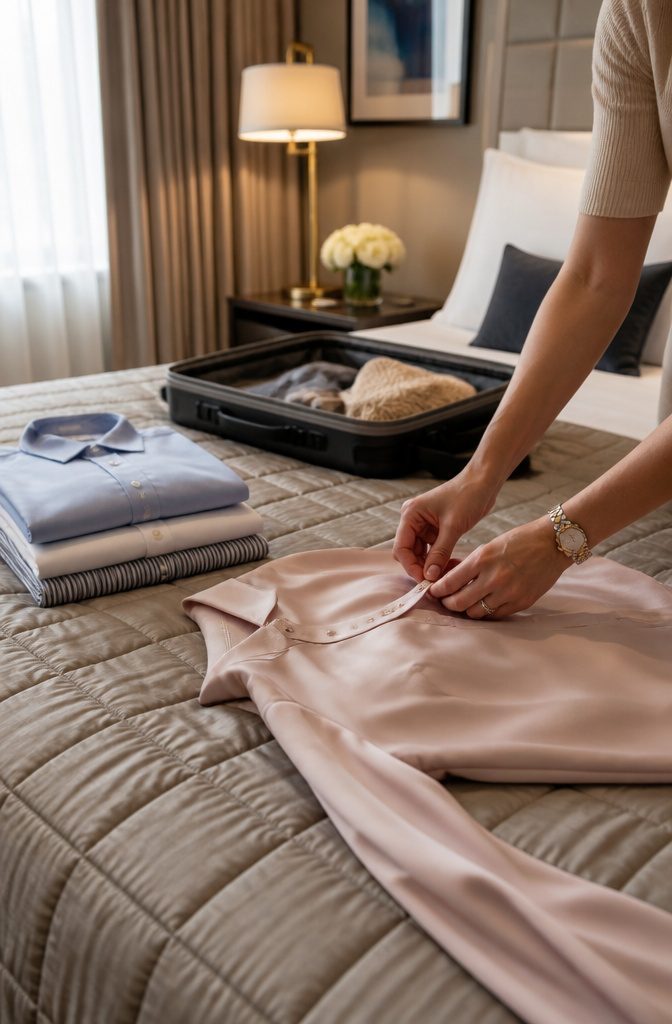
Dress shirts and blazers punish rolling. The collar buckles, the shoulder line collapses, and you arrive looking like you slept in the garment. Flat folding is the only method that preserves structure.
The technique is spare. Button the shirt to the top, lay it face-down, and fold each sleeve across the back toward the center to form a clean rectangle. Fold the bottom half up to the collar. Done right, it is a flat, stackable package that arrives crisp.
Blazers demand more. Turn one shoulder inside-out, then tuck the right-side-out shoulder into it so the outer fabric faces itself. This cradles the lapel shape and cushions the shell. Fold in half lengthwise and lay it on top of everything else in the suitcase, never under weight.
Delicate fabrics need a buffer. Lay the item flat, cover it with acid-free tissue paper, and fold around the paper. The tissue stops sharp creases and reduces friction that snags silk or satin.
The rule is simple: structure or high-maintenance fabric gets folded, not rolled. No exceptions. Rolling these pieces saves no meaningful space and costs you the press you need them to keep.

WRINKLE-FREE TRAVELING: Functional Packing Bag to travel effortless and crease-free with fine shirts or blouses and all accessories.

Space-saving: Full size 21.3*25.08 inches, folds to 10.79*8.7 inches for easy storage, particularly beneficial in small living spaces

PP composite material with better toughness and it is not easy to break under collision.
8. Bundle Wrapping for Formal Wear
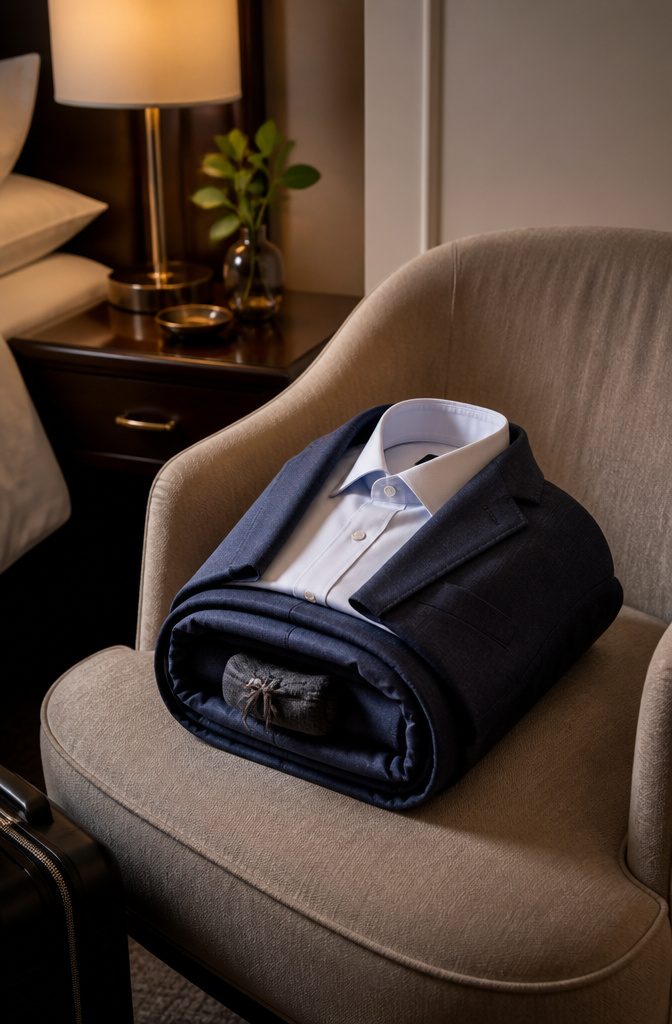
A soft pouch of socks or a folded t-shirt sits at the center of this method, acting as the core around which everything else wraps. The blazer goes down first, face-up and smoothed flat, then the dress shirt, then the trousers, each layer following the curve of the one beneath it rather than folding back on itself. The result is a single cushioned bundle where gentle arcs replace the sharp creases that hard folds would set into wool or silk.
This method earns its extra time only when the destination has no steamer and the schedule has no slack. Airport security inspections can undo the whole thing, and unpacking at the hotel means hanging everything immediately or watching the wrinkles worsen. For a single formal event with a tight turnaround, the protection is worth the fuss. For a leisure trip with time to press a shirt at the hotel, it probably is not.

Ample Storage Space: The Eagle Creek Pack-It Original Garment Folder is a compact travel clothing folder designed with premium adjustable mesh wings for maximum compression of clothing
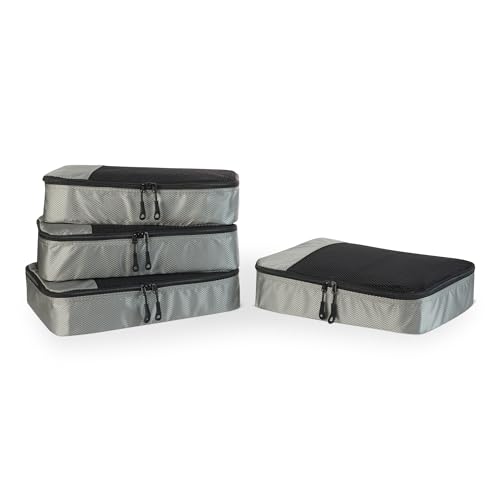
SPACE-SAVING DESIGN FOR TRAVEL & HOME: Compact and efficient at 13.75'' L x 9.75'' W x 3'' H (each), these packing cubes fit perfectly in suitcases, duffel bags, backpacks, and totes, making them ideal for business trips, vacations, camping, and cruises. You can also use them at home to maximize closet space and keep items organized and easy to find.

6 Set Compression Packing Cubes - If you'll be preparing multiple outfit options for your travel, you no longer have to sacrifice style for luggage space when you come across BAGSMART PACKING CUBES. Large for jackets, sweaters, and trousers, Medium for shirts, and blouses, Small for underwear, drawstring can be used as a laundry bag to separate your dirty/wet clothes or shoes.
9. Compression Cubes for Maximum Space
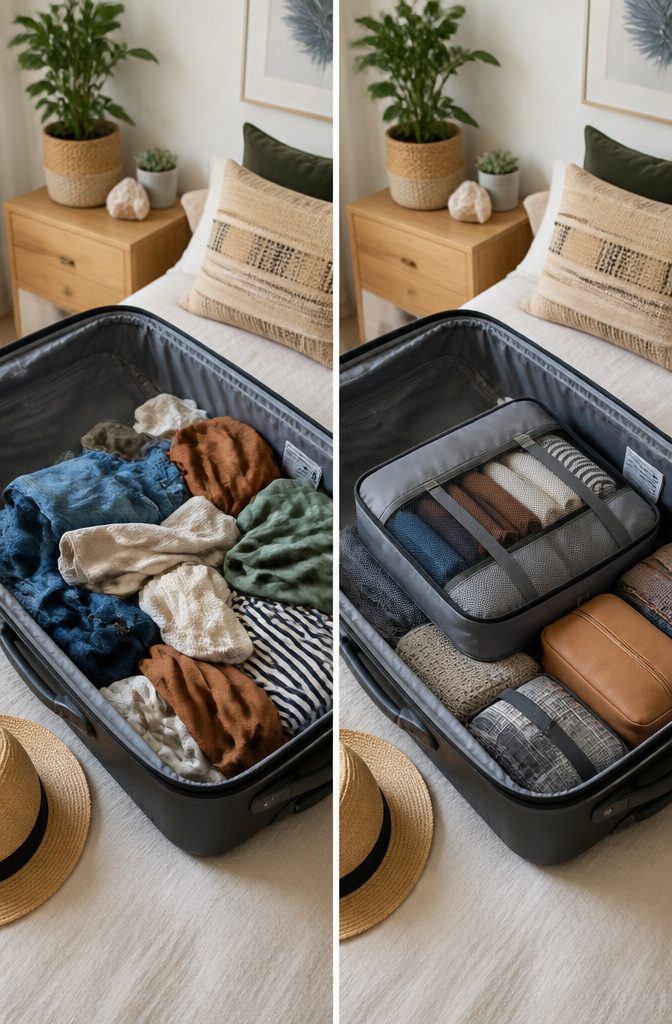
Compression packing cubes do the heavy lifting when space is tight. A second zipper runs around the outside of the cube, and once the cube is filled and zipped shut, that extra zipper cinches the whole bundle flat, squeezing out the air trapped between layers of fabric. The result is roughly 40% less bulk than the same clothes folded loose in a suitcase.
Bulky items respond best to this treatment. A fleece jacket, a puffer coat, a thick sweater, or a pair of jeans all compress down to a fraction of their normal volume. The cube holds the fold in place too, so the garment stays flat rather than ballooning back out the moment you close the lid.
On longer trips I still keep standard cubes in the mix for daily outfits, but I always reserve one compression cube for the single bulky layer I could not otherwise justify bringing. The travel accessories market has ballooned to $57.5 billion largely because travelers are looking for exactly this kind of space gain, and with 74% of people now planning multiple domestic trips a year, the math on bulk reduction matters more than it used to.
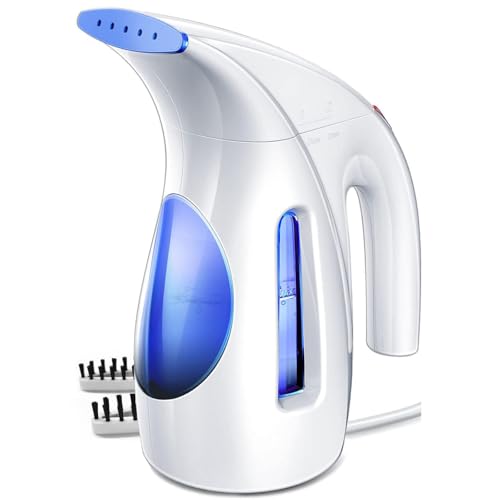
[Easy to Use] This 700W steamer generates gentle, long-lasting steam and has a 9- foot power cord, so you'll never have to worry about operating it remotely and you can iron clothes from a distance.

【Powerful 1000W & Fast Heat-Up】1000W high-power heating system, 30s heats up to generate strong, penetrating steam, removing wrinkles from most garments in seconds.

Minimalist in design, powerful in performance. Combining the benefits of a steamer and iron, our Cirrus 3 Iron Steamer smooths out wrinkles instantly with dry hot steam.
10. KonMari Fold for Organized Packing
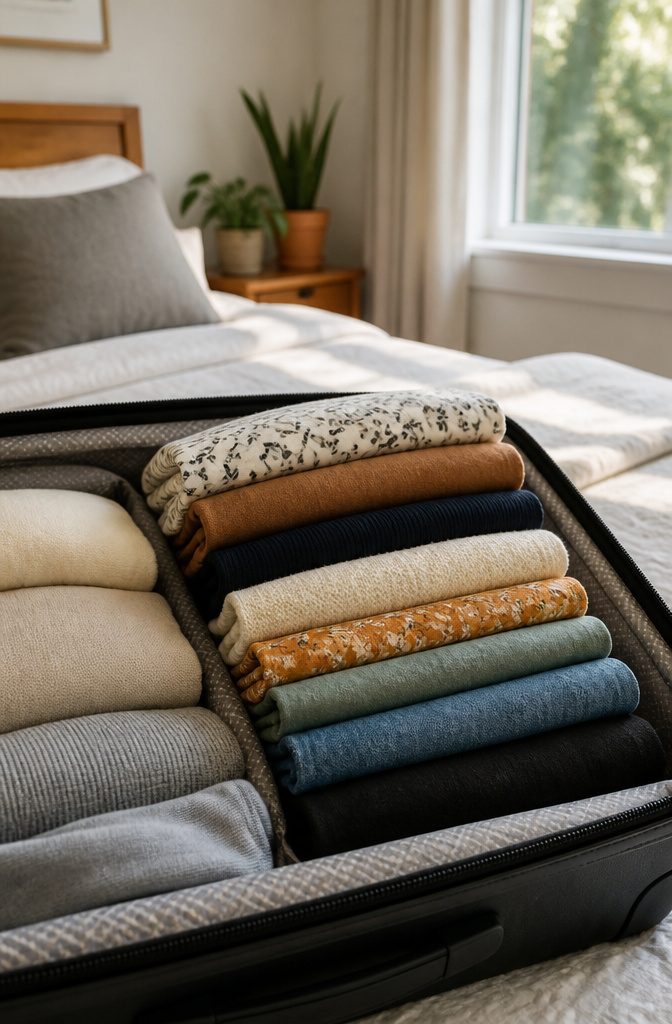
The vertical standing fold from the KonMari method turns clothes into self-standing rectangles that file upright like books on a shelf. You see every item at once without unpacking anything, which matters more than you would think at 6 a.m. in a hotel room.
To build one, fold each side to the center along natural seams so both halves line up in the middle. Fold the bottom up by roughly a third, fold again, and keep going until you have a compact rectangle that stays put on its own.
This differs from rolling in both result and best use. Rolling, the Ranger Roll in particular, wins on pure space savings especially inside packing cubes. The KonMari fold trades some of that compression for visibility and fewer wrinkles on button-downs, blazers, and nicer shirts that crease badly when rolled tight. Stiff jeans are another case where rolling wastes space and invites creases you will not iron out.
On trips where I need to look presentable, I use a hybrid: rolled base layers and activewear in cubes, KonMari-folded dressier pieces placed on top and at the sides where nothing sits on them. The method also forces a useful edit. Since each piece must earn its rectangle, you end up packing only what you know you will actually wear.

Abundant Quantity: This paper pack includes 200 sheets of acid free tissue paper, ensuring you have an ample supply for your daily storage needs. Large size, 20 x 15 inches, the generous quantity great for making DIY crafts, flower tissue Pom Pom's, gift bags, packaging use, tassel garland and more
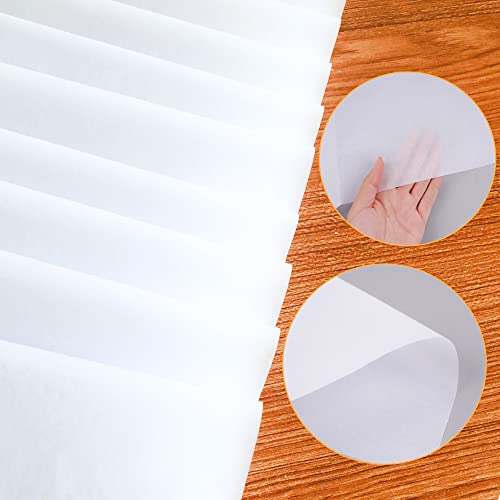
Abundant in Quantity:You'll get 100 sheets of 15×20 inches acid-free tissue paper.The quantity is abundant enough to meet your daily use needs.One of our package containing 10 folded sets of 10 sheets each,which can make it more convenient for you to use what you need,save the rest,and prevent them from being contaminated and damaged.

【Package Contents】This set contains 30 sheets of archival-grade acid-free tissue paper, each measuring 14x20 inches (35x50 cm). A generous quantity to meet everyday gift wrapping and long-term item storage needs
Rolling vs. Folding by Fabric Type
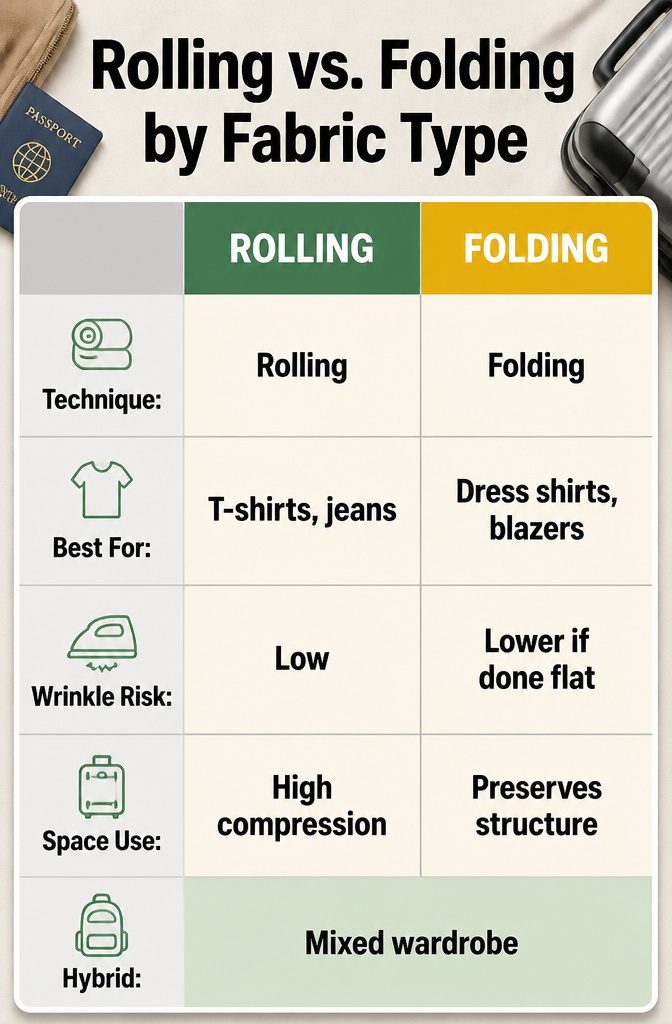
Rolling works best for casual fabrics that forgive a little compression. Cotton t-shirts, jeans, workout leggings, and soft knits all squeeze into tight spaces without creasing badly, and the technique actually pushes air out so the bundle stays put. I group these by fabric when I pack, which saves time and keeps the roll uniform.
Folding, not rolling, is what keeps structured pieces wearable. Dress shirts, blazers, silk, and linen all have seams and shapes that turn into stubborn wrinkles if you bend them into cylinders. The flat fold follows the garment’s own construction, so the creases fall where they can be pressed out quickly or ignored entirely.
A hybrid approach fills the gaps without crushing the good stuff. I roll the casual base layers into tight logs, then lay folded dress shirts or a blazer flat across the top where nothing presses down on them.
| Technique | Best For | Wrinkle Risk | Space Use |
|---|---|---|---|
| Rolling | T-shirts, jeans, workout clothes, knits | Low | High compression |
| Folding | Dress shirts, blazers, silk, linen | Lower if done flat | Preserves structure |
| Hybrid | Mixed wardrobe | Managed by placement | Optimized |
The real mistake is treating every item the same. Roll your casual wear, fold your structured pieces, and never roll linen unless you own a travel steamer.
Packing Cubes and Wrinkle Prevention
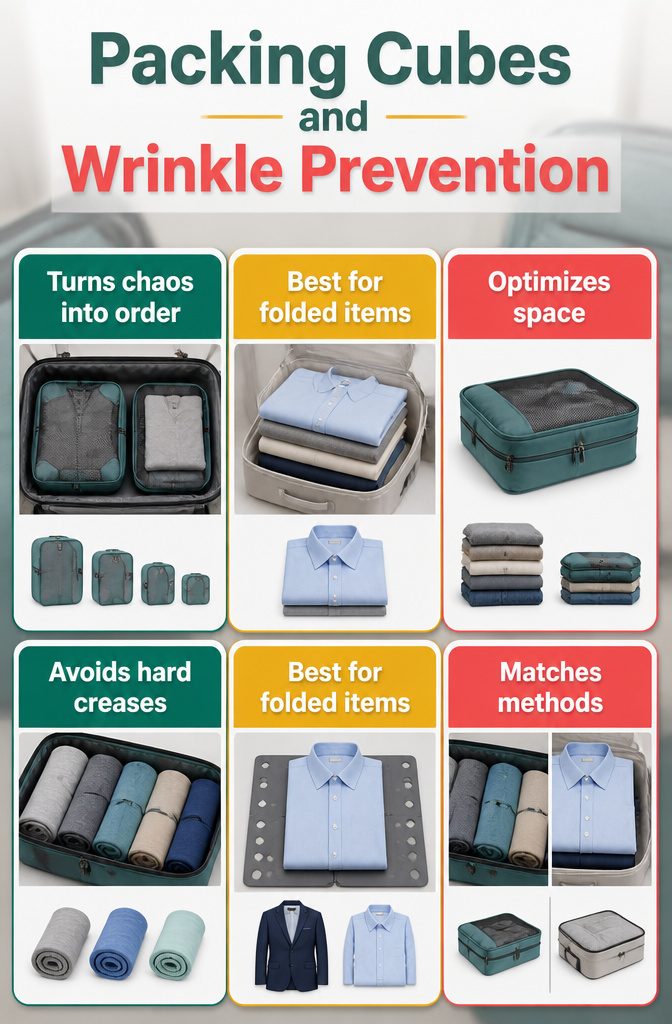
Packing cubes turn a chaotic suitcase into something you can actually use, and the right cube for the job matters more than most people think. Traditional zippered cubes with deep openings work best for folded items, while compression cubes suit bulkier layers you need to flatten down. I use slim and extra-small cubes for socks and underwear, medium and large for the rest, and the system saves real space because nothing shifts during transit.
Rolling avoids hard creases in casual fabrics with Lycra or polyester, which is why t-shirts, shorts, and skirts get rolled into those larger cubes. But formal wear is a different problem. Business suits and button-up shirts hold their structure when folded, and rolling them risks wrinkles you cannot steam out in a hotel room. Garment folders require folding by design, and that is where I put anything with a collar or a crease that needs to survive until arrival.
The hybrid approach wins: roll what forgives, fold what does not, and let the cube type match the method. Compression sacs work for wrinkle-resistant bulk, but never for the blazer you need intact for a dinner reservation.
Shoe Nesting and Delicate Fabric Protection
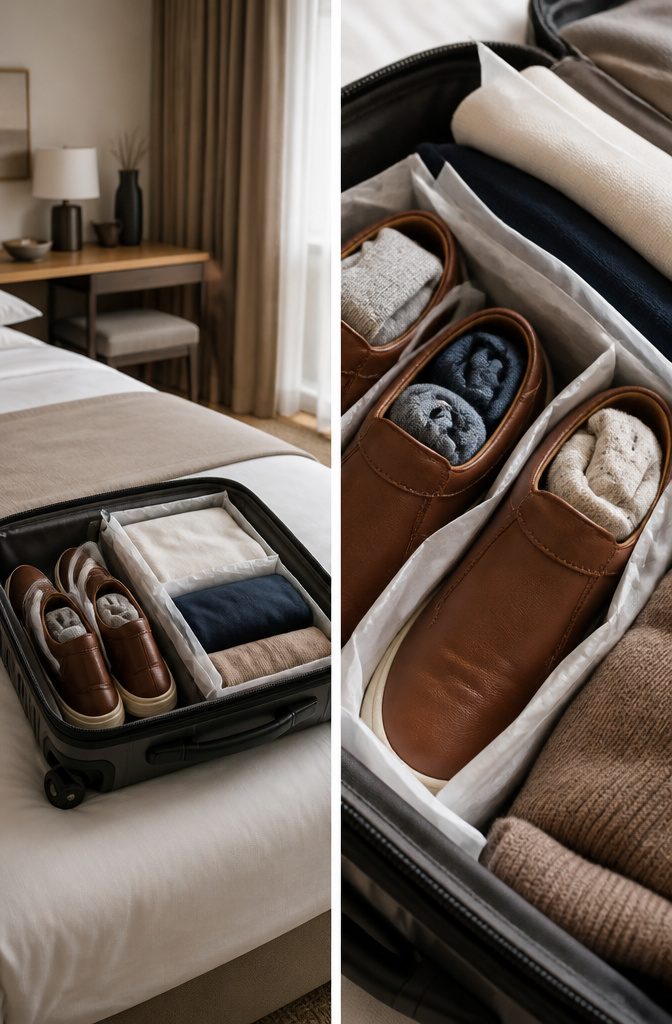
Shoes eat suitcase volume without giving anything back unless you reclaim the hollow. Stuffing each shoe with rolled socks, a folded running hat, or small items in a sealed bag turns dead space into storage. The hat trick works best with the back folded inward and the crown nested into the heel, which protects both the hat’s shape and the shoe’s structure.
For fabrics that snag or crease deeply, basic folding isn’t enough. Acid-free tissue paper between folds creates a soft buffer that cuts friction and keeps fine fibers from catching on each other. Silk, cashmere, and fine wool travel better with this layer than without. Garment bags add another shield, but the tissue is the cheaper fix and the one I reach for first when a sweater has to survive a checked bag.
Frequently Asked Questions
Is it better to roll or fold clothes when packing?
Use both: roll casual, wrinkle-resistant pieces and fold structured or formal items. Rolling squeezes air out of t-shirts and jeans for tighter packing, while flat folding preserves the shape of dress shirts, blazers, and delicate fabrics. A hybrid approach fills a suitcase efficiently without crushing the pieces you need to look sharp.
How do I prevent wrinkles when packing?
Roll casual fabrics with stretch or polyester to avoid hard creases, and fold structured items flat along their seams so creases fall where they can be pressed out quickly. For silk or cashmere, lay acid-free tissue between folds so the paper takes the crease, not the fabric. Never stack weight on folded dress shirts or a blazer; place them on top of everything else.
What types of clothes should I roll?
Roll t-shirts, jeans, casual pants, workout leggings, soft knits, and anything with Lycra or tech fabric. These items forgive compression and actually pack tighter as cylinders. Keep them out of garment folders, which are built for folded pieces, and group similar fabrics so the rolls stay uniform.