
The difference between a drained bank account and a trip that actually works is usually one choice made before you land: whether to book direct, time around cruise ships, or stay thirty minutes outside the hub.
Which hack pays off depends on your weakest spot, time, money, or patience.
The Louvre runs €17, but anyone under twenty-six walks in free Friday evenings after 6 PM. That alone recoups a dinner.
1. Book Major Sights on Official Sites
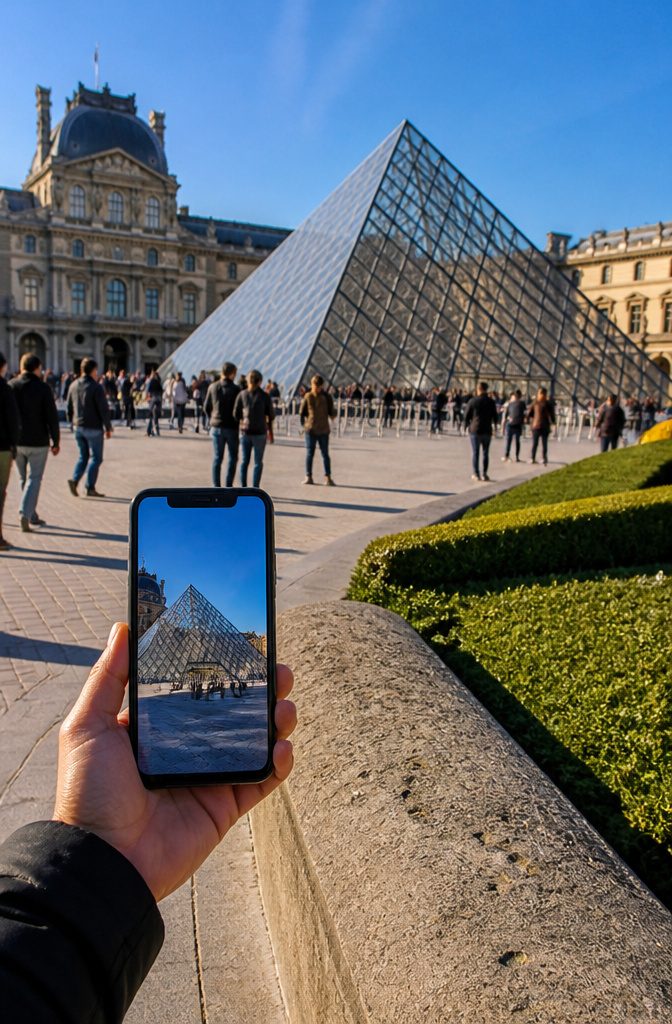
Third-party resellers have built an entire business around looking official. Google "Louvre tickets" and the top results are often sponsored links dressed in museum branding, charging a markup for the same timed entry you could have booked yourself.
The actual ticketing site usually sits lower, plainer, less polished. If it feels slick, it is probably not the real thing.
The savings from going direct add up fast. The Louvre costs €17, but entry is free on the first Saturday of each month from 6 PM to 9:45 PM, and anyone under 26 gets in free on Friday evenings from 6 PM until close.
That is close to $30 per person back in your pocket. The Prado in Madrid runs its own free evening windows too, Monday through Saturday 6 PM to 8 PM and Sunday 5 PM to 7 PM.
For sights that do require paid entry, booking two to three weeks ahead is the safest move for places like the Alhambra or Vatican Museums.
Some fill even earlier. The Berlin Wall Memorial and London’s National Gallery never charge at all, which makes them easy stops to slot in when your budgeted days are booked solid.
2. Know the Cruise-Ship Schedule
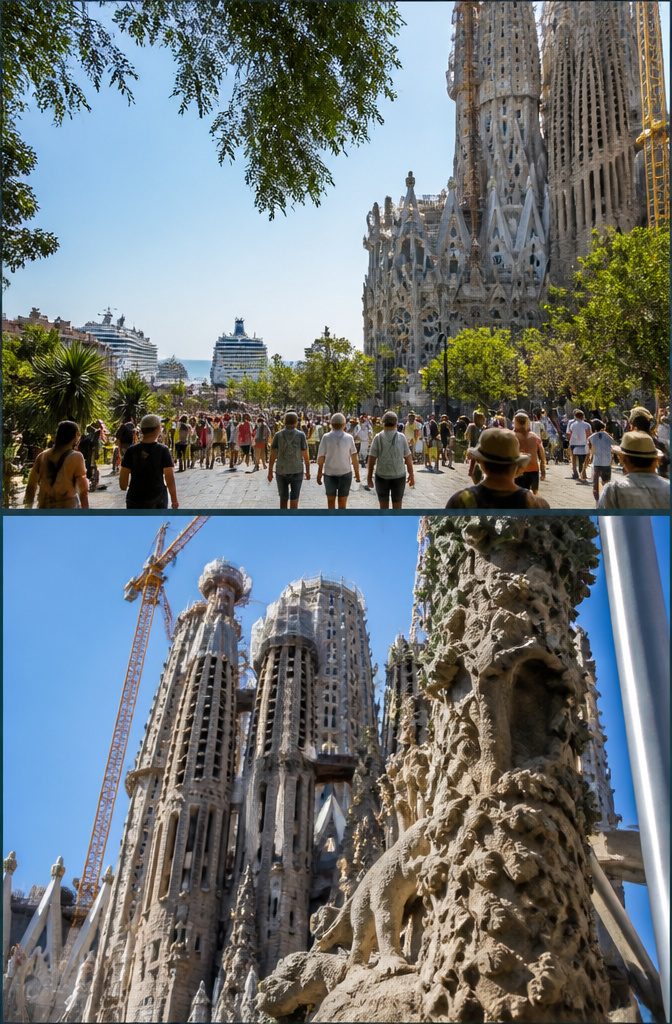
A port city’s rhythm changes the day a cruise ship docks.
In Barcelona, Dubrovnik, or Venice, one heavy ship day can mean thousands of extra visitors at the Sagrada Família or the old city walls, while a light day gives you space to actually see the place.
Sites like Cruisemapper.com and Cruisetimetables.com list arrivals by day, including passenger counts and departure times, so you can plan around the surge.
Smaller ports feel it most. Dubrovnik with no ships versus Dubrovnik with three is two different cities entirely.
I check the calendar before booking any major sight, and I time the big-ticket attractions for mornings when ships have not yet unloaded or evenings when they have sailed.
If multiple ships stay late, dinner in town needs a reservation; if they leave by mid-afternoon, the same restaurant clears out and you can walk in.
3. Use WhatsApp for Communication
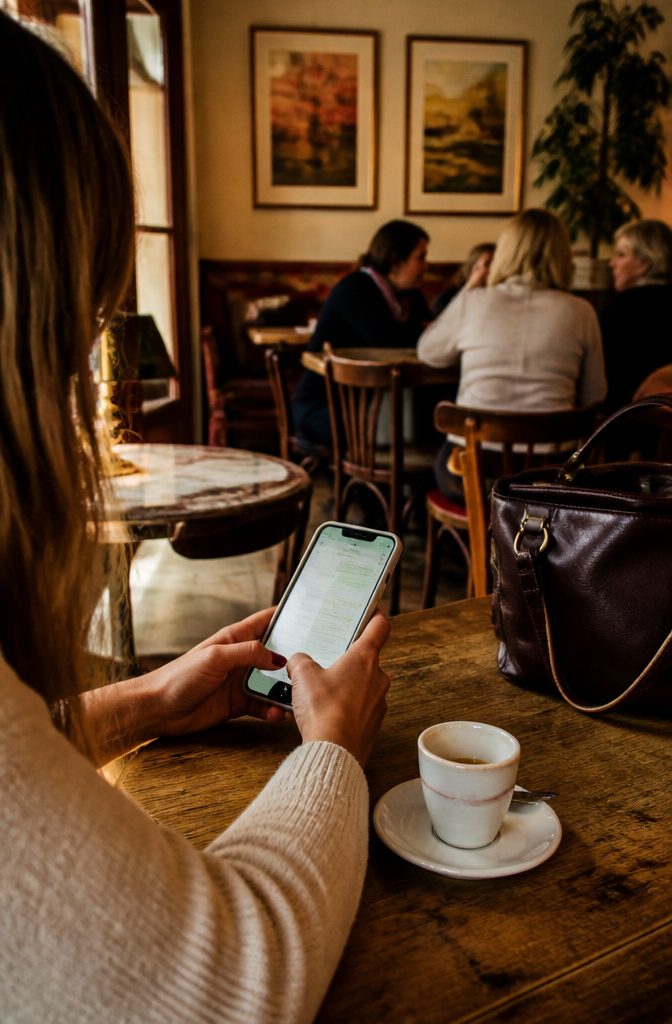
WhatsApp is the messaging layer most European businesses actually run on. Small hotels, restaurant hosts, and local guides have largely dropped traditional phone lines and check their WhatsApp before email.
The app routes messages and voice calls over any internet connection, so it works on hotel or café WiFi without a local SIM or a roaming plan from Verizon or AT&T, which typically runs about $10 per day.
Set it up with your existing US number before you leave. Encryption is standard, and the interface is the same one locals use for everything from confirming a dinner reservation to sending a gate code.
Free WiFi is widely available in European hotels, museums, buses, and even parks, so the app keeps you reachable without paying for data at all.
The only real limitation is that both sides need to have it installed, but in practice across Europe, they already do.
4. Stay Outside Major Hubs and Commute In
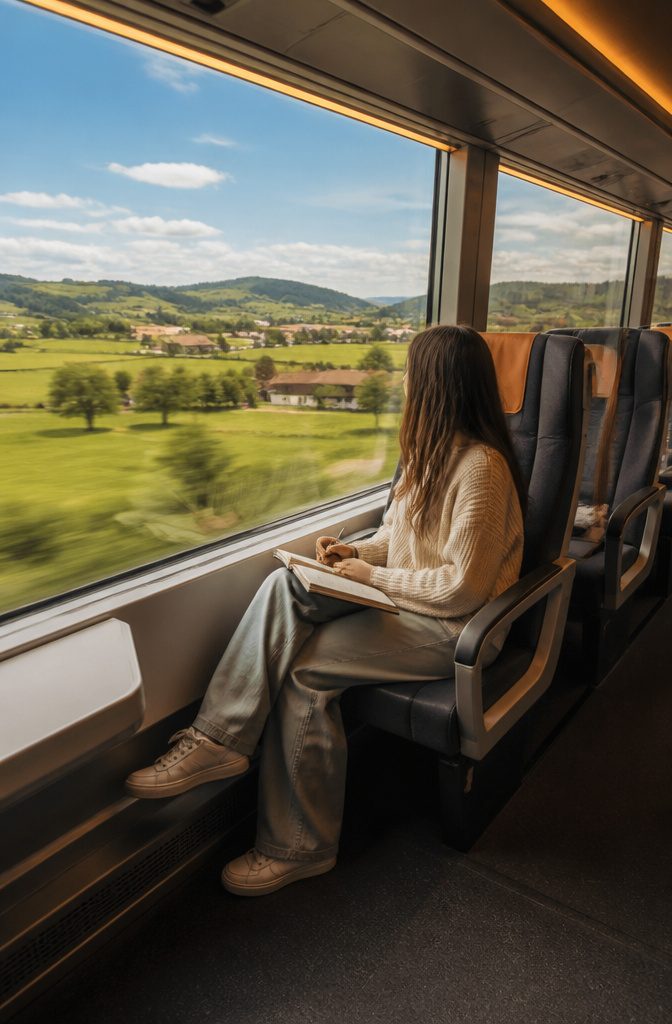
A bed in Bologna runs about half what the same room costs in Florence, and the 35-minute high-speed train into Santa Maria Novella costs roughly €15 round trip.
That math flips fast on a multi-night stay. I would rather wake up in a city where dinner reservations do not require a strategy session and still reach the Uffizi by mid-morning.
The same logic holds for Utrecht against Amsterdam, about 30 minutes by Sprinter train, or Arles against Aix-en-Provence, where the TGV connection runs roughly 20 minutes.
Smaller bases mean lower nightly rates, actual grocery stores instead of souvenir stands, and a seat at the bar that does not require a reservation.
The commute becomes part of the rhythm: coffee on the platform, countryside scrolling past, arrival already oriented instead of surfacing from a metro into tourist surge.
Rick Steves has pushed this for years, and the infrastructure makes it painless now.
The risk is over-optimizing on distance. A 45-minute ride each way, like Delft to Amsterdam, eats two hours of your day and turns a midday rest at the hotel into a logistical problem.
My ceiling is about 30 minutes each direction unless the smaller town itself justifies the stay on its own merits. Haarlem passes that test; some random commuter town does not.
5. Join Locals in Cultural Activities
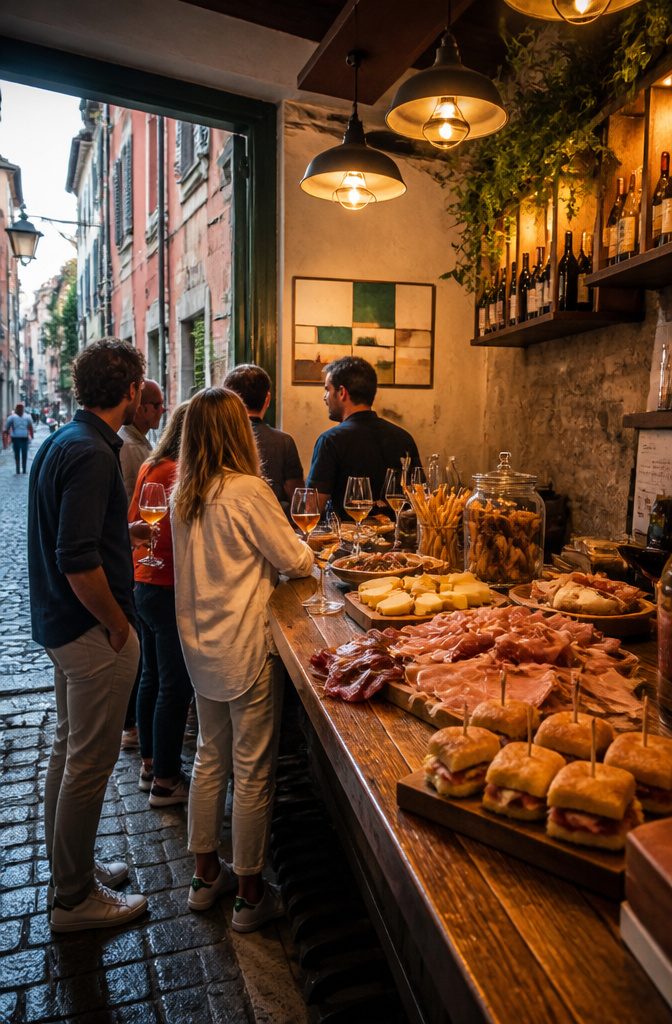
Evening aperitivo in Italy costs about the same as a single cocktail at a hotel bar, but the spritz comes with free access to a spread of cheeses, cured meats, and small sandwiches.
Walk two streets back from the main piazza to find the bar where office workers stand three deep from 6:30 to 8:00.
Tourist-oriented "aperitivo tours" charge four times as much for the same drink and a seated table you’ll feel pressured to leave.
In southern France, boules courts sit in almost every village square.
No one books ahead; you buy a pastis, borrow the iron balls from the rack behind the bar, and half the conversation is pointing at the cochonnet and shrugging. The cost is the price of the drink.
Finnish community saunas run on posted weekly schedules, often sex-segregated or clothing-optional, with a 3 to 5 euro entry fee collected in an honesty box or through a municipal app.
The experience differs sharply from spa packages marketed to visitors: you bring your own towel, sit in silence, and cool off on a wooden bench outside rather than in a robe between cucumber water stations.
Germany’s municipal free concerts require checking the Stadt website or the printed program at the library, not the tourism office.
The same orchestra charges 45 euros in the concert hall and nothing in the park, and the audience brings their own wine and cheese rather than paying venue markups.
6. Ask to Borrow a Fan in Hot Weather
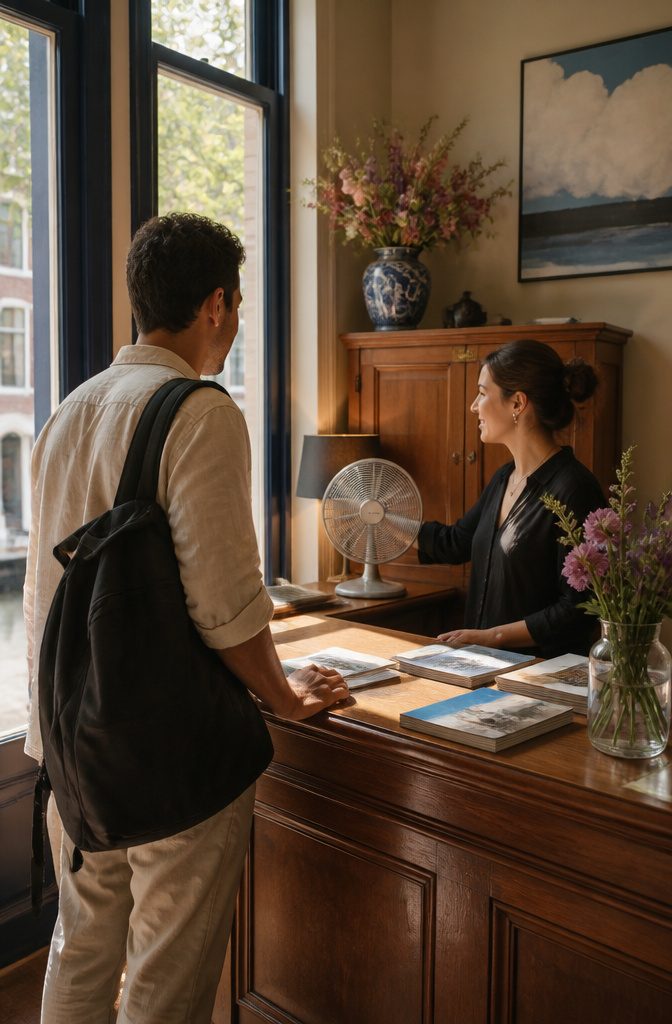
Many northern European hotels still treat air conditioning as a summer-only luxury, or skip it entirely.
In spring and fall, some cities even restrict when buildings can switch systems on; a Venetian hotelier once explained that local rules bar AC from May 15 without a mayoral emergency declaration, even if April turns blistering.
The front desk usually keeps a small stock of portable fans, but they go first-come, first-served. I ask at check-in, not at midnight when the room has turned into a greenhouse.
The request is simple: a polite "Do you have a fan I could borrow?" works in any language the desk staff speaks. Expect a box fan or a slim tower unit, nothing powerful.
Germany, the Netherlands, Scandinavia, and the UK are the main territory for this hack; June through August is when you’ll need it, though heat waves now land earlier and stay later.
If the fan is gone, you’re left with open windows and street noise.
"If they don’t, they have to pay each of us €250."
That same EU rulebook forcing airline accountability won’t help your room temperature. The fan request is on you, and the traveler who asks first sleeps cooler.
7. Tap to Pay for Transit
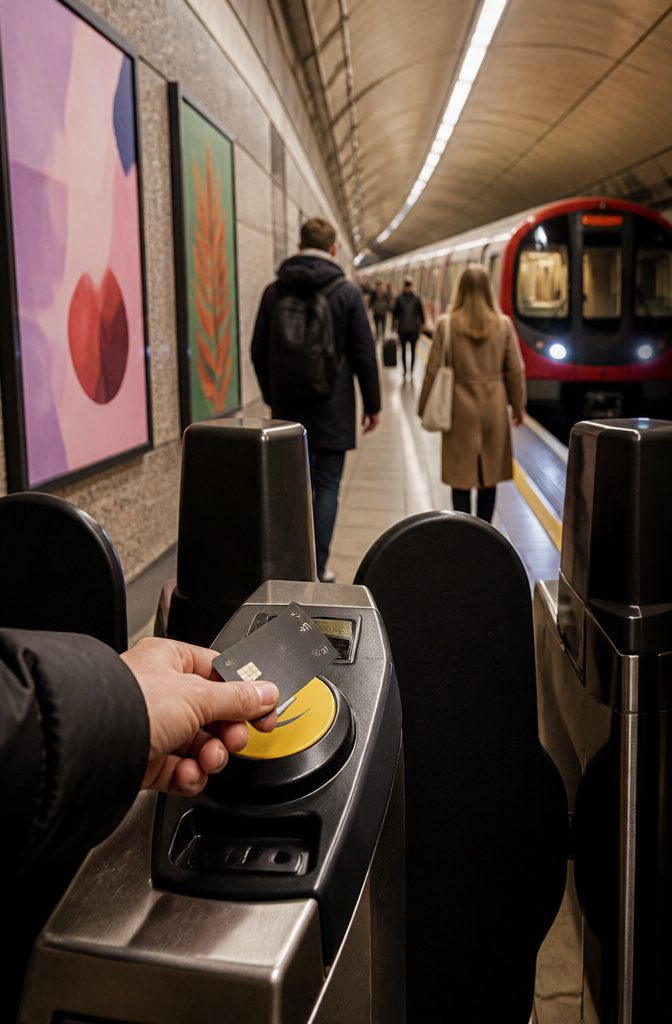
Contactless payment has spread far enough through European transit that a tap of your credit card now covers most buses, trams, metros, and regional trains without buying a ticket first.
London shifted fully to this years ago, and cities like Amsterdam, Milan, and most of the Scandinavian capitals have followed.
The reader board shows the same yellow reader whether you hold a transit card, a phone wallet, or a physical Visa or Mastercard.
Not every system has caught up.
Some German regional rail still wants you to buy through the DB app or a platform machine, and a few southern European cities keep paper tickets as backup for lines that run older rolling stock.
When a station mixes tap-to-pay gates with older validators, the risk is tapping your card on a bus reader after already buying a single-ride app ticket.
The two charges do not cancel. Stick to one method per trip, and if you tapped, do not punch in a QR code for the same ride.
A daily or weekly pass still wins for anyone making more than three or four trips.
Tap-to-pay caps at a day rate in some cities, but not all, and the cap is usually higher than the pass price. Run the math on your actual itinerary before you land.
8. Follow Local News Before and During
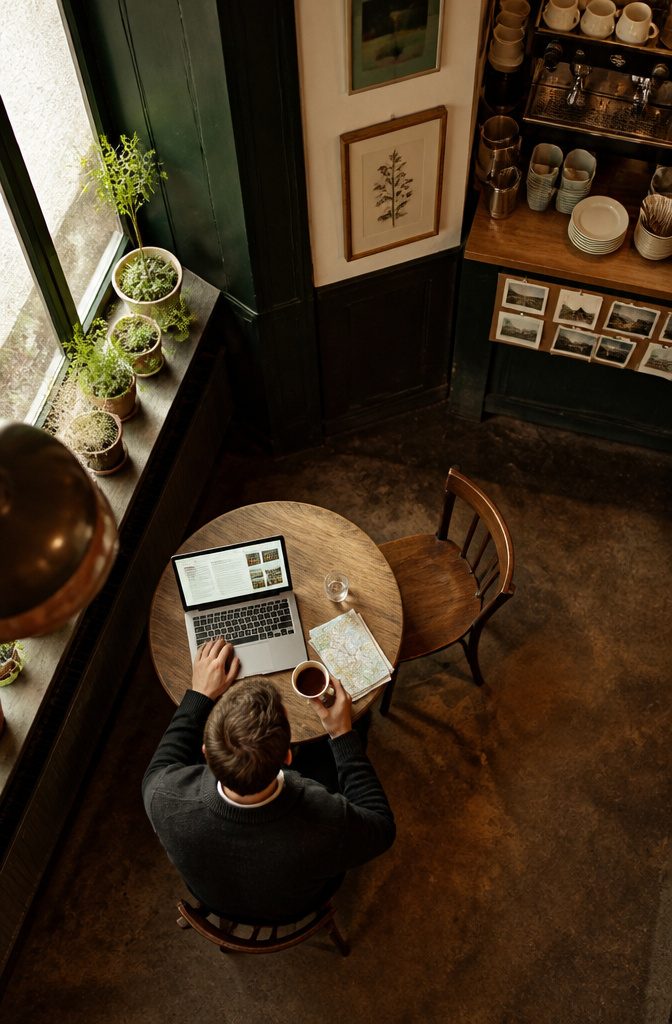
A transit strike in Rome or a heat warning in Athens can derail a carefully booked day faster than a missed flight, and local English-language news is the earliest warning system you have.
The Local runs editions for France, Germany, Italy, Spain, and Sweden, among others, with the kind of daily coverage that flags strikes a day or two before they hit.
Transit authority Twitter accounts do the same work faster: a sudden route change or line closure usually lands there before any official app updates.
Rick Steves has long recommended this habit for exactly these disruptions, and I have found it worth the ten minutes each morning.
Political protests, severe weather that demands a clothing or itinerary shift, even town festivals that close streets without warning, all show up first in sources written for residents rather than tourists.
After you leave a place, the headlines keep the context alive, which matters more than it sounds when you are stringing together a multi-country trip and need to remember why you chose one route over another.
9. Pay in Local Currency at Bank ATMs
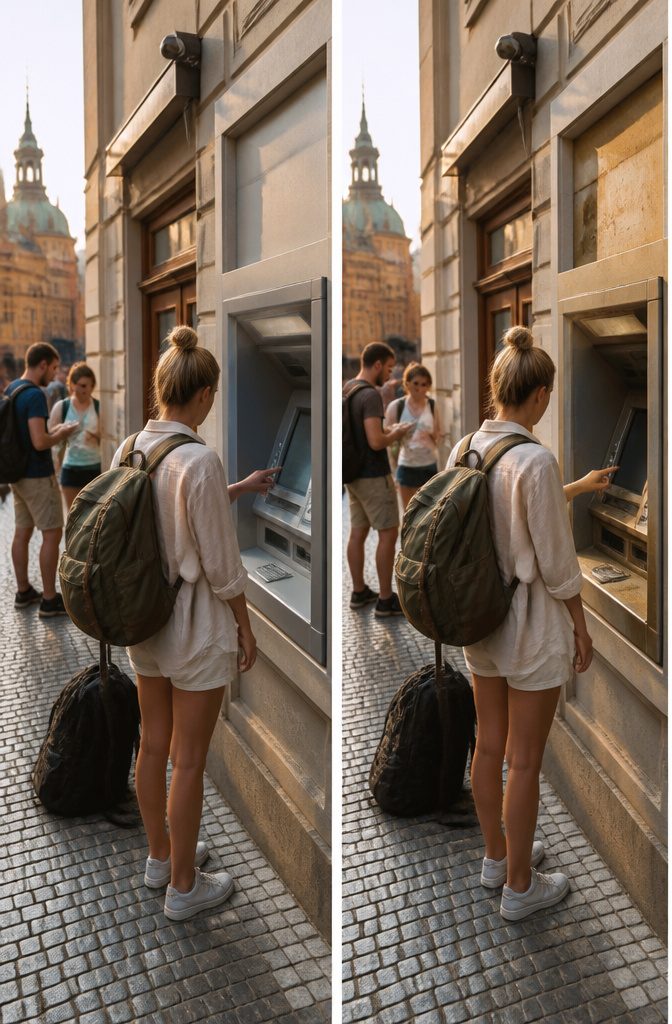
The ATM screen in Prague will offer you a choice that sounds helpful and costs you money: withdraw in koruna, or in US dollars. Always choose the local currency.
The dollar option, called Dynamic Currency Conversion, lets the ATM operator set its own exchange rate. Your own bank’s rate is almost always better, and the spread on these conversions can run 5 to 10 percent above the interbank rate.
Bank-affiliated machines matter just as much. Look for an ATM physically attached to a branch of a real bank: Deutsche Bank, BNP Paribas, Santander, a local savings bank with a logo you recognize.
The standalone machines in airports, train stations, and tourist squares are increasingly operated by exchange bureaus. Euronet, Travelex, Your Cash, and Cashzone are the big chains to walk past.
Their fees and rates are worse, and some airports now have no bank-operated machines at all. When that happens, I pay my way into town by card and find a real bank on my first evening’s walk.
The staff member at the register asking "dollars or euros?" usually does not know why the terminal prompts it.
They cannot explain the fee structure. The answer is the same at the ATM and at the point of sale: local currency, every time.
10. Know Your Rights as an Air Passenger
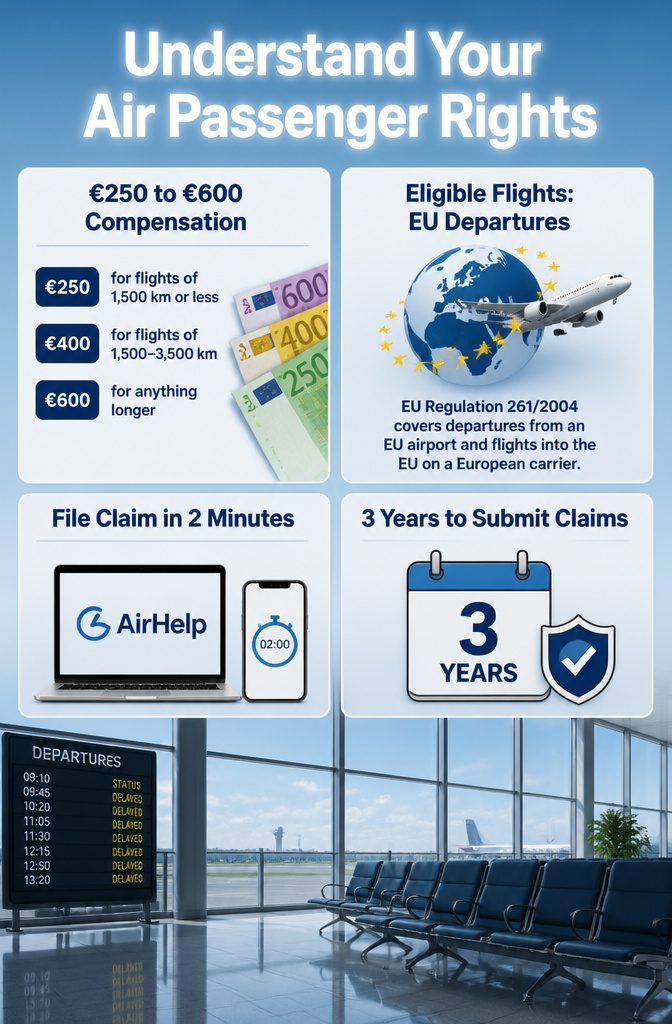
A three-hour delay on a European flight is not just bad luck; it is a €250 to €600 payday that most passengers never claim.
EU Regulation 261/2004 covers any flight departing from an EU airport and any flight into the EU on a European carrier, no matter where the trip started.
The compensation tiers are fixed by distance: €250 for flights of 1,500 km or less, €400 for 1,500–3,500 km, and €600 for anything longer. Cancellations qualify if the airline notifies you less than 14 days before departure and the cause was within their control.
Carriers will not volunteer this. I have watched gate agents stay quiet while passengers sat stranded, even though the airline’s obligation was clear.
Filing takes about two minutes through services like AirHelp, and you have up to three years to submit a claim for past disruptions.
Some budget airlines ignore initial requests entirely, hoping travelers give up. Persistence wins; the regulation has teeth, and the payout is in real euros, not vouchers.
11. Pack Light and Smart

A universal adapter with multiple outlets belongs in every European bag before anything else, since outlets vary by country and hotels rarely stock enough for the devices a traveler carries now.
I pair mine with two power banks, one large and one small, both charged before I leave; between navigation apps, tickets stored on phones, and the inevitable dead outlet in a train compartment, running out of juice mid-day is a trip expense in lost time, not just convenience.
Compression packing cubes earn their space by forcing the real question: do these clothes work together or not? I lay every item on a clothing rack before it goes near the suitcase, building outfits I can see whole.
The cube itself squeezes bulk down so the bag stays small enough for cobblestones and staircases, since elevators are not a given in old European buildings and trains reward the compact.
Comfortable walking shoes matter most on streets that punish the wrong choice.
Cobblestones are the norm in Old Towns across Europe, and 20,000 steps in a day is normal for sightseers, not exceptional. Break new shoes in at home; blisters discovered on arrival waste days.
A refillable water bottle pays back fast in cities like Rome and Venice, where public nasoni fountains run with fresh spring water free for the taking.
I add compression socks for long flights and longer walks, and accept the trade that a capsule wardrobe means re-wearing pieces no one in passing will notice.
12. Eat Like a Local
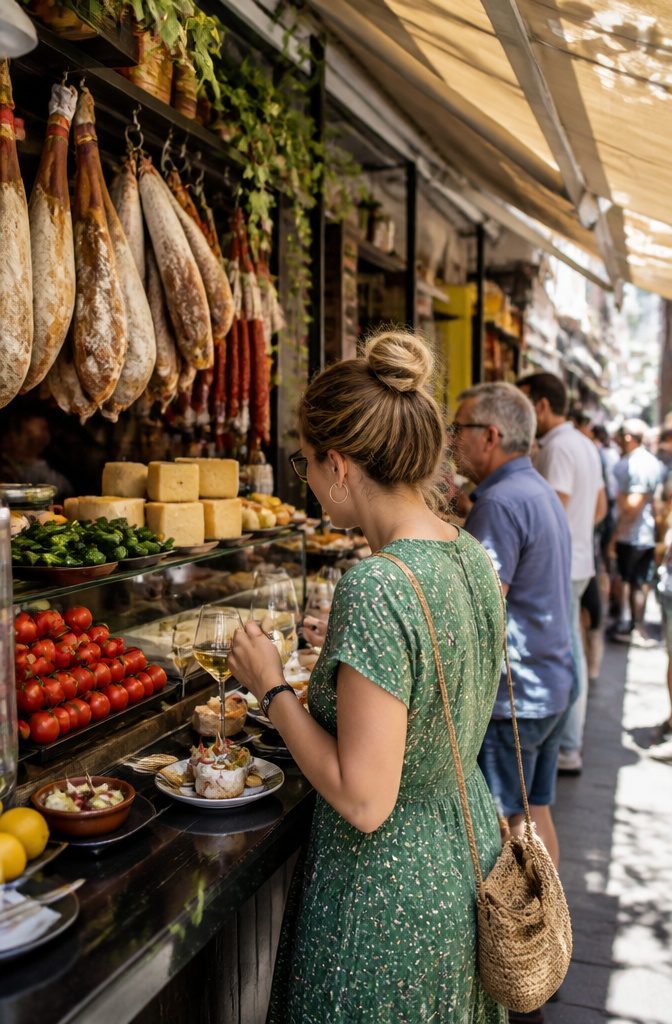
The most reliable way to eat well for less in Europe is to learn what locals call their cheap meal formula and use it at lunch, not dinner.
In Spain, the menu del dia runs 10–13 euros for a starter, main, dessert, and coffee. Portugal’s prato do dia lands at 7–10 euros.
France has prix fixe lunch menus, Germany offers Mittagstisch specials, and Italy’s tavola calda counters do the same job. The identical restaurant often charges a lot more once evening service starts.
Street eating cuts the cost further. Most of Europe prices the chair and table as the expensive part of the meal, so standing at a bar or taking food to a bench removes that markup.
Markets deliver the same advantage: central market halls in nearly every city stack local cuisines at lower prices than restaurants, and watching what residents actually buy reveals the best stalls.
The tourist-facing places are easy to spot and worth skipping entirely.
Big picture menus outside, staff beckoning from the doorway, or a direct view of a major attraction like St. Mark’s Square or the Eiffel Tower all signal higher prices and thinner quality. One or two streets over, the equation flips.
For the days when even lunch specials feel like too much, a market picnic covers both lunch and the afternoon.
A baguette with fromage and jambon in France, chorizo and cheese in Spain, or pastizzi in Malta at roughly 60 cents each keeps the daily food budget under control while still sitting somewhere worth being.
13. Use Public Transportation
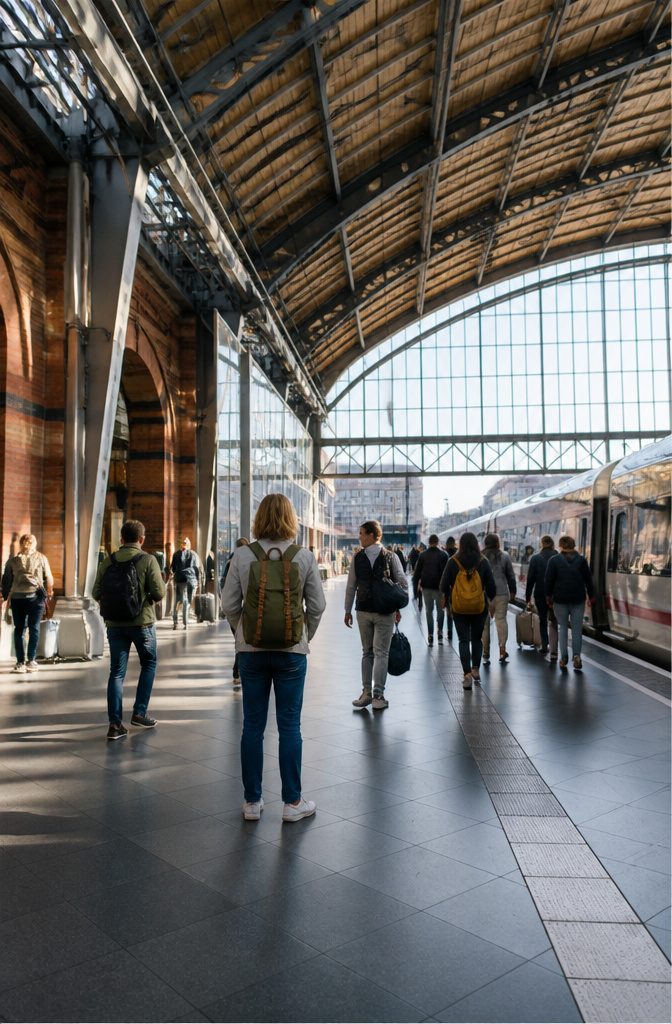
European cities run on trains, trams, and buses that are fast, frequent, and cheap enough to make taxis feel like a tourist trap. London, Paris, Rome, Berlin, Madrid, Budapest, Oslo, Dublin, Prague, Stockholm.
The list keeps going. Skip the car in any of them; you probably do not want one anyway.
Book train tickets in advance and the price usually drops well below what you would pay day-of.
If your dates are flexible, a quick scan of a few days on either side can turn up the cheapest option without much extra work.
For heavy train use across multiple countries, a Eurail Pass still earns its keep, though I would run the math on your exact itinerary before buying.
Group travel changes the calculation entirely.
The Bavaria-Bohemia day ticket runs EUR 45.60 for two people or EUR 77.40 for five, Munich to Plzen, bought same-day from a machine. That kind of split cost makes rail travel almost embarrassingly cheap.
Local transit passes beat single tickets almost every time. A 24-hour, 3-day, or weekly pass pays for itself quickly, and contactless payment or city-specific apps keep the process simple even if you never ride a bus at home.
Google Maps handles the routing. The only real friction is the first ride, and that passes faster than you expect.
14. Take Free Walking Tours

Free walking tours run on a tip-based model across most major European cities.
Sandeman’s New Europe operates in the biggest markets, and the standard move is to tip EUR 5 or more if the guide delivered. That number is not charity; it is what keeps quality guides showing up.
Not every "free" tour earns the money. Some are marketing fronts built to funnel you into paid pub crawls or souvenir shops.
The real operators cover the famous free attractions without the hard sell. Ask before you book: does the route hit the landmarks you would walk to anyway, and does the guide stay through the end without pushing another product?
The better scenes are in the cities large enough to support competition. Paris, London, Berlin, and Amsterdam have depth; you can find a specialist in history, food, or architecture and actually learn something.
Skip the free tour in a town where one company has a monopoly and the guide is reading from a script they memorized yesterday. In those places, the EUR 5 is better spent on a museum entry and a map.
Packing Essentials Visual
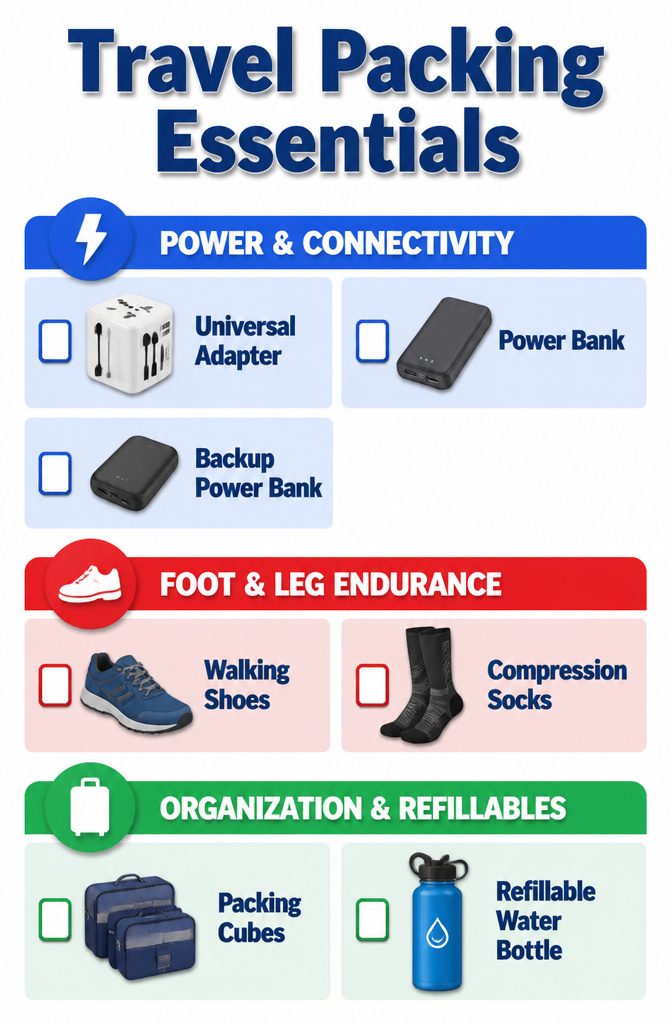
The gear that actually earns its space falls into three buckets. Power and connectivity come first: a universal adapter with multiple outlets, a large power bank and a small backup, both charged before departure.
These three items solve the daily friction of European hotels with too few plugs and trains with none at all.
Foot and leg endurance belong in their own category.
Comfortable walking shoes, broken in at home, matter more than any single clothing choice on cobblestone that pushes step counts past 20,000 in a day. Compression socks serve the same system, useful on long flights and on those same walking days.
Organization and refillables complete the kit.
Compression packing cubes save space and let you sort by city or by day; a refillable water bottle pays for itself in Rome or Venice where public nasoni fountains run with fresh spring water and bottled water is a purchase you never need to make.
Transport Options Compared
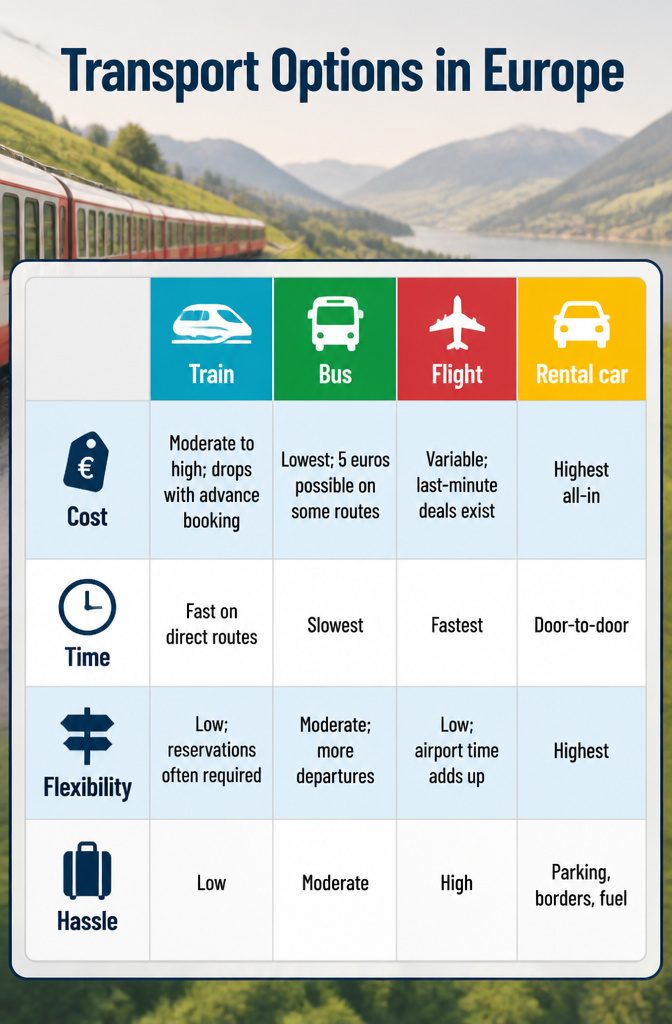
The fastest way to bleed a Europe travel budget is picking the wrong transport for the route. Trains reward advance planning, with fares often dropping well below day-of prices when you book early and pick the cheapest travel date.
A Eurail Pass only pays off if you’re chaining enough segments to outrun individual tickets. Buses hit the floor on cost, some routes sliding as low as 5 euros, though the trade is time and a stiffer seat.
For route planning, Bookaway lines up ground transport and private shuttles alongside buses, which saves the tab-juggling across three sites.
| Cost | Time | Flexibility | Hassle | |
|---|---|---|---|---|
| Train | Moderate to high; drops with advance booking | Fast on direct routes | Low; reservations often required | Low |
| Bus | Lowest; 5 euros possible on some routes | Slowest | Moderate; more departures | Moderate |
| Flight | Variable; last-minute deals exist | Fastest | Low; airport time adds up | High |
| Rental car | Highest all-in | Door-to-door | Highest | Parking, borders, fuel |
Flights make sense on spans like Barcelona to Berlin, but the airport drag eats the savings on shorter hops. I skip the rental car unless the itinerary is rural, where train stations are sparse and bus schedules read like fiction.
The real hack is stacking tools: Omio or Rome2Rio for a first sweep, Bookaway to catch the ground options they miss, and a filtered email folder for airline promos that occasionally spit out genuine last-minute deals.
Qatar Airways runs Oh-la-la deals through affiliates that can halve the fare, worth checking before you commit.
Shoulder Season Timing
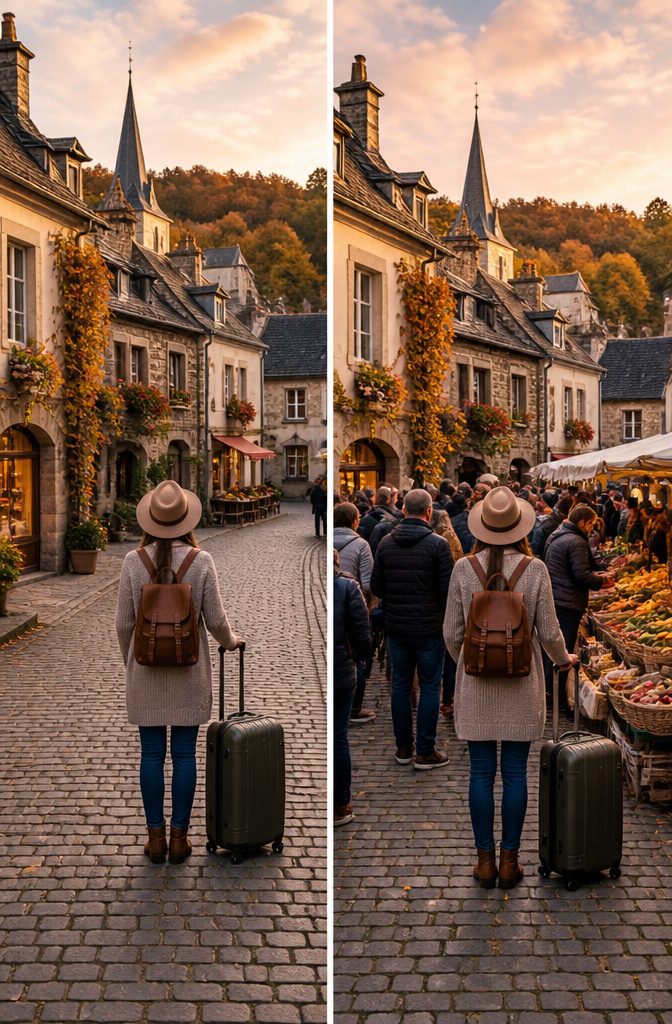
Spring and fall get called shoulder season everywhere, but the weeks that actually matter shift by region.
Southern Europe keeps usable weather into late October; the north turns unreliable by mid-September. I’ve seen hotel rates drop 40% once local holiday crowds thin, though that figure holds more reliably in winter than in the true shoulder months.
One metro stop out from the historic center stacks another 30–40% on top of that, which matters more than most travelers realize.
Rain totals run higher in spring than fall, some attractions shorten hours, and a few rural spots close entirely between October and Easter.
Fall wins my booking for the better odds of dry days and shorter lines at the major sights, but spring has longer daylight and the first markets reopening after winter.
Either way, you’re buying back the ability to walk into a cathedral without a timed entry planned weeks ahead.
City Pass Math
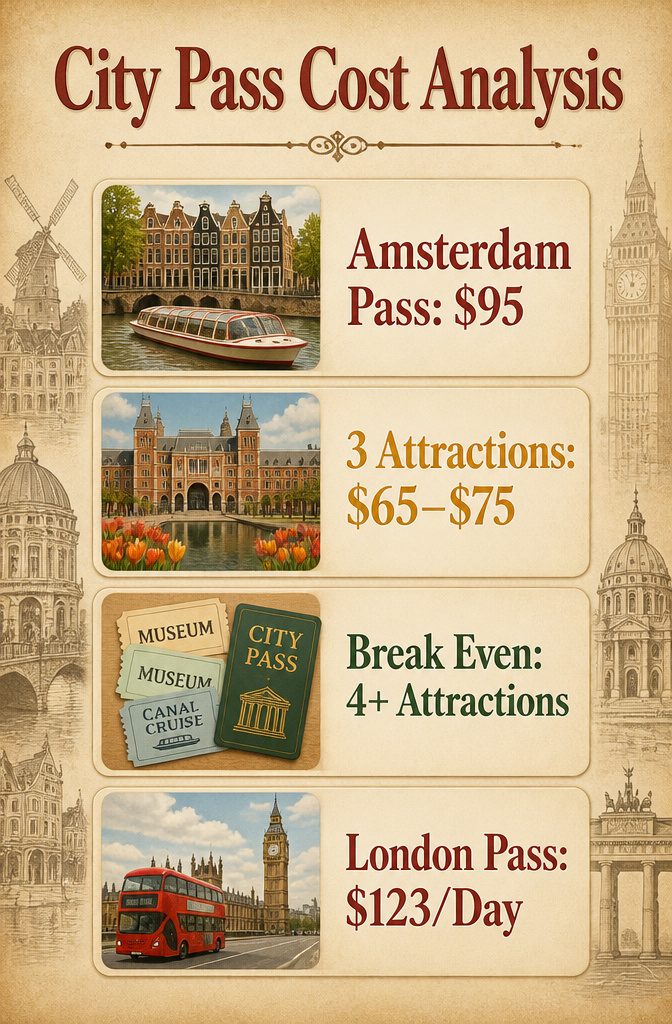
City passes only save money when the math works for your actual list, not the brochure’s.
I start every trip by pricing out the five or six things I genuinely want to see. In Amsterdam, that meant the Rijksmuseum, the Van Gogh Museum, and a canal cruise.
Those three run about $65–$75 purchased separately. The I Amsterdam Card starts at $95 for 24 hours and bundles those plus dozens more museums and public transit.
If I stop at three attractions, I am losing money. The card only breaks even if I hit four or five paid entries or use the transit heavily enough to matter.
The London Pass follows the same pattern. One day runs $123, ten days with travel hits $429.
Unless I am sprinting through three paid sights daily, that daily rate bleeds cash. The Welcome Cards in Oslo and Berlin bundle transport and discounts rather than free entry, which softens the risk but still rewards the packed itinerary.
Passes that bundle broad "free entry" rarely work for travelers who prefer depth over volume.
I skip them when my plan centers on two major museums and wandering neighborhoods. The discount-only cards suit that pace better.
The mistake is buying the pass first and letting it dictate the schedule. Do the addition on paper, not in the checkout cart.
eSIM Setup Before Departure
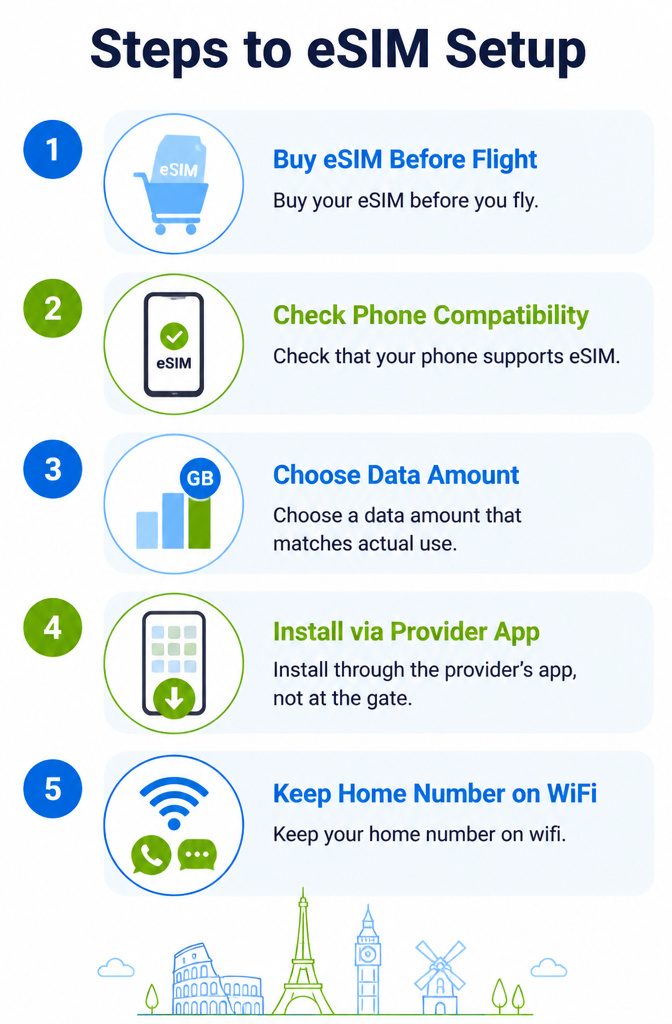
- Buy your eSIM before you fly. Airalo and Holafly both sell regional European plans you can install at home, which means your phone has data the moment you land instead of hunting airport kiosks for a physical SIM.
- Check that your phone supports eSIM. Most newer models do; if yours doesn’t, this hack is off the table and the $10 daily international plans from Verizon or AT&T become your fallback.
- Choose a data amount that matches actual use. Free wifi covers hotels, cafes, even buses and parks across much of Europe, so light users can spend well under $10 for an entire trip rather than per day.
- Install through the provider’s app, not at the gate. The process takes maybe five minutes on your own couch; doing it stressed and jet-lagged with a queue behind you is the mistake that wastes the savings.
- Keep your home number on wifi. The eSIM handles data while iMessage and WhatsApp ride the local network, so you stay reachable without paying your carrier’s roaming rates.
Frequently Asked Questions
What are the best travel hacks for Europe?
Book major sights on official websites to skip reseller markups, stay in smaller hubs like Bologna or Utrecht and commute in by train, and tap to pay for transit with your credit card instead of buying paper tickets.
Use WhatsApp to reach hotels and restaurants, check cruise ship schedules before booking busy attractions, and time museum visits around free evening windows.
How can I save money on food while traveling in Europe?
Eat the local lunch formula: Spain’s menu del dia runs 10–13 euros, Portugal’s prato do dia hits 7–10 euros, and similar midday specials exist across France, Germany, and Italy.
Stand at the bar instead of sitting, buy from market stalls where locals actually shop, and pack picnics with bread, cheese, and cured meats from grocery stores.
Is $100 a day enough in Europe?
It depends heavily on where you base yourself and how you eat. A bed in Bologna costs about half what Florence charges, and a 35-minute train ride in costs roughly €15 round trip.
Eating market picnics and menu del dia lunches while skipping restaurant dinners stretches the budget; a single sit-down meal near a major attraction can blow the whole day’s allowance.
What should I pack for a trip to Europe?
A universal adapter with multiple outlets, two power banks, comfortable walking shoes broken in at home, compression packing cubes, and a refillable water bottle.
Cobblestones punish the wrong footwear, European hotel rooms rarely have enough plugs, and cities like Rome run free public fountains that make bottled water unnecessary.
How do I avoid tourist traps in Europe?
Walk one or two streets back from major squares before choosing a restaurant; big picture menus outside and staff beckoning from doorways signal higher prices and weaker food.
For aperitivo in Italy, find the bar where office workers stand three deep rather than booking a tour.
Eat lunch, not dinner, at restaurants you want to try, and never sit with a direct view of the Eiffel Tower or St. Mark’s Square.
What are my rights as an air passenger in Europe?
EU Regulation 261/2004 pays €250 to €600 for delays over three hours or cancellations with less than 14 days’ notice, provided the cause was within the airline’s control.
The rule covers any flight departing an EU airport and any EU carrier’s flight into Europe. Airlines rarely volunteer this; file through a service like AirHelp within three years of the disruption.
What are the new rules for Americans traveling to Europe?
Check current State Department guidance and the European Travel Information and Authorization System status, as ETIAS implementation has been delayed multiple times.
Is $5000 enough for 2 weeks in Europe?
That works out to roughly $357 per day, which covers a mid-range approach in most of the continent if you stay outside major hubs, eat market picnics and lunch specials, book trains ahead, and skip rental cars.
Base yourself in smaller cities with fast train links to expensive destinations; the savings on lodging alone can fund several days of extra activities.





