The cool places around the world worth your 2026 trip range from $45 guesthouses to $890 overwater bungalows, and the single deciding factor is not budget but tolerance for planning depth.
Every entry below carries a condition that changes it: a permit that sells out six months ahead, a boat transfer hidden in a "complimentary" rate, a local island where alcohol is banned but the reef is identical.
The $400 mistake I made in Bora Bora, watching other guests climb down private ladders while I walked past the same hibiscus hedge, is the kind of detail that does not appear in the brochure.
1. Bora Bora
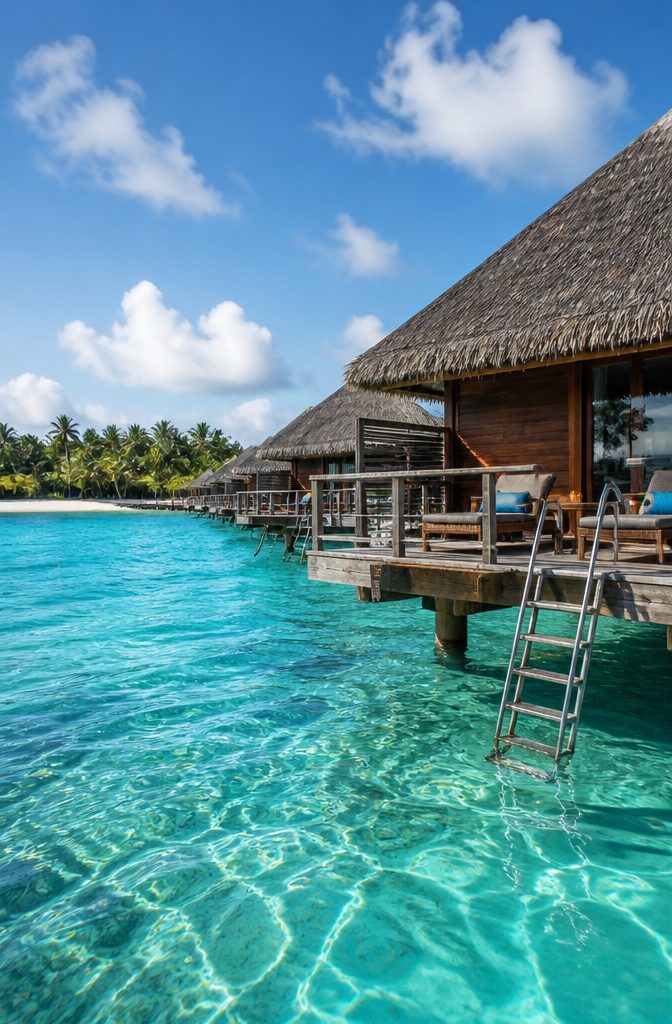
Overwater bungalows in Bora Bora sit on water so clear you can see the bottom at thirty feet without leaning over the railing.
The glass floor panels inside are a gimmick; the real show is the ladder off your private deck, dropping straight into water that holds that clarity most mornings before the wind picks up.
The cheapest overwater room I found still ran $890 a night in shoulder season, and that was with a package that bundled breakfast only, not the transfers from the airport on Motu Mute.
Those boat rides run $100–$150 per person each way, and resorts love to fold them into "complimentary" rates that cost $200 more per night than booking the room alone.
My $400 mistake was booking a garden-view room for the first two nights to "save money," planning to upgrade to overwater after that. The resort sold out of bungalows while I was in transit.
I spent those nights watching other guests climb down their ladders while I walked past the same hibiscus hedge to a block building with a perfectly fine shower and a perfectly wasted view.

Made from recycled polyester with a PU membrane and impregnation produced without PFAS. Zippered ventilation openings in the sides. Zippered hand pockets, two-way front...
2. Patagonia
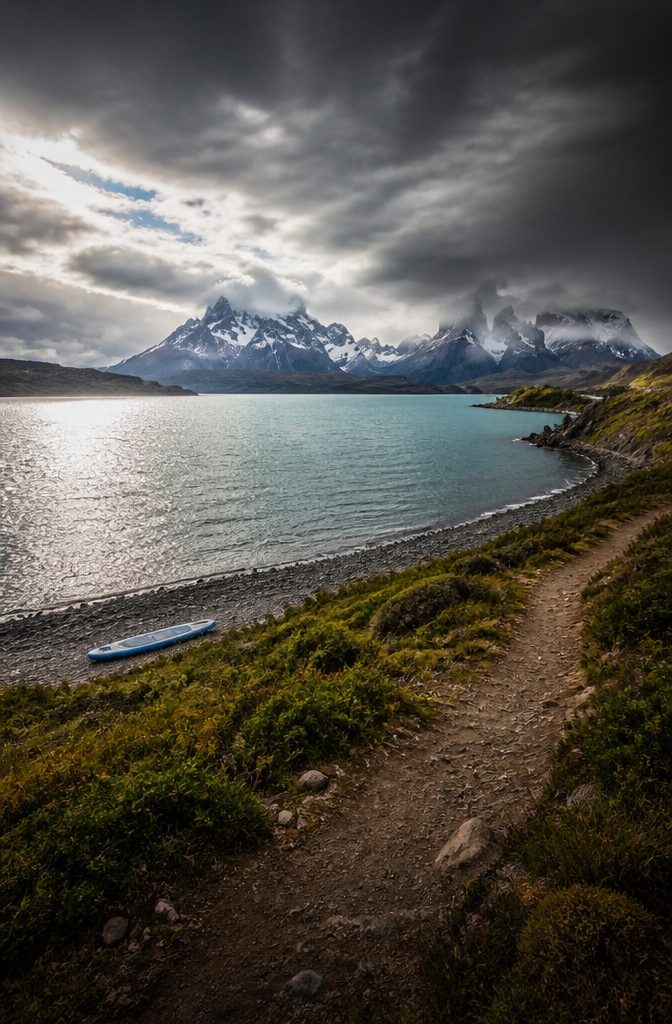
The wind at the tip of South America does not blow in one direction for long.
Morning sun on Lago Argentino can turn to sleet by the time you reach the trailhead, and the afternoon might close in clear and cold enough to freeze the water in your bottle.
Rent gear in El Calafate and check every strap and zipper before you leave town; the pack I picked up there split a hip belt on day three of the Torres del Paine circuit, miles from the nearest road.
Most trekkers sleep in refugios or tents, but explora Patagonia’s Hotel Salto Chico on Pehoé Lake keeps the hiking and drops the camping, with guides leading daily routes into the park from a room overlooking the Cuernos del Paine.
Kayaking La Leona River works better in the brief windows between weather fronts, when the water runs calmer and you are not fighting both current and forty-knot gusts.
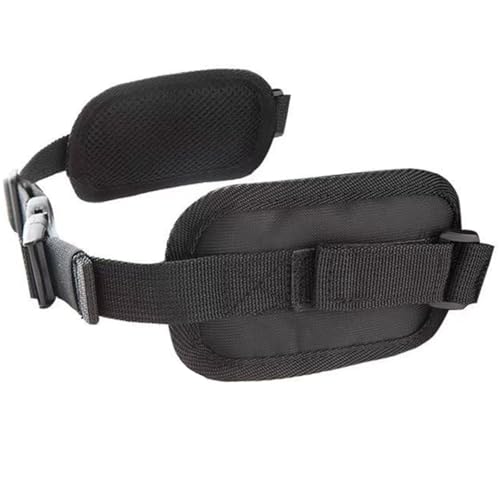

[SUPERIOR WEIGHT DISTRIBUTION] Effectively redistributes the load from your shoulders to your hips, dramatically reducing strain and fatigue. Carry heavier loads for longer durations with enhanced comfort.

3. Machu Picchu
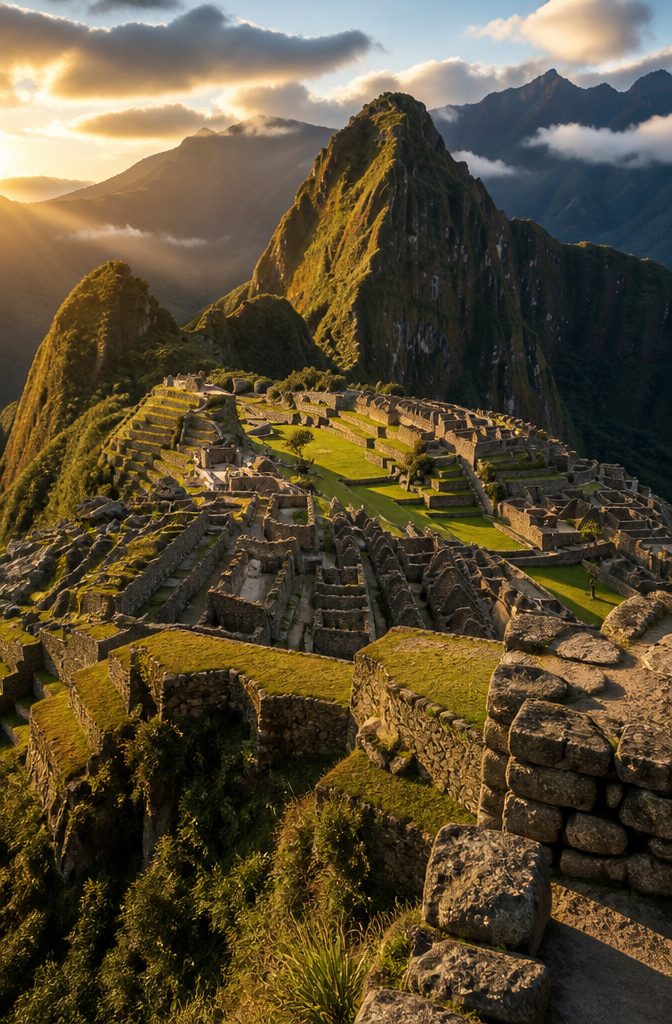
At 2,430 meters, the citadel sits high enough that altitude sickness is not theoretical.
I threw up in a bush on the Inca Trail about two hours in, which is how I learned that the four-day trek is not the time to test your fitness pride.
Book permits six months out if you want that trail; the 500 daily spots vanish, especially for the classic route that follows the original Incan paths.
The sunrise crowd packs the central terraces by 6 a.m., cameras ready for the classic shot through the morning mist. The light is flat, the shadows wrong, and you are shoulder-to-shoulder with the 400 daily hikers heading for Huayna Picchu.
Afternoon is the move. By two or three the tour buses have emptied back toward Cusco, the sun drops low enough to rake across the stone terraces, and the whole ridge warms to a color that morning never gives it.
The first time I stayed through lunch I finally understood why the place matters: not the postcard angle, but the way the builders read this exact light.


4. Galapagos Islands
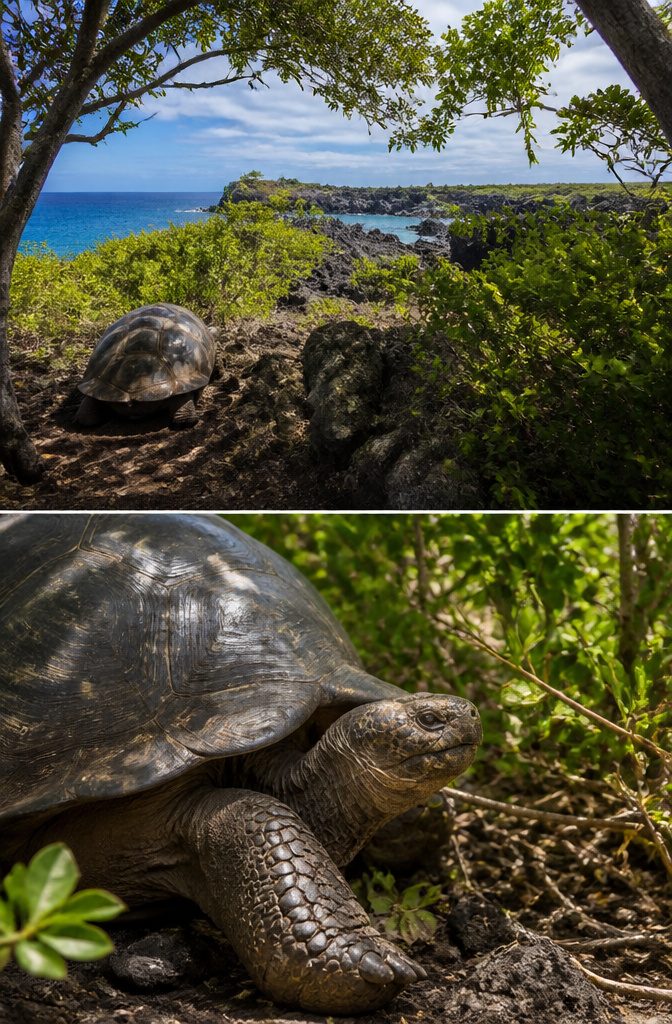
Giant tortoises in the Galapagos operate on their own schedule, and that schedule rarely involves acknowledging human presence. I stood beside one for ten minutes on Santa Cruz before it bothered to pull its head out far enough to blink.
The park rules hit harder than the wildlife. Independent travelers cannot enter most areas without a certified guide, and the pre-booked permits for popular landing sites sell out months ahead.
I learned this only after landing, which cost me two days of scrambling for last-minute spots that did not exist.
The snorkeling at Kicker Rock made the logistics worth it.
A Pacific green turtle swam straight at my mask, close enough to hear its flippers push water, then adjusted course by maybe two inches and passed so near the glass fogged from my own breath.
Water temperature hovers around 70°F, so a thin wetsuit rental runs about $5–8 per day and saves the trip from becoming a shivering endurance test.
5. Taj Mahal
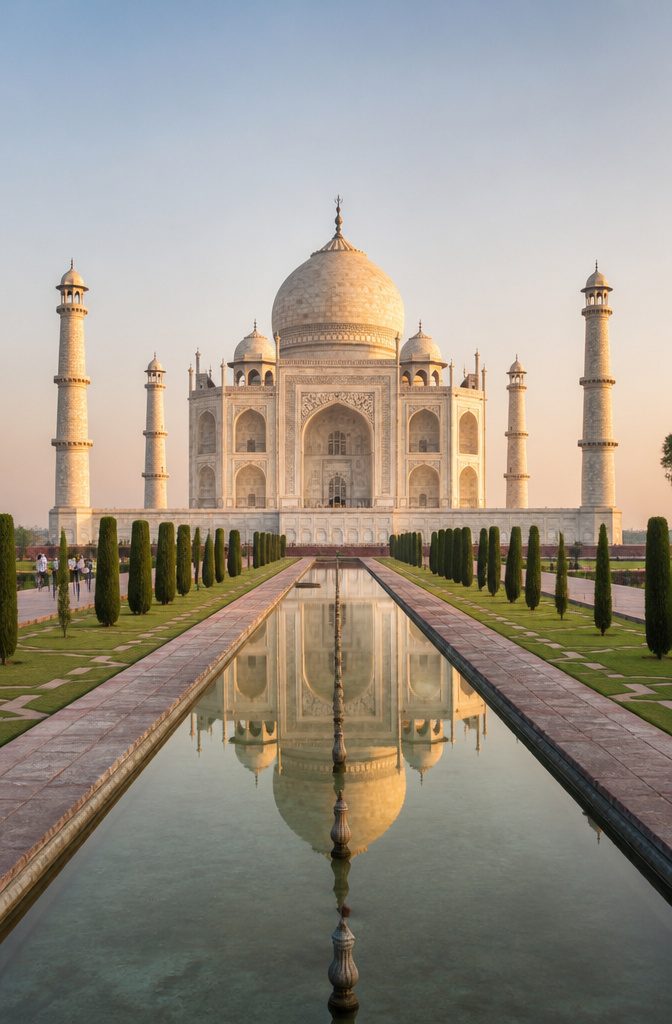
Shah Jahan commissioned the Taj Mahal in 1632 as a mausoleum for Mumtaz Mahal, his favorite wife, a Persian princess who died giving birth to their 14th child.
The ivory marble structure sits on 42 acres of manicured grounds in Agra, with a reflecting pool leading to the tomb and two identical mosques flanking each side to preserve the emperor’s obsession with symmetry.
The security line took me 90 minutes, and that was on a weekday morning. Arrive earlier than you think necessary, because the crowd moves slowly through bag checks and metal detectors.
The payoff comes once you pass through the main gate and the rounded frame suddenly reveals the marble structure ahead. The most iconic viewpoint stands at the end of that reflecting pool, with walkways on either side.
The afternoon light changes everything. The marble that reads blinding white at noon shifts to a soft pink as the day ages, a color shift most visitors miss because they schedule the Taj for sunrise and leave by lunch.
Stay through the afternoon if your itinerary allows; the crowds thin and the stone warms in a way the morning crowd never sees.

DURABLE MATERIAL: The Ydmpro tactical fanny bag is crafted from premium-quality nylon material and nylon webbing, offering scratch-resistant durability and protection against water splashes. Wipe off the water immediately after the encounter, it does not penetrate to the inside of the package.Its strong corrosion resistance ensures superior performance in the field.

[SUPERIOR WEIGHT DISTRIBUTION] Effectively redistributes the load from your shoulders to your hips, dramatically reducing strain and fatigue. Carry heavier loads for longer durations with enhanced comfort.

Distributes Weight Comfortably - Our Padded Hip Belt is designed to evenly and comfortably distribute the weight of a loaded backpack or ruck sack during long hauls or heavy packouts.
6. Great Barrier Reef
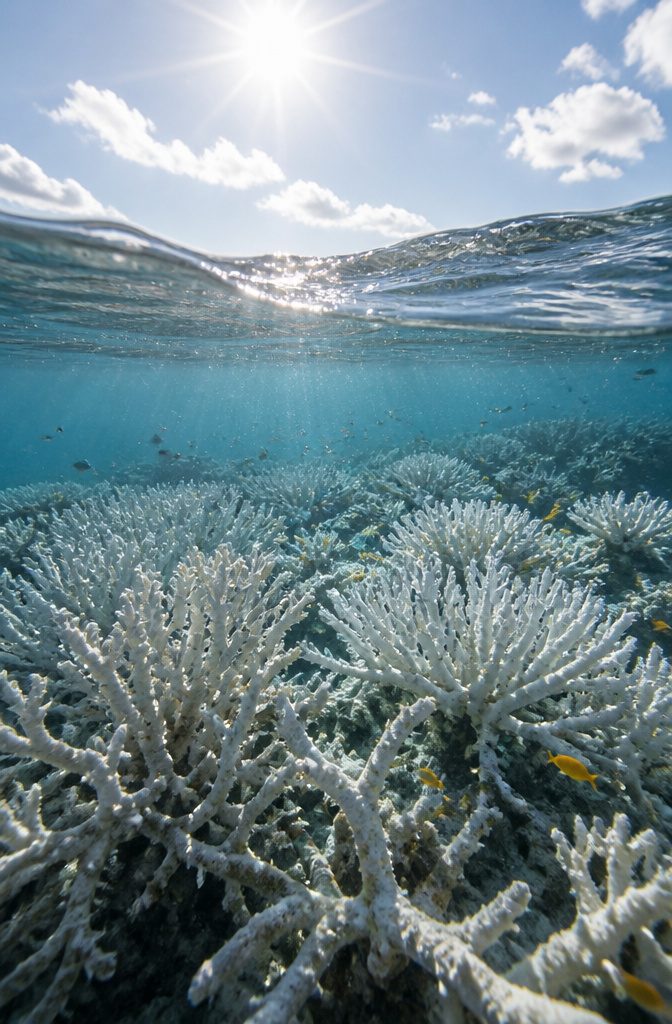
The Great Barrier Reef runs 1,800 miles along Australia’s northeast coast, and the section I dove had bleached to bone white.
The coral still held its shape, but the color had drained out completely, like a photograph left in sun for years.
I had booked through a smaller operator in Cairns who told me upfront which sites still had living color and which were gone. That honesty cost him.
His TripAdvisor page carried complaints from travelers who expected the brochure reefs of decades past and blamed him for the mismatch. The larger outfits simply ran to the same faded spots and let customers assume that was normal.
For anyone planning this in 2026, the reef is still worth the trip, but the living color is patchwork now, and the operators willing to say so are the ones worth your booking.

I Hiked The Inca Trail design for Machu Picchu visitors, Peru travelers, long-distance hikers, backpackers, trekking enthusiasts, mountain hikers, Andes explorers, hiking-club members, and South America adventure travelers.


7. Petra
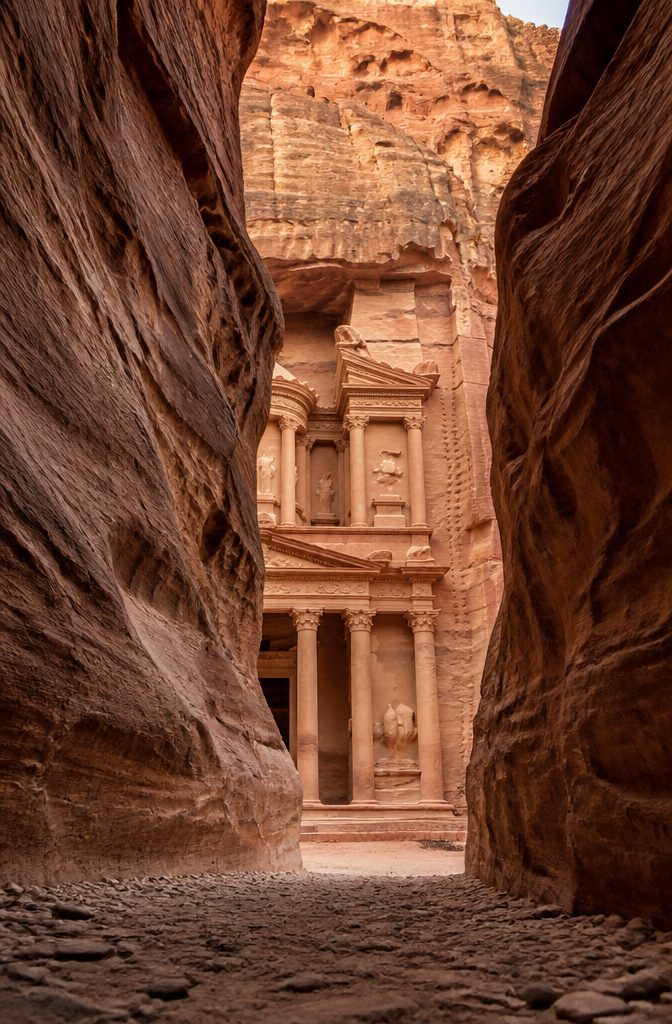
Petra’s rose-red sandstone cliffs have drawn travelers since Nabataean traders carved their city here more than 2,000 years ago. The Treasury earns its fame, but the site spreads across 60 square kilometers of tombs, temples, and facades most visitors never reach.
A Bedouin guide I found through the camp where I stayed offered a back entrance route starting at 5 AM. We beat the tour buses by hours, scrambling down a wadi while the rock still held the night’s cool.
The Siq, that narrow gorge almost a mile long, looks different when you enter it with nobody ahead of you and nobody behind.
At the visitor center, handlers push horse rides to the Treasury entrance.
I refused mine. The walk that should take perhaps 40 minutes took me three hours longer than it should have, because I kept stopping for the rock formations, the water channels cut into stone, the way the light moved.
The heat caught up by mid-morning. Save the 800-step climb to the Monastery for afternoon shade; the doorway alone is the size of a house, and the building above it is worth the grueling hike.
Petra by Night strings 1,500 candles along the Siq to the Treasury if your timing aligns. I did both the candlelit walk and the daylight hours, and would not skip either.
8. Amalfi Coast
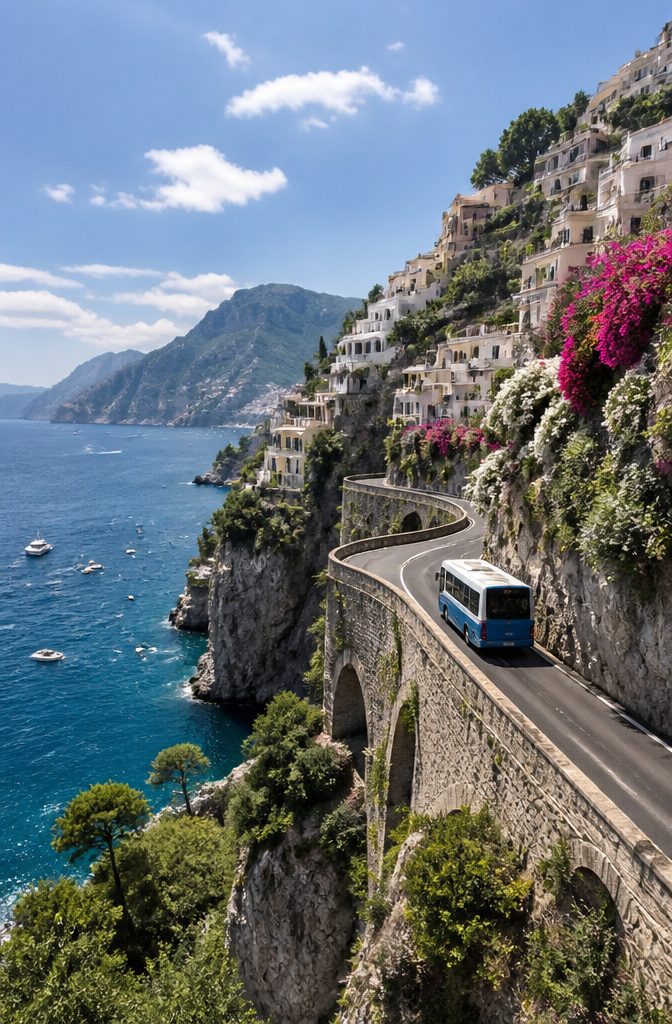
The SITA bus from Sorrento to Amalfi hugs cliff faces so tight that the Gulf of Salerno fills the entire window, and the oncoming traffic fills the rest.
I spent the full 45 minutes with both feet braced against the floor, one hand on the seat ahead, watching scooters pass us with centimeters to spare.
The ride costs €2.40 and runs hourly, which is the only reason anyone sober repeats it.
Positano sells lemon granita for €6 near the beach stairs.
Walk ten minutes uphill to the road and the same cup drops to €3. The cheapest I found was in Minori, where a bar near the jetty charged €2.50 and the view of the sea was identical, just without the Instagram queue.
Ravello charges triple for the terrace add-on; the granita itself is the same factory syrup.

OUTDOOR HIP BELT: Add extra support and on-body storage to your Peak Design Outdoor Backpack with this padded, adjustable hip belt – designed to take the weight off your shoulders and stabilize heavy loads.

COMFORTABLE LIGHTWEIGHT DESIGN: The Trailblazer Belt for men and women is crafted with minimalist stretch fabrics, offering a lightweight yet durable solution for securing personal items while trail hiking or mountain biking. Specs: 18 x 23 cm (w x h). Weight: 6 oz.

DURABLE MATERIAL: Meprona tactical fanny pack is made of High-density 1000D Oxford nylon fabric, scratch-resistant wear, prevent splashing water. Wipe off the water immediately after the encounter, it does not penetrate to the inside of the package. And use quality ABS buckle, light weight and durable.
9. Dead Sea
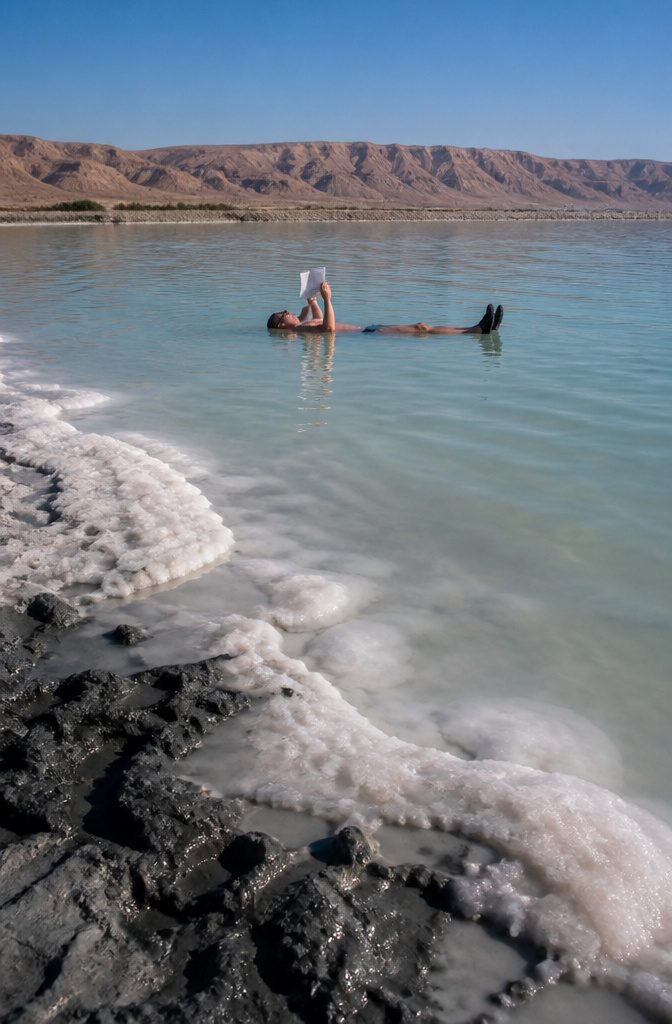
The shore at Ein Bokek sits 1,410 feet below sea level, the lowest point you can stand on dry land.
The water is so dense with salt that the Jordan River flowing in cannot keep pace with what evaporates, leaving a brine eight times thicker than the ocean and utterly lifeless.
I had a cut on my shin from the day before, some rock or branch I never identified. The sting hit the instant I waded past knee depth, sharp enough that I stopped and considered turning back.
I did not. The mineral-rich black mud along the bank dries to something like plaster; I coated my arms and face, and within twenty minutes the tightening was so complete I could not smile without cracking the mask.
Floating happened without effort, feet up, bobbing like a cork the moment I lifted them from the seafloor. A strange sensation, and bucket-list-worthy for that alone.


10. Iceland
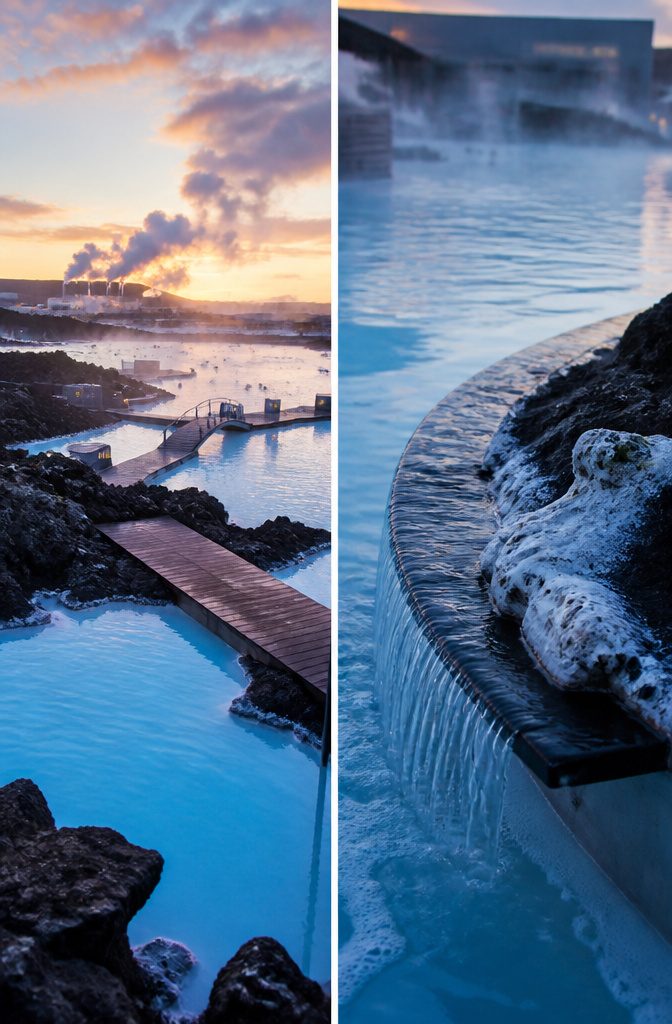
The milky-blue water at the Blue Lagoon runs between 98 and 102 degrees Fahrenheit over black lava fields, with the Svartsengi geothermal plant looming like a set piece in the background.
A soak there costs $70, and the crowd is largely Americans angling for the same selfie everyone else flew in to take.
Three hours east, a local farmer runs a free hot spring that sees maybe one tourist a month.
I was that tourist in late summer, and the chill in the air that signals fall coming on made the water harder to leave than the famous one.
No silica mud masks, no reservation window, no shuttle bus. Just a pool heated by the same geothermal system, the same otherworldly feel, and a conversation about sheep that I did not initiate.
11. Antarctica
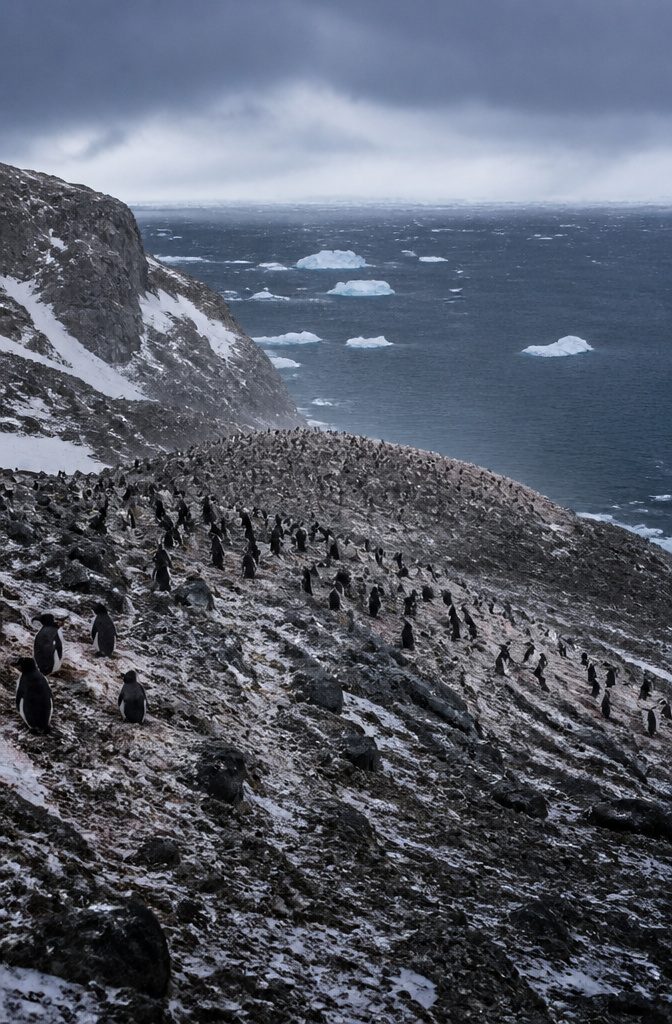
The Drake Passage earns its reputation before you see the first iceberg. On my crossing, 60% of the passengers were taking seasickness pills for two straight days, and the dining room sat half-empty at every meal.
The ship’s doctor ran through his supply of scopolamine patches by the second morning. I spent hour three of the worst stretch lying on my cabin floor because the bed felt wrong.
The payoff arrives at the penguin colony. The smell hits you from half a mile off, a mix of fish and guano so thick you taste it before you see the birds.
Up close, the noise matches it: thousands of chinstrap penguins braying at once, the colony spread across a slope of black volcanic rock streaked white with their waste.
You stand there in full foul-weather gear, camera fogging, and the absurdity of the place sinks in slowly.
Nothing about Antarctica is comfortable. That is exactly why it belongs on a list of cool places around the world.
12. Niagara Falls
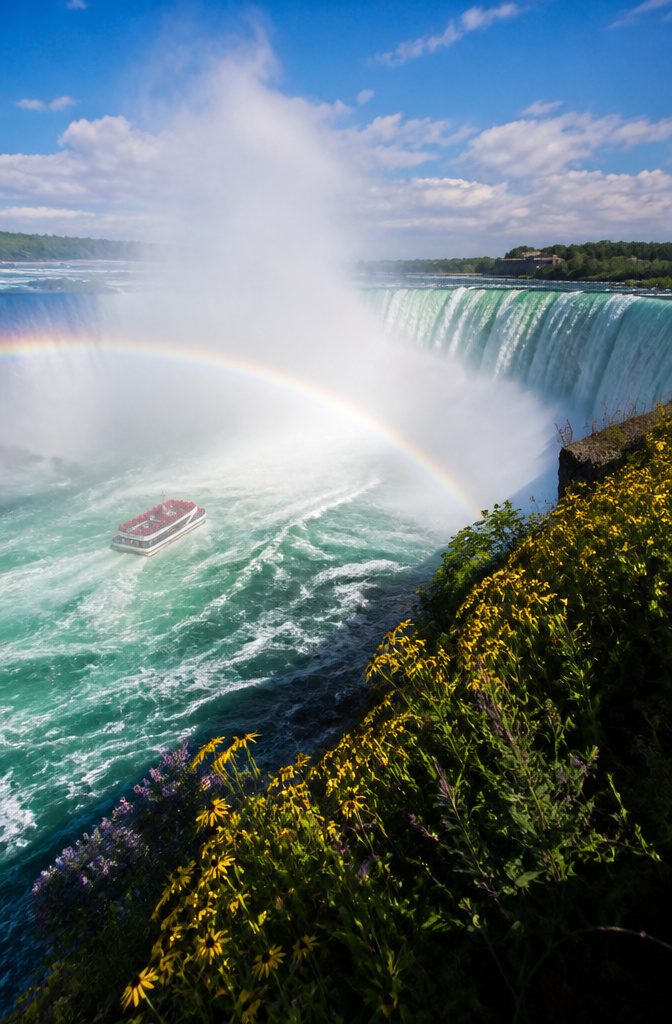
The world’s second-largest waterfall by volume is not a single drop but three: Horseshoe Falls, American Falls, and Bridal Veil Falls, formed roughly 12,000 years ago when meltwater from retreating ice sheets plunged over the Niagara Escarpment.
The Canadian side gives you the full 180-degree face of Horseshoe Falls, while the American side puts you closer to the smaller cascades but at a sharper, more limited angle.
The Maid of the Mist boat tour hands you a blue poncho that covers torso and arms.
Your shoes take the full spray. The tunnels behind the falls, carved through rock, put you in the spray zone again with the same problem.
After two rounds of soaked sneakers in one morning, the observation deck at the top of Skylon Tower starts looking like the smarter move, especially for anyone who dislikes helicopters.
Age minimum for the boat runs 4 and up.
13. Grand Canyon
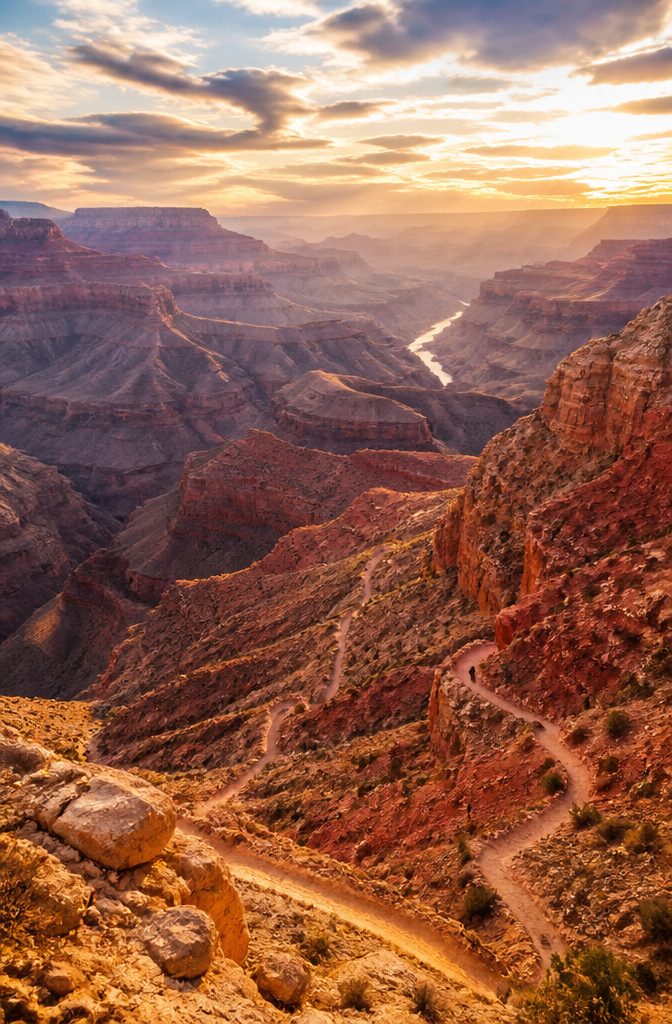
The Grand Canyon runs 277 miles long and over a mile deep, numbers that feel abstract until you stand at the rim and the heat rising from below hits your face.
Most visitors stay up top, catching the South Rim overlook by shuttle bus or car, walking the Bright Angel or Rim trails. That view is enough for most people.
I hiked down to Phantom Ranch in July, which the ranger at the top told me was a bad idea. She was correct about the temperature and the water I did not bring enough of.
The Colorado River cuts through rock layers that record nearly two billion years, and the scale only reveals itself once you are inside it, sweating through switchbacks with your pack too heavy and your water too light.
If you want the full vertical mile, go in spring or fall, carry more water than the signs suggest, and listen when the ranger shakes her head.
14. Hoi An
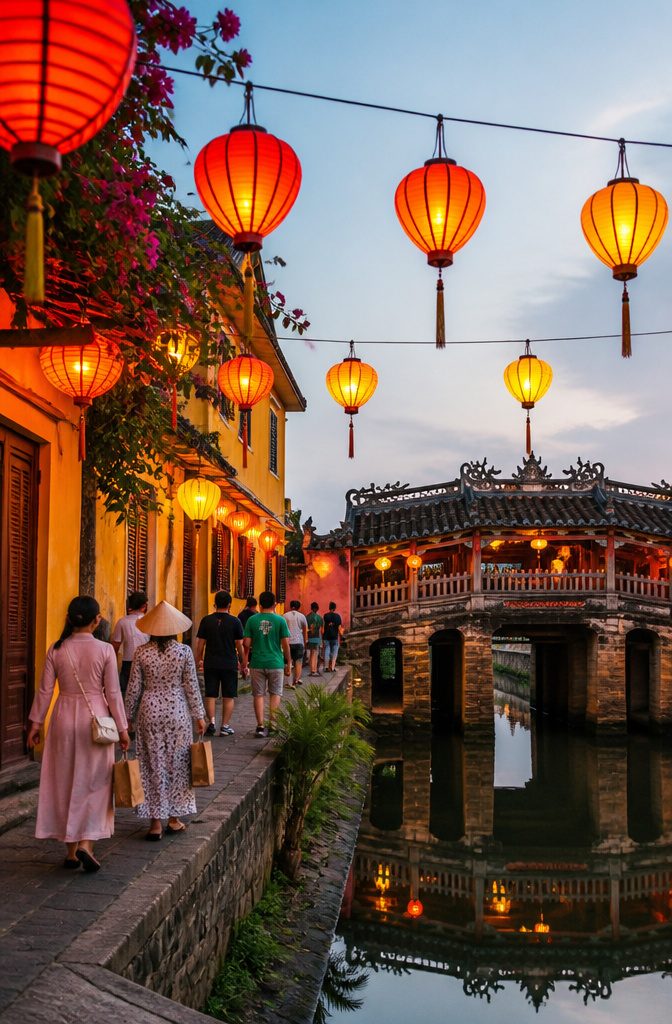
The lanterns look magical hanging above the Japanese Bridge, and every shop in the Old Town sells them for about three dollars.
Three of mine were crushed in my suitcase before I landed back in Vancouver, so spend the extra dollar on the flat-pack version if you want something that survives the flight.
Tailors are the other reason people come. The first one I tried measured me wrong by nearly two inches through the shoulders, and the dress hung like a sack when I picked it up.
A woman at my guesthouse sent me to a second shop near the market, where they remeasured, recut, and delivered a fixed dress in four hours for twenty-two dollars.
The difference was asking to see finished work on a real body first, not just the mannequin photos.
Hoi An is worth the stop, but the costs that sound cheap add up fast if you need two tries at everything.
15. Kyoto
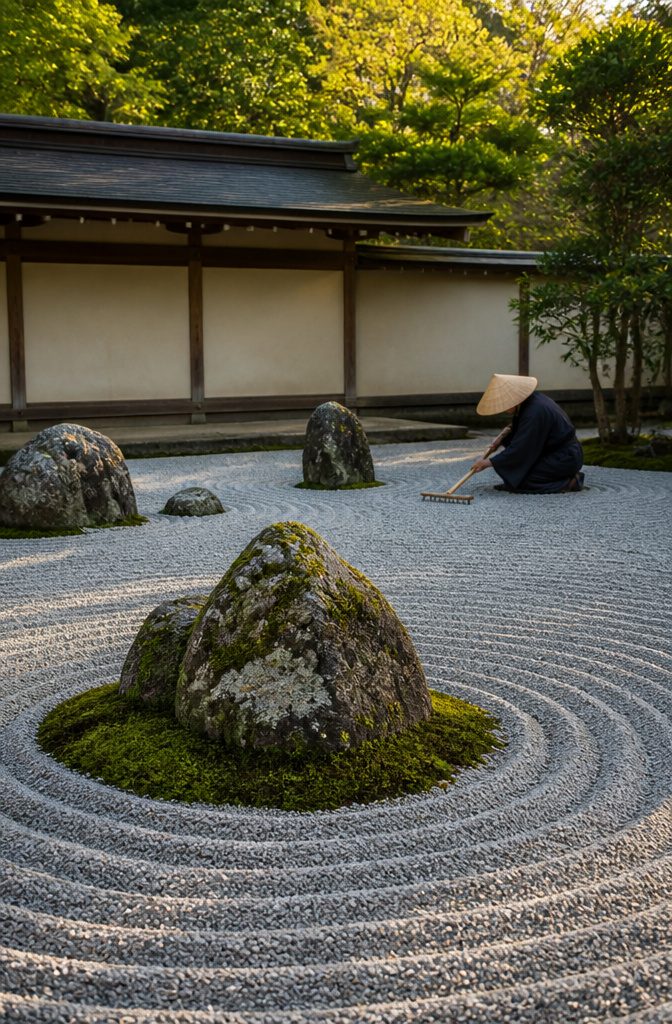
Raked gravel at Ryoan-ji demands three hours of work each morning before visitors arrive.
The patterns hold only until the next rain, which is the point: nothing finished, everything tended. I watched a monk restart a corner he’d already done once, no irritation in the motion.
The ryokan cost 18,000 yen, about $120 that April, for a room with futon on tatami and no private bath.
Wash before you enter the onsen; the stool and bucket beside the tub are the full bath, not a rinse. I sat in the tub first, as you would at home, and the owner caught me at checkout.
She explained with the flat patience of someone who has explained this a hundred times. The shame belongs to the ignorance, not the correction; she made that clear too.
Dinner arrived in the room at six, twelve small dishes, each holding exactly one thing in season. You eat in the yukata they provide.
The futon staff lay out while you’re at dinner smells of straw and the previous guest’s soap. Sleep came fast, harder than at any hotel with a mattress.
16. Udaipur
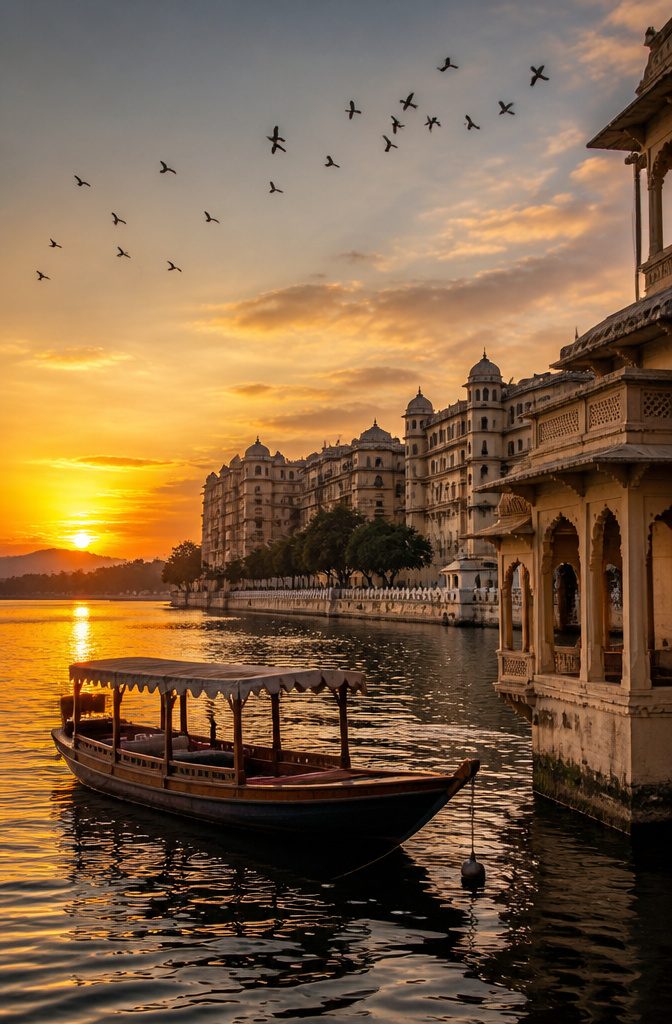
Udaipur earns its nickname, the City of Lakes, from Lake Pichola and the water that threads through every view.
The palace hotels along its edge charge rates that belong to another budget entirely, and I have stayed in one, watching my savings evaporate for a single night.
The trick is to sleep where the walls are thick and eat where the roof is open.
A rooftop restaurant two doors down served dinner for $8, the same sunset over the same water, the same sandstone turning rose and then gold.
The boatmen who linger at the ghat below the hotel quoted half what the concierge printed on the card at my elbow.
The ride was the same lake, the same dying light on the same floating palace, the same row of birds settling onto the parapet.
India collects bad press, and Rajasthan can read like a brochure.
Udaipur rewards the traveler who books the room and then walks out the gate. The art shops in the lanes behind the palace sell woodblock prints for the cost of a coffee back home.
The cafe owners remember your order by the second morning. The lake does the romantic work for free.
17. Chefchaouen
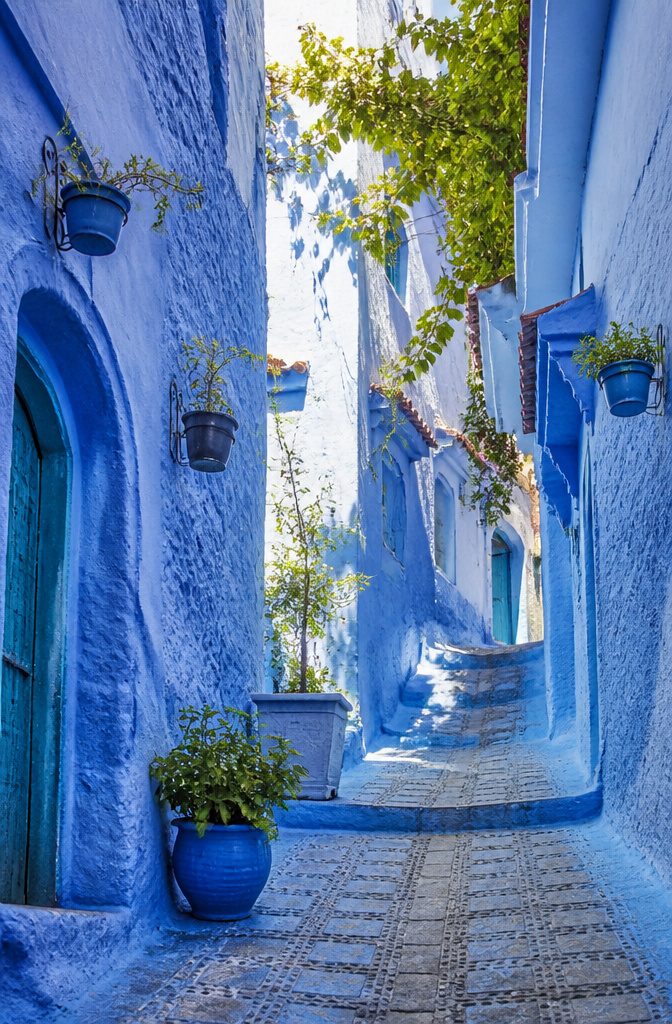
The blue in Chefchaouen photographs exactly the way it looks.
Every wall, stairwell, and doorway carries the same pigment, so the images that float through social media are not filtered; they are honest. Walking the medina, the repetition becomes its own effect.
Corners that seem promising from twenty meters away resolve into more of the same blue, and after an hour the eye stops hunting for variation and accepts the place as a single continuous room.
The hashish dealers work the main square openly, approaching anyone who lingers near the kasbah with a soft "kif?" and a tilt of the head.
They are persistent but not threatening; a flat "no" ends the conversation. Two hours at a cafe on the square’s edge, nursing a mint tea that cost twelve dirhams, brought no approach at all.
The dealers read the room, or the seating, or simply could not be bothered with someone who had already settled in. The difference between standing and sitting there is worth the price of the tea.
18. Zanzibar
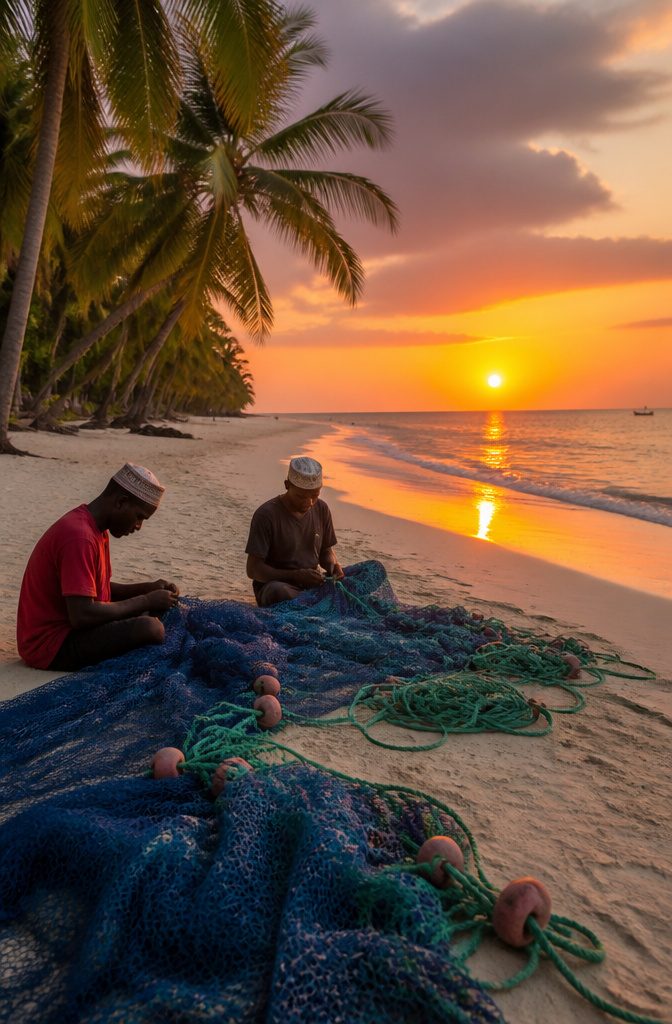
The beaches on Zanzibar’s east coast have sand so fine it squeaks underfoot with every step, a texture that makes the shoreline feel almost engineered.
That same stretch of coast carries a heavier mosquito load than Stone Town, where the sea breeze and denser construction keep the air moving enough to matter.
I learned the difference after two nights of counting bites versus two nights of uninterrupted sleep.
The spice tour is where the real trouble hides.
Guides hand you vanilla pods to smell, and the good ones smell like vanilla. The fakes are dyed wood, smooth and dark and utterly scentless, sold to tourists who do not know to scratch the surface and check.
I bought three pods before a woman at the next stall showed me the test. Stone Town rewards wandering, but the coast rewards a packed repellent and a willingness to verify what you are buying.
19. Lofoten Islands
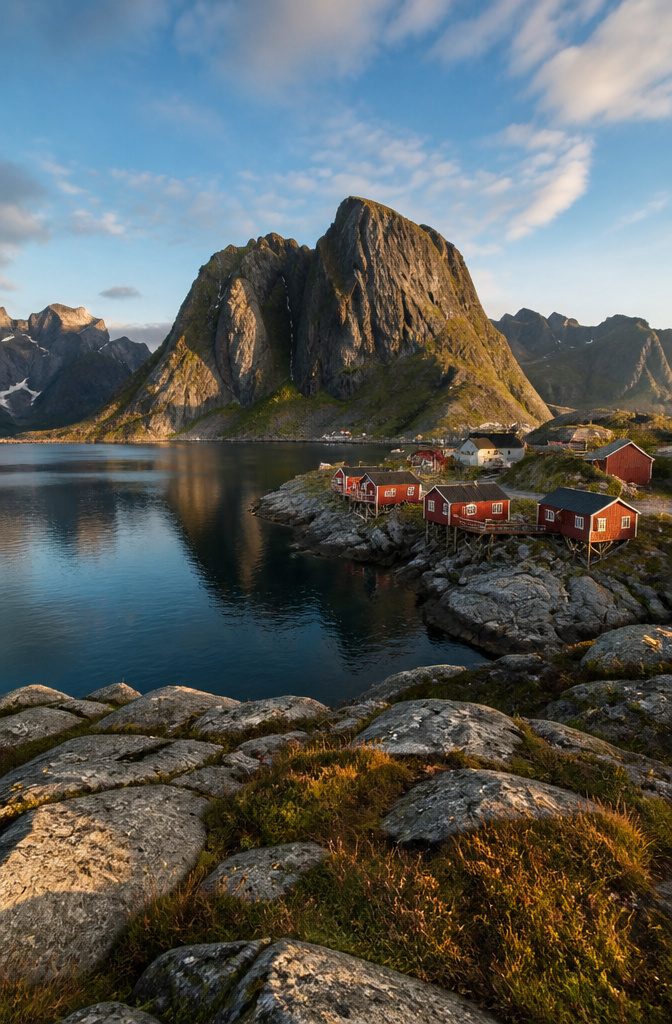
Mountains rise straight from the water in the Lofoten Islands with no beach to soften the landing, just granite walls that turn pink at sunset and make the fjords feel like a place that has not finished forming yet.
I rented a rorbu cabin in a fishing village where the red paint was peeling in the salt air and the floorboards had the give of a hundred years of boots.
The price on the website looked reasonable until the owner asked where I was from; when I said the United States, the rate doubled.
Norwegian guests pay half what Americans do for the same cabin, and there is no button on the booking site that reveals this. The mountains are the reason you go, but the pricing is the detail that shapes the trip.
20. Maldives
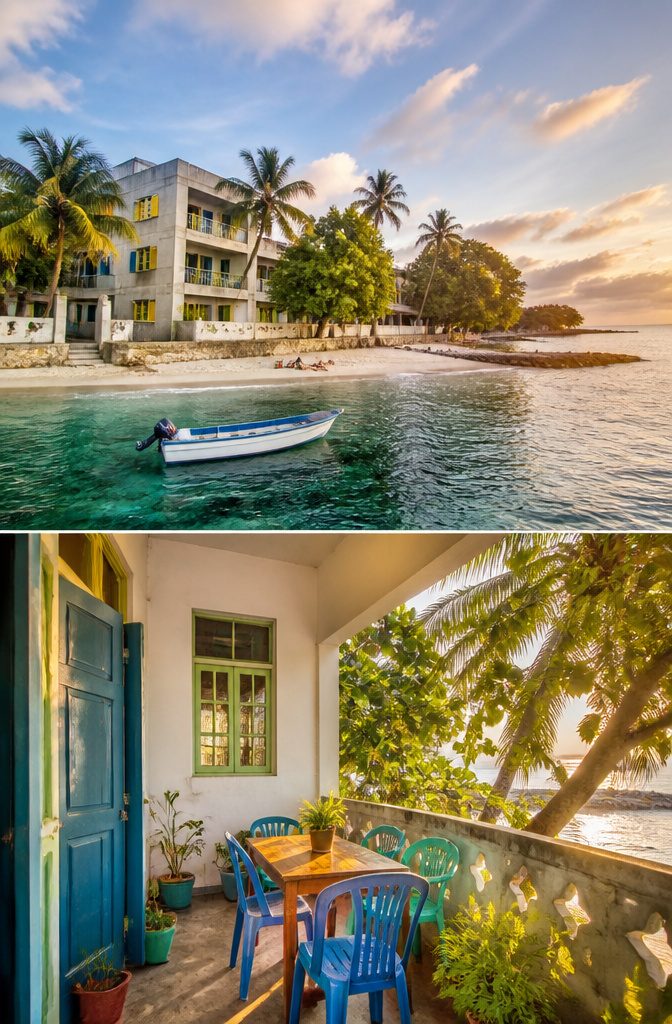
The Maldives first hit my radar through resort brochures where the entry-level water villa runs $600 a night and the seaplane transfer adds another $350 each way. That math killed the idea fast, until I found the local island workaround.
The guesthouse on Maafushi was $45 a night, ten minutes by public ferry from the same reef the $600 guests snorkel.
Same fish, same drop-off, same turquoise water. The difference is concrete walls instead of thatched roof, and breakfast is coffee with a tuna sandwich rather than a buffet.
Boat trips to the resort snorkeling spots ran $25, organized through the guesthouse owner who knew which operators actually showed up on time.
The trick was confirming the boat had proper safety gear, not just a cooler of soda. One afternoon we anchored beside a resort excursion boat; their guests paid $180 for the identical route.
Local islands ban alcohol and require modest dress on the main streets. The bikini beach is a fenced slice of sand where the rules relax.
That trade suited me fine. The savings paid for ten extra days.
Frequently Asked Questions
What are the coolest places to visit around the world?
The article covers twenty destinations worth considering for 2026, including Bora Bora, Patagonia, Machu Picchu, the Galápagos Islands, the Taj Mahal, the Great Barrier Reef, Petra, the Amalfi Coast, the Dead Sea, Iceland, Antarctica, Niagara Falls, the Grand Canyon, Hoi An, Kyoto, Udaipur, Chefchaouen, Zanzibar, the Lofoten Islands, and the Maldives.
Each spot comes with a specific tip or price point drawn from firsthand experience, such as the $45 guesthouse alternative in the Maldives or the afternoon light at Machu Picchu that beats the sunrise crowd.
What are the best travel destinations for adventure seekers?
Patagonia, the Galápagos Islands, and Antarctica stand out for active travelers.
In Patagonia, rent gear in El Calafate and check every strap before hitting the Torres del Paine circuit. The Galápagos requires booking permits months ahead for guided landings, but snorkeling at Kicker Rock puts you face-to-face with sea turtles.
Antarctica demands seasickness stamina through the Drake Passage, then rewards you with penguin colonies and volcanic landscapes that justify the discomfort.
What are some underrated travel destinations?
Chefchaouen in Morocco qualifies, though the article treats it as more visually singular than hidden.
The blue-washed medina looks exactly like the photos, and lingering at a café for twelve dirhams of mint tea keeps the persistent hashish dealers at bay.
The Lofoten Islands also fit: Norwegian guests pay half what Americans do for the same rorbu cabins, a pricing quirk the booking sites do not disclose.