The best answer to "where should I go on vacation" depends less on taste than on your dates and your budget: this list runs from free-to-wander Savannah squares to Bora Bora overwater bungalows, which sit at the expensive end.
1. Machu Picchu
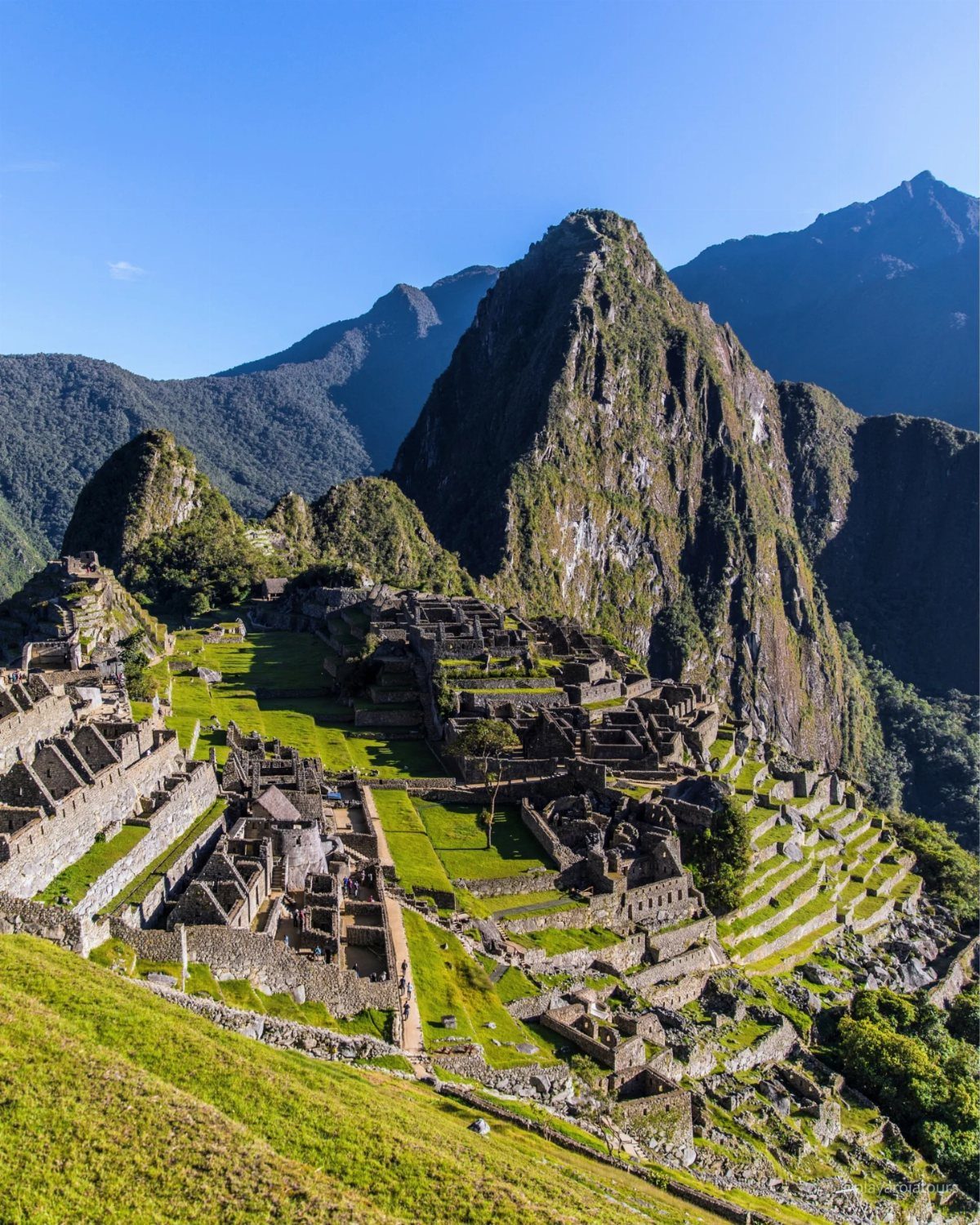
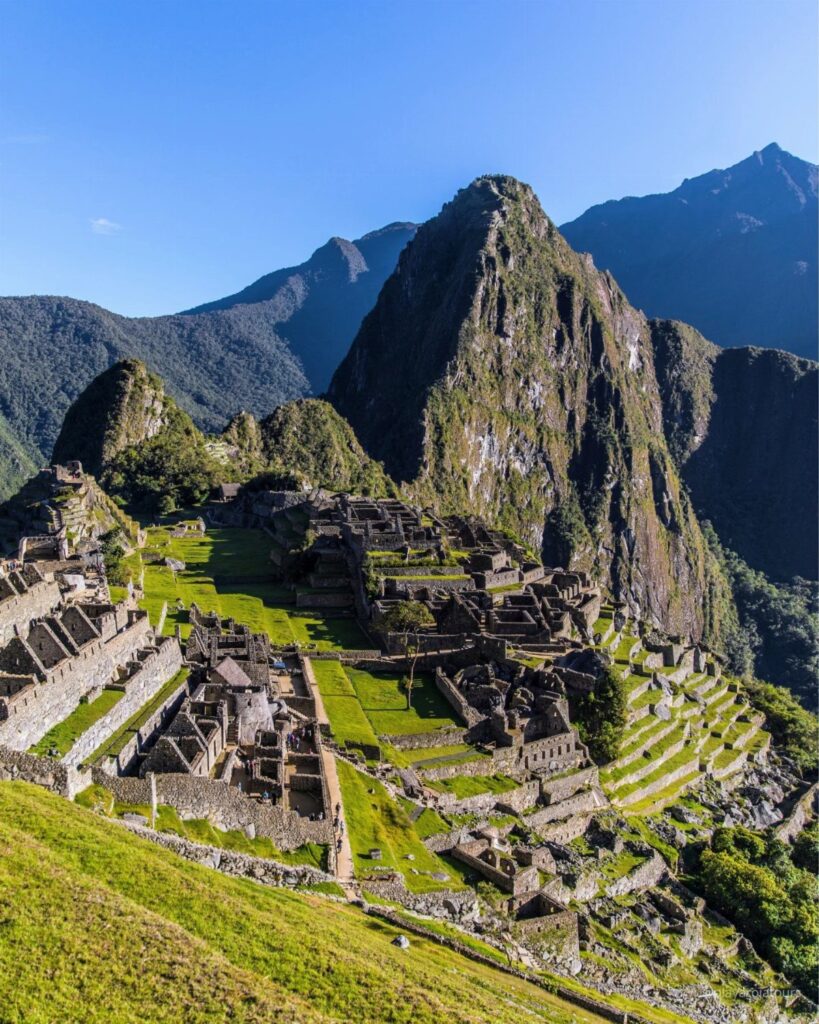
Terraces cut into a steep green ridge, with a sharp peak behind them: Machu Picchu is an Incan city built high in the Andes, and the setting is the reason to go.
The stone buildings and farming steps sit on the mountainside, so expect plenty of climbing and thin air.
I would plan this as a full trip, not a side stop. The altitude and the terrain reward slow pacing, and clear-sky mornings are worth building extra days around.
Book early and check current entry rules on the official site before you buy flights.
2. Grand Canyon
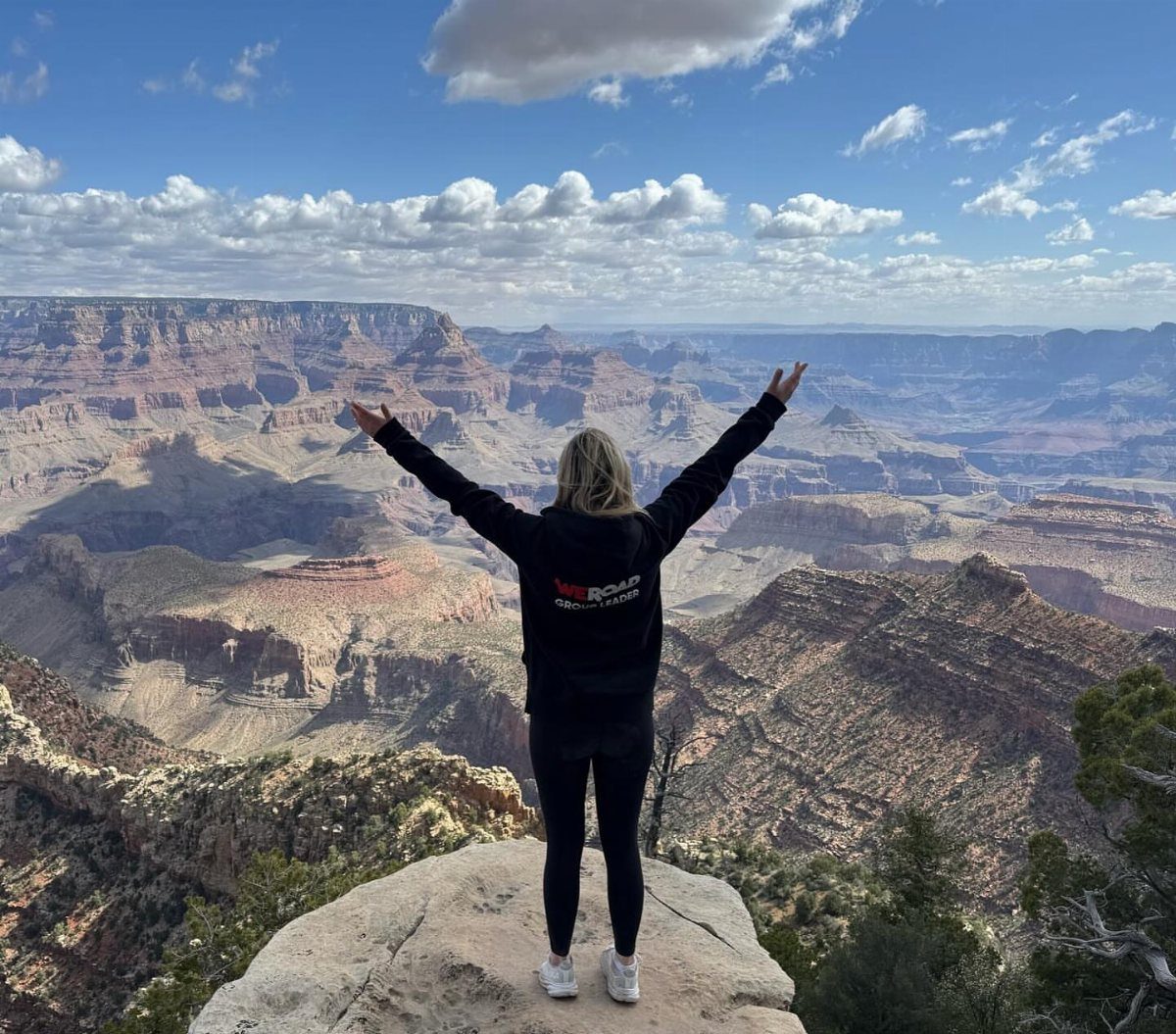
A cliff edge with nothing in front of it: that is the Grand Canyon, and it suits travelers who want big views and real hiking without much planning gymnastics. The canyon is known for both, and the two pair well.
Walk at least part of a trail below the rim. Overlooks give you the scale, but trails give you the depth, and most people never leave the railing.
Start early, carry more water than feels necessary, and decide how far down you will go before you start, since the climb back is the hard part.
3. Bora Bora Overwater Bungalows
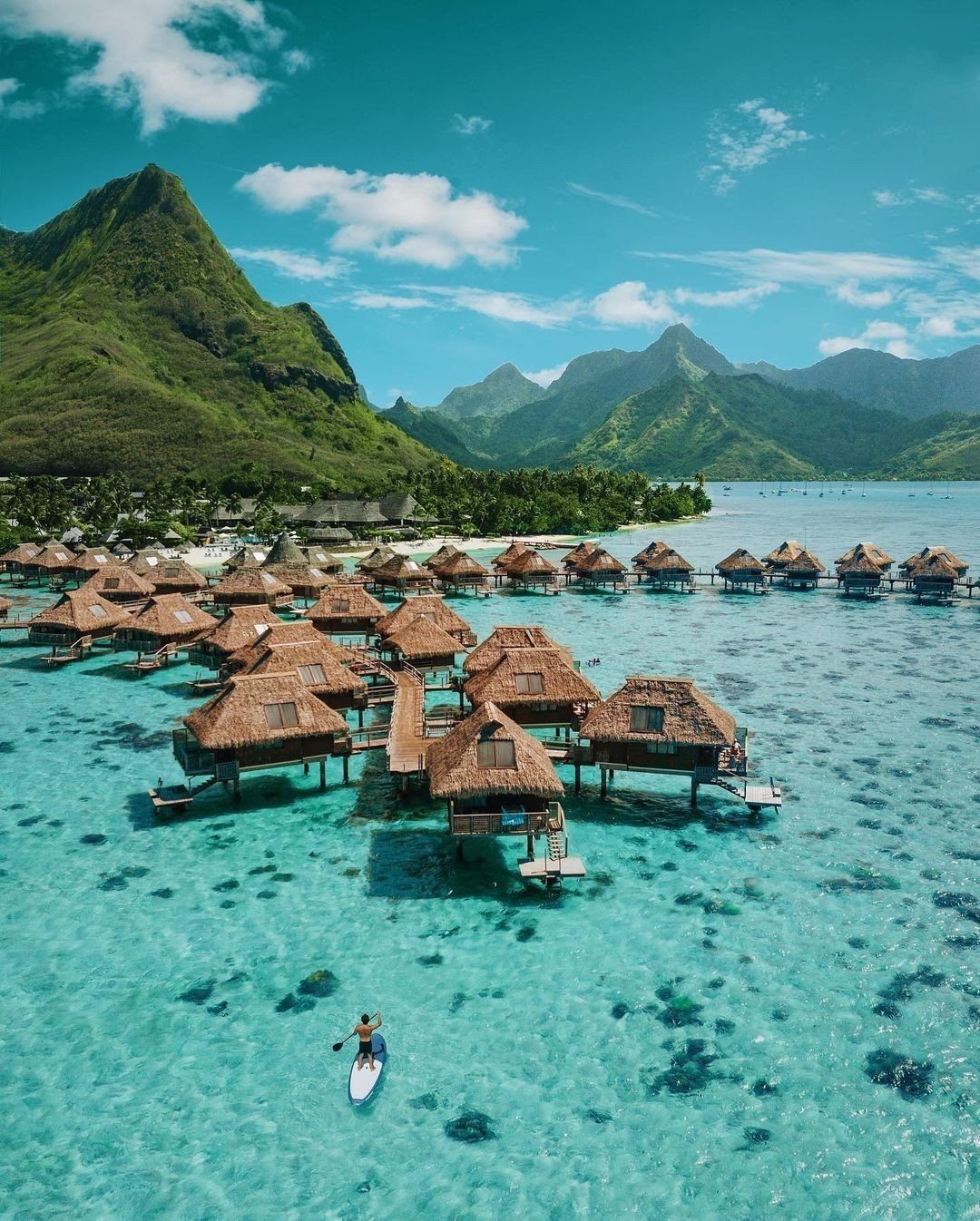
Thatched roofs over turquoise water, green mountains behind: Bora Bora overwater bungalows are the splurge pick on this list. I rank them as a once-in-a-while trip, not an annual one, because the cost sits well above most island options.
Rent a paddleboard and you can use the lagoon without booking tours. If budget matters, ask each resort what is included before comparing nightly rates.
Book well ahead, and price the whole stay, flights included, first.
4. Alaska
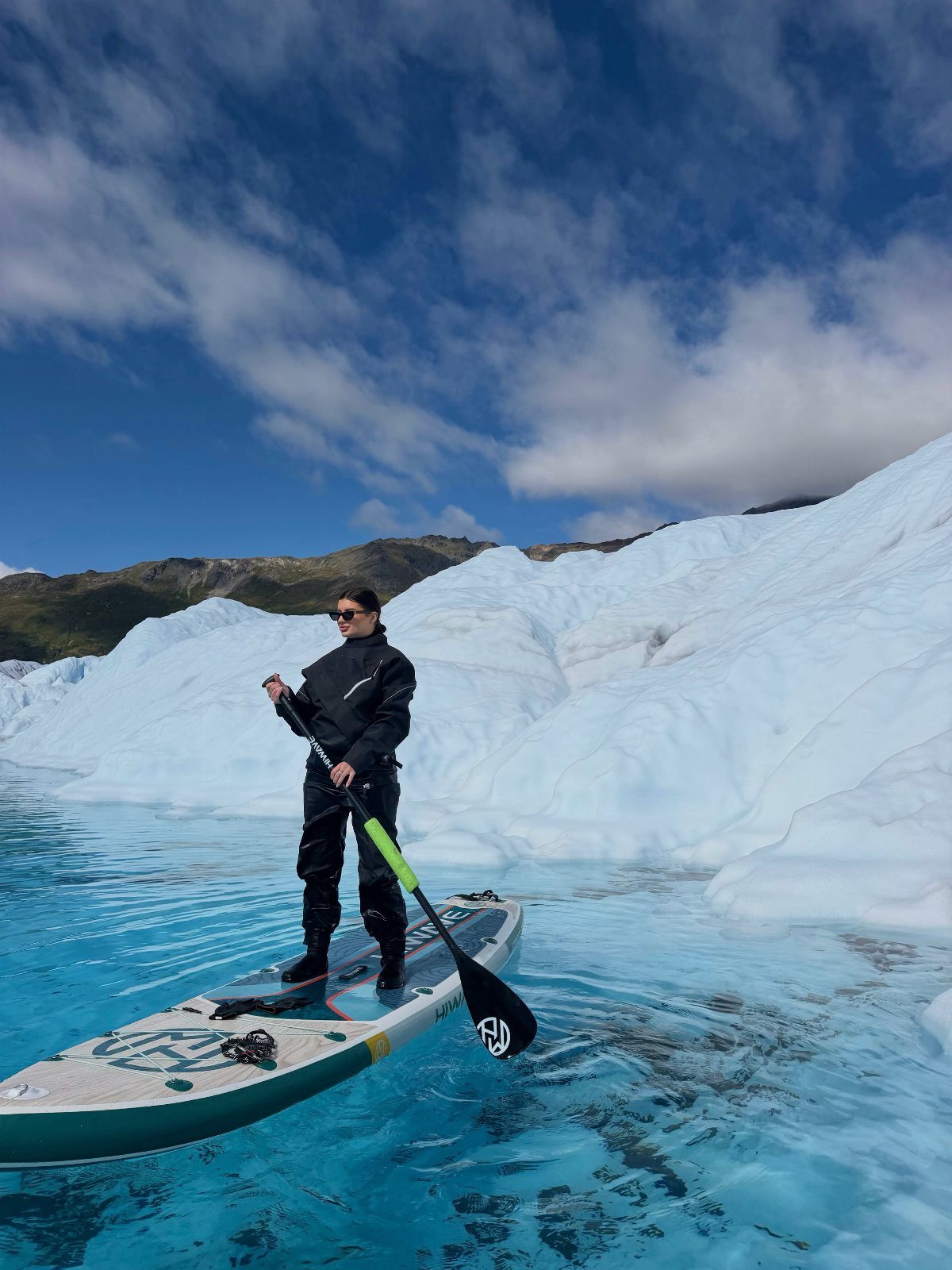
Paddling beside a glacier is the Alaska trip I would build around. The state is known for natural beauty and wildlife, and cold blue water with massive white ice makes both feel close.
Be realistic about gear. A wetsuit matters in water this cold, and a guided outing beats going alone for a first try.
Alaska rewards time more than money-saving tricks. Pick one region, book guided days early, and leave a few open for weather.
5. Florence, Italy
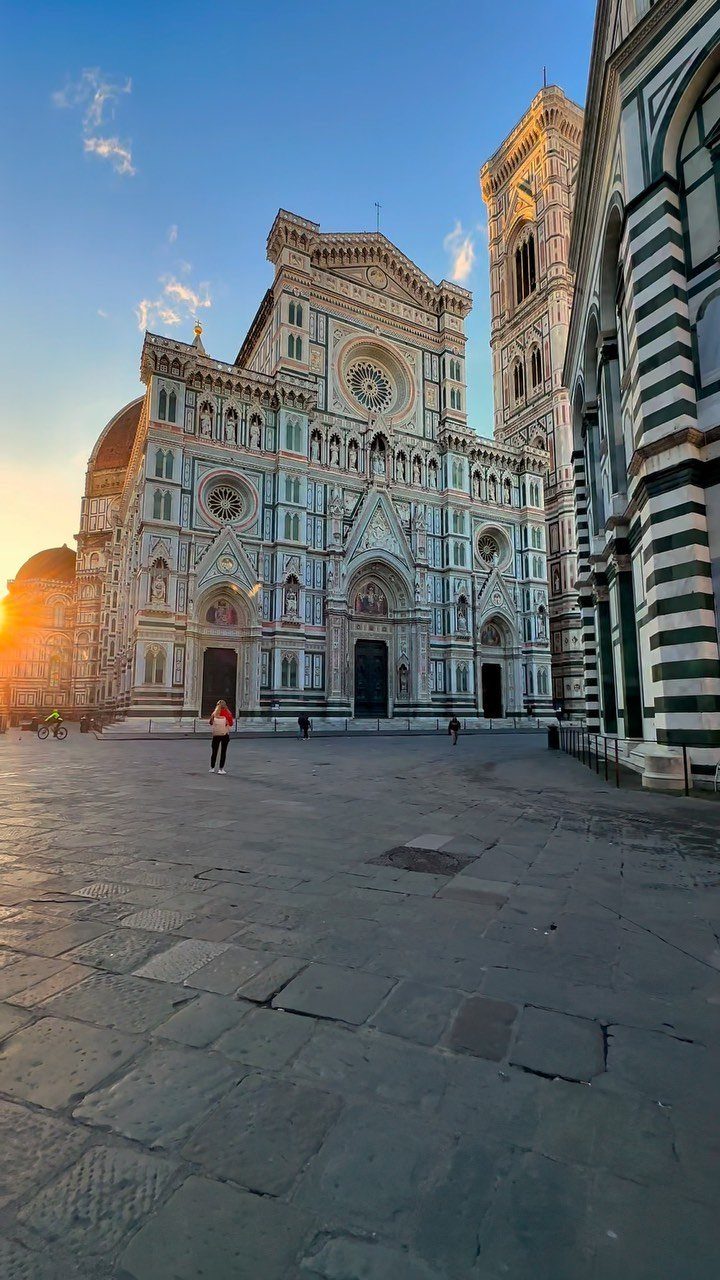
Florence is a city you can cover on foot, and its art and architecture are the draw.
I would go early, when the plaza is quiet and the marble facade gets clean light. Then spend the afternoon on museums, where the art the city is known for really lives.
It suits travelers who like dense, walkable trips over beach time. Book museum entries ahead online.
6. Ochos Rios, Jamaica

Ocho Rios is the easygoing Jamaica pick, known for beaches and waterfalls. That mix lets you split days between swimming and a short, active outing without much logistics.
The town has painted photo spots, but I would spend the real time at a waterfall and a beach. Both are the reason people return.
It fits travelers who want a relaxed trip with a few easy highlights. Prices and transport options vary by season, so check current ones first.
7. New York City

Yellow taxis, flags and tall glass-and-stone towers on one block: New York City packs more into a single street corner than most destinations do in a day.
For a planner, that density is the draw, since you can fill a short trip without renting a car.
Walk it. Pick a neighborhood per day and let the sidewalk do the sightseeing, with the occasional cab for a long hop.
Window shopping along streets like these costs nothing, but lodging and dining do not, so budget for those two first. Price the hotel first, then decide how many days you can afford.
8. Historic Savannah
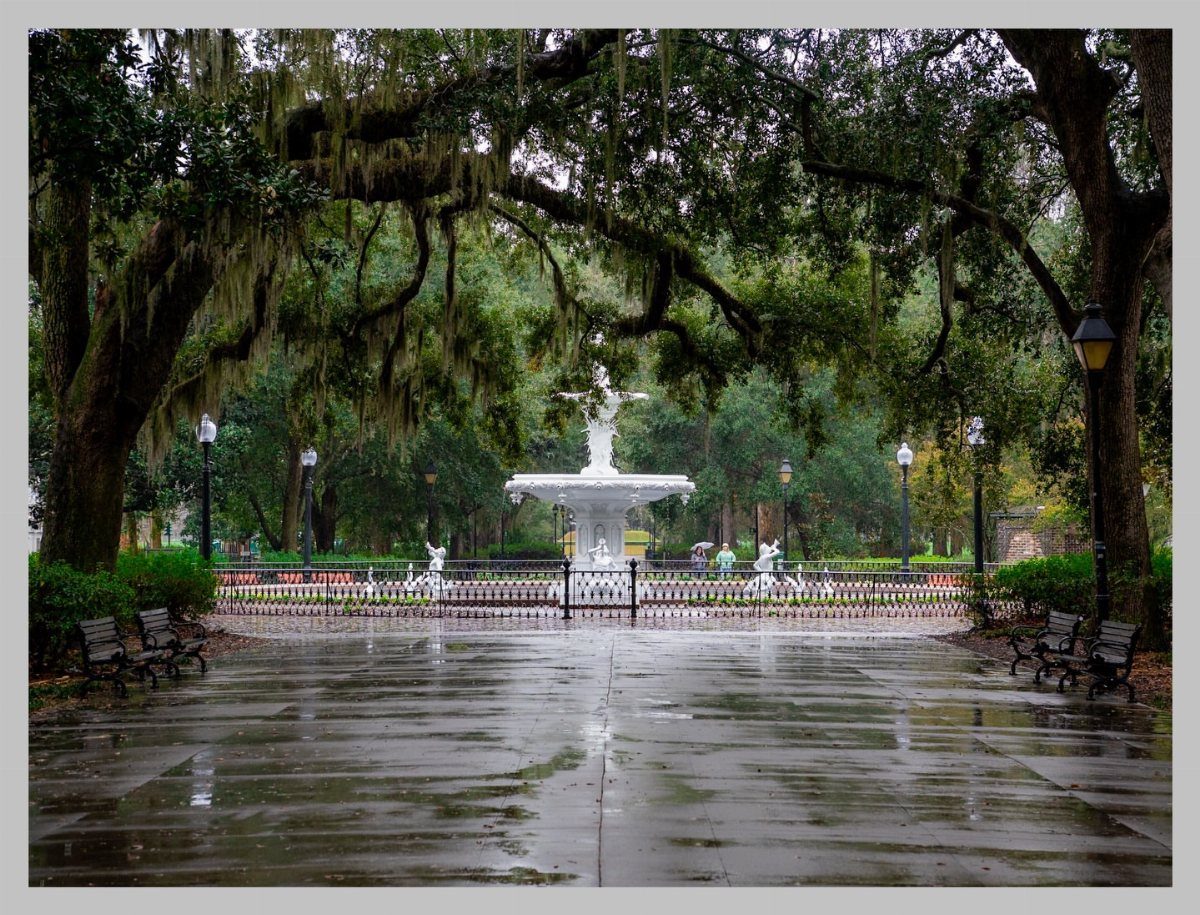
Spanish moss hanging from old oaks, and a white tiered fountain in the middle of a quiet square: Historic Savannah is the slow, shaded pick on this list.
It suits travelers who want to wander on foot with no fixed schedule.
I would plan around the squares themselves. Walk from one to the next, sit on a bench, and let the architecture around each park fill the day.
Wet pavement still looks good here, so a rainy day does not ruin the trip. Bring comfortable shoes and little else.
9. Abu Simbel, Egypt
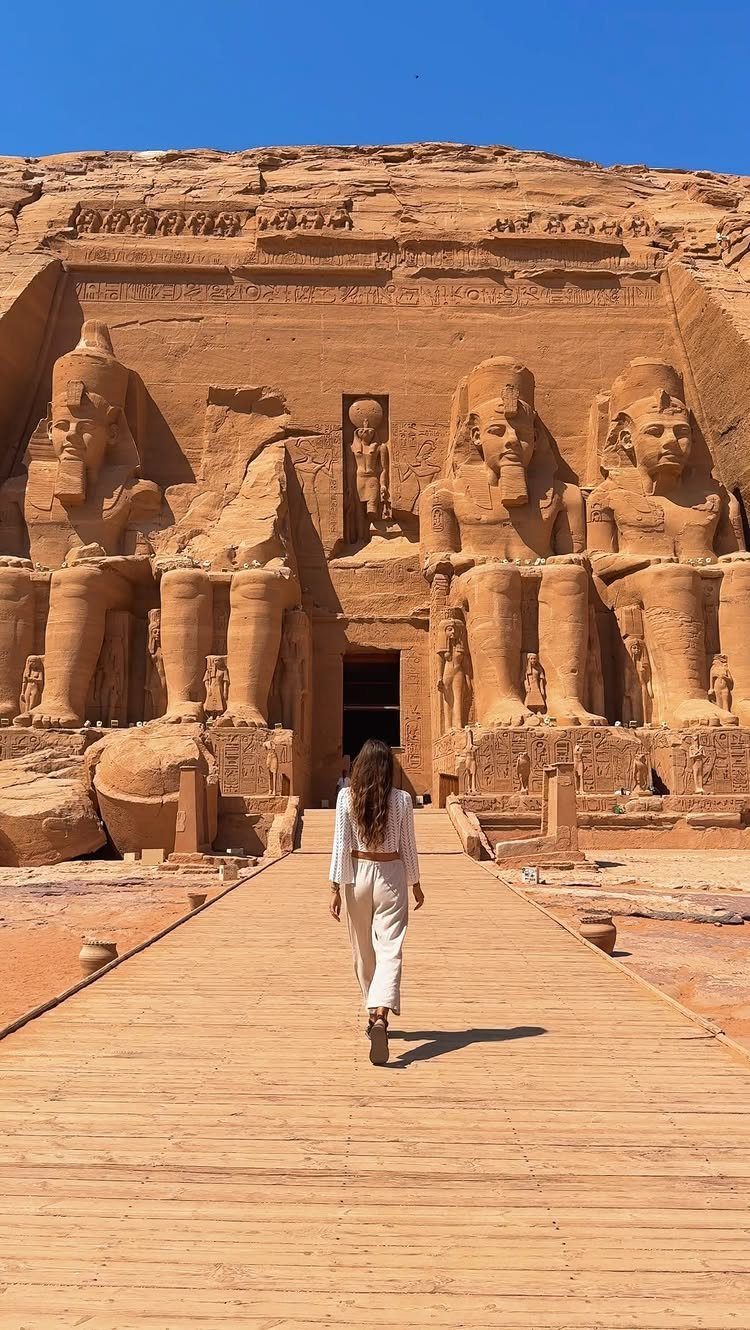
Four colossal seated figures carved straight into a sandstone cliff: Abu Simbel is a rock-cut temple, and the scale is the whole reason to make the trip.
The facade is huge; the figures at its base stand about the height of a single carved foot, so go early and give yourself time to stand back.
Go for a clear-sky day if you can, since the carved stone reads best in strong light. Expect sun and open ground, so pack a hat and water.
It rewards travelers who like ancient history over resort time. Check current transport options and costs before booking, because they vary.
10. Mayan Ruins of Chichen Itza
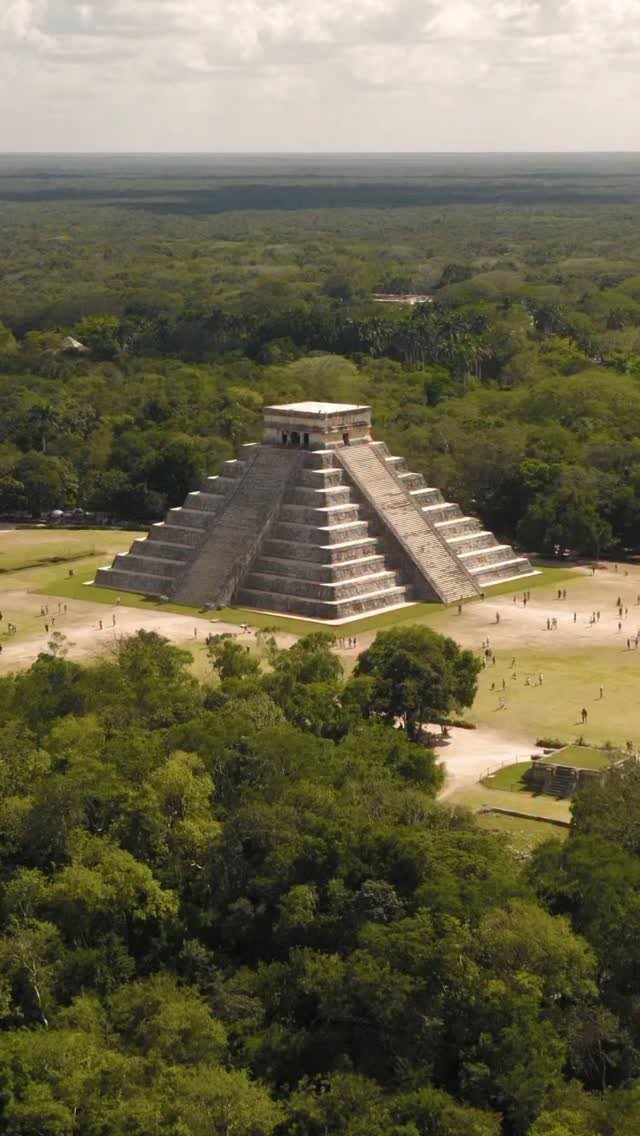
A stepped stone pyramid rising out of cleared jungle: El Castillo at Chichen Itza is the Mayan ruin pick, and the open plaza around it lets you see the whole structure at once.
I would go early, before the grounds fill, and give yourself time to walk around the pyramid instead of just photographing one side. Heat and humidity come with the jungle, so carry water.
It works as a day trip or as part of a longer stay. Confirm current entry rules and prices online first, since both change.
11. Yosemite National Park
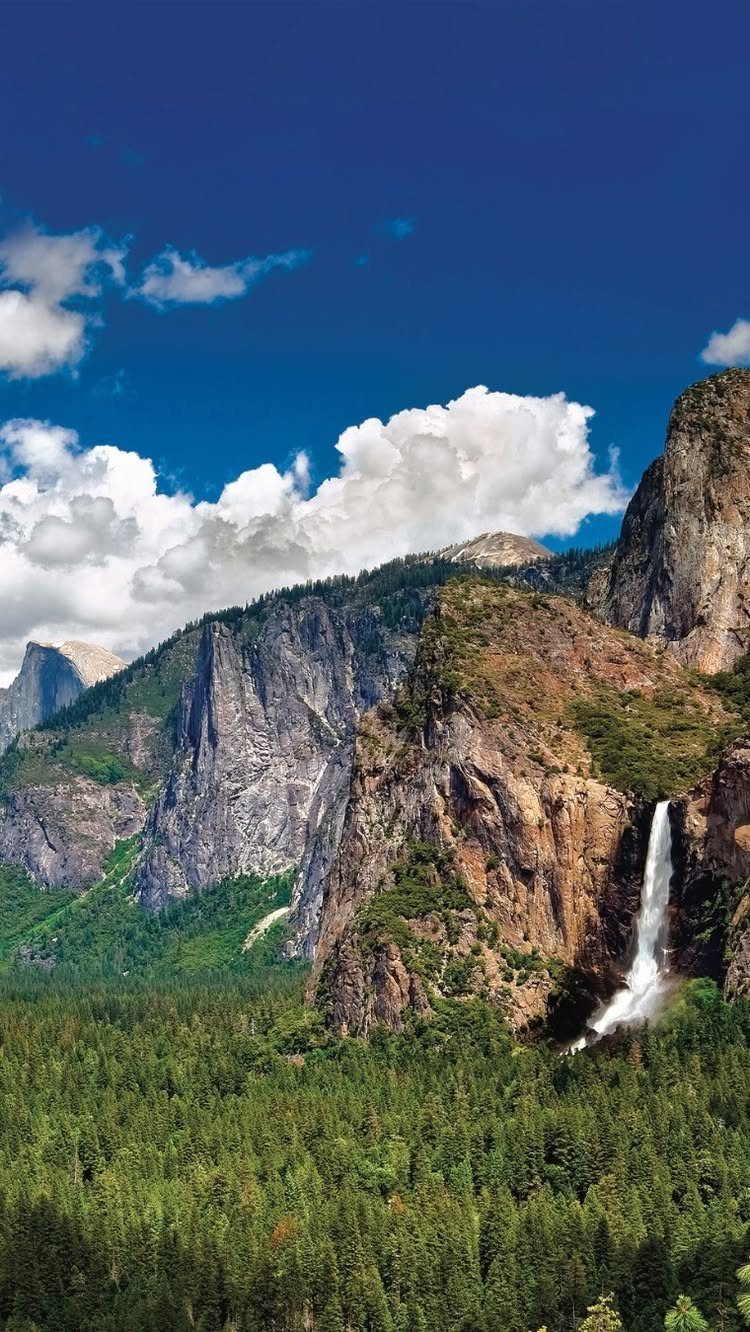
Granite cliffs, a tall waterfall and thick pine forest share one view in Yosemite National Park. It fits travelers who want big scenery and real trail time in the same trip.
Pick the waterfall as your anchor, then walk toward it on foot. The forest approach gives you the scale that a roadside stop cannot.
I would book lodging early, since a trip built around a single valley depends on where you sleep. Bring layers, because shaded forest and open cliff feel very different.
12. Terraced Tea Hills
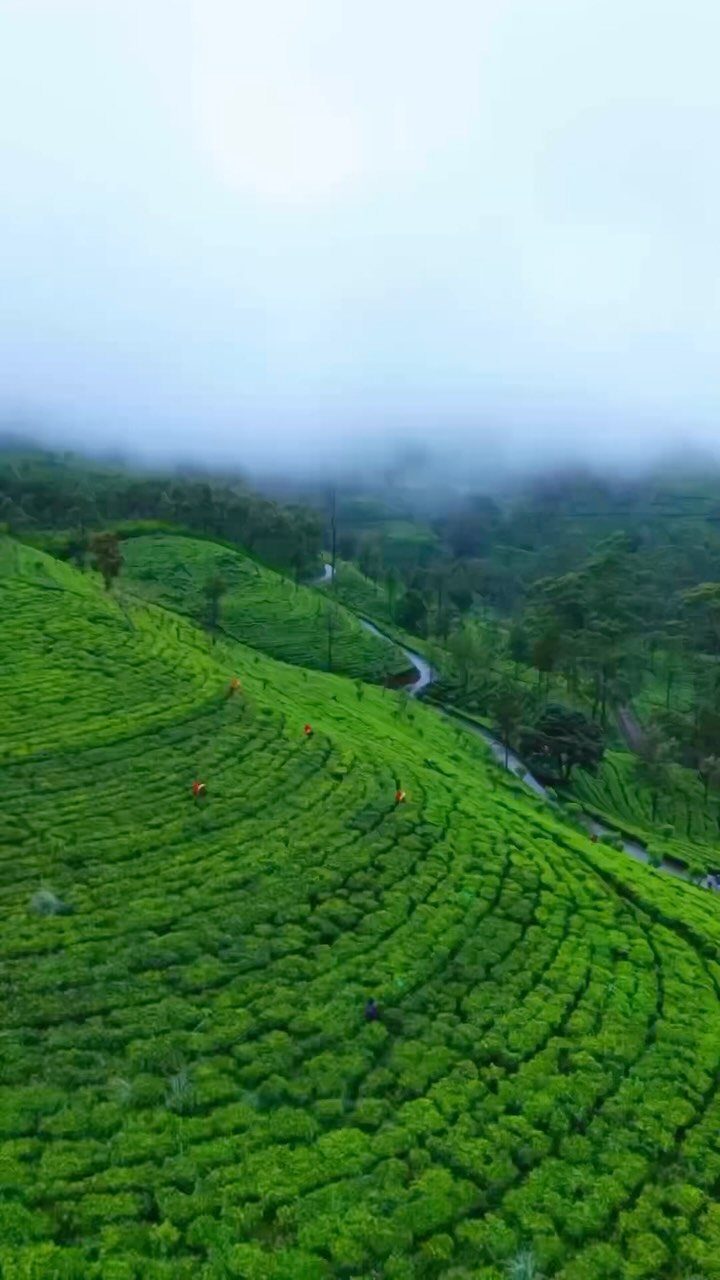
Rows of tea bushes cut into rolling hills in stepped terraces, with mist hanging over the ridges behind: this is the quiet, slow-travel pick on the list.
Walk the lanes between the terraces and you will see why people work these slopes by hand. Early morning gives the softest mist and the best light.
It suits travelers who want scenery and calm over a packed itinerary. Plan a few days in one area, and check road conditions and seasons before you book.
13. Alpine Camper Van Road Trip
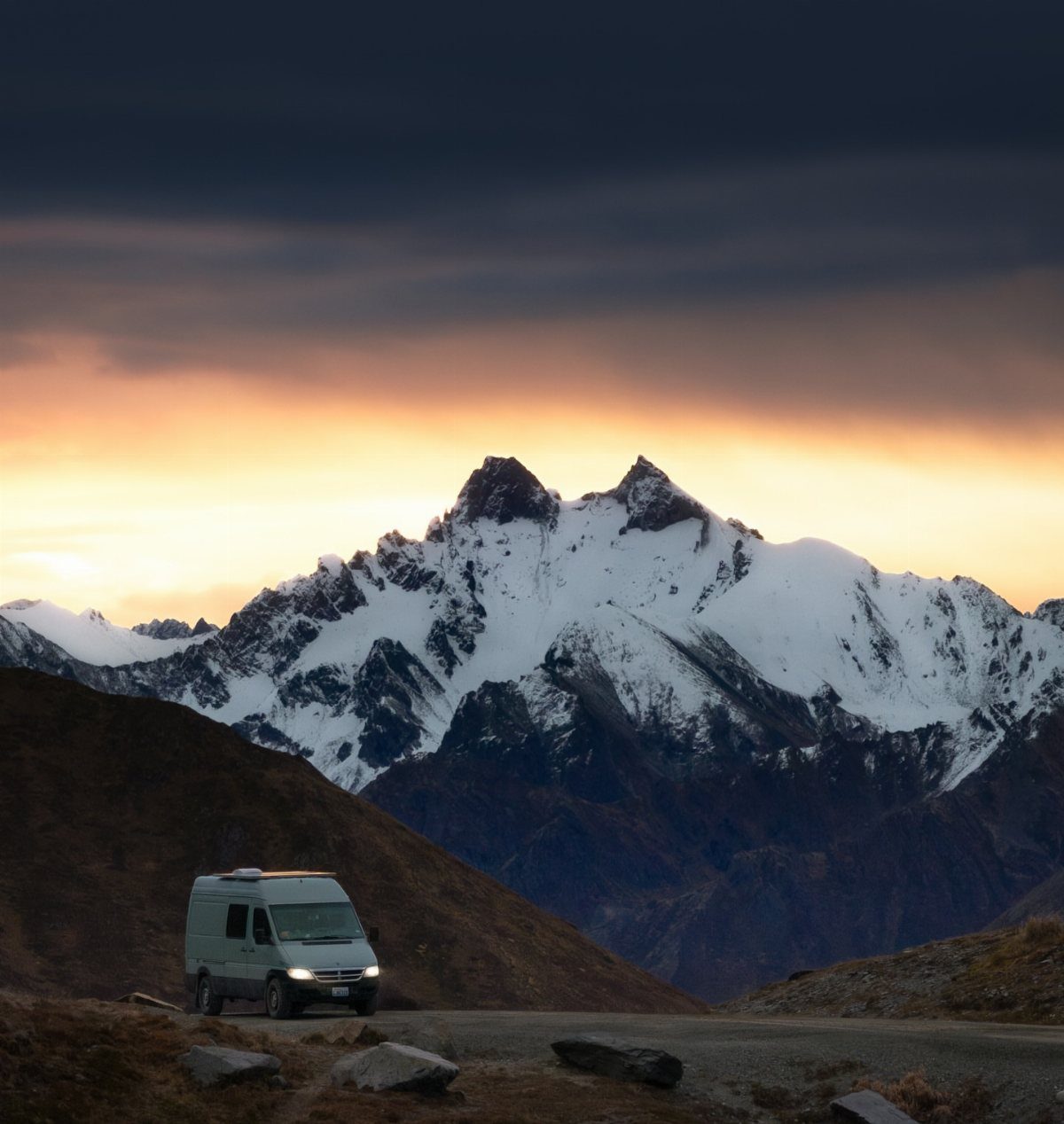
A camper van parked on a dirt road below snow-capped peaks gives you the one thing a hotel can’t: you pick the view you wake up to.
For a self-planner, that freedom is the draw, since the route and the stops are yours.
I would pick the van over a fixed itinerary only if you like driving. Dirt roads are slow, so plan fewer miles per day than you think you need.
Gas, a van rental and campsites add up separately, so price all three first and see what the full trip costs. Sunset light is worth planning your last drive of the day around.
14. Alpine Mountain Village
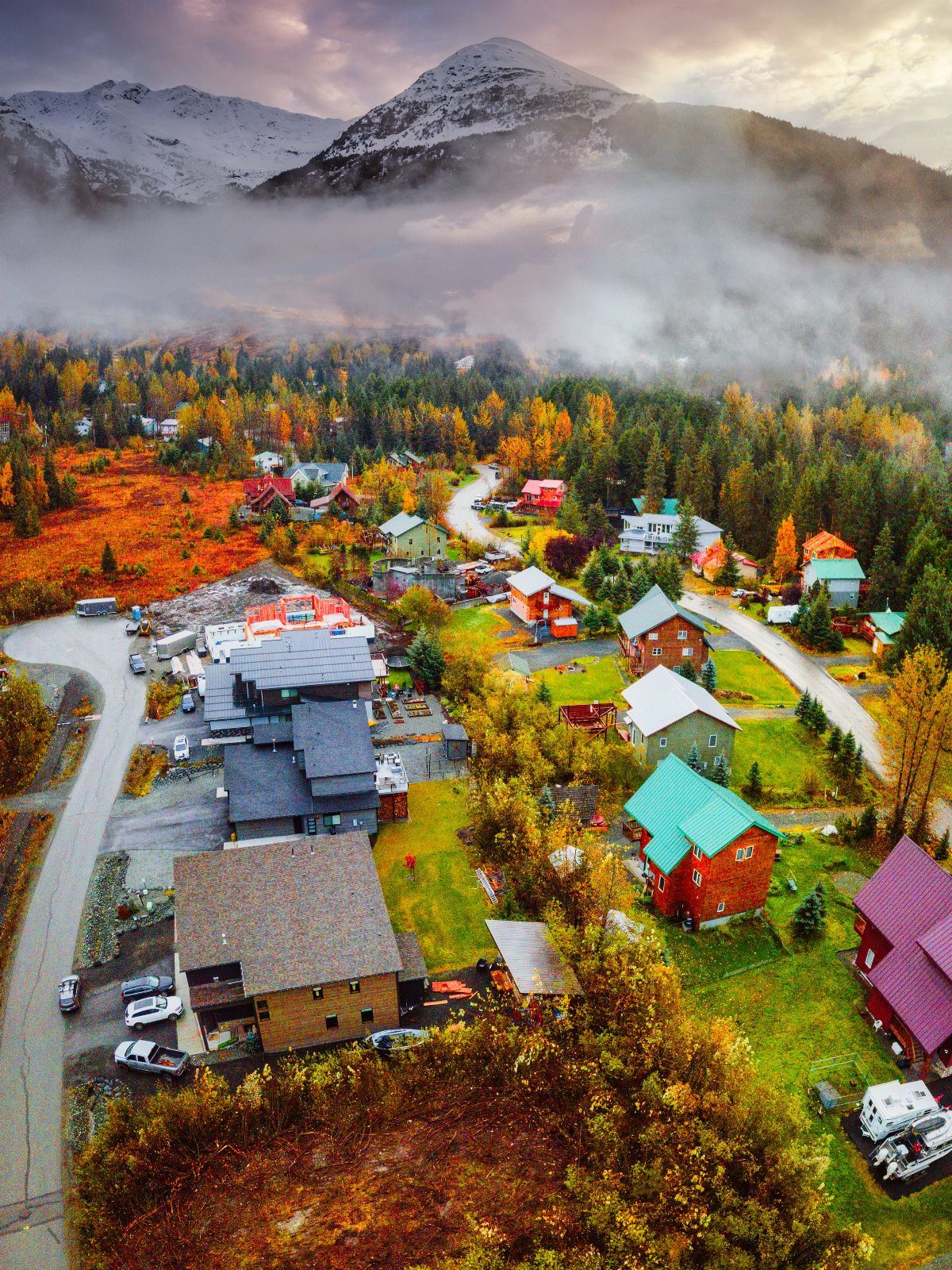
Colorful houses packed into autumn trees, with a foggy peak looming over the roofs: an alpine mountain village works best as a base, not a checklist stop.
It suits travelers who want a small place to settle into for several days.
Stay in the village itself and walk out from the door. Fog can hide the peaks, so build in a spare day or two instead of one fixed viewing day.
Autumn color is the visual draw here, but lodging in a small village is limited, so book early. Pack layers for the cold.
15. Scenic Coastal Cruise

Blue water on one side, green mountains on the other, and a deck chair between them: a coastal cruise asks the least of you in logistics. You unpack once, and the scenery comes to you.
I would spend the time on deck, not in the cabin, and the mountain stretches are the ones to stay outside for. Pack a light layer for wind over open water.
Fares differ in what they include, and add-ons like excursions and drinks change the real cost, so compare line by line.
16. White Buildings with Blue Domes
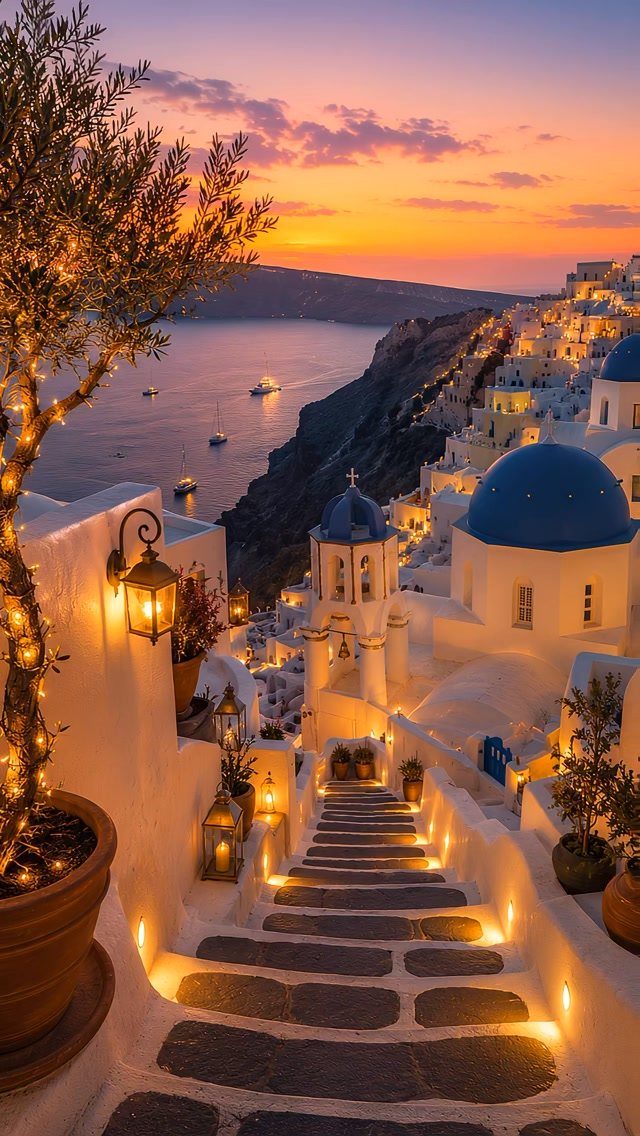
Oia, Santorini, is the white-and-blue pick, with domed buildings stacked on a cliff above the sea. Sunset is when it works best, and the stone stairs lit at dusk are as good as the view itself.
I would arrive in the late afternoon and stay through dark, since the lights change the whole scene. Wear shoes with grip, because the steps are stone and steep.
A cliffside view costs more than a room inland, so decide whether the sunset is worth the premium. Book early, and check current prices first.
Best Times to Visit
Charleston shows how timing pays off: spring (March–May) and fall (September–November) bring mild days, thinner crowds, and in April the city’s gardens at full bloom. Those 2 windows are when the city is best for sightseeing on foot.
Match the season to the kind of trip. Spring and fall suit walking tours, boat rides and long meals outside, which is most of what the city offers.
Since you plan inside a 3-month window, check which season your dates land in before you pick a destination. Many places have a stretch like this, so look it up for each one rather than assuming summer is the default.
Budget Considerations
Set a budget before you pick a place, because the spread is wide. The Maldives and Bora Bora sit at the expensive end, and no amount of shopping around changes that much.
Price the full trip first: flights, lodging, food and transfers. Nightly rates alone mislead.
If the total is out of range, you have 2 honest options.
Save for a once-in-a-while trip, or choose a destination where the same money buys more days. I would rather take a longer trip somewhere cheaper than a short one somewhere famous.
Travel Tips
Reserve lodging before anything else for popular places, and the Grand Canyon is the clear example. Campsites there disappear fast, so book early if a tent is your plan.
Hiking below the rim adds another hurdle: permits are lottery based. If you want a night in the canyon, apply early and keep your dates flexible.
A guided trip is the alternative.
Guides can handle the permit process, which suits travelers who want the adventure without the logistics. It costs more, but it removes the part most likely to derail the trip.
Frequently Asked Questions
Where is the best place to go for vacation?
It depends on the trip you want, but Santorini, New York City and the Maldives come up most often.
Oia in Santorini suits sunset people: white buildings with blue domes stacked on a cliff, best from late afternoon into the evening.
New York City suits planners who want a dense, walkable trip with no rental car. The Maldives sits at the expensive end, so add up flights, lodging, food and transfers first and see where the total lands.
Is $5000 enough for a trip?
That depends on the destination, and I can’t give one number that fits every place. A $5,000 budget gets tight in Bora Bora or the Maldives, where resort rates and boat or seaplane transfers eat the money fast.
Where is the #1 vacation destination?
The Maldives is often called the top vacation destination, but no single place wins for everyone. It is also one of the priciest choices, along with Bora Bora, and shopping around doesn’t change that much.
If cost matters, a walkable city like Florence or a national park like Yosemite gives you big scenery for a different kind of budget.
Where to go for a 3 day trip in the USA?
New York City and Charleston both work well for 3 days. New York packs enough into a single street corner that you can fill a short trip on foot, with a different neighborhood each day.
Charleston is best in spring (March–May) or fall (September–November), when days are mild and crowds thinner. Price the hotel first in New York, since lodging and dining are the big costs.





