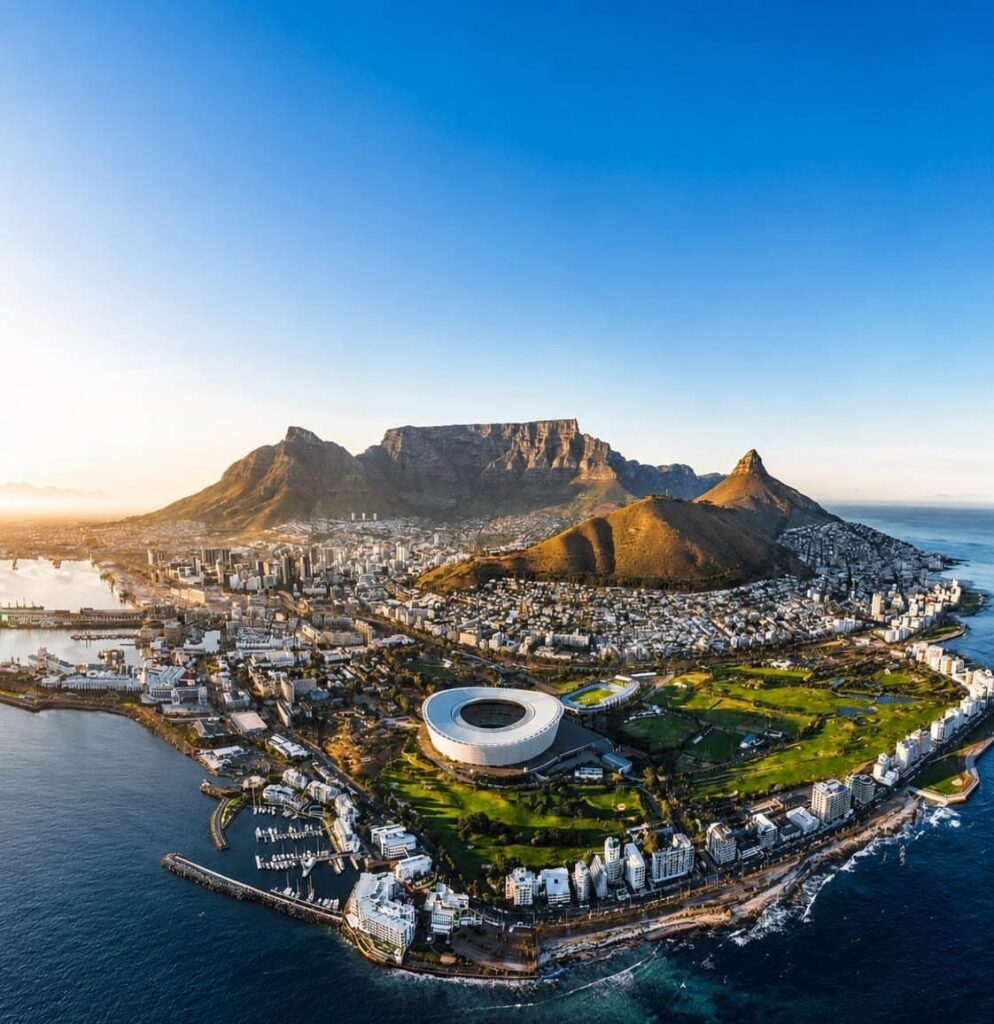
Timing decides most of these places more than the location does: snow on a summit and gold on the slopes below overlap for only a short stretch, while a Grand Canyon rim or a desert night sky works on a single clear day or a dark evening.
The list runs from Lush Canyon Boardwalk Trails that anyone can walk to a Wind River Range basin you reach only on foot, with a pack and a few days to spare.
Match the place to the weeks you can actually travel, then check permits and lodging first, since those fill up before the scenery does.
1. Grand Canyon
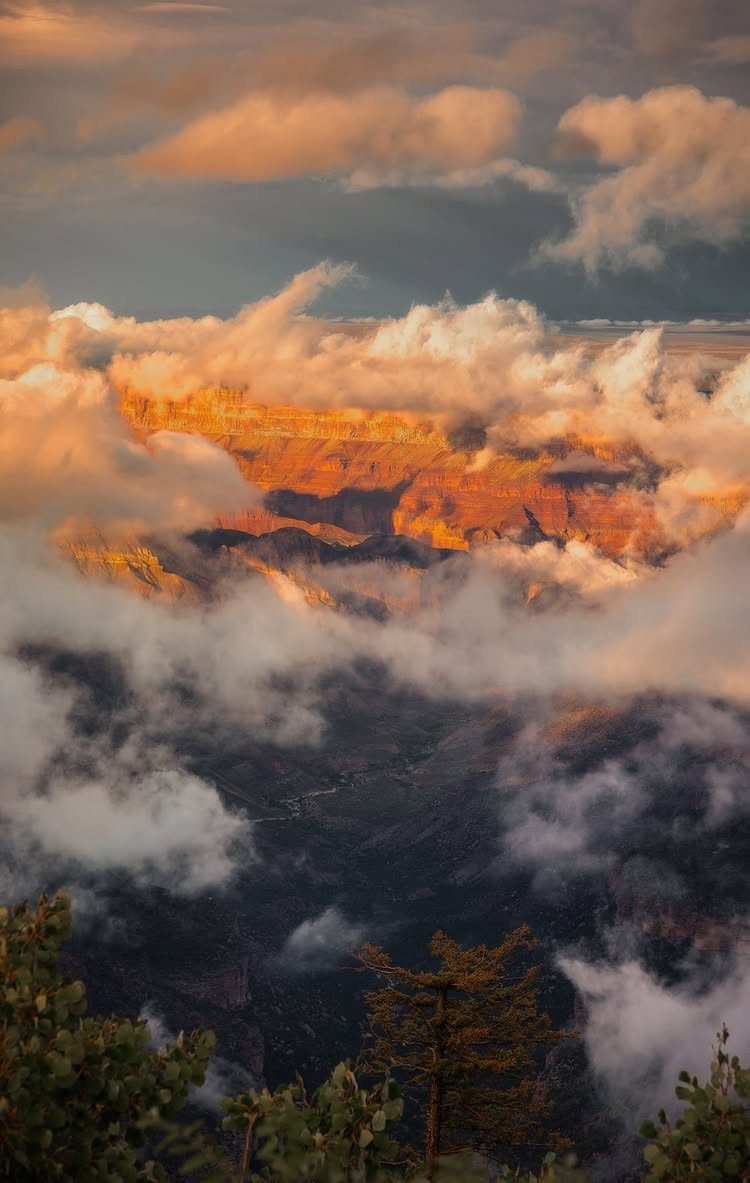
Sunrise and sunset do the work here.
Low sun turns the red rock layers copper, and after a storm clouds sometimes settle inside the canyon below the rim, so sunrise and sunset at the edge are the times to plan around.
Pick a rim spot with a foreground, like a single tree, so the scale reads in photos. Arrive early and plan for the clouds to be a bonus, not a promise.
2. The Tetons
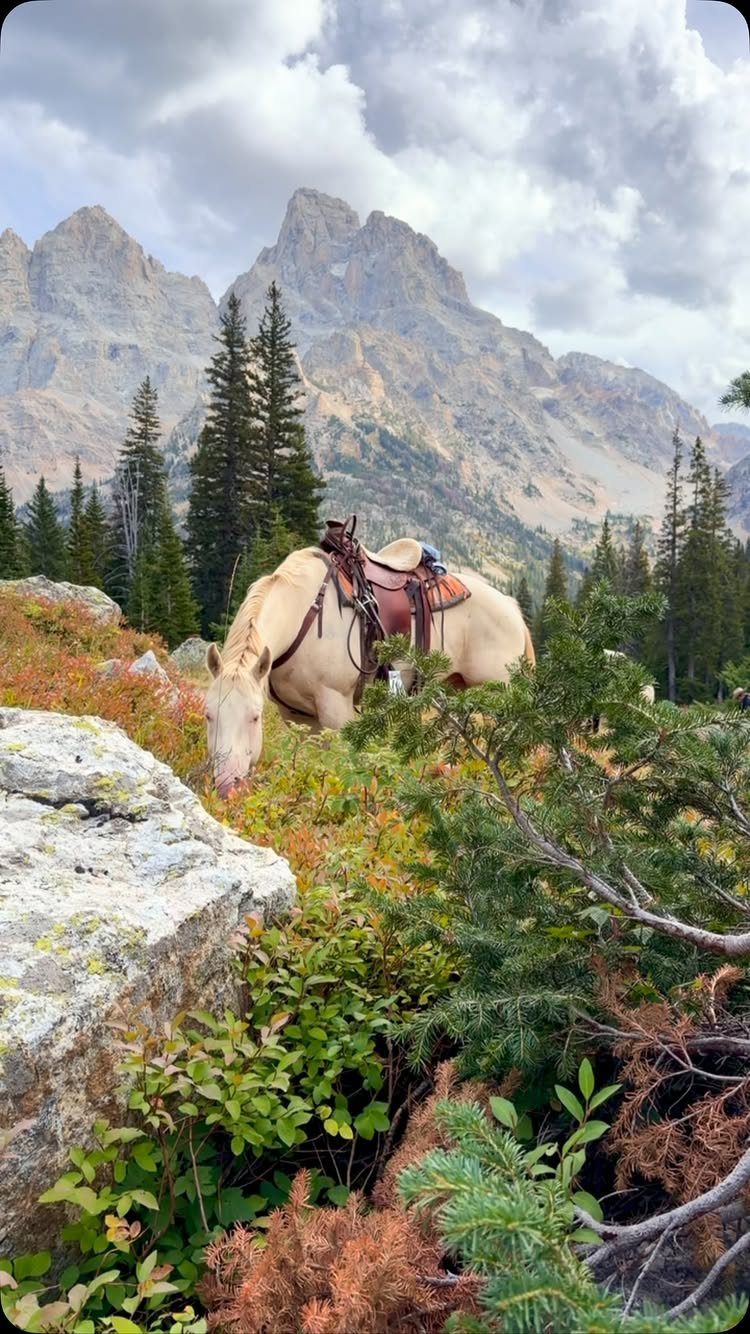
Horses suit these peaks better than most places I can think of. A meadow below rugged rock and evergreens gives you a slow way to see Grand Teton National Park without a long hike.
For a first visit, I would split days: one on trails for the pristine lakes, one for photography at dawn, and quiet time scanning the meadows for wildlife. Bring binoculars and keep your distance from animals.
3. Table Mountain
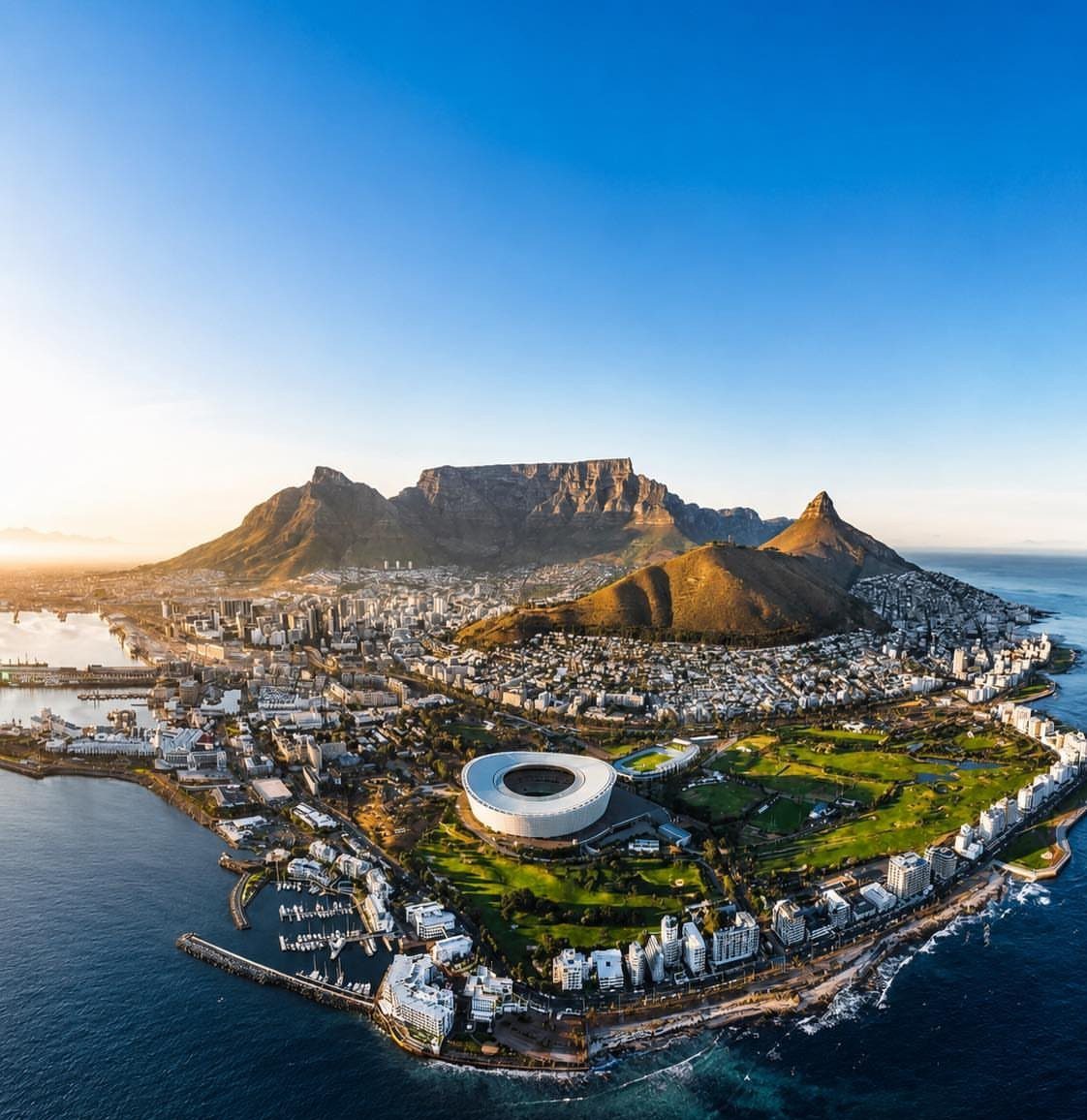
Table Mountain tops out at 1,085 m (3,559 ft) at Maclear’s Beacon, and that flat top is why Cape Town looks the way it does.
Go on a clear day. Cloud over the summit changes the whole plan, so I would check conditions that morning before committing to the climb.
4. Wind River Range
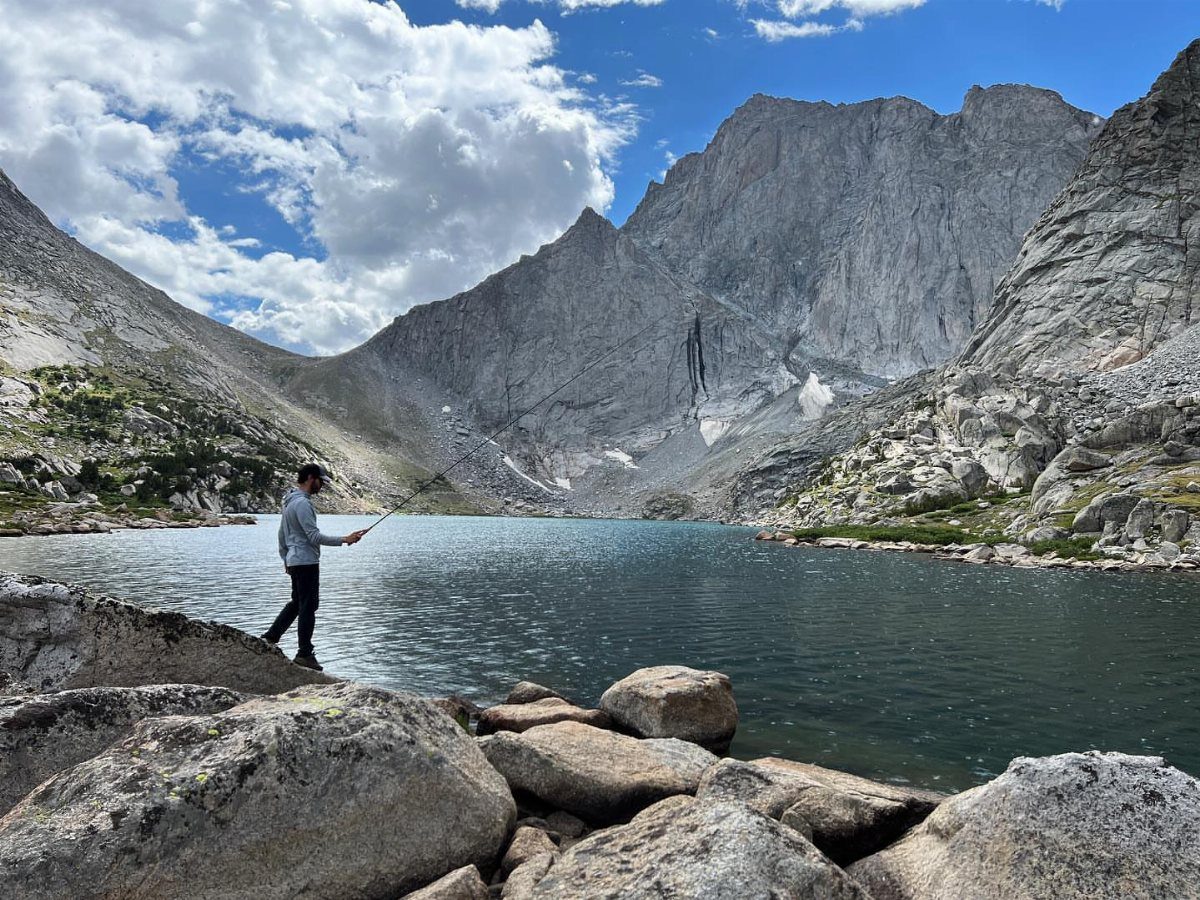
Alpine lakes in the Wind River Range reward anyone willing to carry a light rod. Clear blue water against jagged gray peaks makes fishing a good excuse to sit still for an hour.
This is a rugged range, so I would pick one lake as a destination and skip the mileage goals. Expect rocky shores, changing clouds, and a slower pace than the map suggests.
5. High Sierra
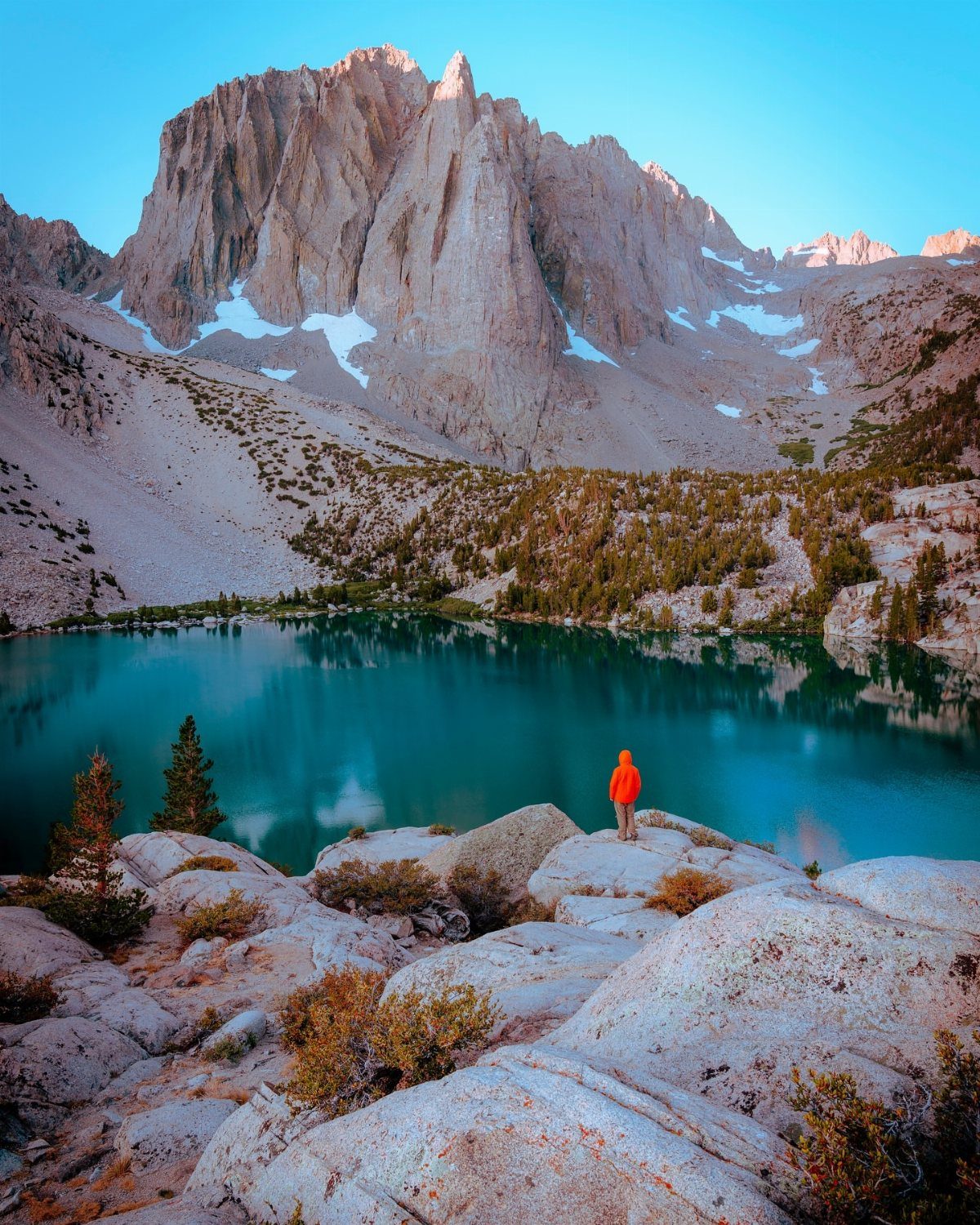
A bright jacket in orange or red keeps you easy to spot on open granite, and it shows up well in photos too.
The hiking options are endless, so I would choose one lake basin and build the trip around it. A single focused route beats a rushed loop.
6. Desert Turquoise Waterfalls
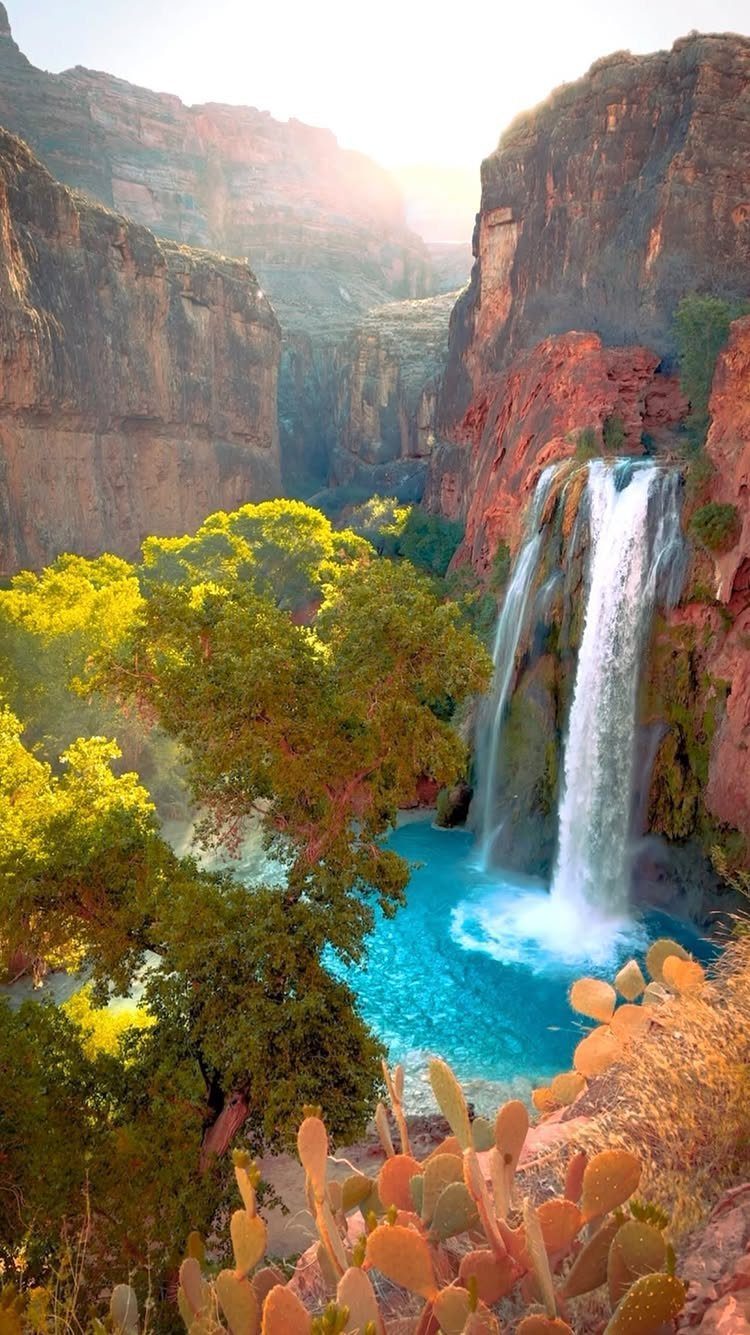
Red rock, a tall waterfall and a turquoise pool is an odd combination, and that contrast is the whole appeal.
I would visit when light reaches the canyon walls, since the pool color pops against the rust-colored cliffs. Wear shoes with grip for wet rock, and keep your camera back from the spray.
7. Lush Canyon Boardwalk Trails
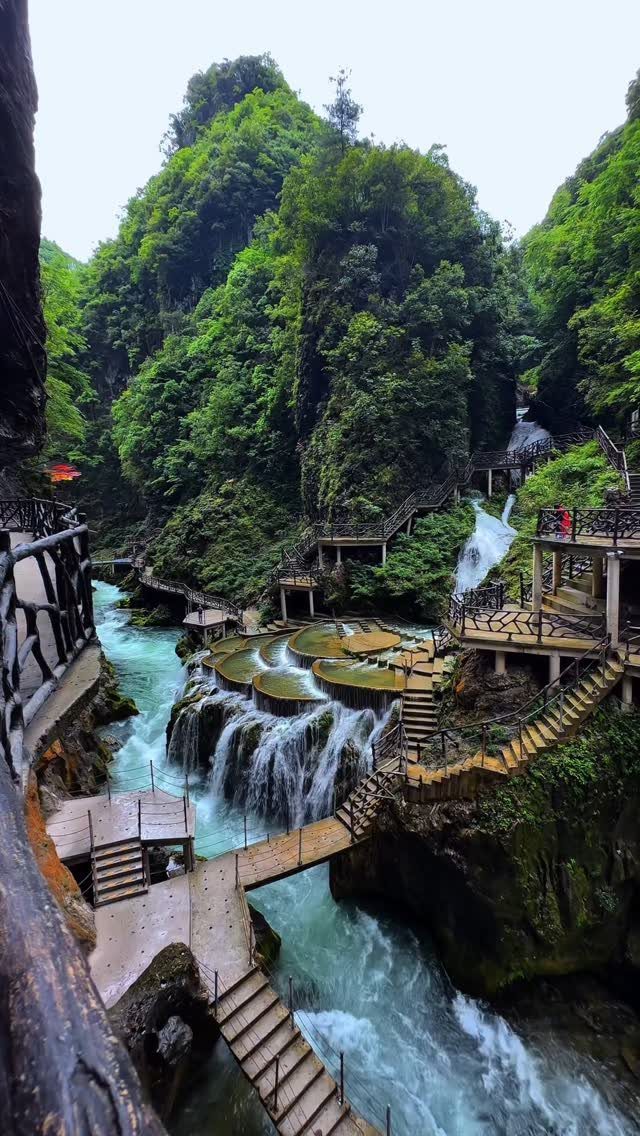
Boardwalks make a steep, wet canyon walkable for almost anyone. Wooden stairs and bridges carry you over turquoise water and past several waterfalls without any scrambling on slick rock.
I would go slowly and stop on the bridges, since that is where the falls and the stream line up best. Shoes with grip still help on damp planks, and a quiet weekday keeps the walkways from filling with people.
8. Vibrant Coral Reefs
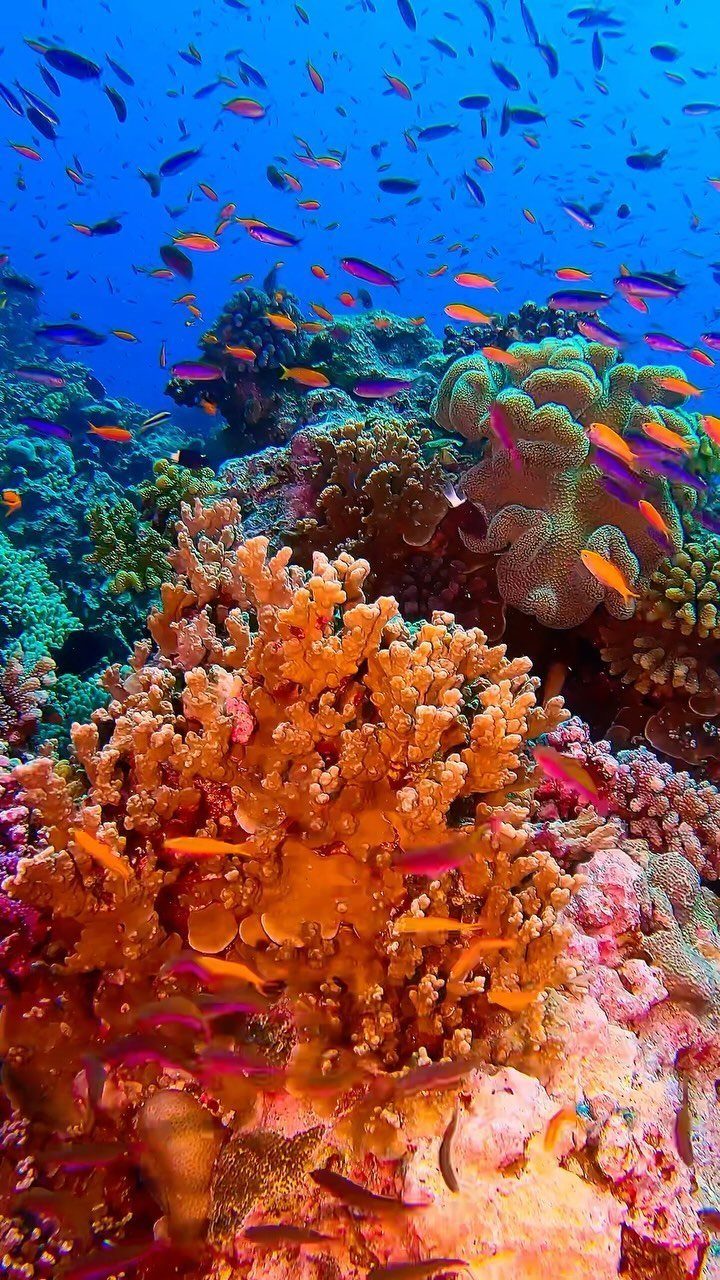
Orange and pink coral under clear blue water is a snorkeling trip you can judge from the surface. Small tropical fish gather around the reef in numbers, so you do not have to swim far to see plenty.
Float still and let the fish come back after you arrive. Keep your fins well off the coral, and choose a day with clear water over a day with a better forecast for sun.
9. Misty Old-Growth Forests
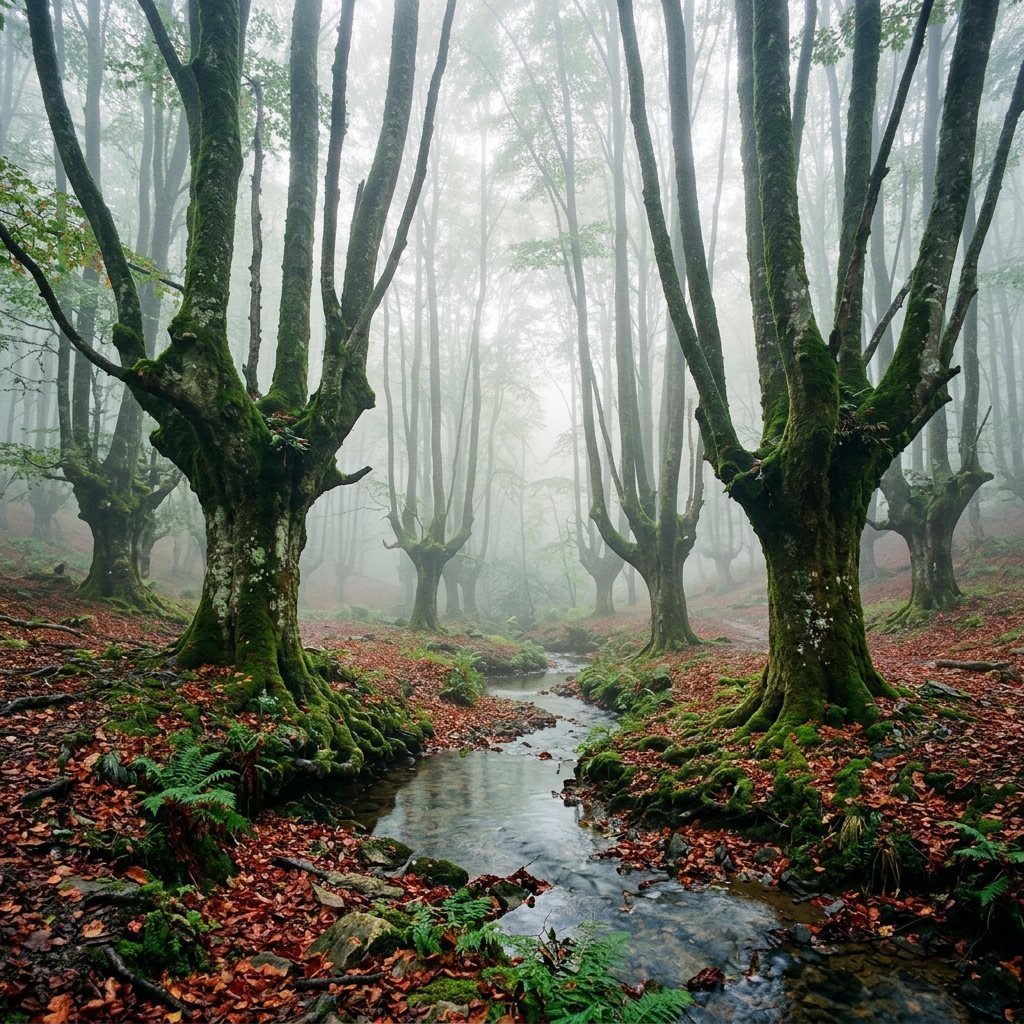
Mist, moss and a small stream make an old forest sound as good as it looks. Fallen red leaves on the ground add color without any need for a big view.
I would walk slowly along the water and stop often. Dress for damp air, and use a lens cloth, because mist beads up on glass fast.
Autumn is the season I would pick for those red leaves.
10. Stargazing Desert Landscapes
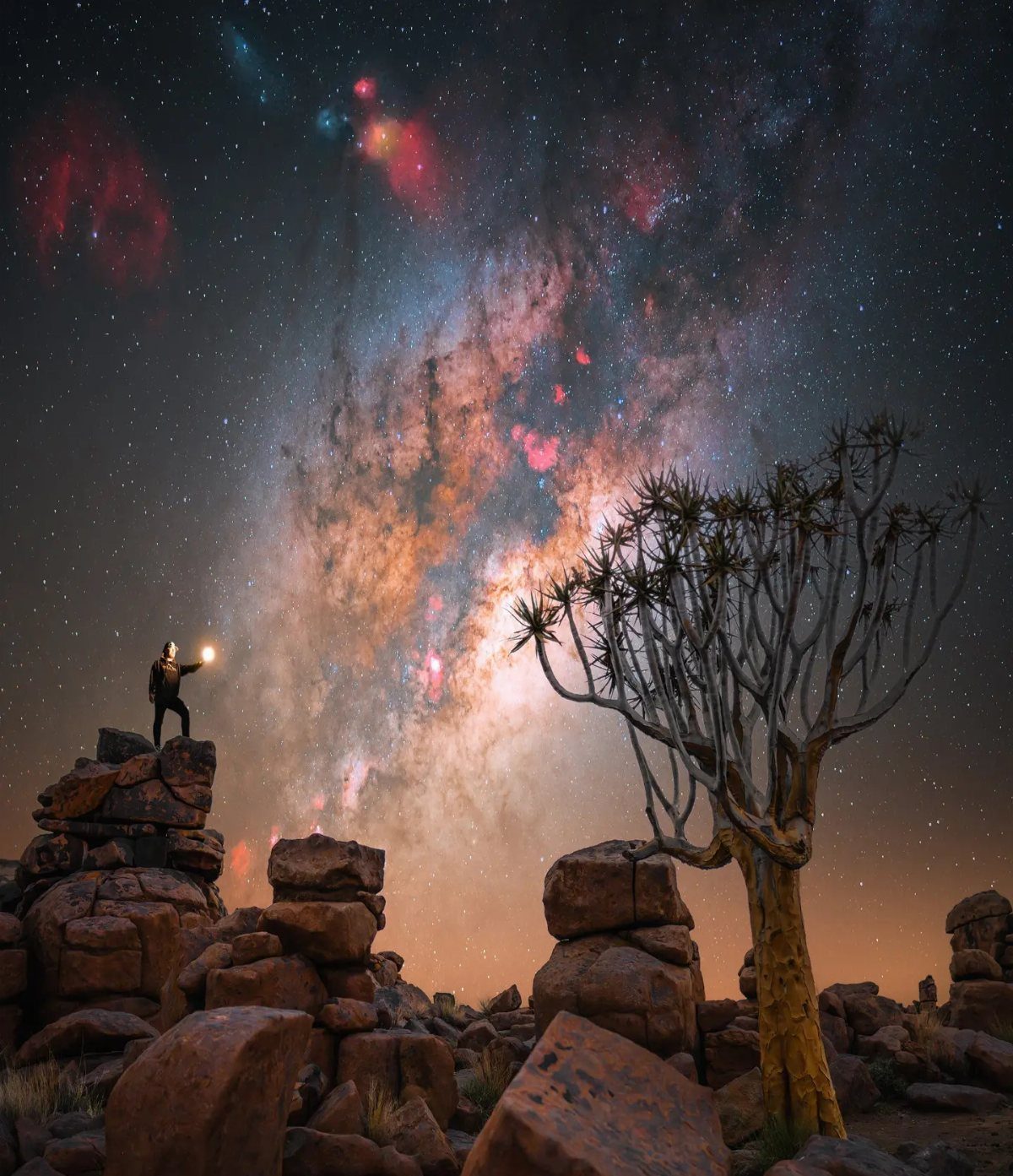
Desert nights give you a dark sky and a strong foreground in one frame: a quiver tree, a pile of rocks, and a nebula glowing above them.
Bring a small light and keep it low, since a bright beam ruins your eyes’ night vision and any long exposure. A tripod is the one piece of gear I would not skip.
Pick a tree or rock shape you like before dark, so you can frame it in the dark.
11. Misty Karst River Valley
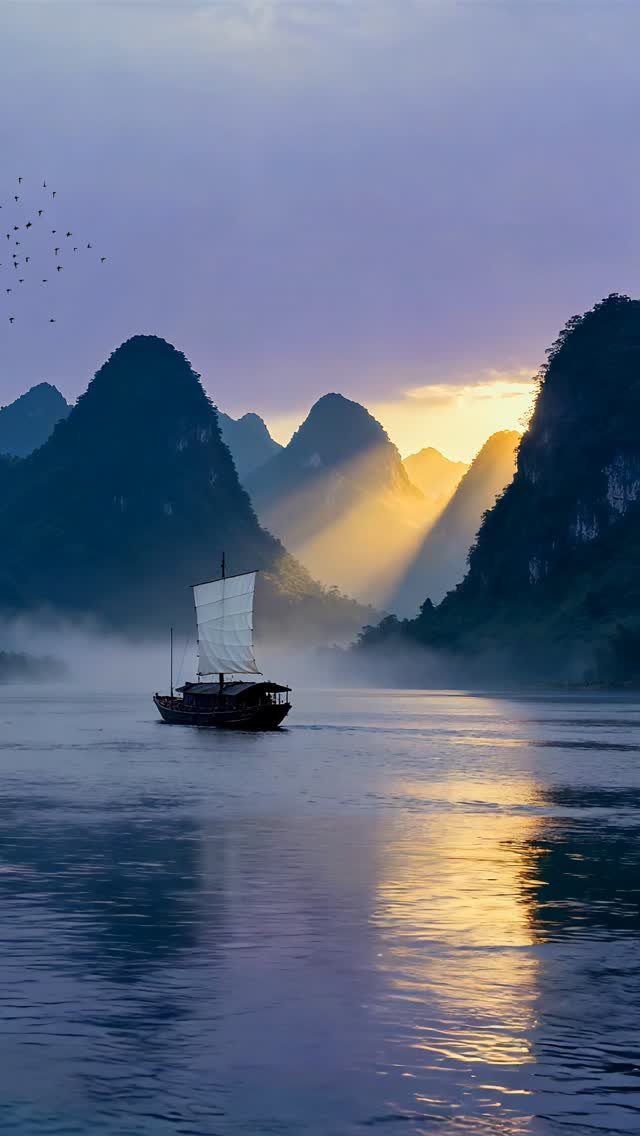
A traditional sailboat on a calm river, with karst peaks rising on both sides, is the picture to build a trip around. Evening is when mist and low gold light work together.
I would book a boat ride over a walk, because the water gives you the best view of the full height of the peaks. Aim for late afternoon and stay out through sunset.
12. Massive Rainforest Waterfalls
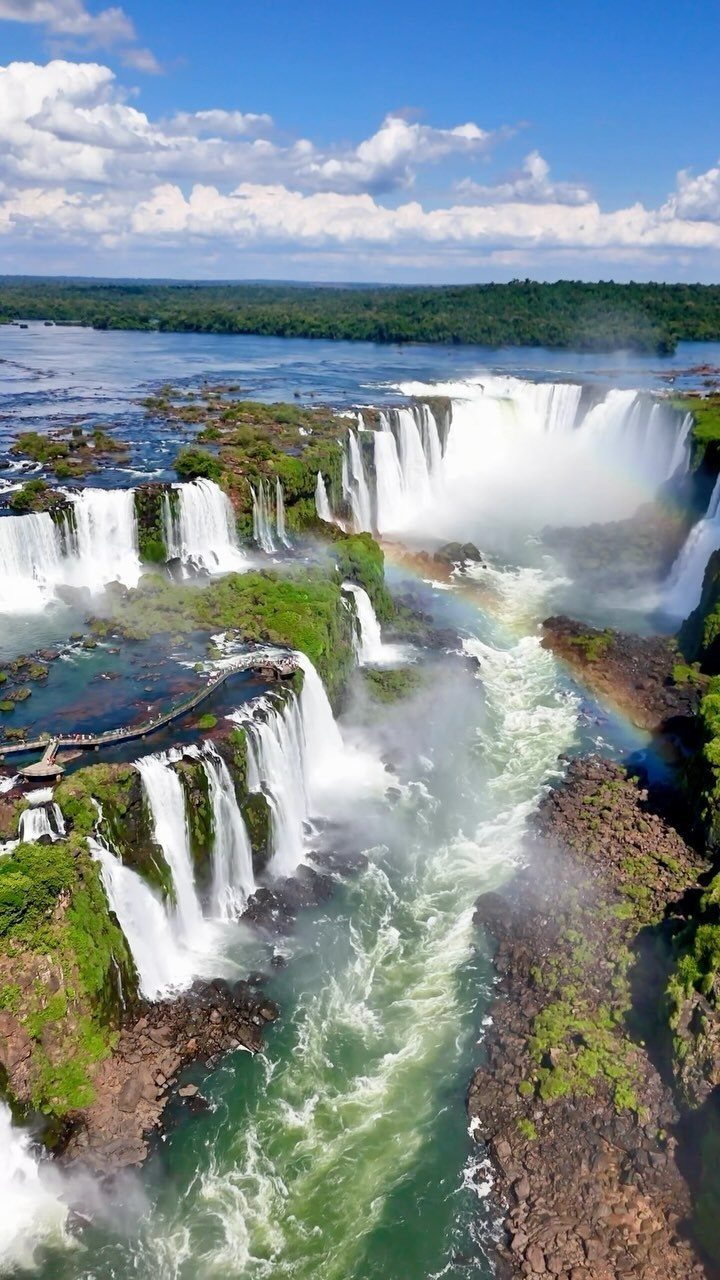
Multi-tiered falls dropping into a river chasm are best seen from above and from the base, and I would try for both. The aerial view shows the tiers; the base shows the size.
A rainbow forms in the mist when the sun is behind you, so pick a clear, sunny day. Expect to get wet near the spray, and carry a dry bag for your phone.
13. Snowy Peaks with Fall Foliage
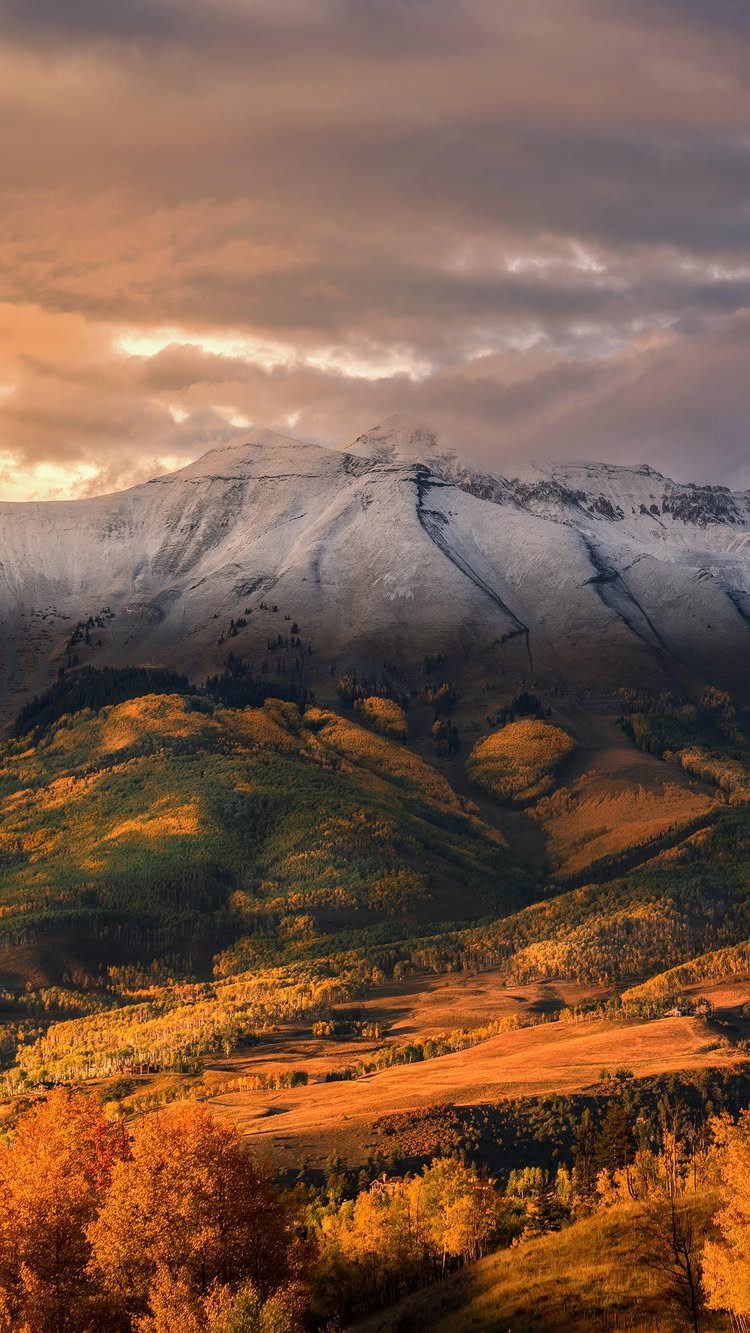
Snow on the summit and gold on the slopes below only overlap for a short stretch, so timing decides this trip more than the location does.
Plan for the weeks when autumn color is at its peak in the valley and the high peaks have already caught their first snow.
A cloudy sky, as in this scene, flattens the light but makes yellow and orange look richer.
I would choose an overlook above the valley over a trail inside the trees, since height is what lets you see peak and foliage together.
Pack layers, because a viewpoint cold enough to hold snow nearby will feel cold when you stand still.
Outdoor Activities
Hiking, wildlife watching and photography each ask for a different pace, and blending them on the same outing usually shortchanges every one. I would give each day a single main activity and let the others happen along the way.
For wildlife, go slow and quiet, and stay at a distance that does not change what the animal is doing. Binoculars or a zoom lens do the work that walking closer cannot.
For hiking, pick a route that fits the daylight you have, and carry water, a map you can read offline, and a layer for weather.
For photography, scout in the middle of the day and shoot when the light is low.
Best Times to Visit
Spring or fall is the window I would aim for in most places. Weather is milder than in midsummer, and the scenery tends to look its best.
Each season has its own risks. Spring can bring mud, high water and snow still lingering on trails, while fall days are shorter, so plan to finish hikes earlier.
Check current conditions a few days before you leave, and keep a backup day in your schedule. Because you book online and often within about 3 months of travel, you can watch forecasts as the date nears and still adjust.
Travel Tips
Permits and lodging in popular parks fill up first, so settle both before anything else. Check each park’s official website for how far ahead reservations open, then set a reminder for that date.
Book lodging with a flexible cancellation policy where you can. That lets you keep a spot while you wait on permits or a weather window.
If a park is full, look at nearby towns and lesser-known trailheads. They often put you in similar scenery with fewer crowds.
Download maps and confirmations before you lose cell service.
Frequently Asked Questions
What is one of the most beautiful places on Earth?
The Grand Canyon is my pick from this group. For photos that show the true scale, shoot at sunrise or sunset from a rim spot that has a single tree in the foreground.
Which place is best to visit?
It depends on what you want to see, but the Grand Canyon is the easiest first choice, with sunrise and sunset at the rim as the times to plan around.
For a slower trip, the Tetons pair meadows, lakes and wildlife, and I would split a first visit into a trail day, a dawn photography day and a quiet wildlife day.
In most places I would book spring or fall, when temperatures run milder than they do in midsummer.





