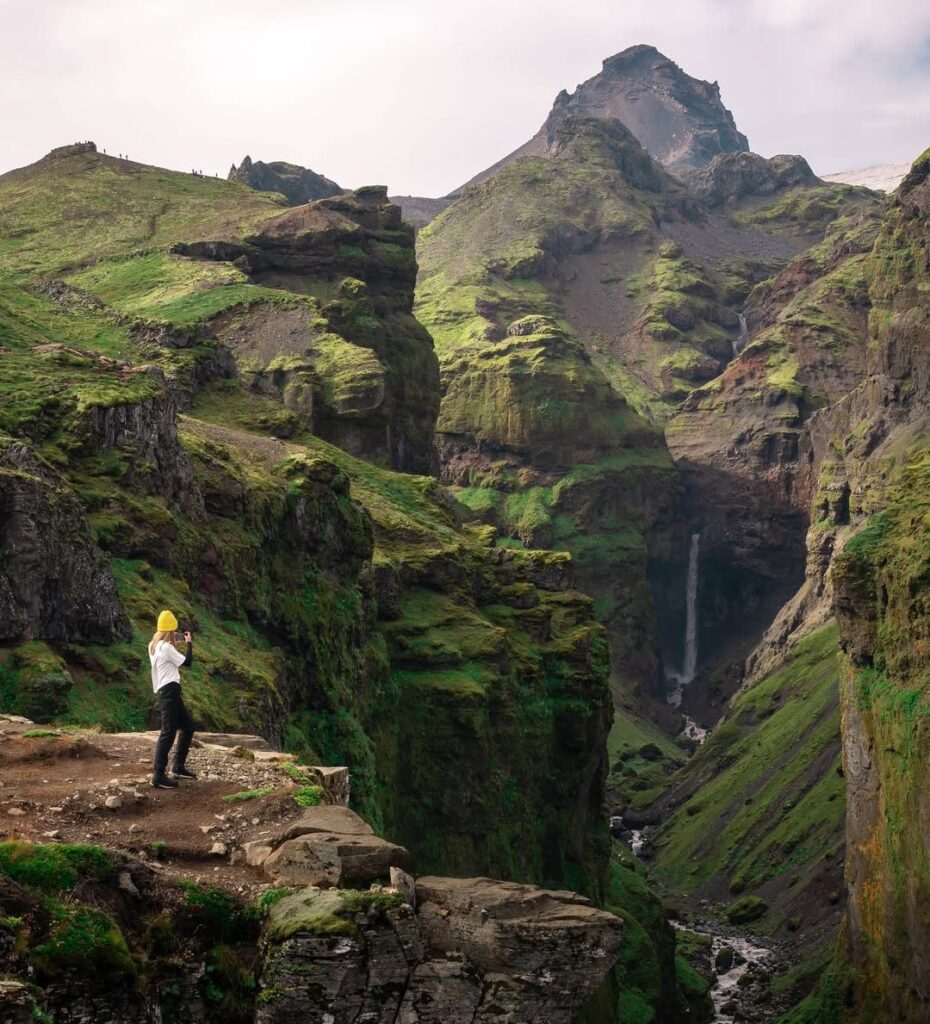
Timing decides which of these places becomes yours, because several depend on conditions no one controls from home: Salar De Uyuni turns into a mirror only when a thin sheet of water covers it, the Grand Canyon’s sea of clouds can take several sunrises to catch, and the lakes in Banff National Park lose their turquoise under gray sky.
1. Whitewashed Buildings Perched on Cliffs
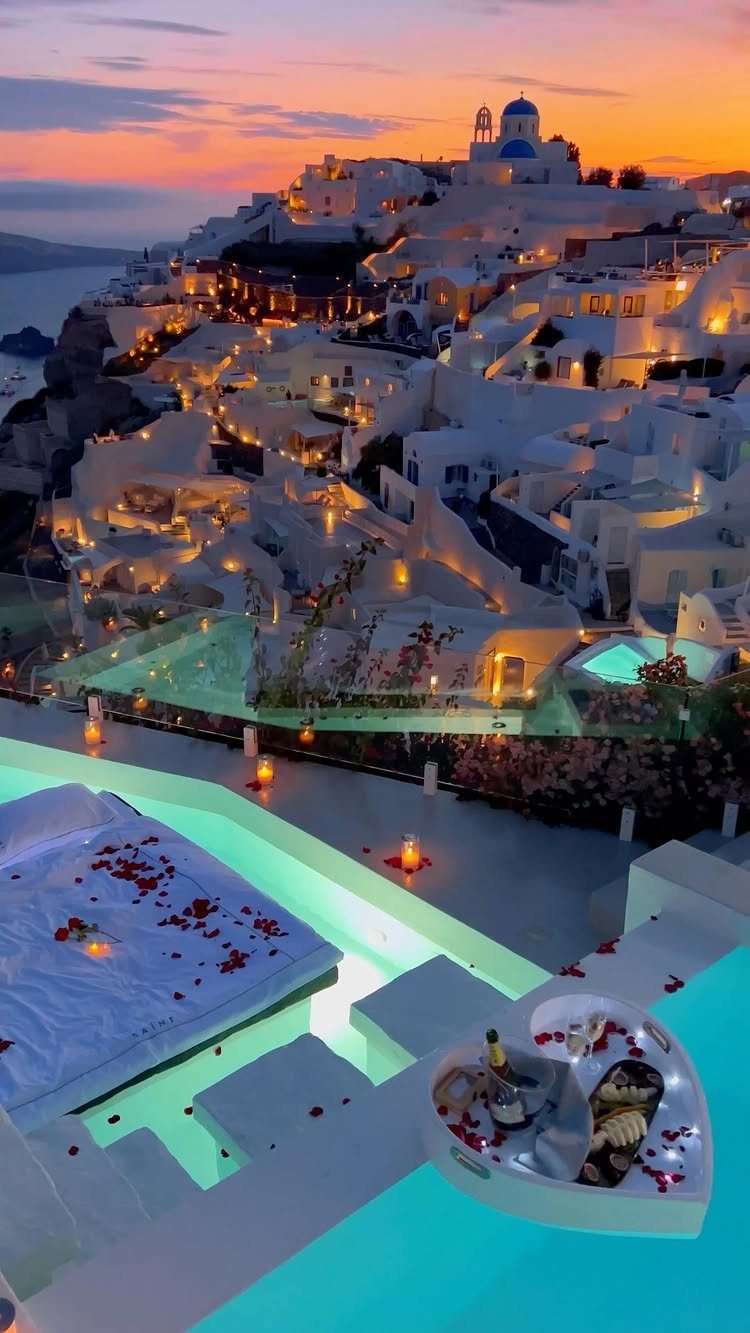
Sunset decides everything on a cliffside terrace like this one. Book a room that faces west, because a hillside of whitewashed walls and a blue-domed church turns gold and pink as the light drops.
A private balcony with its own pool costs more than a standard room. For me it is worth it if you want the view without sharing it with a crowd at the railing.
2. Natural Light Display
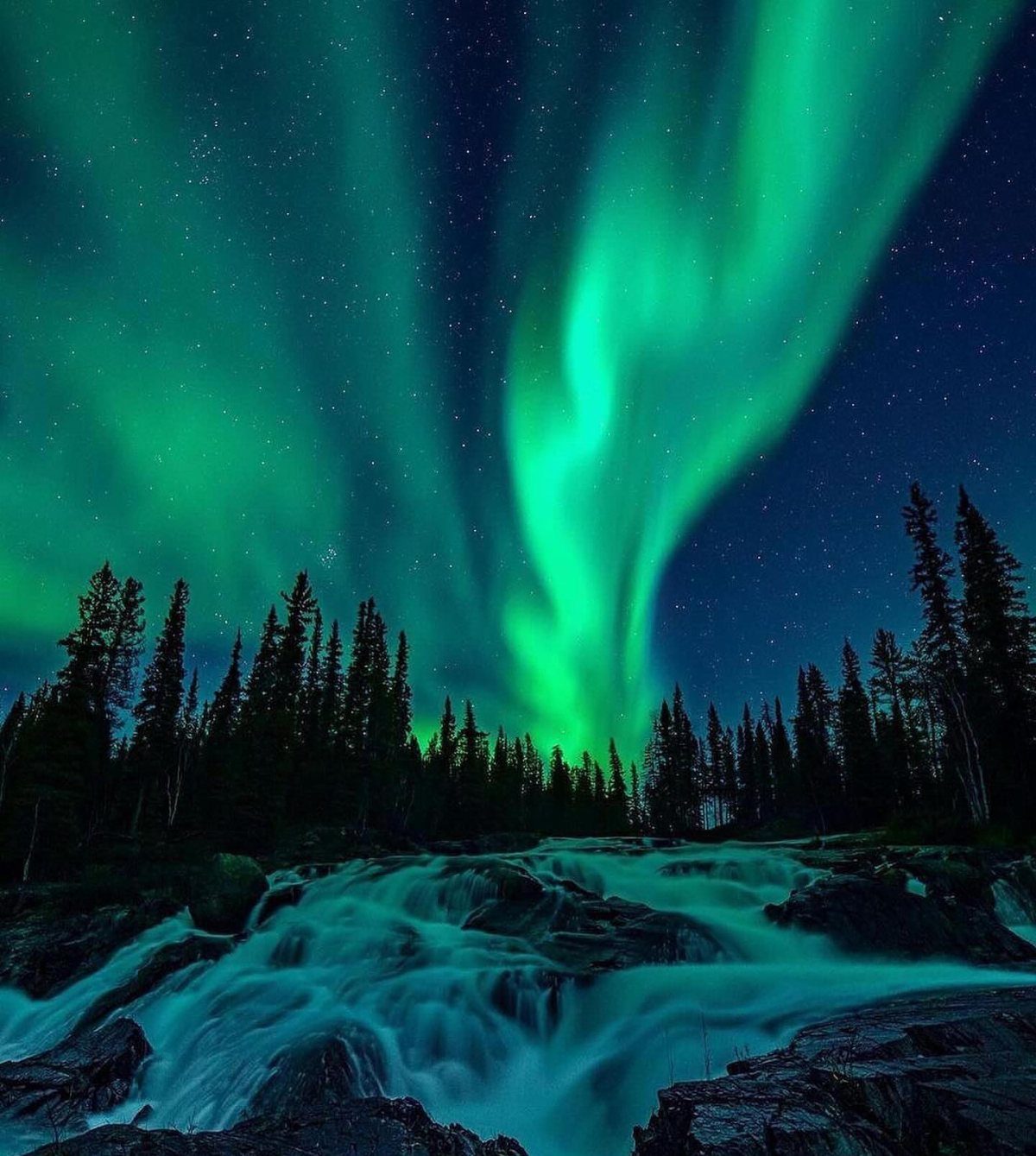
A green aurora over a pine forest and a river is a patience game, and the dark sky is the part you can plan.
Plan several nights, since a single night can clear or cloud over without warning. I would also bring a tripod, because handheld shots of a night sky come out blurry.
3. Paris, France
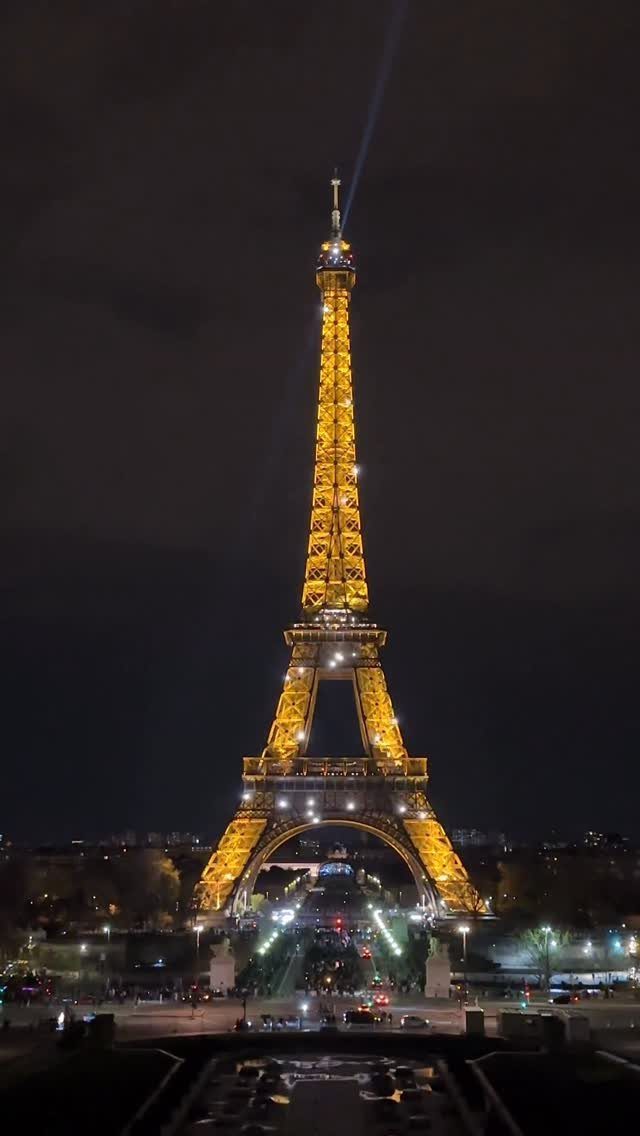
Paris looks best to me after dark, when the Eiffel Tower glows gold against a black sky. The base is ringed with city lights, so the tower reads as the center of everything around it.
Plan to see it at night at least once, even if you also go by day.
4. Machu Picchu, Peru
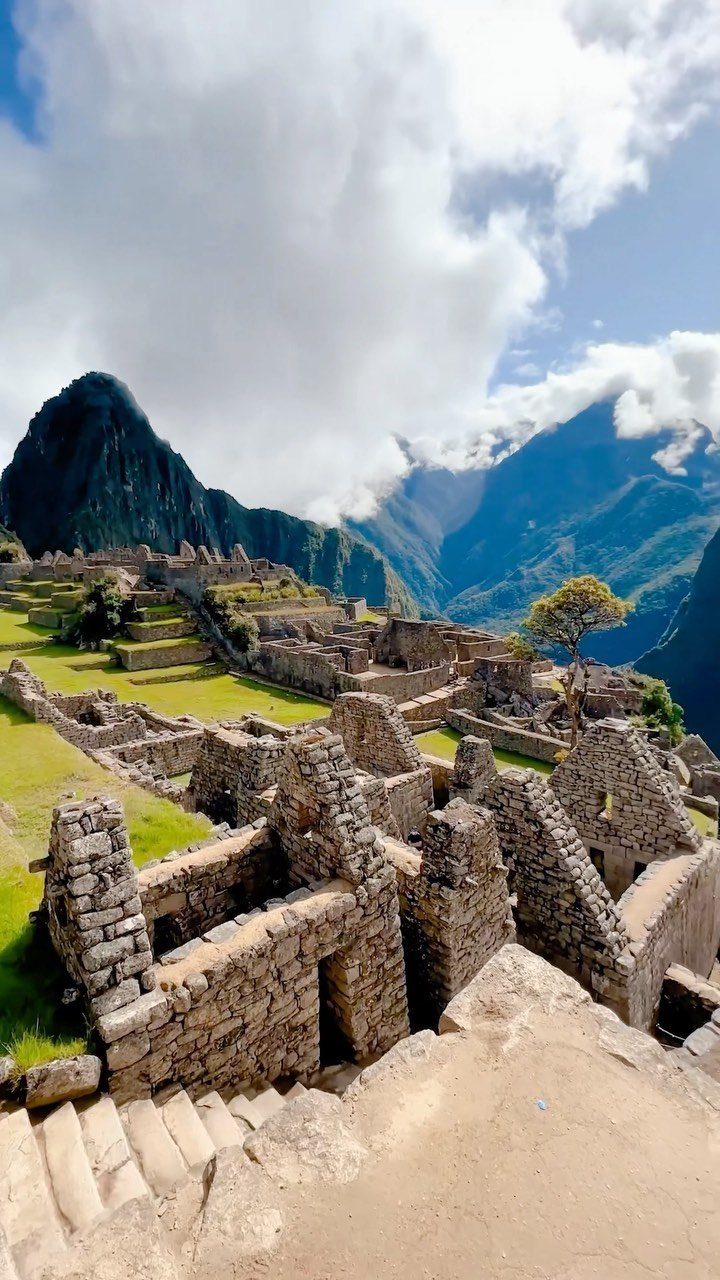
Machu Picchu is a stone citadel with green terraced fields, set among steep mountains that fall away on every side. Clouds drift through the peaks and change the view from minute to minute.
Build in flexibility if you can. Cloud cover is part of the scene here, and a second morning gives you a better shot at a clearer view than a single day does.
5. Fairy Chimneys and Lunar Landscapes
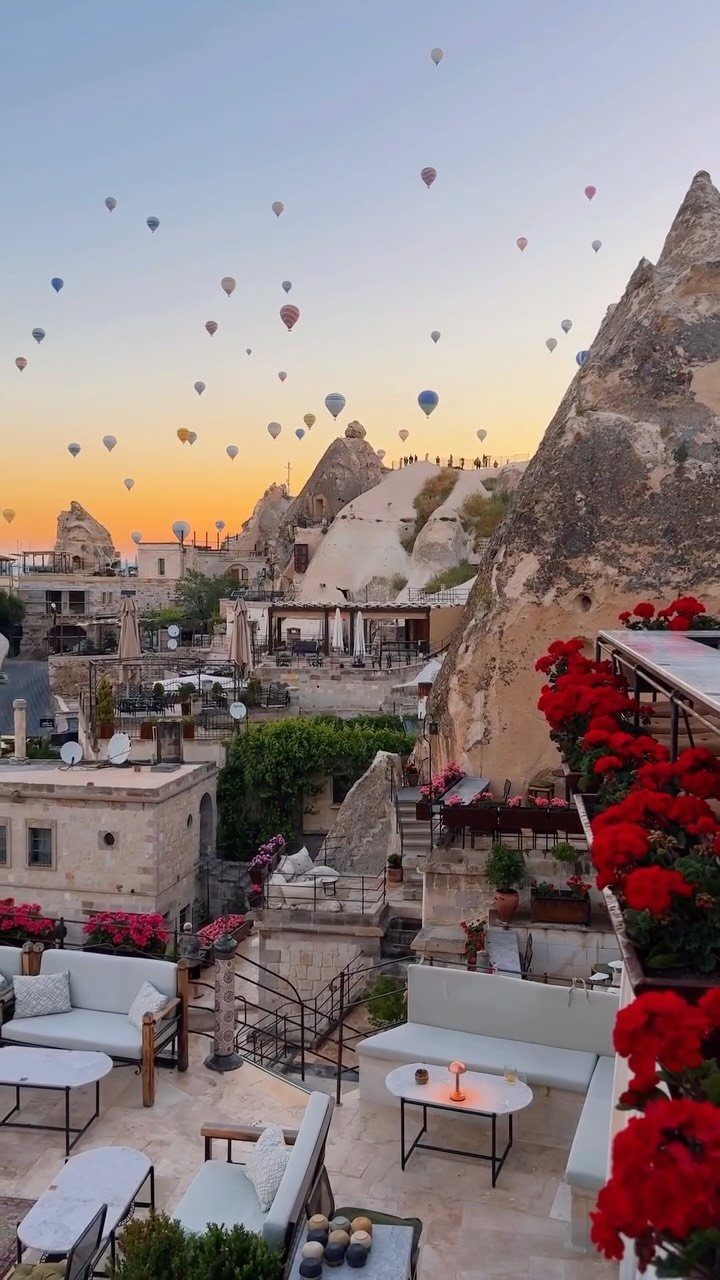
Cappadocia pairs fairy chimney rock formations and cave dwellings with hot air balloons drifting overhead. The balloons are the draw, and you can watch them from a terrace without ever leaving your seat.
Breakfast with the balloons overhead costs far less than a flight and gives you the same sky.
6. Victoria Falls, Africa
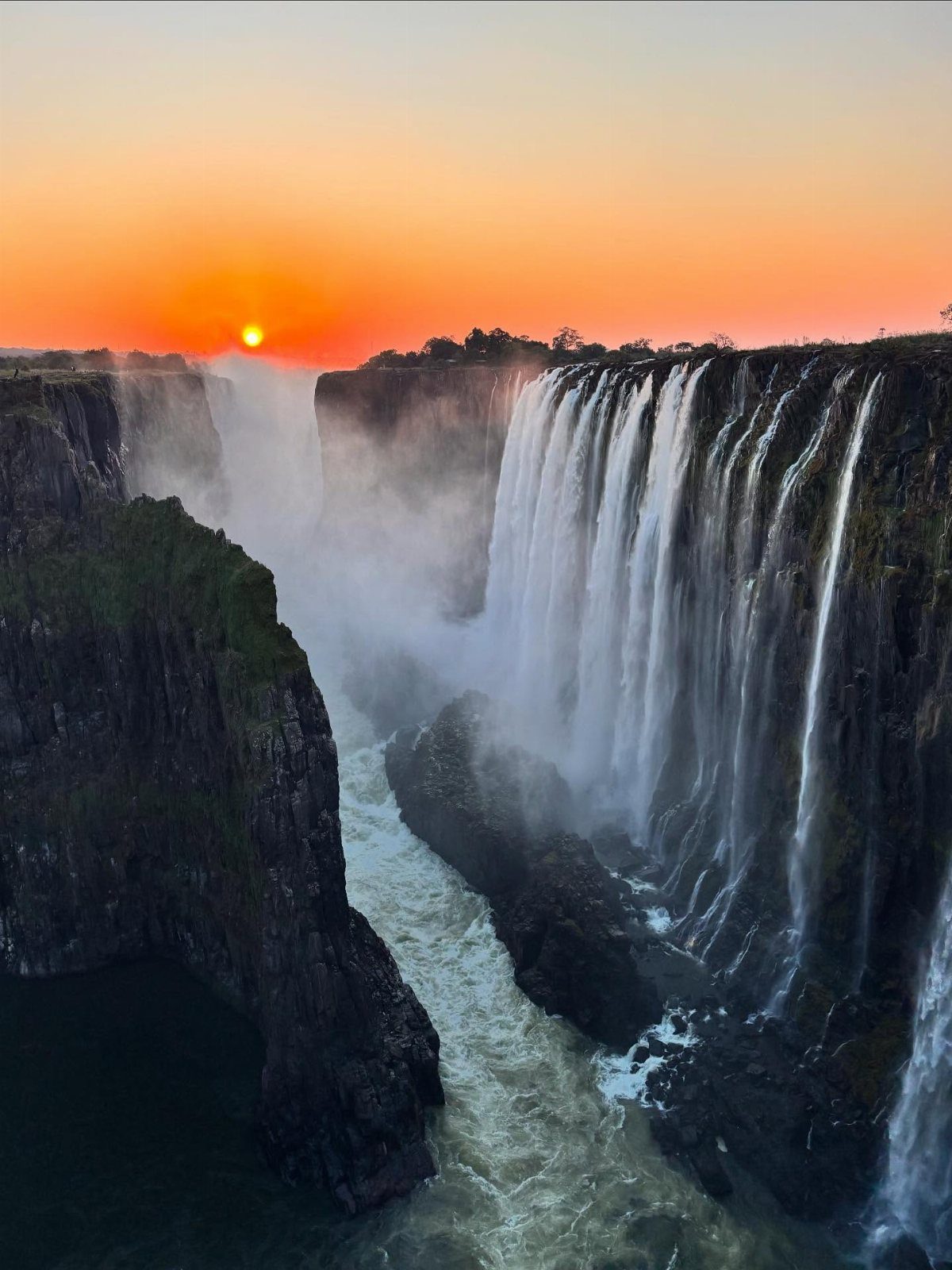
Victoria Falls is the largest single sheet of falling water on Earth, measured by combined width and height, and you hear that thunder before the mist reaches you.
Expect to get wet up close, so carry a rain jacket and keep your camera in a dry bag. For the widest view, I would pick the elevated angle over the spray.
7. Alaska, USA
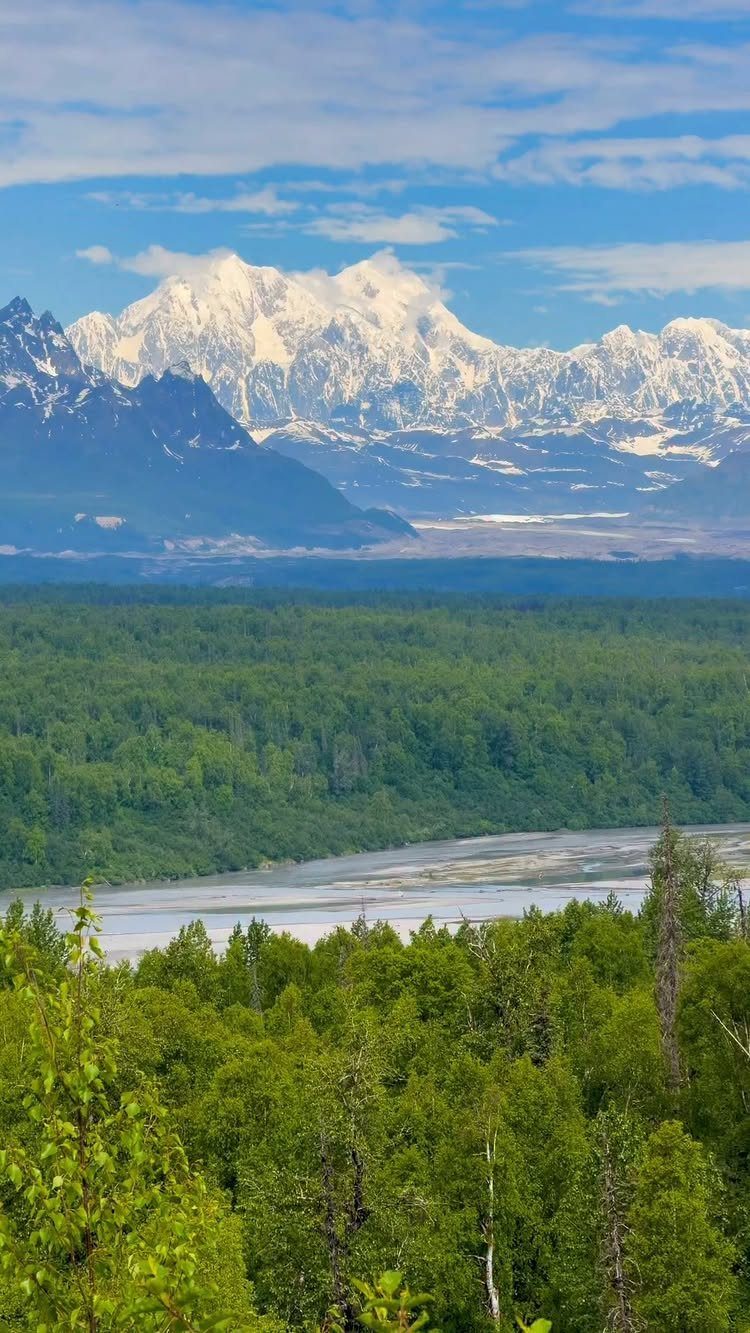
Braided rivers like this one are best read from the air or a high viewpoint, since the valley is too wide to make sense of from the ground; a flightseeing trip or an overlook gives you the full pattern of channels against the peaks.
Alaska is huge and the distances are real, so I would pick one region and stay there rather than chase several. Plan the trip around flying or driving time first, then fill in the scenery.
8. Pristine Lakes in Banff National Park
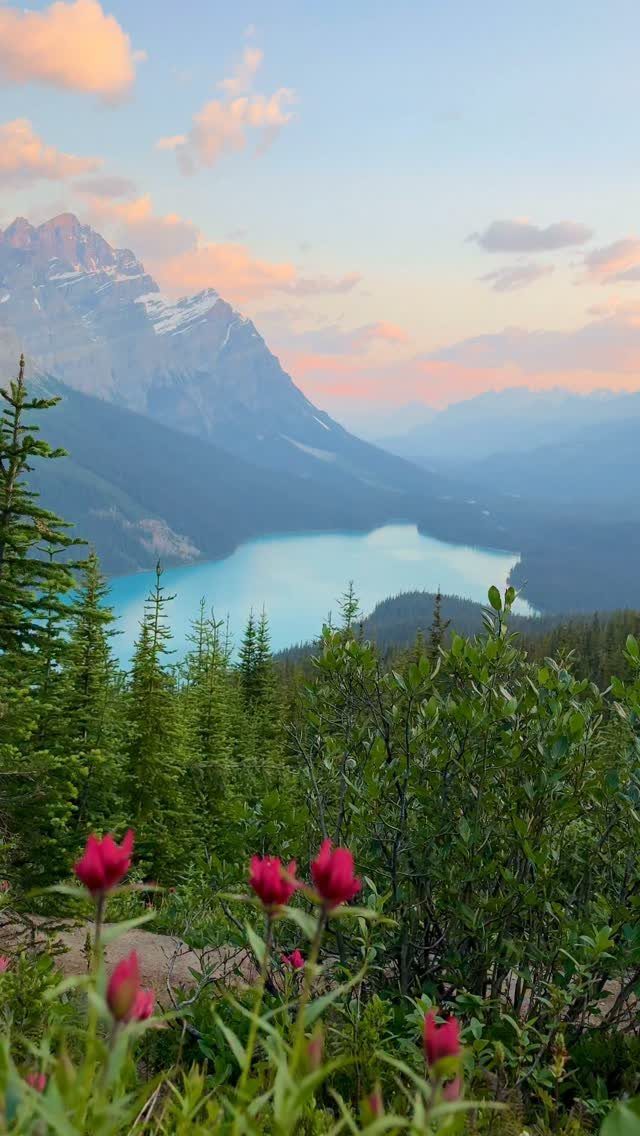
Turquoise water against evergreens and a rugged peak is the Banff look, and the lake color is what makes people stop their cars.
For a shot like this, I would aim for late-day light, when the mountain picks up color and the water stays bright. Check the weather on the day, since cloud flattens the turquoise quickly.
9. Colorful Villages on Amalfi Coast
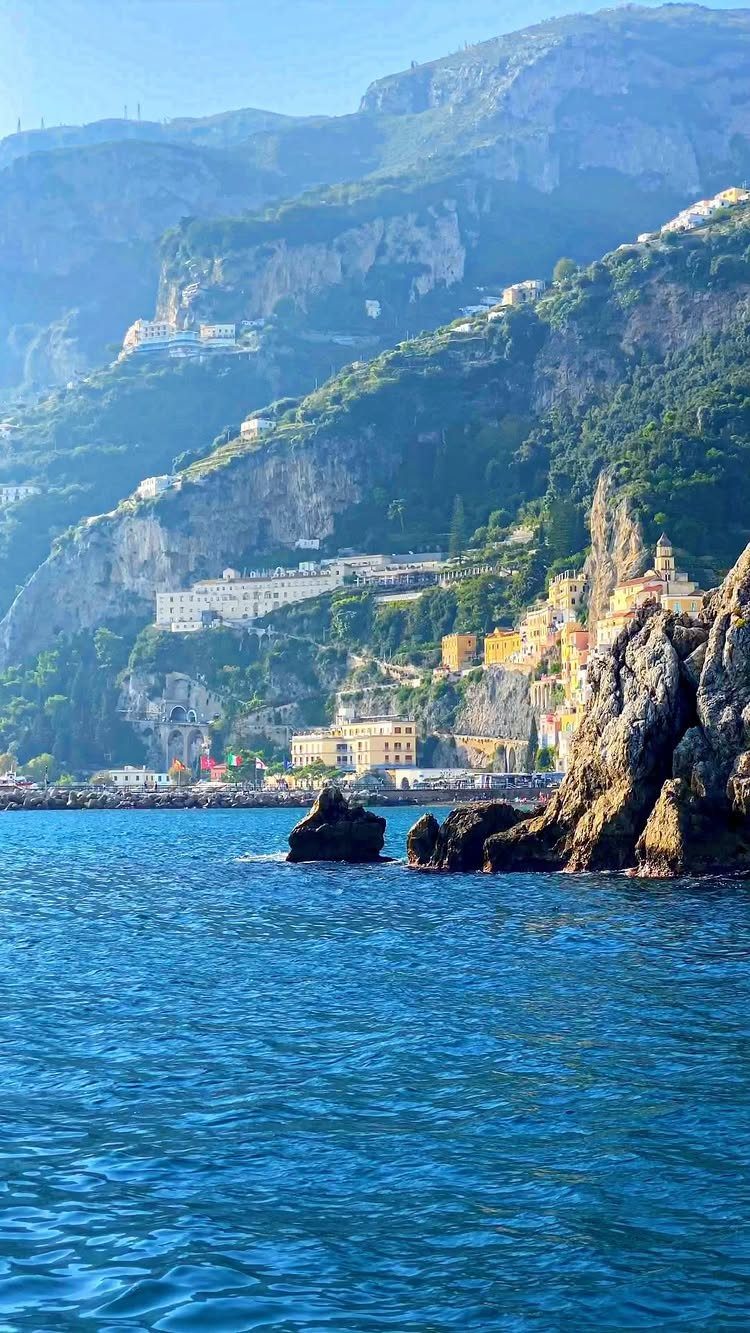
Colorful houses stacked on steep green cliffs above deep blue water make the Amalfi Coast one of the easiest places to photograph, and one of the hardest to move around in.
The roads are narrow and cliffside, so I would skip driving and rely on ferries and buses where possible. Book a room with a sea view early, since that is what you are paying for.
10. Turquoise Lagoons and Luxury Resorts
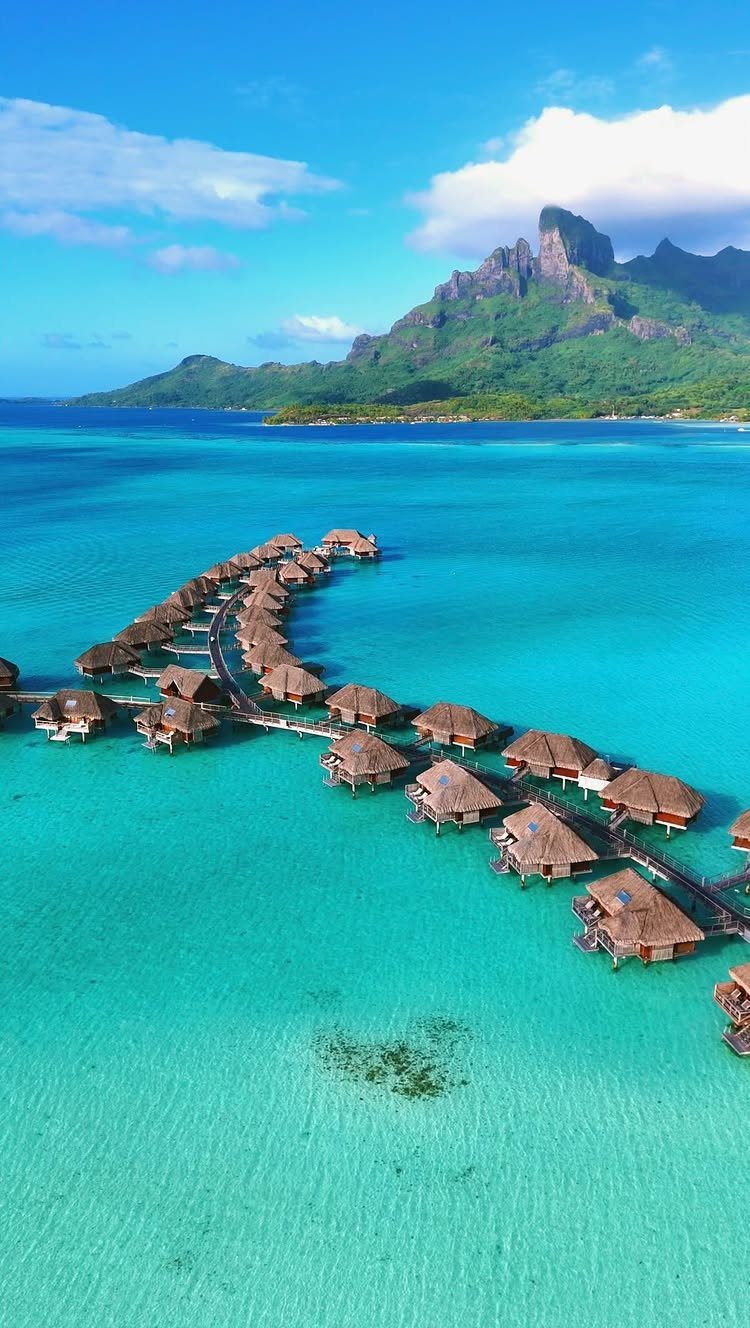
An overwater bungalow in a turquoise lagoon, with a green mountain rising behind it, is the version of a luxury beach trip I like best, because the mountain gives the water a backdrop.
Expect it to be one of the priciest ways to sleep on a trip.
If the budget is tight, I would book a few nights in a bungalow and spend the rest of the stay in a cheaper room on land.
11. Taj Mahal, India
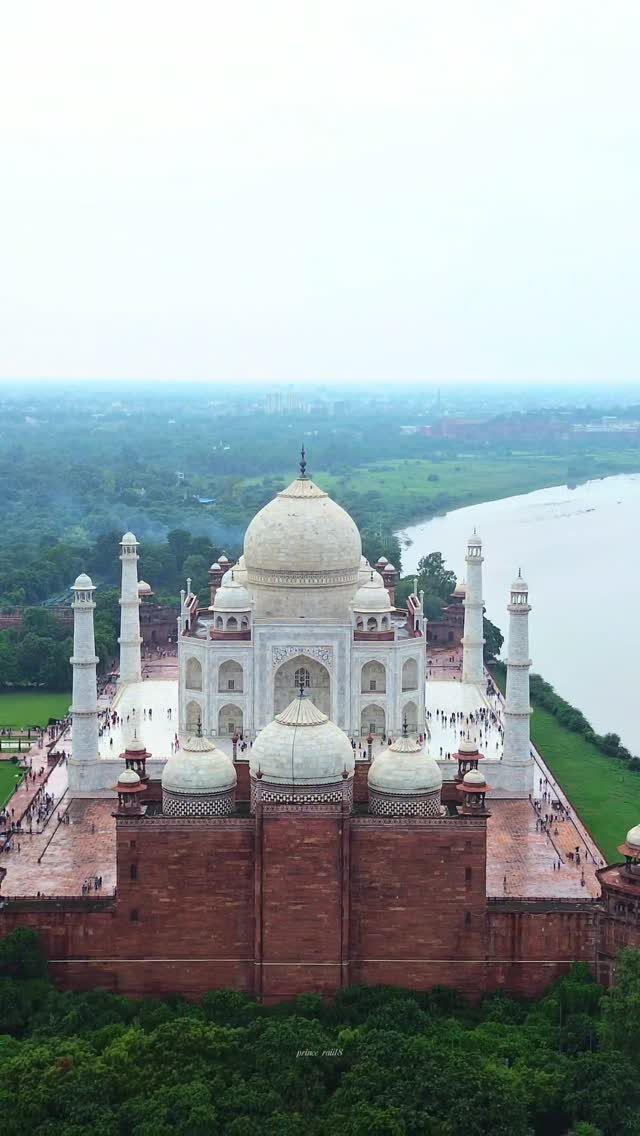
The Taj Mahal looks best to me from a distance, where the white marble dome and minarets sit against the red sandstone and the river, with the whole layout in one frame.
Bring a zoom lens. The Taj Mahal is a no-flying zone, so leave the drone at the hotel and bring a good zoom lens, which gets you the same reach from the ground.
12. Christ the Redeemer in Rio De Janeiro
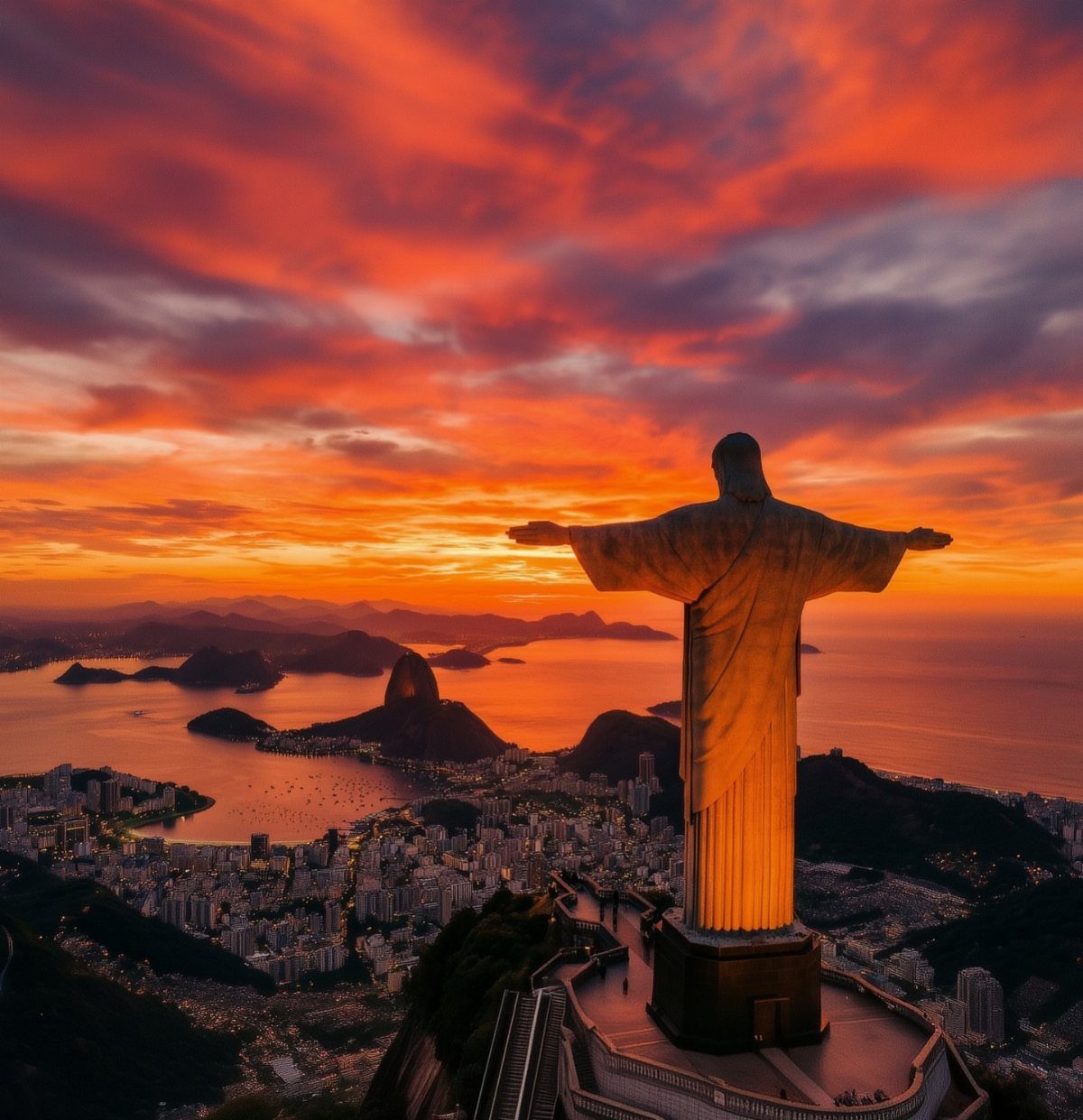
Going up to the top and booking a helicopter tour are 2 separate choices.
I would do the summit first, since it costs less and puts you at the statue’s feet. Pick a clear evening, because cloud can hide the whole view.
13. Bixby Bridge in Big Sur California
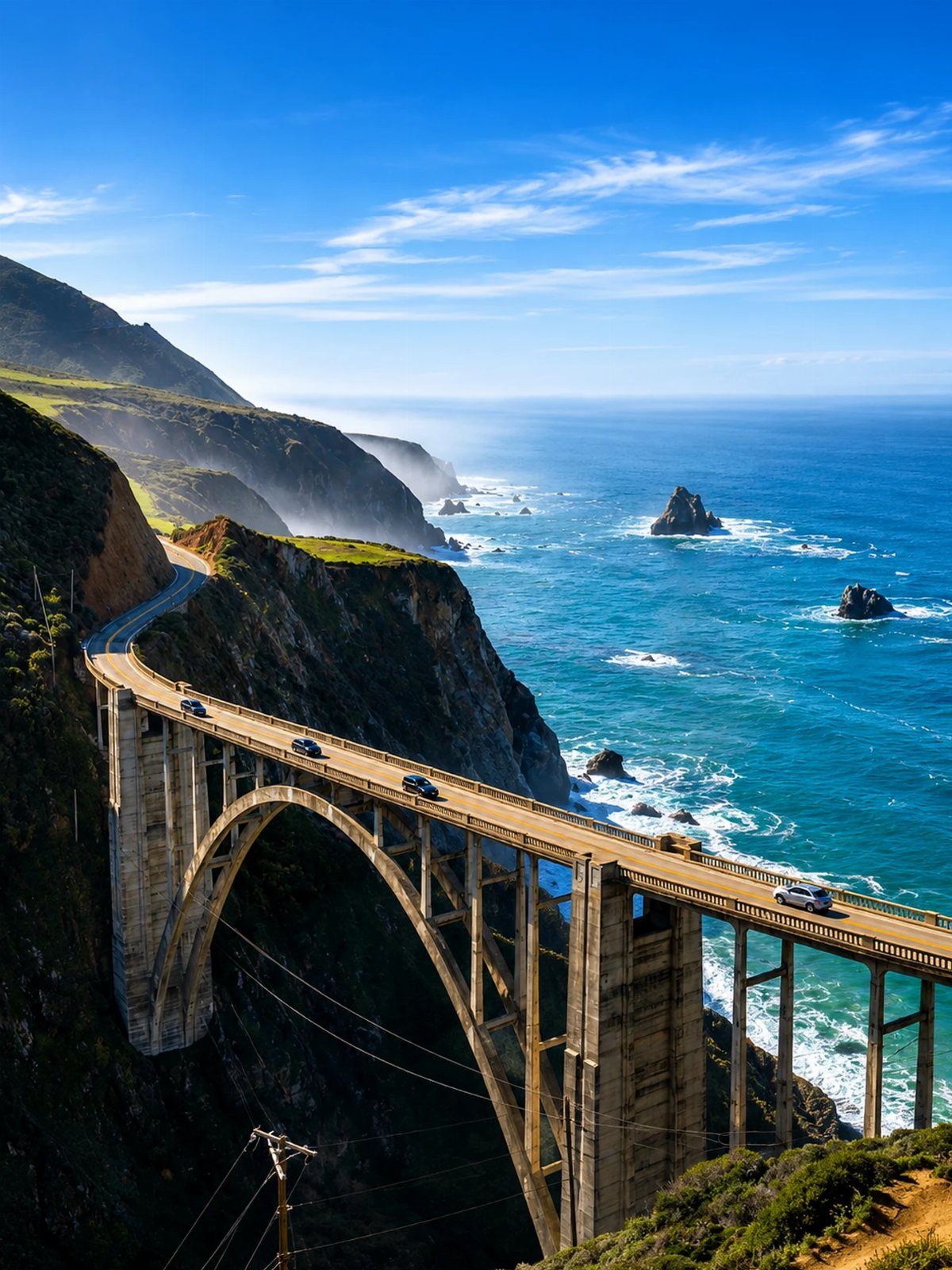
Bixby Bridge is a single concrete arch crossing a coastal canyon, with the Pacific on one side and steep cliffs on the other. From above you can see the road tracing the whole curve.
Stop at a pullout on the Pacific Coast Highway and shoot from there rather than from the road itself.
Cars cross constantly, so I would wait for a gap and get the arch clean against the water. A clear day matters, since the blue is what makes the frame.
14. Petra, Jordan
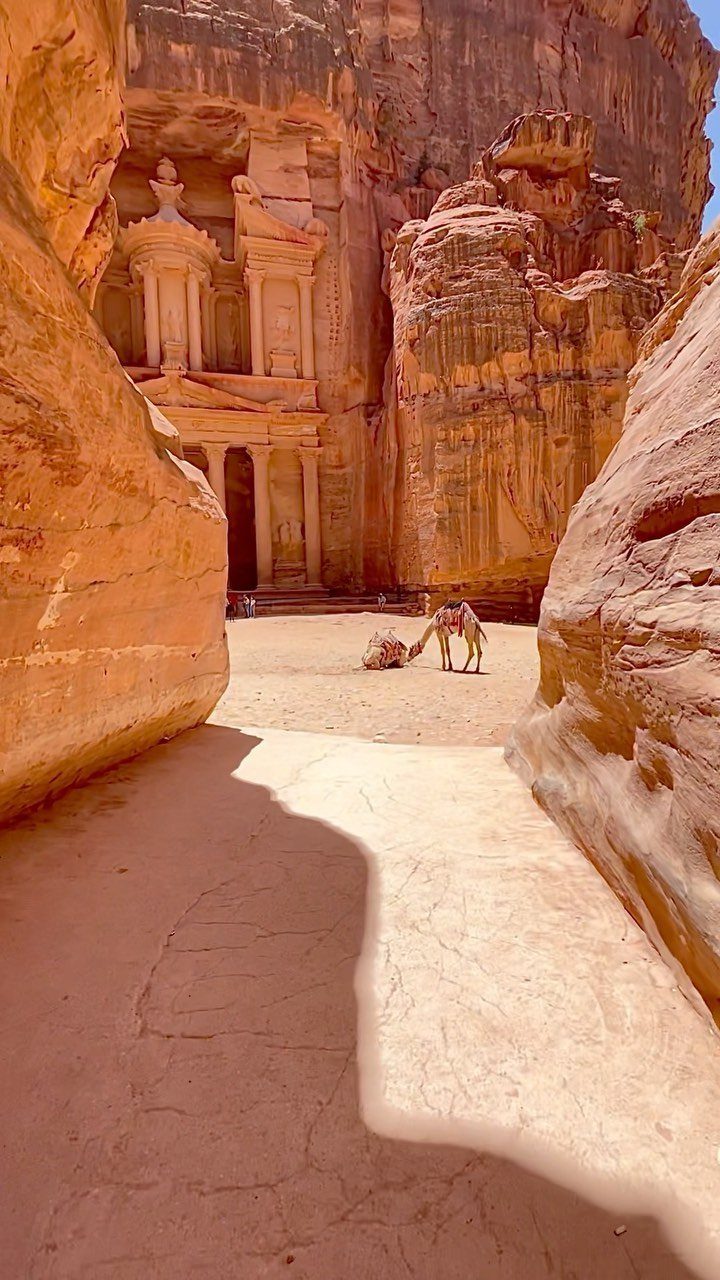
The Treasury, Al-Khazneh, is carved straight into red sandstone, and the narrow Siq canyon you walk through hides it until the last bend.
Plan to arrive early, since the open sandy forecourt is where the scale makes sense: a few people and 2 camels look tiny against the facade.
I would walk in rather than ride, and leave time to stand back and take in the whole front before getting close.
15. Pagodas in Temple Complex
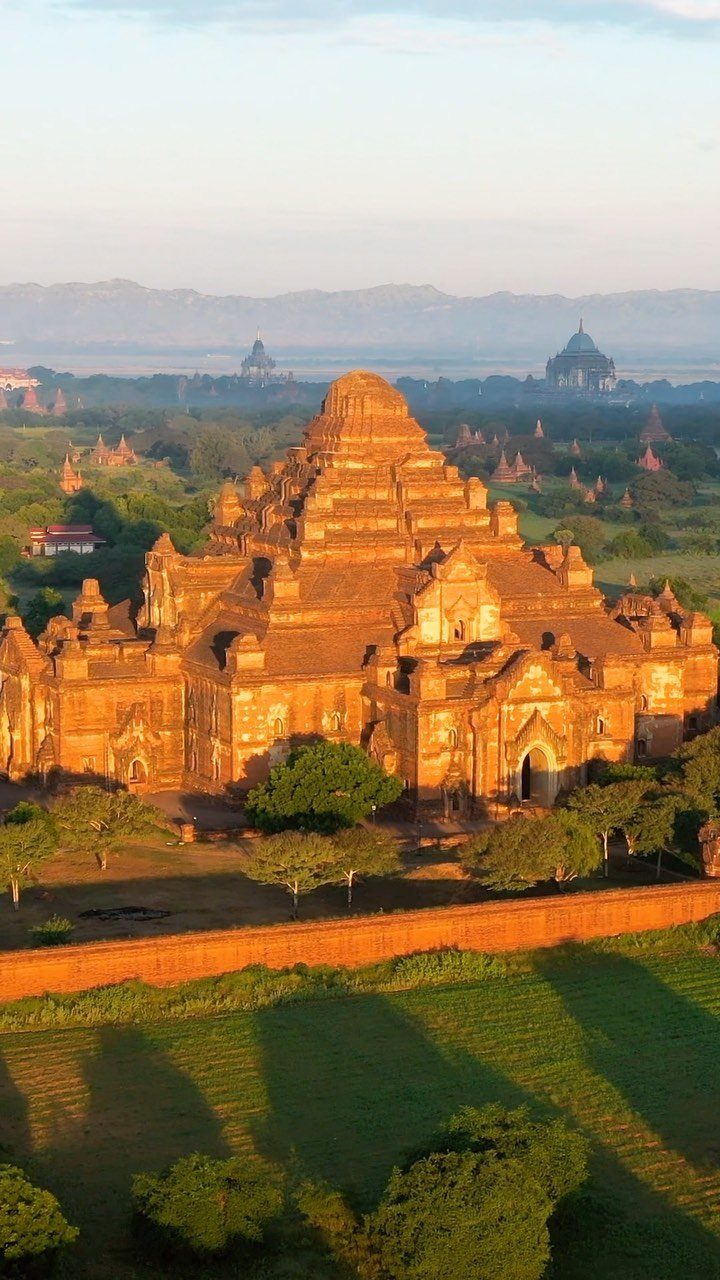
Brick pagodas spread across a misty plain in Myanmar, more than 2000 of them, and the soft morning haze is what makes the scattered silhouettes work.
Go at first light, when the temples are quiet and the air is cooler, and plan to be inside the gates before the tour groups arrive.
Expect some controversy: the site’s restorers used modern materials, and a 200-foot watchtower now stands there. I would still go, but I would pick the older-looking brick temples for photos.
16. Romantic Canals in Venice
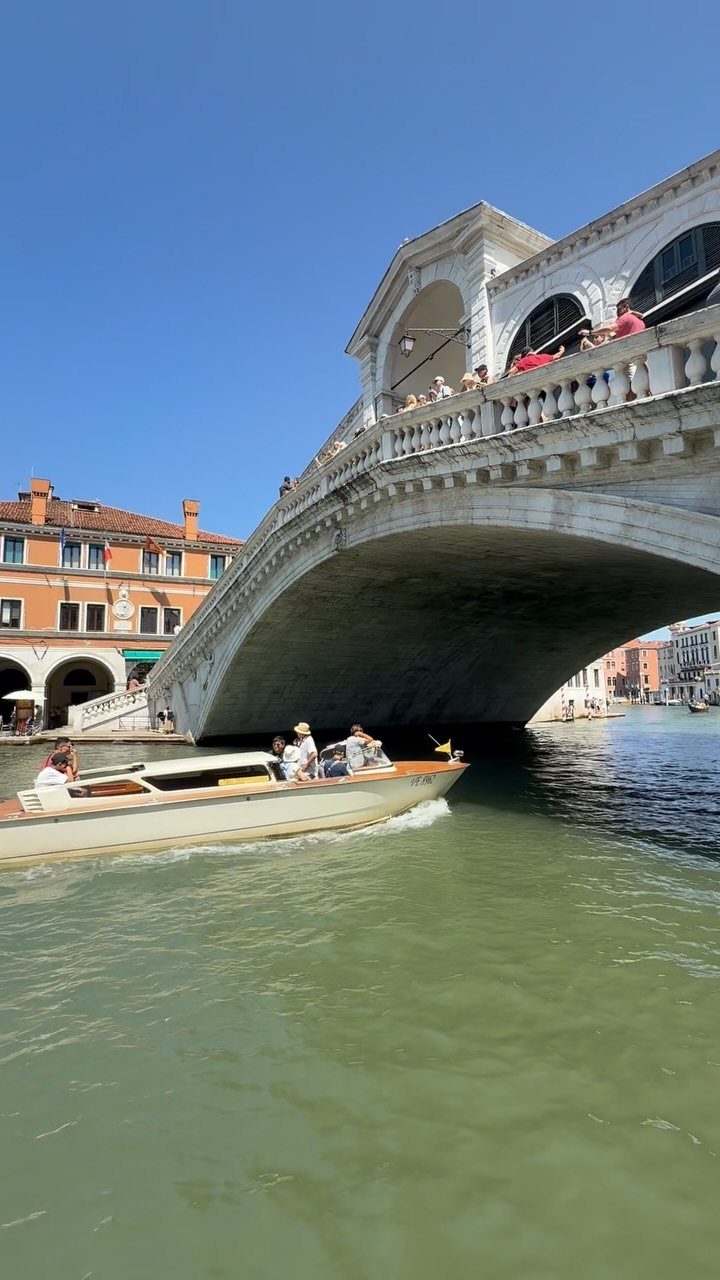
The best way to see the Rialto Bridge is from the water, where its white stone arch rises over the Grand Canal.
Expect crowds on the bridge itself, so shoot it from the canal.
17. Great Barrier Reef, Australia
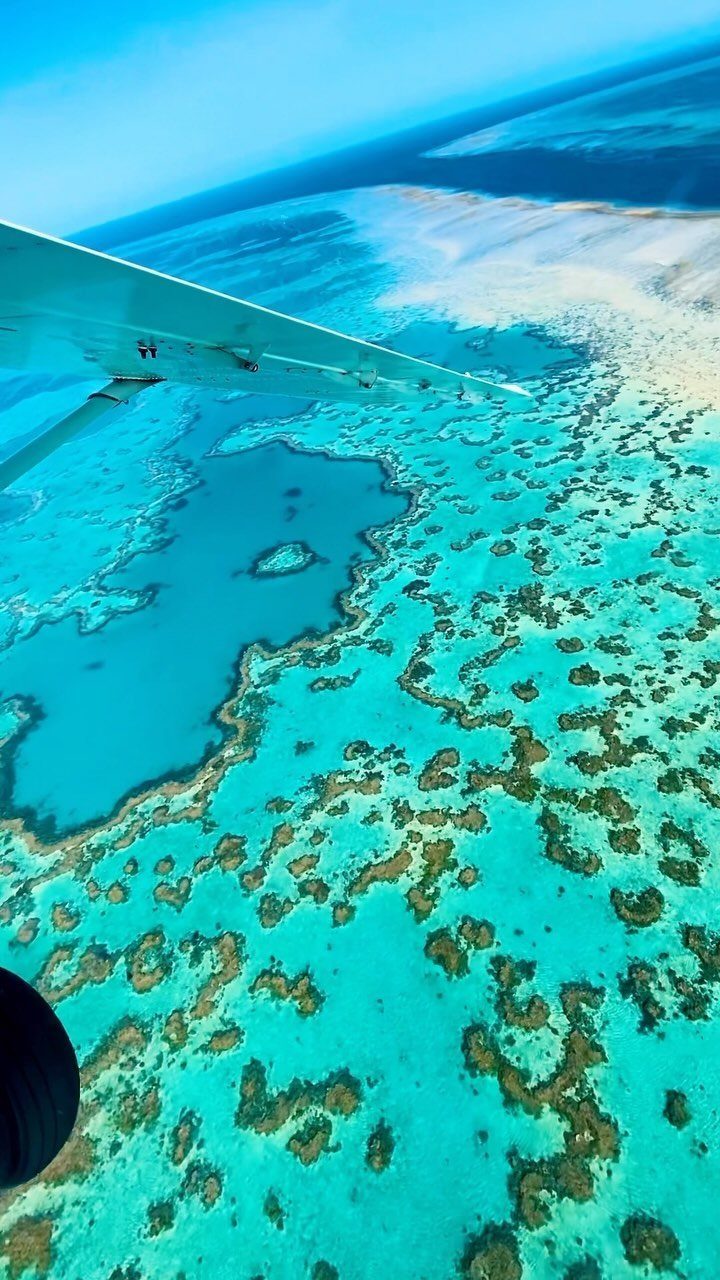
The Great Barrier Reef is the world’s largest coral reef system, and from the air the turquoise water and coral shapes show a scale you cannot get from a boat.
Book a window seat if your flight crosses it, or choose a scenic flight for a clear overhead view.
I would still add a snorkel trip, since the reef is rich in marine life that no aerial shot shows. Cost more for the flight; the boat gives you the fish.
18. Salar De Uyuni, Bolivia
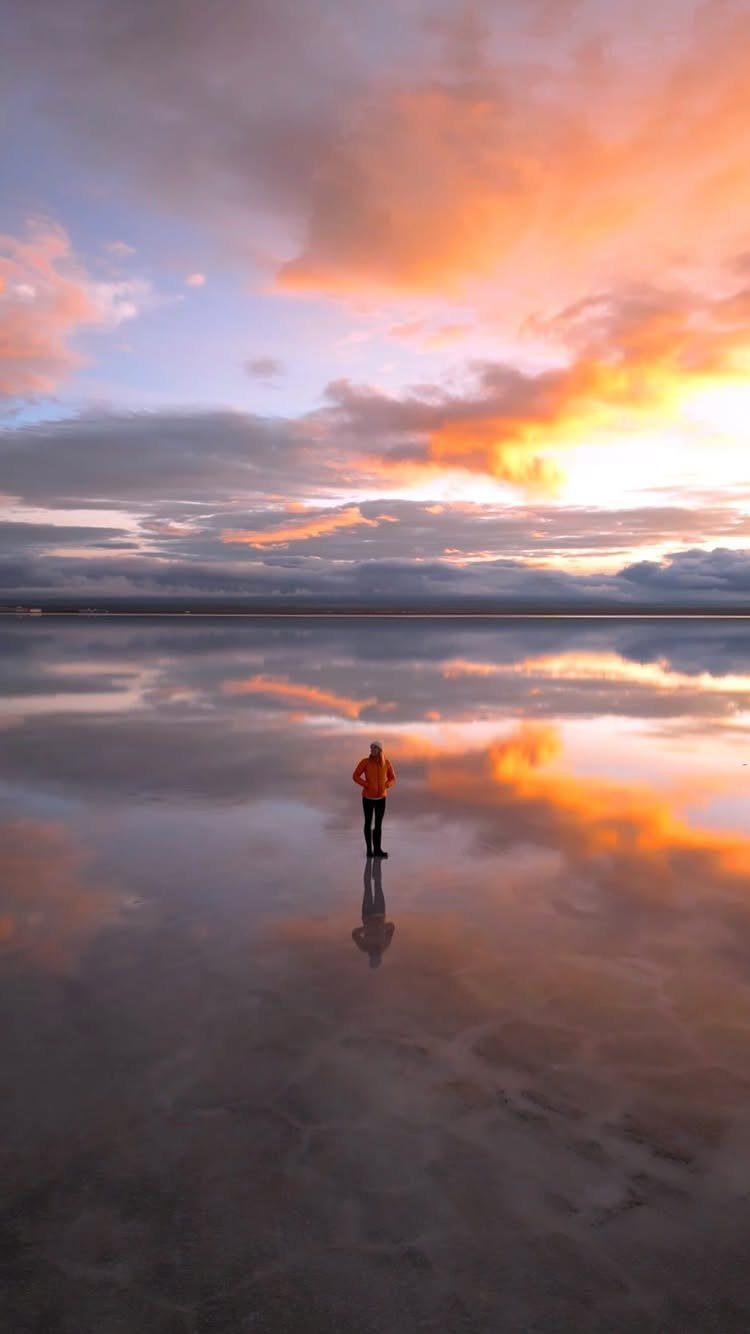
Salar de Uyuni is the world’s largest salt flat, and when a thin layer of water covers it the ground becomes a mirror for the sky.
Sunset is the time I would pick, when the colors double in the reflection.
Wear a bright jacket so you stand out against the pale salt ground, which can look washed out in photos otherwise. The illusion needs water, so check conditions before you commit your dates.
19. Yosemite National Park Valley
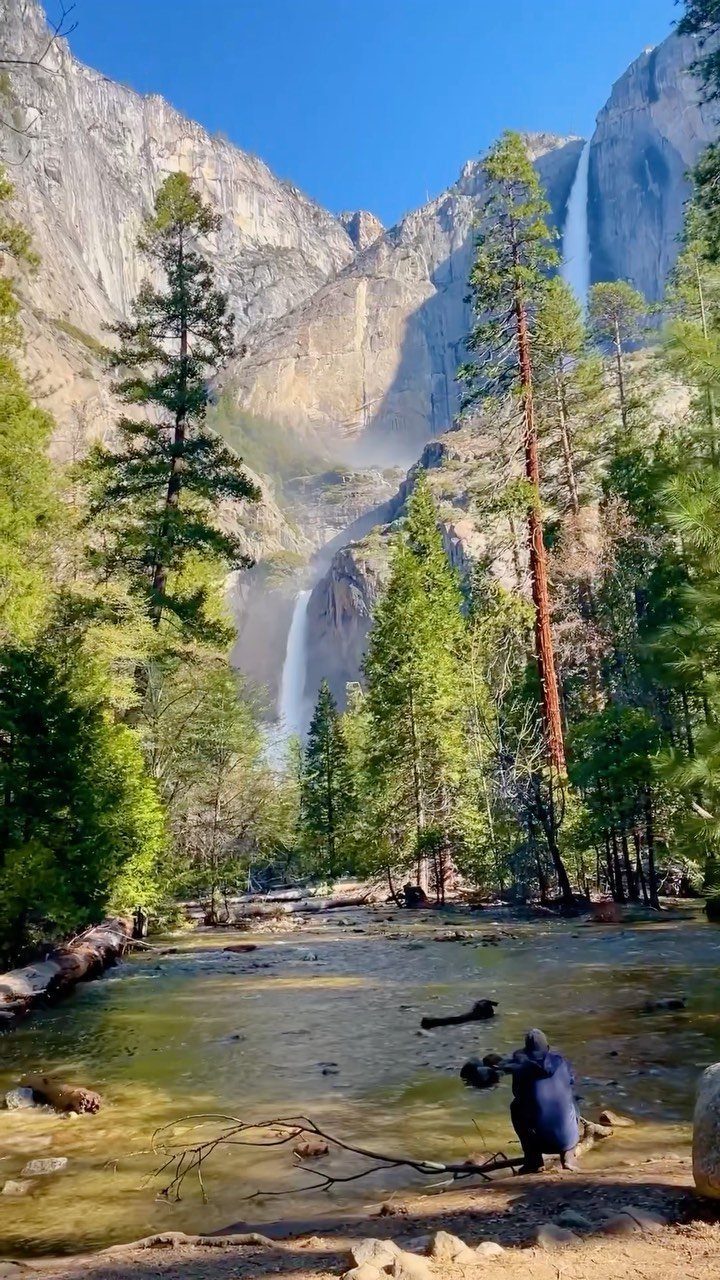
Yosemite Valley works because everything sits in one frame: granite walls, two waterfalls, pines and a river running along the floor.
The river is the part people skip, and I would walk down to the water’s edge for a lower angle that puts the cliffs behind the current.
Against gray granite and dark pines, a blue one stands out.
20. Niagara Falls Curved Cascades
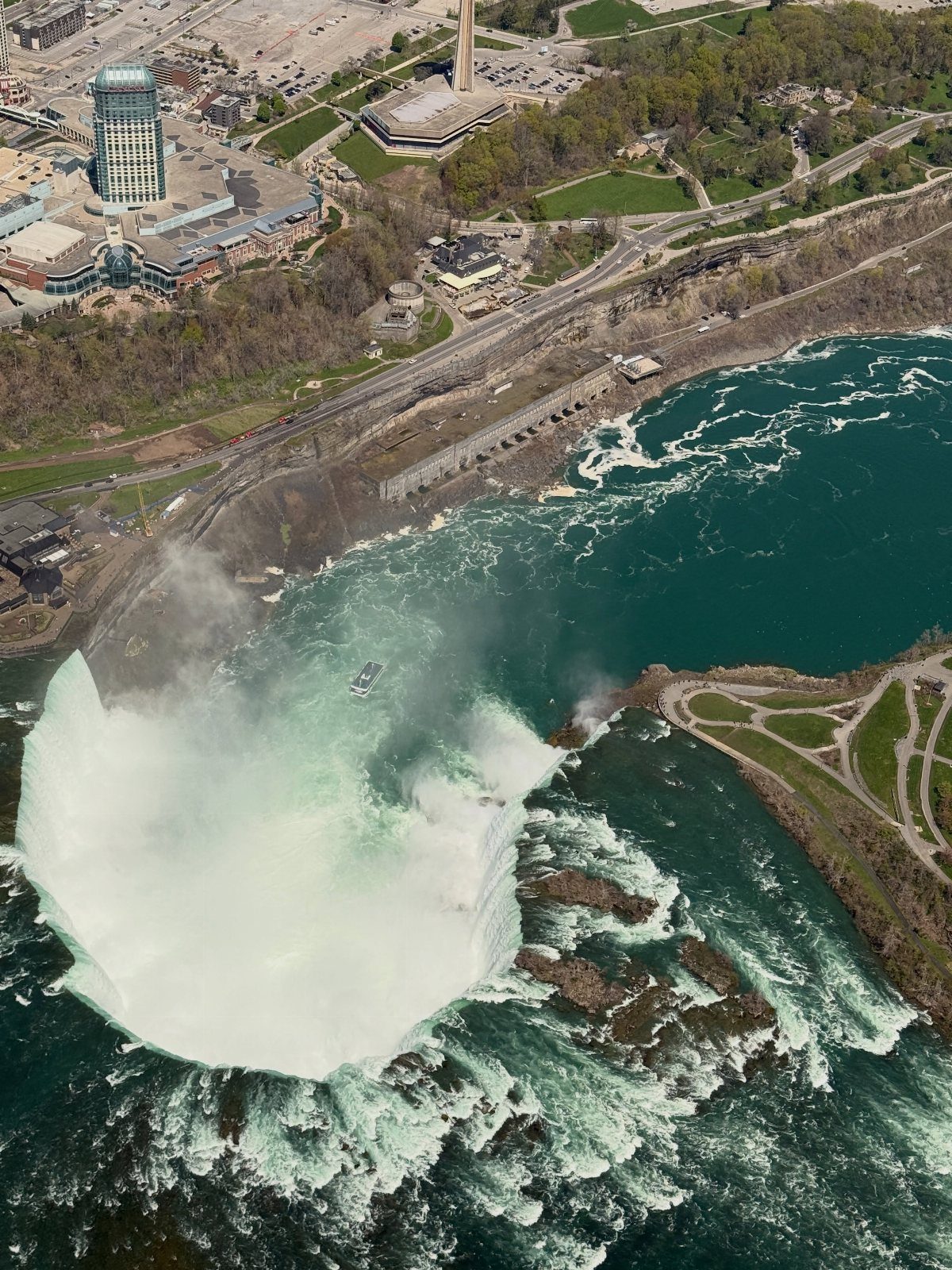
Niagara’s horseshoe curve is best judged from above, where the white water and mist drop into a turquoise gorge with the city right beside it. A helicopter or an elevated overlook shows the full curve, which the railing never does.
Expect the mist to cover everything near the edge. Mist coats a lens within minutes at the falls, so carry a dry microfiber cloth, and I would take the high overlook over the wet boat deck for photos.
21. Sydney Opera House Waterfront
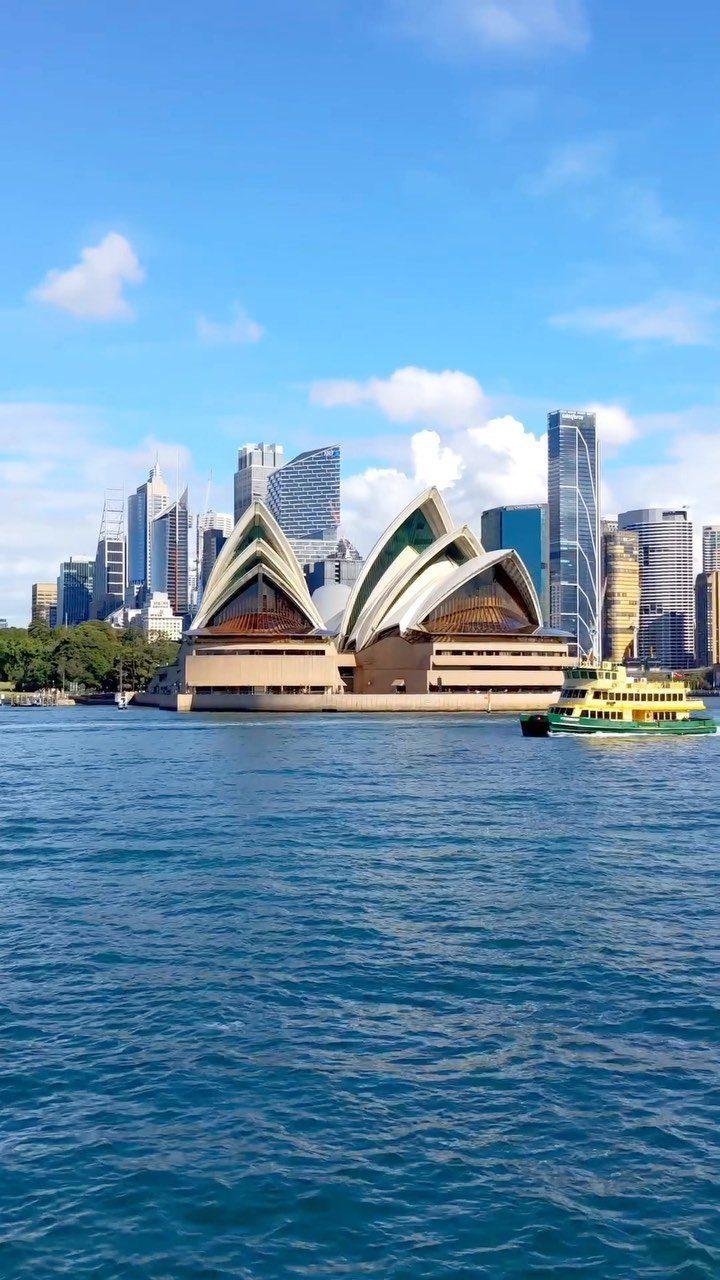
The ferry is the best seat for the Sydney Opera House. From the water the white sails sit against the city skyline and blue harbor, and you get the whole scene moving past.
Go on a clear day when the sun is up, because the blue sky is what makes the white shells stand out against the harbor.
Stand on the open deck rather than inside, because windows cut the view. A ferry ticket costs far less than a private harbor cruise.
22. Havasu Falls Canyon Oasis
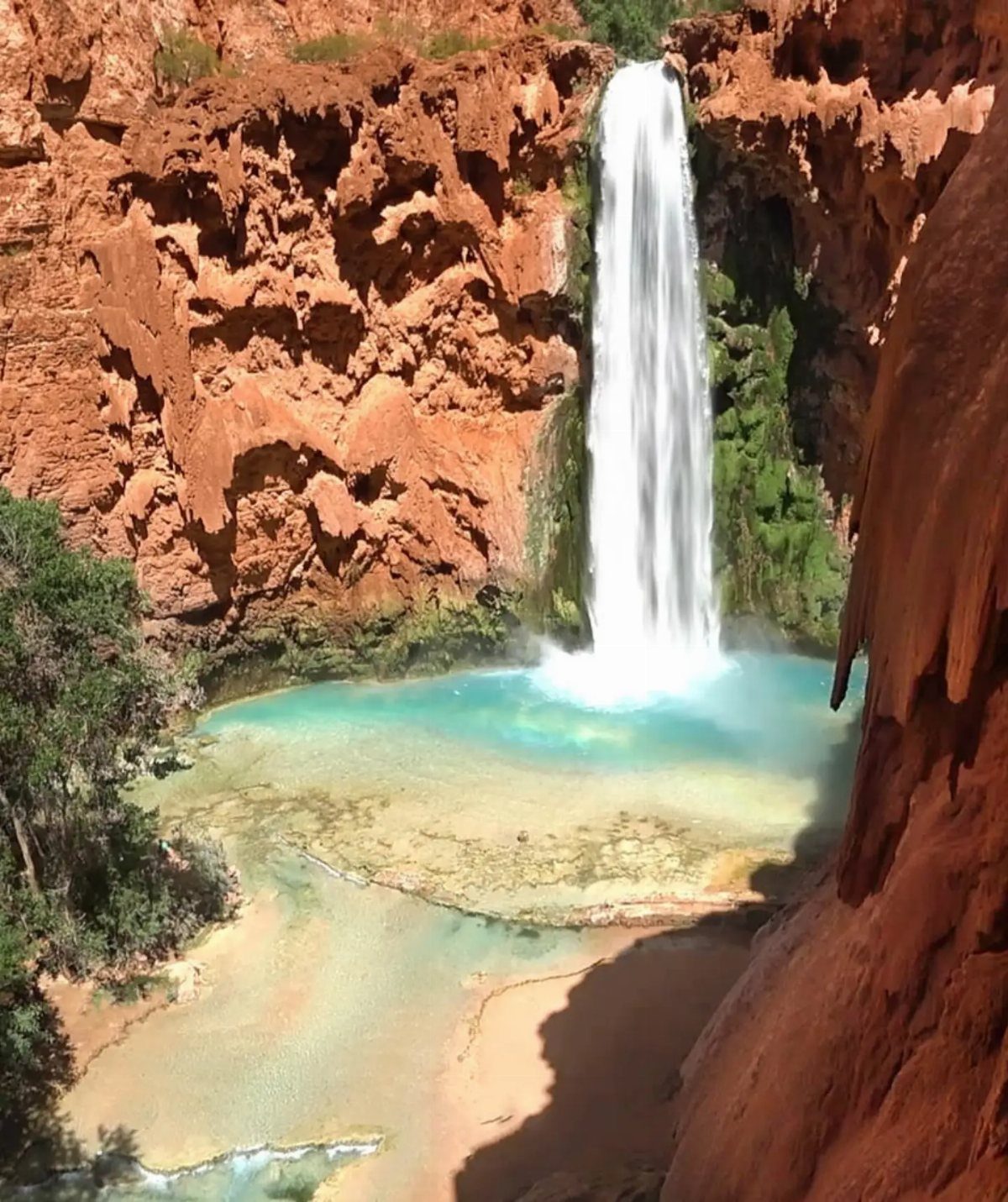
Red sandstone walls make the turquoise pool at Havasu Falls look almost unreal, and that contrast is the reason to go. Bright midday light brings out the color best, while cloud mutes it.
This is a remote canyon, so I would plan the logistics before anything else and pack for a self-reliant trip. Book early and expect it to take real effort to reach.
23. Grand Canyon Sea of Clouds
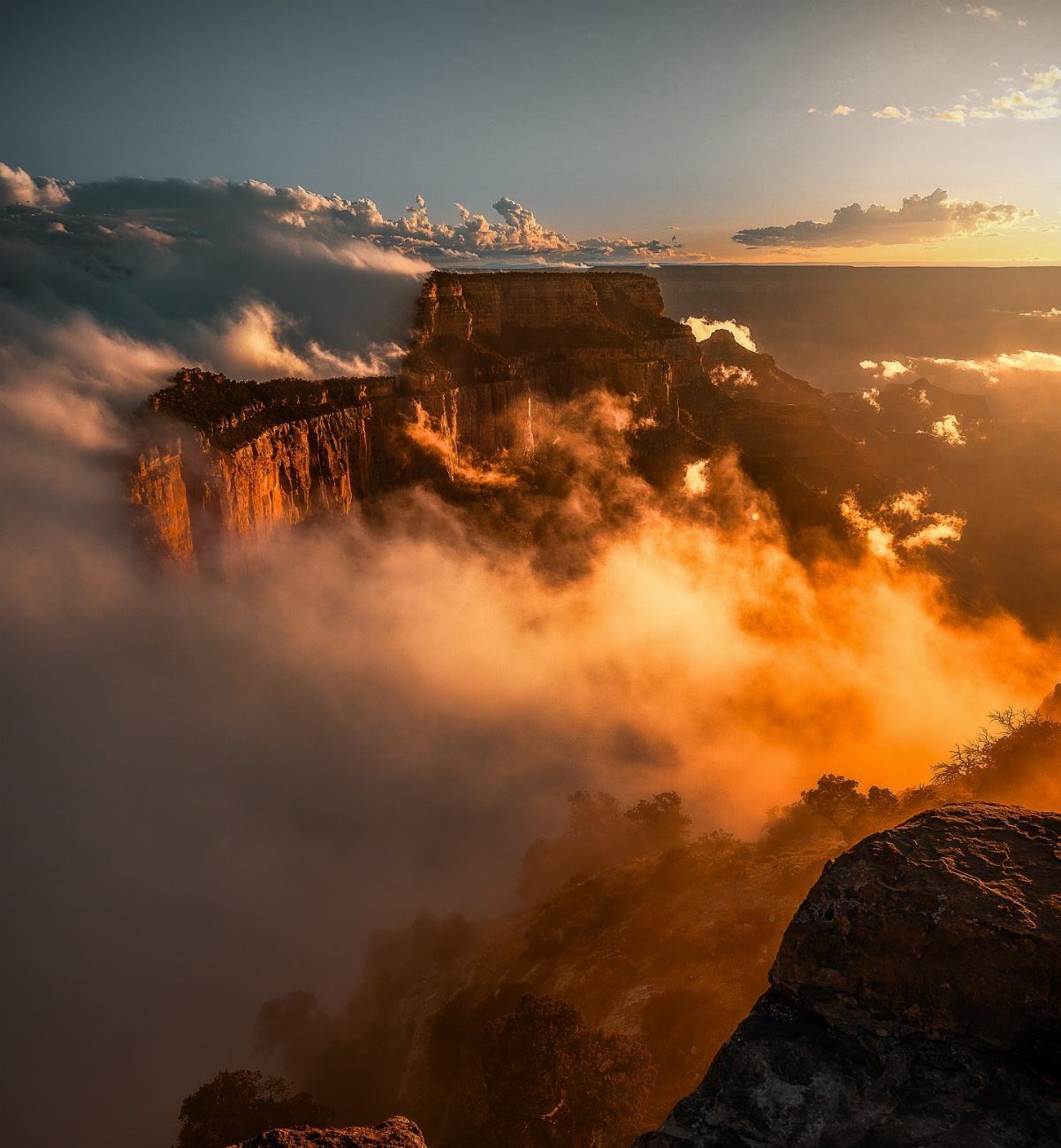
Golden cloud filling the Grand Canyon below the rim is a weather event, not a schedule item, and I would never count on it for a single morning.
Plan on several sunrises at the rim so you have more than one chance.
Arrive before first light and stay put. Orange and red cliffs rising above the cloud peak just as the sun clears the horizon, and the show fades fast.
24. Fjordland Coastal Peaks
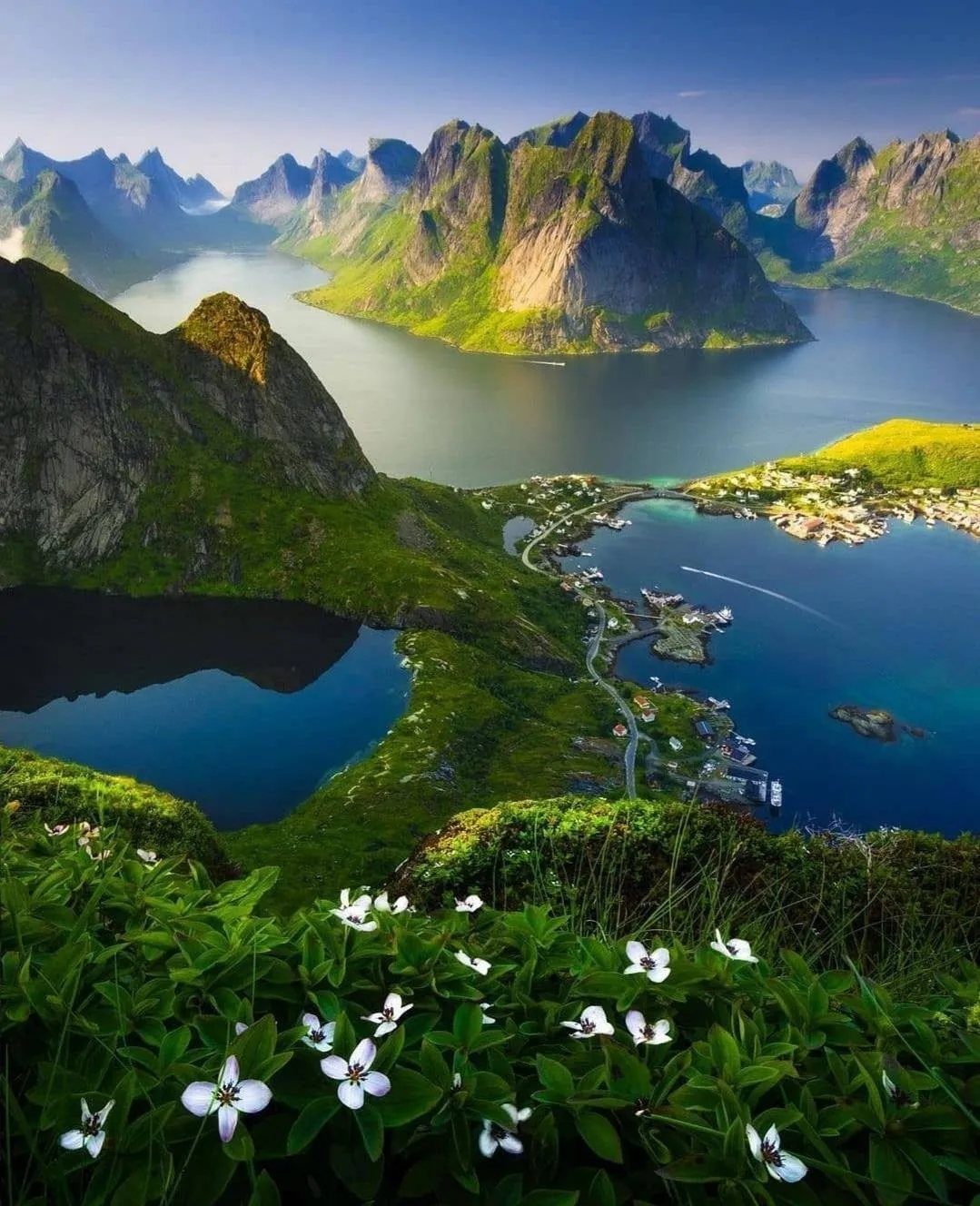
Climb to a high viewpoint above the village if you can. From up there the deep blue water and steep green peaks make the buildings look small, and the whole fjord fits in one frame.
Look for a hillside with wildflowers in the foreground; they give the frame a layer of depth.
Mountain weather changes quickly, so I would keep a few days open. Clear light brings out the green and the blue together.
Travel Tips for Beautiful Places
Season changes what a place gives you, so check it before you book flights. Many beautiful places look their best in one stretch of the year, and a trip outside it can mean a very different view.
Pick the season first, then the dates. Pick the destination that peaks in the months you can actually travel, and skip forcing a favorite into the wrong season.
Small coastal fishing villages and rural mountain towns are worth a detour. Going there puts you around local food and traditions that a big city stop will not show you.
For any viewpoint, hilltop, cliff or mirador, arrive early. Sunrise and sunset are the best times, and researching timing and quieter spots helps you avoid the crowds that gather at the famous ones.
Photography Advice
Plan your shooting around golden hours, the stretch just after sunrise and just before sunset. The light is warm and low, and it flatters almost any scene.
Look up sunrise and sunset times for your exact dates before you go, then work backward. Get to your spot well before the light peaks, so you can settle on an angle without rushing.
Season matters as much as the hour. Kyoto in spring is the cherry blossom shot, with temple roofs framed by pink branches; come back in another season and the same spot looks completely different.
Zermatt and Interlaken in the Swiss Alps offer snow-capped peaks and alpine lakes, and both pair well with hiking.
Santorini at sunset is the classic example of timing paying off: the white-washed buildings and the Aegean pick up the color of the sky.
Cultural Experiences
Build some local culture into the trip too: a market meal, a neighborhood festival, a small museum, so the famous sights are not the whole story. It changes what you take home.
Eat where locals eat.
Talk with people when you can. A guesthouse host or a market vendor will often tell you where the best viewpoint is, and when to be there.
Build some unscheduled time into each stop. Festivals and local events are hard to plan around from home, so check what is on once you know your dates, and leave a day open to attend one.
Frequently Asked Questions
What is considered the most beautiful place on the planet?
No single place wins, because beauty is subjective, but Santorini and the Grand Canyon come up most often.
At the Grand Canyon, I would plan several sunrises at the rim, since a golden sea of cloud below the edge is weather, not something you can schedule.
Which country is best for a 4 day trip?
Italy and Greece suit short trips well because each packs varied sights into a small area. On the Amalfi Coast in Italy, skip driving, since the cliffside roads are narrow, and use ferries and buses.
On a short trip, I would stay in one region rather than chase several, and a country with varied attractions like Italy or Greece makes that easy.





