Packing for Japan splits into 2 kinds of items: things that save you money or hassle, like a reusable bottle and a document folder, and things that depend on the season, like a heavy coat for December–February or a hat and sunglasses for June to August.
Season and walking load set the list, because a trip heavy on stations, temples and rain calls for good walking shoes, a compact umbrella and a read of the weather before anything else.
Cash decides more of a Japan trip than most travelers expect: plenty of small shops and restaurants still refuse cards, so a coin purse and a pocket of yen belong in the bag.
1. Comfortable Walking Shoes
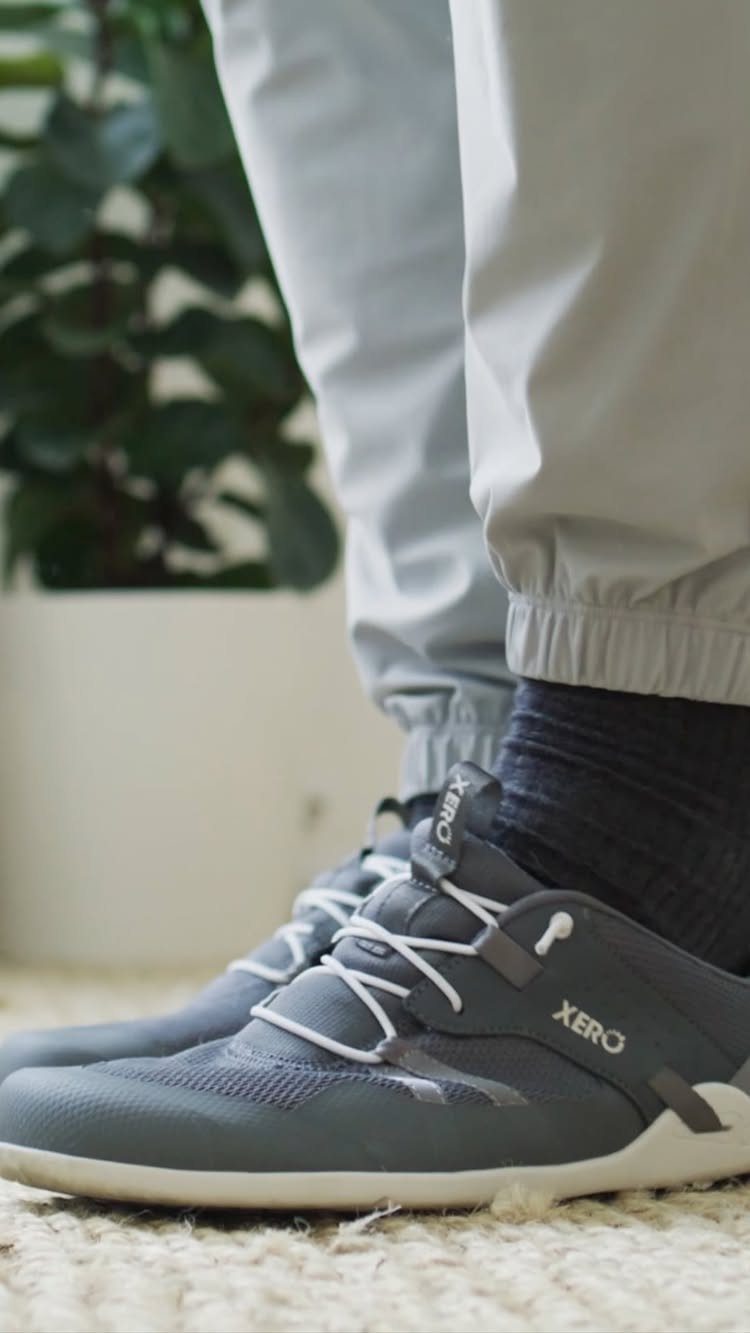
Grey sneakers with white laces are the right call for Japan, because the days there are mostly spent on your feet: station stairs, long transfers, temple grounds.
Pick a pair you have already worn for several miles at home. A new pair on day one of a trip is how blisters start.
Neutral grey also goes with almost anything, so one pair can carry the whole packing list.
2. Reusable Water Bottle
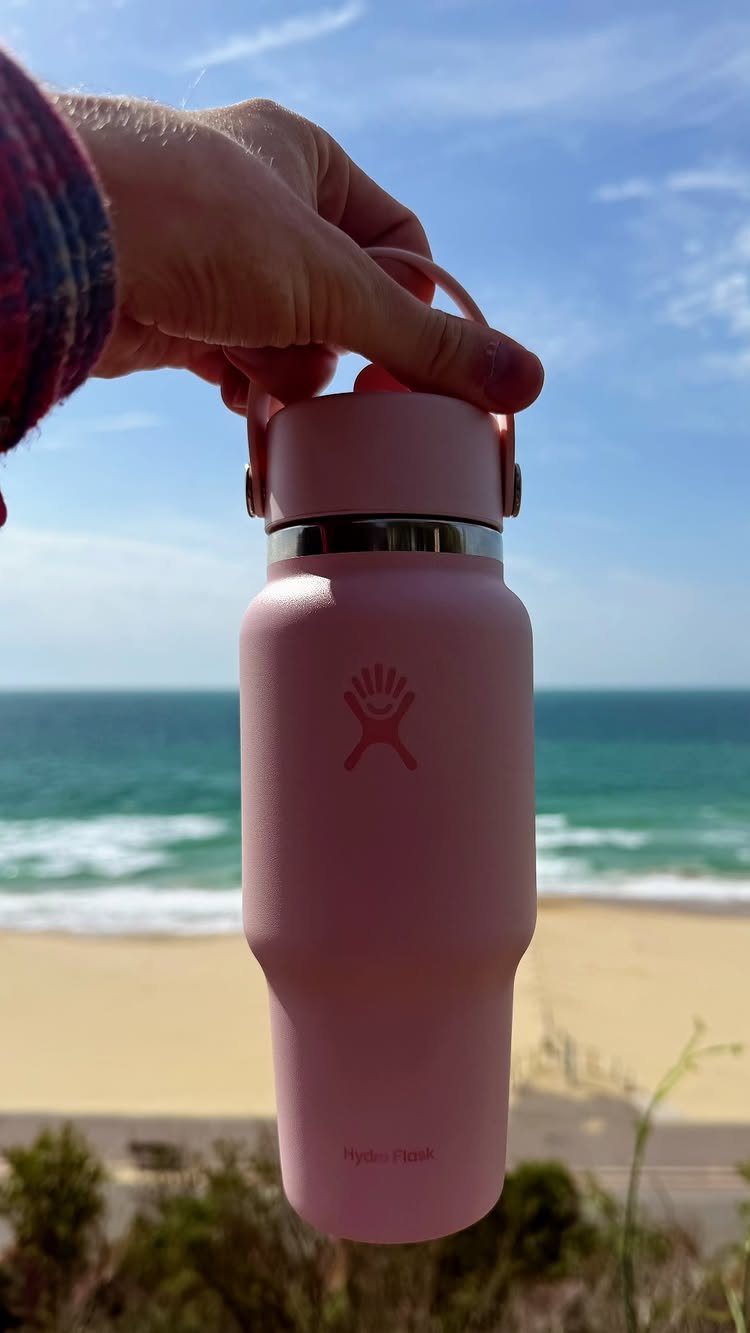
Fill it at your hotel or rental before heading out. That saves money on drinks, and a bottle that fits a bag’s side pocket stays out of your way.
Pick a color you can spot quickly on a crowded table.
3. Travel-sized Toiletries
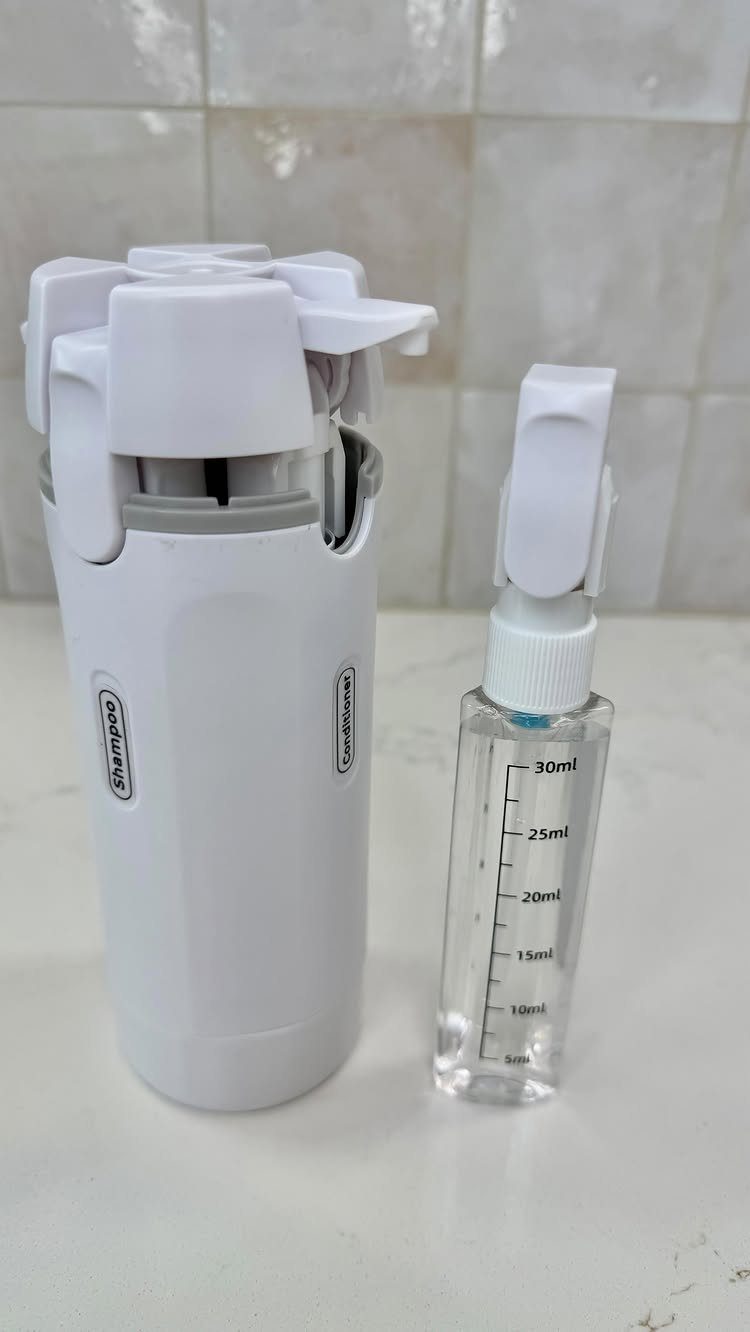
Small refillable bottles let you carry only what you will use, and a multi-chamber bottle holding shampoo and conditioner together saves a lot of room in a bag.
You can fill them to a measured amount, which makes it easy to match the length of your trip.
Check that the caps seal tightly before you leave. Leaks in a suitcase are an avoidable mess.
4. Camera Equipment
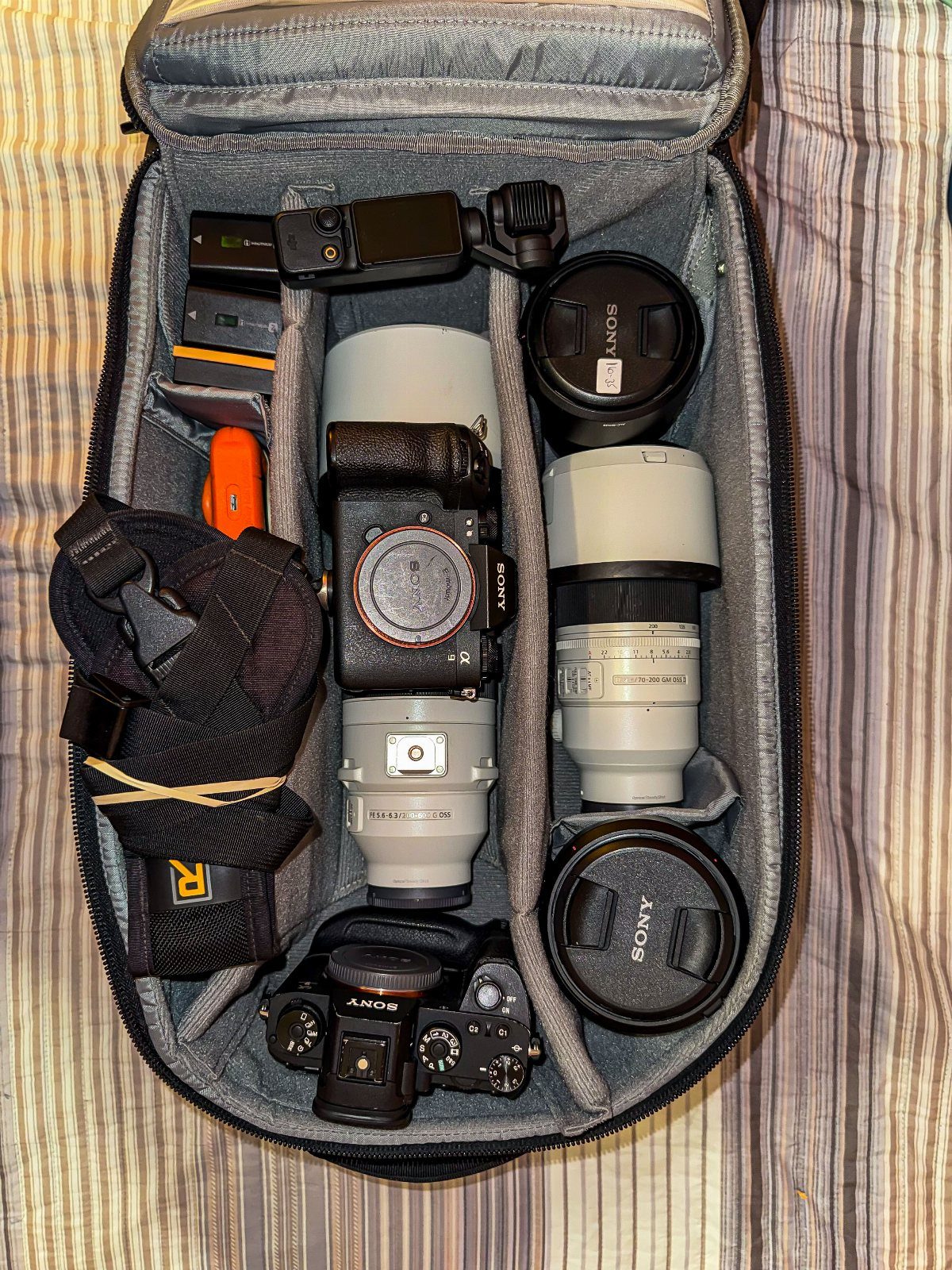
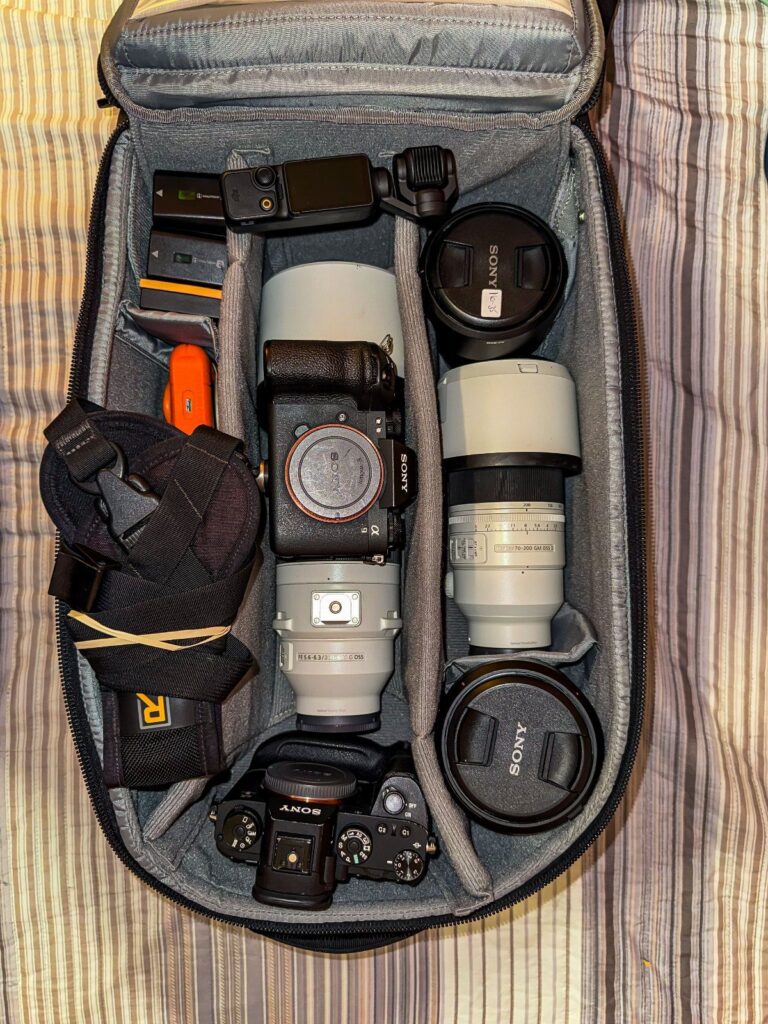
A padded bag with dividers keeps a Sony body, extra lenses, batteries and the strap in their own spots, so nothing knocks together on a train.
Weight is the limit here. Every lens adds up over a full day of walking, so I would bring the body plus one or two lenses you will really use, not the whole kit.
Charge batteries every night, and carry the spares in the bag.
5. Coin Purse
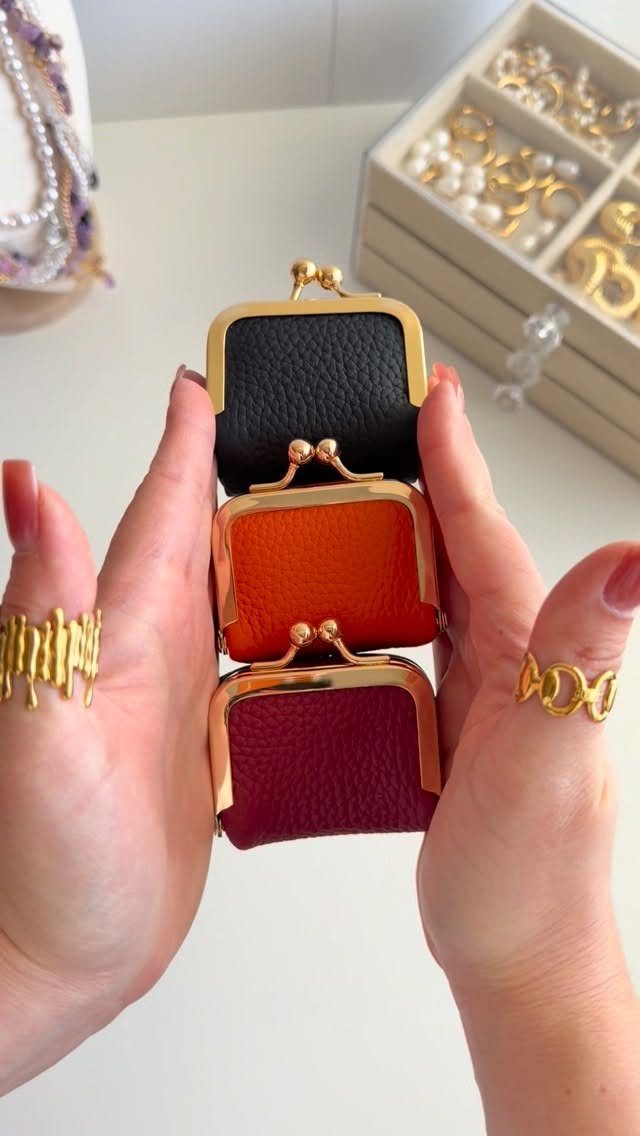
Japanese coins pile up fast, and a small leather kiss-lock purse keeps them out of your pockets and bag lining.
Black hides wear best, but orange or burgundy is easier to find at the bottom of a tote.
Pick one with a snap clasp that opens wide, so you can see your coins at a glance while standing at a counter or ticket machine.
Keep it in an easy-reach pocket.
6. Hand Sanitizer
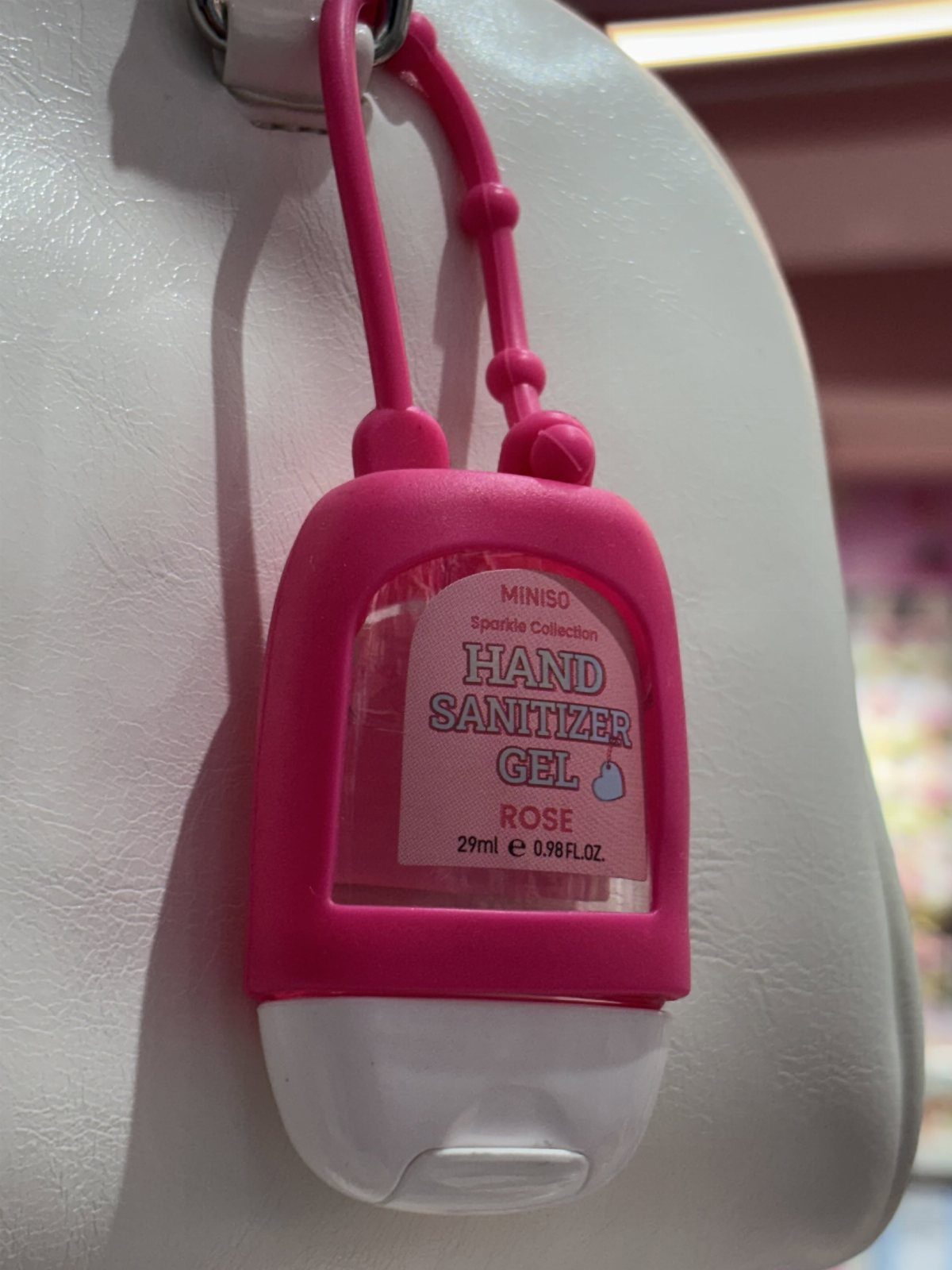
A mini sanitizer clipped to your bag strap stays within reach before snacks, after train handrails and on the way into a meal, and public restrooms in Japan often have no soap or towels.
Gel in a small bottle is easy to refill, and the clip means it never gets buried under other gear. I prefer a light scent over a strong one in a packed train car.
Top it off before each day out.
7. Compact Umbrella
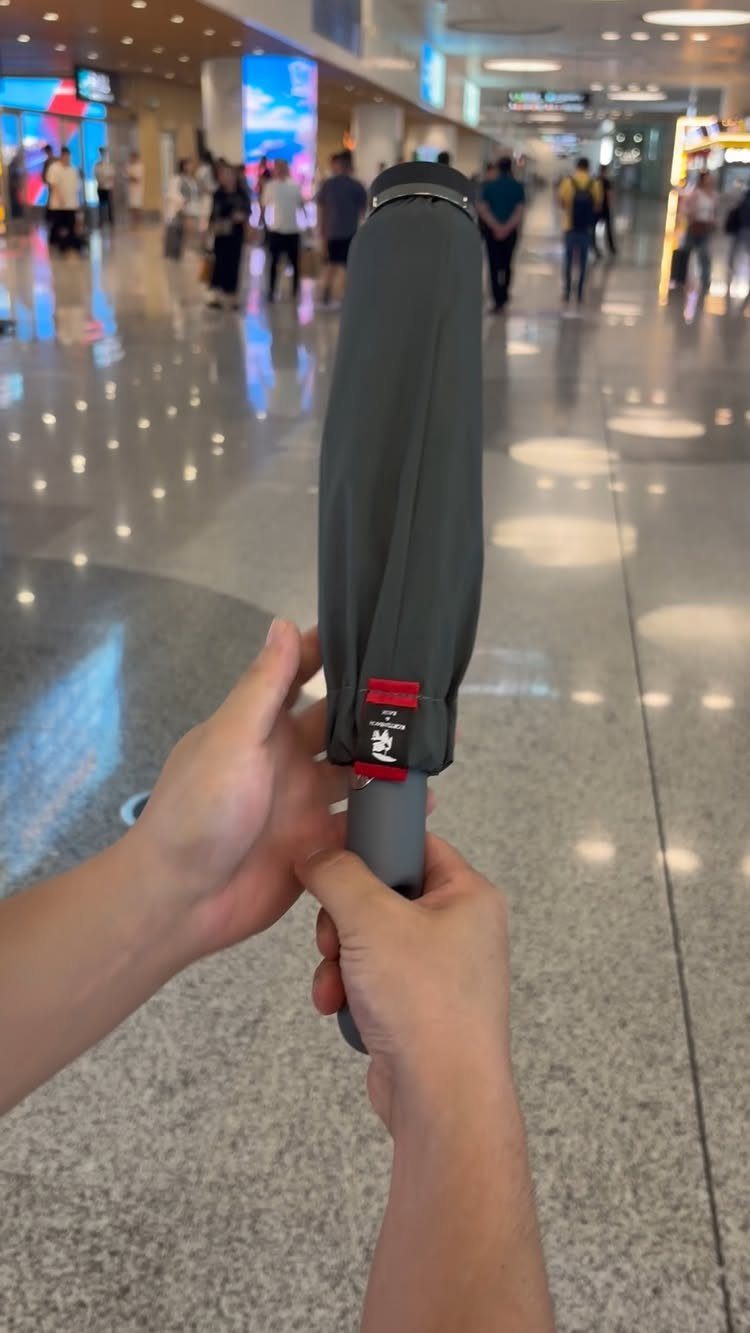
Japan’s rain can show up without much warning, so a closed compact umbrella that fits in a daypack earns its space.
A compact umbrella is worth packing because Japan’s rainy season and sudden showers are real, and a bright tag or strap helps you pick yours out of the crowded umbrella stands at shops and restaurants.
Keep it in an outer pocket, not buried at the bottom, so you can grab it before the first drops. Dry it before packing it away, since a damp umbrella can leave the rest of your bag wet.
8. Travel Document Organizer
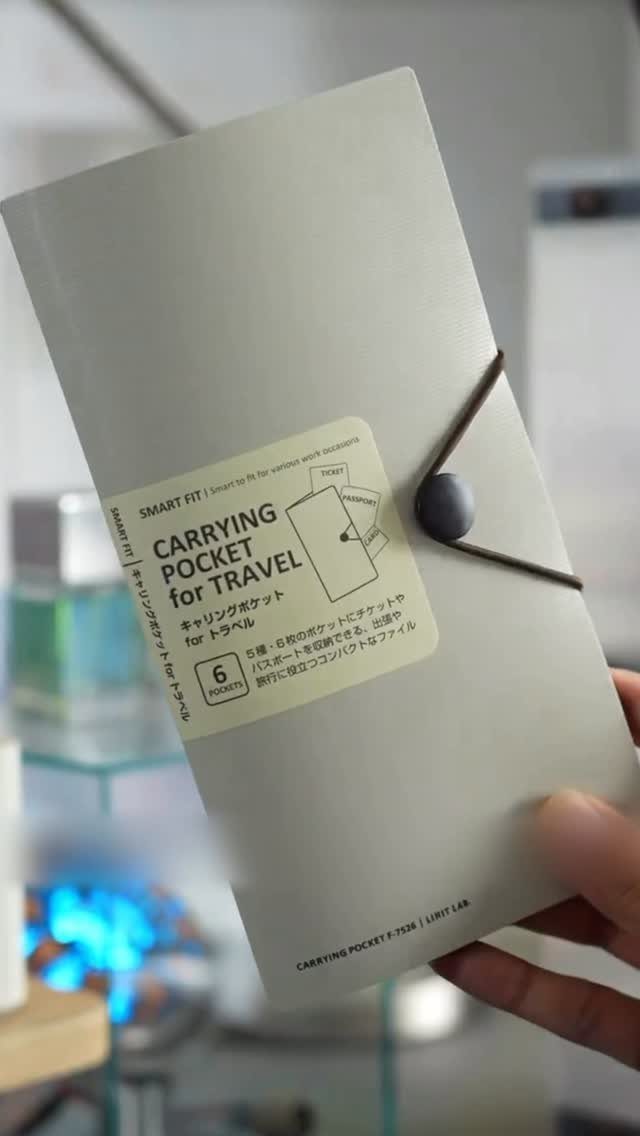
One grey folder holding your passport, tickets and printed bookings beats digging through three bags at a counter. The compact size of this one slides into a daypack without adding bulk.
I keep it in the same spot every day, so my hand goes straight to it. Before each transfer, check that nothing has slipped loose.
Pick a folder with a pocket for each type of paper, and keep the passport in its own slot.
9. Electronics and Cable Organizer
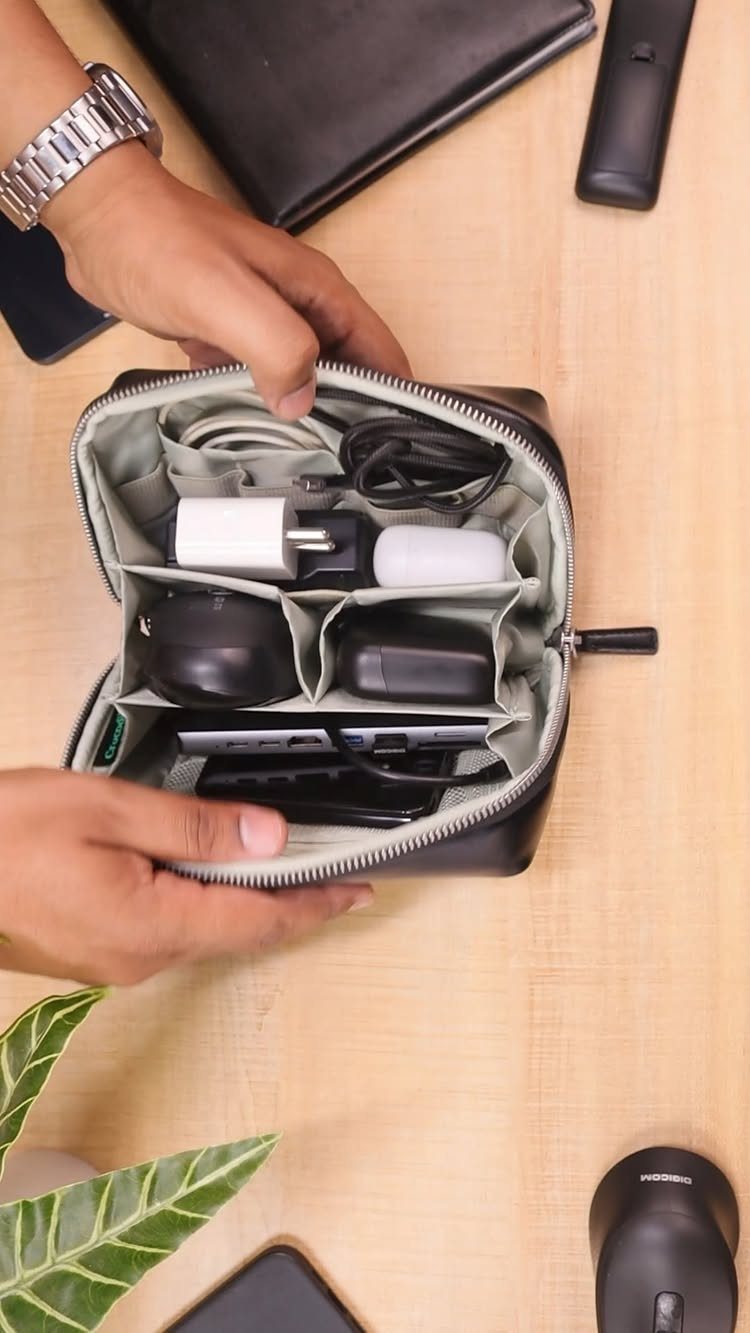
Loose cables tangle fast, and a zippered pouch keeps chargers, a power adapter and power banks in one place. Black hides desk and train grime well, which matters on a long trip.
Pack it by the same routine each night: charger back in, cable wrapped, zipper closed. That way nothing gets left in a hotel outlet.
Keep the pouch small enough to fit a daypack. Power banks add weight, so bring only what you will actually charge.
10. Shoe Packing Organizer
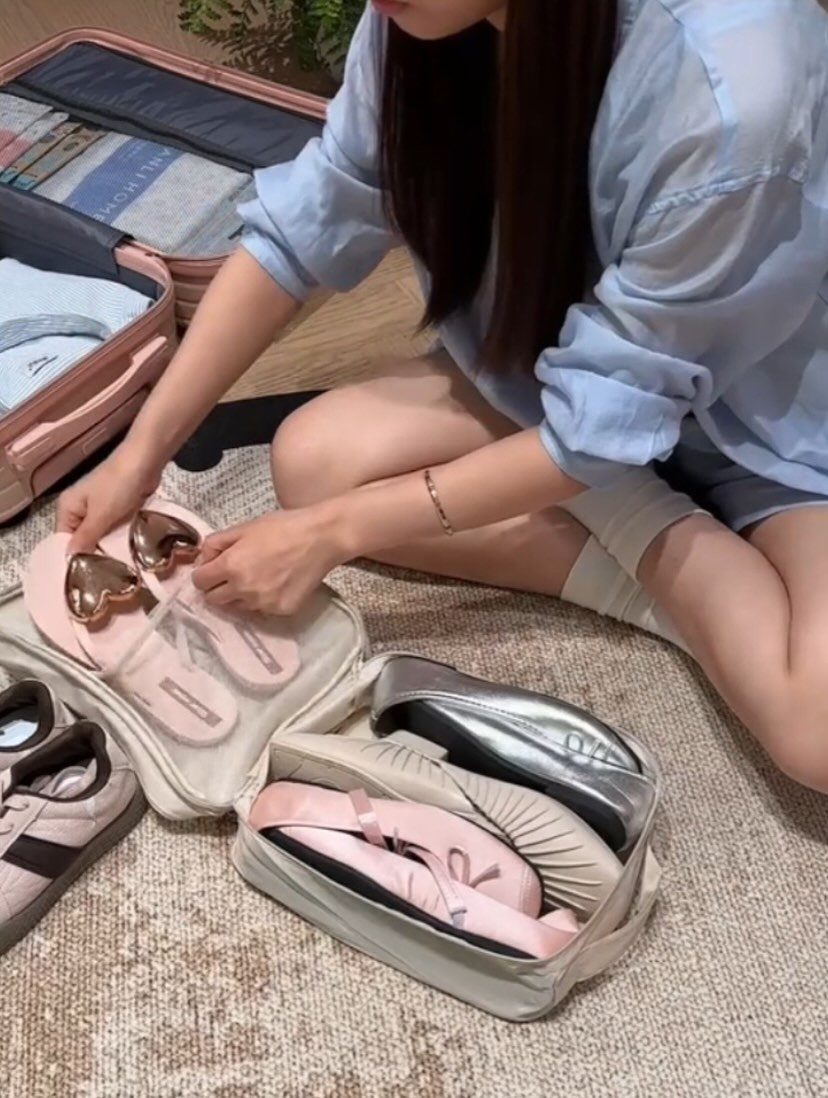
A fabric shoe bag keeps sole dirt away from your clothes, and it gives each pair a spot. Slippers and flats pack flat, so this suits a case with a few pairs better than a single pair.
Put the heaviest shoes at the bottom and the soft ones on top. Pick white or light fabric if you want to see at a glance which pairs are inside.
I would bring only the shoes you will wear. Extras take room you will want for souvenirs.
Cash Usage in Japan
Japan still runs on cash, and many small shops and restaurants will not take a credit card. Rural areas are where this bites hardest, so plan your withdrawals before you leave the cities.
Most convenience stores and vending machines take a tap-to-pay transit card, and a Suica works for both.
A Suica can live in Apple Wallet on your iPhone, or you can buy a physical card at a station once you land. That covers trains and small purchases without digging for coins.
Bring a debit card with no foreign ATM or transaction fees and use it to pull yen as you need it. Your driver’s license is useful as extra ID.
Keep around $300 per person in US cash as an emergency reserve to exchange. Yen cash from your bank before departure is optional, since an ATM after you arrive works too.
Cultural Etiquette Tips
Politeness counts for a lot in Japan, and a bit of awareness up front spares you some awkward moments. Most of it comes down to small, easy habits.
Expect to slip your shoes off at the entrance of many places, restaurants and temples included.
If you are unsure, look for tatami mats. If you see them, shoes generally come off.
That makes slip-on footwear worth wearing on days with several stops.
Pack a pair of thin socks in your day bag too, because bare feet inside a temple are not what you want, especially if you started the day in sandals.
Bowing is the standard greeting. A small, polite nod back is an easy way to return one.
Weather Considerations
Japan runs on four clear seasons, but the weather can still shift within one of them, and spring is the worst for it. Layers beat any single heavy item, because you can add or remove them as the day changes.
Expect occasional rain.
Summer (June to August): choose lightweight, breathable fabrics, plus a hat and sunglasses. Add a swimsuit if a beach or a resort pool is on your route; traditional onsen require bathing without one.
Autumn (September to November): a light long-sleeved base layer with a sweater or light jacket on top.
Winter (December–February) calls for a heavy coat over thermal layers. Boots that are waterproof and insulated serve you well in that cold.
If you travel in the rainy season, a rain cover for your backpack is cheap and worth the space.
Frequently Asked Questions
What should I pack for Japan?
For a packing core, I’d pick shoes you’ve already broken in over several miles, a compact umbrella, a coin purse, a folder that holds your passport in its own slot, and clothes you can layer for the season.
Days there are spent on your feet and Japan still leans on cash, so shoes and money come first.
Is it okay to wear shorts in Japan?
Yes, in summer, but dress more modestly at temples and shrines. Cover your shoulders and midriff with a top that has sleeves, since it shows respect even though it is not a strict rule.
In June through August, thin breathable fabrics work best; I’d add thin socks, since many temples ask you to remove your shoes and bare feet on old wooden floors are no fun.
Is travel insurance necessary for Japan?
It is not required, but it is strongly recommended.
Flights and lodging in Japan run on the expensive side, so a policy protects you if an emergency cuts the trip short. Buy it when you book your flights and accommodations, so coverage starts early.
What is the best way to get Japanese yen?
The simplest route is an ATM at the airport or a 7-Eleven once you land, and a card that waives foreign ATM and transaction fees keeps each withdrawal from costing extra.
Exchanging cash at home usually means a worse rate, and the 7-Eleven ATMs are open 24 hours.
Pull cash before you leave the cities, because rural areas rely on it most, and keep about $300 per person in US cash as a backup.





