The ideas here run from the Mossel Bay zipline in South Africa to a full Appalachian Trail hike, and the one that fits you depends on how much time you can actually spare.
A week or less points to a single section of a long trail, a balloon flight, or a guided dive.
Longer stretches open up a Botswana safari, a Mongolia bikepacking route, or a Yosemite camping trip with a tent on your back.
Since most trips get planned inside a few months, reserve whatever sells out first, whether permits, camps or boats, and build flights around it.
1. Canyoneering in Utah
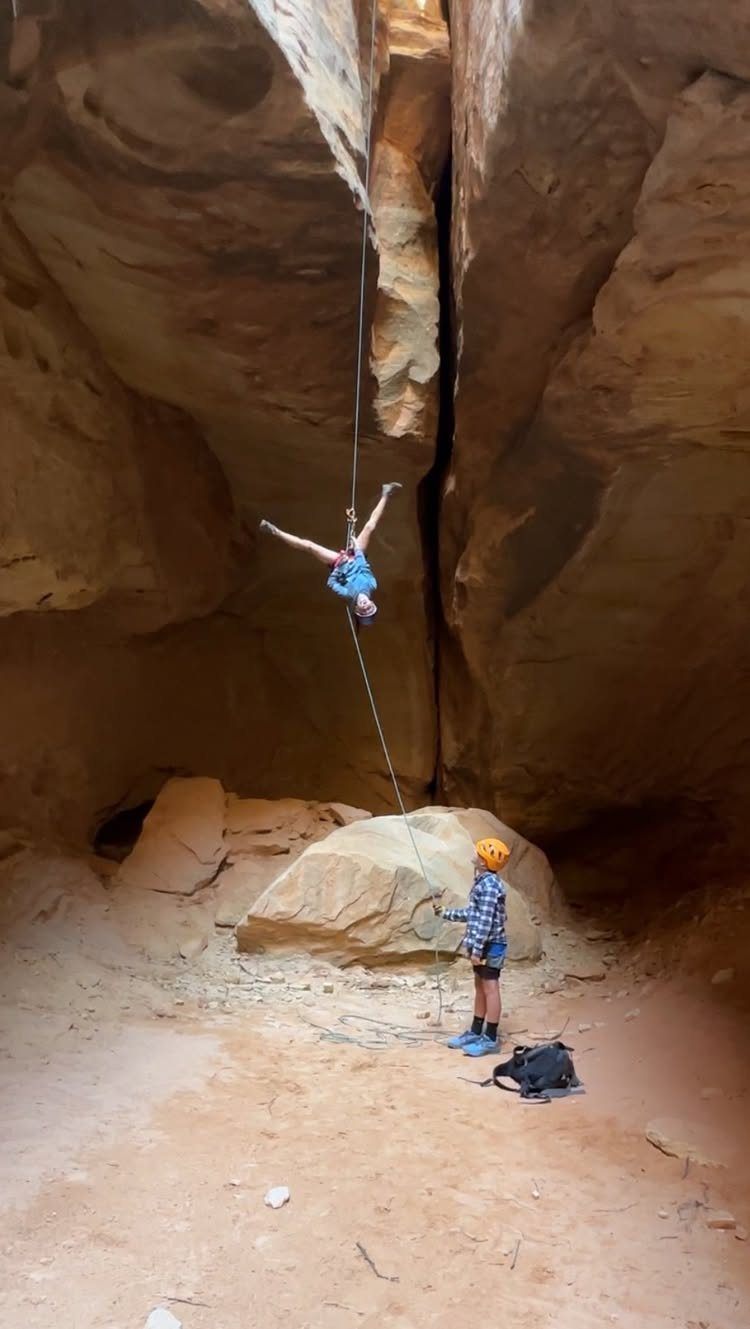
Slot canyons turn a hike into a vertical problem.
For a first descent, I would book a guided trip. Rope work, anchors and flash flood judgment are skills you learn from someone who has done them, and a slot is a bad place to learn by trial and error.
Costs vary by outfitter and canyon, so compare what the fee includes: helmet, harness and rappel device.
2. Hiking and Camping in Yosemite
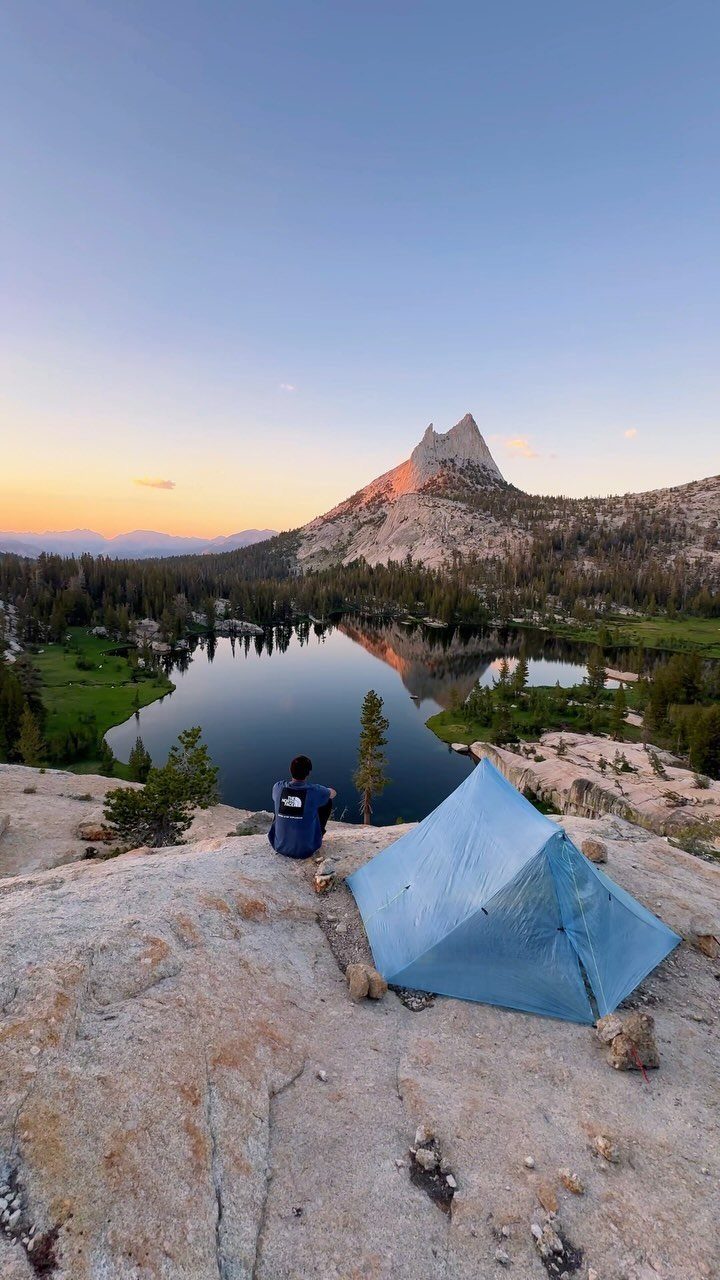
The lake hike is 9.5 miles round trip with 1,700 feet of elevation gain, and that number should shape your plan. It is a long day, but it is doable with an early start.
Camping near the water, with a tent pitched on rock above the shoreline, pays off at sunset, when the jagged peak catches the last light.
If you want the view without the overnight, the day hike works. If you want the sunset, carry the tent up and accept the heavier pack.
Yosemite campsites and permits often go fast, so book as early as the rules allow.
3. Wildlife Safari in the Serengeti
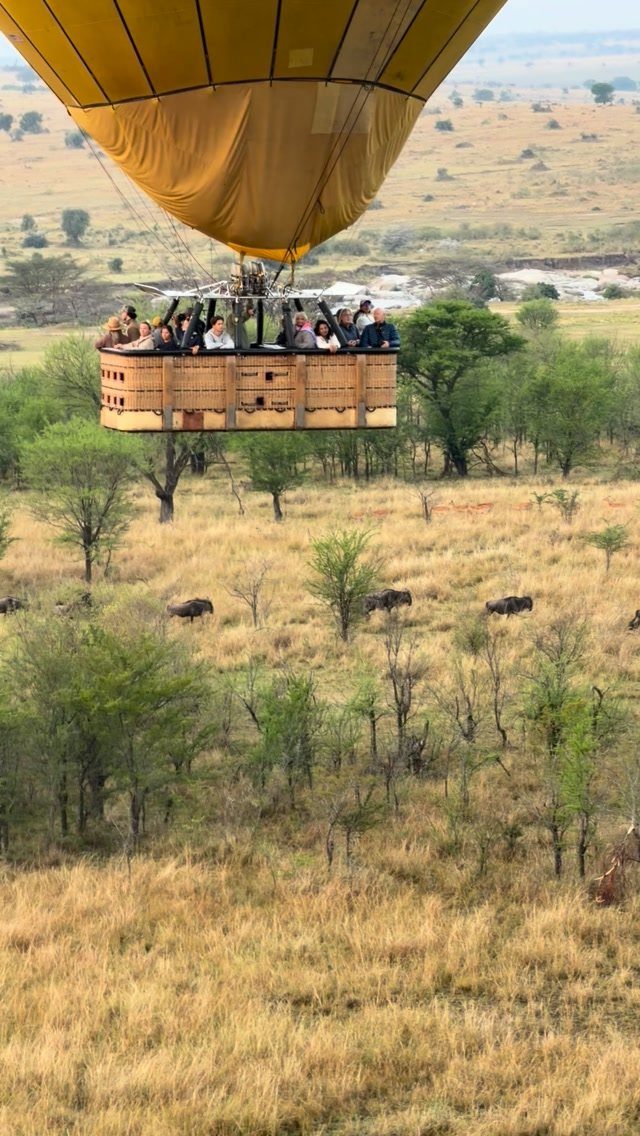
A safari here can start in the air. A balloon ride drifts over open grassland while wildebeest graze below, and the quiet is the draw.
I would put the balloon ride on the first morning, so you see the layout of the plains before you spend days on the ground in a vehicle.
Expect it to cost more than a standard game drive, so decide whether the aerial view is worth the splurge for you. For many travelers, one balloon flight plus several ordinary drives is the best split.
4. Hiking the Appalachian Trail, USA
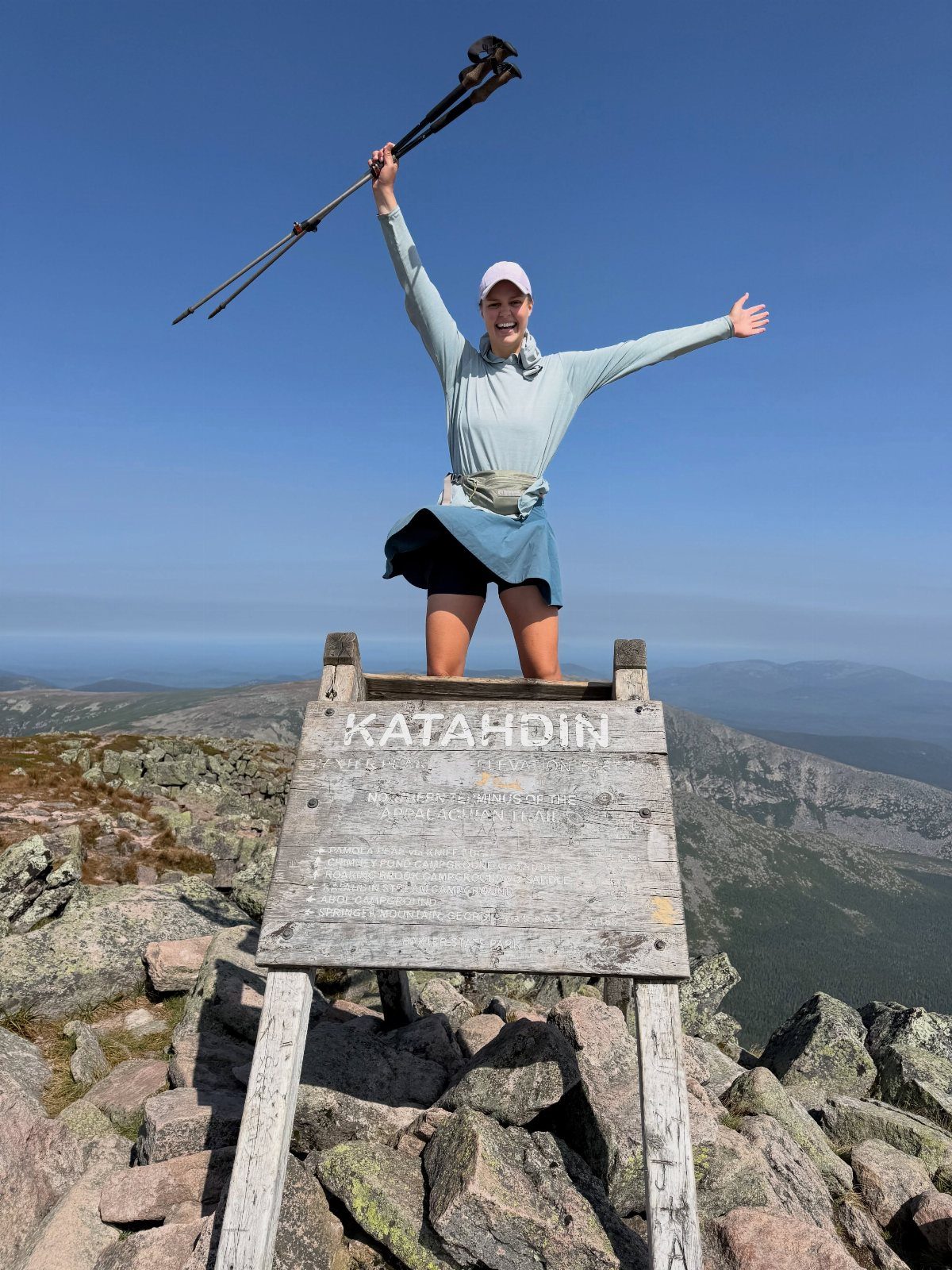
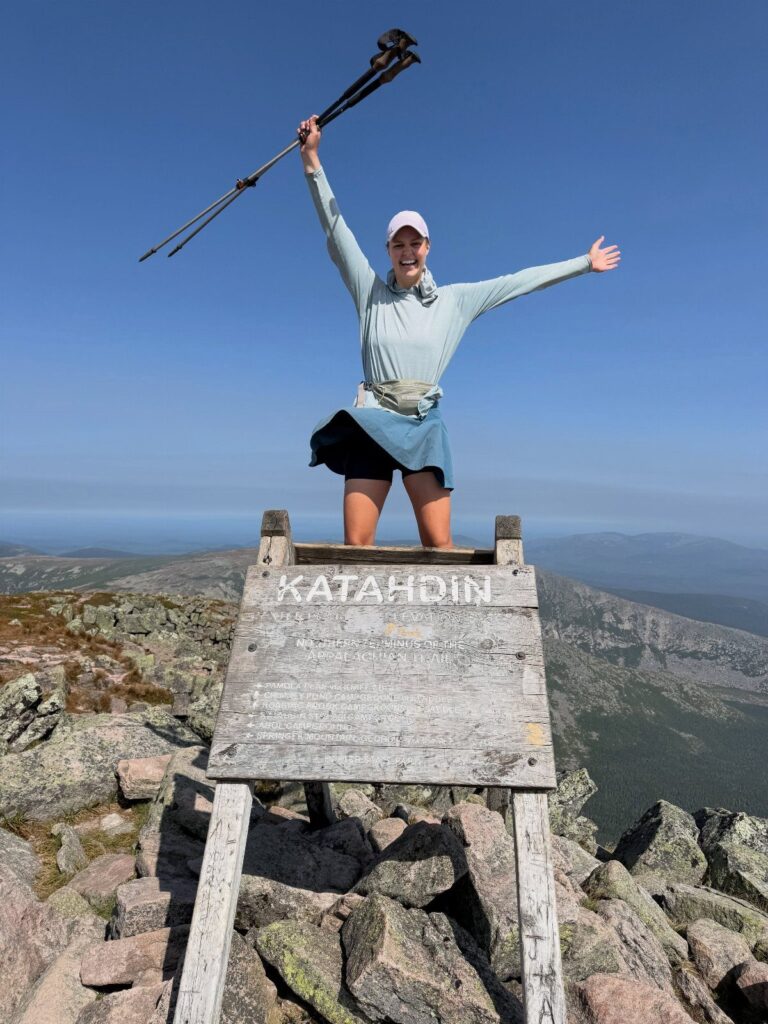
Katahdin, in Maine, is where the Appalachian Trail ends for northbound hikers, and the wooden summit sign is the photo everyone wants.
A full end-to-end hike takes months, so it suits people with flexible work and a real savings cushion. Planning on a short timeline is tight for that.
If time is short, I would hike a single section instead. You still get the trail’s variety, and you can plan it like any other trip.
5. Rock Climbing in the Costa Blanca
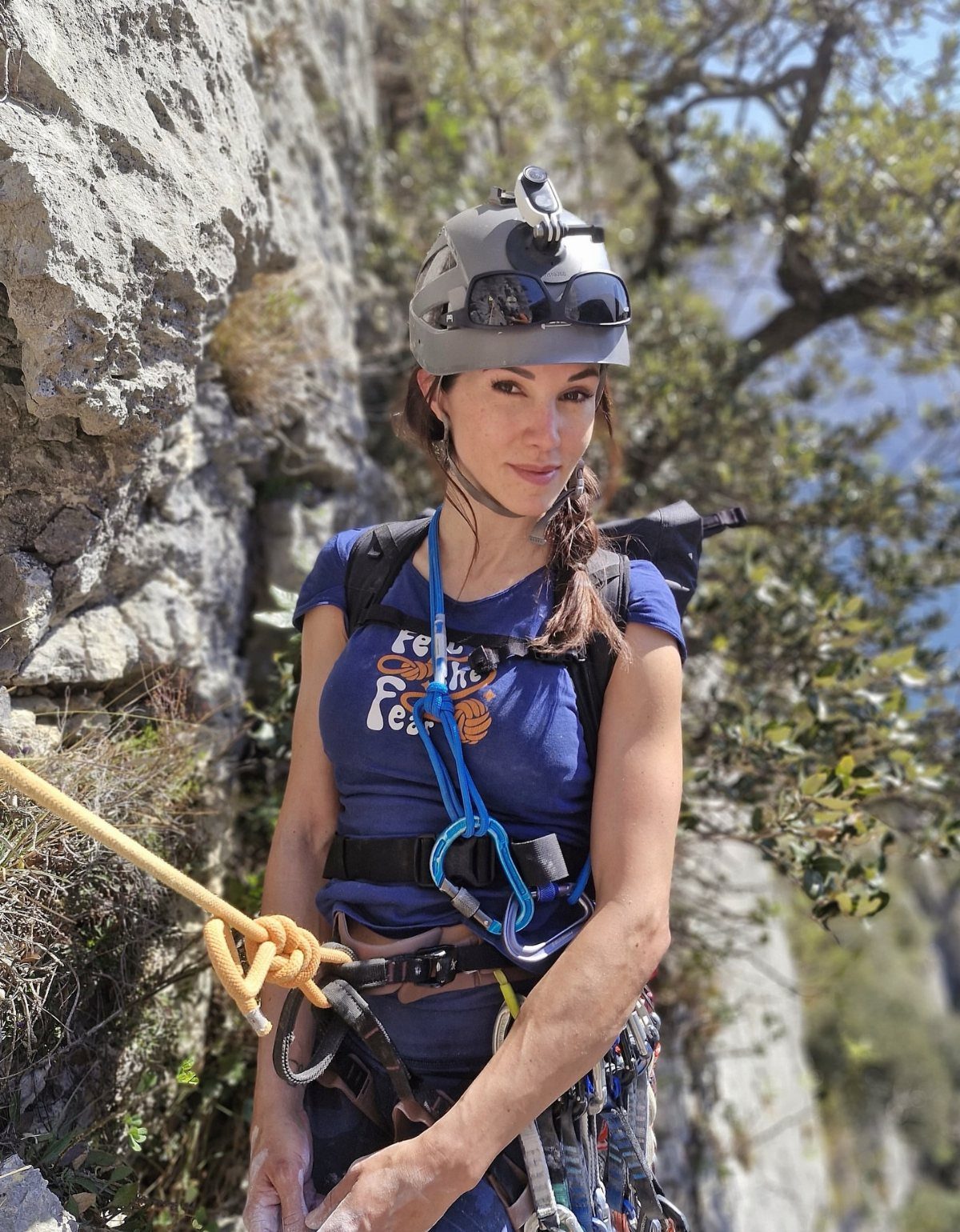
Grey limestone walls, trees at the base and a helmet on every head: Costa Blanca climbing is about steady, sunny rock in southern Europe, and it ranks among the continent’s top destinations.
Pack your harness and helmet, and rent or bring a rope based on your plan. A guide is worth the cost on the first day if you are new to outdoor rock, since it differs a lot from a gym.
Pick routes at a grade below your gym level. Outdoor climbs feel harder than their numbers suggest.
Around the Calpe area alone, there are over 400 climbing routes to choose from across eight different limestone crags, from the sea cliffs of Mascarat to the thousand-foot former volcano rising from the sea.
— Advnture
6. Northern Lights in Sweden
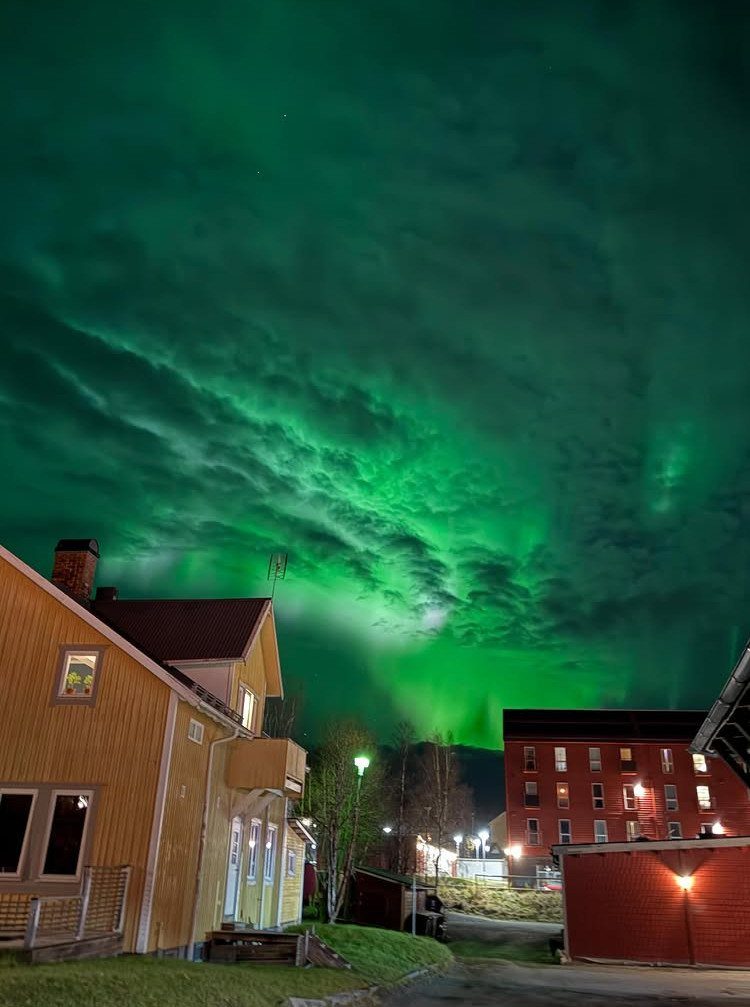
Green aurora above a village of colorful wooden houses, with a dark mountain behind, is the version I would plan around: a small settlement away from city light.
Darkness matters more than anything else. Choose a remote base, check the aurora forecast daily, and keep your schedule loose so you can go out on clear nights.
Plan several nights, not one, because a cloudy night ruins a short stay. Bring warm layers and a tripod if you want photos.
7. Bikepack Through Mongolia
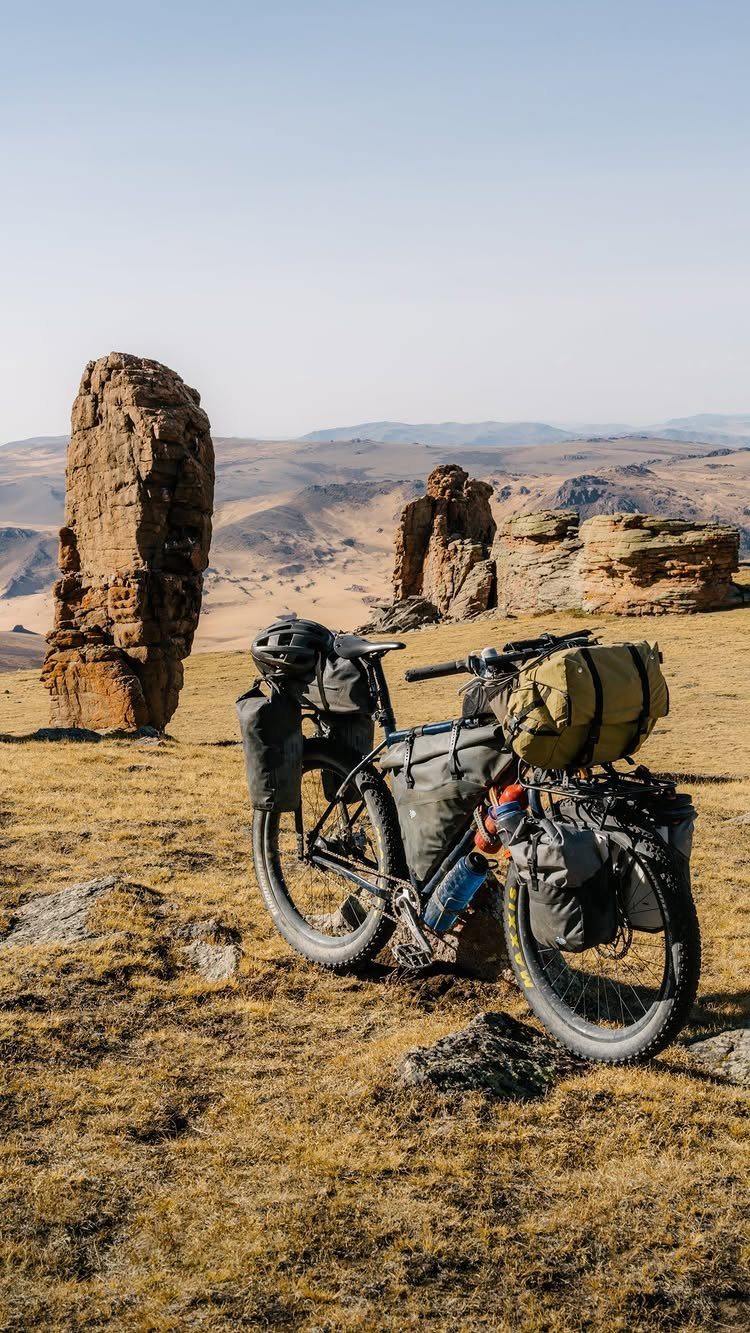
Mongolian bikepacking means self-reliance across wide, empty country: carry your own water, spare parts and several days of food, because towns can be a long way apart.
Pack for distance between resupplies. Bags should hold your tent, food and spare parts, and I would carry more repair gear than feels reasonable, because a bike shop will not be nearby.
Costs vary with your route and how you get to the start, so price flights and gear first. Give the trip more days than the map suggests, since unpaved ground slows everything.
8. The Mossel Bay Zipline, South Africa
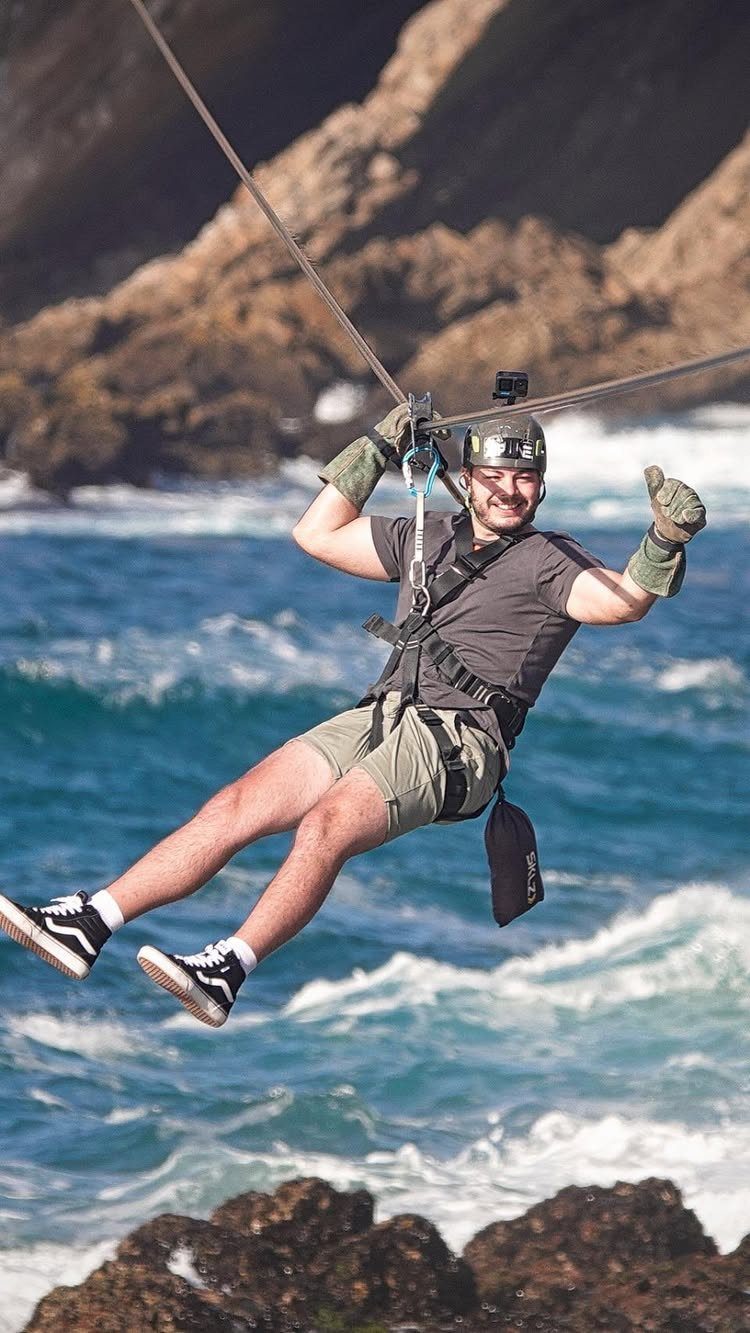
Ziplining over open ocean toward rocky cliffs is a short ride with a long view, and the Mossel Bay line is billed as the world’s longest.
This one suits travelers who want a big thrill without a big time commitment. You clip in, go, and you are done in a fraction of a day, so it pairs well with a bigger South Africa trip.
Check what the ticket includes before you pay.
9. Diving in the Great Barrier Reef, Australia
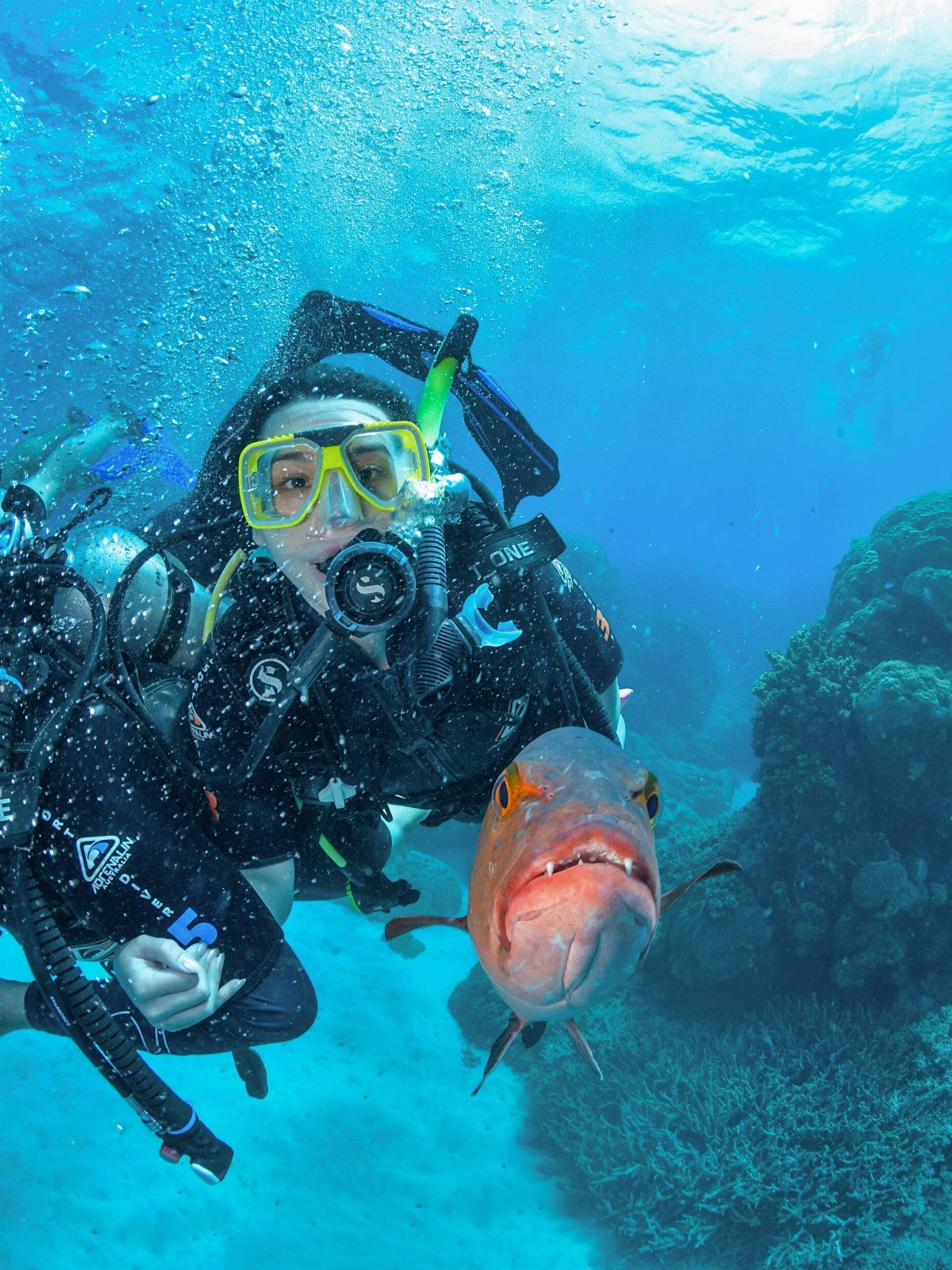
Reef diving makes for a different kind of travel day: you spend it underwater, swimming past fish that can be as big as you are.
If you are new, I would take a certified course or a guided intro dive rather than go alone. Reef conditions and gear checks are things an instructor handles well.
Prices vary by operator, so check what each trip includes before comparing: tanks, weights and gear rental can all be add-ons. Book early online, since dive boats fill up.
10. Hiking the Torres Del Paine, Chile
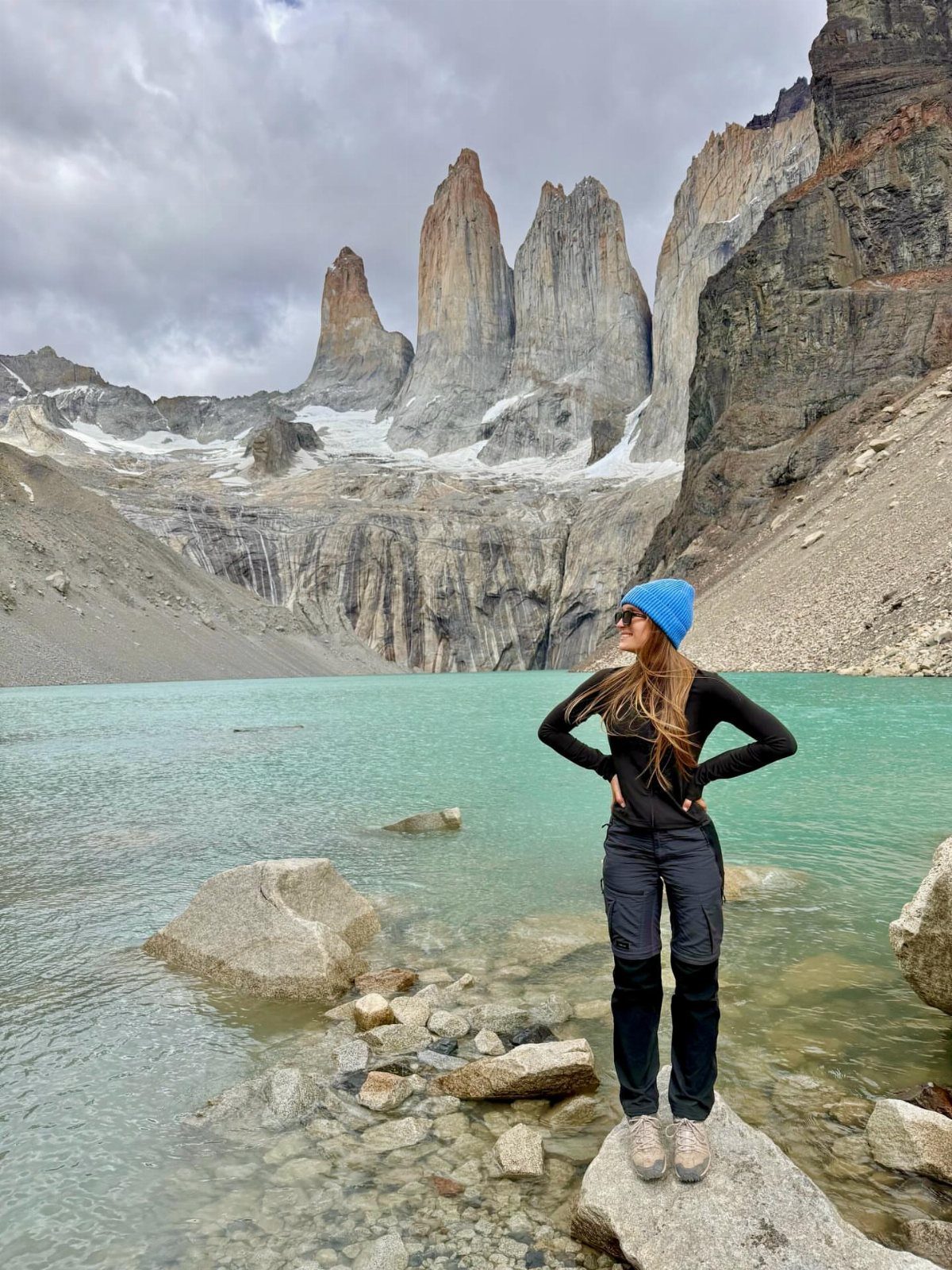
Granite towers rising behind a turquoise lake make Torres del Paine one of the most recognizable hikes anywhere, and it rewards people who plan their own route.
Bring a warm hat like the beanie here, plus layers and waterproofs, because mountain weather shifts fast. Break in your boots before you leave.
Campsites and refuges can sell out, so reserve as soon as the park’s booking window opens. Since you are likely planning inside a few months, lock in lodging before flights.
11. Tian Shan Range
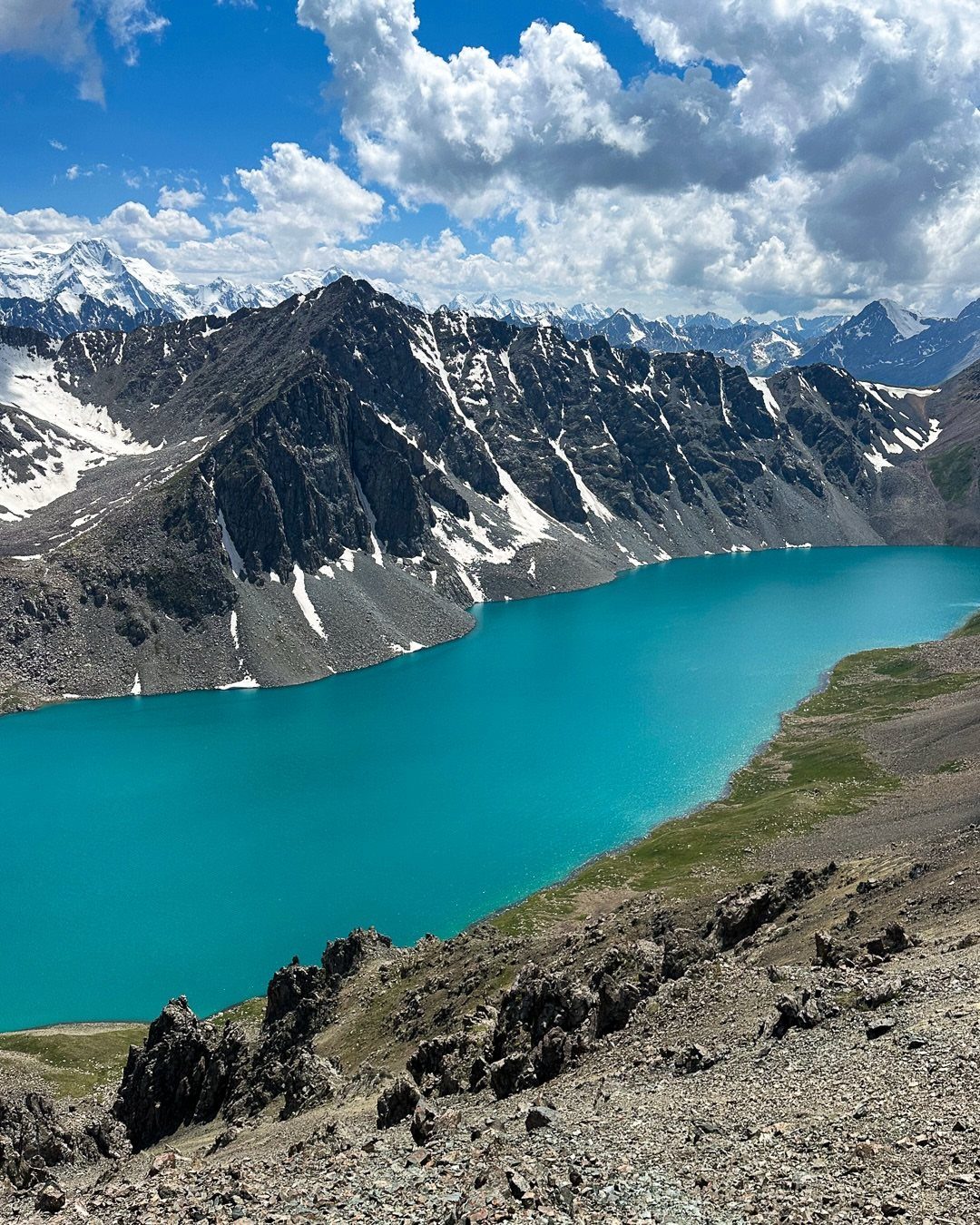
Kyrgyzstan’s Tian Shan is the pick for hikers who want turquoise lakes and snow patches without the crowds of better-known ranges.
The terrain is rugged, with river-cut gorges, flower-strewn meadows and glaciers, so I would plan for rough trails and changing weather. Pack layers and sturdy boots.
Costs and logistics vary by route, so price transport to the trailhead early. A local guide is worth considering if you are new to remote mountains, since signage can be thin.
12. Snorkeling in Thailand
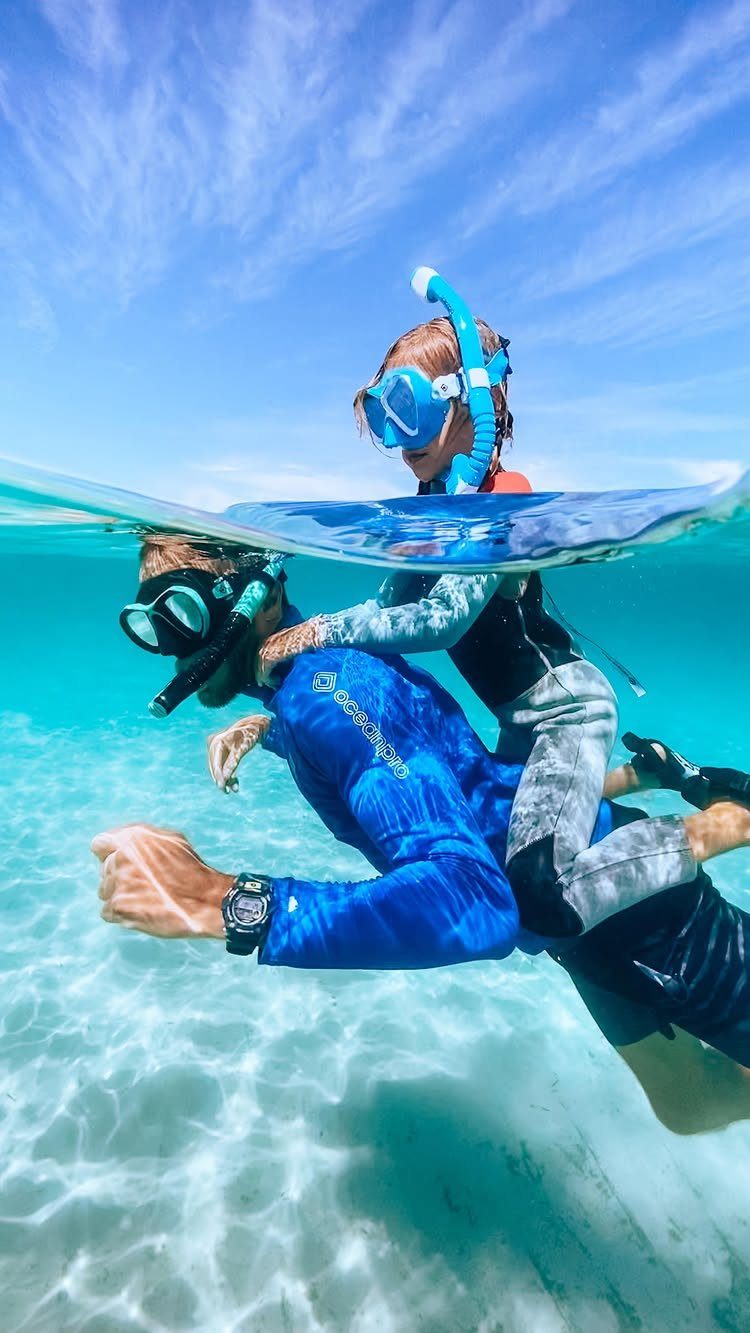
Snorkeling needs little more than a mask, a snorkel and calm, clear water, which is why the Thai version works for a parent and child together.
I would choose a guided boat trip for beginners, since an operator can pick sheltered spots and supply fins and flotation. Kids float better with a vest.
Costs are low compared with diving, because there are no tanks or certification. Wear reef-safe sunscreen or a rash guard, and keep your hands off the coral.
13. Thru-hiking in Scotland
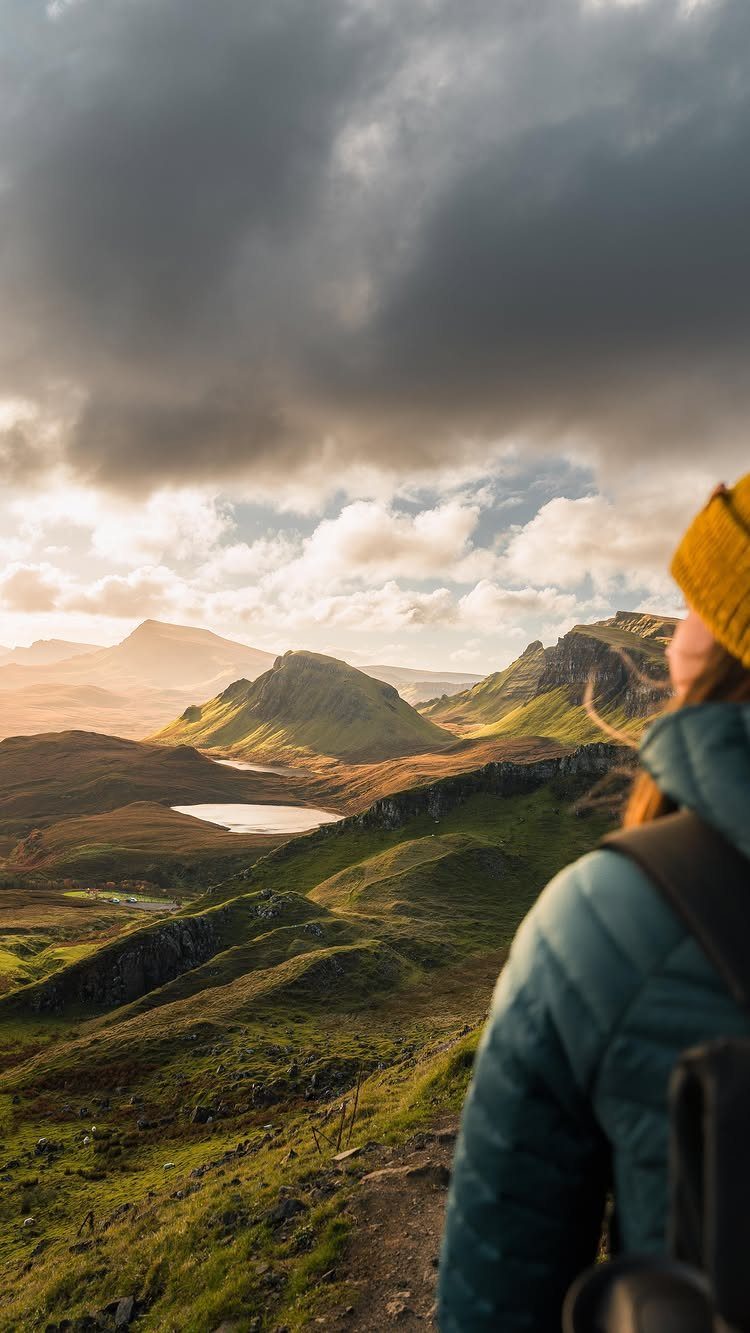
Scottish thru-hikes mean long days over green hills and lakes, and the weather is part of the deal, so pack for rain, wind and a sudden chill even in summer.
Low cloud is normal on Scottish trails, so I plan for it with a map, a compass or offline GPS, and extra time for slow stretches instead of hoping for clear views.
A thru-hike is many days of walking, so price out food resupply and lodging before you book flights.
If you can only spare a week, walk one section. You still get the lakes and open hills.
14. Hot Air Balloon Flight Over Teotihuacán, Mexico
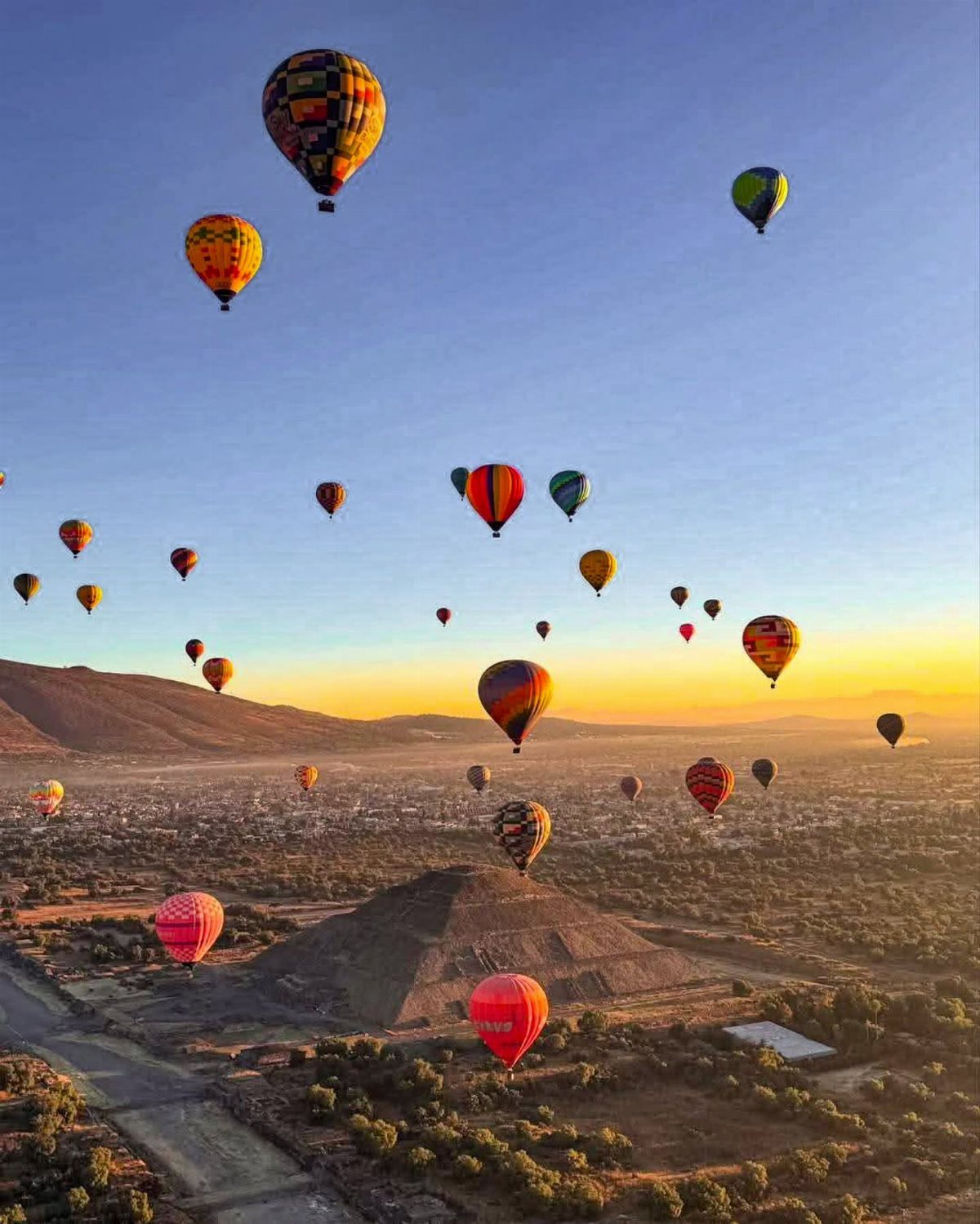
Balloons over Teotihuacán fly at sunrise, and the pyramid below is the reason to go up rather than walk the site from the ground.
Book online early, since flights run in the morning and dates fill. Compare what each operator includes before you pay, because add-ons can change the price.
I would pair the flight with a ground visit to the ruins the same day.
From the air you see the layout, and on foot you see the stonework. Dress in layers, since early mornings are cool.
15. Salt Flat in Salar De Uyuni
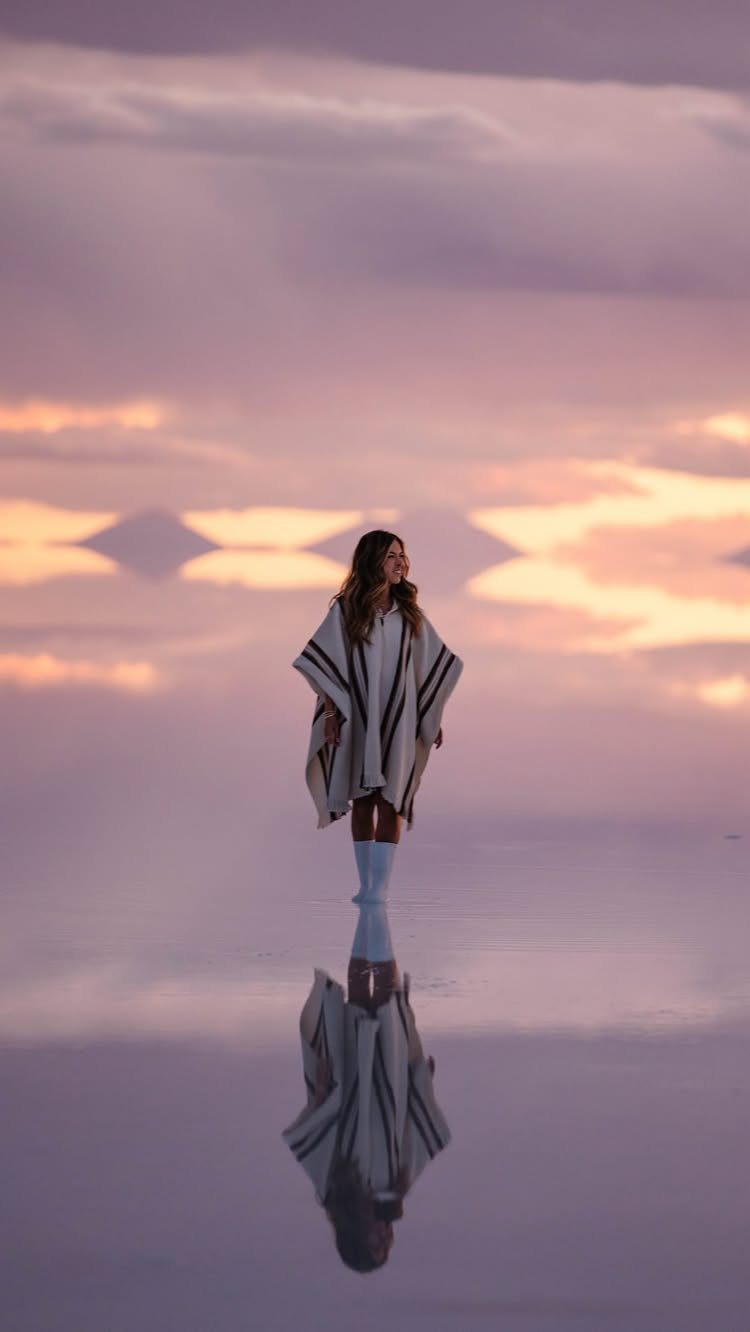
At roughly 4,000 square miles, Salar de Uyuni is the largest salt flat on Earth, and what you see depends heavily on the time of year you visit.
When a thin film of water covers it, the surface turns into a mirror and the sky doubles; when it is dry, the ground is white and cracked.
I would choose the rainy season if the reflection photo is your goal. Choose the dry season if you want fewer surprises with access and a longer reach across the flat.
Wear sunglasses, because the glare is hard on the eyes. A poncho or windproof layer helps at sunset, when it cools fast.
16. Wildlife Safari in Botswana
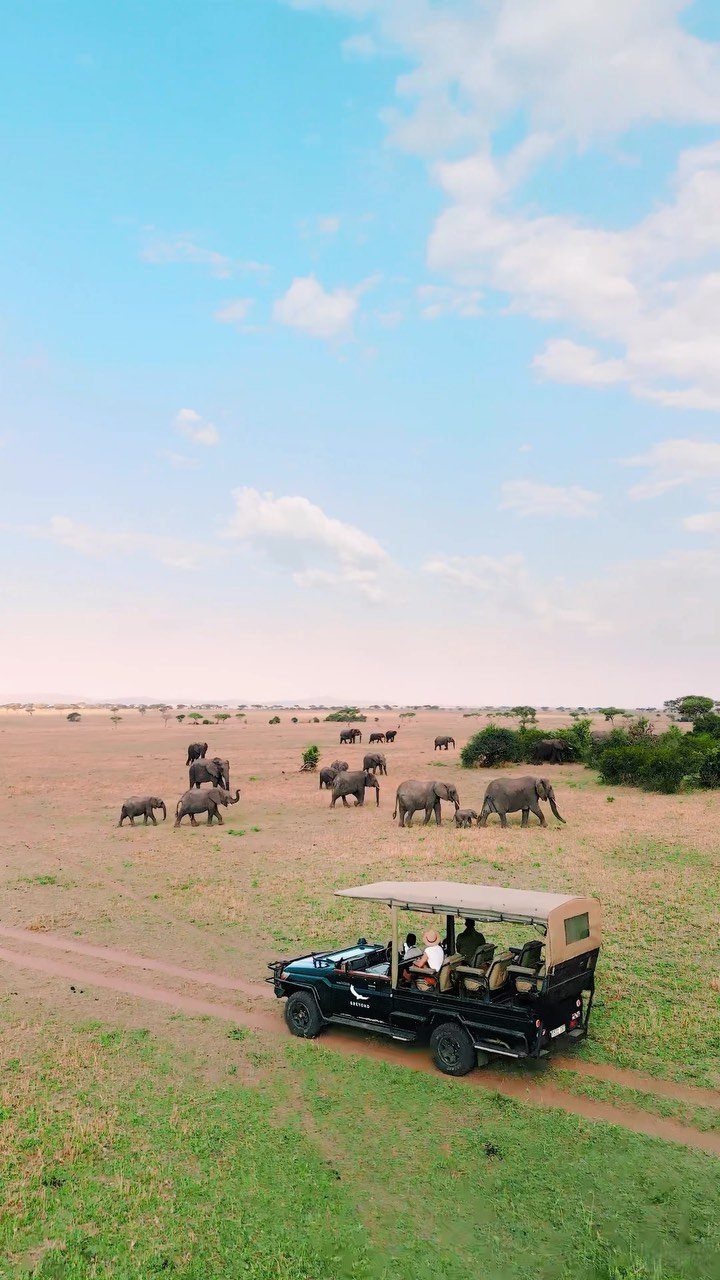
Botswana safaris put you in an open-top vehicle in grassland, close enough to watch a herd of elephants move past at an easy pace.
Diverse ecosystems mean the experience changes with where you stay, so pick your camp by the habitat you want to see. Costs run high for safaris, and I would price lodging, transfers and park fees together before booking.
Bring neutral clothing, a hat and sunscreen.
Book early online, since small camps have few beds. Keep your schedule open for long game drives.
Benefits of Adventure Travel
Time outdoors does a lot of the work before the adrenaline even starts. Fresh air, sunlight and movement lower stress, blood pressure and heart rate, and they tend to leave you more focused and clear-headed.
Time outdoors in the sun lets your skin make vitamin D, and that helps keep bones strong and the immune system working well.
It also helps sleep and lifts serotonin, so a trip built around long days outside pays you back on the nights too.
Adrenaline in small doses releases dopamine, the chemical behind that happy, fulfilled feeling afterward.
Many people find it easy to chase, so pick one or two big thrills per trip and let the walking, paddling or riding days carry the rest.
Safety Tips for Adventure Activities
For any high-risk activity, hire a professional guide. Check that the outfitter is licensed and ask how many people each guide leads; smaller groups mean more attention on you.
Confirm the safety gear before you pay, and look at it when you arrive.
A helmet should fit snugly, harnesses and straps should show no fraying, and you should be shown how everything works. If the operator brushes off your questions, book someone else.
Tell a person at home your route and expected return time. Carry a first aid kit, and check that your travel insurance covers the specific activity, since many policies exclude adventure sports unless you add coverage.
Best Times to Visit Adventure Destinations
Season decides more than any other variable: weather, trail access, daylight hours and water conditions all change with it.
Look up the typical conditions for your exact dates before you book anything, and have a backup plan for the days that go wrong.
In many places peak season has the best weather, and it also has the highest prices, the fullest lodging and the most crowded popular routes.
Shoulder seasons, the weeks just before or after the peak, often give you most of the good conditions with more space and lower rates.
Before you commit to dates, check which ones are already sold out, since lodging and tours on popular routes fill first. Popular permits, camps and tours go first, so reserve those, then build flights around them.
Frequently Asked Questions
What’s a beautiful place to travel to?
Torres del Paine in Chile wins on scenery alone, with granite spires standing over a turquoise lake and enough trail options that a self-planned route pays off.
Salar de Uyuni in Bolivia is the other standout. Rain leaves a thin sheet of water across the 4,000-square-mile salt flat, and it turns into a mirror that doubles the sky.
What are some good adventure holidays for older people?
Adventure travel can be scaled to age and fitness, so pick the version with less strain. A balloon flight over Teotihuacán or a Botswana safari from an open-top vehicle asks for little exertion.
Guided snorkeling trips are also gentle, since the operator picks sheltered spots and supplies fins and flotation. For hiking, walk one section of a long trail instead of the whole thing.
How to have fun traveling?
Pick one or two big thrills per trip and let easier days of walking, paddling or riding fill the rest. Time outdoors lowers stress and helps sleep, and a small adrenaline dose gives you that happy, fulfilled feeling afterward.
Leave some slack in the schedule too, since weather can wipe out a plan, as with cloudy nights for the northern lights.
What are some once-in-a-lifetime experiences around the world?
Strong candidates are a Serengeti balloon ride over open grassland with wildebeest below, the Northern Lights over a small Swedish village, and the Salar de Uyuni mirror effect in the rainy season.
Reef diving on Australia’s Great Barrier Reef also stands out, since you swim past fish as big as you are.





