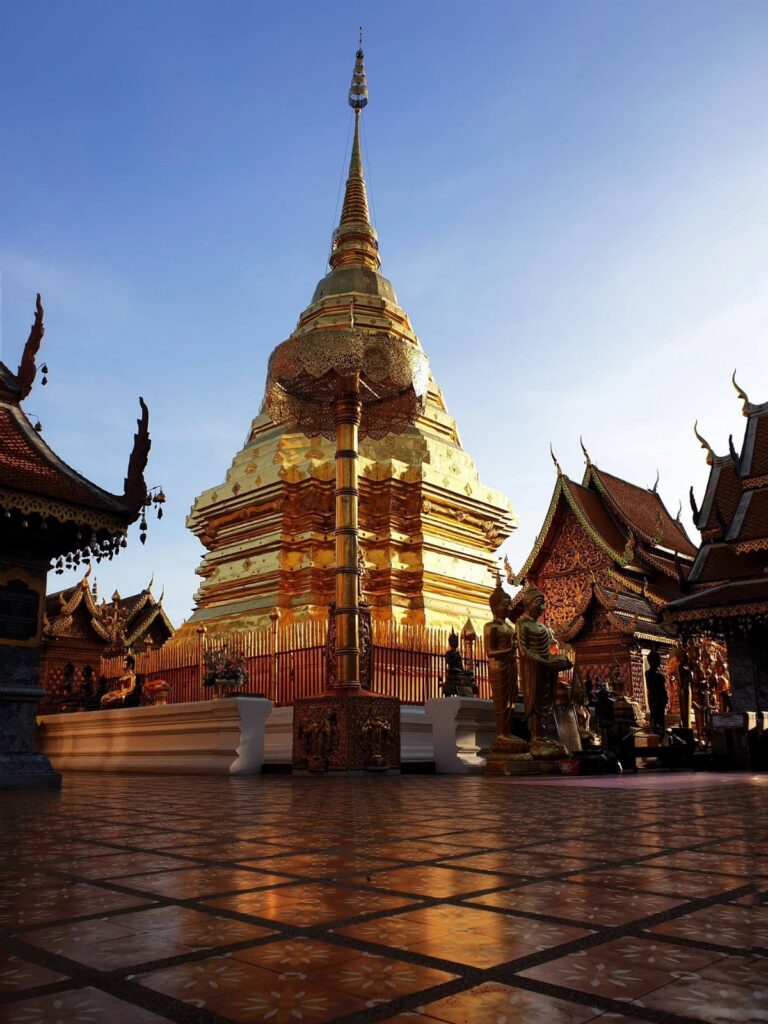
Thailand’s top spots split along one line: what you want to look at.
Limestone cliffs and turquoise water pull you south to Krabi, Railay Beach and Phang Nga Bay, while golden stupas, ruins and night markets point north to Chiang Mai, Ayutthaya and Sukhothai.
The range runs from the all-white Wat Rong Khun in Chiang Rai to a passenger train rolling through the Maeklong Railway Market.
Pick your region by scenery first, because the cool, dry window from late November through February suits nearly all of them.
1. Chiang Mai
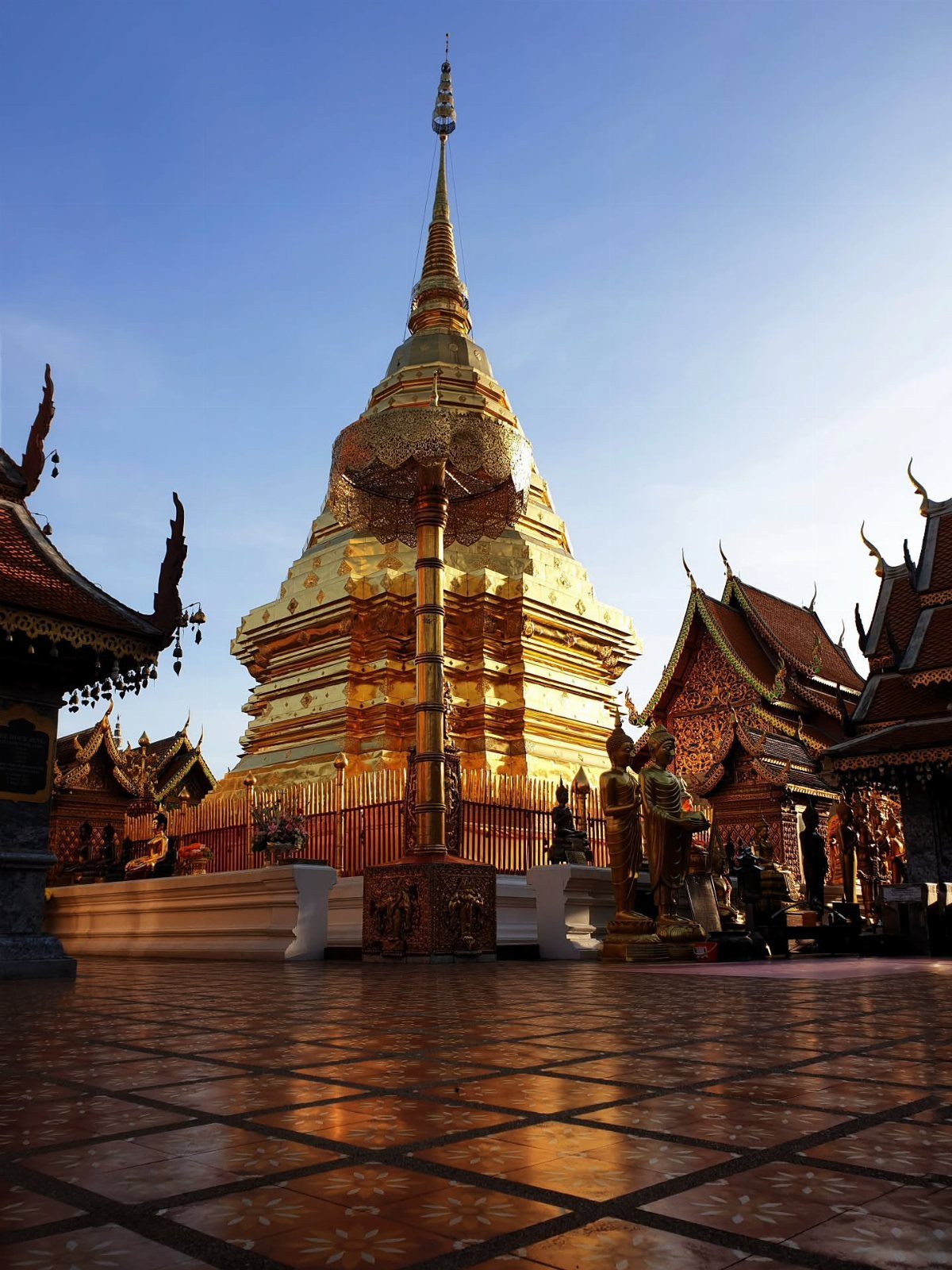
Chiang Mai is the Northern Thailand base I pick when temples and night markets matter more than beaches.
Chiang Mai’s temple compounds, with their golden stupas and tiled courtyards, sit close together, so plan to cover them on foot and skip the rental car.
Night markets run after dark, so keep your evenings free for them. Build the itinerary around those 2 things and the rest falls into place.
2. Krabi
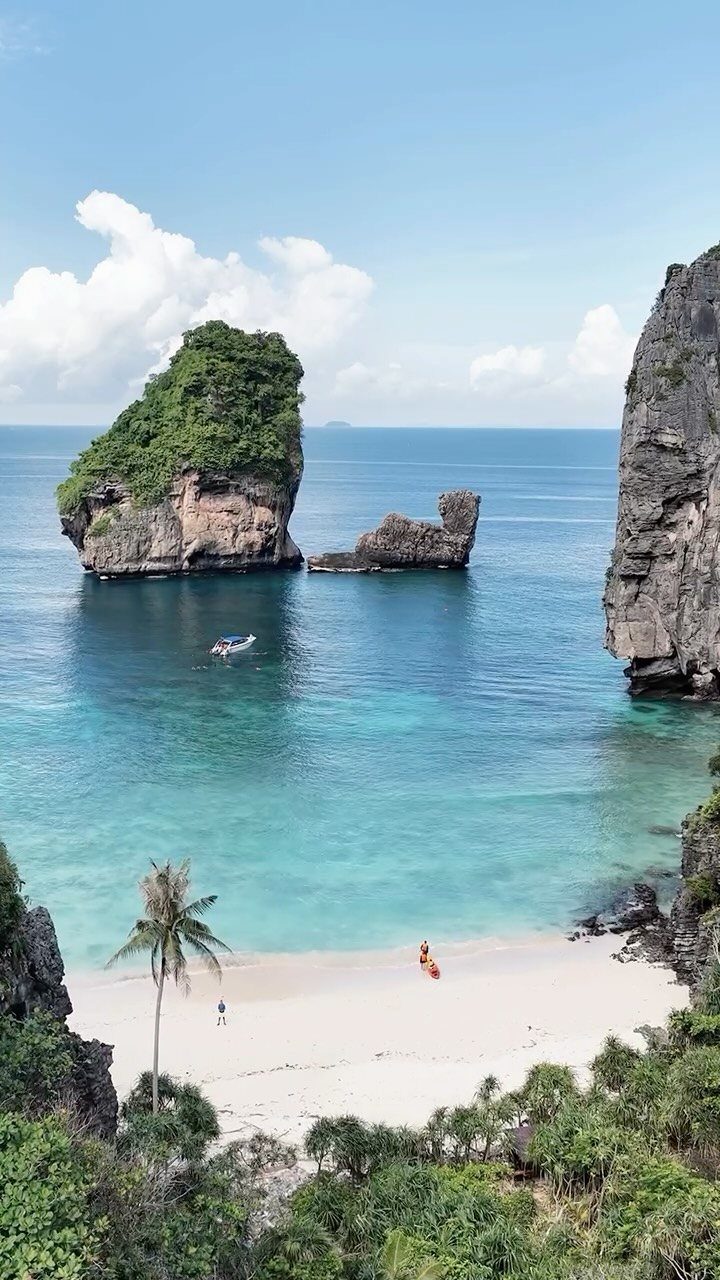
Limestone cliffs rising straight out of turquoise water are what Krabi sells, and the white sand beaches below them deliver. Small boats ferry people to the quieter stretches, so a boat ride is worth budgeting for.
Choose Krabi over a busier island if you want scenery first and a party second. I have no hard figures for Krabi boat prices, so check current rates with operators first and compare at least 2 quotes.
3. Chiang Rai
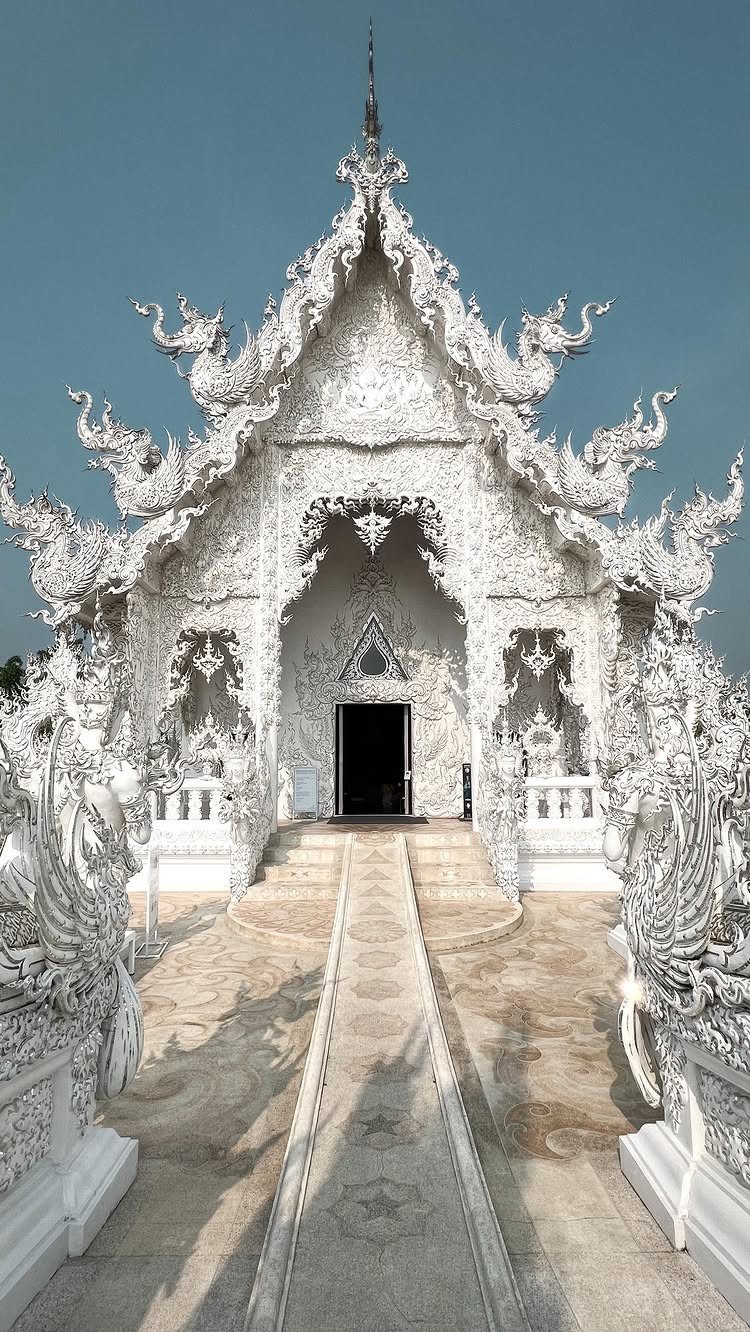
All-white and covered in intricate carvings, Wat Rong Khun, the White Temple, looks unlike any other temple on a Thailand route. A central bridge leads you in, and the clean white finish photographs best against a clear sky.
I would add Chiang Rai as a side stop from Chiang Mai rather than a separate base. It earns its place on the list for this one building alone.
4. Koh Phi Phi
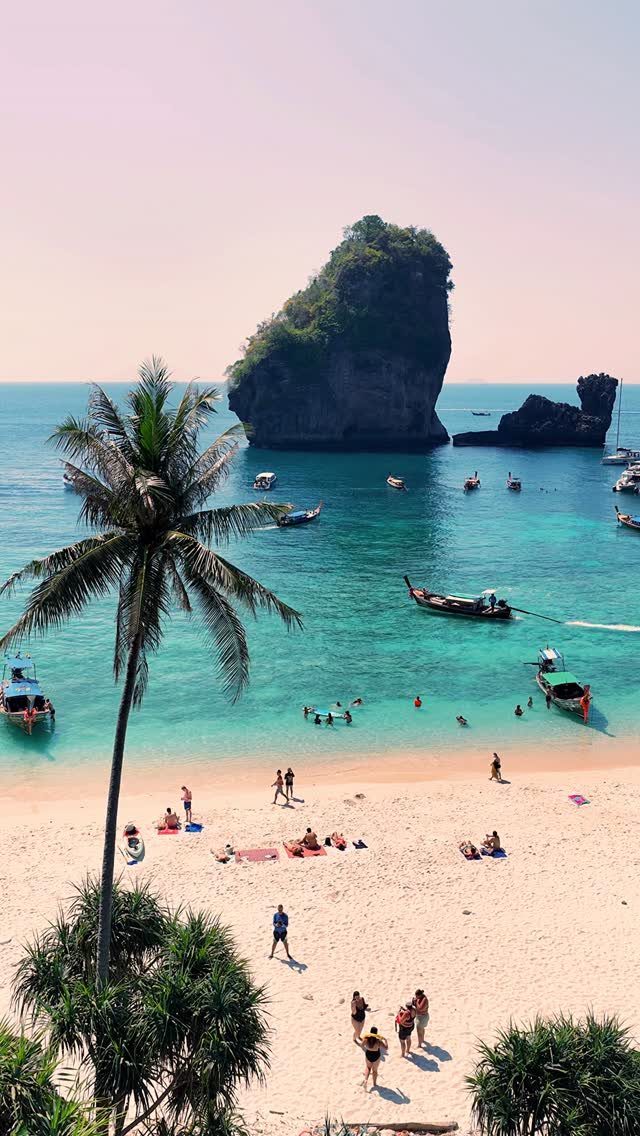
Koh Phi Phi packs a lot into one bay: white sand, limestone cliffs, and long-tail boats lined up close to shore. Expect company, since the beach holds crowds of all ages.
The islands are famous for nightlife too, so they suit travelers who want both daytime swimming and evenings out. If you want quiet, Krabi is the better pick; Phi Phi wins on energy.
5. Phang Nga Bay
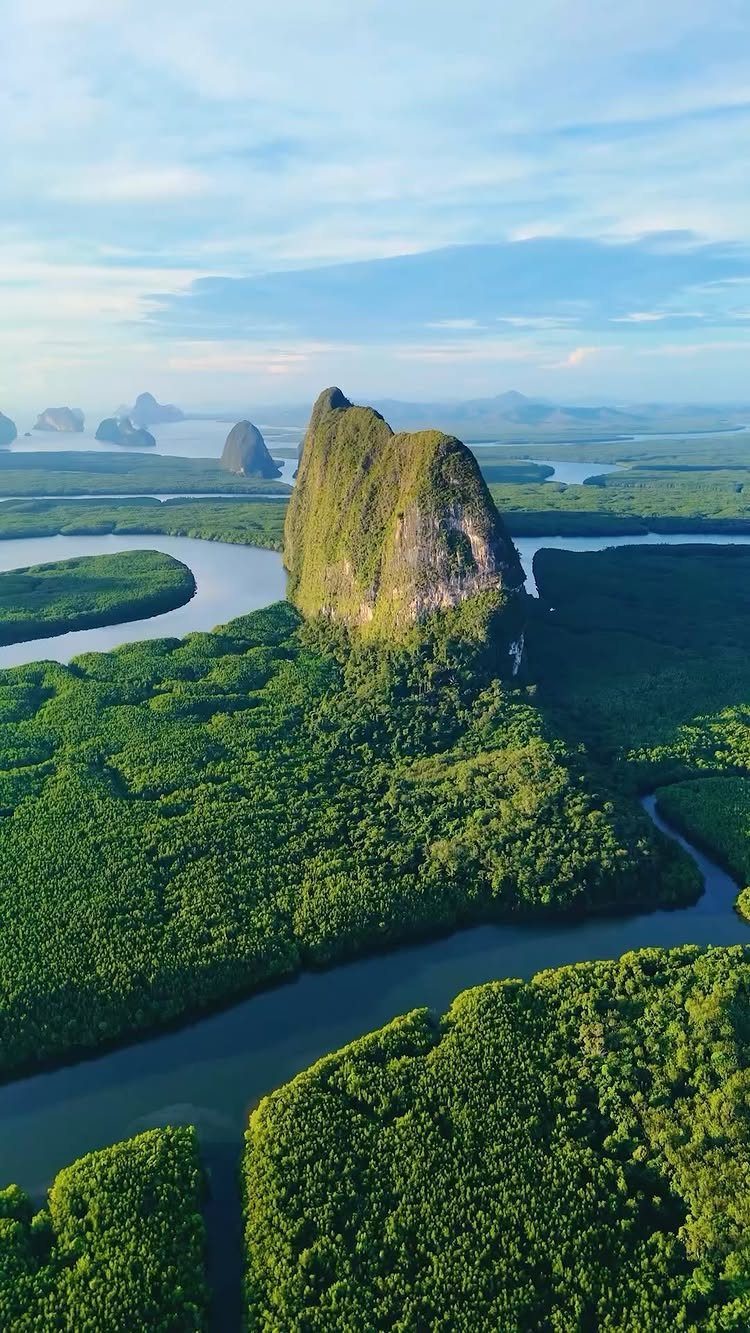
Book a boat tour here, because the best views of Phang Nga Bay come from the water, with steep limestone karsts rising out of mangrove forests and winding channels.
The emerald color is the draw, and the mangrove channels give it a different feel from the open-sea beaches nearby.
I would book a boat tour that threads the channels instead of just passing the cliffs. Pair it with Krabi or Railay on the same trip.
6. Ayutthaya
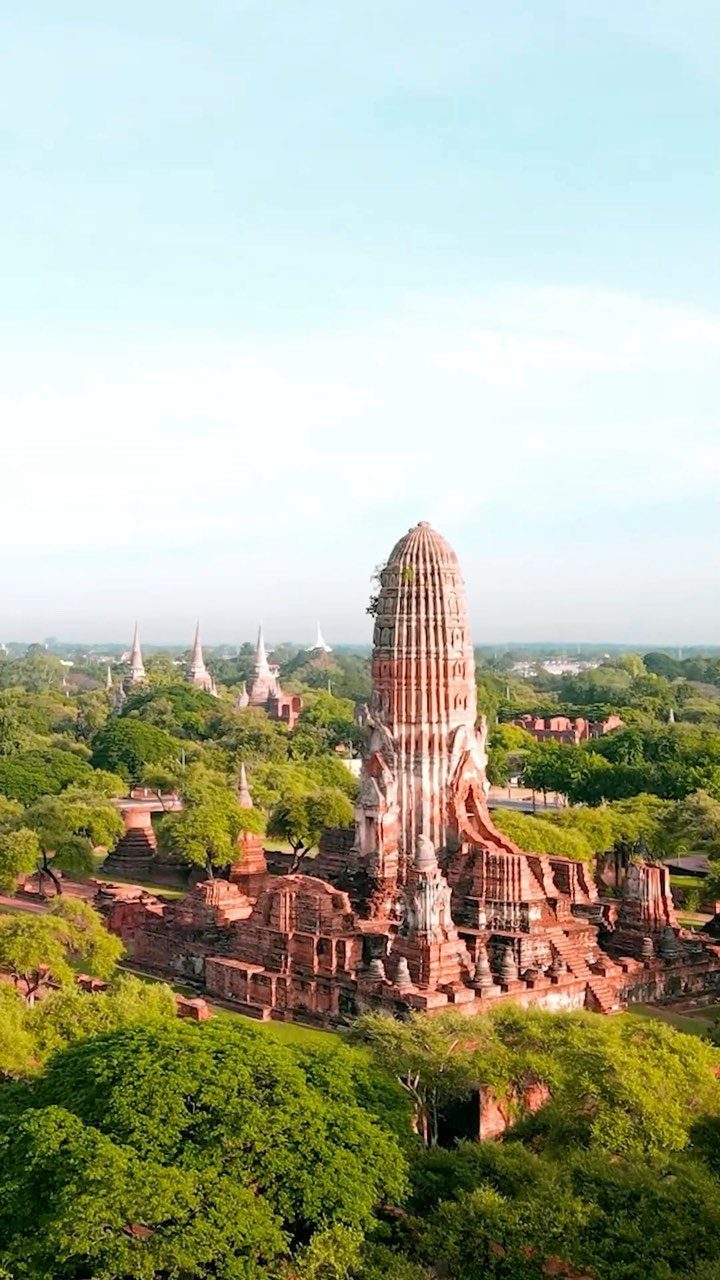
Weathered red brick defines Ayutthaya: a tall prang and the stupas around it stand among green trees, the remains of an ancient capital. The ruins are UNESCO World Heritage listed, which makes this the history stop on the list.
Walk it slowly and bring water, since the ruins are spread out and open to the sky. It suits travelers who like architecture more than beaches.
7. Sukhothai
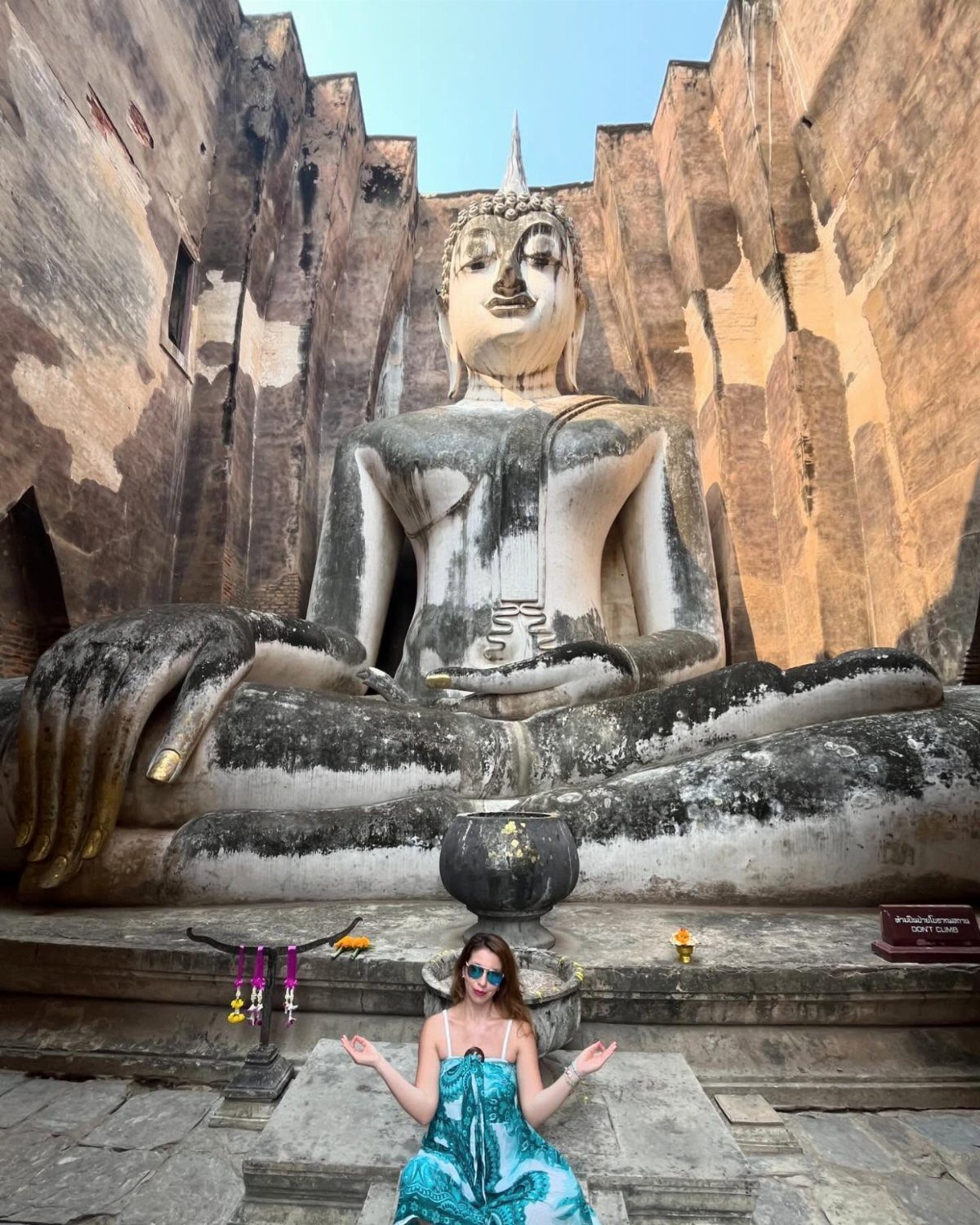
Sukhothai is the ruins stop for travelers who want space around the monuments.
A giant seated Buddha sits inside stone walls here, and the posted "DON’T CLIMB" sign is one to take seriously: keep your feet on the ground and your voice low.
I would rank it beside Ayutthaya for history, and choose it if you prefer quiet over crowds.
I have no hard figures on Sukhothai entry fees or hours, so confirm both with the park office or an official source ahead of your visit.
8. Damnoen Saduak Floating Markets
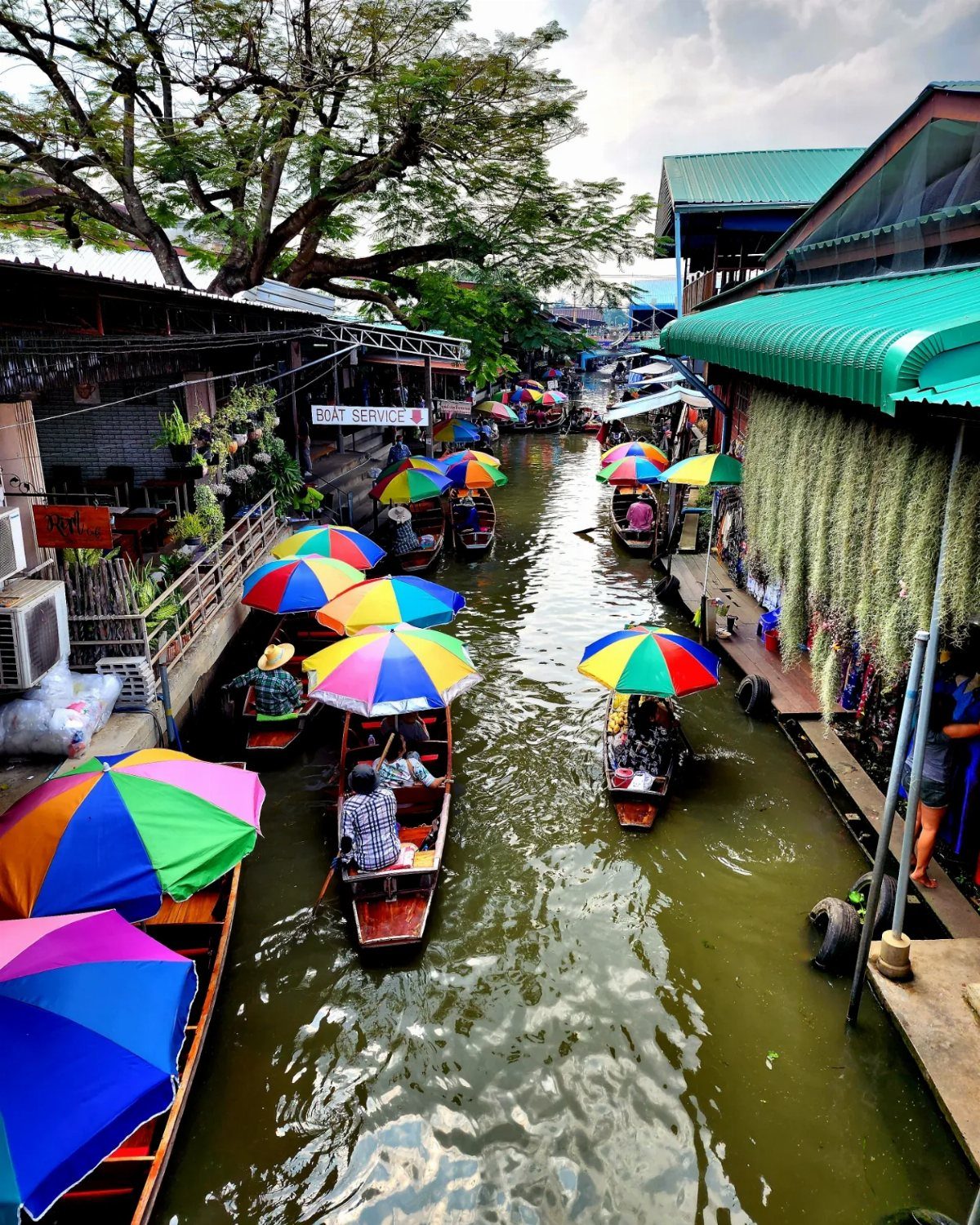
Look for the "BOAT SERVICE" sign if you want to ride instead of just watch from the edge.
Settle the price before you step into a boat, because I have no current rates to quote.
Get there early, since an open canal with no shade gets hot by midday. This one suits travelers who want the market itself as the sight.
9. Railay Beach
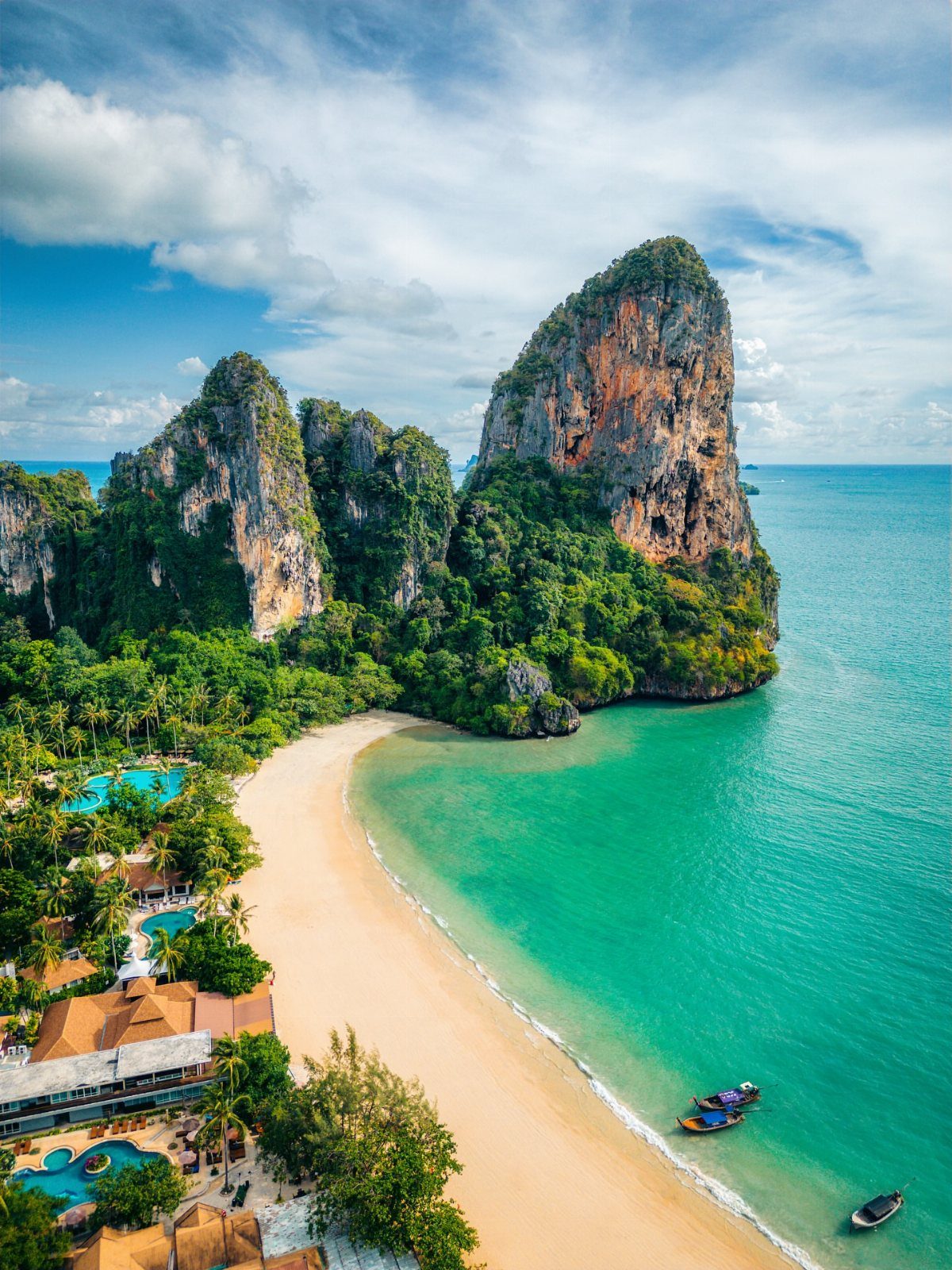
Railay Beach puts white sand and turquoise water at the foot of towering limestone cliffs, and climbers know it for exactly those cliffs. Even if you never touch a rope, the scenery alone justifies the stop.
Small boats work the shoreline, and resorts with pools sit back among the greenery.
I would stay a night or two rather than rush through, and it pairs easily with Krabi and Phang Nga Bay. Boat and lodging prices at Railay shift with the season, so check current rates when you start comparing options.
10. Traditional Thai Canal Village
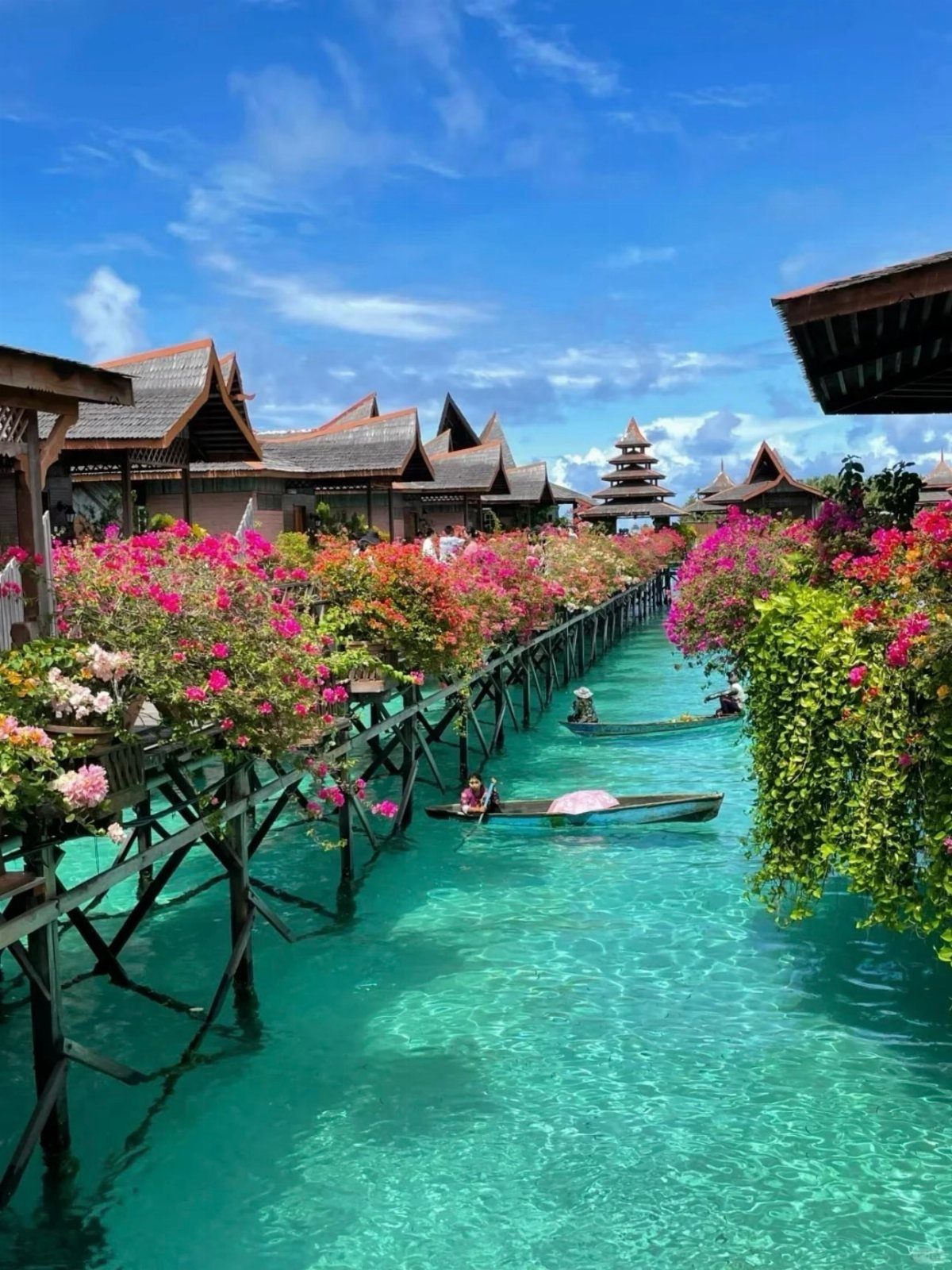
Wooden stilt houses line a turquoise canal here, with pink bougainvillea spilling over the edges. 2 small boats are enough traffic for a scene like this, so it rewards a slow pace.
Go for the quiet and the photography, not for a list of attractions.
11. Koh Samui Beaches
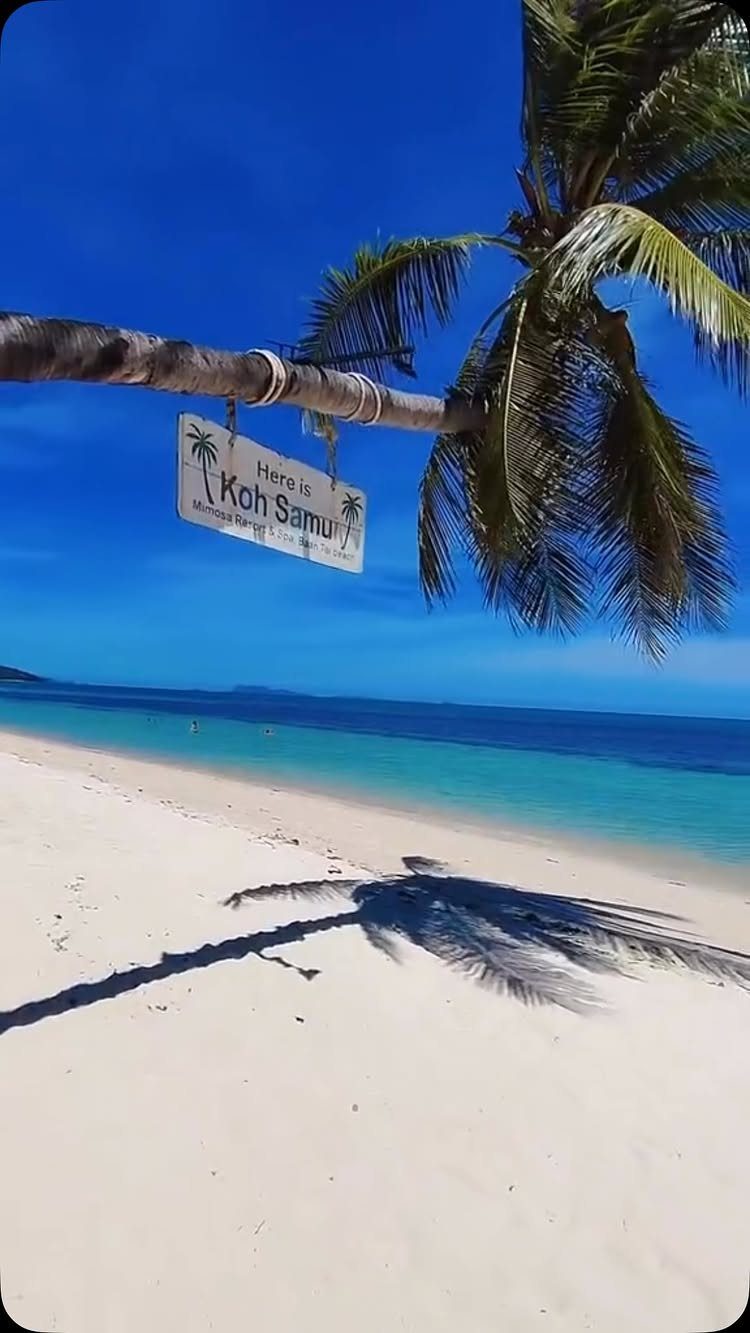
Koh Samui’s beaches run to soft white sand, clear turquoise water and palm trees leaning toward the sea. Baan Tai beach, where the Mimosa Resort & Spa sits, shows the look: calm water, with swimmers out in it.
I would choose Samui over Phi Phi if you want a beach day without the party.
Each stretch of sand on Koh Samui has its own feel, so compare a few beaches first and then pick a room. I have no rate figures, so check current prices.
12. Maeklong Railway Market
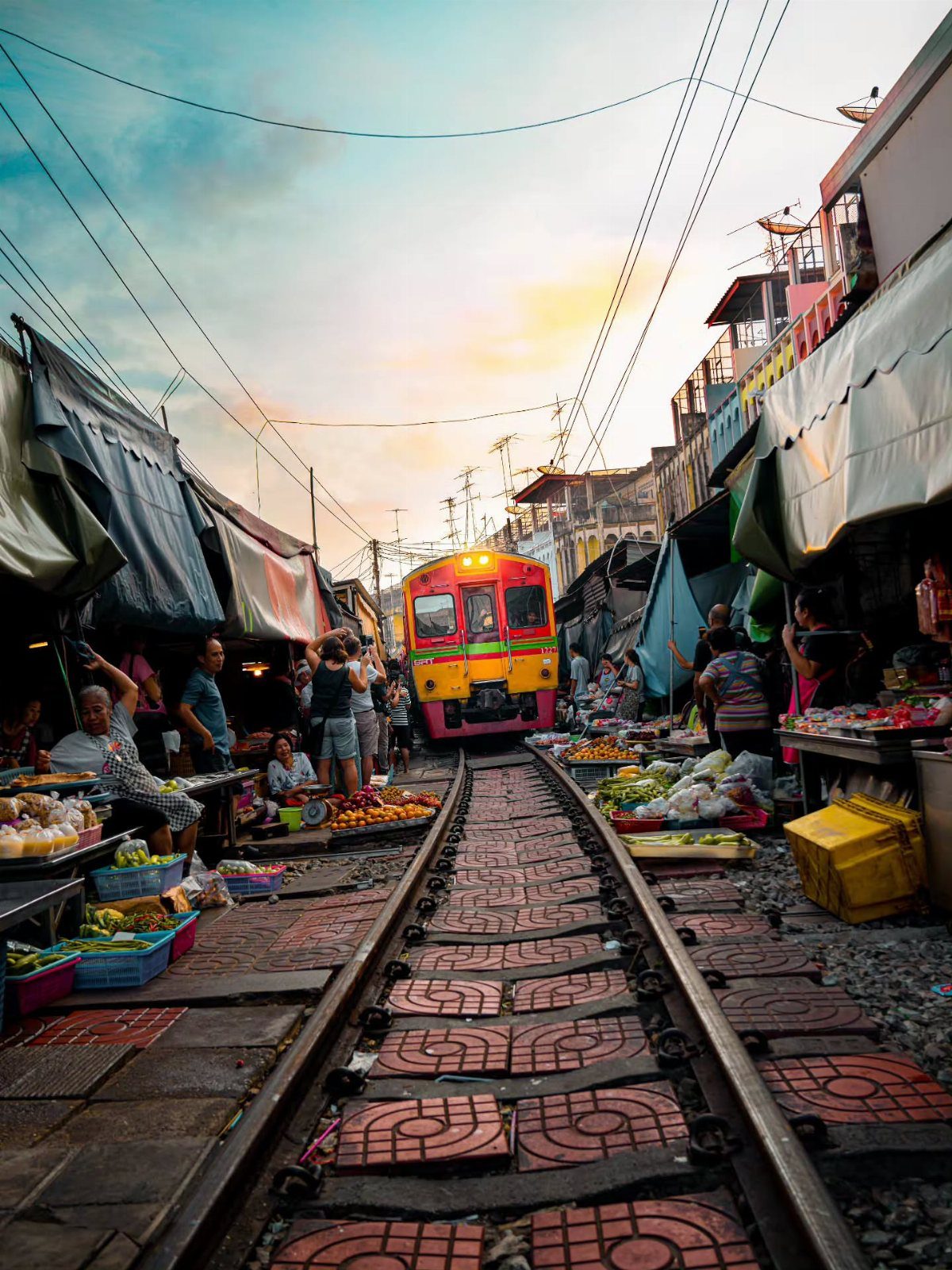
A passenger train rolls straight through the Maeklong Railway Market, with vendor stalls lined along the tracks on both sides. Keep clear of the rails when it comes, and expect the stalls to pull back as it passes.
Ask locally or check a current schedule for train times, because I have no figures to give.
I would aim for a time when the train runs and stay on the edge of the market, not the middle. Plan on an hour or two here; it works as a quick stop in a longer day.
13. Yi Peng Lantern Festival
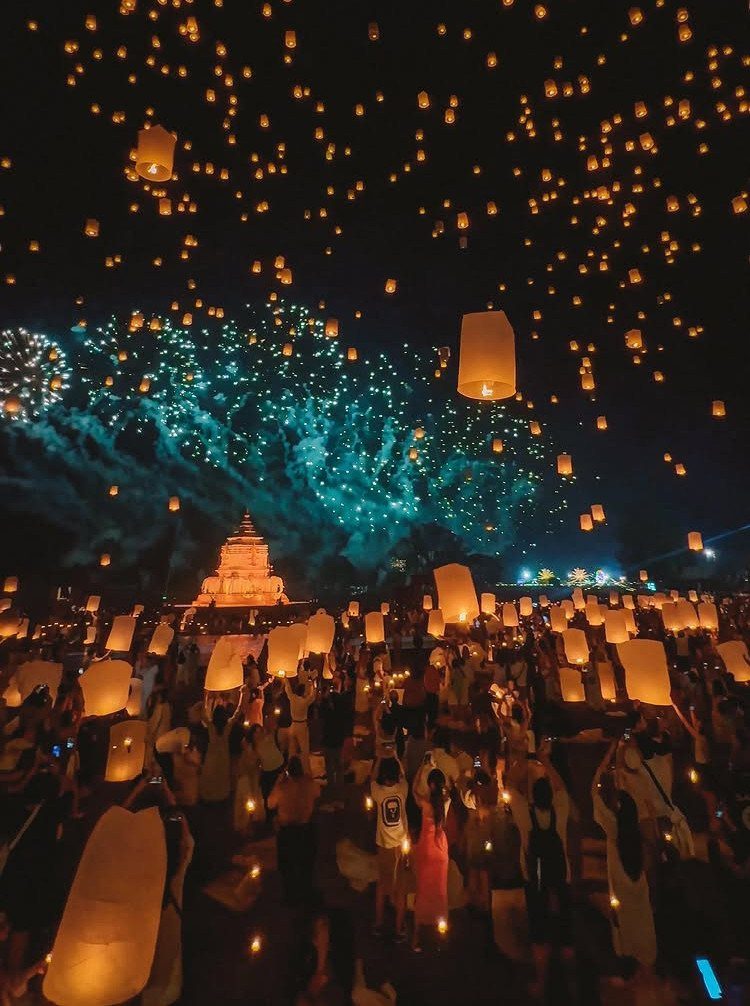
Thousands of paper lanterns rise at once, so the sky fills with moving light, and fireworks and a lit Thai temple often share the same view.
Yi Peng only works after dark, so plan the whole evening around the night sky.
Plan the whole evening around the release, and arrive early enough to find a spot with a clear view of the sky. Crowds here span all ages, so expect to stand shoulder to shoulder.
Dates, tickets and lodging for Yi Peng shift from year to year, so confirm all three with an official source before you book anything. Rooms near festivals tend to fill early, which makes booking ahead the safer move.
Best Time to Visit Thailand
Cool, dry weather runs from late November through February, so that is the window I’d book for most of the country. Those months are the coolest and driest in Thailand, and they hold across Bangkok, Phuket and the north.
April is hotter, but it can work if beaches are your focus. Heat makes long days of walking around Bangkok harder, so pick the cooler window for city sightseeing.
Because this is the favored stretch, book flights and rooms early, and plan on a 3-month lead.
Travel Tips for Thailand
Pack loose, light clothing for the heat. For temples, cover your knees and shoulders: no shorts, mini-skirts or sleeveless tank tops.
Pack a light scarf or wrap; it covers your shoulders at temples and cuts the chill on air-conditioned buses. It covers bare shoulders in seconds and folds down small.
Street food is one of the things Thailand is best known for, so eat it. Thai massages and night markets sit in the same category, and all three are easy to fit into a day without a plan.
Use local transport rather than booking private cars for every leg. It costs less and puts you in the middle of ordinary daily life.
Cultural Experiences in Thailand
Go beyond sightseeing and book one hands-on activity. A Thai cooking class in Bangkok is an easy first choice.
Pattaya’s floating market is billed as the biggest in the world, and it draws crowds to match, so budget extra patience. Ayothaya Floating Market, in Ayutthaya province north of Bangkok, runs quieter, and getting there early keeps it that way.
Both give you a look at how locals shop and eat on an ordinary day, and the handmade goods are worth the bargaining.
Khao Sok National Park has floating huts on a lake ringed by limestone cliffs, and a night there is about as far from city noise as Thailand gets.
Frequently Asked Questions
What are the top tourist destinations in Thailand?
Chiang Mai, Krabi, Chiang Rai, Koh Phi Phi, Phang Nga Bay, Ayutthaya and Railay Beach lead my list, and Bangkok and Phuket are the other names most pages put up front.
Chiang Mai covers temples and night markets, Krabi and Railay cover limestone-cliff beaches, and Ayutthaya and Sukhothai cover ruins. Thailand splits roughly into central temples and markets, the north, and 2 island coasts on opposite seasons.
Is $30,000 enough for a Thailand trip?
I have no firm daily costs to quote, so I can’t price a trip line by line.
What I can say is that boat tours, lodging and festival rooms shift with the season, so compare at least 2 quotes from operators and check current rates.
Book flights and rooms about 3 months ahead if you’re going from late November through February, the coolest and driest stretch.





