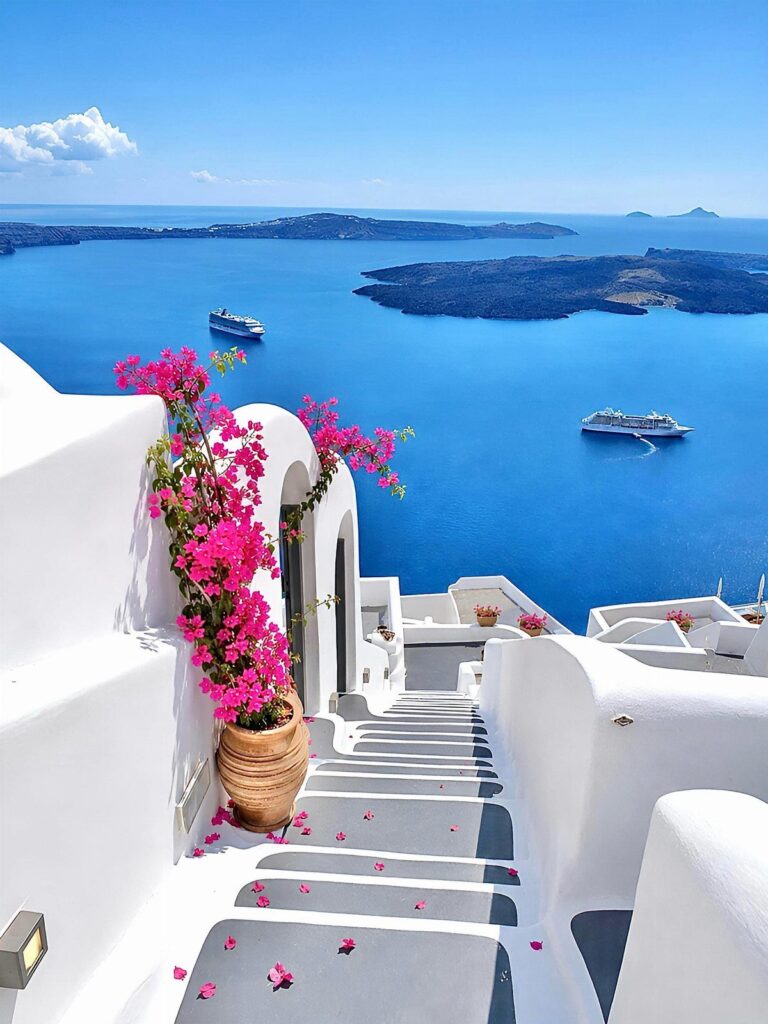
Which of these countries suits you depends on one thing: the month you can travel.
Norway’s fjords keep snow on the peaks into early summer, Japan’s temples are quietest in winter, and Costa Rica’s rainforests get their heaviest rain in the green season, so a country that looks perfect in one season can disappoint in another.
The list runs from the Amalfi Coast to the powdery white sands of the Maldives, and since each place has its own best window, the Best Travel Times section near the end is worth checking before you book anything.
1. Italy Amalfi Coast
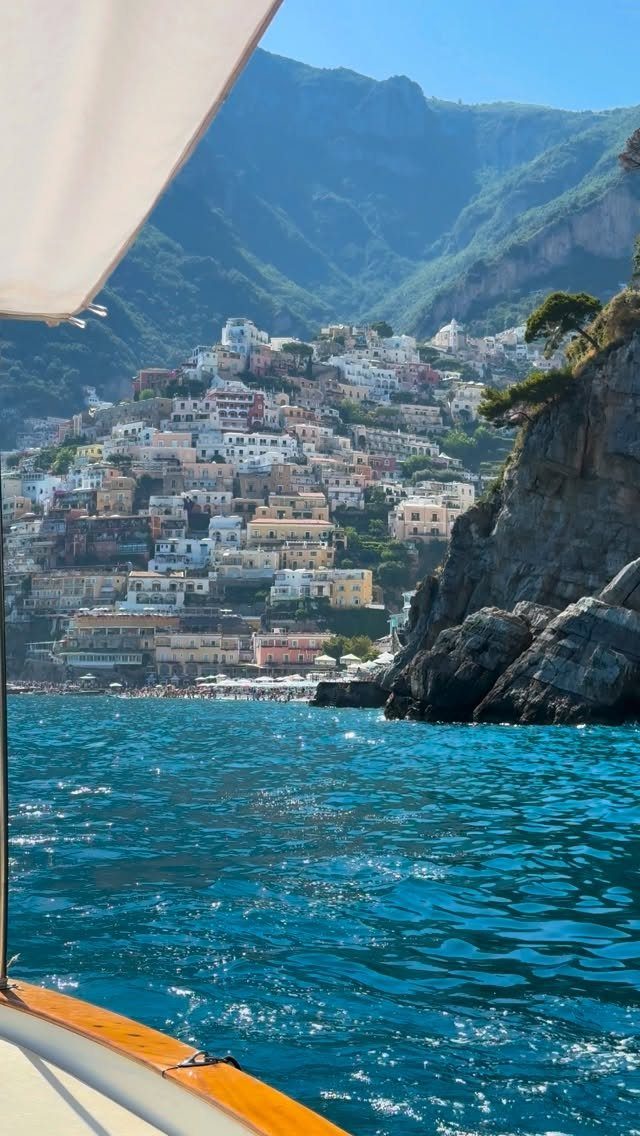
Seen from the water, the Amalfi Coast makes sense in a way the roads never allow. Pastel houses stack up a steep cliff, and a boat gives you the whole vertical sweep in one frame.
Book a boat for a few hours instead of just riding the coast road. You get the cliffs, the color and the open sea, with a canopy overhead for shade.
Prices vary a lot by season and boat type, so compare a few operators online before you commit.
2. Greece Whitewashed Buildings
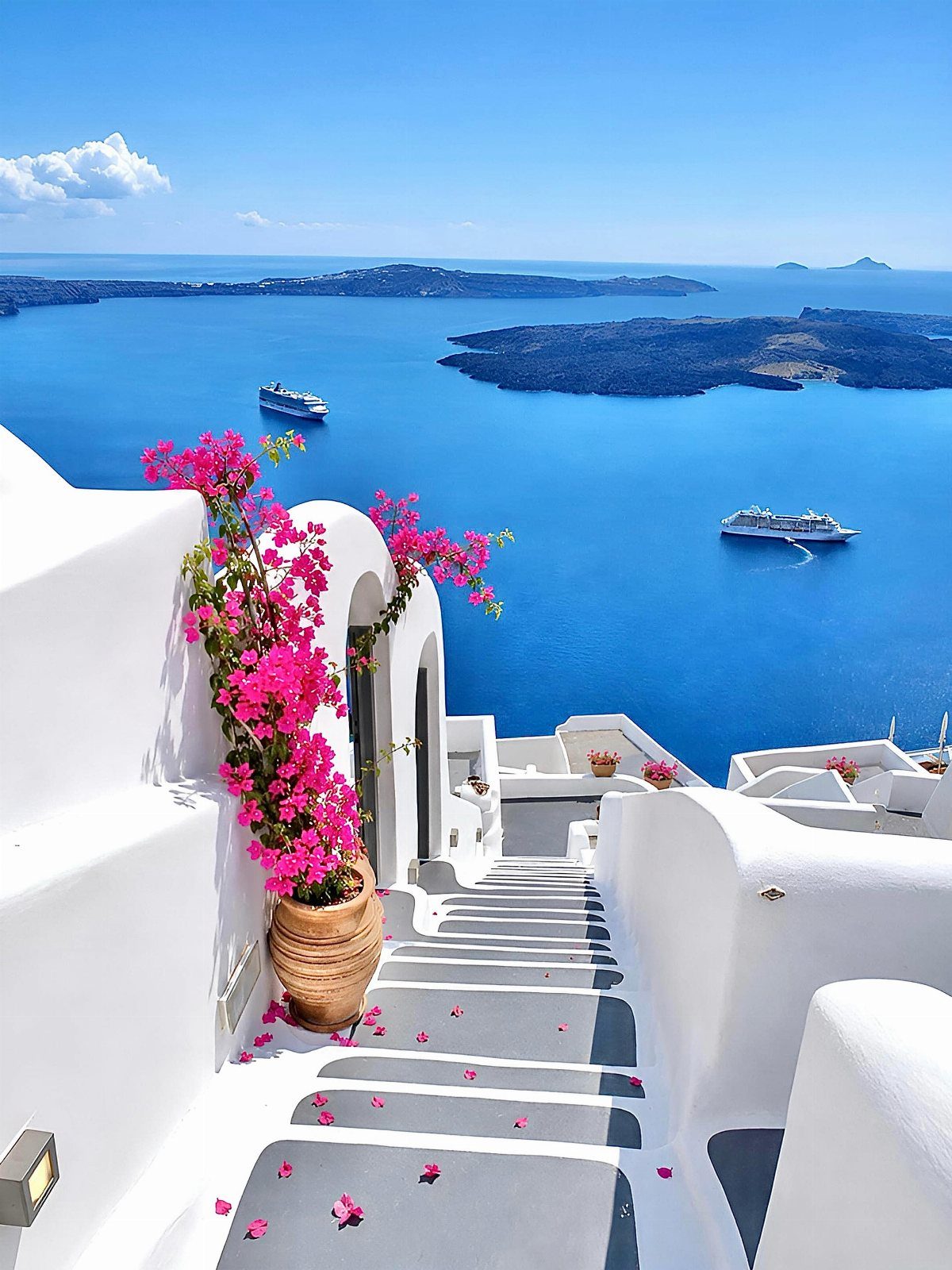
Whitewash against deep blue is what makes Santorini work: each wall becomes a clean frame for the sea.
Cruise ships sit in the water below, which tells you the crowds are real. I would build the day around early morning or late afternoon, when the light is softer and the lanes are easier to walk.
Choose soles with real traction, because those stairs are steep and the stone is polished smooth.
3. Switzerland Snow-capped Peaks
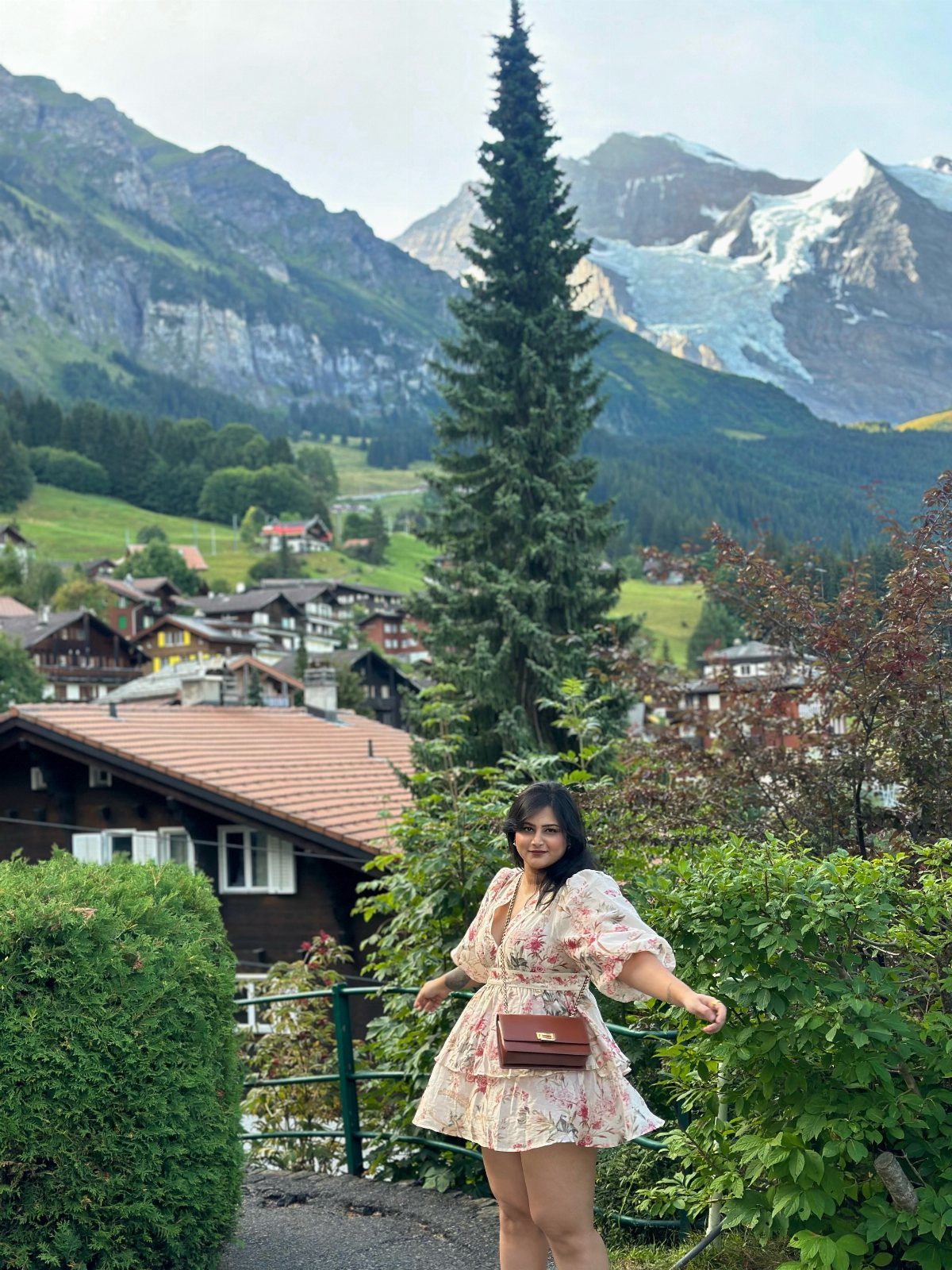
A Swiss village with wooden chalets, one tall evergreen and snow-capped peaks behind it is the picture most people carry in their heads. Switzerland delivers it, and the mountains look best from a small village rather than a big city.
Pick a village base and take your time. Mountain weather changes quickly, so keep a few days flexible and check the forecast each morning before choosing your view.
I would pack layers even for a summer dress photo.
4. Norway Fjords
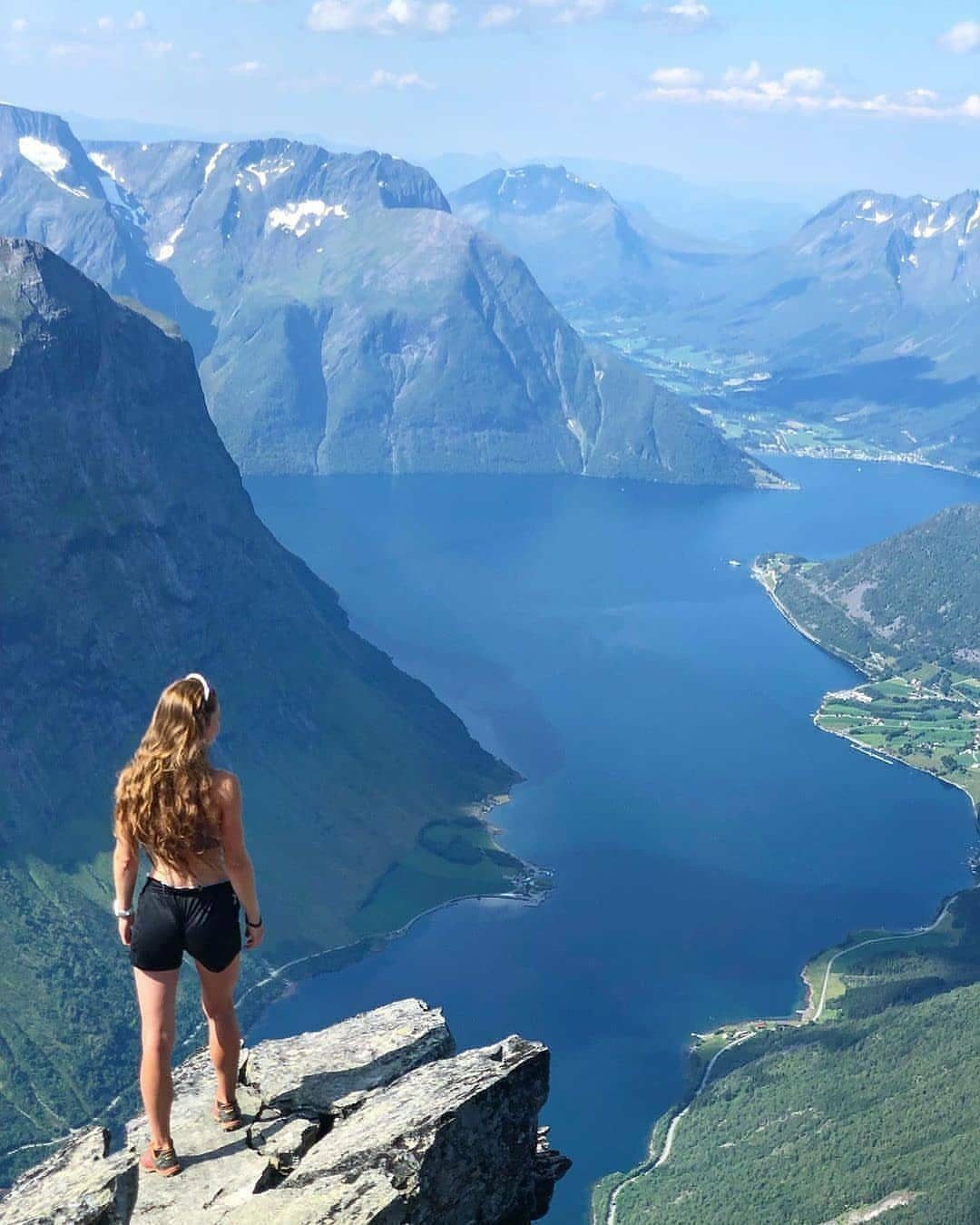
Norway’s fjords drop deep blue water between steep green walls, and snow often stays on the peaks well into early summer. A rocky overlook gives you the scale that a boat deck can’t.
Choose a viewpoint over a crowded dock. Stand well back from any cliff edge, since wet rock is slippery and drops are sheer.
Fjords are also tied to natural events like the northern lights and midnight sun, so research which ones you’re after before fixing your dates. Plan your timing around that goal.
5. Japan Ancient Temples
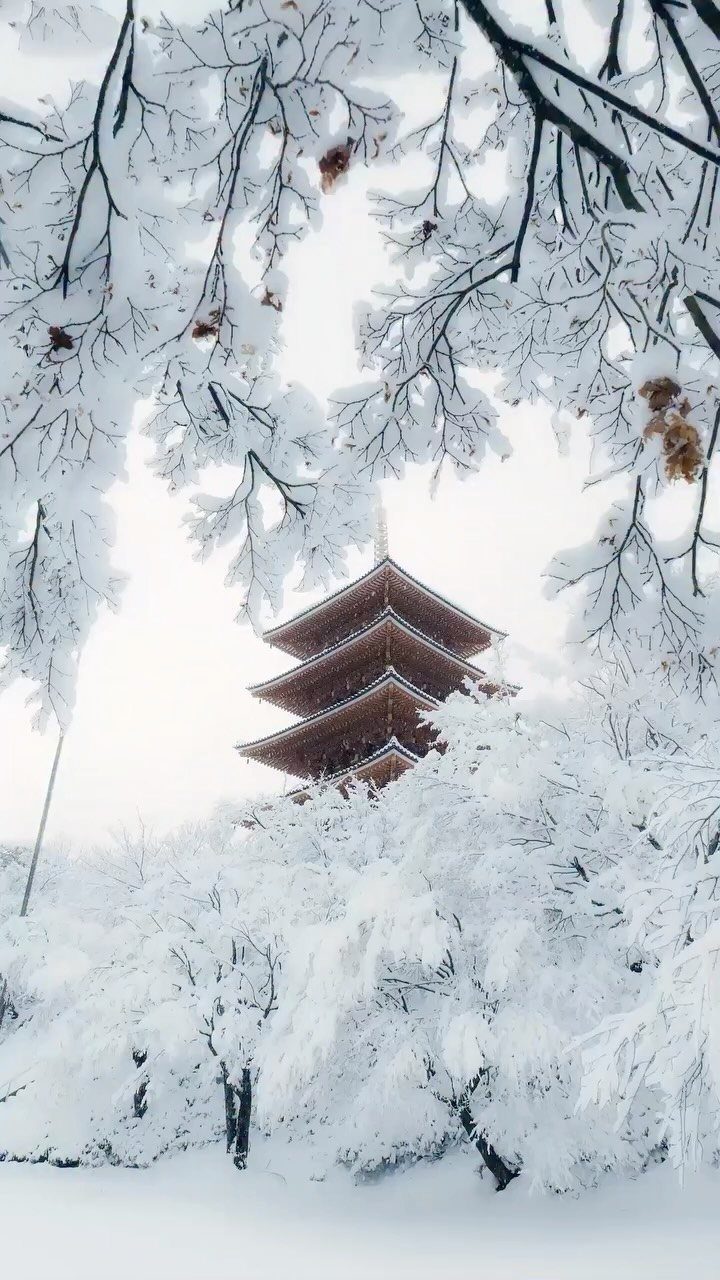
A tiered pagoda glimpsed through snowy branches is Japan’s temple culture at its quietest. Winter strips away the crowds and leaves white bushes and bare trees around the rooflines.
Winter wins for me if you like stillness and can handle the cold. Dress warmly, wear boots with traction, and keep the day short enough that you can warm up between sites.
Daylight is shorter in winter, so start early and see your top temple first.
6. Australia Great Barrier Reef
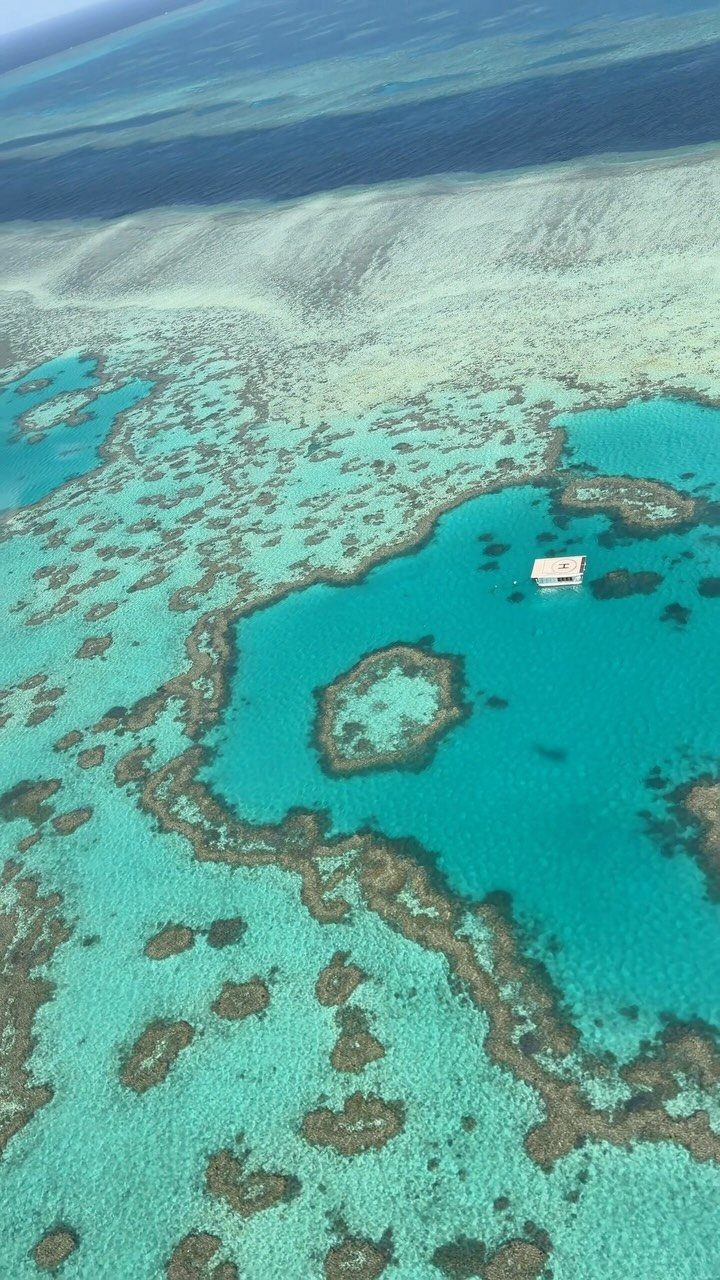
The sheer scale is what makes the reef worth the trip.
Book a boat trip that reaches the outer reef, and ask what’s included in the price: gear, meals, and the reef tax vary by operator.
A scenic flight is the other choice: it costs more, but it shows the pattern of the reef that a snorkel mask can’t.
If you can only do one, I’d go in the water, since that’s where you get the color up close.
7. Mexico Ancient Ruins
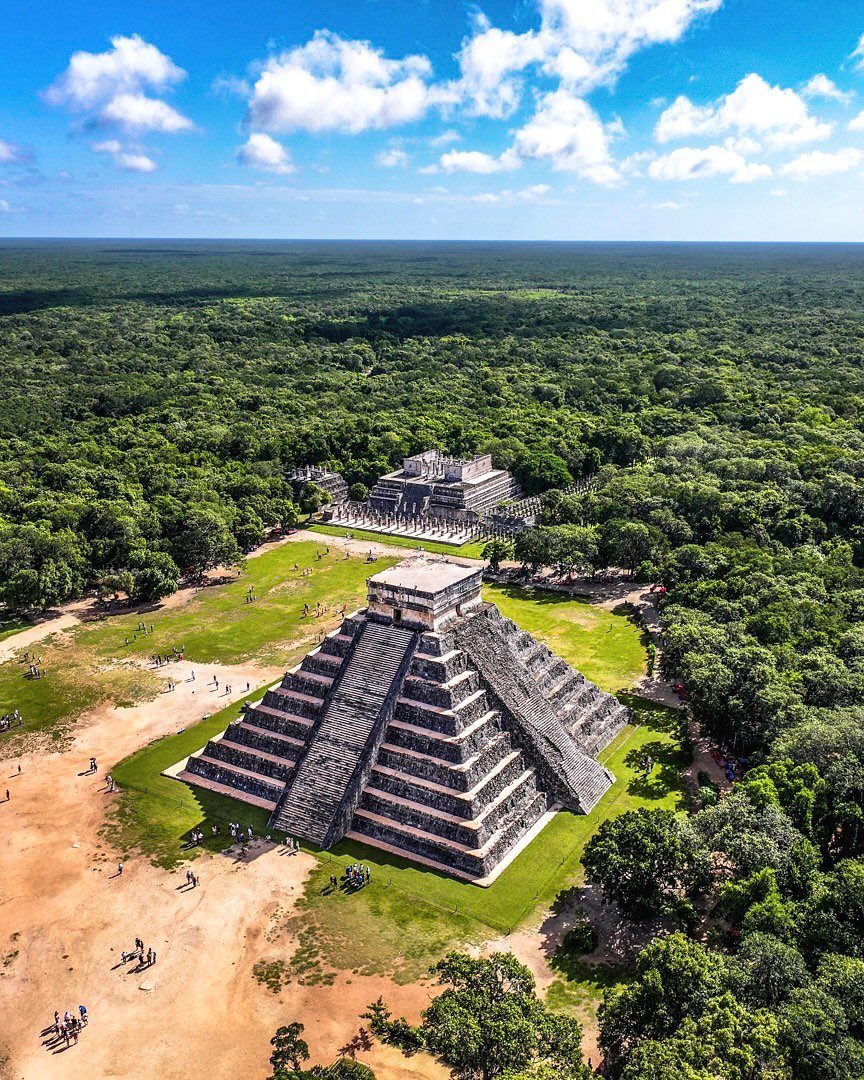
El Castillo rises out of flat jungle, and from above you can see how small the visitors look beside it. That scale is the reason to plan around the crowds rather than ignore them.
Arrive at opening time and head straight for the pyramid before the grounds fill. Wear a hat and bring water, because the open plaza offers little shade under a blue sky.
Ruins ask for more walking than most people expect, so choose shoes you already trust.
8. South Africa Safaris
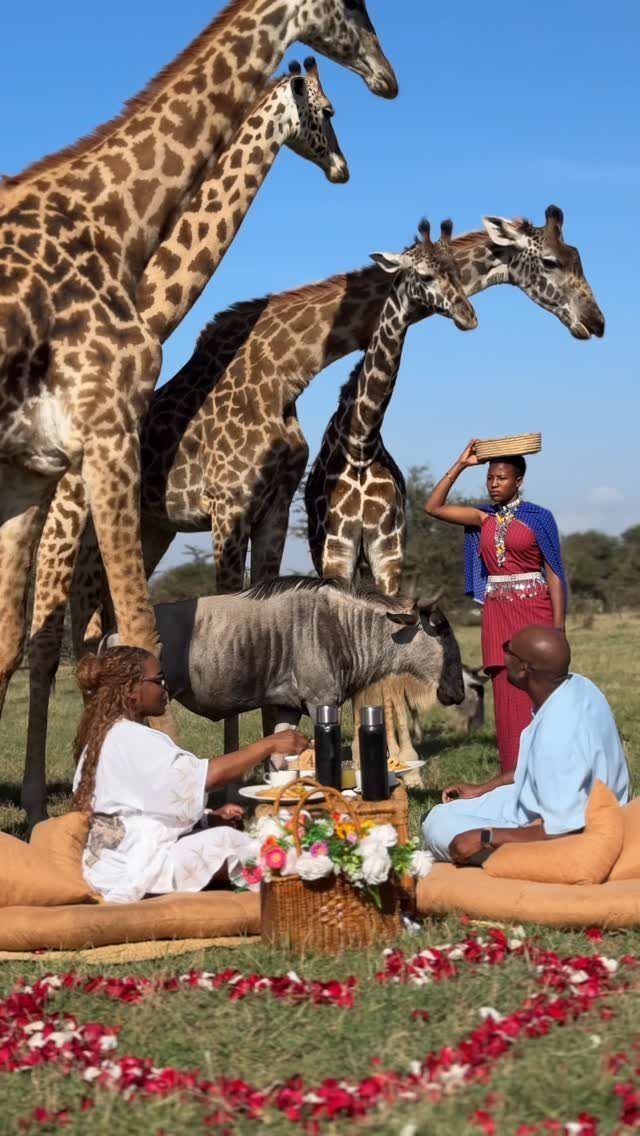
Giraffes and a zebra standing close to a picnic make a savanna feel like a living backdrop, and a few lodges and reserves may offer a meal set out in the open.
If a picnic like that appeals, ask before you book whether it can be arranged.
Wildlife keeps its own schedule, so I would never promise myself a particular animal. Choose a guided setup with a ranger who sets the safe distance, and keep your voice low.
Dress in muted colors and skip anything that flaps.
9. Thailand Tropical Islands
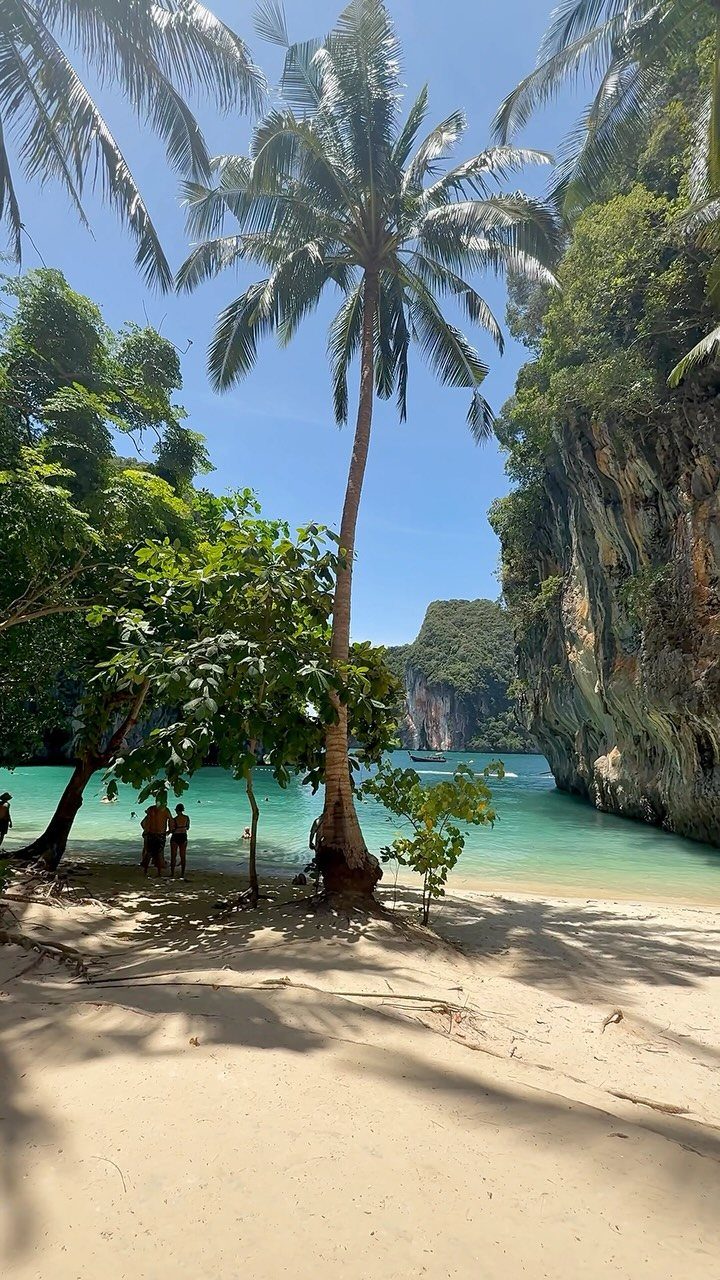
Hire a small boat for a few hours to reach quieter stretches than the main beach.
Ask what the price covers before you pay. Fuel, snorkel gear and park fees vary by operator.
I would pick a boat over a crowded shore every time, since the limestone cliffs show their full height from the water and the beaches fill up by midday.
10. France
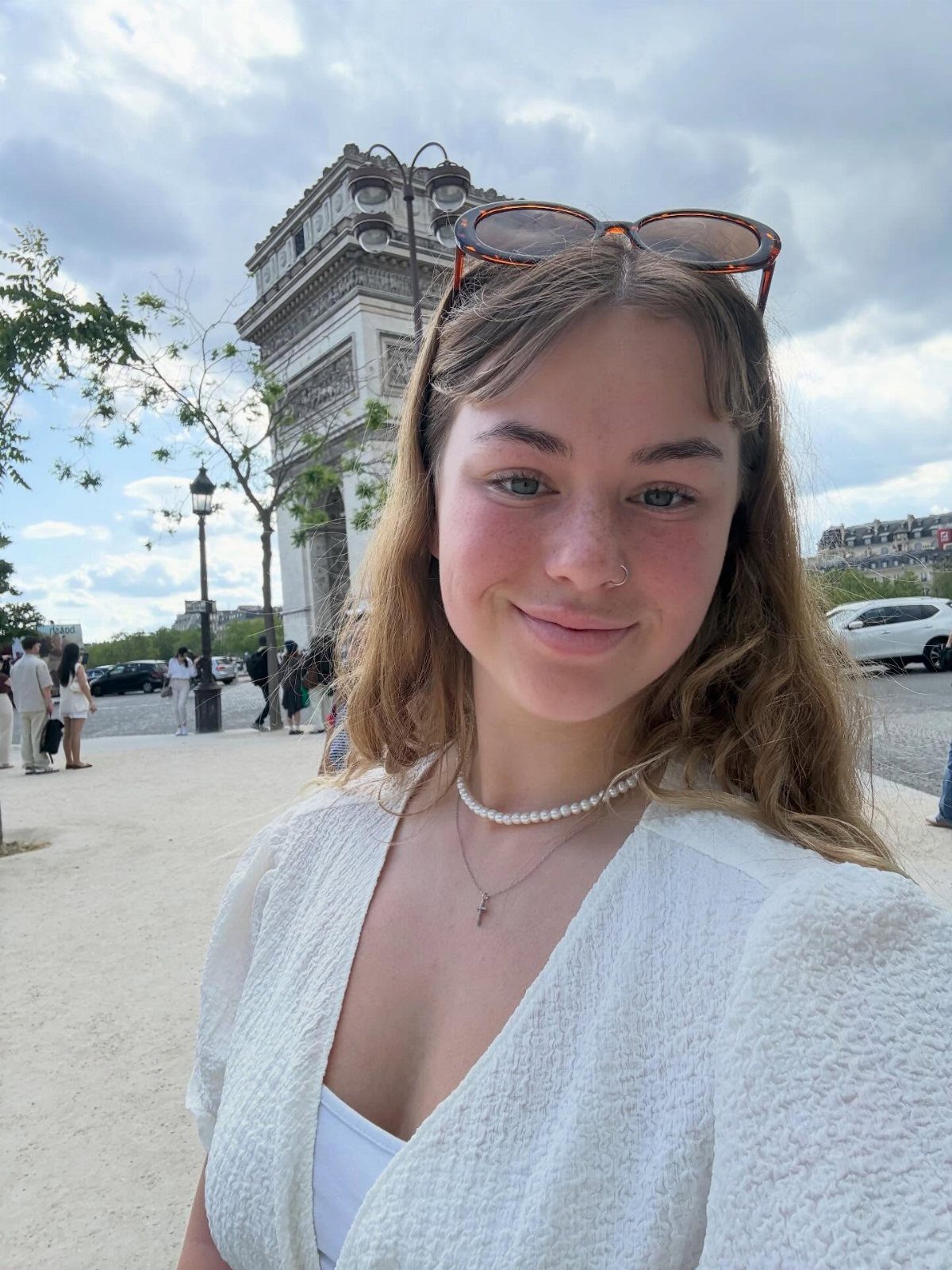
Paris and the Arc de Triomphe are the frame most travelers picture first, and France has held that pull for a long time. The arch works as an easy anchor for a first visit.
Go early in the day, when the area around it is calmer and the light is softer. Keep your phone and bag close in busy spots, since crowds gather near famous landmarks.
A selfie works here because the arch is large, so stand back a few steps and let it fill the background.
11. Morocco Vibrant Medinas
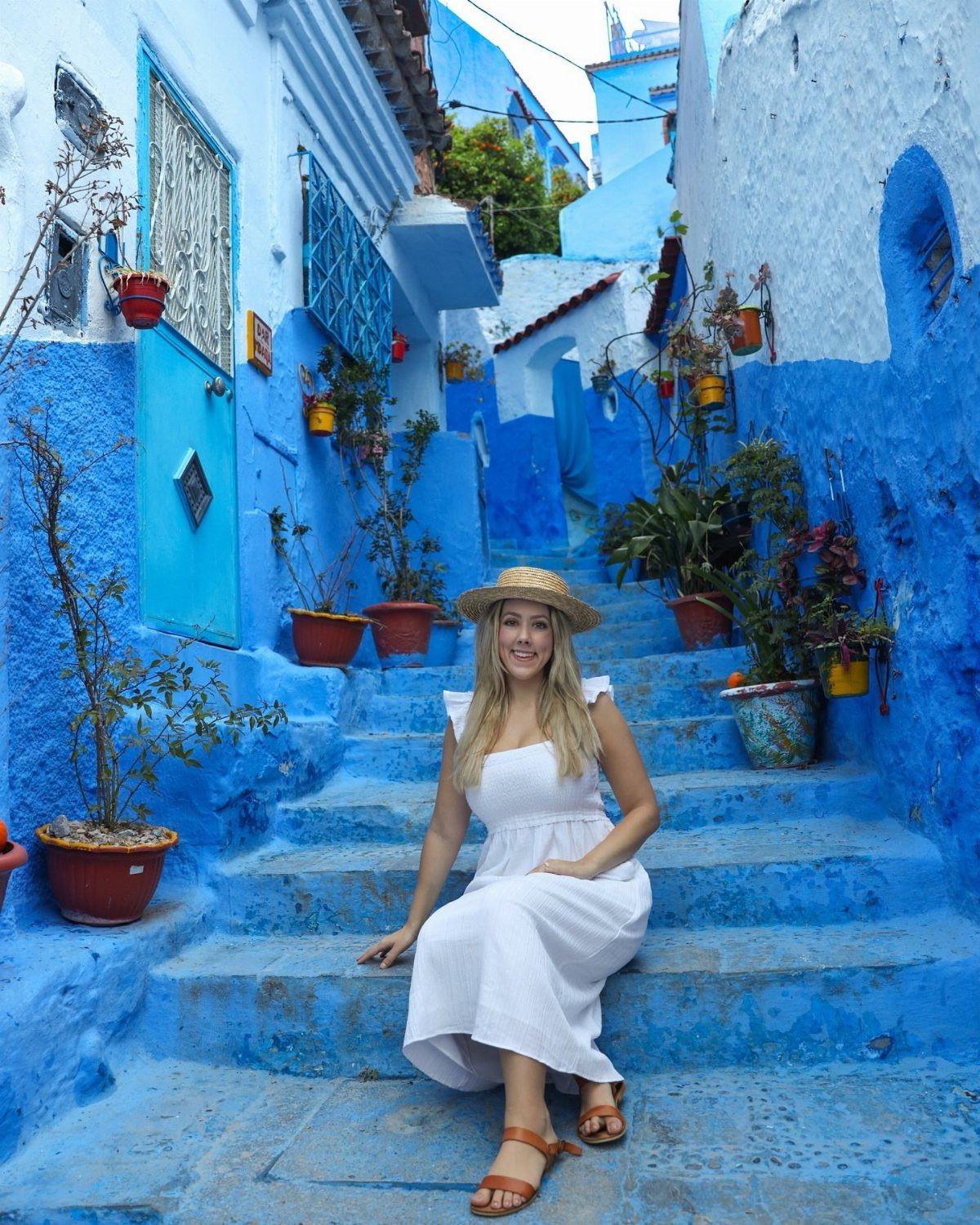
Blue walls and blue steps turn a narrow medina alley into a bright, quiet corner. Look for the side lanes away from the main routes, where the color is easier to enjoy without the foot traffic.
Wander without a tight plan, because alleys twist and a map app can lose you. Wear flat shoes for stairs and uneven stone.
A straw hat and light dress suit the heat, and I would pack a scarf for covering shoulders when you want it.
12. Costa Rica Rainforests
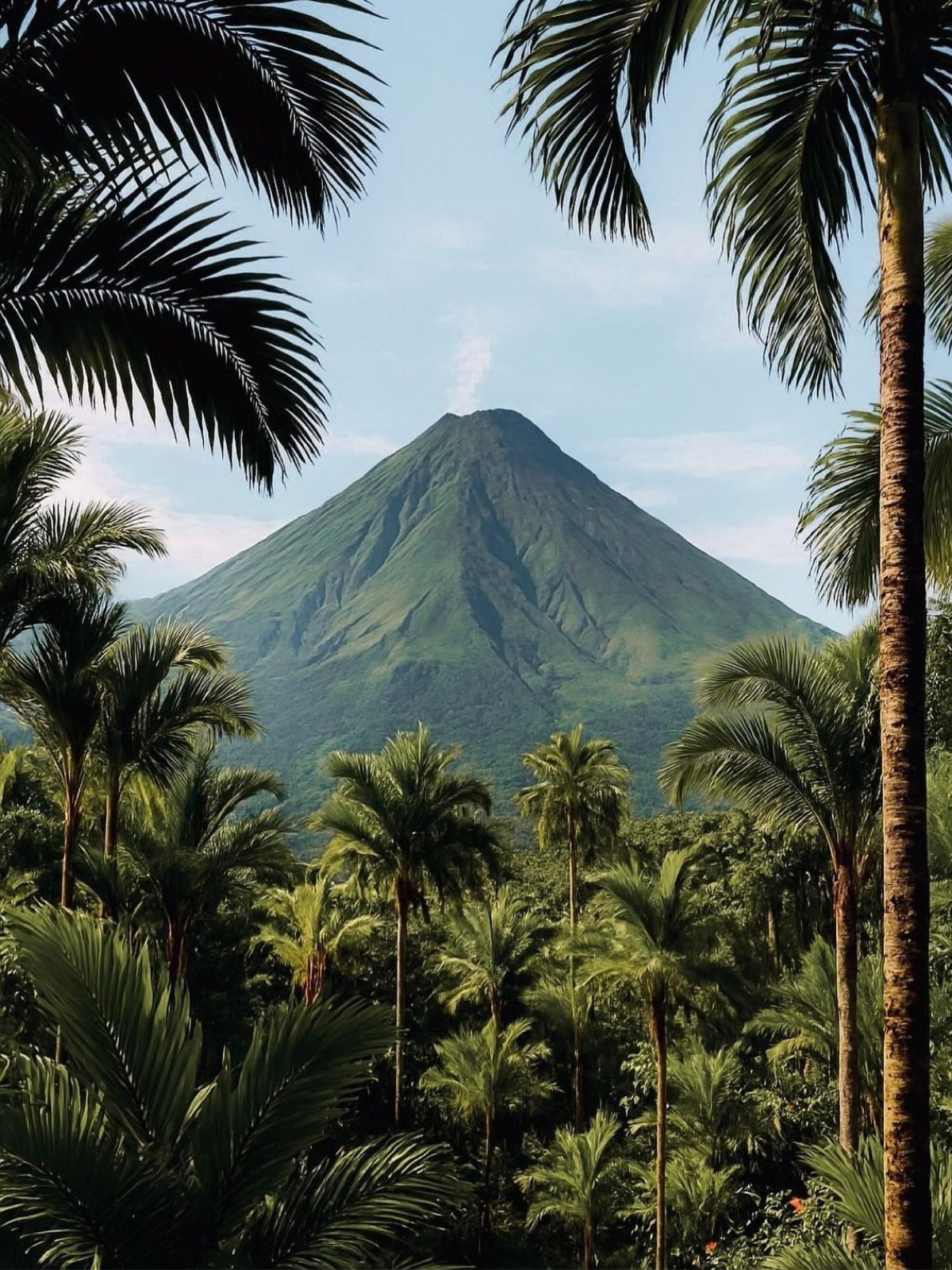
A cone-shaped volcano above dense rainforest and palms is Costa Rica at its most dramatic, and a clear morning gives the cleanest view. Cloud tends to build later in the day, so plan to look at the peak first.
Pick a lodge or trail with an open outlook rather than relying on one stop. Bring a rain layer anyway, since rainforest weather can turn without warning.
For me, a short early walk beats a long afternoon drive.
13. The Maldives Powdery White Sands
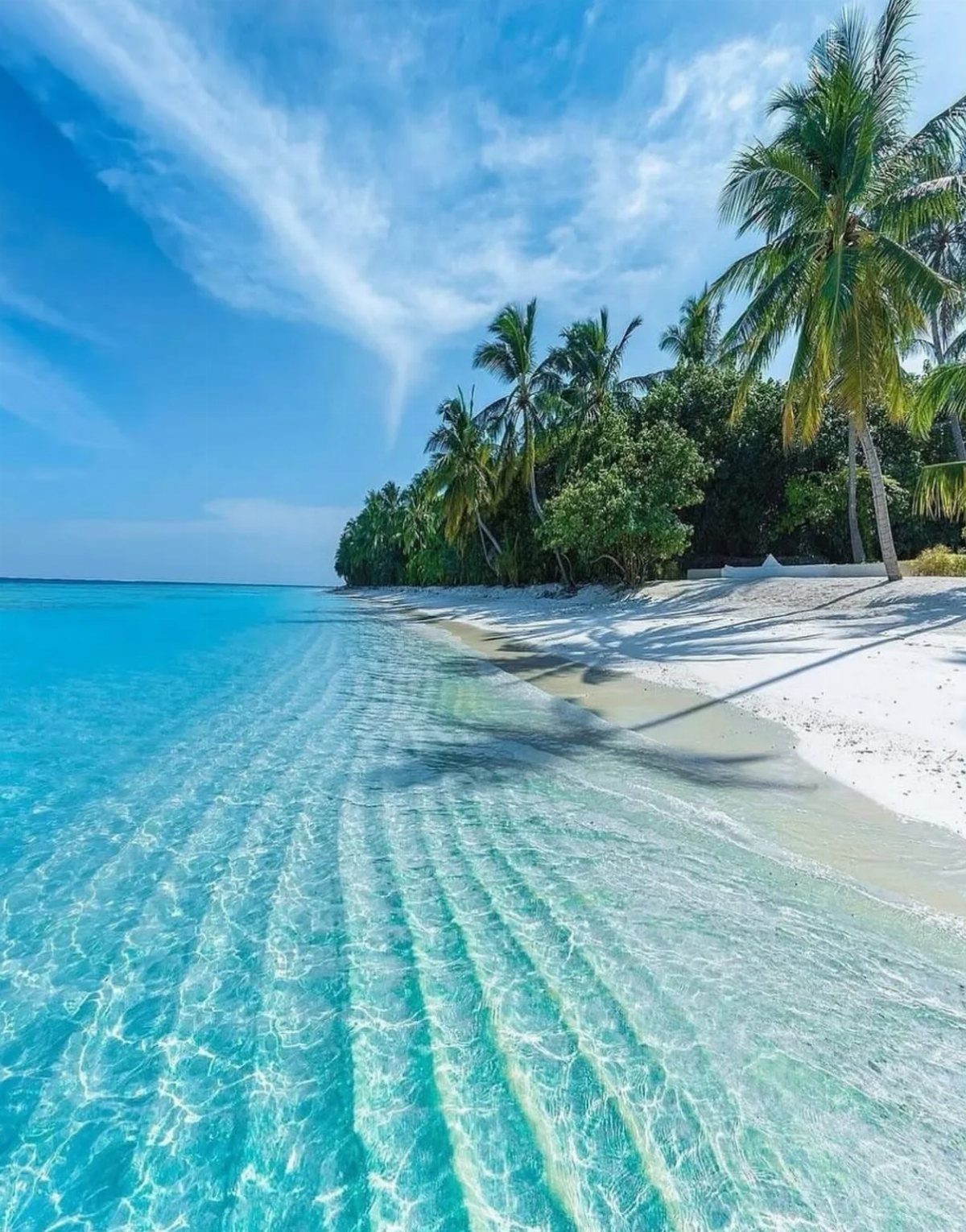
The Maldives gives you white sand, clear turquoise water and a few palms, and on a quiet beach with no one around, that is the whole draw. That stillness is the reason to pick it over a busier beach.
Resort and transfer prices swing widely by season and island, so price out a few options online and check what each rate includes before paying.
Since most stays are on one small island, I would settle on a single base rather than hop between several.
For snorkeling, choose a spot where the water is calm and clear enough to see the coral from the surface.
Cultural Experiences
Festivals, regional food and tea ceremonies teach you more about a place than another viewpoint does, so build at least one into each stop.
Japan is a good model: street-food snacks and formal kaiseki meals sit in the same trip, and traditional tea ceremonies are easy to book.
Check festival dates before you lock in flights, since a single event can fill hotels and change prices. Book ceremonies and special meals ahead online, and eat at least one meal a day where locals do.
Best Travel Times
Shoulder seasons give you thinner crowds and easier weather, and May and September are the months most often recommended.
I treat them as a starting point, not a rule, because a good month in one country can be a poor one in another.
Check rainfall, heat and closures for your specific destination before booking. Fares and rooms often cost less in these months too, so compare a few dates online and pick the cheapest window that still fits the weather you want.
Travel Planning Tips
Check the expiration date on your passport before anything else, because many countries want 6 months of validity left after you fly home, and some will turn you away at the gate if you fall short.
Look up the visa rules for each stop while you’re still comparing fares. Then tell your bank your travel dates by setting a notice, so a card isn’t frozen mid-trip.
A card that charges no foreign transaction fees saves real money abroad, since most cards add roughly 3% to every purchase made overseas, and on a long trip that quietly adds up.
Research tipping, greetings and dress codes ahead of time to avoid awkward moments.
Pack light. A carry-on with versatile clothing and comfortable shoes makes transit between towns much easier, and it is worth checking train, bus and ferry options before you arrive.
Frequently Asked Questions
What are the best places to go on vacation?
For scenery, I would start with Italy’s Amalfi Coast, Switzerland’s mountain villages, Norway’s fjords, Japan’s temples and Thailand’s islands.
Each one rewards a specific way of seeing it: a boat on the Amalfi Coast and in Thailand, a small village base in Switzerland, winter for quiet temples. Pick the place that matches the kind of view you want most.
Which country looks most beautiful?
For the postcard version of beauty, my pick is Switzerland, with its timber chalets, lone spruce and white peaks behind them.
A small village shows it off better than any big city does. Norway’s fjords and Italy’s Amalfi Coast are close behind, and the Amalfi cliffs make the most sense when you see them from a boat.
What country is known for its wildlife?
South Africa is the strongest pick here, thanks to its safaris with giraffes, zebras and other savanna animals.
Pay for a guided outing where a ranger sets the viewing distance, and don’t plan around spotting one specific animal, because wildlife keeps its own schedule.
What is the best time of year to visit these countries?
May and September are the months most often recommended, because crowds thin out and the weather is easier.
Those two months only give you a place to start, since a month that suits one country can be a poor choice in the next.
Before booking, look up rainfall, temperatures and seasonal closures for your specific destination, then price flights on several different dates.





