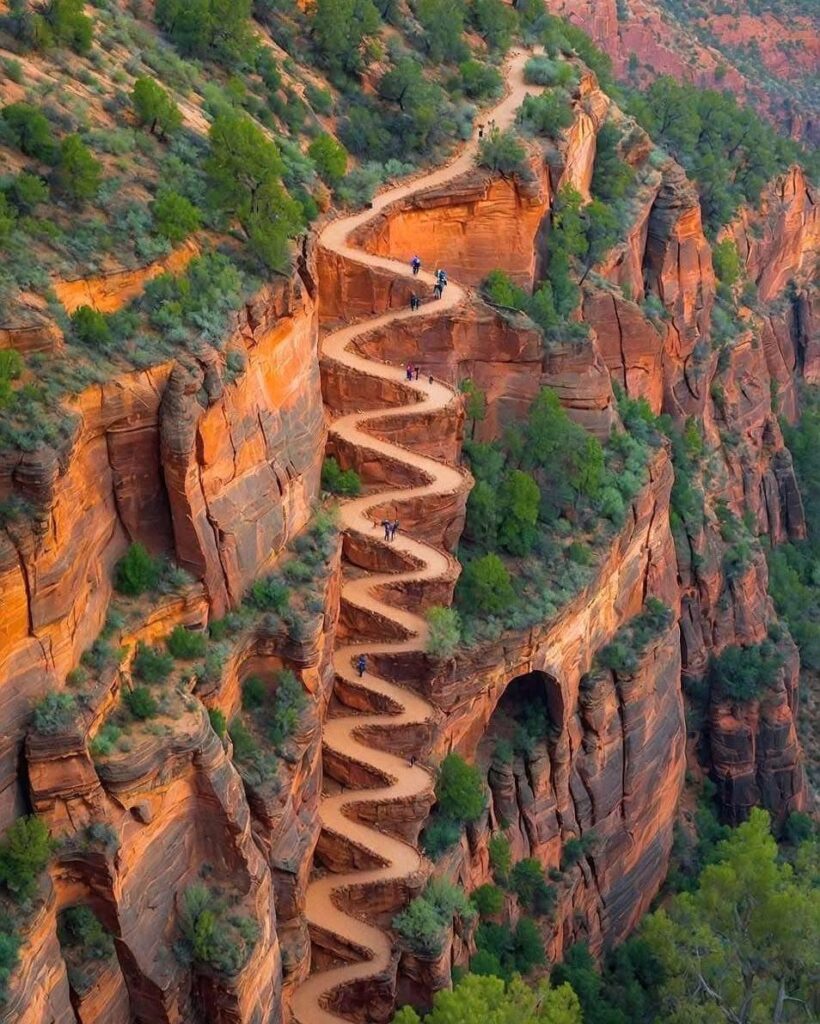
Season decides which of these 12 places is yours, more than budget or fitness. If your dates are fixed, pick the place that peaks then; if your dates can move, pick the place and let the calendar follow.
Since most readers book within about 3 months, the Accommodation Suggestions section at the end matters as much as any single stop, and cancellable rooms are the part I would settle first.
1. Glacier National Park
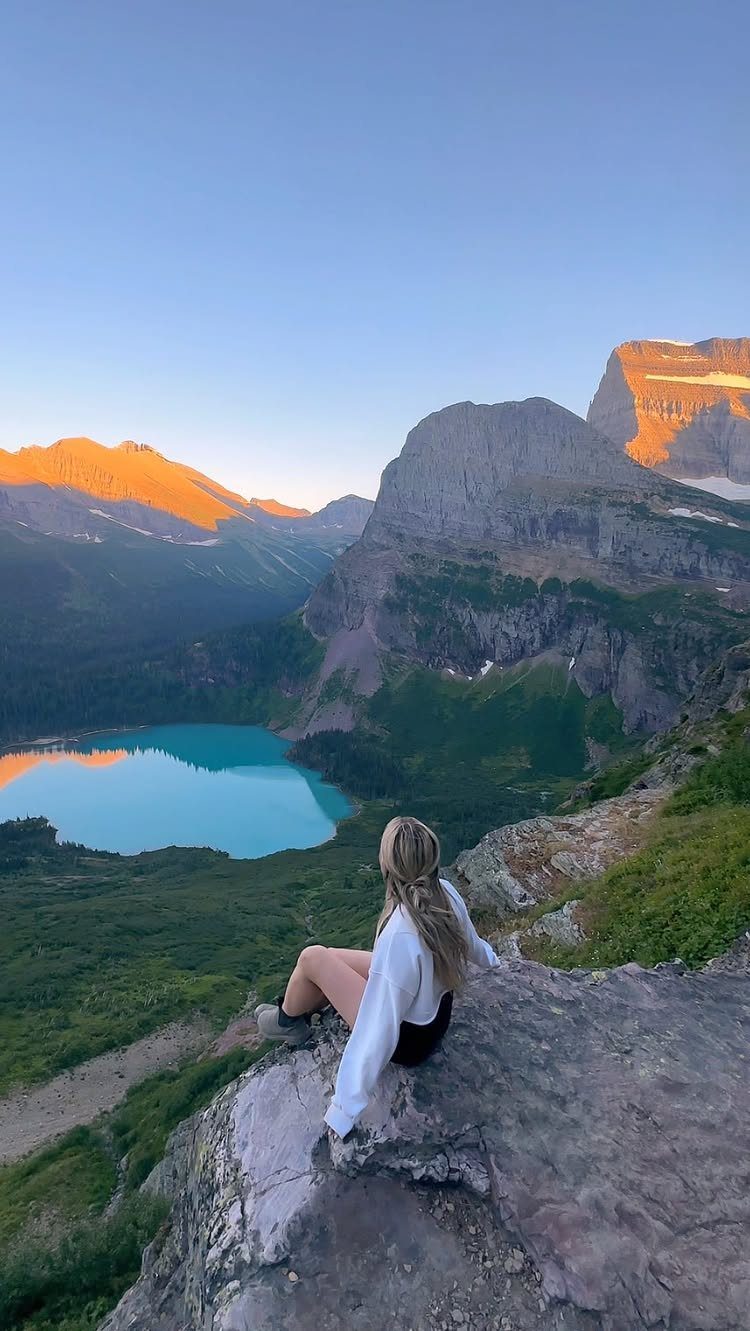
Glacier splits into sections, and the trip works best when each one gets its own days.
The east entrance is for hiking, so I would give it a few full days. The west entrance is where I would slow down, since a long stay around West Glacier and Apgar balances out the effort of the drives.
Then add a day or two for the Bowman Lake area, which sits apart from the rest. Trying to squeeze all 3 zones into a long weekend means more driving than walking.
Map the order of stops first and book lodging after, since where you sleep decides how much road time you lose.
2. Zion National Park
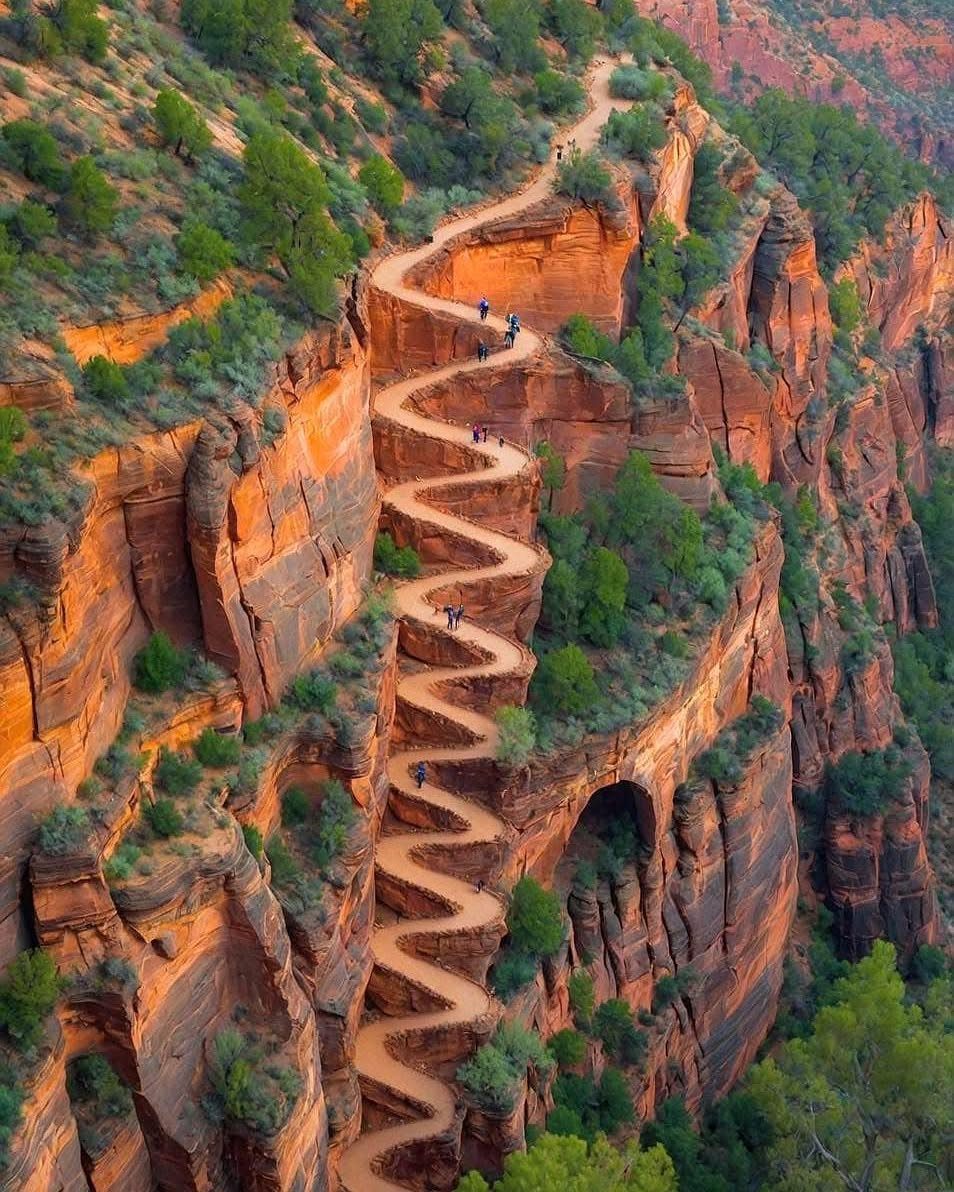
Zion is a canyon park, and its trails show why: paths are cut straight into steep orange sandstone, with green shrubs clinging to the slopes. Those ledges make the walking part of the scenery.
On a first visit, one trail that climbs along the cliff face is plenty, and the rest of the day works best left loose. Canyon walls reflect heat, so start early and carry more water than feels necessary.
Fall and spring are the seasons I would aim for.
3. New York
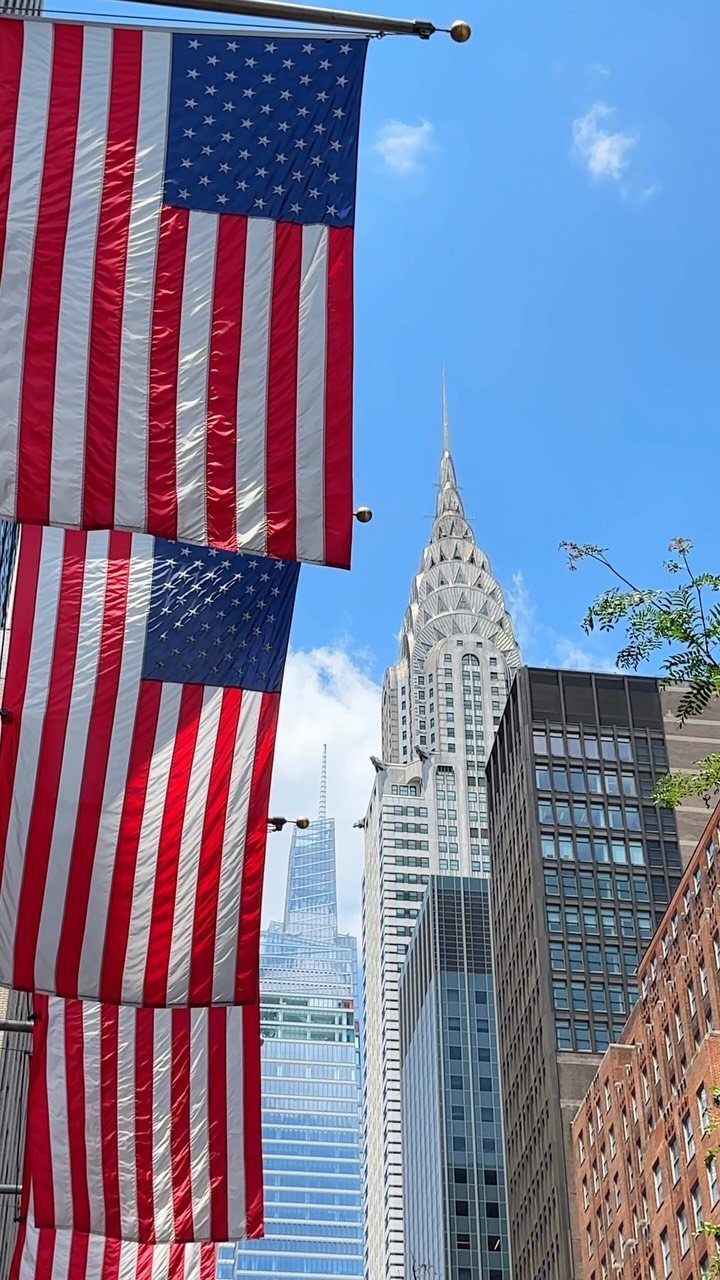
A single skyline view, like the Chrysler Building rising behind One Vanderbilt, is a good way to decide how to build a New York trip: pick a few landmarks and group them by neighborhood.
The creator’s list runs to 10 bucket list spots, which is a reasonable ceiling for one itinerary.
Trying for more means hours underground on the subway instead of looking up. Hotels are the big cost here, so book early and price a few neighborhoods first, while changing your mind is still free.
4. San Francisco
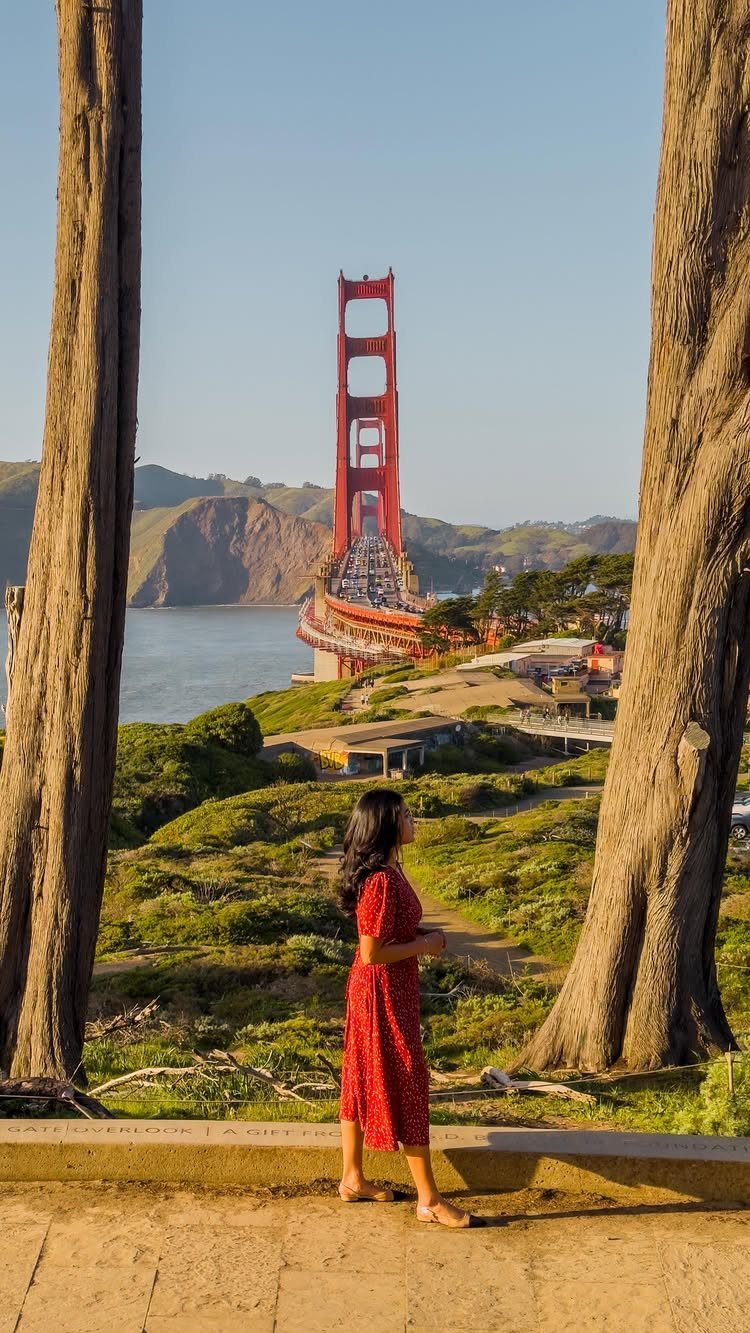
San Francisco rewards the walker who heads uphill. Overlooks above the water give the best angle on the Golden Gate Bridge, and some have a ledge where you can stop and take it in.
I would pair a viewpoint like that with a wander through the historic neighborhoods, since the city is compact enough to do both in a day. Pack a layer, because the hillsides catch wind even when the sky is clear.
5. Chicago

Chicago’s Riverwalk puts you at water level with the skyscrapers overhead, and it costs nothing to walk. Stairs lead down from the street, so you can drop in at several points and follow the river between the towers.
For travelers who plan everything themselves, that is a handy anchor: build the day around the river, then add a museum or a meal nearby.
Chicago mixes old architecture with modern glass better than most cities, and a walk shows it fastest.
6. Washington D.C Cherry Blossoms

Timing decides this trip. Cherry blossoms in Washington peak in late March through April, and a walk along the waterfront at sunset, with the trees reflected in calm water, is the version I would plan around.
Blossom dates shift from year to year, so book refundable lodging and watch the bloom forecasts. If the dates fall through, October and November bring crisp fall foliage to the same paths, with thinner crowds than peak bloom.
7. Austin

Austin works best when music and daylight share a plan. The city is known for live music and outdoor activities, so I would split each day: water or trail time before lunch, a show after dark.
Pick a neighborhood for your evenings and walk between venues instead of renting a car for every night out. Book lodging first, since where you sleep decides how easy that is.
Pair a mural stop with a meal nearby, and keep a few hours loose for whatever band catches your eye.
8. Pacific Coast Highway
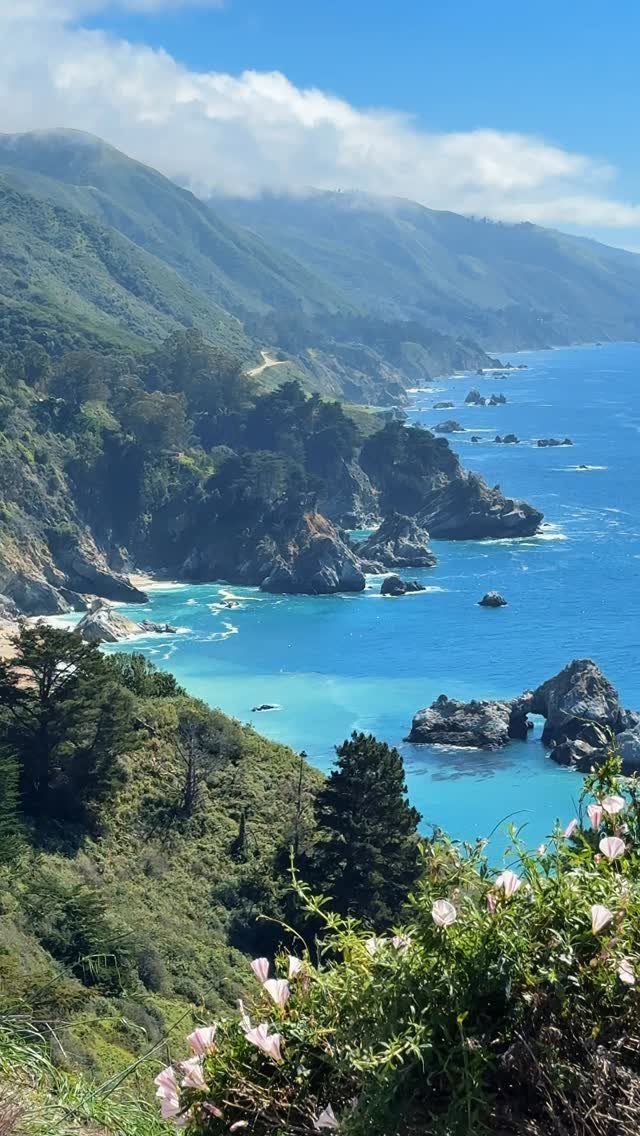
Green hills drop to rocky cliffs and turquoise water along the Pacific Coast Highway, and the drive pays off only if you leave room to stop.
I would plan fewer miles per day than feels natural, because the pullouts are the point.
Drive with the ocean on your side of the road when you can, so the overlooks are easy to reach. Book lodging along the route early, and keep one night flexible in case a view holds you longer than planned.
Pack layers; coastal air changes fast.
9. Yosemite National Park
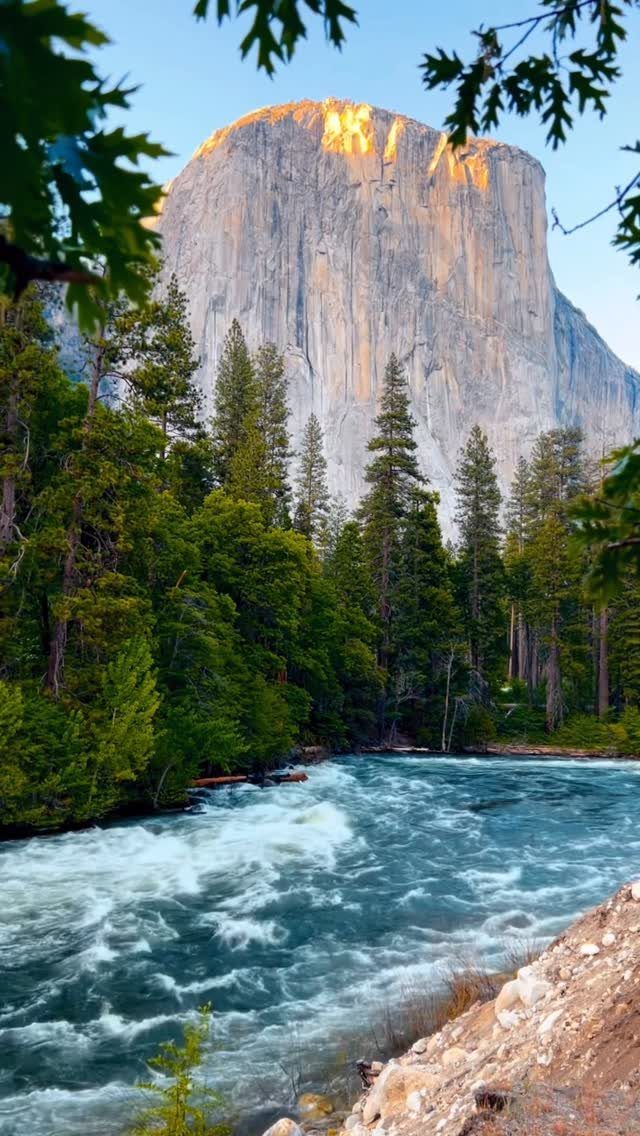
Yosemite is known for waterfalls and granite cliffs, and El Capitan is the one that stops traffic. A rushing river at its base means the best views are often low, from the valley floor, with pines framing the rock.
I would spend a full day on the valley floor before committing to any long trail. Walk the river, pick one waterfall, and let the cliffs be the main event.
Reserve lodging early, since this is a park people plan months ahead.
10. Grand Teton National Park
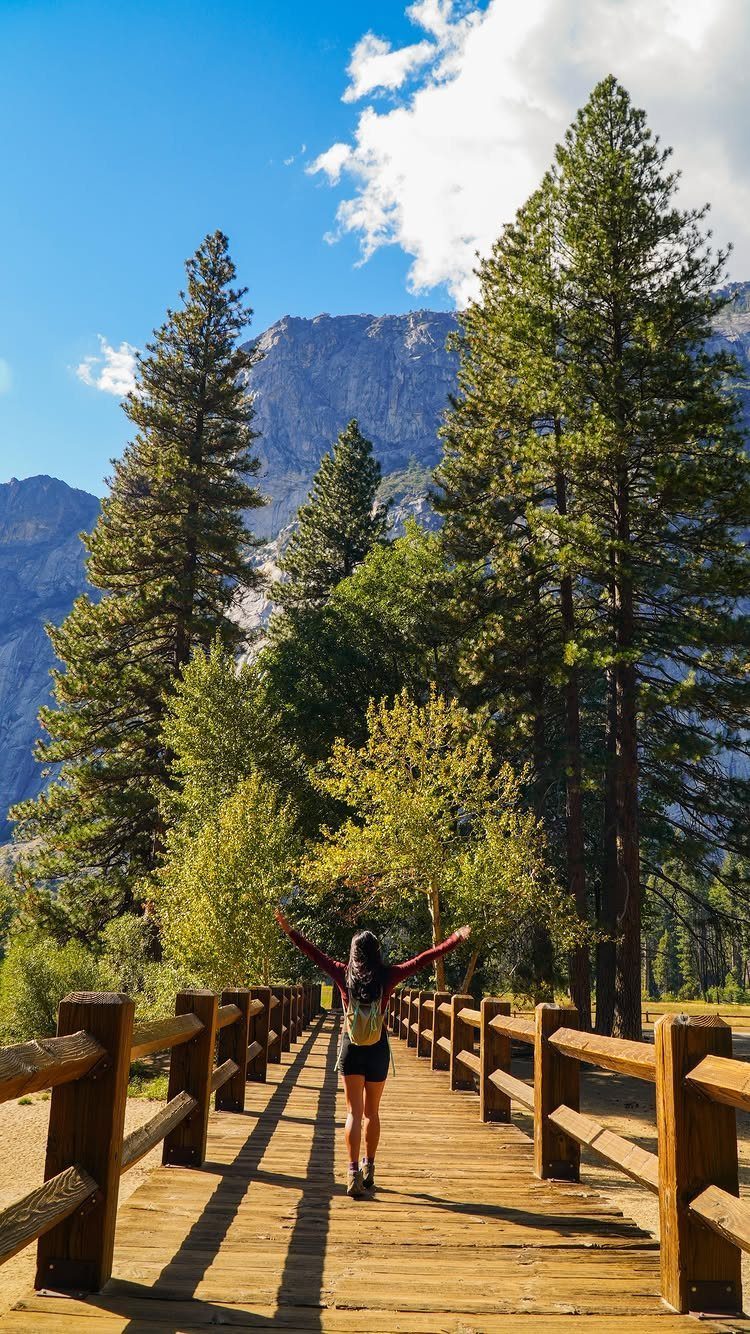
A wooden boardwalk with pines on both sides and a rocky peak ahead is the Grand Teton experience in one frame, and it takes no technical skill.
Flat, easy walks like that work for anyone after mountain scenery without a summit push.
My pick is a single boardwalk or short trail with a clear view of the peak, and a longer hike only if energy holds. Go early, carry water, and watch the clouds, since mountain skies change quickly.
11. New England Fall Foliage Trail
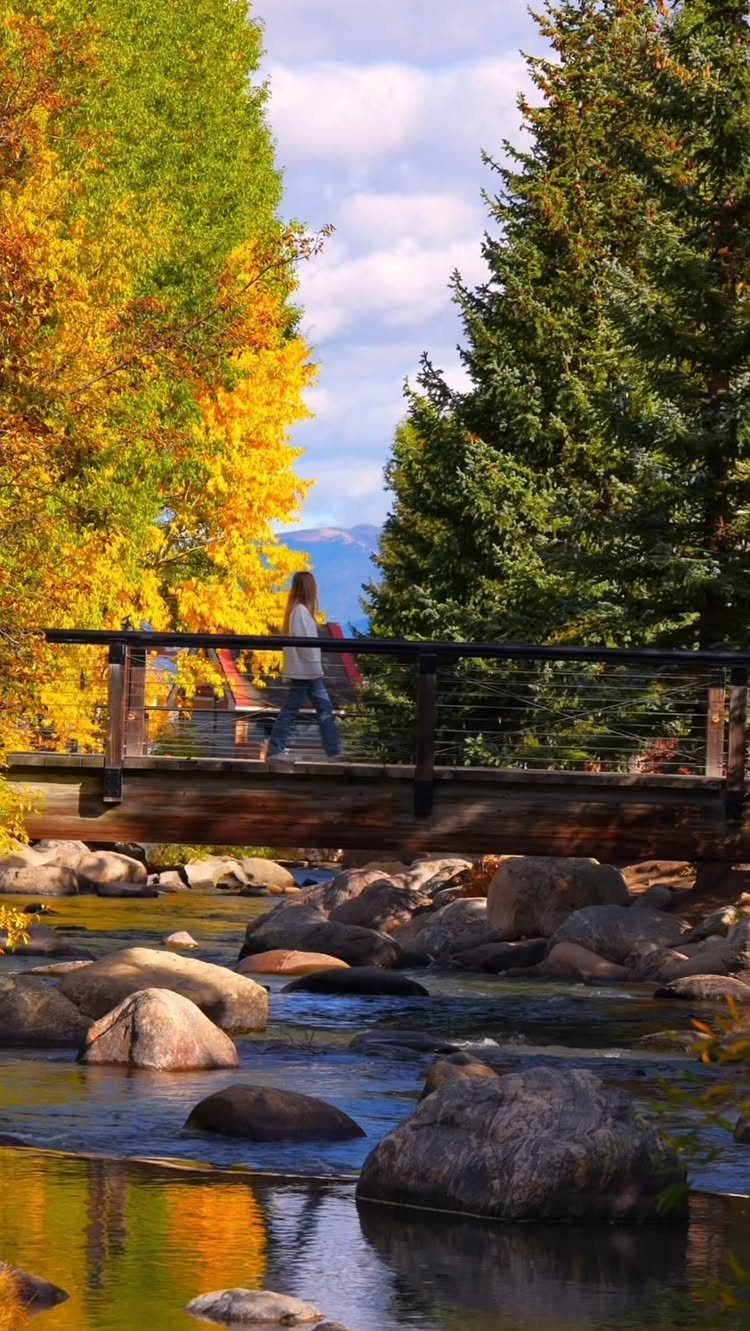
A wooden footbridge over a rocky stream, with yellow and green leaves overhead, is the kind of stop that makes a New England foliage trip. Build the route around short walks like that rather than long drives between viewpoints.
Color shifts from week to week, so book refundable lodging and stay flexible on dates. A cloudy sky actually suits the leaves well, so do not cancel a walk over gray weather.
I would plan one trail stop per morning and let small towns fill the afternoons.
12. Las Vegas Strip

The Strip is best after dark, when the Eiffel Tower replica at Paris Las Vegas, the digital billboards and the palm trees all light up together. Walking is the right way to see it, so wear comfortable shoes.
I would choose a hotel in the middle of the Strip and walk both directions, since distances between resorts look shorter than they are. Rooms cost more on weekends, so price midweek nights first.
Go once at dusk and once later; the mood changes completely.
Best Times to Visit
Yosemite is the clearest case for matching a park to a season. Late spring into early summer is my pick, because the waterfalls run full and the Yosemite Falls Trail and the Mist Trail are at their best.
Glacier Point Road and Tioga Road both close for winter, so a trip early in the season can mean losing access to both. Waiting until July or August puts you in the biggest crowds of the year.
If you want space, head into the backcountry. It is the most reliable way to get away from the people, though you will need a permit and a real plan for camping.
Lock in the season first, then check road status a few weeks before you go, since reopening dates move.
Travel Tips
Check 3 things before you book anything: weather, local events and crowd size. All three change what a trip costs and how it feels.
Look at typical conditions for your dates, then check the destination’s event calendar. A festival or big game can double hotel prices and fill every restaurant, so decide whether you want that or want to avoid it.
Crowds follow school holidays and summer weekends. Shifting your trip by one week, or arriving midweek, often gives you the same place with far more room.
Since most of you book within about 3 months, set fare alerts early and choose cancellable rooms until dates are firm.
Accommodation Suggestions
Decide your budget tier before you pick a town, because lodging usually takes the biggest share of a trip’s cost.
Hostels suit solo travelers and short stays. Look for private rooms if you want a door that locks and a quiet night; they cost more than dorm beds but far less than a hotel.
Luxury hotels make sense when the room is part of the plan, such as a view or a spa day. Otherwise, a mid-range hotel in a walkable area often beats a pricey one far from everything.
Compare total cost, not nightly rates. Parking, resort fees and taxes can add a lot, so read the final price before you pay.
Frequently Asked Questions
What are the top places to visit in the USA?
New York City, San Francisco and national parks like Yosemite, Zion, Glacier and Grand Teton lead my list.
Cities reward a short list of landmarks grouped by neighborhood, while the parks reward one or two good trails and early starts. Other strong picks are Chicago’s Riverwalk, the Pacific Coast Highway and Washington, D.C. during cherry blossom season.
Which part of America is best to visit?
It depends on what you want to do, since no region wins for everyone.
Pick the West for national parks and coastal drives, the Northeast for city trips and fall foliage, and cities like Chicago or Austin for walkable days with food and music.
Decide the type of trip first, then choose the region and season.
What is the #1 vacation destination in the US?
New York City is the usual answer, and Times Square is often named the top tourist spot. Pick a handful of landmarks and cluster them by neighborhood; once the list passes roughly 10 stops, the subway eats hours of your day.
Lodging takes the biggest bite of the budget, so reserve early and price out a few different neighborhoods before you commit.





