The ideas here run from a free walk under cherry blossom in Japan to an overwater bungalow where the boardwalk position decides how private your deck feels, and the price gap follows the same line.
Season decides more than taste does: cherry blossom peaks for about a week or two, hot air balloons lift off at dawn, and whale watching, scenic trains and some Alpine trails run only part of the year.
Since I book most trips within about 3 months of departure, I match the place to the calendar first and the wish list second.
1. Machu Picchu
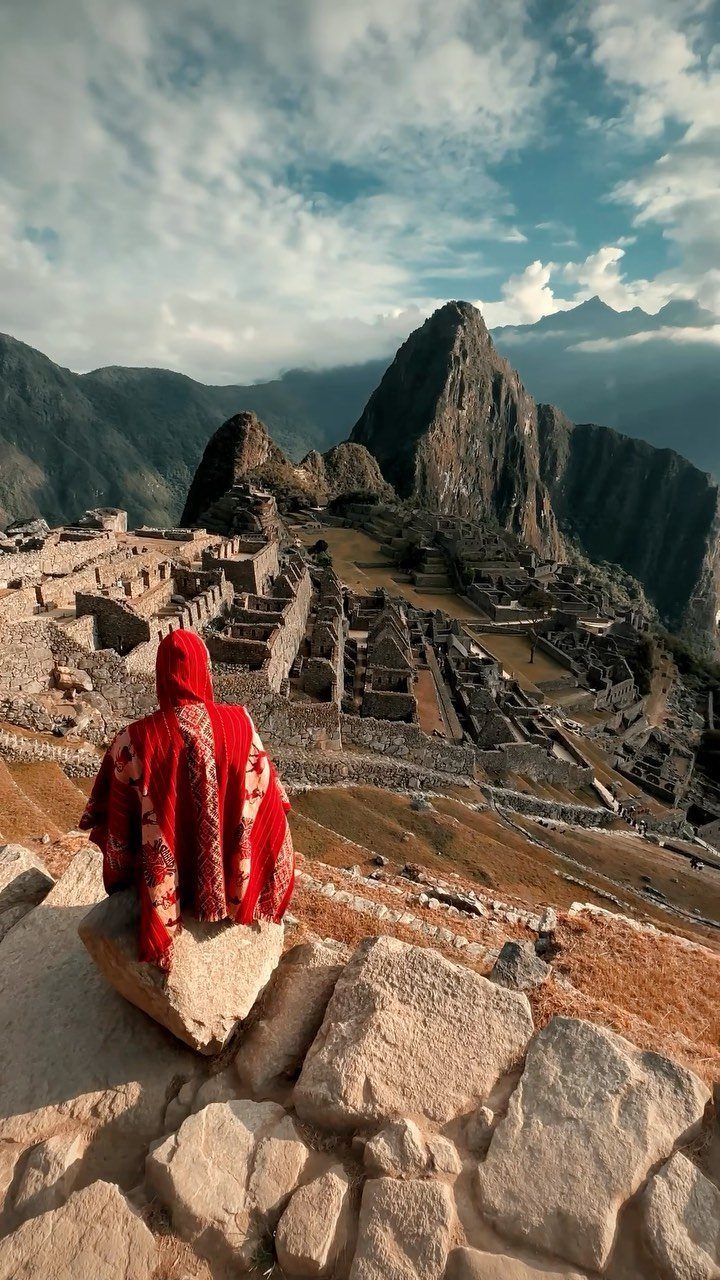
A red poncho and a cloudy sky tell you something useful: Machu Picchu is a mountain site, and the weather up there changes the view fast.
Pack a light rain layer and plan to arrive early, since clouds can sit over the ruins and then clear.
The stone terraces and the big peak behind them reward slow looking. I would give it a full morning rather than a rushed hour, and book tickets online well ahead of your travel window.
2. Whitewashed Buildings
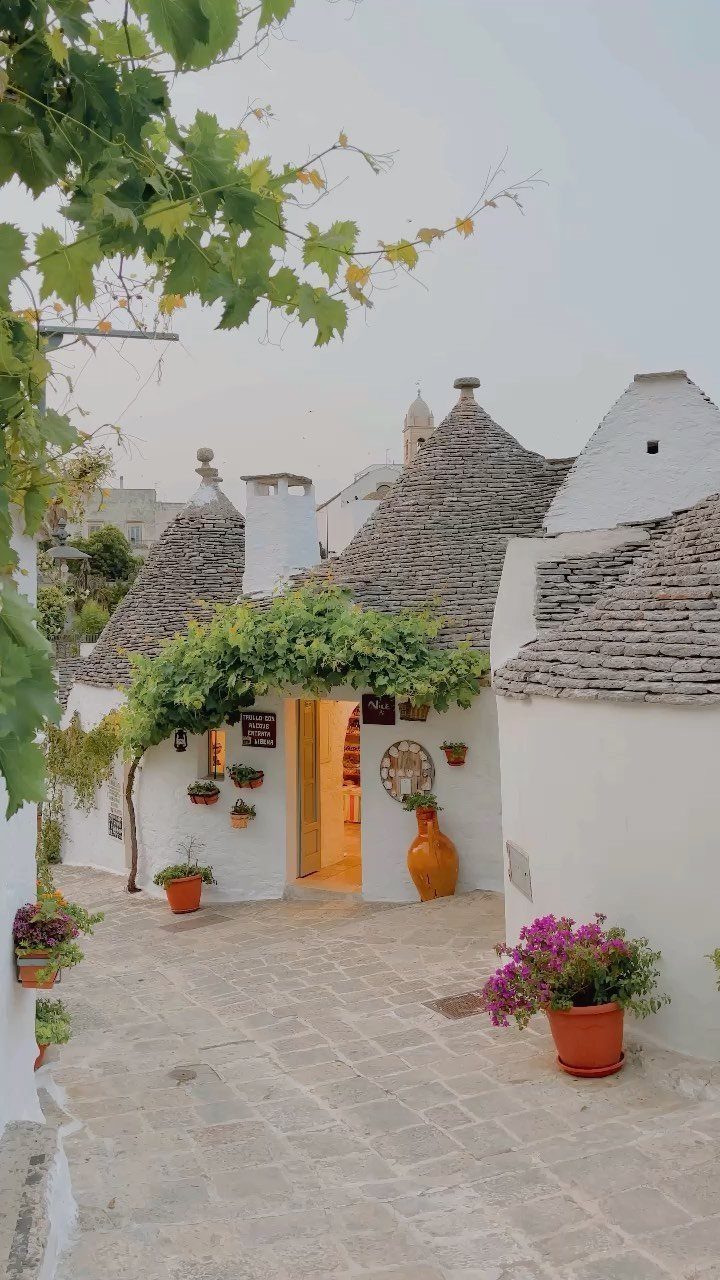
Trulli, the conical-roofed stone houses of Alberobello, Italy, make a good case for choosing a destination by its architecture. Pick a town like this when you want a place small enough to cover on foot.
The cobblestones are uneven, so wear flat, grippy soles. Shops and potted flowers line the lanes, which makes a slow wander more rewarding than a checklist of sights.
I would book a night in town rather than a day trip, because the streets feel different once the crowds thin out.
3. Taj Mahal
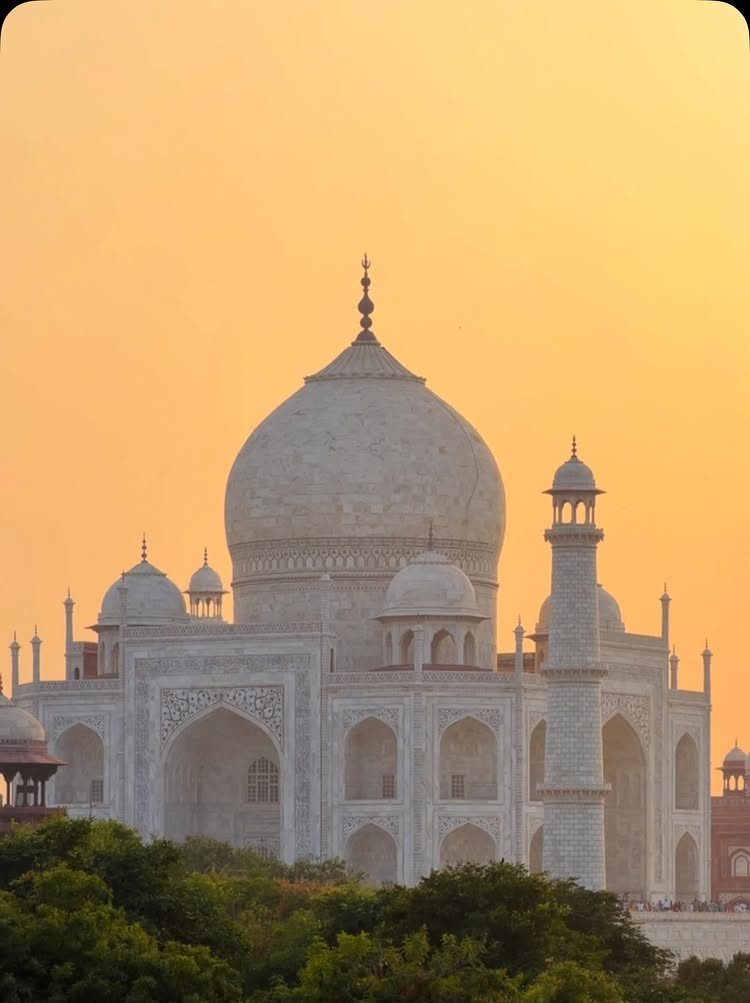
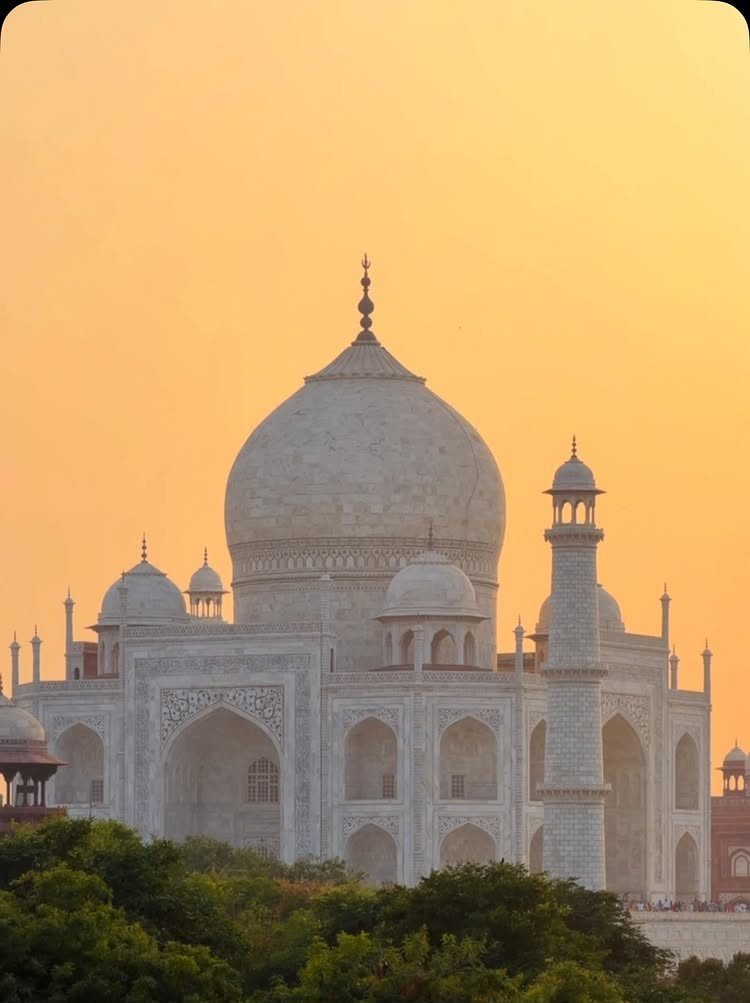
The Taj Mahal’s white marble shifts tone with the light, so I plan around the hours just after opening, when the stone looks soft pink and the crowds are thinner.
Check the sunset hour for your travel date and aim to be inside the grounds well before it.
Build in extra time for entry lines and security, and book tickets online.
Late light beats midday every time.
4. Hiking in the Alps
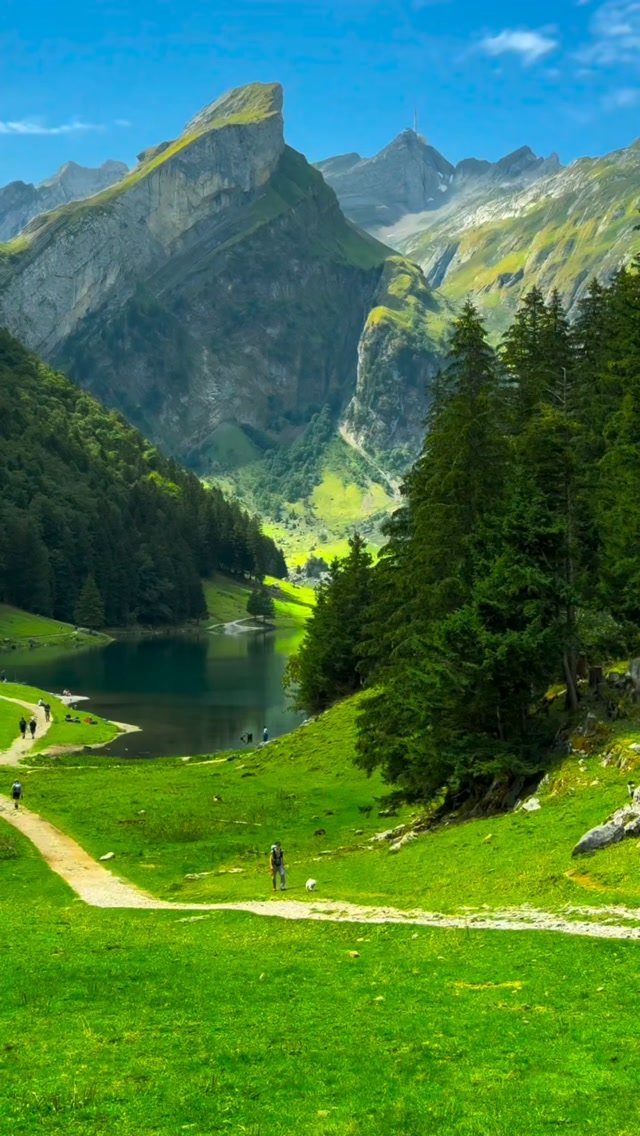
Start with a lakeside or valley-floor route, then decide on a steep climb.
The people on the trail look tiny against the peaks, which is a good reminder to plan for scale. Bring layers, sturdy boots and water, and leave early so the walk doesn’t run into dusk.
Trade-off: valley walks give up summit views for easier footing.
5. Petra, Jordan
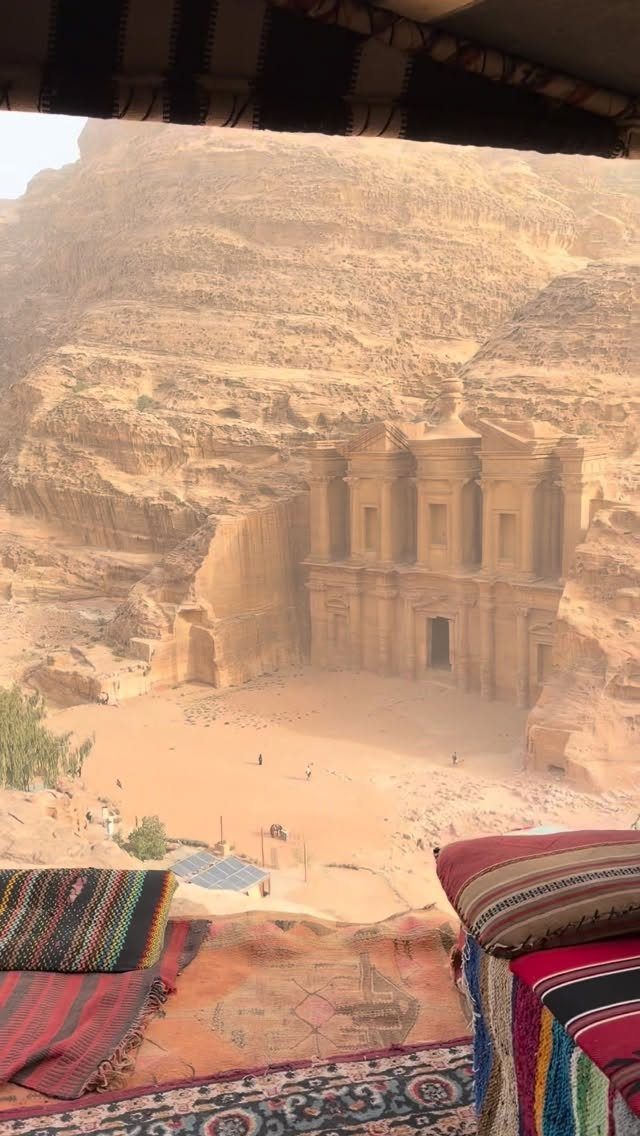
Al-Khazneh, the Treasury, is carved straight into Petra’s sandstone cliffs, and a terrace with rugs spread out gives you a high view of the plaza instead of a ground-level one.
Look for a viewpoint of that kind to see the whole facade at once.
The sandy plaza below is where the scale sinks in, with people looking small against the carved front. Wear closed shoes for sand and bring water.
I would linger with tea above the crowd rather than push straight in.
6. Fishing Villages
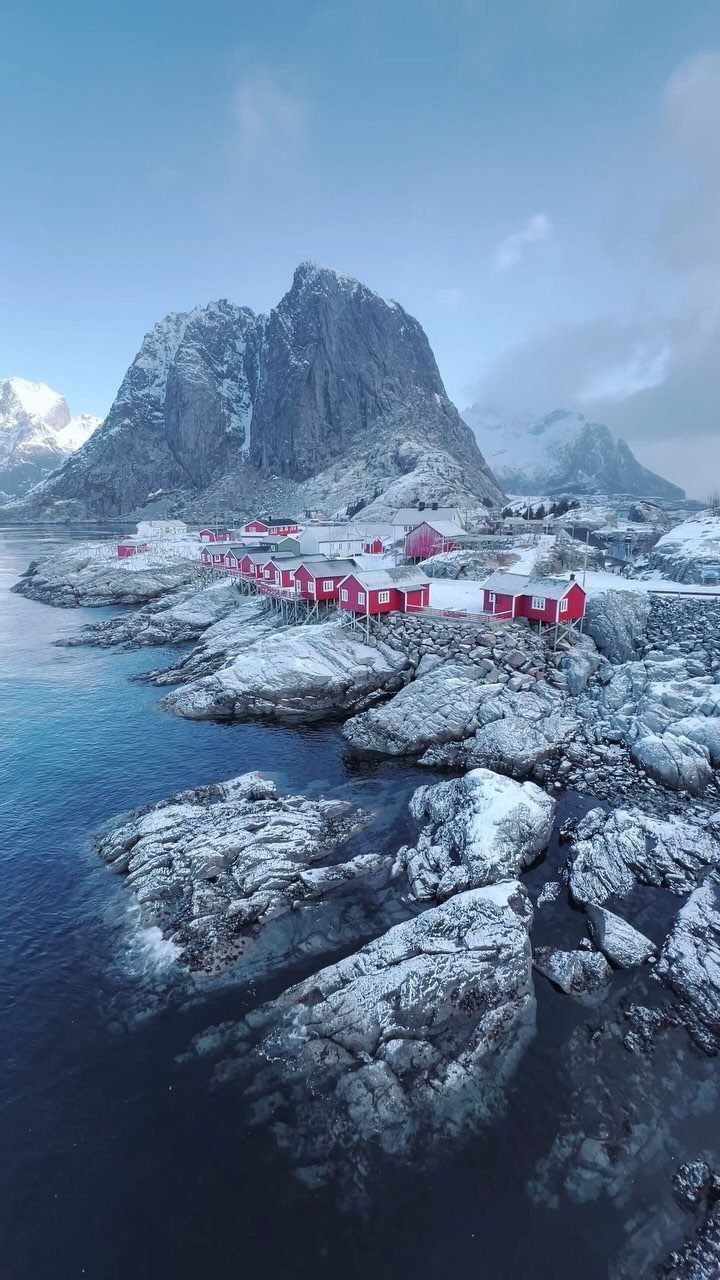
Red wooden cabins against snow, bare rock and a jagged peak make a strong case for visiting a fishing village in winter. The color stands out sharply when everything else is white and gray.
Expect a quiet coast with few people, so plan your own transport, food and lodging ahead of time. Pack waterproof boots, insulated layers and a warm hat.
For empty views, I would choose this over a summer trip, and accept the cold and short days as the price.
7. Portugal
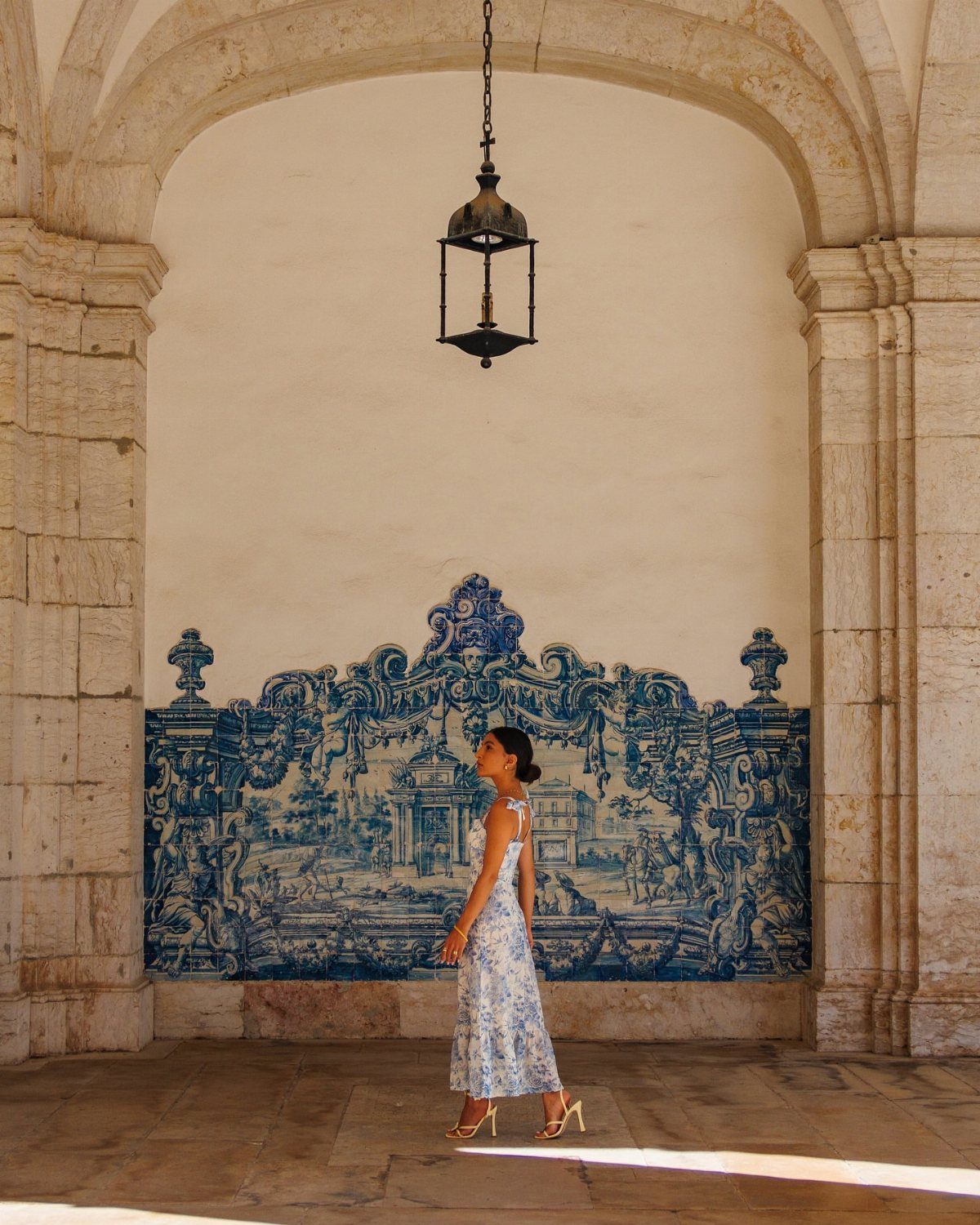
Azulejos, the glazed blue and white tiles that cover Portuguese walls, are the detail worth planning a walk around.
Murals in Portugal turn up under stone archways and along ordinary streets, so you do not have to go to a museum to find good art.
Go slowly and look up, since the best panels are often above eye level. Flat shoes help on stone paving.
A day of wandering old streets beats a fixed list of sights, and Portugal’s older neighborhoods reward that kind of slow walking.
8. Grand Canyon
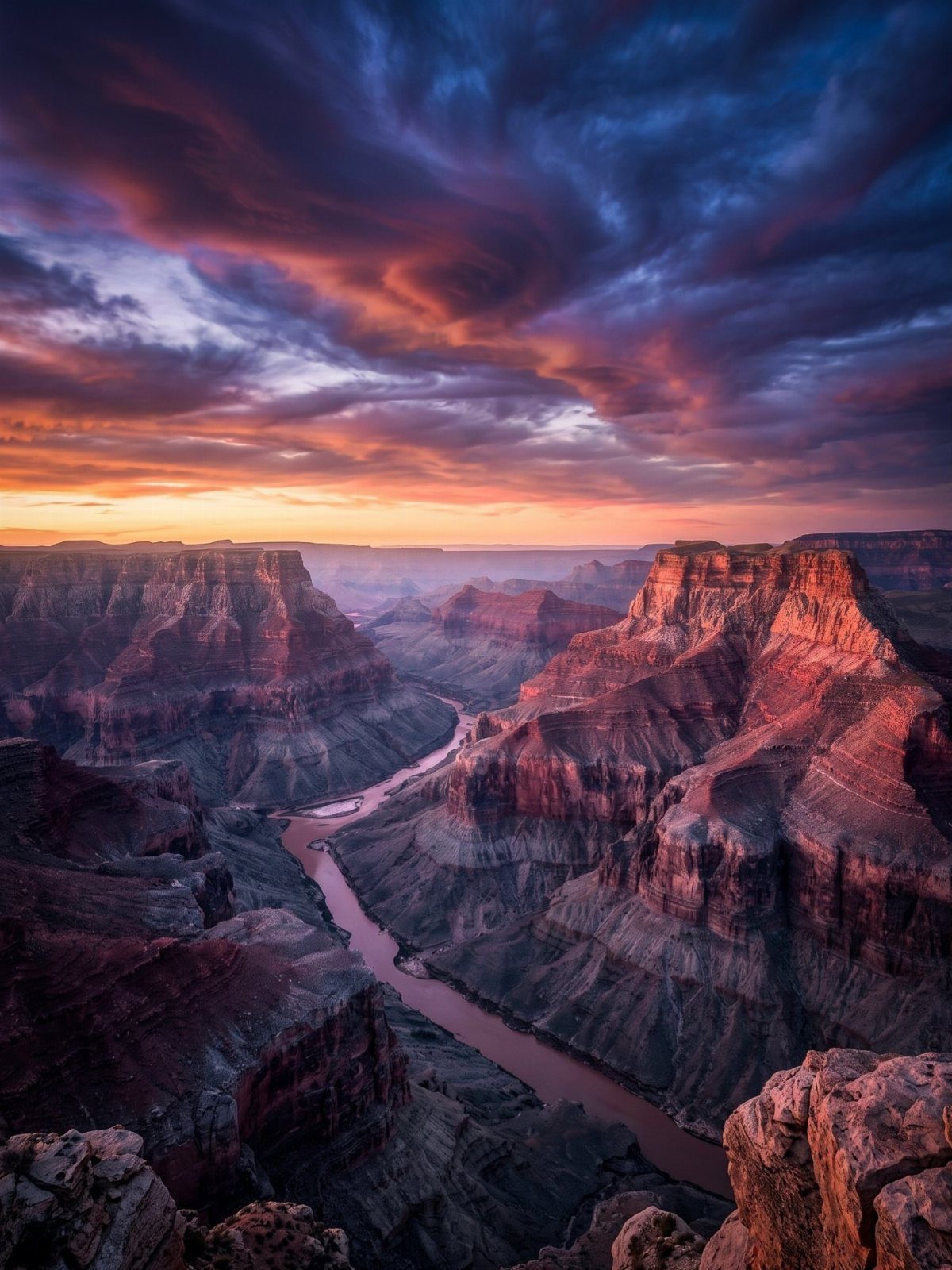
Color is the reason to time a Grand Canyon visit by the clock. At sunset the rock layers and the river below pick up purple and orange from the clouds, and the view changes minute by minute.
Sunset times shift through the year, so look up the exact hour for your date and arrive at the rim well ahead of it, because the best viewpoints fill fast. Bring a warm layer for after dark.
Sunset beats midday here, when the light is flat and the crowds are thickest.
9. Giant Tortoise
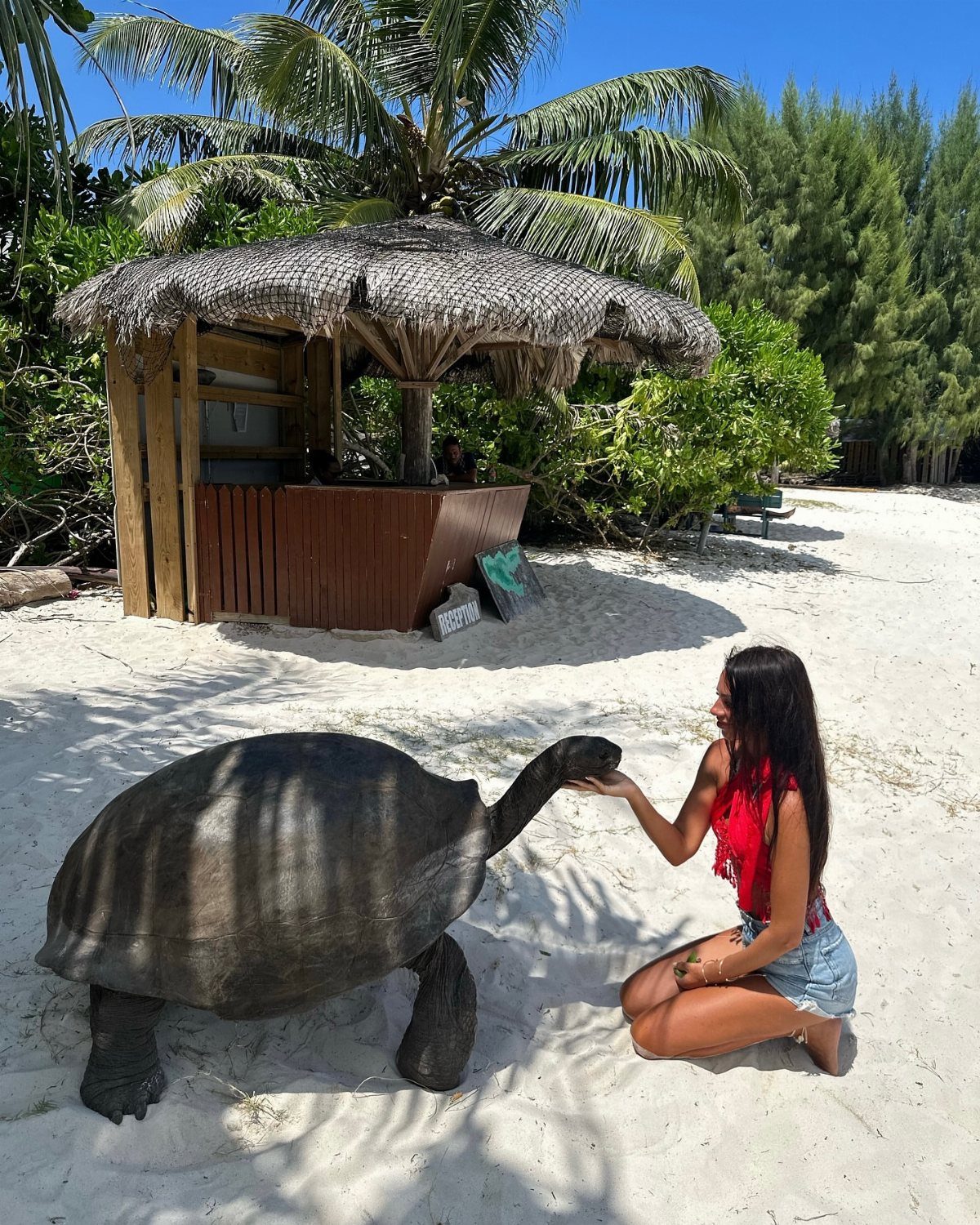
Meeting a giant tortoise on a sandy beach is slow and quiet, a good pick if you like watching wildlife at a walking pace. Kneel low and let the animal set the speed; it will not be rushed.
Expect a resort or island setting, so confirm in advance whether tortoise visits are offered and what they cost, since I can’t give a fixed price.
I would choose this over a busy tour for the calm.
10. Overwater Bungalows
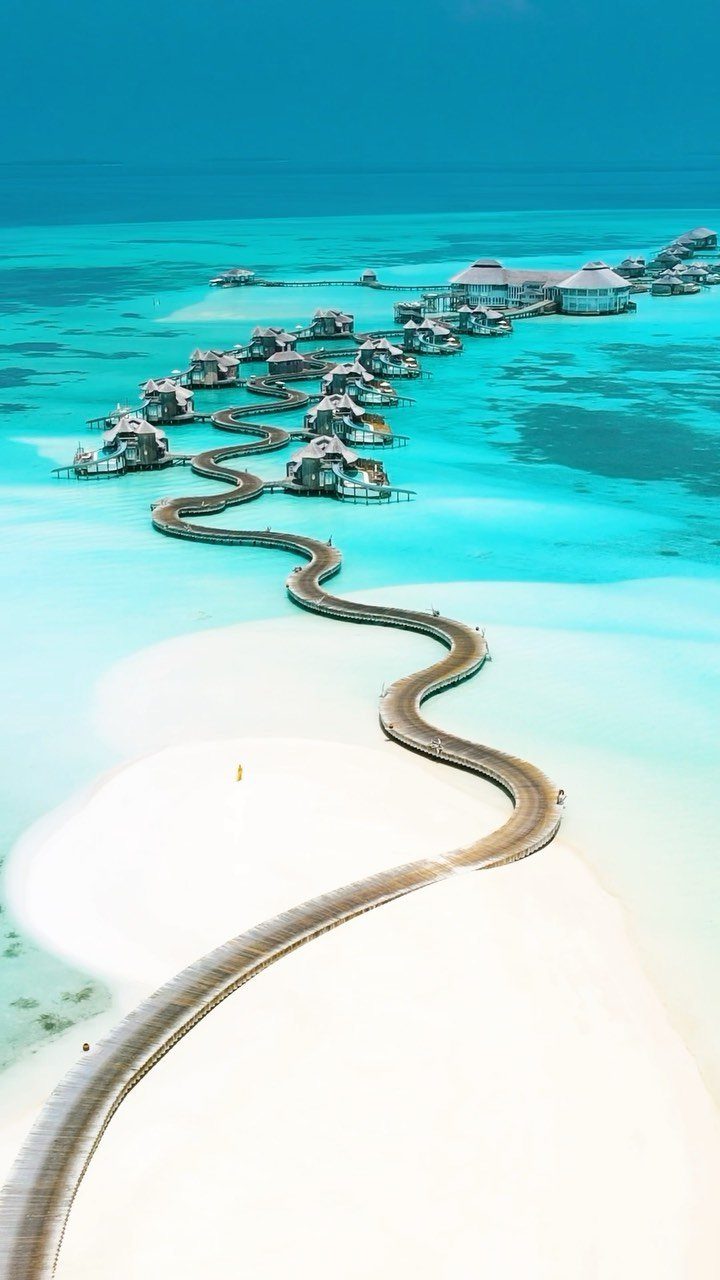
An overwater bungalow comes down to a walkway: a wooden boardwalk over turquoise shallows leads you to a thatched-roof room above the water.
Look at the resort layout before booking, because the position along the boardwalk decides how private your deck feels.
Expect a high price, and pay it only if you plan to stay in rather than go sightseeing.
Book online well ahead of your travel window, and pack reef-safe sunscreen.
11. Hot Air Balloons
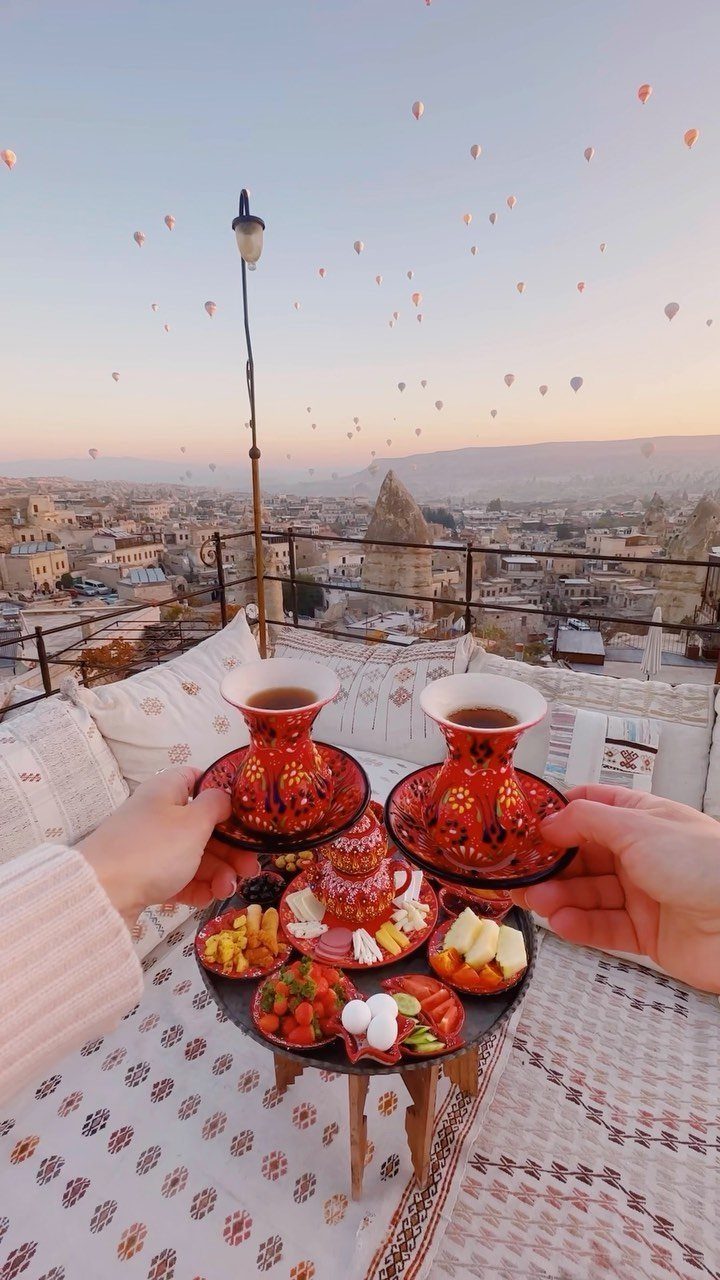
Cappadocia pairs rock formations with hot air balloons, and a rooftop terrace breakfast with Turkish tea gives you the view without leaving your seat. Choose a hotel with a terrace facing the valley.
Balloons fly at dawn, so set an early alarm and bring a jacket for the cool morning air.
I would book the terrace stay first and a balloon flight second, because watching from above the town costs far less than riding.
12. Salar De Uyuni
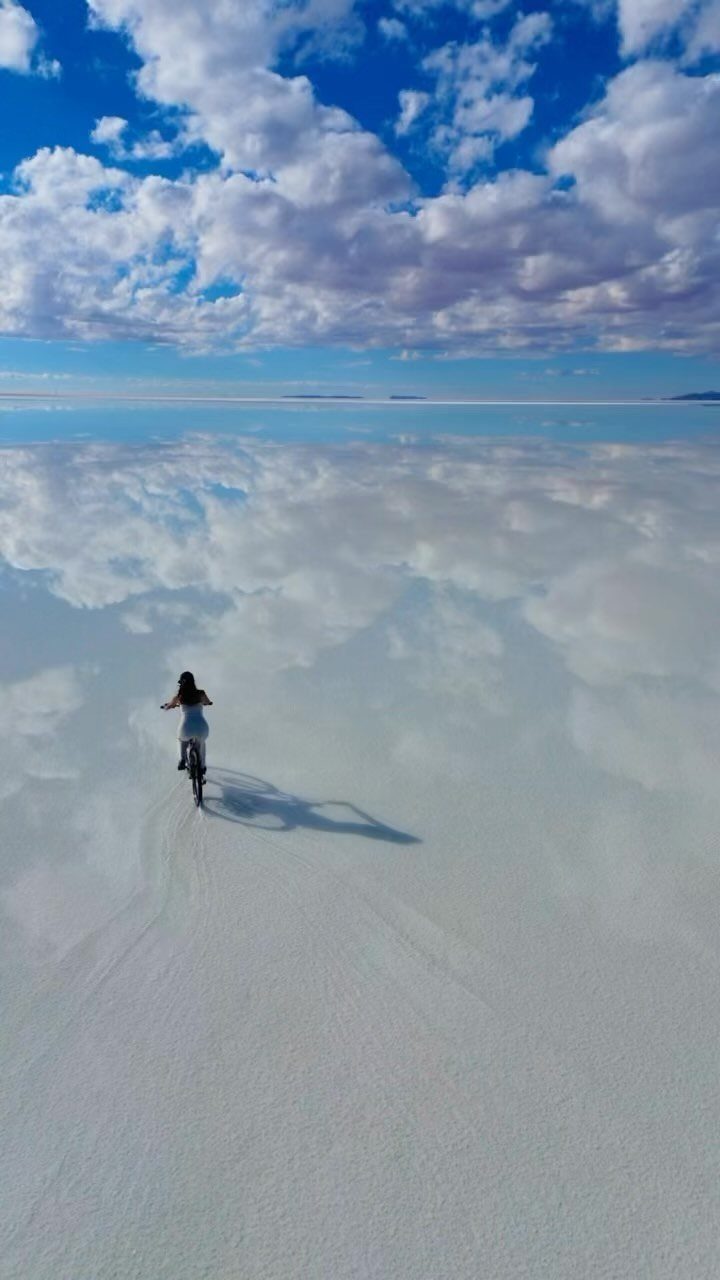
Salar de Uyuni, in Bolivia, is the world’s largest salt flat, and when a thin layer of water covers it the surface can mirror the sky into a single unbroken horizon.
Cycling across the flat gives you a pace that driving cannot match, and the open surface makes it easy riding.
Bring sunglasses, sun protection and a hat, because the glare is hard on the eyes.
Plan your own transport and lodging ahead, and pick your dates with the sky in mind, since clouds make the reflection.
13. Icy Landscapes
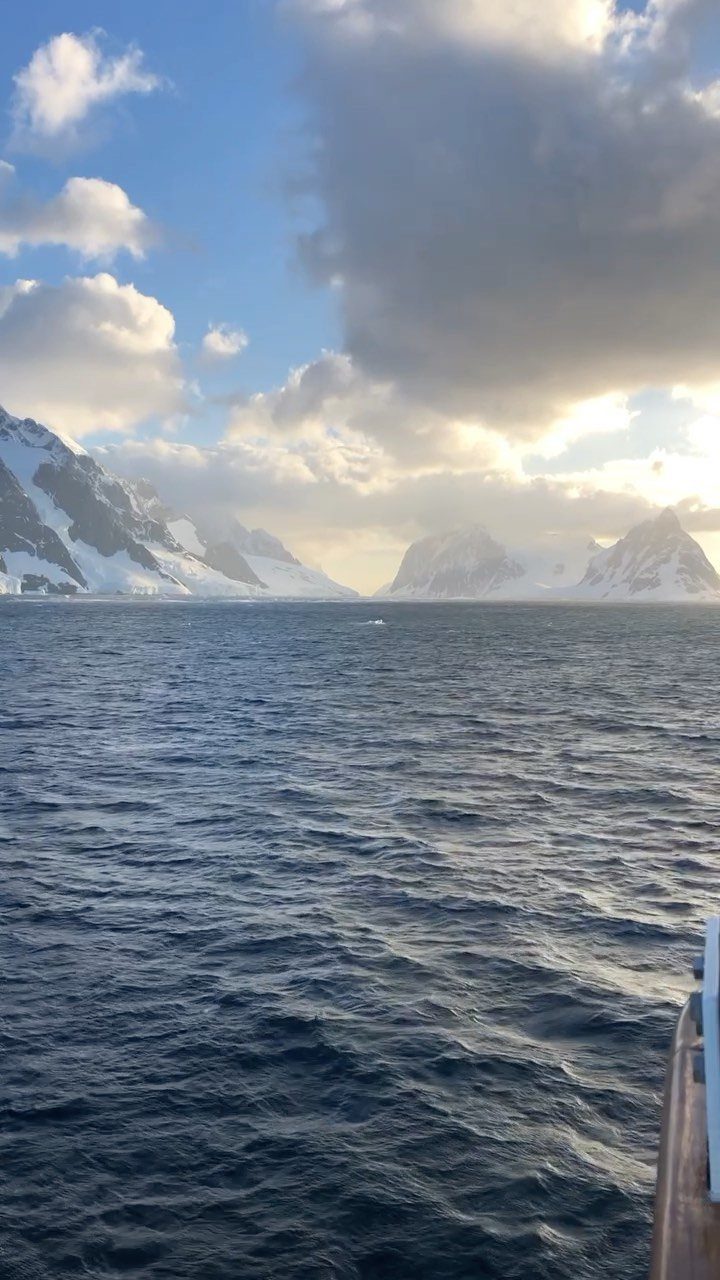
Glaciers that run straight down to dark water are best seen from a boat, because the waterline shows you the full height of the ice and the peaks rising behind it.
Dress for cold wind on deck, with a waterproof shell, gloves and a warm hat. Clouds with gaps of sun make the ice look sharper than a flat blue sky would.
Remote coasts like this take planning, so arrange transport and lodging ahead of time.
14. Pyramids of Giza
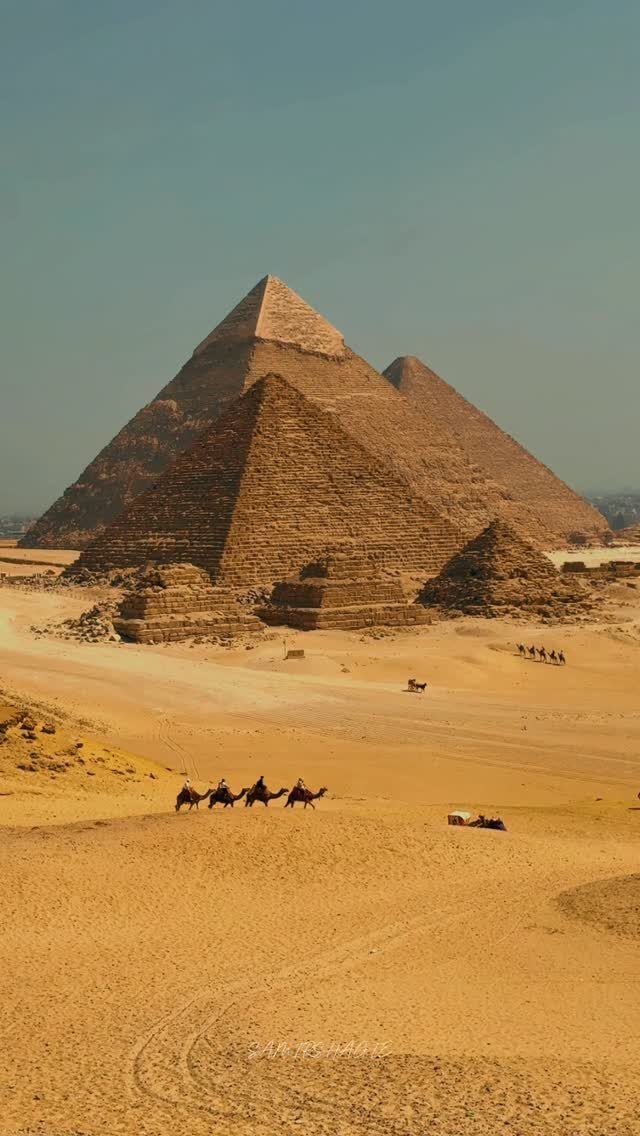
Camels give the Pyramids of Giza a sense of scale that a bus window cannot. Three monuments rise from open sand, and a ride along the desert edge lets you see all of them in one frame.
Agree on the ride’s length and price before you climb up, since I can’t give a fixed figure. Shade is scarce out on the sand, so pack a hat, sunscreen and more water than seems reasonable.
I would pick a clear morning for the best view of the stone.
15. New York City at Christmas
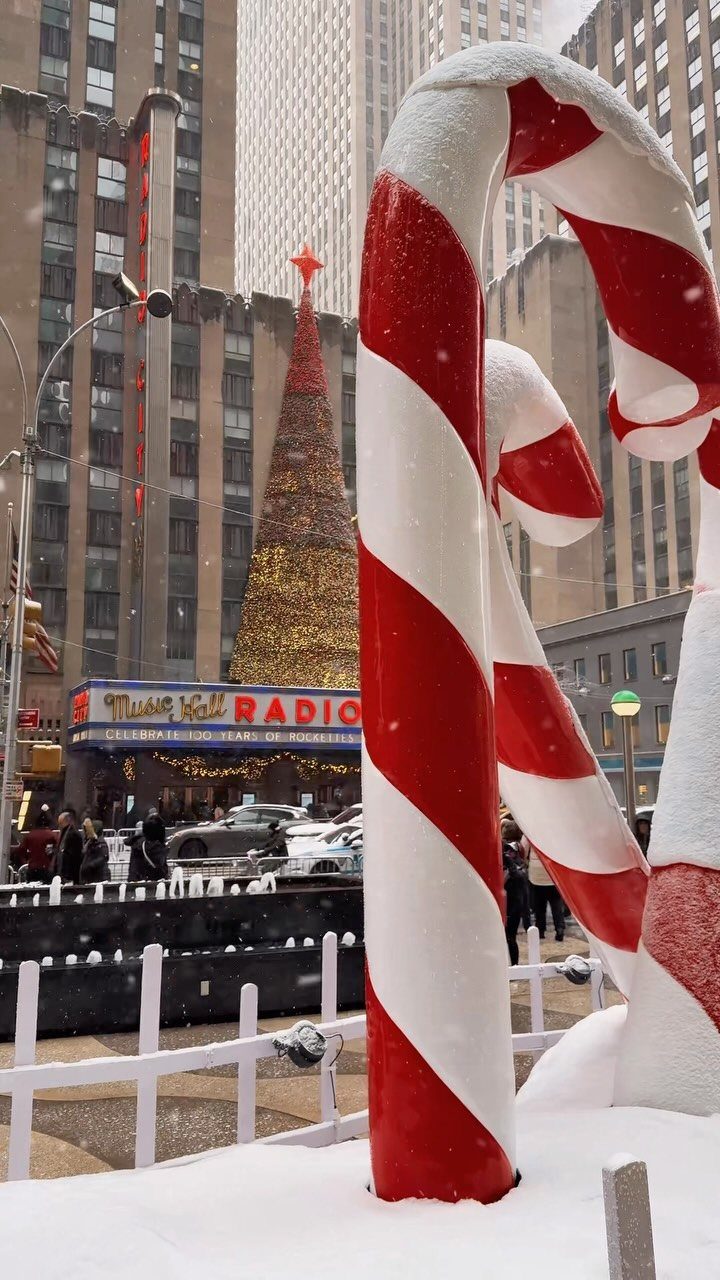
Radio City’s marquee is the kind of landmark worth building a day around, especially if you pair it with a Rockettes show.
Wear waterproof boots and warm layers for walking, and book shows and lodging online well ahead, since the season is popular and prices run high.
Cold feet are the main risk, so plan indoor stops between outdoor ones.
16. Lake Louise
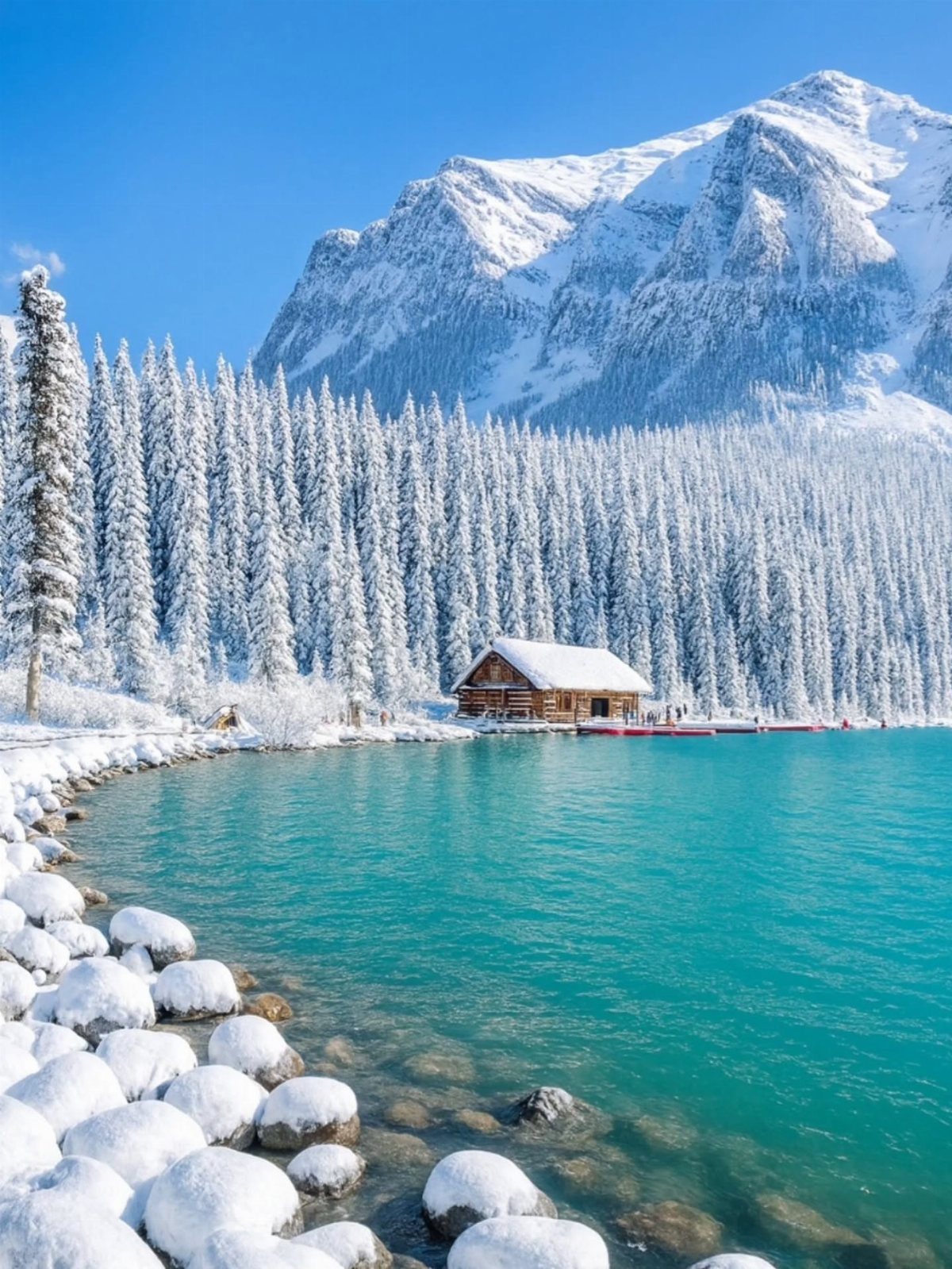
Lake Louise in Canada gets its turquoise from glacial rock flour, and the color is at its brightest in summer once the ice melts. I would choose a clear-sky day for that contrast.
Pack insulated boots with good grip, since snow-covered rocks along the shore are slippery. Bring warm layers and sunglasses for the glare off the snow.
Winter means fewer comforts and colder hours, which I accept for the quiet.
17. Swim with Friendly Pigs in the Ocean
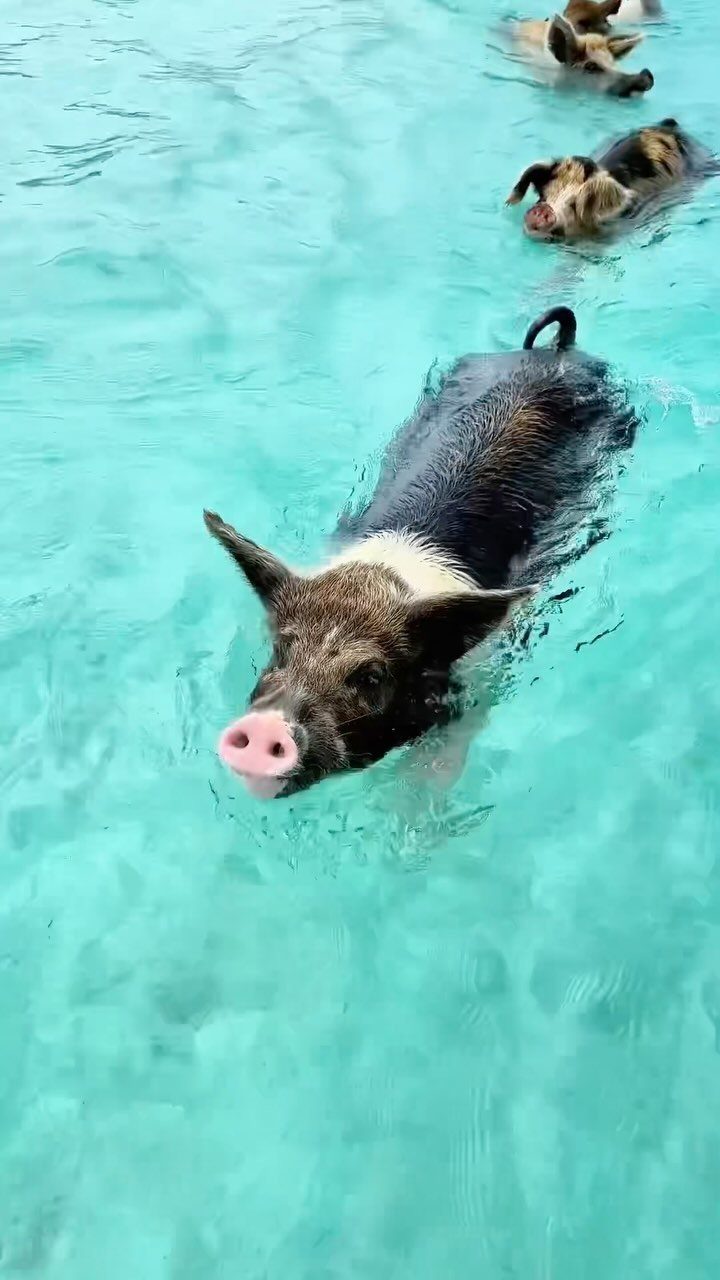
Pigs paddling through clear turquoise water make for one of the odder swims on any list. They come right up to you, so go in calm and let them approach.
Confirm in advance that the tour or beach allows swimming with them, and ask about cost, since I can’t give a fixed price. Bring reef-safe sunscreen and a quick-dry towel.
I would book a small group rather than a crowded boat, so the animals stay relaxed.
18. Scenic Train Rides Through Nature
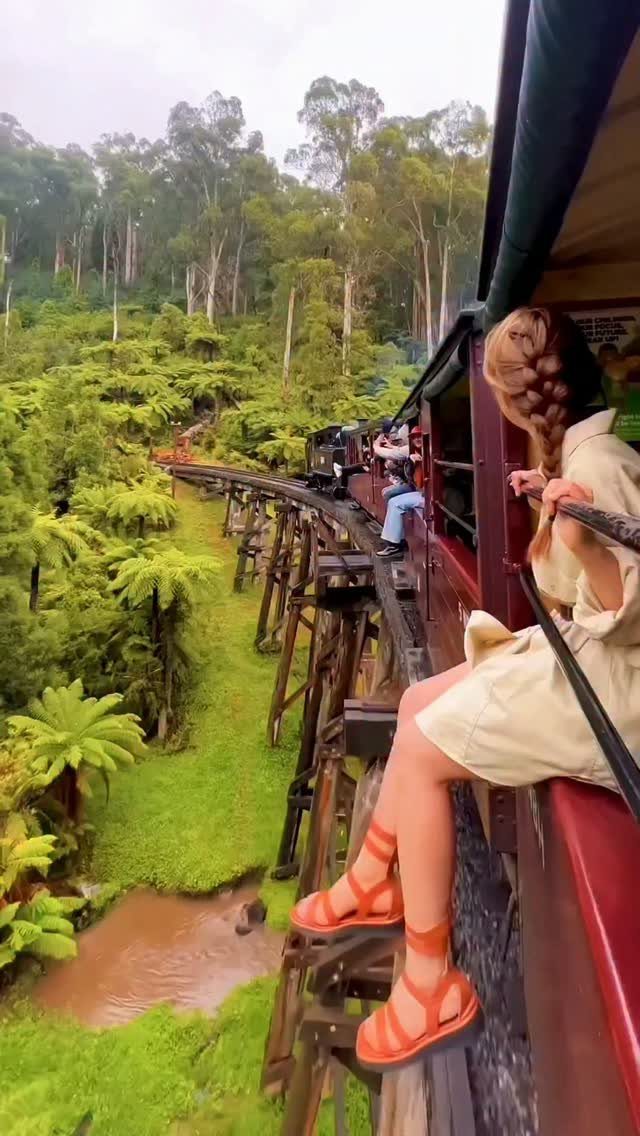
An open-air red train car crossing a wooden trestle high over green rainforest gives you the canopy at eye level. Sit at the edge if the operator allows it, and keep a firm grip on your camera and your seat.
Choose an open car over a closed one for the smells, sounds and breeze, but pack a rain layer, since a rainforest can soak you fast.
Reserve seats online before your travel window fills up, and choose a morning departure if you want softer light through the windows.
19. Cherry Blossom Paths in Japan
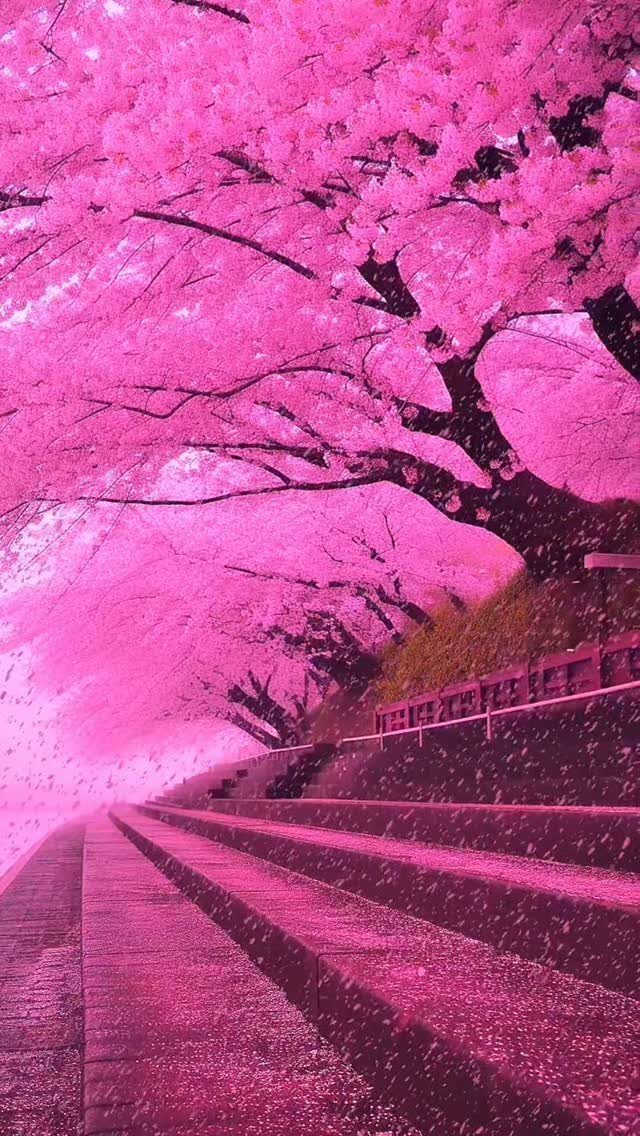
A canopy of pink blossom over a stone walkway and steps gives you a tunnel of color, so choose a path with stairs over a flat open field. Steps make you slow down, and the branches close in overhead.
Peak bloom lasts only a short stretch and shifts with the weather, so check bloom forecasts close to your dates and keep your plans flexible. Wear flat, grippy soles for stone steps, which get slick when damp.
I would walk it early, before the path fills.
20. Natural Limestone Swimming Holes
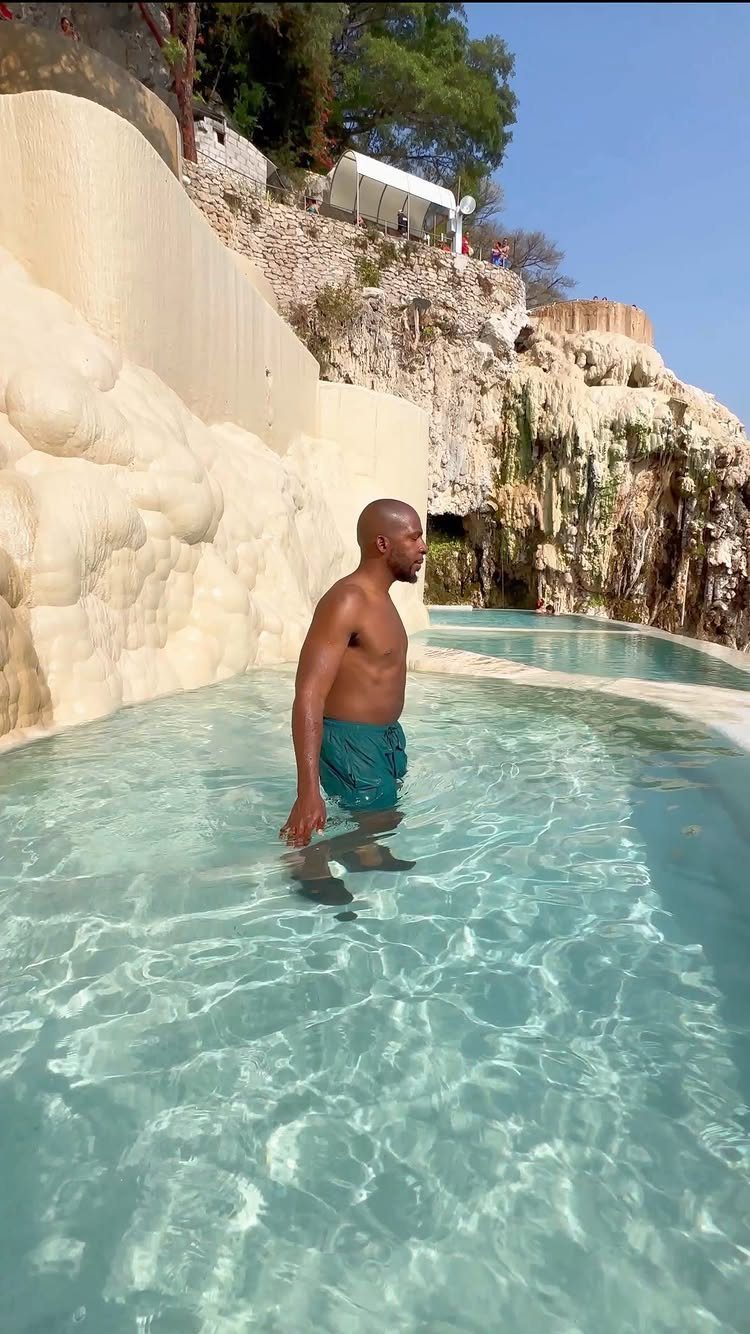
Pale, sculpted limestone around a turquoise freshwater pool is the setup to look for, and the clear blue sky in a photo like this is what makes the water glow. Pick a clear day for the color.
Wear water shoes, since rock edges are rough and wet stone is slippery. Bring a dry bag, sun protection and a towel.
Entry rules, fees and swimming conditions vary by pool, so check them before you drive out. I would choose a weekday visit for more room in the water.
21. Galapagos Islands Wildlife Spotting
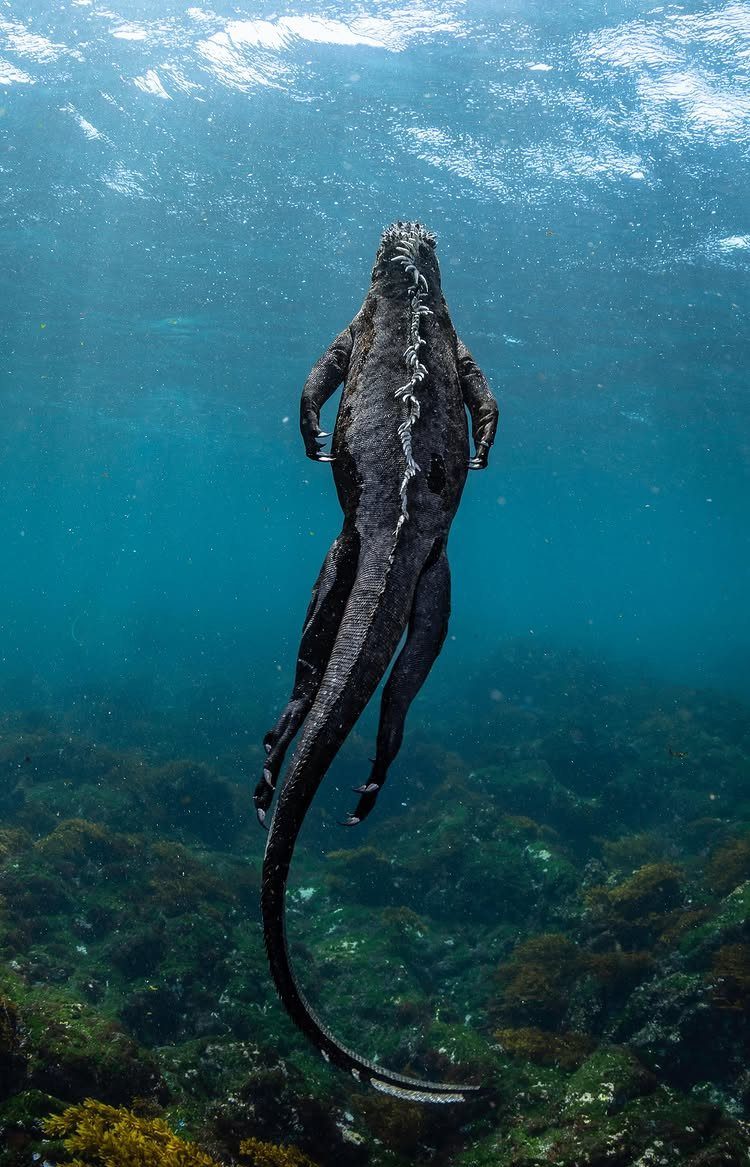
Marine iguanas swim, and a dark gray one gliding through blue water over algae-covered volcanic rock is a sight few other places offer. A snorkel and mask put you at their level.
Blue-footed boobies are the other animal to plan around, and both live on the islands’ volcanic shores. Wear a snorkel-ready wetsuit if you run cold, and bring reef-safe sunscreen.
Cost is high and varies by tour, so I can’t give a fixed price. I would pick a guided trip over going alone, since the guide knows where the animals gather.
22. Lakeside Alpine Mountain Villages
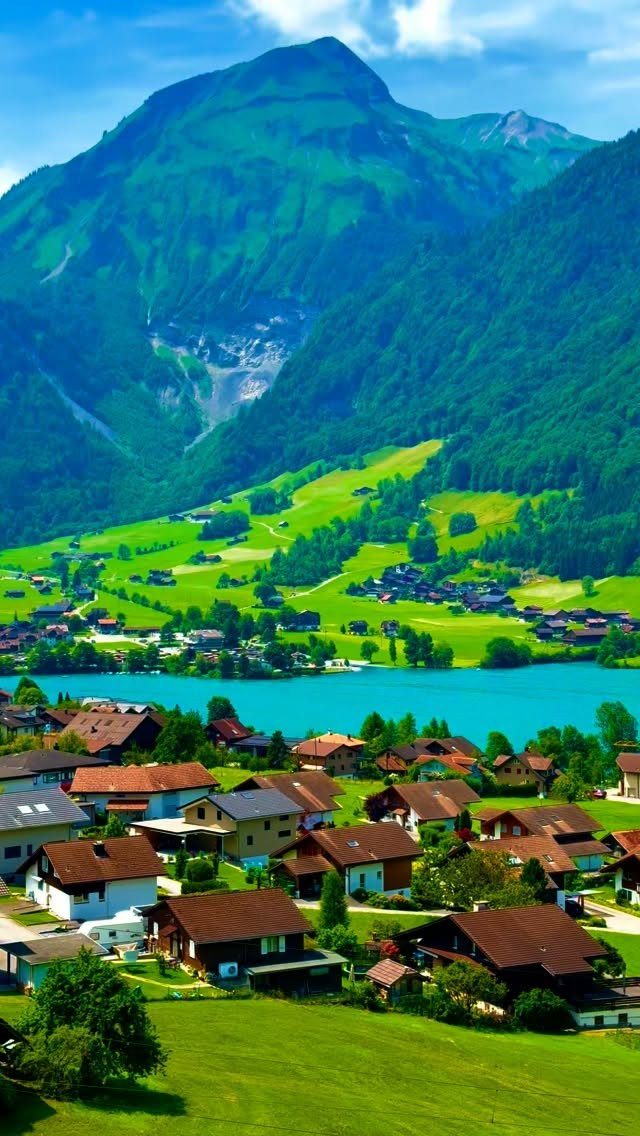
Brown-roofed chalets clustered beside a bright blue lake, with steep green hills behind, make the best base for a hiker who wants easy mornings.
Stay in the village rather than a day trip, so you catch the lake in early and late light.
Pack layers, since mountain air cools fast, and sturdy shoes for hillside paths.
Rooms in these villages often number in the dozens, so I reserve as soon as my dates are set, and I pick a cancellable rate to keep flexibility.
Summer shows the green slopes; snow-capped peaks suit a colder visit. I would choose summer for the color.
23. Dramatic Pink Sand Beaches
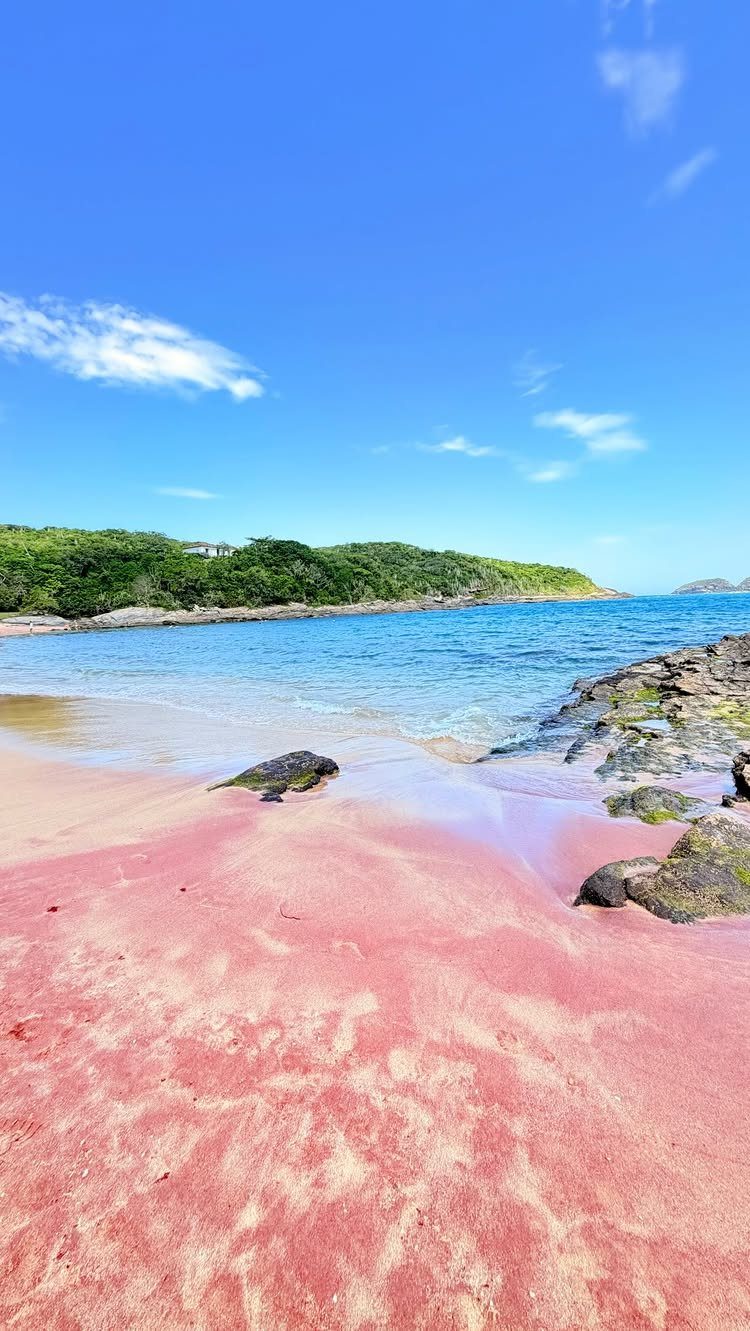
Pinkish sand against turquoise water and forested hills is a quiet kind of drama, and it favors a visit on a clear day when the colors separate.
The beach’s own listing mentions a walk of only 4 minutes from the sand, so stay close and you can go back and forth between swim and rest.
Bring sun protection and a hat, since shade can be scarce on open sand. Water shoes help if the shore turns rocky.
I would pick lodging within walking distance over a car-dependent stay.
24. Naturally Pink Salt Lakes
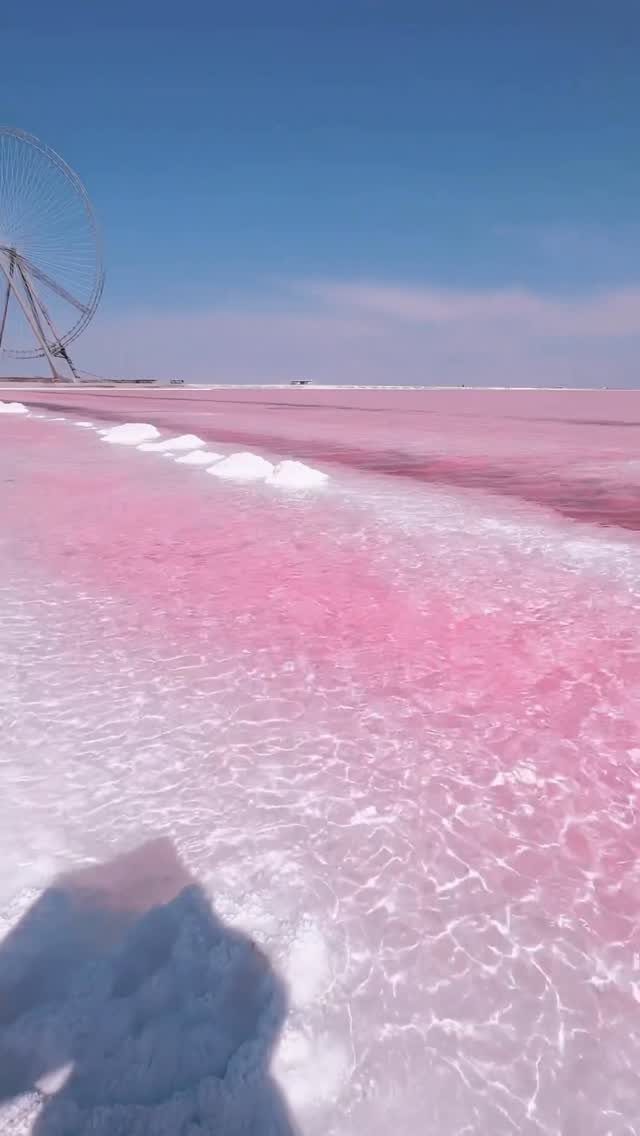
A pink salt lake with white crystal rims is best seen from the shore, where the pastel water and the salt edge sit side by side.
Wear closed shoes, because salt crusts are sharp underfoot, and bring sunglasses for the glare. Rinse off any splashes, as salt dries on skin and gear.
Check whether you can walk the shore, since access rules differ by lake. I would arrive at midday light when the color is strongest.
25. Whale Watching Encounters
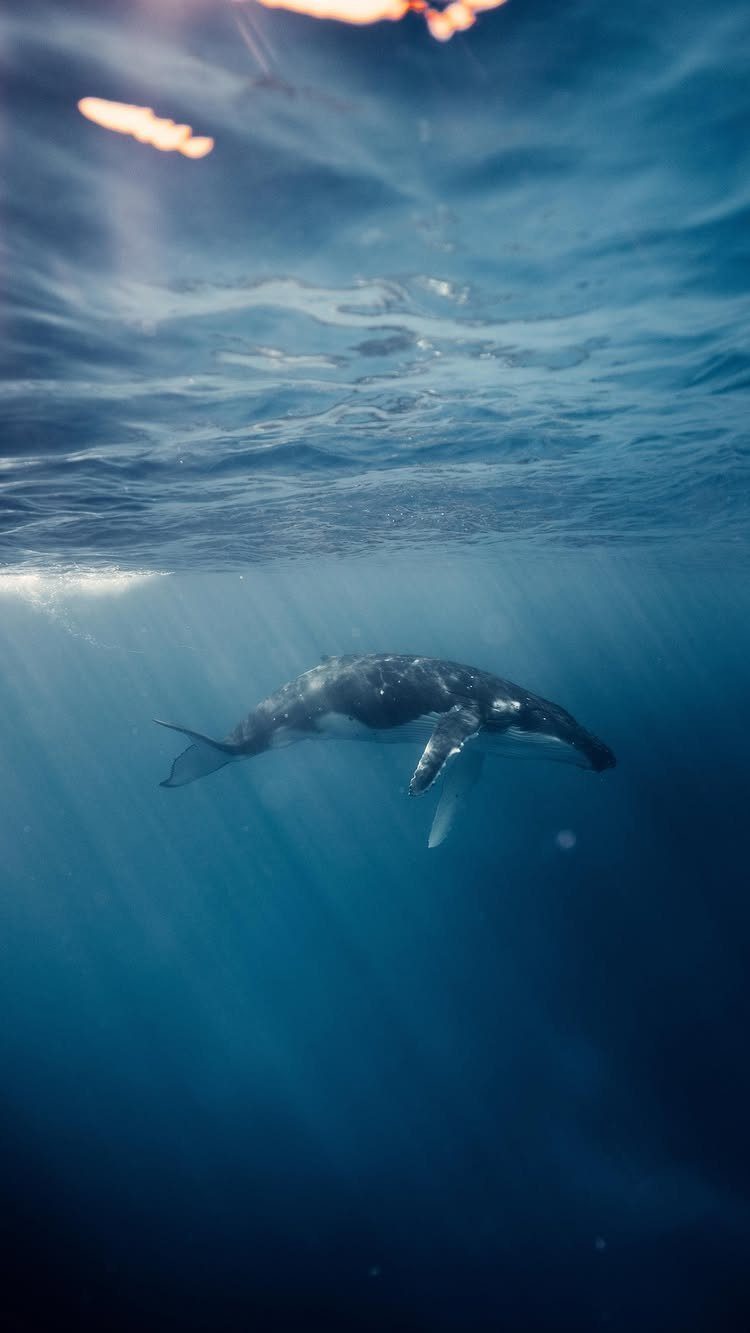
Sunbeams slanting down through deep blue water are what you get when you meet a humpback underwater, and that clarity is the reason to pick a trip with a snorkel or dive option over a deck-only boat tour.
Ask the operator whether in-water encounters are offered at all, since many trips only allow viewing from the boat.
Prices swing by operator and season, so check current rates before you budget a number. Reserve online early, and bring reef-safe sunscreen, plus a wetsuit if cold water bothers you.
Travel Tips for Unique Experiences
Choosing the right region inside a country often matters more than choosing the country.
Heavily visited areas and barely visited ones can sit side by side, so a famous destination can work as your entry point while you head somewhere quieter.
That approach lets you use the cheap flights and easy visas that come with tourism hotspots, then build your own route from there. Look at a map around any big-name stop and ask what lies a few hours away.
Whatever else a place offers, I hold it to 2 tests before booking: a solid safety record, and tourism services that actually run, like reliable transport, open lodging and clear ways to reach help.
Obscure is not the same as rewarding, and I would skip somewhere that is hard to reach or hard to get help in.
From luxury train journeys through Malaysia to hiking an active volcano in Guatemala, discover this year’s must-see destinations, handpicked by National Geographic’s explorers, photographers, and editors.
Best Times to Visit Destinations
Before you book, look up the weather pattern and the crowd pattern for your destination separately. They often don’t line up, and the best weather month can also be the most packed.
I check 3 things: the rainy or cold season, the peak tourist months, and the shoulder weeks on either side of them. Shoulder weeks usually give decent weather with thinner crowds and lower prices.
Since most of my trips are booked within about 3 months of departure, I confirm seasonal closures early. Some tours, trails and ferries run only part of the year, and a closed route can sink a plan.
Budget Travel Advice
Start with lodging and activities, the 2 places where prices swing most. Compare a few booking sites for the same room, then check the property’s own site, which sometimes beats them.
Pick cancellable rates until your dates are firm. If prices drop, you can rebook.
For activities, price the experience you actually want against the cheaper alternatives. A small-group tour or a self-guided version can cost much less than a premium package.
Travel outside peak season when you can. Lower rates on rooms and tours are the biggest saving I know of, and they cost you nothing but flexibility.
Frequently Asked Questions
What’s the coolest place in the world to visit?
For me it depends on what you want to see, but Machu Picchu is a strong first pick.
Machu Picchu is the pick here: stone terraces under a steep green peak, best seen on an early morning slot before the clouds roll in, with tickets booked online months ahead.
If you’d rather see color and light, the Grand Canyon at sunset and the Taj Mahal in late light are close behind.
What is the #1 vacation destination in the world?
No single place wins for every traveler, but Machu Picchu is the one most often named at the top. I’d plan around early arrival and a rain layer, since weather changes the view fast.
What are the best travel destinations in the world?
Machu Picchu, Petra, the Pyramids of Giza, the Taj Mahal and the Grand Canyon are the landmarks I’d put first, and the Galapagos Islands lead for wildlife.
Pick by what you want to do: Alpine lake villages suit hikers who like easy mornings, and Cappadocia suits anyone who wants hot air balloons at dawn.
Check the best season and crowd pattern for each before booking, because the best weather month is often the busiest.





