The ideas here run from free national park campsites to a 4WD vehicle for the gravel, and the right pick depends on how much comfort and backup you want between towns.
Free campsites come with few services, and gas stations thin out between the larger towns, so every night you camp adds to the load: tent, sleeping bag, food, cash and downloaded maps.
1. Carretera Austral Overview
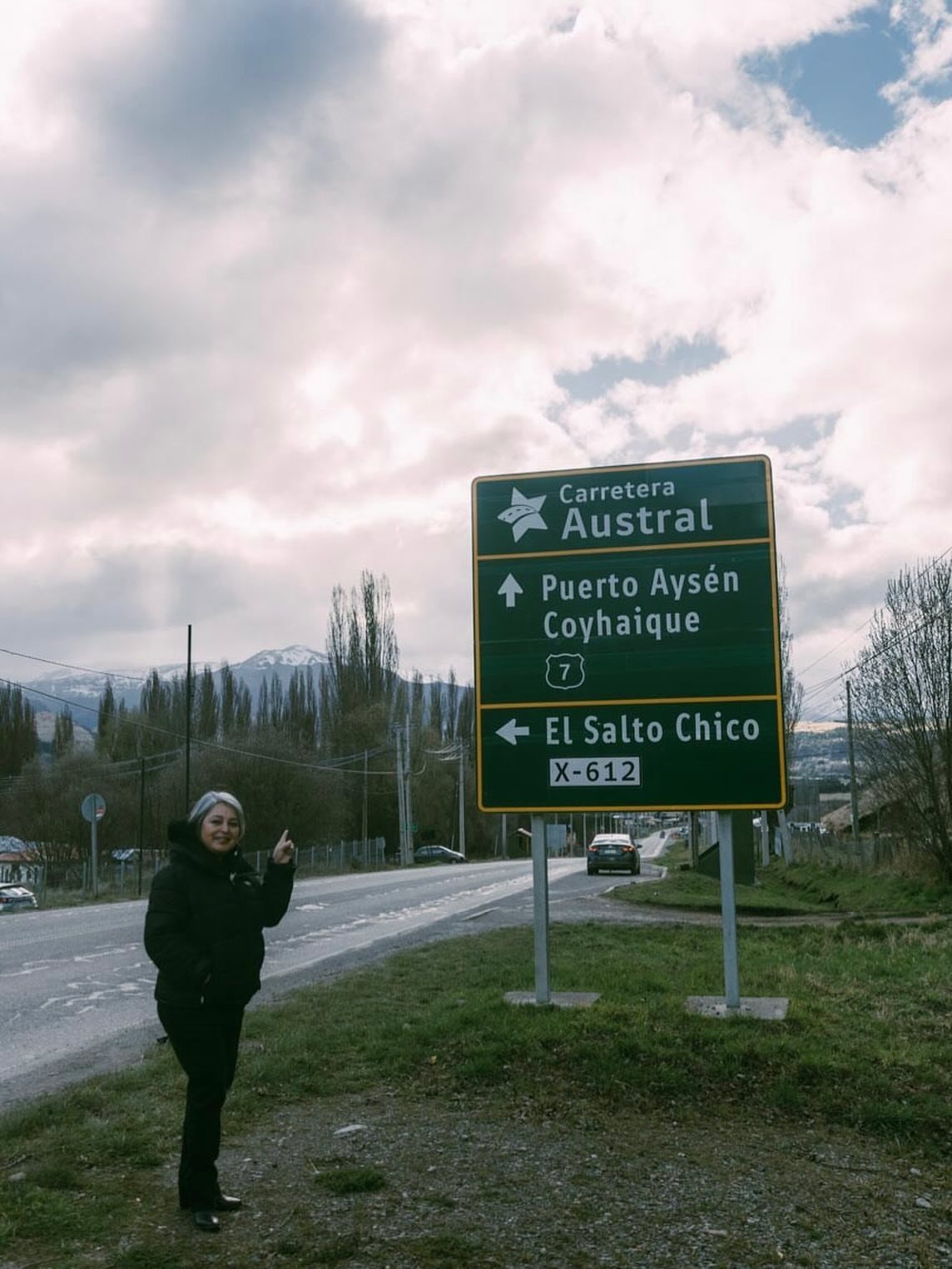
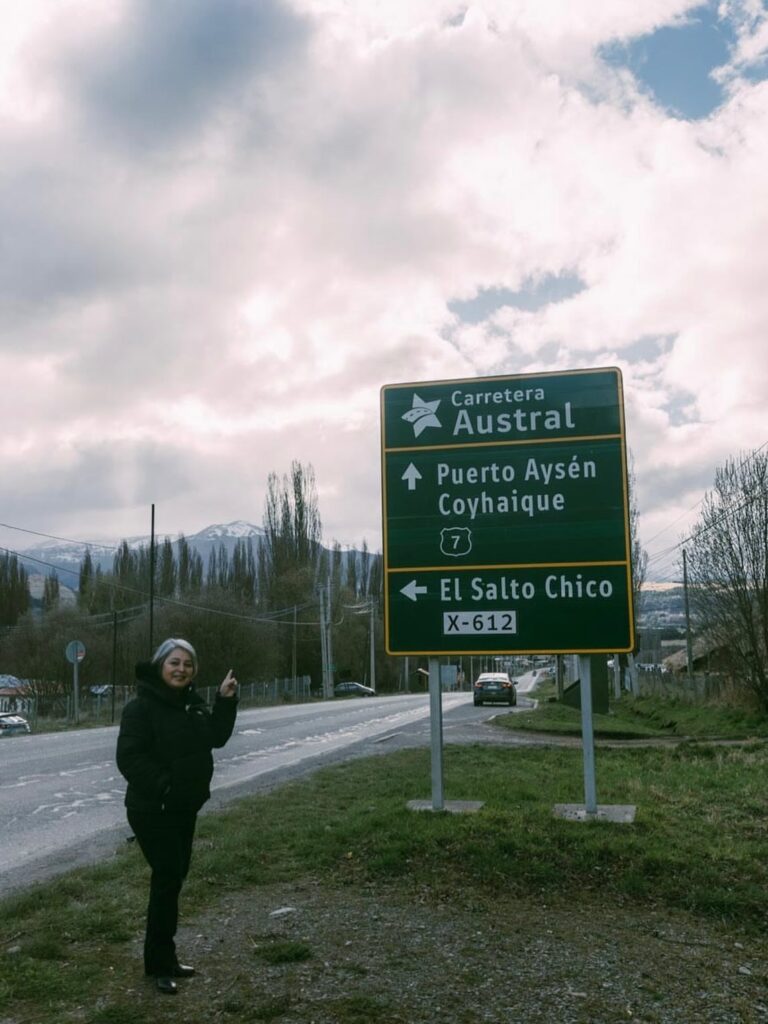
Puerto Aysén and Coyhaique, both named on the road signs along the route, make a decent first stop list for Carretera Austral.
Carretera Austral is a scenic route through Patagonia, and I treat it as a drive to pace slowly rather than a distance to cover.
Pick a few towns as anchors and leave gaps between them. Mountains line the roadside here, so the stops between towns often matter more than the towns themselves.
Built by the Chilean Army in the 1970s, this partially paved highway stretches 1,240km (771 miles) from Puerto Montt to Villa O’Higgins, connecting once-isolated Patagonian communities through some of the most unforgiving terrain on Earth.
— BBC
2. Chiloé Island
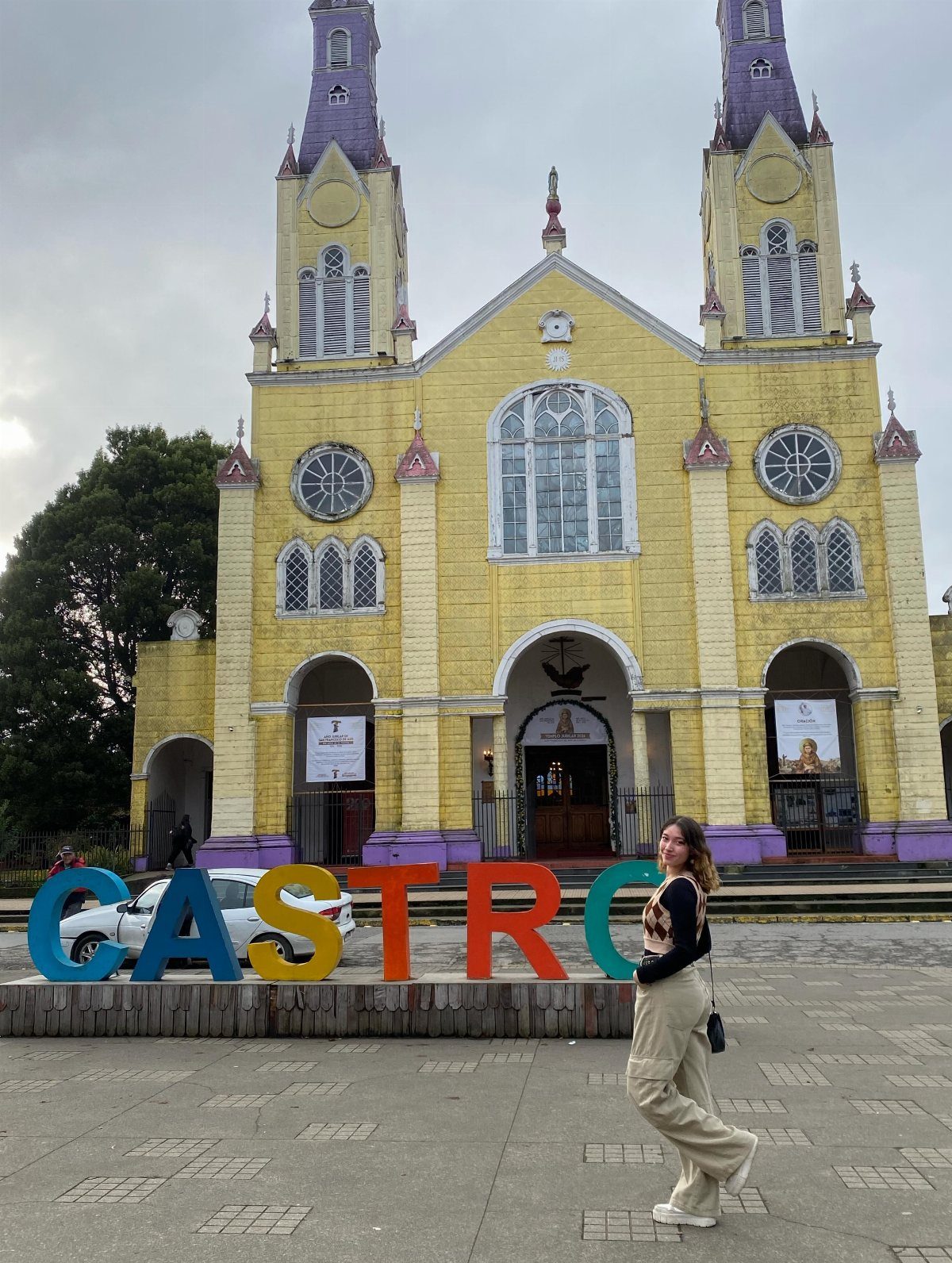
Castro is the base I would choose on Chiloé Island, about a 1.5-hour drive north. A town square with a yellow church and big letters spelling its name makes a handy meeting point and an easy place to orient yourself.
Sleeping in one place saves you from repacking every night. Day trips from there keep the driving short, which suits a route where the miles already add up.
3. Free Camping Grounds in National Parks
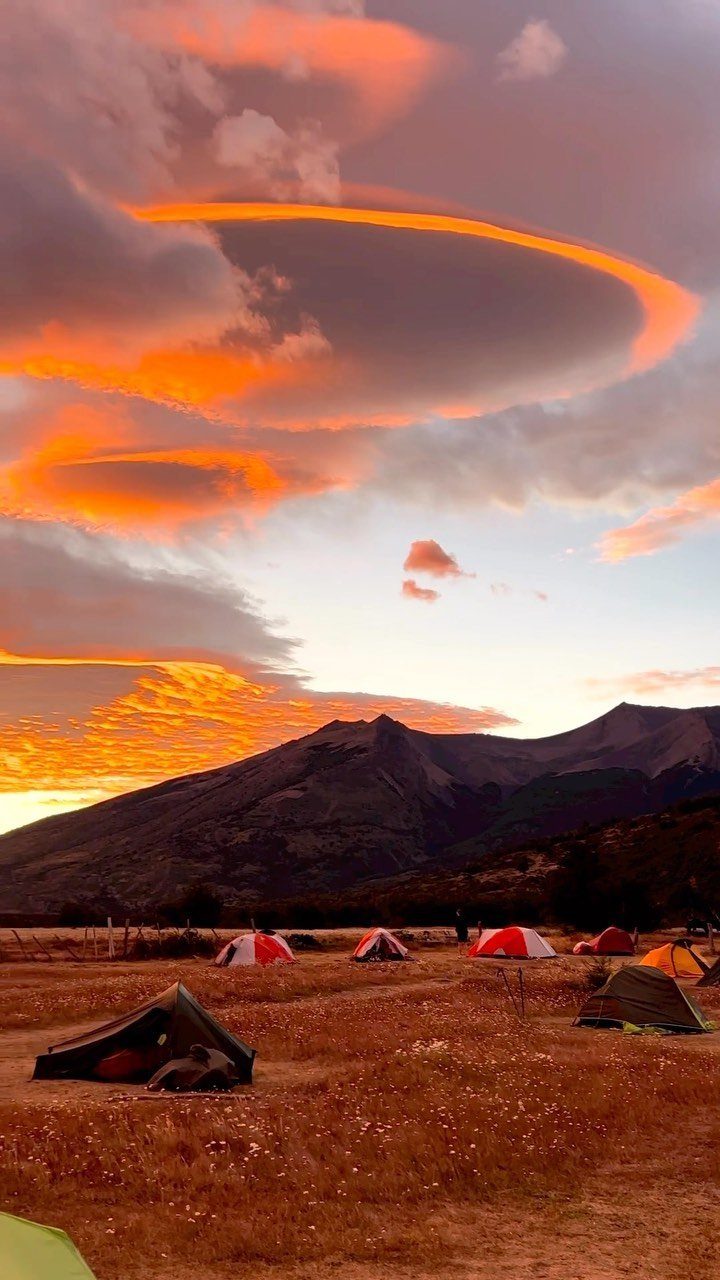
Camping in national parks gives you a night in nature without the cost of a lodge, and I would build a budget around it.
A flat, grassy field below the mountains is what to look for when you choose a free campsite in a national park.
Carry the full kit: tent, sleeping gear and food. Free grounds usually mean few services, so I plan supplies before arriving rather than counting on a shop nearby.
4. 4WD Vehicle on Gravel Roads
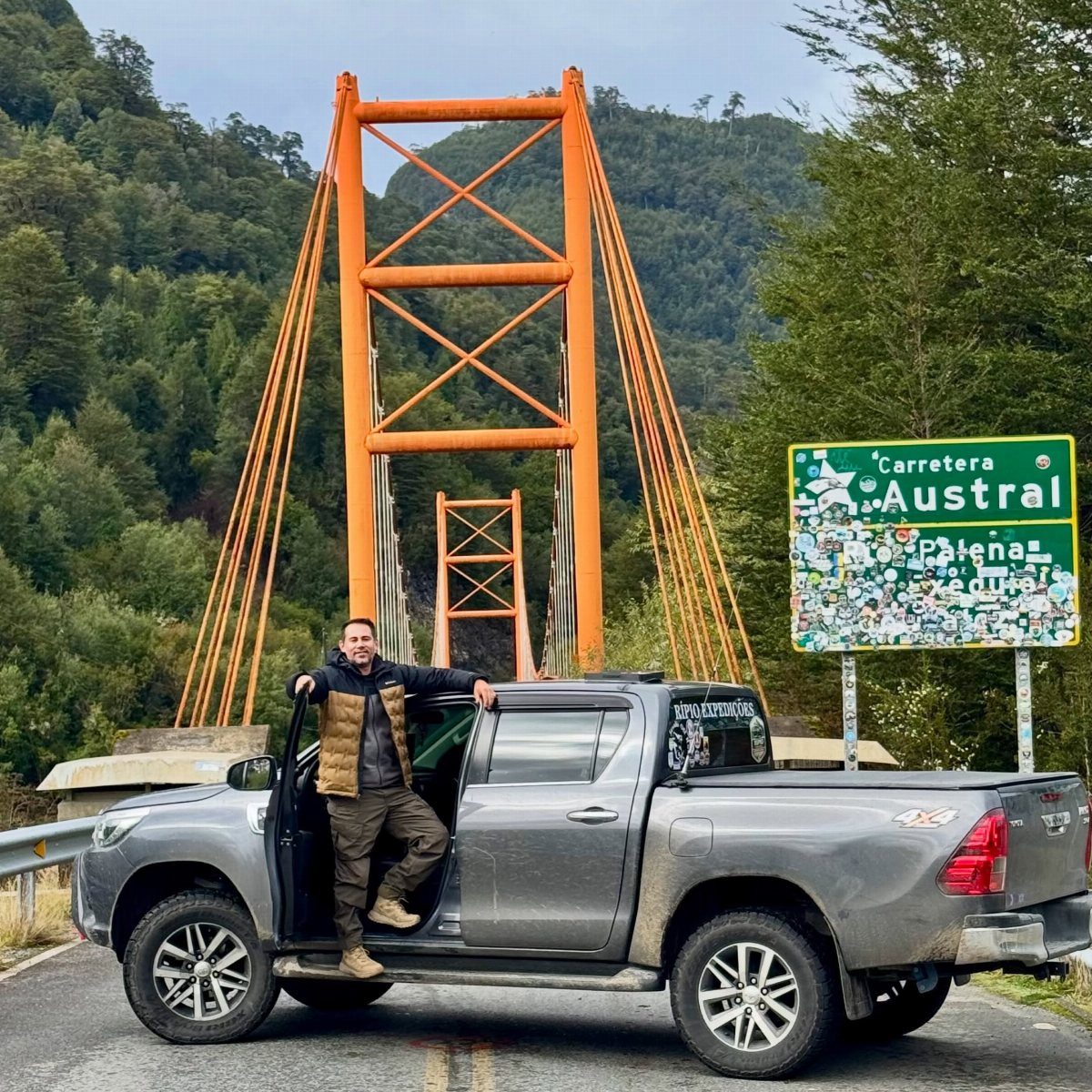
A 4WD pickup is the rental I would pick for Carretera Austral gravel, since the extra clearance and grip matter on the loose, rutted stretches.
Higher ground clearance and grip beat a small sedan on rough sections, though you pay more for it.
Compare rental options early, since vehicle choice shapes the whole trip. Book online well ahead, and confirm the rental terms allow gravel before you commit.
5. Marble Caves
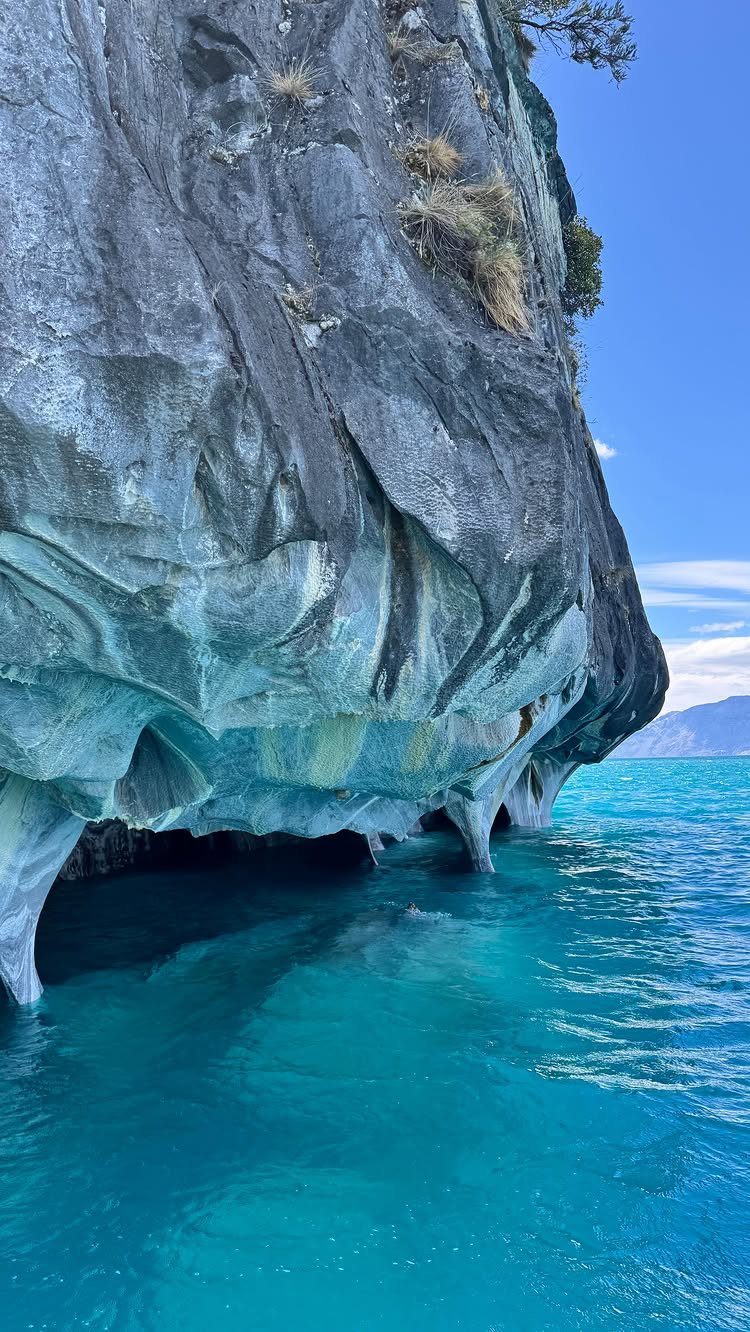
The Marble Caves are swirling blue and grey rock above turquoise water, and a clear sky is the best time to visit because the color reads strongest then.
Go with a flexible schedule. Weather can change your plans, so I keep a spare day near the caves instead of locking in a single date.
Travel Logistics
Fuel stations are sparse along this route, especially between major towns, so I treat every station as a stop to top off, not a place to wait until the gauge looks low.
Filling up whenever the tank drops to half is a habit I would keep for the whole drive.
Services thin out in the same way. Carry cash, water and snacks, and download offline maps before leaving each larger town, since a signal is not something to count on.
Weather Considerations
Patagonia’s weather is unpredictable, and the only reliable plan is to pack for every climate in a single day.
Layers beat one heavy jacket: a base layer, a fleece, and a waterproof shell cover most of what the route throws at you.
Check the forecast regularly, ideally each morning and again before any long stretch between towns.
Treat it as a guide for the next day or two, not a promise, and keep your schedule loose enough to shift a drive by a day.
Local Cuisine
Empanadas and fresh seafood are the 2 things I would eat on repeat in the coastal towns along the route. Empanadas make an easy, cheap lunch to eat in the car, and seafood is best where the boats come in.
Concón is called the gastronomic capital for its empanadas and seafood, so a meal there is worth planning around if your route passes through.
Valparaíso also serves good fresh seafood, and its steep hills and street-art alleys give you a reason to walk lunch off afterward.
Pichilemu, the surf capital, is a good spot to sit at a beachside café and watch the waves with a plate in front of you.
Frequently Asked Questions
How long does it take to drive the Carretera Austral?
Plan on 7 to 10 days to drive it and still enjoy it. A two-week trip leaves room for side trips such as Chiloé.
Since one-way rentals are very expensive, returning the car to where you picked it up usually makes more financial sense. Keep a spare day in your schedule, because weather can shift a drive.
How long would it take to drive all of Chile?
Chile runs about 2,670 miles north to south, roughly the distance from London to Lagos, so I treat it as a country to drive in sections rather than end to end.
One four-week plan drives Santiago to Punta Arenas by rental car, with legs such as Santiago to Pucón at 8 hours and Pucón to Puerto Varas at 4 hours.
Add the Carretera Austral run to Los Antiguos and you are looking at another 19 hours behind the wheel, which most people spread across 6 days.
What is the average cost of a road trip in Chile?
One two-week road trip averaged around 150 euros per day, though the real figure depends on your travel style. Budget roughly $40–65 a day for a rental, depending on the class of car, and your US license is valid for driving there.
Free campgrounds in national parks cut lodging costs, but you need to bring a tent, sleeping gear and food.
What are the best stops along the Carretera Austral?
Pumalín Park, Queulat National Park and the Marble Caves are the key stops. Keep a spare day near them, since weather can change your plans.
What kind of vehicle do I need for the Carretera Austral?
For the Carretera Austral I would book a 4WD pickup, since the higher clearance and better traction matter on loose, rutted gravel.
It costs more than a small sedan, but it handles the rough sections better. Reserve online well in advance, and read the rental contract first to confirm it allows gravel roads.





