The best travel spots for 2026 are the ones you book before the crowds do, not the ones you chase once they arrive. Greece’s shoulder season now ends in April, not June; by then, guesthouses that ran sixty euros have doubled, and ferry seats reserved in January look smarter than anything grabbed in May. The same pattern repeats across Japan’s cherry blossom windows, Peru’s Inca Trail permits, and New Zealand’s Milford Track ballot, which closes months before most travelers think to apply.
Greece
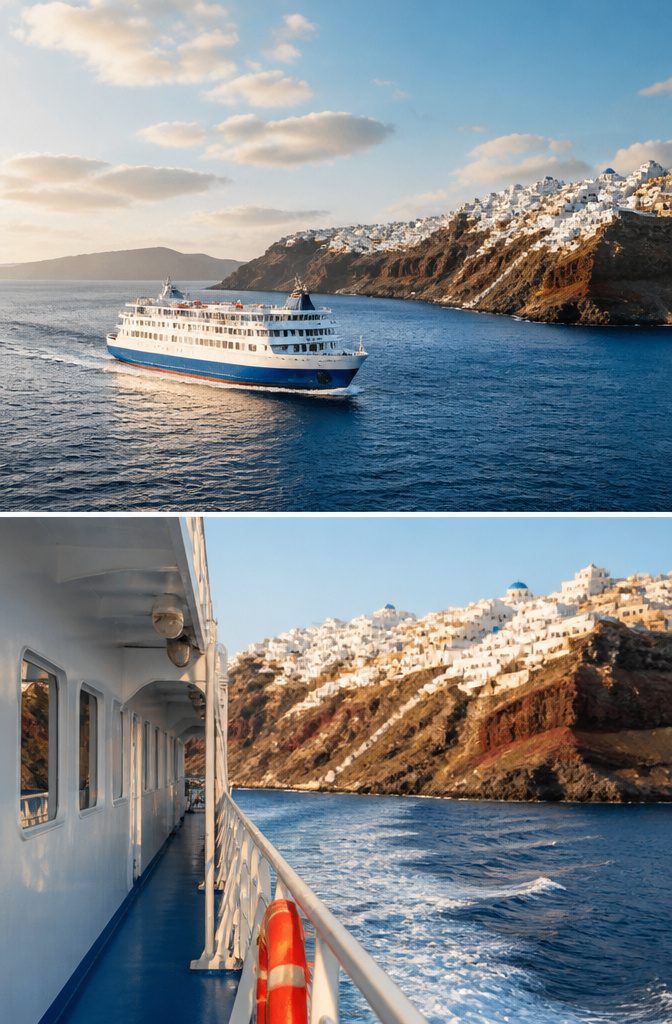
Greece still works because the infrastructure runs on real numbers you can book yourself. The Athens-to-Santorini ferry takes about five hours and runs roughly forty euros each way in shoulder season; the flight is twenty-five minutes and usually double that. I spent a morning comparing both for a May trip and the ferry won on schedule flexibility, not price.
Crete justifies the extra leg. Heraklion’s Minoan palace at Knossos and the gorge at Samaria eat four days without trying, where Santorini’s caldera view is essentially a single sunset you pay premium rates to face. The mistake is booking June thinking you’ve beaten the crowds. By then the guesthouses that were sixty euros in late April have doubled, and the ferry seats you reserved in January look smarter than anything you try to grab in May.
Mainland Delphi and Olympia repay a rental car. The archaeological sites are spaced for driving, not island hopping, and the hotels in Tripoli or Kalambaka cost half what the islands charge for rooms with less charm. My read after mapping this out: fly into Athens, ferry to one island, fly to Crete if the timeline fits, and never trust "shoulder season" to mean June anymore.


Japan
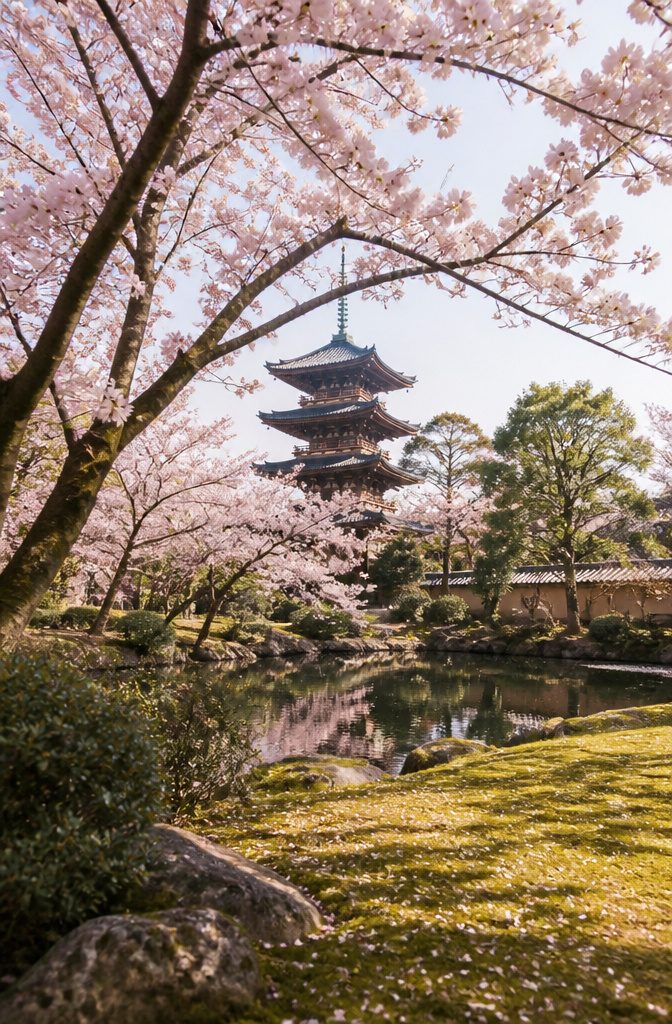
Japan rewards the planner who treats it as three separate trips, not one. Tokyo, Kyoto, and Hokkaido each demand their own week, and the mistake is trying to stitch them together on a single JR Pass without running the math first.
The pass prices shifted in 2023, and the break-even point tightened. A round-trip shinkansen between Tokyo and Kyoto still pencils out, but add Hokkaido and the calculus changes. The Sapporo leg by train eats enough hours that domestic flights, booked separately, often win on both cost and daylight saved. The JR Pass pays for itself now only when you are riding constantly, not when you are lingering.
I timed cherry blossom season wrong in 2019. I chased the bloom forecast north from Kyoto, spent too long in Nara, and hit Hokkaido two weeks before the first buds opened. Sapporo was gray, the parks were mud, and I had prepaid nonrefundable hotels in three towns where nothing was happening yet. The fix is simpler than I made it: pick one region, book for the middle of its predicted window, and accept that you will miss the peak somewhere else. The blossoms are unreliable by definition. Planning for them as a certainty is the error.



Italy
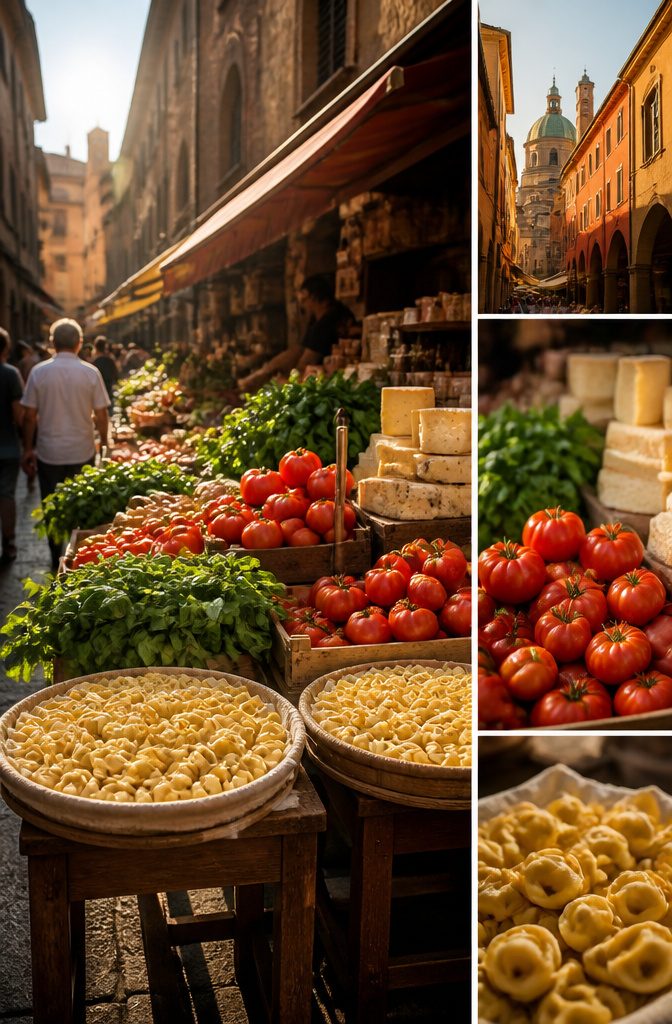
Florence and Rome draw the crowds for good reason, but the smaller cities are where the art and food hold up without the two-hour line. In Bologna, the Archiginnasio anatomical theater and the Pinacoteca cost a fraction of the Uffizi, and a plate of handmade tortellini runs about twelve euros in a trattoria where nobody needs a reservation three weeks out.
The high-speed train from Rome to Florence takes roughly ninety minutes and costs between thirty-five and fifty euros if you book a few days ahead. Regional trains are cheaper but slower, and the difference matters on a day trip.
Booking restaurants through apps like TheFork or Resy costs more than calling directly. The platform takes a cut, and many Roman trattoria owners quietly reserve their best tables for walk-ins or phone bookings anyway. When I planned a trip through Tuscany last spring, the places I called saved me about fifteen percent over the app price, and the owner at one osteria in Orvieto threw in the house wine because I asked about the harvest, not the cancellation policy.


France
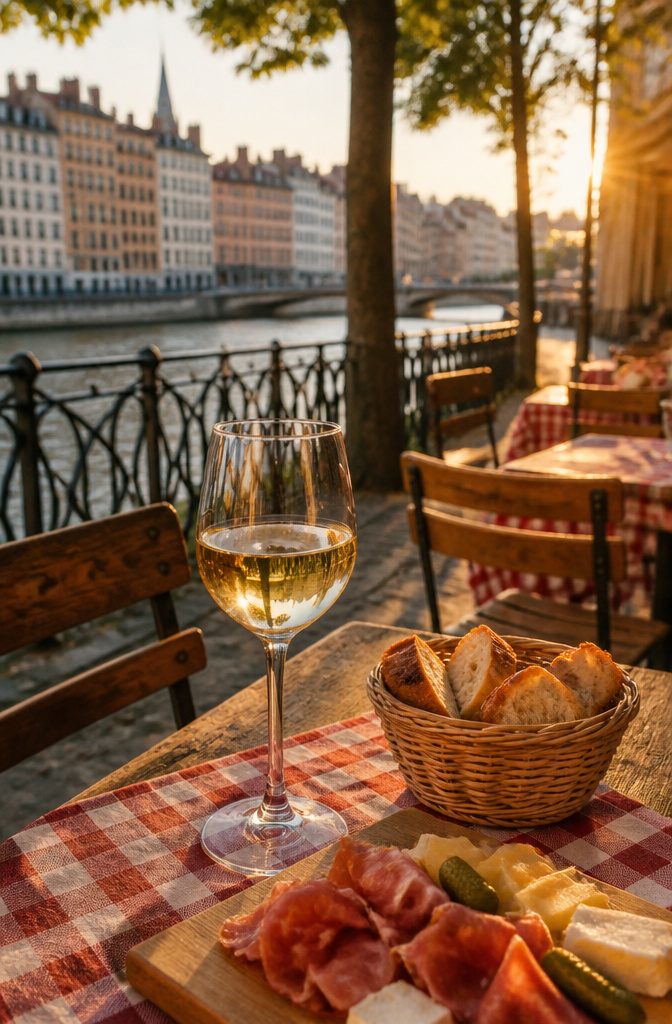
Paris in August flips inside out. The week most locals leave for their own holidays, roughly the 15th through the 22nd, hotel rates in the central arrondissements drop hard enough to justify the trip even if the bakeries you planned on are shuttered. I watched a Marais studio fall from $340 to $180 on a booking site that week, though the brasserie downstairs had a handwritten fermeture annuelle sign that stayed up ten days.
The Eiffel Tower and the Louvre will still be there, swarming, airless, priced for the captive audience. A TGV south to Lyon costs about the same as two museum admissions plus a mediocre café lunch near the Tuileries, and Lyon holds the culinary weight Paris trades on. A Michelin-starred lunch in the Croix-Rousse ran me $65 three hours after I stepped off the train; the market at Les Halles de Lyon, two floors of produce and cured meat and Comté, fed me for under $12 on a bench by the Saône.
The mistake is treating France as one itinerary. The landmarks are a flight and a hotel; the meals worth remembering require reading a train schedule.


What You Will Get: a pack contains 24 pieces of folding flying or hand fans in 8 colors, matched with 24 pieces of packaging bags, each color has 3 pieces, each piece is packed in the same color bag, the quantity and color are enough to meet your needs Requirements; Color: as shown in the picture

Japan Vacation Cherry Blossom Festival Kyoto Outfit is for Japan enthusiasts or Japanese culture lovers. Enjoy your city holiday trip to Tokyo, Kyoto, or Osaka in this funny Japan tee.
Peru
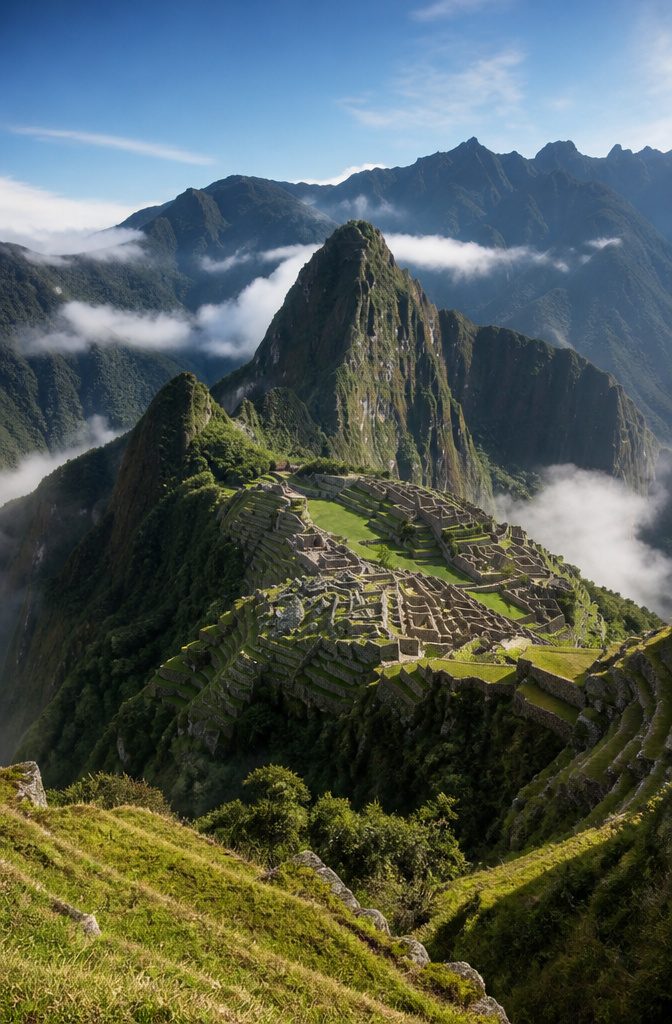
Machu Picchu sits at nearly 8,000 feet, but the real altitude punch comes in Cusco at 11,000. I spent my first night there breathing like I’d run a marathon and learned that Diamox needs a full day to kick in, not two hours. The four-day Inca Trail requires permits booked six months out; I missed that window and pieced together the two-day Salkantay route instead, which still needed three months’ lead time in March.
The train from Cusco to Aguas Calientes runs about $450 round trip for the Vistadome car with its panoramic windows. The budget alternative is a bus to Santa Teresa and a shared van to Hydroelectric, then a flat three-hour walk along the tracks into town. That route costs roughly $30 but burns most of a day each direction.
Aguas Calientes itself is a functional stop, not a destination. Hotels cluster near the river, prices spike for the night before your summit slot, and the 4:30 a.m. bus up the switchbacks fills fast. My 6 a.m. entry ticket meant standing in line at 5, which felt excessive until I saw the 7 a.m. queue wrapping the plaza.



Bali
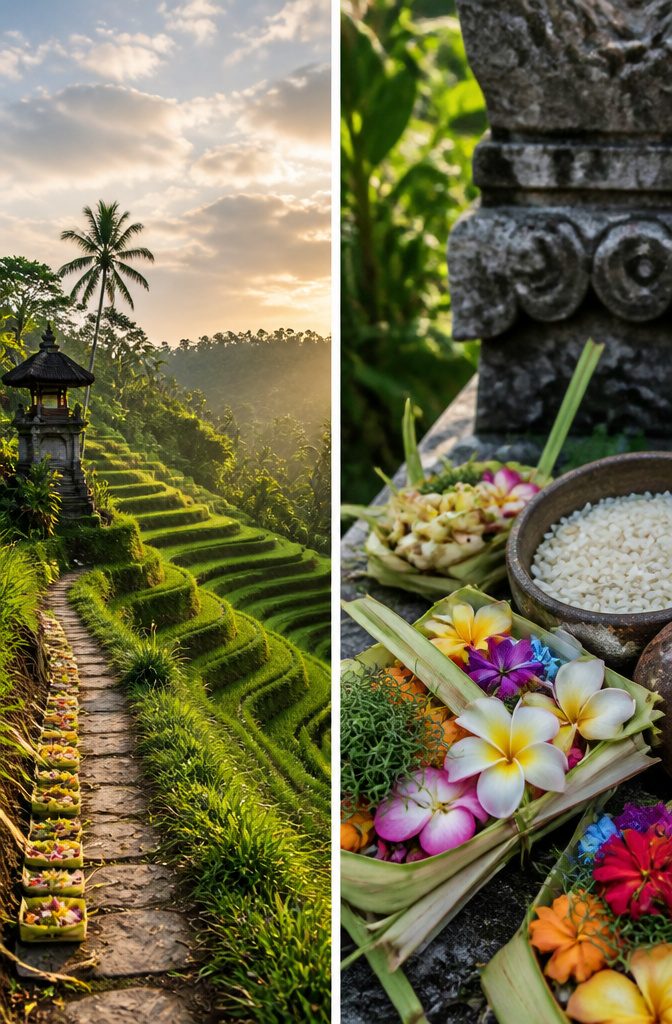
The "Island of the Gods" nickname stuck because the temple density really is extraordinary; you pass a working shrine every few hundred meters on some roads, and the offerings of frangipani and rice on sidewalks feel genuinely lived-in rather than staged for visitors. That spiritual texture holds up in Ubud and the central highlands, where the green rises in terraces and the traffic thins enough to hear gamelan practice drifting from compounds. The southern beach strip is where the mood fractures. Kuta to Seminyak moves at a crawl through August, and the scooter lane becomes a parking lot of exhaust and impatience.
I learned the hard way that January sits in the thick of the rainy season. What the forecasts call "brief afternoon showers" translated to four-hour downpours that turned the Ubud monkey forest paths into red clay slides and cancelled the fast boats to the Gilis for two days running. The payoff for bad timing was green so saturated it looked artificial, but the payoff for good timing is dry-season June through September, when you can actually use the thing most people rent.
Scooter rental runs about 60,000 to 80,000 rupiah per day if you bargain in person rather than booking through your guesthouse, and the guesthouse markup is usually double. A local SIM with data costs roughly the same for a week as one day of rental, which matters because offline maps fail often enough on the island’s back roads to make connectivity worth the hassle.

Maldives
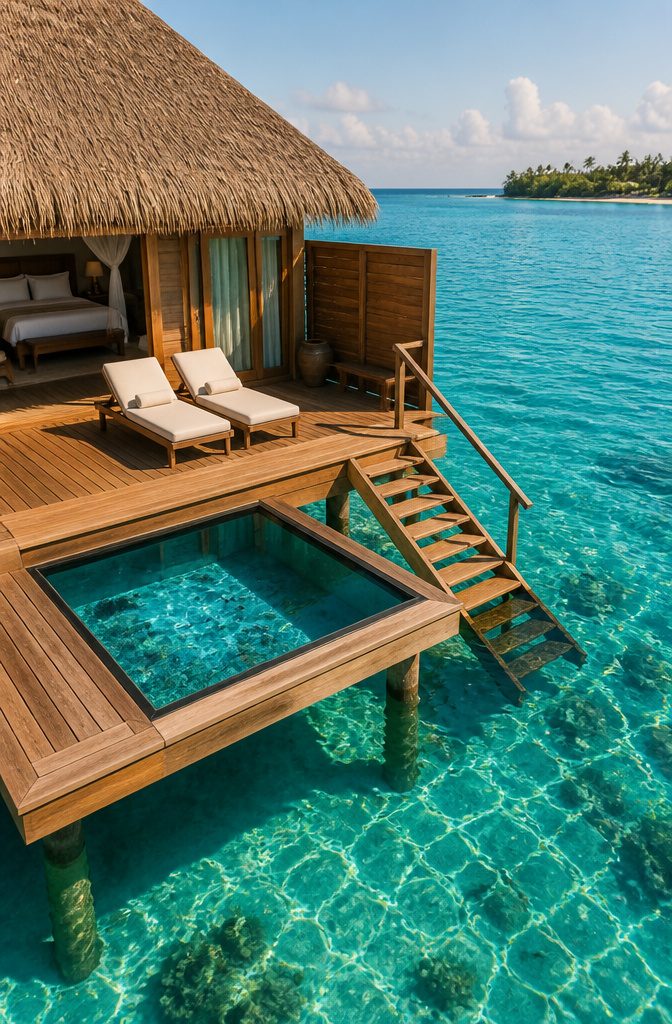
An overwater bungalow in the Maldives runs somewhere between $800 and $2,500 per night before you spot the seaplane transfer, which tacks on another $300–$600 per person round trip and does not appear in the headline rate. The all-inclusive label mostly covers meals and house drinks; premium alcohol, spa treatments, and most excursions still bill separately, so the math shifts quickly.
Local islands like Maafushi or Thoddoo offer guesthouses at roughly one-fifth that price, often $80–$150 a night with breakfast included. What you trade is the private plunge deck and the resort’s house reef access; instead, you join day boats to shared snorkel sites and eat at no-name cafés where the tuna curry costs $6. The ferries from Malé run $2–$5, though schedules bend to Friday prayer closures and weather.
I spent an afternoon reading through booking pages where "all-inclusive" meant five different things, and the pattern that held was this: the word covers enough to keep you fed, never enough to keep you from signing a bill at checkout. If the seaplane cost would eat a third of your budget, the local island option stops feeling like a sacrifice and starts looking like the only honest price in the archipelago.


Used Book in Good Condition

New Zealand
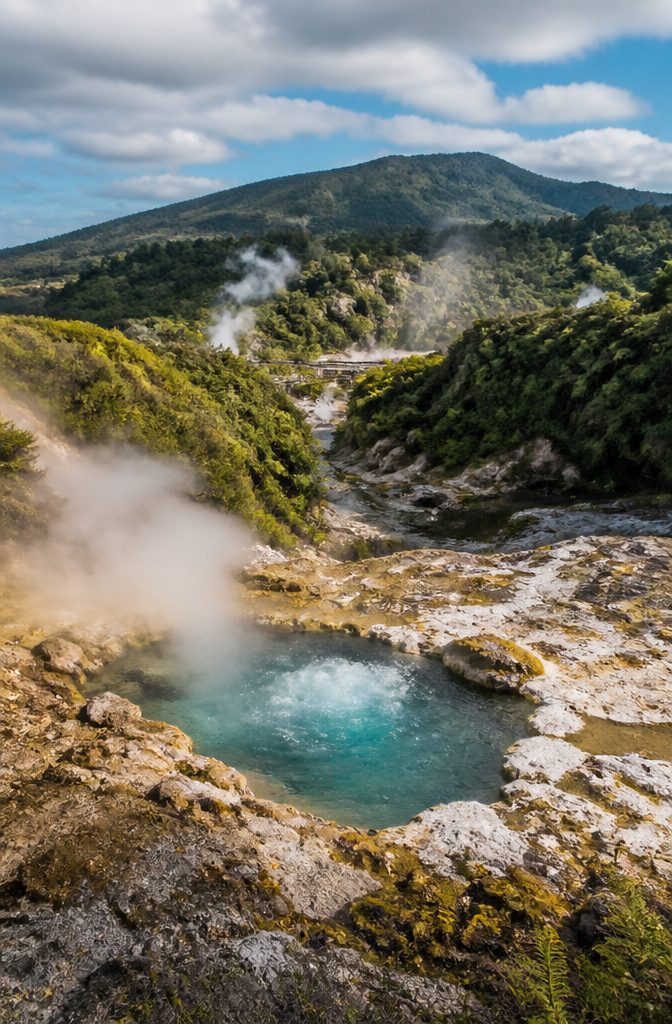
The North Island packs more adventure into shorter drives. Rotorua’s geothermal pools and the Tongariro Alpine Crossing sit within a few hours of Auckland, while South Island highlights stretch across distances that eat whole days. A campervan runs roughly $120–180 NZD daily in peak season, with three-berth models often cheaper than two-berth once you factor in mandatory ferry costs.
That ferry between Wellington and Picton cost me about $300 NZD for a standard campervan, and the sailing eats three hours each way. Factor both into any itinerary hopping islands; the romanticism of the full loop belies the time and diesel.
The Milford Track ballot closes months before you think it does. I missed the 2026 window entirely, assuming October hikes meant October applications. The Department of Conservation releases permits in late spring for the following summer, and popular dates vanish within days. Book the North Island’s Great Walks as backup; they draw less international competition and the forest is older.
South Island wins on raw scenery density. North Island wins on actually fitting the scenery into a two-week vacation without feeling rushed.
South Africa
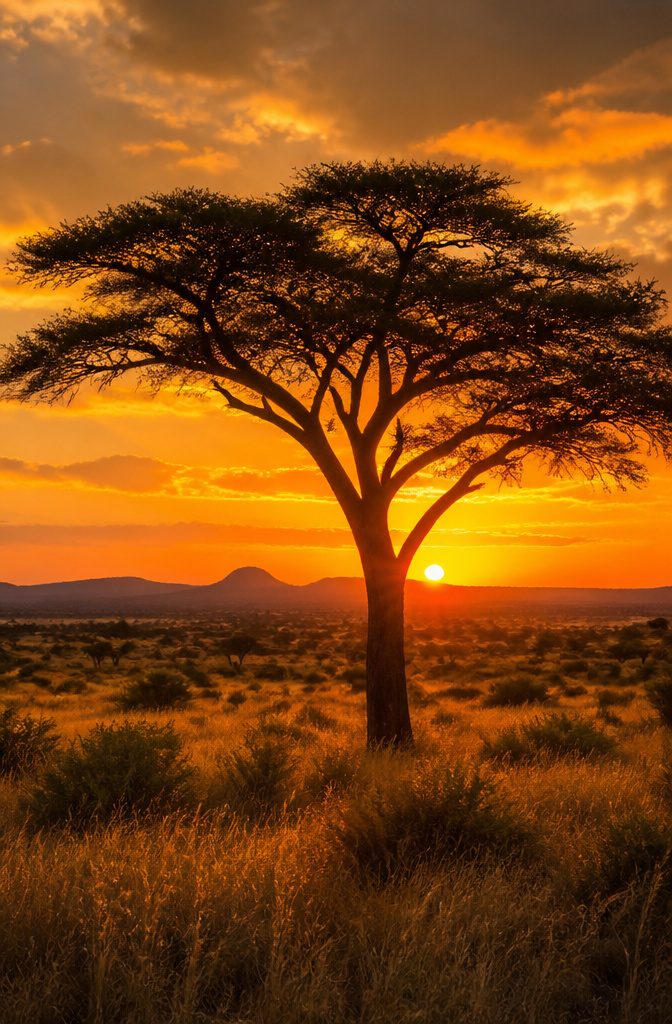
South Africa’s safari pricing runs a wide ladder, and the difference between tiers is steeper than most Americans expect. A self-drive rental through Kruger National Park lands in the budget zone, though the insurance question nearly wrecked my own planning. The rental desk offered comprehensive coverage I declined, thinking my credit card handled it. That card excluded gravel roads, which is most of Kruger. Gravel-road exclusion is the detail that burns self-drivers. The upsell at the counter cost double what advance booking would have.
Private reserves per person run several times higher, with the tradeoff being guided drives on land where vehicles can off-road toward sightings. Malaria zones shift with summer rains, so June through September dry-season travel shrinks both risk and vegetation cover, making animals easier to spot.
Most Americans fly home after the safari, which misses the Garden Route entirely. The stretch from Mossel Bay to Storms River folds in coastal hiking, whale towns, and wineries without the malaria maps or the Big Five adrenaline. It adds a week minimum. I would not build a South Africa trip without it.


Thailand
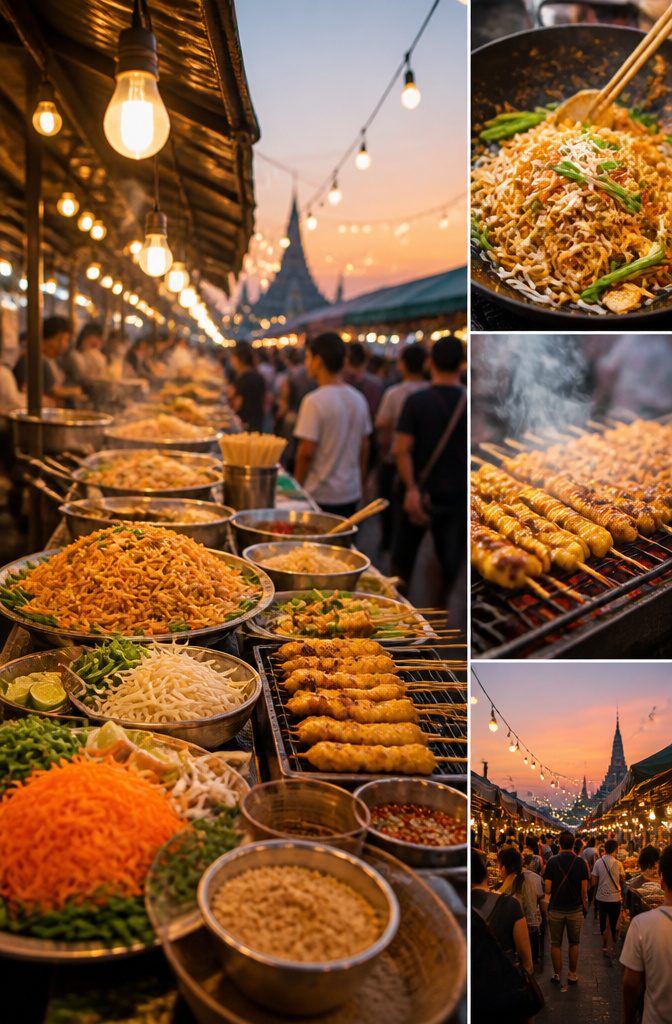
Thailand works best as three separate trips, not one grand loop. Bangkok, Chiang Mai, and the southern islands each demand their own pacing, and the connections between them eat days you would rather spend.
Street food in Bangkok still runs 40–60 baht a plate, while proper restaurants with air conditioning and English menus land at 300–500. The gap is real, and so is the quality at the low end. I ate better from a cart near Thong Lor than at a place with tablecloths that charged eight times more.
The baht’s strength wrecked my 2017 math. What I budgeted as a cheap month lasted seventeen days. The currency moved against travelers, and the posted prices I found online were already stale. Check the rate the week you book, not the month.
Southern ferries run on island time, which means they do not run on time. The published schedule from Krabi to Koh Lanta or Koh Phi Phi is a suggestion, and the afternoon boats often leave once the deck is full enough. Build a buffer day before any flight out, or you will buy a new ticket.

Used Book in Good Condition

Used Book in Good Condition

Turkey
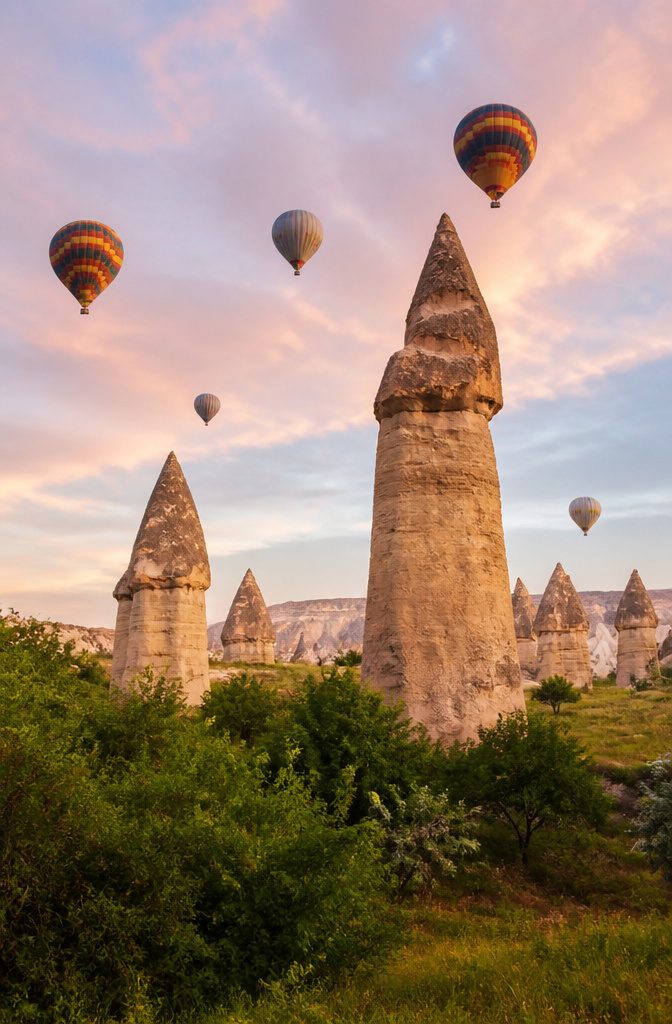
The Cappadocia balloon operators run almost identical circuits, so price is the real variable, and current quotes land around $280–350 per person depending on which of the two dozen companies you pick. That number shifts almost weekly against the lira, which is why booking more than a month out can sting: pay in euros or dollars ahead of time and a sudden slide in the Turkish currency means locals are flying the same basket for half what you locked in. I watched this happen in reverse once, planning from afar, and the spread between my prepaid rate and the walk-up price at the Goreme office was almost seventy dollars.
The balloon itself is a lottery regardless of cost. Wind cancellations run roughly one morning in three during shoulder seasons, and your slot does not roll to the next day; you are refunded or you bargain for a standby spot at dawn with everyone else who got bumped. Build two mornings into the itinerary, or accept the risk.
Istanbul rewards the opposite of tight scheduling. The Hagia Sophia’s mosaics and the Blue Mosque’s interior close to tourists during prayer times, so checking the daily schedule before a crossing saves an hour of waiting on the plaza. The layered history is literal here: Roman cisterns beneath Ottoman mosques beside 1960s concrete, and the best way to read it is on foot between Sultanahmet and Karakoy, then across to the Asian side by ferry.
For covering distance, Turkey’s bus network reaches towns the YHT high-speed lines skip entirely. The ride from Goreme to Antakya, for instance, is twelve hours of mountain switchbacks and a fraction of what a domestic flight would cost, with seats that recline and attendants who serve tea. Trains are comfortable when they exist; buses are where the country actually lives.
Egypt
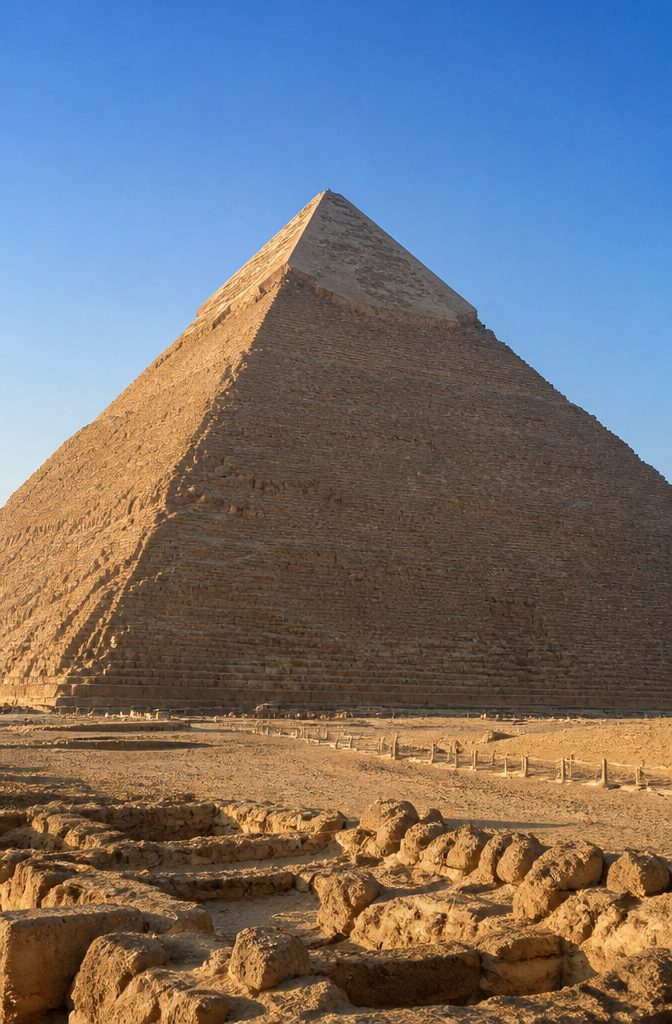
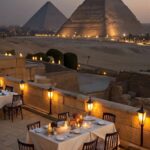
The Pyramids at Giza open at 7 AM, and that first hour is the only time the site feels like it belongs to visitors rather than vendors. By 8:30 the camel handlers and postcard sellers thicken around the Sphinx, and the documented scams start working again: the "free" headdress photo, the bracelet tied on your wrist that suddenly costs money, the man in an official-looking vest who says your ticket is wrong and demands cash to fix it. Reading about them beforehand did not stop me from pausing for half a second, which was long enough.
The Grand Egyptian Museum soft-opened in phases, and timing your pyramid visit for the same trip day as your museum ticket keeps you from making the Giza run twice. The museum’s full collection, including the Tutankhamun galleries, requires more hours than most people block out.
Nile cruises run the range. A felucca for two or three nights, eating what the crew cooks, costs less than a single night on a luxury boat with a pool deck. The mid-range options, the ones with air conditioning and a guide who stays with you, hit a balance that made sense for the distance from Luxor to Aswan. My guide cost more than I budgeted, because I tipped like I would in Europe and learned, too late, that the expected rate starts around $10 per person per day and rises with the service. The crew, the guide, the driver: each gets their own envelope, and the total adds up fast enough that I wished I had done the math before I left home.
Vietnam
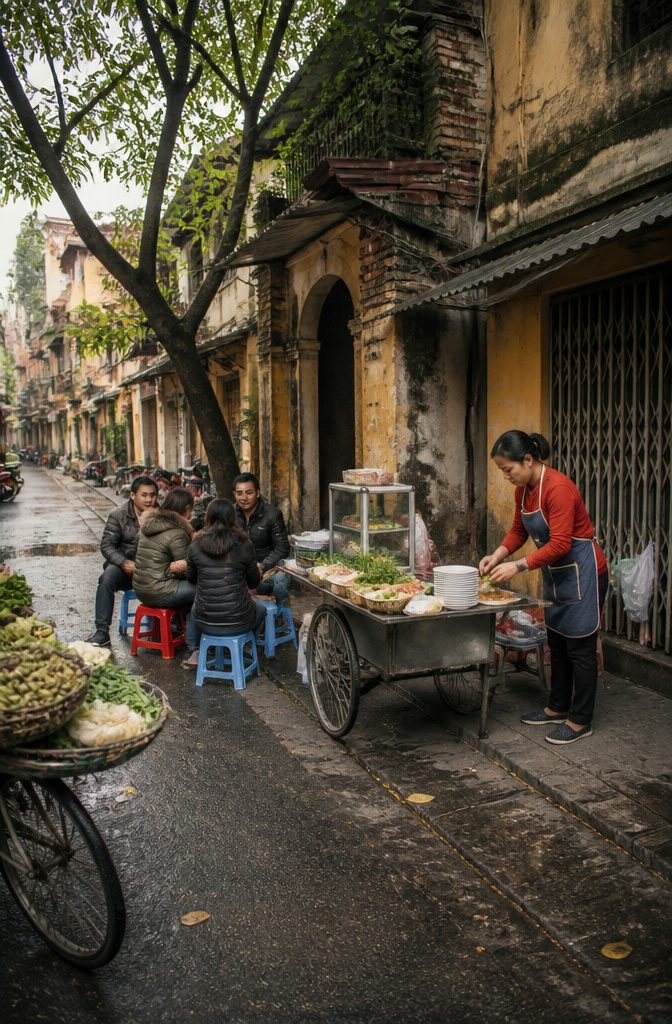
The overnight Reunification Express from Ho Chi Minh City to Hanoi runs about 30 hours and costs roughly the same as a domestic flight, so the choice comes down to time versus the view. I booked the open-jaw flight north instead, which gave me two extra days in the country and skipped the single seat that costs the same as a sleeper berth but reclines barely at all. That $25-a-day budget still works in Vietnam as of 2024 if you eat at com tam stalls and stay in family-run guesthouses; I averaged $28 by adding one proper coffee shop stop daily.
Motorbike rental is everywhere, and the sources all describe it as the "real" way to see the country. I looked at the traffic in Hanoi for ten minutes and opted out. The collision physics of a city with five million bikes and almost no traffic signal compliance did not match my insurance deductible.
Ha Long Bay cruises sort into three rough categories: hostel-party boats with shared bathrooms, mid-range junks with private cabins and edible food, and "luxury" operators charging double for the same route plus a wine list. I overpaid for the third tier. The cabin was larger but the limestone karsts looked identical from all three decks, and the kayaking stops were the same. The mid-range boats get you the same bay for half the price; the extra money buys mostly quieter hallways.
Patagonia
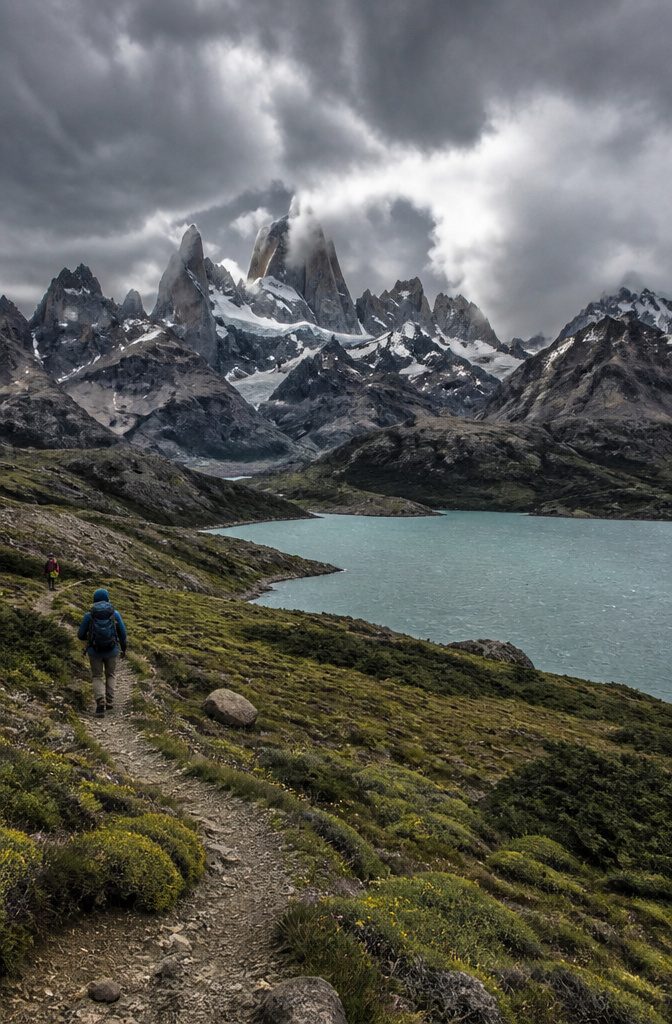
The Argentine side wins for trekkers who want to move without a reservation in hand. El Chaltén has hostels, gear shops, and trails that leave straight from town, so you can read the weather at breakfast and decide whether to hike that morning. The Chilean side, around Torres del Paine, runs on a booking system that fills refugios along the W trek months ahead, and the beds cost enough that camping starts to look like the real budget option.
That wind is not exaggeration from brochures. Gusts in the park regularly hit speeds that reshape how you set camp, and a three-season tent will not survive a night at the wrong exposed site. My own tent went from structure to shredded nylon at two in the morning on a lakeshore that had looked sheltered at dusk. The replacement was a four-season model rented in Puerto Natales, and the difference in pole diameter alone was worth the daily rate.
For the W trek, refugio beds run roughly $80–120 per night, meals extra, and the full circuit doubles that timeline and cost. Camping with your own gear cuts the nightly price to park-fee levels, but the trade is carrying food for five days and sleeping through the gusts.
Iceland
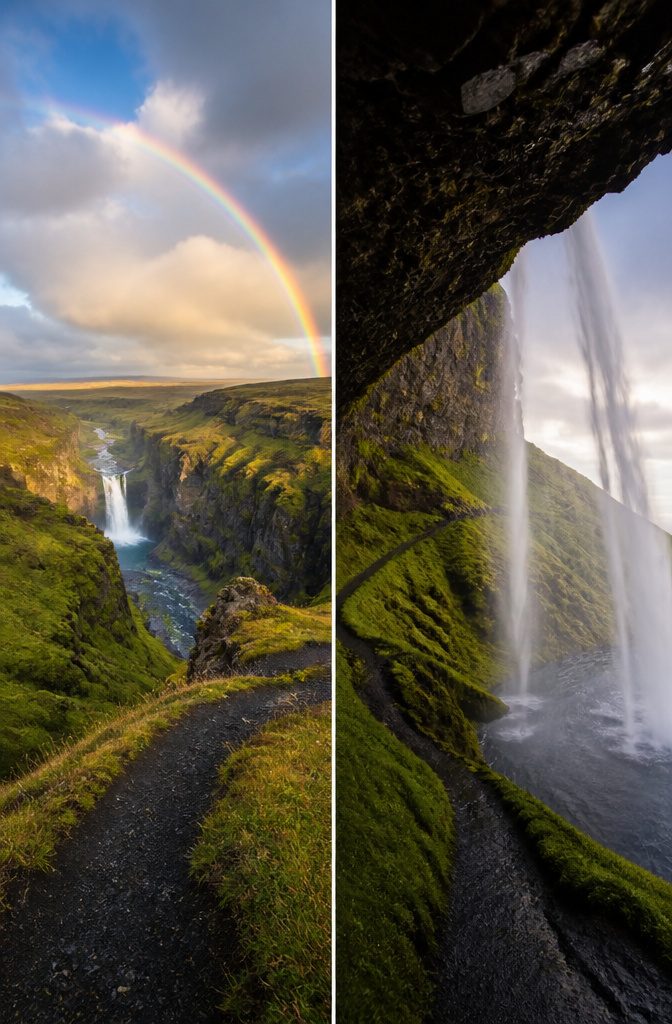
Ring Road pacing matters more than the guidebooks admit. Driving the full loop in fewer than eight days means skipping the fjords east of Höfn or the Snæfellsnes Peninsula just to check a box. Gas station hot dogs, piled with fried onions and remoulade, run about half what a sit-down meal costs and kept me fed through three trips without regret.
Car rental insurance in Iceland includes an extra tier for ash and sand damage that North American policies rarely cover. Skipping it saved me money once and cost me twice that when a spring windstorm scoured the paint on a parked car near Vik.
Blue Lagoon books out roughly a month ahead in summer and two weeks even in shoulder season; I reserved after arrival once and sat in a parking-lot queue for forty minutes before giving up.
Northern lights need darkness, which means September through mid-April. I visited in late August once, caught a faint green flicker at 2 a.m., and spent the rest of the trip explaining to friends that no, I had not really seen them.
Bora Bora
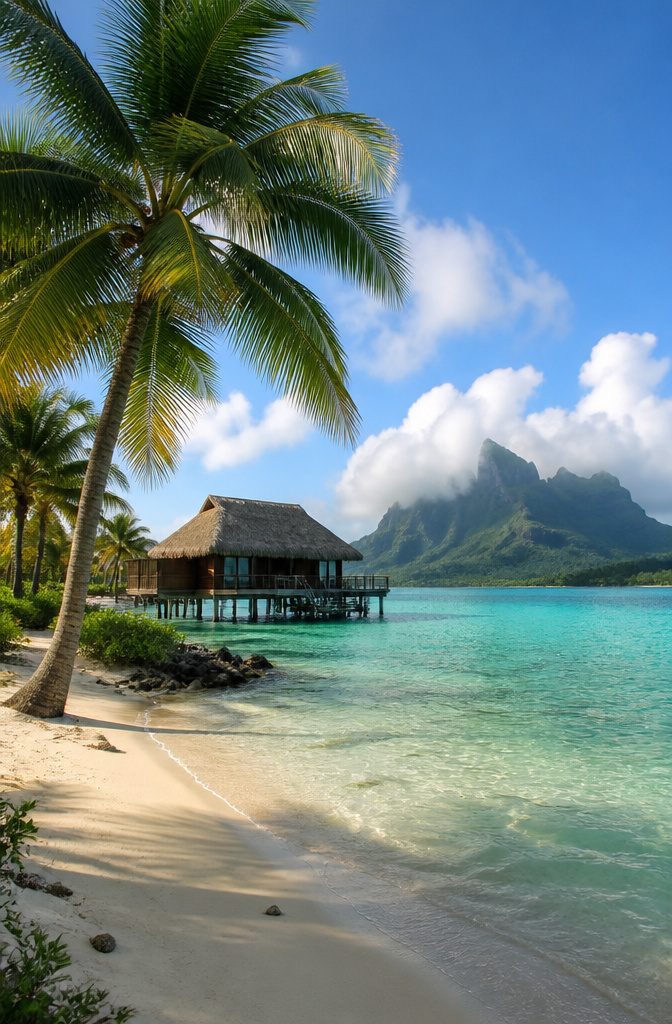
The flight from LAX to Bora Bora typically runs somewhere north of $1,500, and that is before you have slept anywhere or eaten anything. That airfare alone puts this trip in a different category than most island escapes, so the rest of the planning needs to account for where that money went.
The overwater bungalow versus beach bungalow decision is mostly about what you are actually doing with your day. The glass floor panels and private ladder into the lagoon look spectacular in photos, but the premium is steep and the water is the same temperature either way. A beach bungalow gets you the same sand and reef access without the architectural surcharge, and you still wake up to the same mountain rising out of the sea.
Meal plans are where the math gets serious. Full board locks in your costs against sticker-shock pricing at resort restaurants, but it also locks you into eating at the resort. Half board splits the difference. The right call depends on whether you plan to leave the property for local spots or stay put for a week.
The Tahiti Air Pass softens the blow if you are already committed to the long flight. It bundles the inter-island legs into something closer to a reasonable per-hop rate, and it turns Bora Bora from an isolated splurge into one stop among several. That pass is the difference between seeing one island and seeing the archipelago without paying domestic US prices for twenty-minute flights.
Cultural Experiences Worth Planning Around

Most travel lists call a place "cultural" and move on. What convinced me, reading through a dozen of these, is that the families who actually got their hands on something local all did the same three things in the same order. Check festival dates before you book flights; everything else slots around that.
Oktoberfest in Munich runs mid-September through the first weekend of October. Tents fill with both locals and tourists, and the beer and food are the draw, but the booking window is what punishes the planner who waits. I now pull up festival calendars six months out, then layer cooking classes and market mornings into the days before or after the main event. The families who ranked highest on their own lists split time between cities and nature and added cultural activities regularly, not as an afterthought, and skipped full museum days and full beach days both.
The price spread on cooking classes varies too much by country and year to pin down, but the principle holds: book the festival first, the hands-on stuff second, and leave the slack day in between for jet lag or a missed train.
Adventure Activities and What They Actually Cost
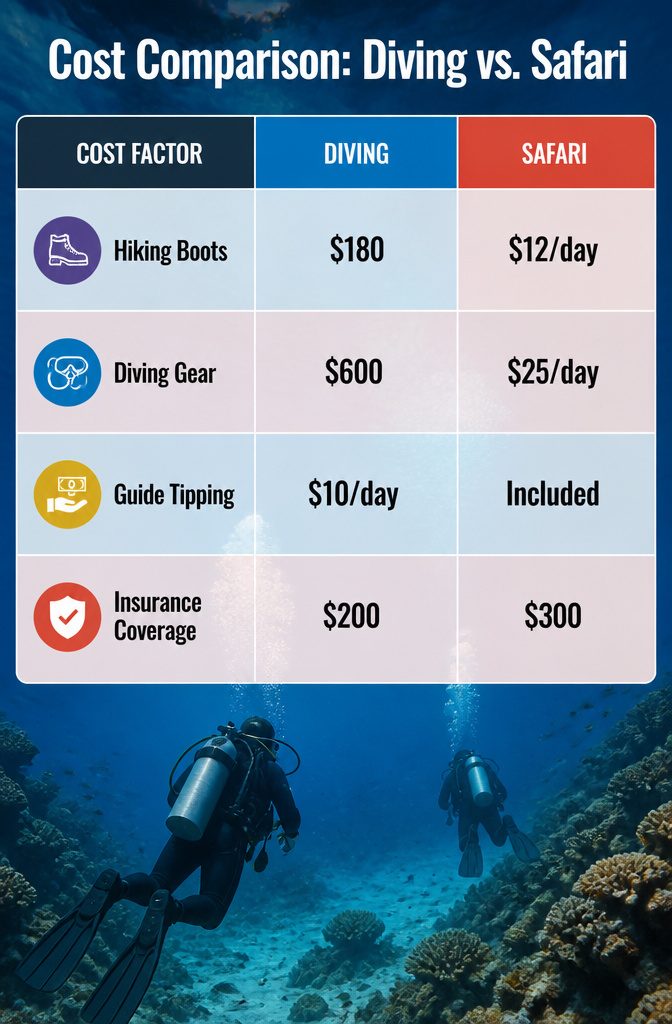
Hiking boots that cost $180 at home rent for $12 a day in most trail towns, which breaks even around day fifteen. The math flips faster with diving: a full regulator set runs $600 to buy, $25 a day to rent, so bring your own if the trip runs longer than three weeks. I used to forget guide tipping entirely. On safari, $10 per person per day is the floor, and the camps build it in as a line item now, which saves the awkwardness of counting bills while a lion watches from twenty feet away.
Wildlife safaris bundle conservation fees into the game drive price, and that fee is what keeps the parks staffed against poaching. The bush itself is the draw, but the costs are less visible than the tent luxury: fuel for the Land Cruiser, the guide’s certification, the park entry that does not show up as a separate charge until you read the invoice twice.
Travel insurance is where the real gap sits. Most policies exclude adventure activities by default, and the category they call "hazardous sports" covers exactly the diving and safari walking you booked the trip for. The annual plan I now use, priced against individual-trip coverage, still required me to tick a box for "extended coverage" that added 40 percent to the base. Read the exclusion list before you buy, not after you break a knee on a trail.
Historical Sites and the Booking Windows That Matter

Machu Picchu now sells permits in timed entry windows, and the good ones vanish ninety days out. Angkor passes run three-day or seven-day, but the real variable is which temples you reach before the bus groups do. The Colosseum underground requires its own reservation, separate from the main arena floor, and most travelers figure that out after they have already booked the standard ticket.
Skip the audio guide rental. The hardware is usually half-dead, the jack never sits right, and you are tethered to a crowd all listening to the same stop. Downloaded apps cost nothing beyond the prep time, and you can pause on a detail without a stranger bumping you toward the next numbered post.
Secondary sites change the math completely. The temples beyond Angkor Wat proper, the ones a tuk-tuk reaches after the sunrise crowd turns back, carry equal significance and no quota. At Machu Picchu, the Inca Trail is not the only approach; alternative routes exist with different permit rules and far less erosion damage from the 3.8 million visitors the site saw in 2017. Those trails do not sell out the same morning the booking window opens.
Natural Beauty and the Season That Kills It
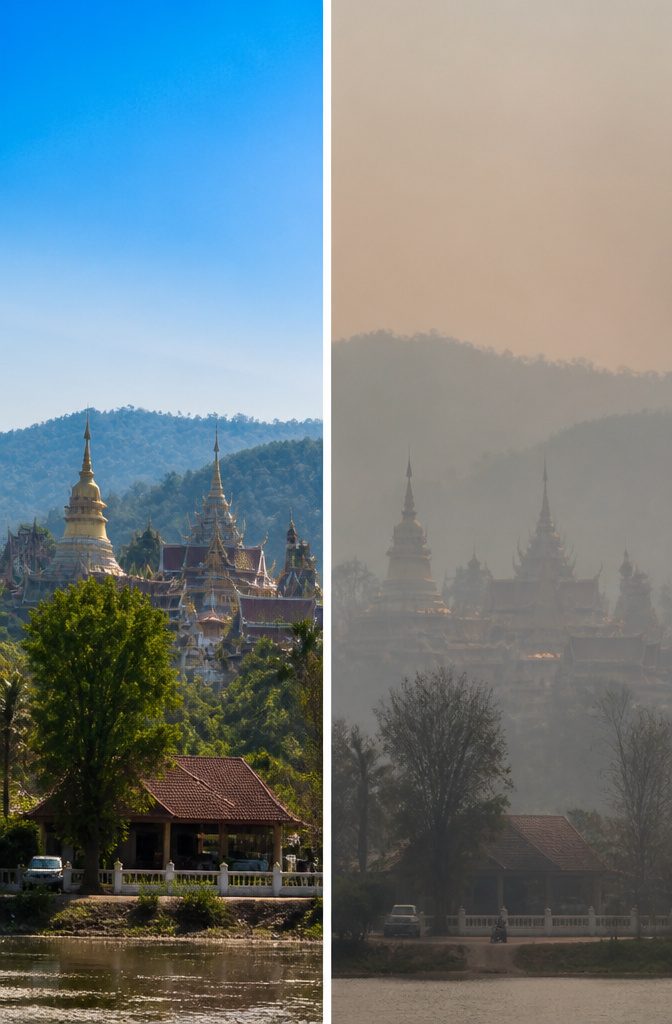
Every destination has a month that turns its postcard into a problem. Chiang Mai in March fills the valley with agricultural smoke so thick the temples disappear. The air quality index hits numbers that would trigger health alerts anywhere in the US, and the mountain treks I had planned became indoor days scrolling maps for escape routes. European August taught me the same lesson softer: Paris or Rome with the locals gone sounds romantic until you need a pharmacy, a decent meal, or any shop open past noon. The cities hollow out, and what remains is priced for desperation.
Patagonia in winter is the inverse. The trails I researched for six months sit under ice the rental car cannot handle, and the lodges I bookmarked are simply closed. No warning in the brochure, just a website that stops taking dates.
Now I check Flickr date stamps before I book anything. Real photos carry real metadata: someone standing in visible haze on the date I wanted, someone else in perfect light three weeks later. The stamp costs nothing and has saved me three trips. It is the closest thing to sending myself ahead in time.
Frequently Asked Questions
What are the best travel spots for 2026?
Greece, Japan, Italy, France, Peru, Bali, the Maldives, New Zealand, South Africa, Thailand, Turkey, Egypt, Vietnam, Patagonia, Iceland, and Bora Bora all make the cut, each with specific timing and booking rules that separate a good trip from an expensive mistake. Greece rewards shoulder-season planning in late April rather than June; Japan needs regional focus rather than a single JR Pass loop; Patagonia demands four-season gear and wind-proof camping. The full list mixes cultural depth, adventure infrastructure, and island escapes at price points from $25 a day in Vietnam to over $1,500 just for the flight to Bora Bora.
What makes a destination worth visiting?
Real infrastructure you can book yourself, prices that hold up under scrutiny, and enough density that you are not paying premium rates for a single view. Greece justifies its cost with ferry networks and mainland driving routes; Japan rewards planners who treat regions as separate trips rather than trying to stitch them together. The destinations that rank highest in the list share one trait: the experience does not collapse when you look past the headline attraction.
What are the best travel spots in Europe?
Greece, Italy, and France lead the European entries on this list, each with a specific angle that avoids the peak-season trap. Greece works best with a rental car on the mainland and ferry bookings made in January; Italy rewards phone calls to trattorias over app reservations and the high-speed train between Rome and Florence at $35–50 if booked ahead. France splits into two trips: Paris in mid-August for hotel deals, or Lyon for meals that cost less than two Paris museum admissions plus lunch.
What are the best adventure destinations?
Patagonia, New Zealand, and Costa Rica serve adventure travelers with very different demands. Patagonia’s Argentine side lets you hike without reservations from El Chaltén; New Zealand’s North Island packs geothermal pools and the Tongariro Alpine Crossing into shorter drives than the South Island’s spread-out scenery. Costa Rica, mentioned in source material, offers sloth spotting, cloud forest horseback rides, and volcano trekking. Each requires gear discipline: a three-season tent will not survive Patagonian wind, and the Milford Track ballot closes months before most travelers think to apply.
What are the must-see spots in Japan?
Tokyo, Kyoto, and Hokkaido each need their own week; the mistake is trying to combine them on one JR Pass without running the math first. The pass break-even tightened after 2023 pricing shifts, and the Sapporo leg often wins as a separate domestic flight rather than a train ride that eats daylight hours. Cherry blossom timing is unreliable by definition; pick one region, book for the middle of its predicted window, and accept that you will miss peak bloom somewhere else.