Free bridge crossings, a castle on the lake and a night at an infinity pool hotel share one list, so the question that sorts the trip is how you plan to get around.
Transport is where Swiss costs climb fastest, and a Swiss Travel Pass, which covers unlimited rides on trains, buses, trams and ferries for 3 to 15 days, is the main way I’d cap that spend.
1. Lake Lucerne Chapel Bridge
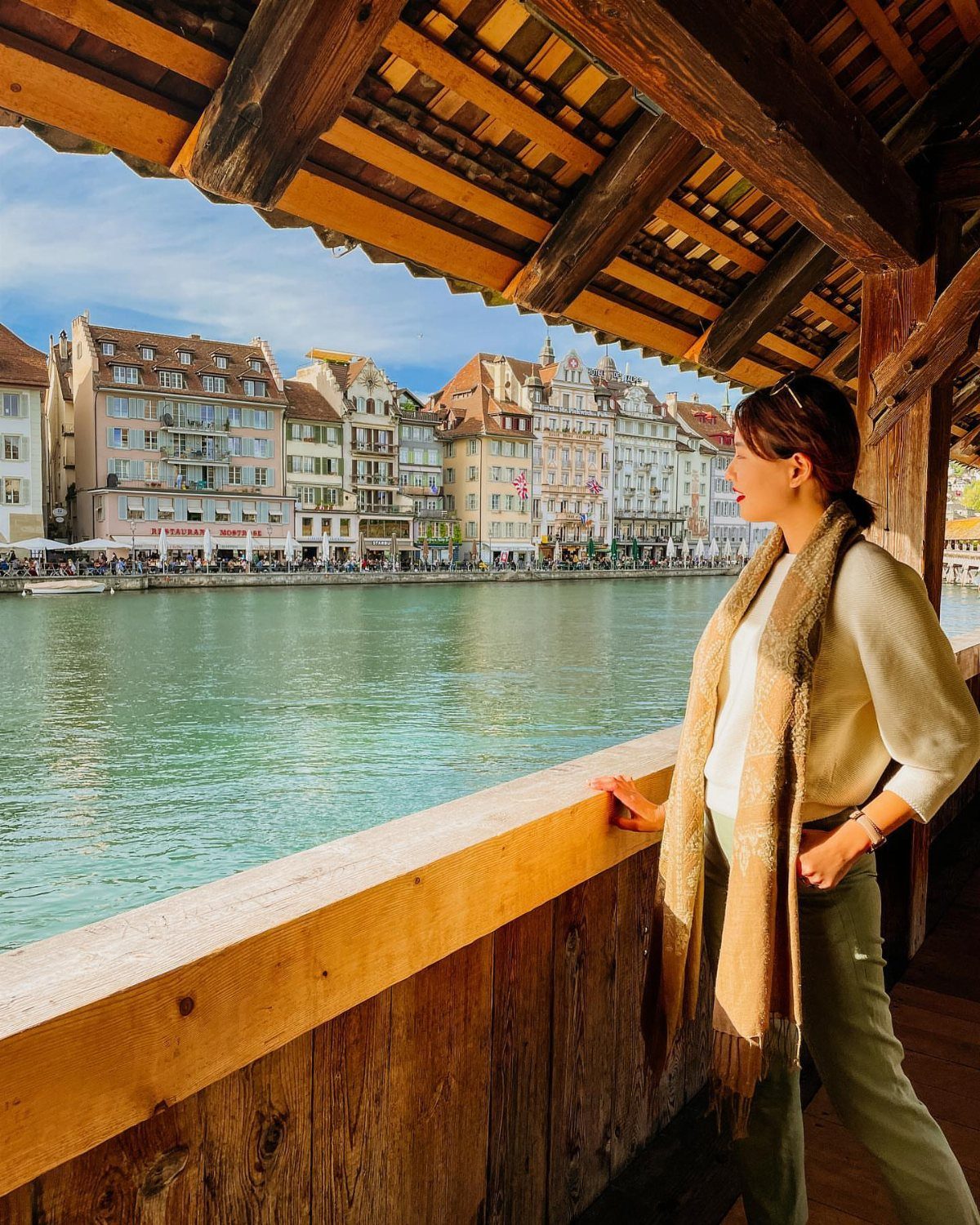
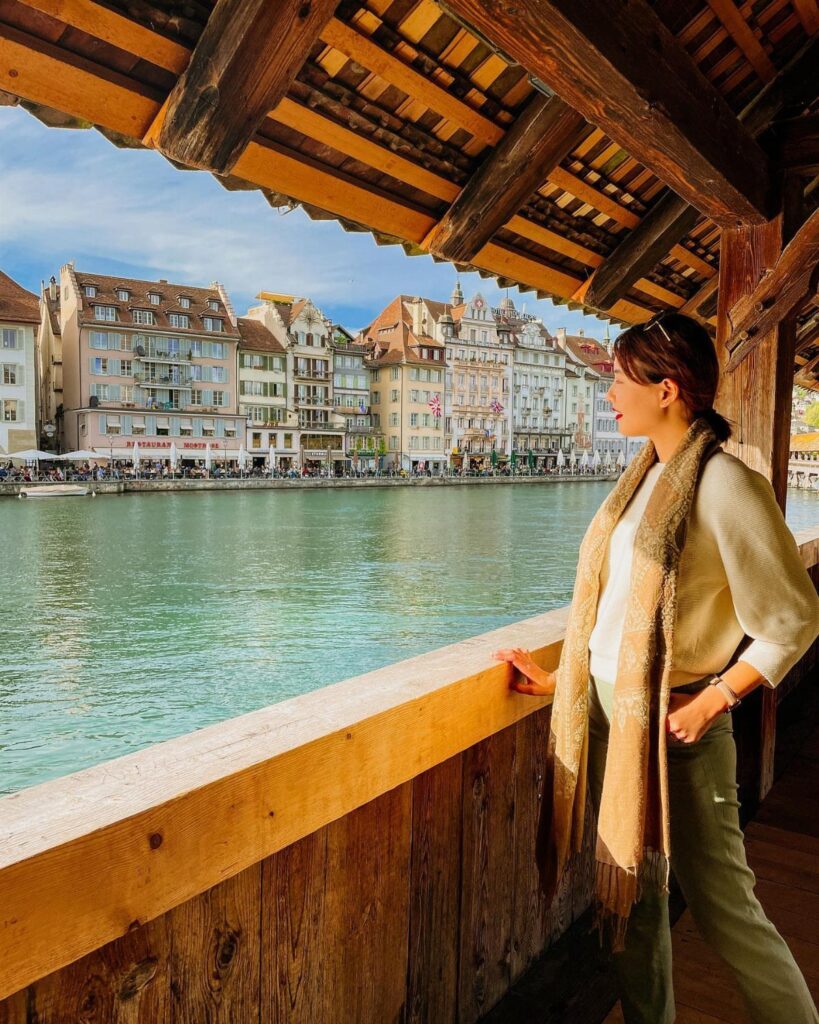
Wooden planks, a covered roofline and a river view make Lucerne’s Chapel Bridge an easy first stop, and it costs nothing to cross.
Walk it twice: once heading out, once coming back, because the buildings along the water look different from each direction.
A scarf and a sweater are enough for the crossing.
2. Lausanne
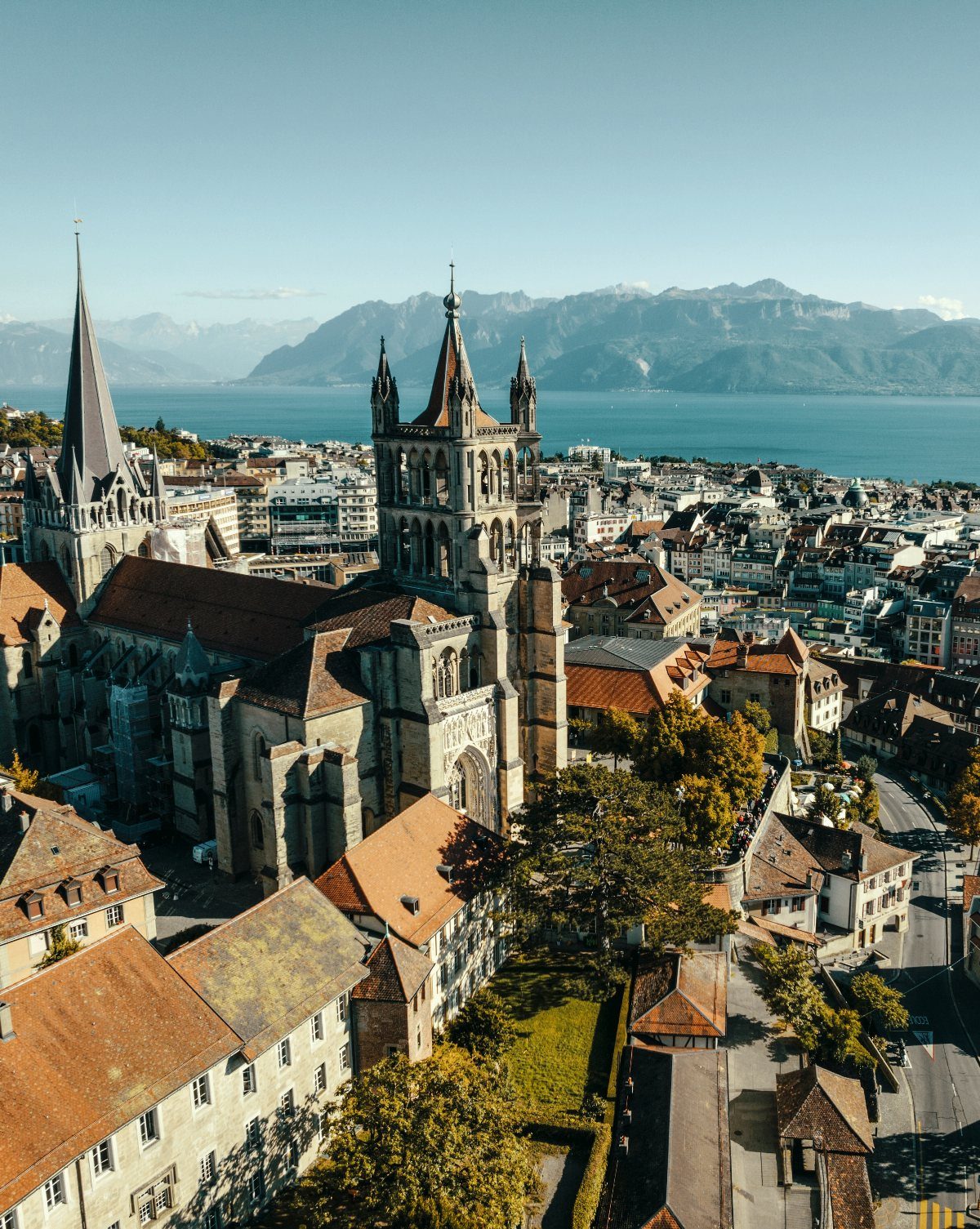
Lausanne works best for a reader with limited time who wants a city and a lake in one stop.
The stone cathedral sits above the rooftops, with Lake Geneva and the mountains behind it, so one climb up to the old town gives you the whole layout.
French is the language here, so a few phrases help. I would give it a half day, or an overnight if your route already passes along the lake.
3. Aletsch Glacier
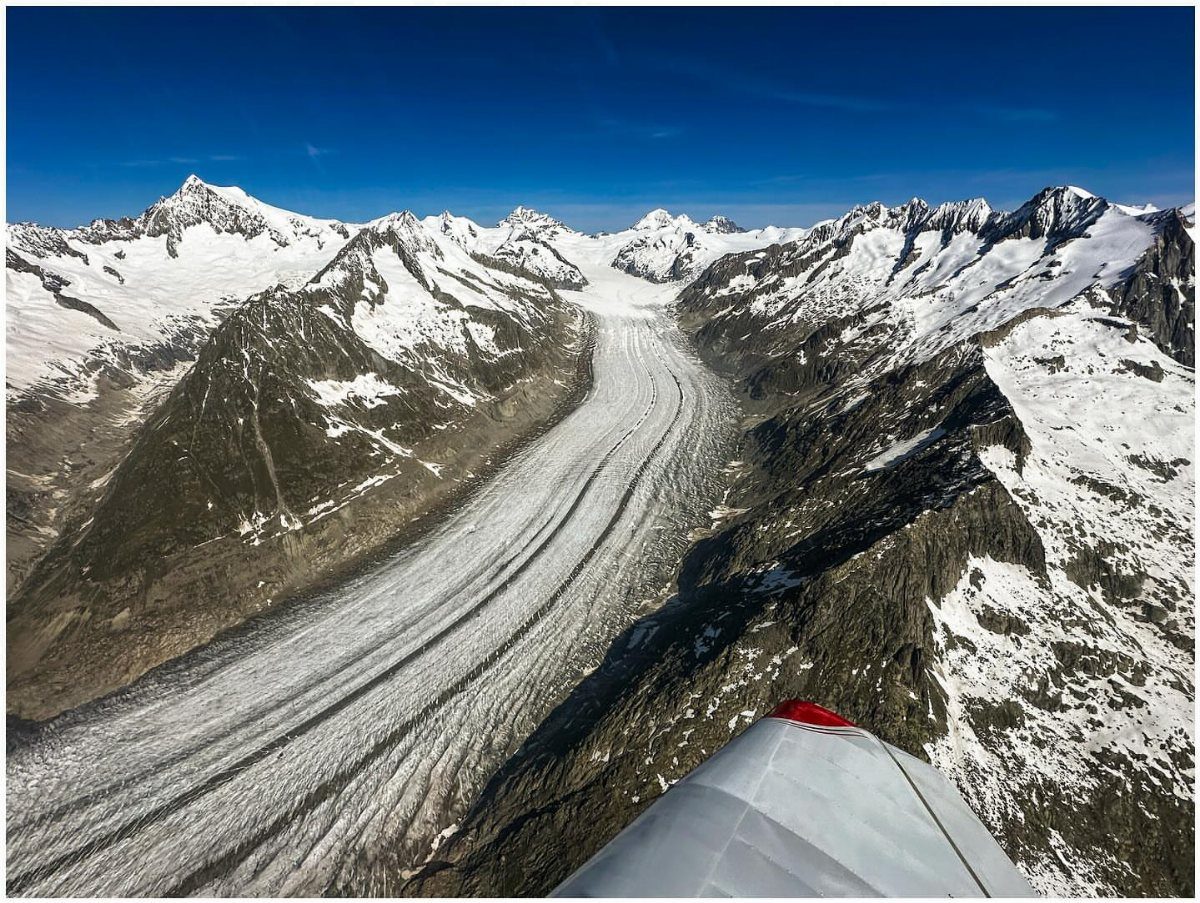
Seeing Aletsch from above is my pick over any ground-level view, because the ice only makes sense at scale. It is the largest glacier in the Alps, a long river of ice running between snow-capped peaks.
A flight gives you the full sweep, though it costs more than a trail.
Book on a day with a clear forecast, since cloud wipes out the view you went up for. Choose a window seat if you can.
4. Staubbach Falls
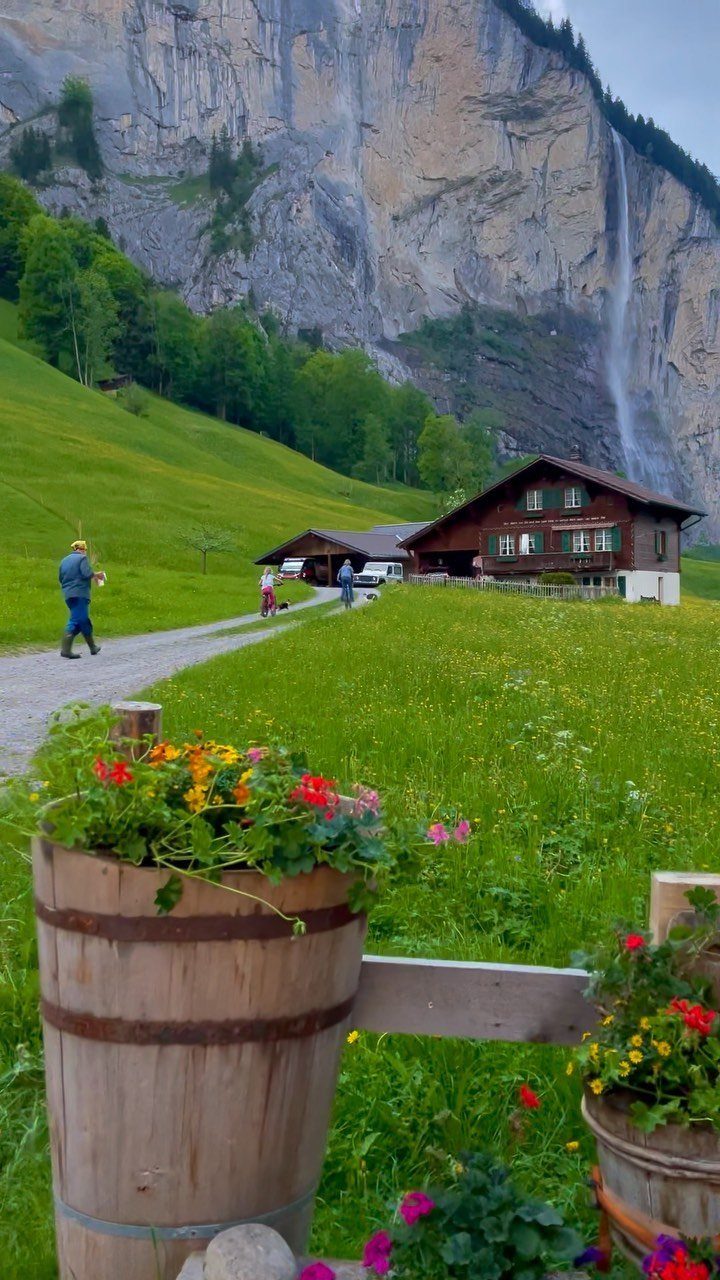
Staubbach Falls drops nearly straight down a cliff above Lauterbrunnen, and you can see it from the village street without a ticket or a hike.
That mix of village and waterfall is why I rank it above bigger, louder falls for a relaxed stop.
It suits a short visit and a walk on foot. Pair it with a slow wander past the houses rather than treating it as a destination on its own.
5. Rhine Falls
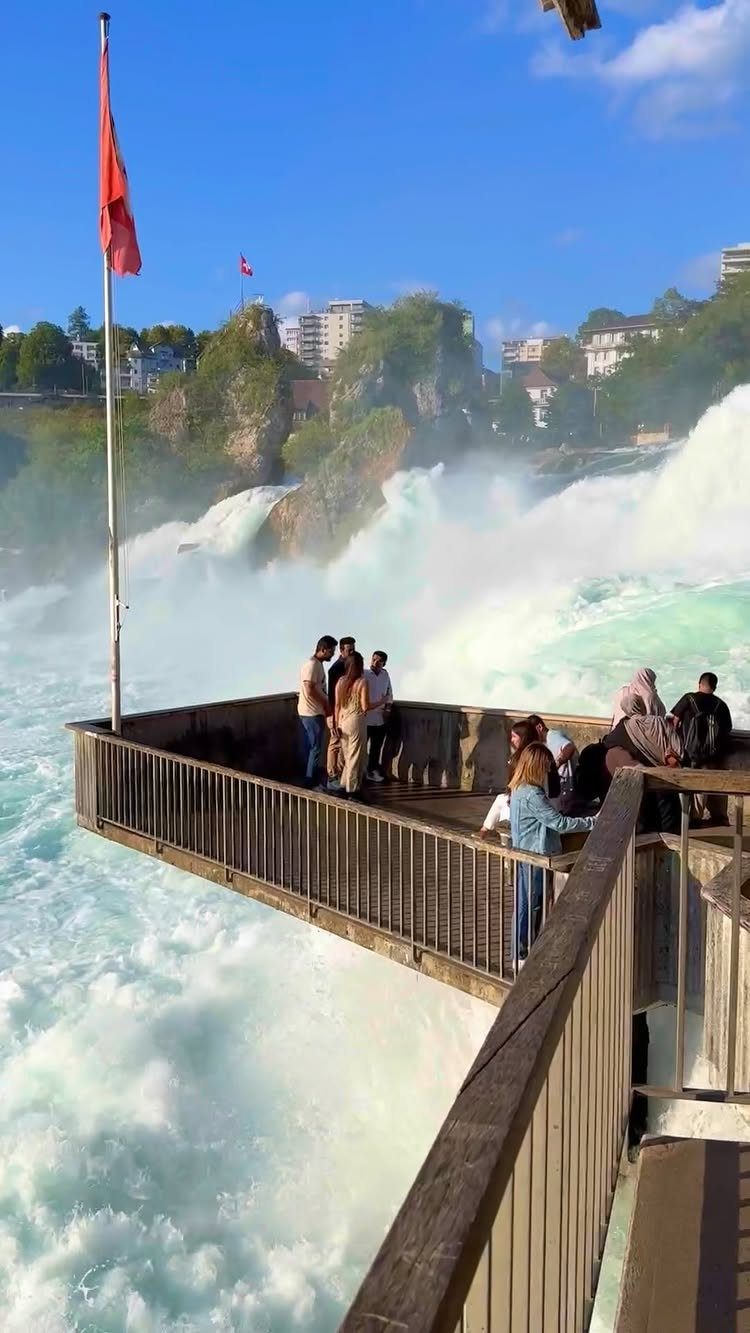
Europe’s largest waterfall, the Rhine Falls, is best taken from a viewing platform where the roar and spray reach you directly.
Go in the daytime under clear skies for the best color.
Count on about an hour for the platform and a look around. It is an easy add-on, not a full-day plan.
6. Glacier Express Train Ride
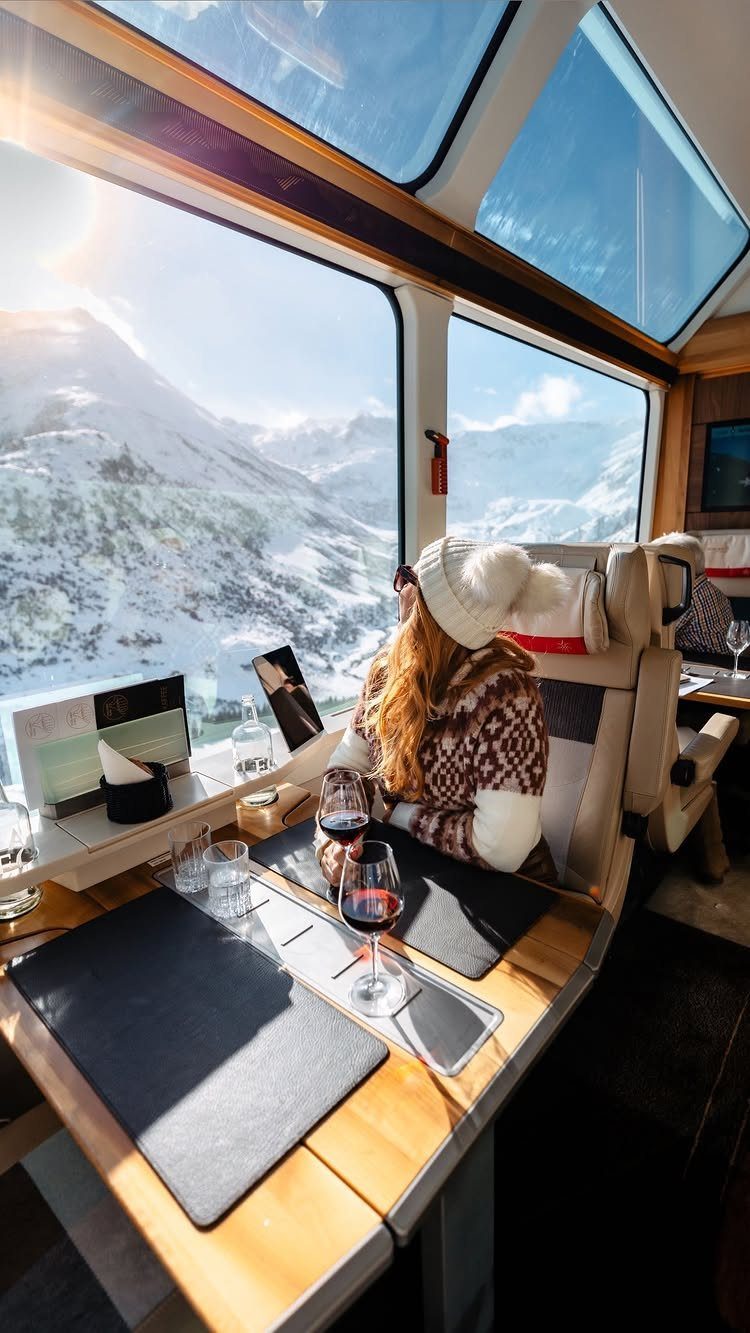
Panoramic windows are the whole reason to ride the Glacier Express: a wide pane of glass and snowy mountains sliding past while you sit with a glass of red wine.
It is a scenic train ride through the Swiss Alps, and the slow pace is the appeal.
Reserve a seat early, since you are planning around a fixed schedule.
Winter shows the mountains in snow. Pack a sweater and a hat, and expect a long day on board.
The true bucket-list rail journey in Switzerland is aboard the Glacier Express, which crosses over the Furka, Oberalp and Bernina passes on the 8-hour ride between Zermatt and St Moritz in Graubünden’s Upper Engadin.
7. Château De Chillon
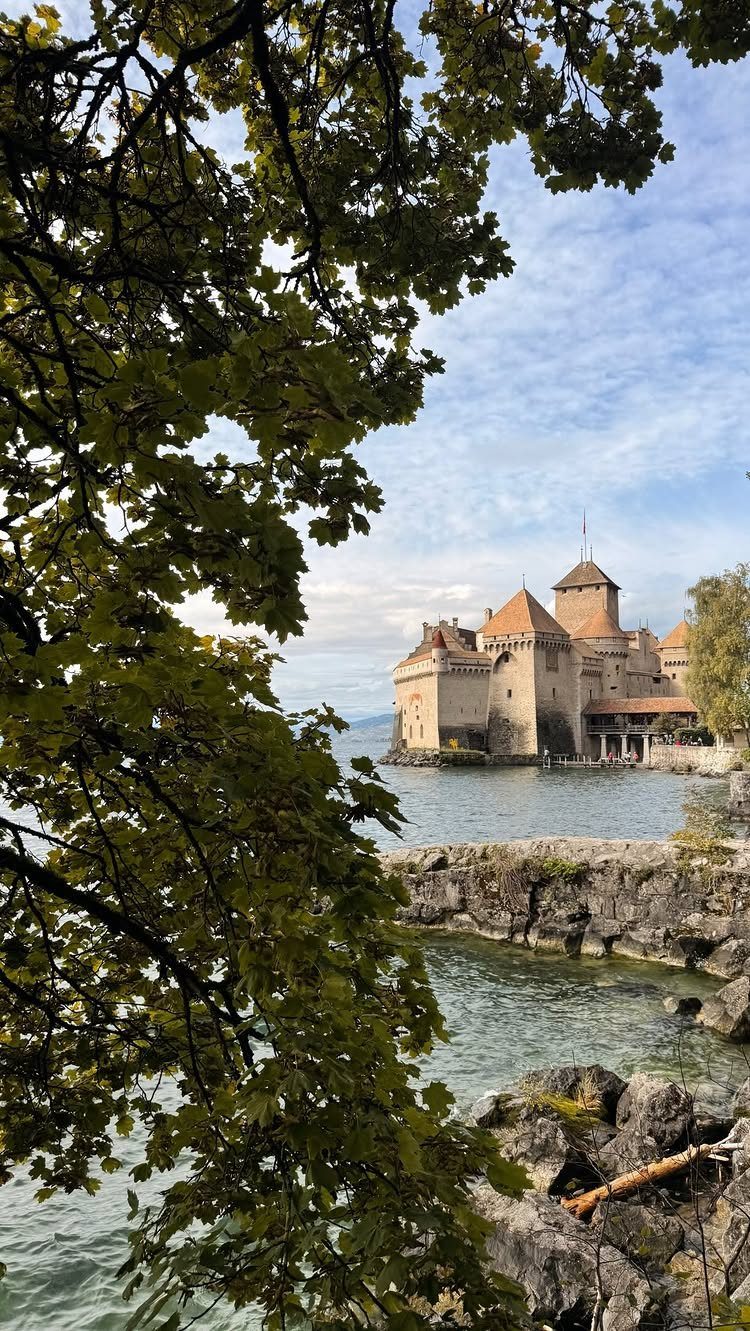
Château de Chillon sits on a rocky island in Lake Geneva, so the towers and red roofs read best from the shore, where trees frame the walls.
The lakeside path along Lake Geneva gives the best view of Chillon’s towers against the water, so walk it before you decide whether to pay for the interior.
It pairs well with Lausanne on the same stretch of lake. Check opening hours and ticket prices before you go, since I can’t quote a current price here.
8. Medieval Architecture in Bern’s Old Town
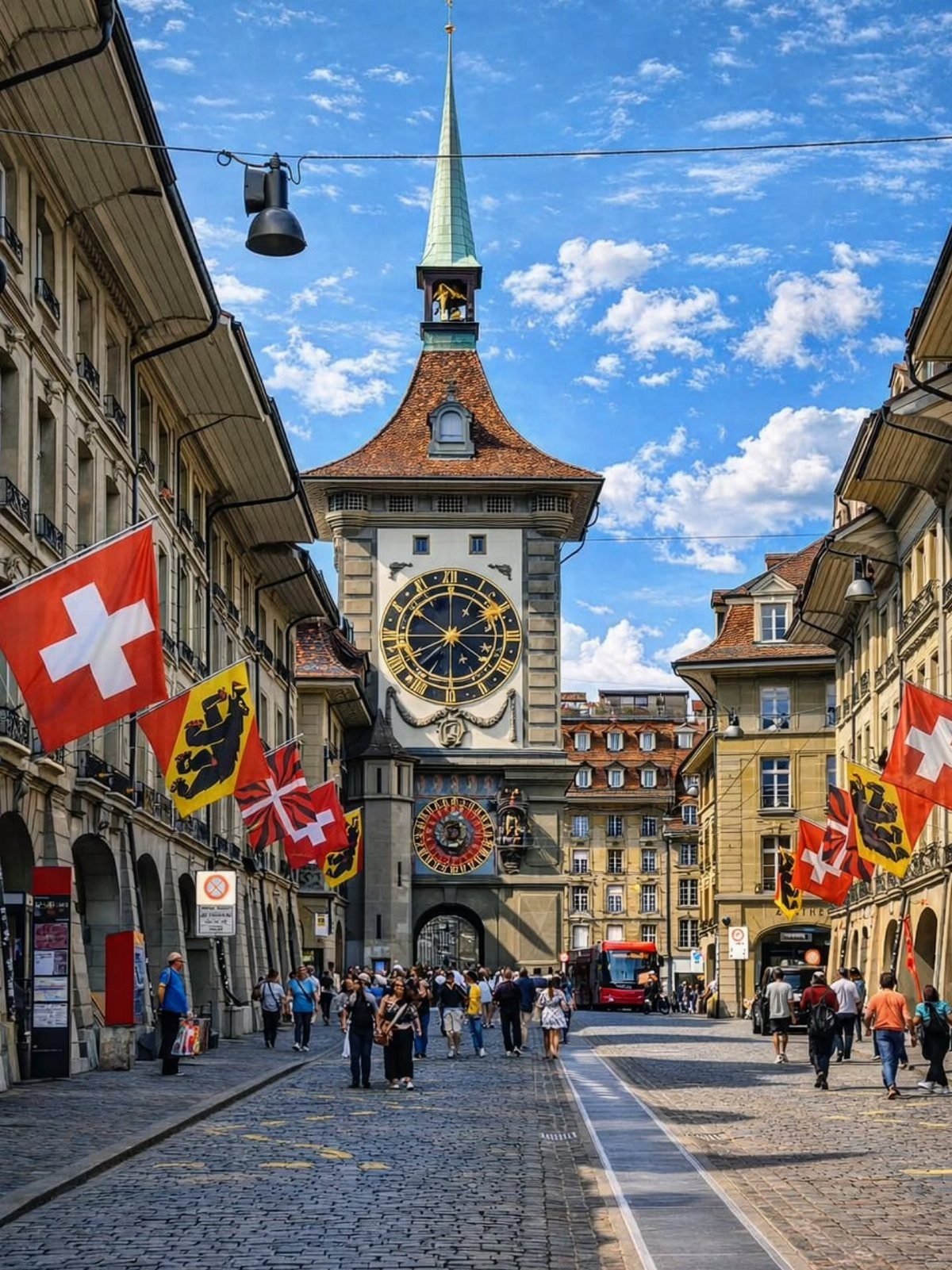
Bern’s Old Town earned its UNESCO World Heritage listing for its intact medieval street plan, and the arcaded lanes running past the Zytglogge clock tower show it best.
Everything sits within walking distance, so you need no ticket and no transport.
Wear flat, grippy shoes, because cobblestones are hard on thin soles. A couple of hours covers it for a first visit.
9. Viewing the Matterhorn in Zermatt
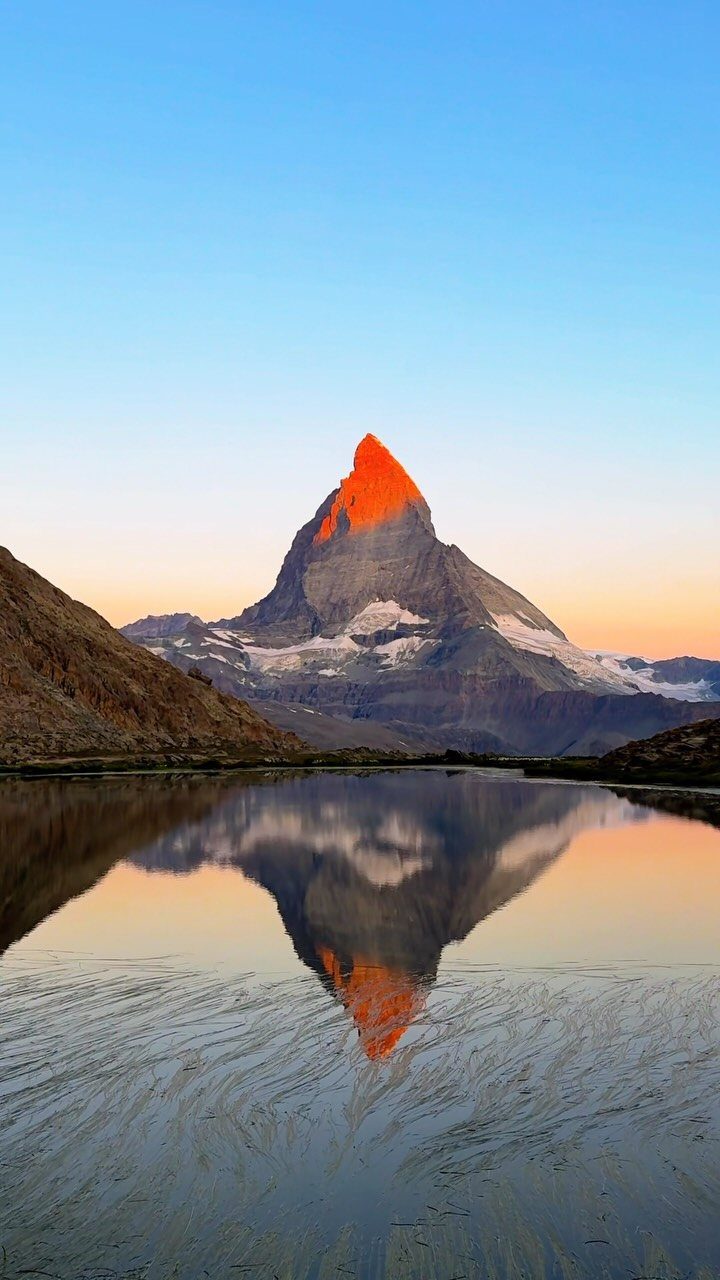
Sunrise is my pick for the Matterhorn in Zermatt, because the peak turns orange and a calm lake can double it in the water.
Late light is pretty too, but the early hour gives you still air and a clear sky.
Check the forecast the night before and plan to be at the shore before first light.
Bring gloves and a warm hat, since the lake can be partly frozen. If cloud sits on the peak, give it a second morning.
10. Infinity Pool Overlooking Lake Lucerne
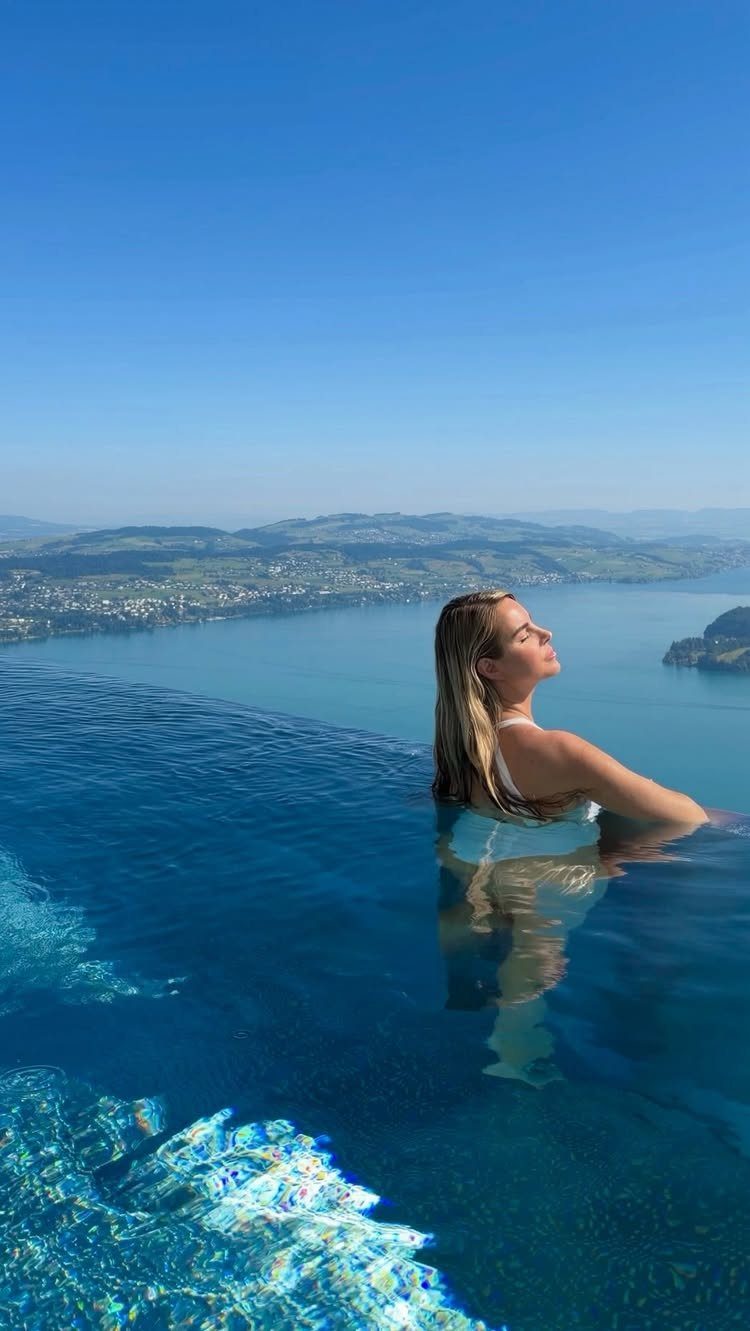
An outdoor infinity pool facing a wide lake and distant mountains is a splurge, and I would spend on it once, for one night, rather than the whole trip.
The view is the product, so choose a hotel whose pool faces the water.
Confirm pool hours and guest access when you book; the rules vary by property, and prices run high.
11. Lake Brienz Cruise
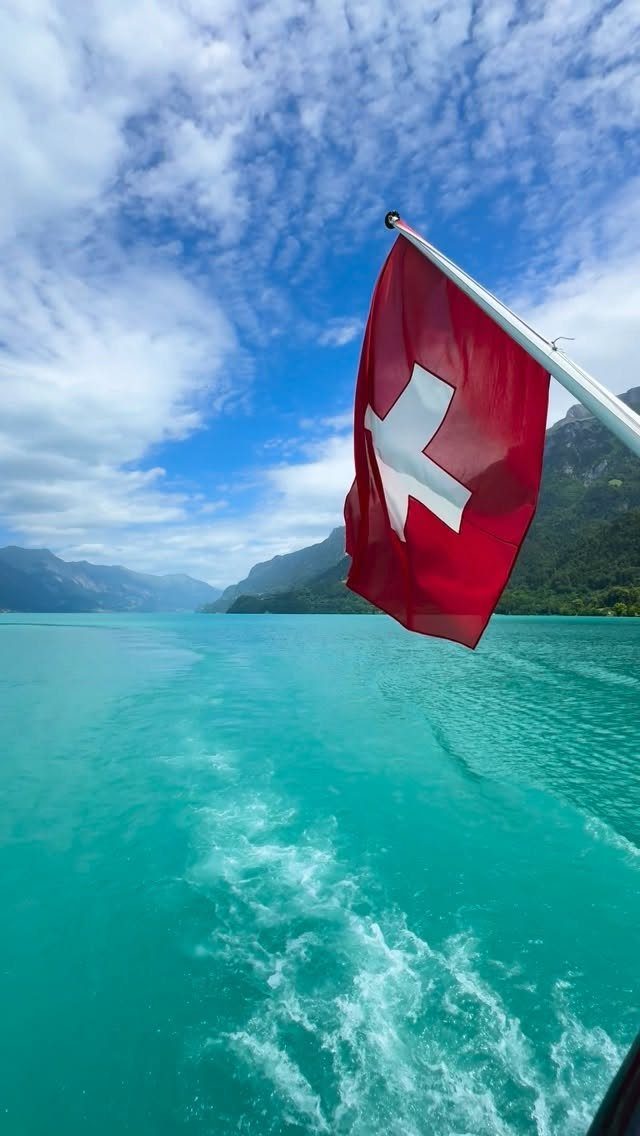
Turquoise water, steep green mountains and a Swiss flag snapping at the stern: a Lake Brienz cruise delivers all of it from a deck seat.
Stay outside rather than in the cabin, because the wake and the shoreline are the show.
Bring a light jacket, since wind on the water feels cooler than the shore. Check the timetable and fare before you plan the day, and keep the schedule loose in case clouds roll in.
12. Oeschinensee Alpine Lake
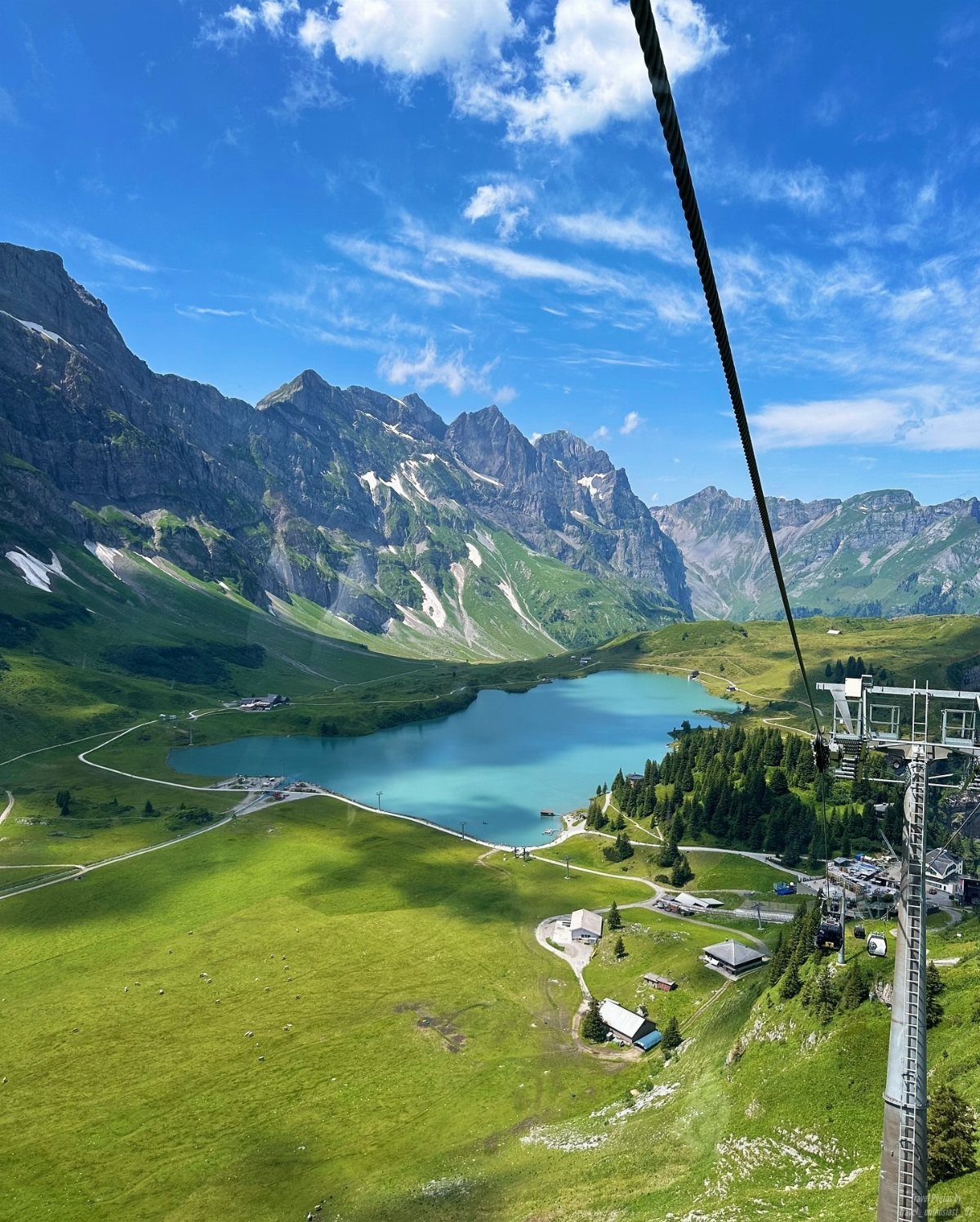
Oeschinensee is a turquoise lake in a basin under jagged, snow-capped cliffs, and the cable car gives you the high view before you reach the water.
I would ride up for that look at the green meadows and the whole bowl.
Wear sturdy shoes if you plan to walk down to the shore, and check cable car times and fares first.
13. Glacial Gorge Waterfall
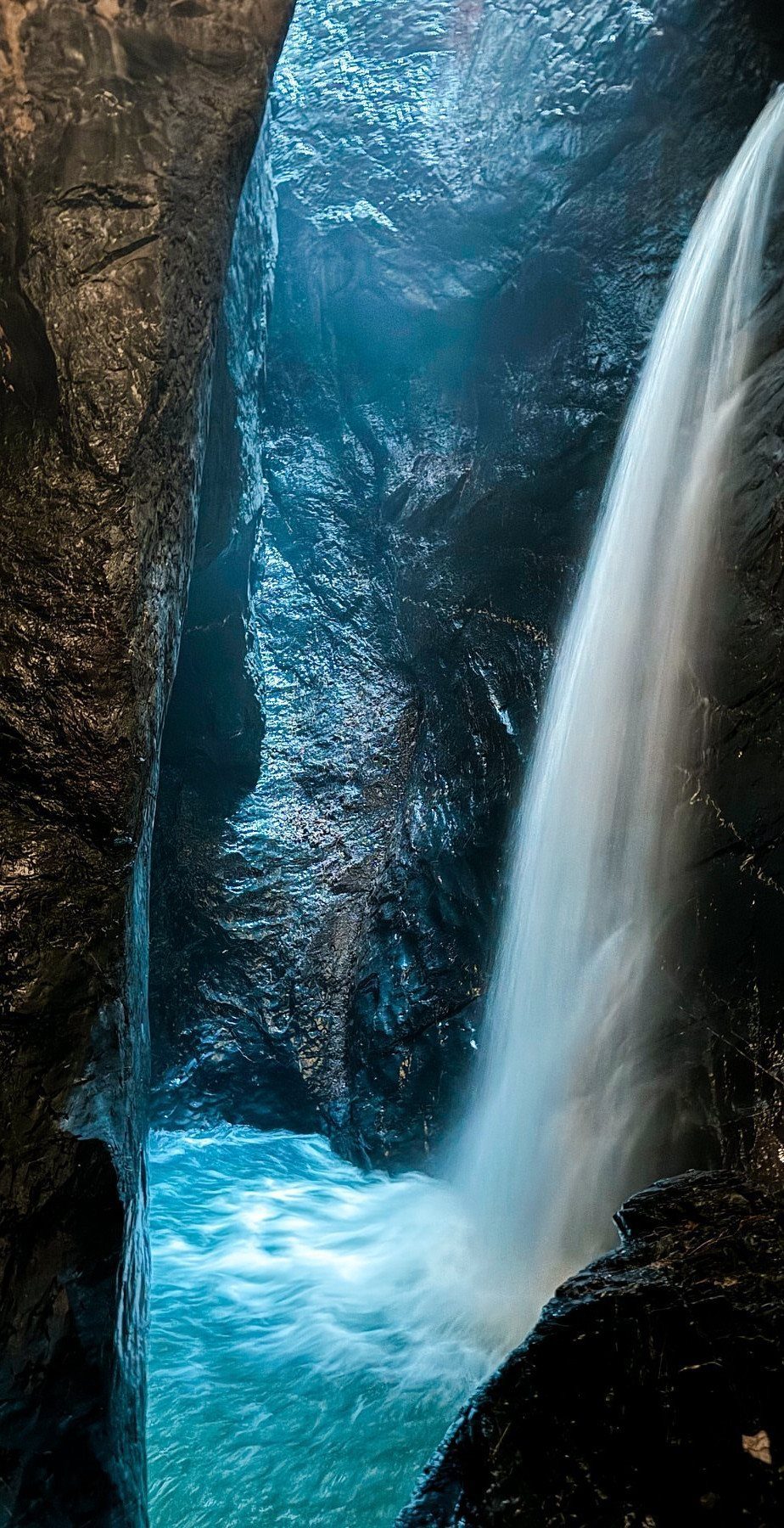
A narrow gorge funnels a waterfall down dark, wet rock into a turquoise pool, and the tight walls make the water sound louder than its size suggests.
I would pick a gorge like this over a wide open falls, because the close rock gives you scale and the color of the pool stands out against it.
Wear shoes with real grip, since spray keeps the rock slick. Pack a rain shell and keep your phone in a pocket until you are out of the mist.
Check access and opening dates before you go, since gorge paths can close.
Traveling in Switzerland
Switzerland is expensive, and transport is where costs climb fastest.
Trains, buses, trams and ferries cover most towns and scenic regions, so a rental car adds fuel and parking bills for little gain. SBB trains and the yellow PostBus coaches reach most places you will want to go.
Passes can cut the bill. A Swiss Travel Pass gives unlimited rides on trains, buses and boats for a fixed run of 3 to 15 days, while the Half Fare Travelcard simply cuts the price of each ticket in half.
Add up your planned rides before choosing: a pass pays off on a route-heavy trip, while the half fare card suits a slower one.
I would rent a car only for small, remote towns or when you want many stops in a short time.
Big cities do not need one. Omio is handy for comparing options side by side.
Best Time to Visit
Pick the season by what you want to do, because each one wins at something different.
For Alpine scenery, winter wins in my book: snow-covered peaks, plus skiing, skating rinks and sled runs to fill the days. Summer suits hiking, picnics and swimming in the cities.
If wine is the draw, aim for late spring, when cellars hold open-door tastings called caves ouvertes, or for fall, when harvest festivals and turning leaves fill the vineyards around Geneva, Ticino, Valais and Vaud.
For old towns and châteaux without crowds, I would choose spring or fall. Mountain train rides and good dining work in any season, so they should not drive your dates.
Cultural Insights
4 languages hold official status here: German, French, Italian and Romansh. Which one you hear depends on the region, so a greeting that works in Zurich may sound off in Geneva or Lugano.
Tourist hubs usually have staff who speak at least basic English, so Americans can get by without much trouble.
Away from those spots, I would still learn a few phrases in the local language; staff tend to warm up when you try.
Money is the Swiss franc (CHF), not the euro. Check which currency a small shop or café accepts before you order.
Frequently Asked Questions
What are some unique experiences in Switzerland?
For a single standout, I pick the Glacier Express: a slow alpine train with panoramic windows, and seats sell out, so reserve ahead.
A flight over the Aletsch Glacier, the largest in the Alps, shows the ice at a scale no trail view matches. A Lake Brienz cruise from a deck seat and sunrise at the Matterhorn in Zermatt round out the picks.
What is the average cost of a trip to Switzerland?
No single average cost holds up, since prices swing with season and style of travel, but getting around is the line item that grows fastest.
Public transit reaches nearly every town, so leaving the rental car behind also spares you gas and parking fees.
Before buying a pass, I would total up the rides on my route, then compare a Swiss Travel Pass (unlimited travel for 3–15 days) against a Half Fare Travelcard (50% off each ticket).
Where to go in Switzerland for 2 days?
Pair Lucerne with Lausanne’s lake, or stay on Lake Geneva.
Lucerne gives you the free Chapel Bridge walk and lake views. Lausanne packs a real city and a lakefront into half a day, and it works well as an overnight stop if you are following the shore.
Château de Chillon sits on the same stretch of Lake Geneva, so it is an easy add-on.





