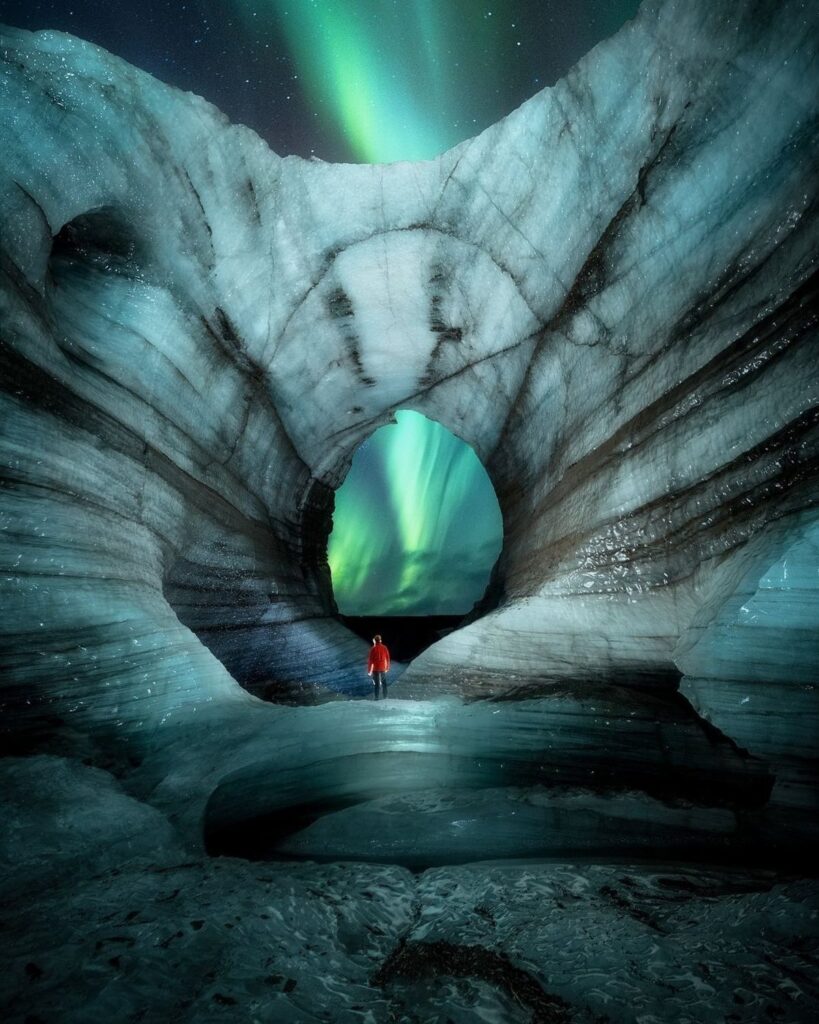
The ideas here run from a free walk down a snowy road to a night in a glass igloo, and what picks yours is how much weather risk you can absorb: if you can’t count on one perfect night, a cabin with open sky out front beats a single pricey booking.
Cloud ruins every idea on this list, so I check the sky forecast before I look at where to sleep.
1. Clear, Dark Skies
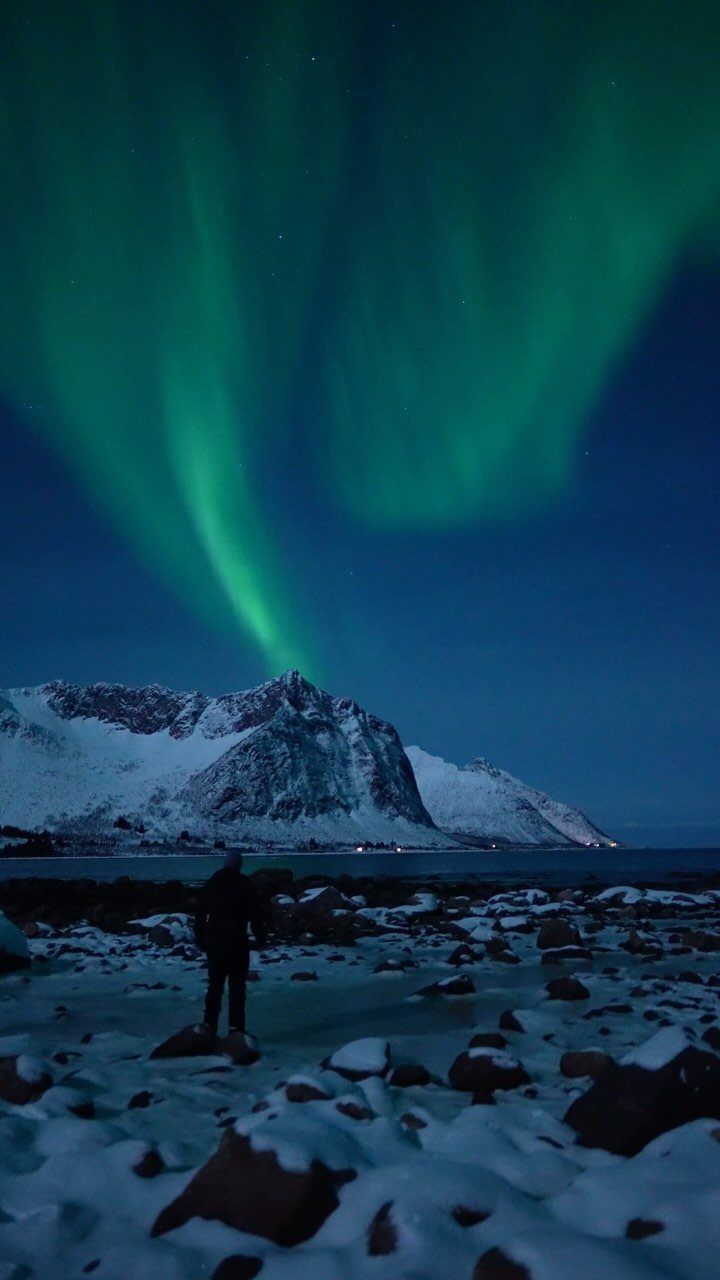
Cloud cover ruins an aurora night faster than anything else, so check the sky forecast before you check the lights.
A green glow over a mountain and shoreline like this one needs a clear view with no cloud between you and the horizon.
Get away from town lights, give your eyes time to adjust, and keep your phone dim. Open water or a rocky shore gives you the wide, unblocked view that makes a night like this work.
While an aurora sighting is never guaranteed, a combination of ideal viewing conditions will coincide this March. Here’s what to know—and where to go.
2. Dog Sledding
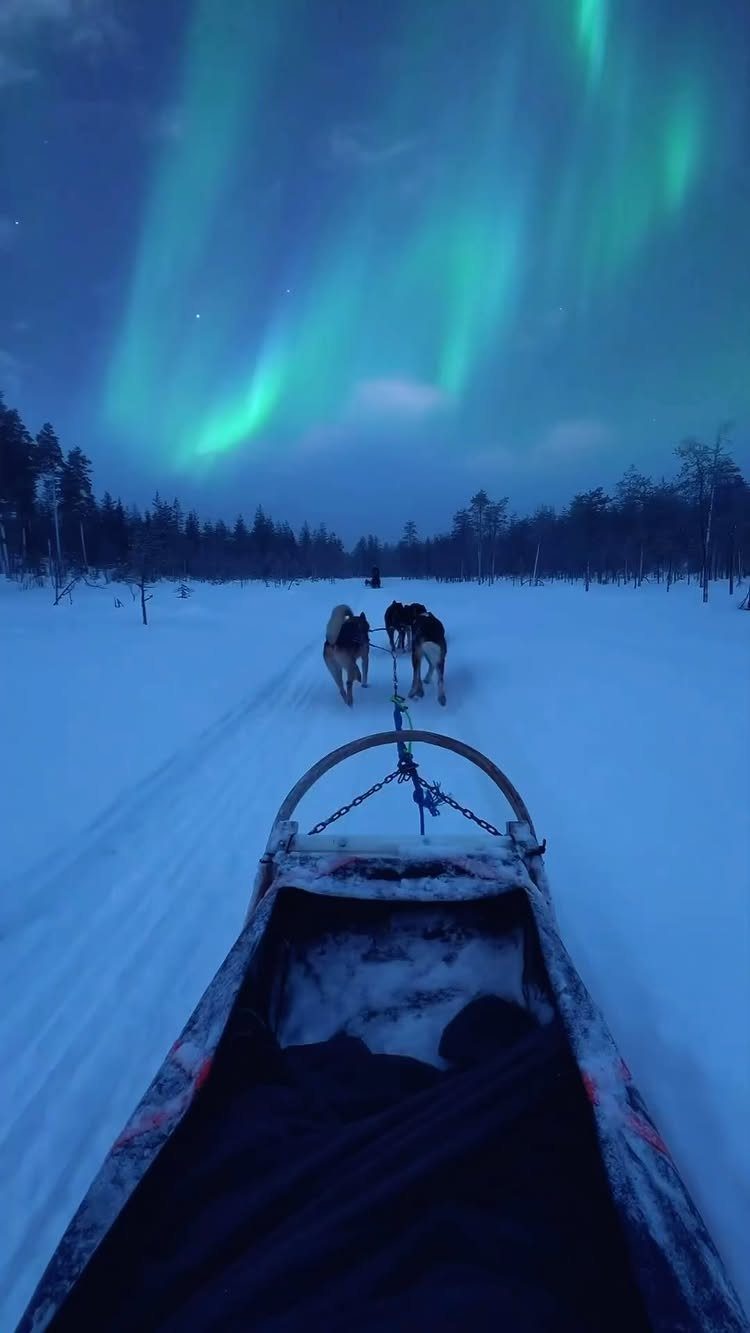
Dog sledding puts you low on the snow, moving quietly behind the dogs while the aurora fills the sky ahead. 2 dogs is what I see in this view, and the pace feels calm enough to keep your eyes up.
Book a night run if the lights are your goal; a daytime run is a different trip. Dress warmer than you think you need, since sitting still in a sled gets cold fast.
For a first aurora trip, I would pair this with a second, quieter viewing night.
3. Campfire Gatherings
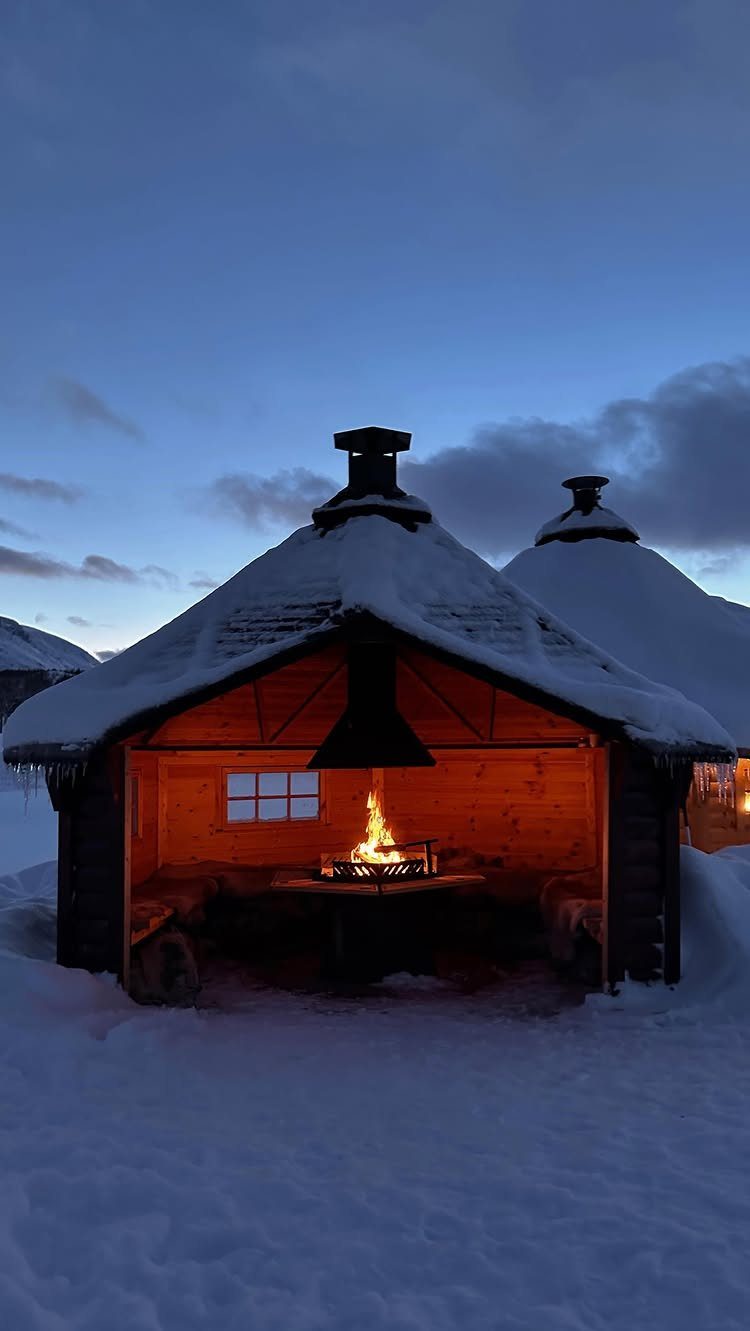
A snow-covered open-air shelter with a fire in the middle gives you something most aurora plans lack: a place to stand warm while you wait. Twilight, as in this scene, is when the glow starts to feel inviting.
I like this for travelers on a moderate budget, since it asks for little beyond a spot and a fire.
Bring hot drinks, and keep your seat facing open sky, not the flames, so your eyes stay adjusted to the dark.
4. Glass Igloos
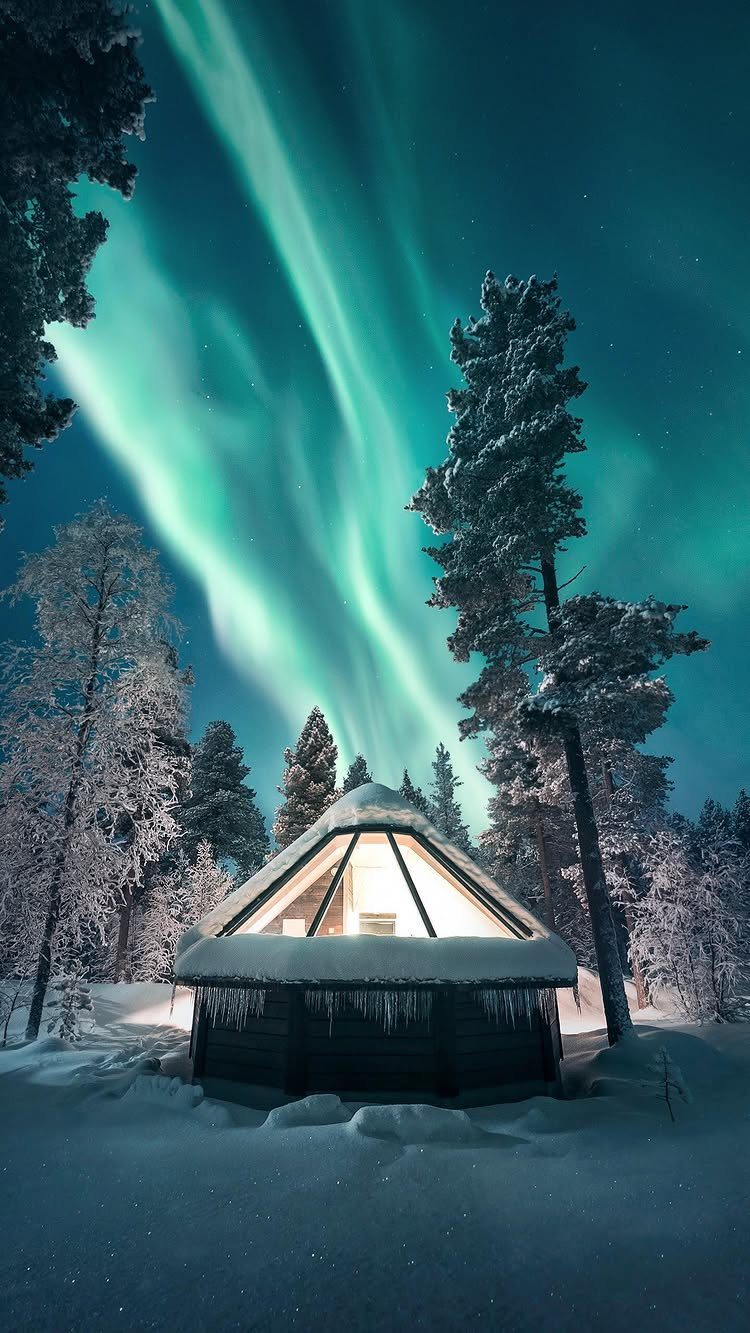
A glass igloo lets you watch for the aurora from bed, so you can skip standing outside in the cold and wait.
A glass igloo in a snowy pine forest, like this one, trades some privacy and a higher price tag for that view.
Expect to pay more than for a standard cabin. If the budget is tight, I would book one night only, then spend the others in cheaper lodging.
Choose a clear night for it; glass shows you nothing through cloud.
5. Cozy Winter Cabins
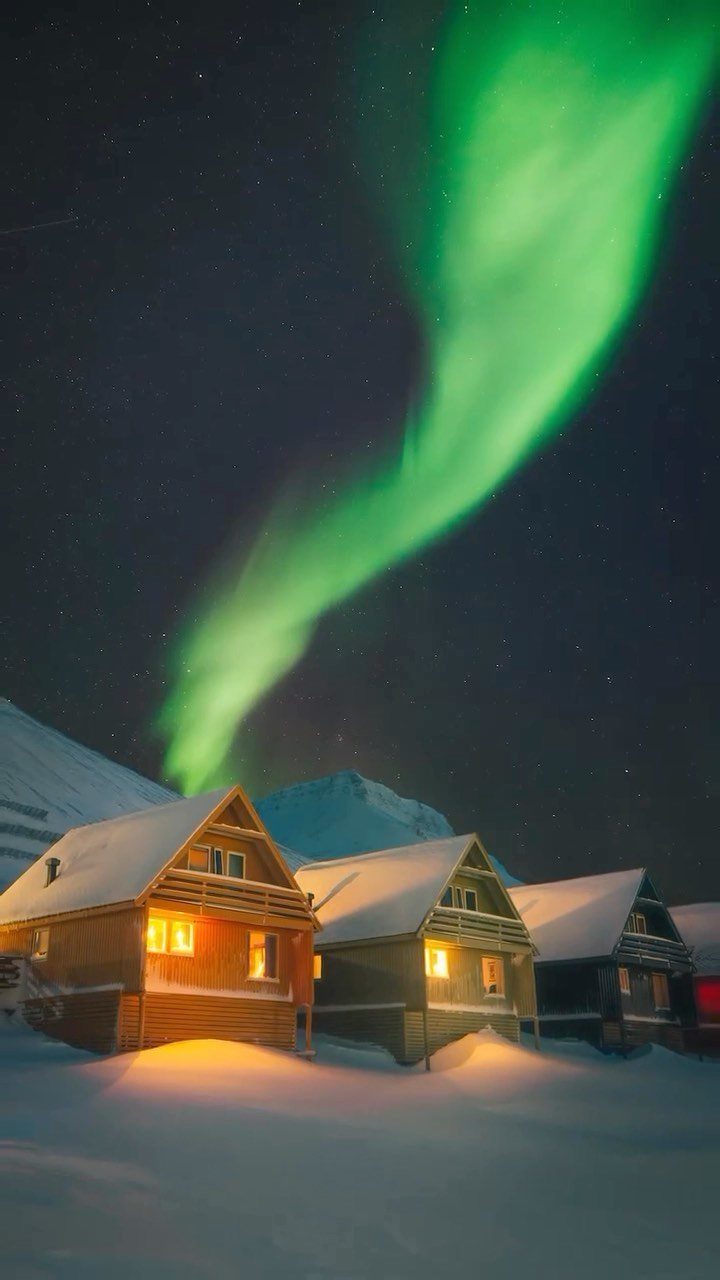
Wooden cabins with glowing windows in deep snow are my pick for a longer aurora stay. You can step outside, check the sky, and be back by the heat in minutes.
That flexibility works well for anyone who plans around weather and can’t count on one perfect night. Pick a cabin with open sky in front, away from other lights, and with a view toward mountains if you can.
Cabins cost less than glass igloos, but you must go outside to see the lights.
6. Aurora Boat Cruise
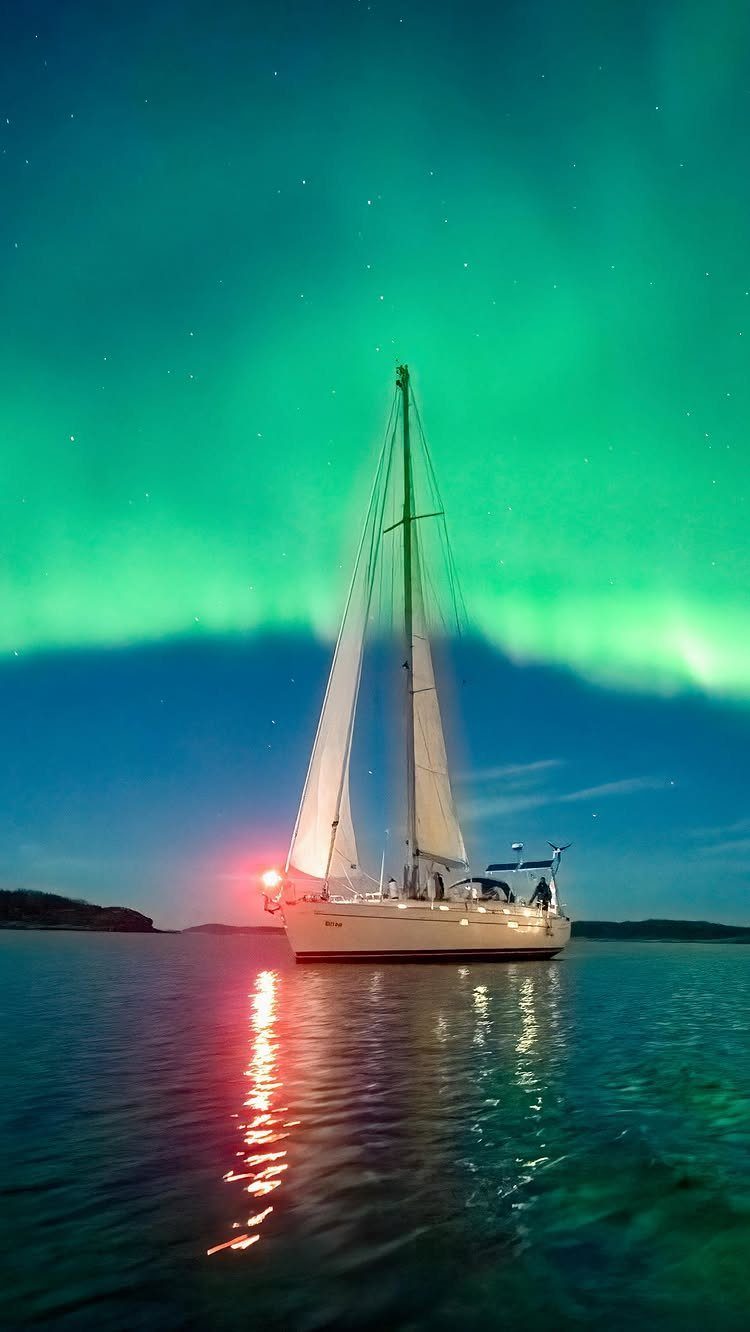
Calm water doubles the show: the aurora reflects off the surface, so a boat gives you two skies in one.
Wind is the thing to avoid, because even small ripples break up the mirror effect on the water. Check conditions with the operator ahead of booking, and pick a night with clear skies.
Dress in layers; open water feels colder than land.
7. Lakeside Viewing Spots
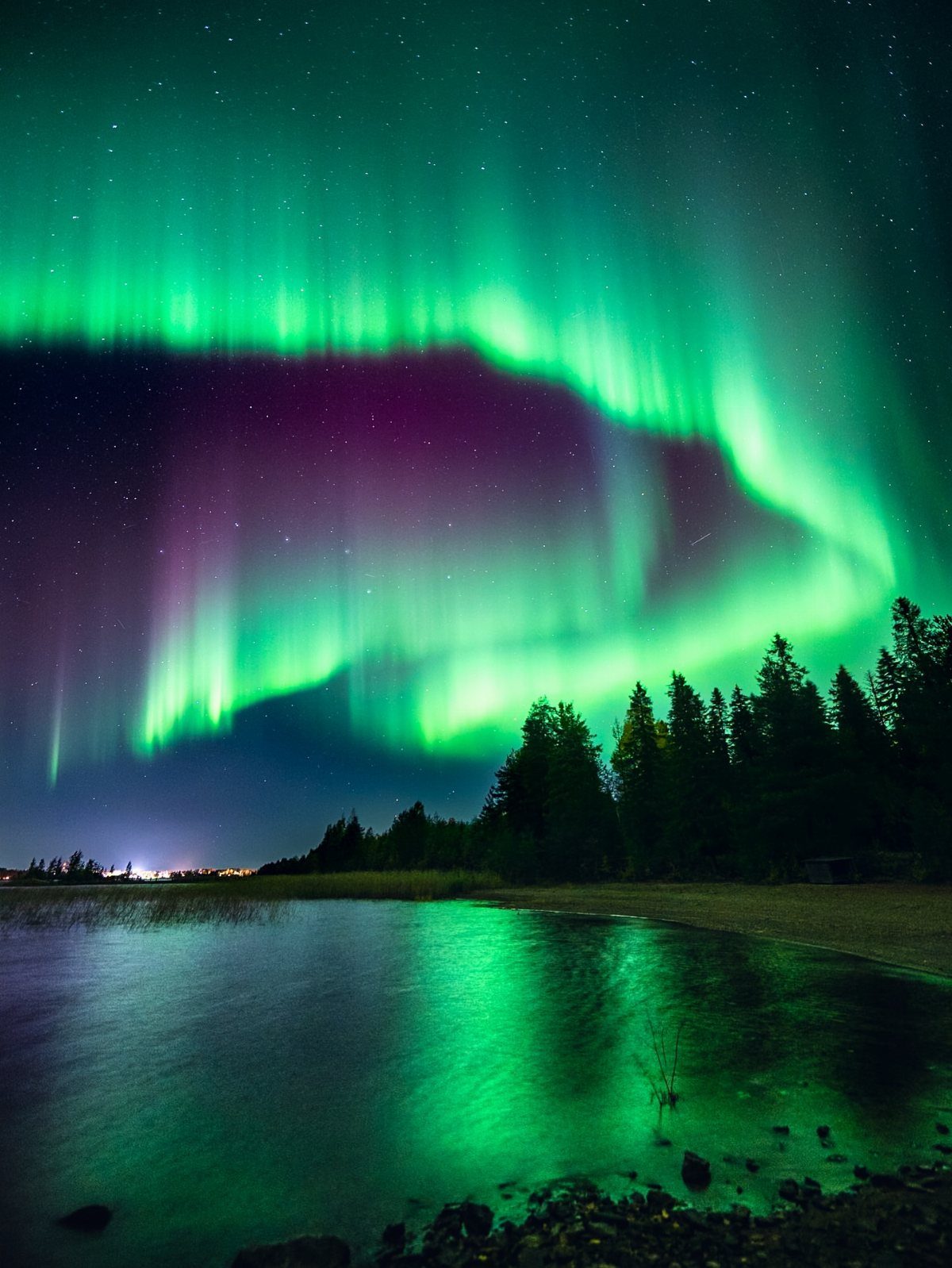
A calm lake turns the green and purple overhead into a second sky, and dark pines along the shore frame it.
A distant city glow on the horizon is fine; it only matters that the water in front of you stays dark.
Pick a spot with a clear view across the water, not one hemmed in by trees. Wind ruins the reflection, so a still night wins over a windy one.
Dim your screen to its lowest setting, or switch to a red-light mode, so your eyes can adjust to the dark.
8. Glamping Tipis
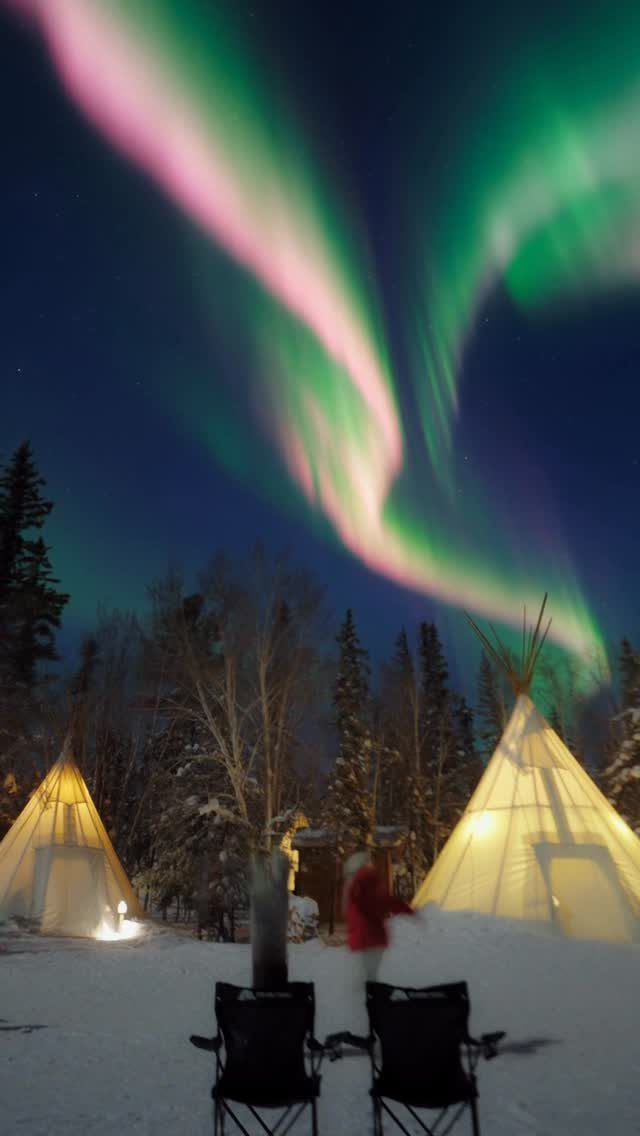
Tipis in the snow give you a warm, lit base within steps of open sky, and a pair of folding chairs is all the viewing setup you need.
For a night outdoors without committing to a full cabin stay, this is my pick.
Dress in layers, since sitting still in snow is colder than it looks.
Cost depends on the host, so ask before booking.
9. Arctic Coastal Villages
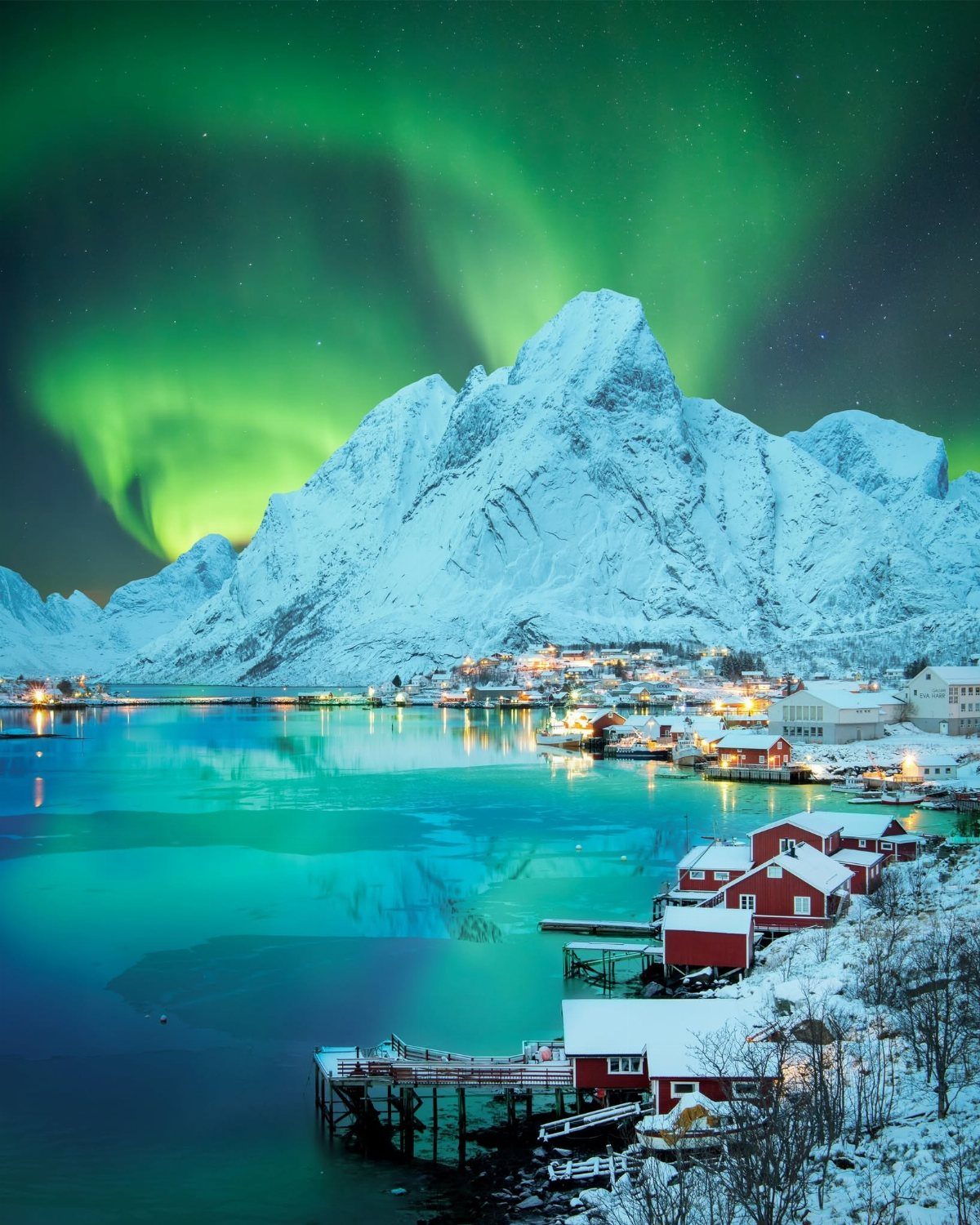
Red wooden houses on the water, with snowy peaks behind them, make a village like this the most photogenic base on the list. Calm water doubles the glow, so check the wind forecast before you pick your night.
Stay in the village itself and walk to the shoreline after dark; you skip a long drive in the cold. Choose a spot away from the brightest windows and streetlights.
Expect to book early, since small villages have few beds.
10. Reindeer Sleigh Ride
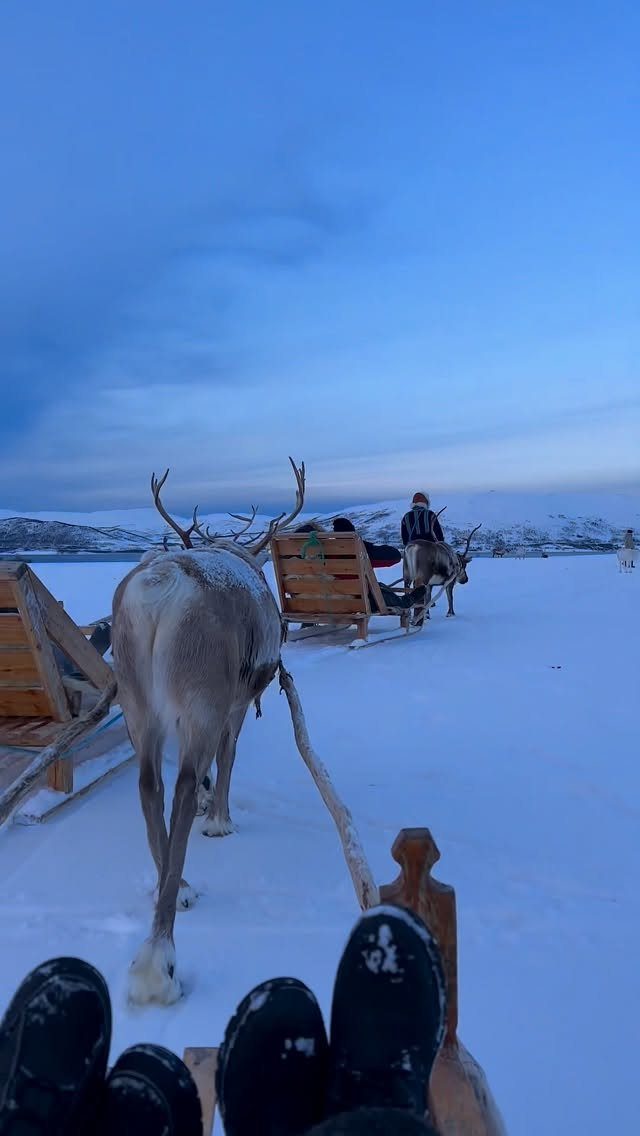
A reindeer-drawn wooden sled glides slowly across the snow, and the blue hour at twilight makes the ride at its best. The pace is gentle, which suits a quiet outing better than a fast one.
Wear warmer layers than you think you need, because you sit still the whole time.
11. Snowy Hill Village Overlook
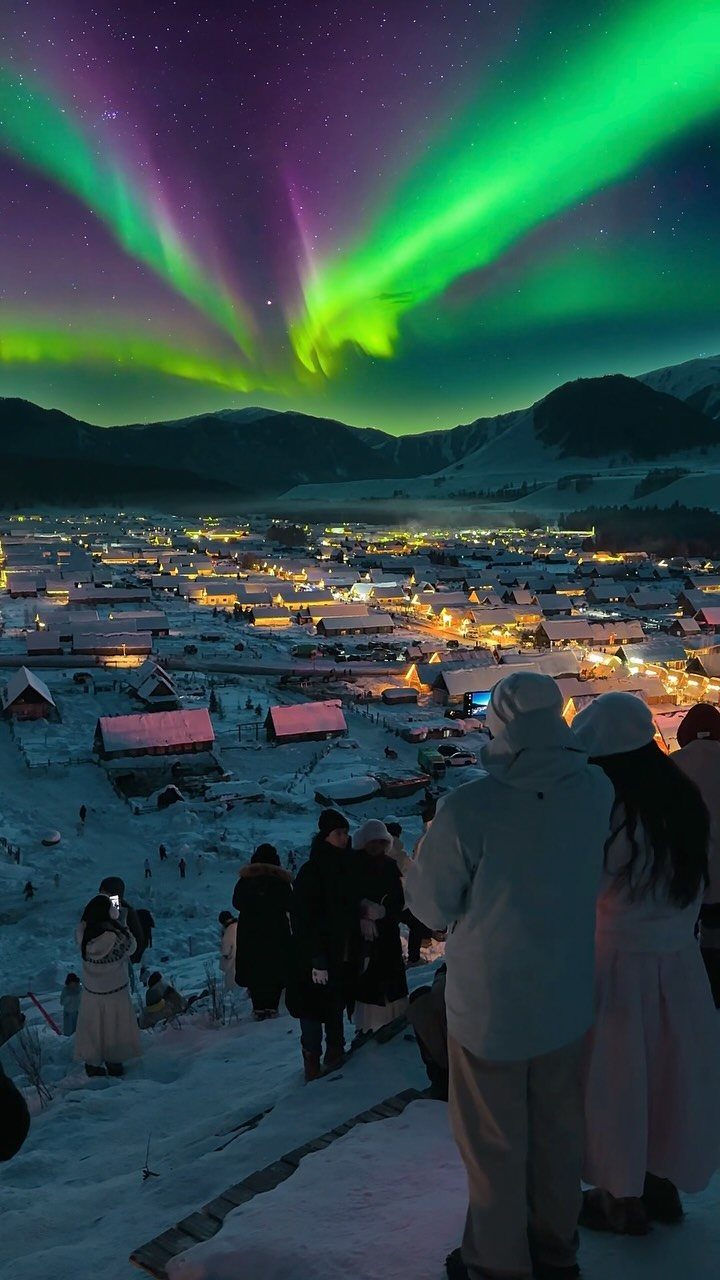
A snowy hilltop above a lit village gives you height, and height gives you a clear horizon in every direction.
Green and purple over rooftops makes a strong first-night view, and you can walk back to town for a hot drink.
Go up before dark so you can see the path, and bring a headlamp with a red setting. Wear boots with good grip; packed snow on a slope gets slick.
12. Winter Road Walk
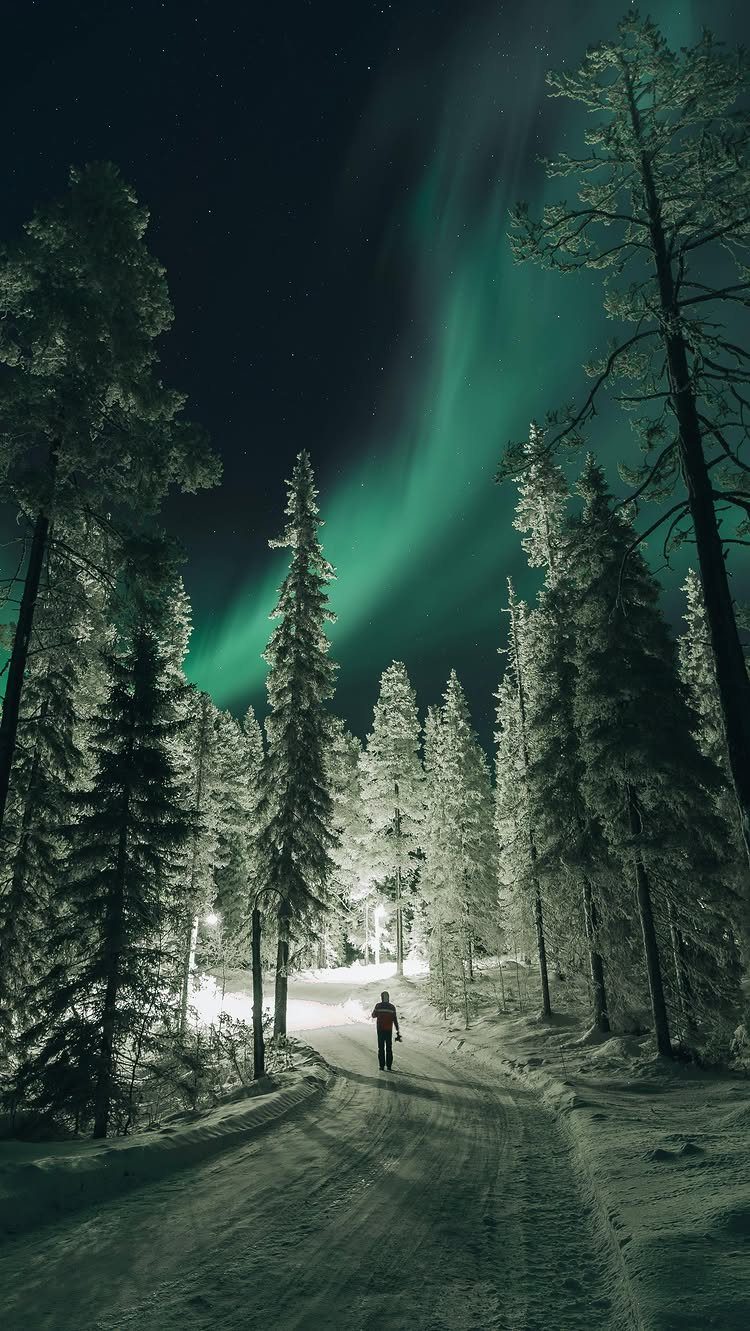
A quiet snow-covered road lined with frosted pines costs the least of any aurora plan: a pair of boots and a clear night. Walking lets you keep moving, which helps in the cold, and the trees frame the sky nicely.
Pick a road with little traffic and no streetlights, and carry a small light for the walk back. Step off the road when a car comes.
I would go in the first hour after full dark.
Avoiding Light Pollution
Dark nights decide the trip, more than any other single factor.
The solar activity behind the lights runs year-round; summer’s bright nights simply hide it. Winter’s cold comes with longer darkness, which raises your odds.
Equinox believers point to the March and September windows, when day and night run about equal, and geomagnetic activity does tend to run a little higher around then.
The claim has some statistical merit, but I wouldn’t build a trip around it. Still, a long, truly dark night beats any calendar date.
Once you pick a destination, find its official aurora forecast and check it daily.
Iceland’s Meteorological Office publishes one. Across the Nordic countries, the national weather services publish an aurora forecast on a scale of 0 to 9.
Most nights land near 3, and anything above 5 means a rare solar storm, so a 3 is a normal night and worth putting on a coat for.
If you stay in town, plan to leave it after dark.
Lights look sharper under darker skies, so I’d pay for a tour that drives you out of the town glow, or pick a lodge that already sits well outside it.
Frequently Asked Questions
Where can I vacation to see the Northern Lights?
Iceland, Norway, Finland, and Canada are the popular picks.
Backroads runs trips in Finland, Sweden, and Iceland, including a stay at a hotel with panoramic glass walls. Whichever you choose, pick a spot well outside town lights, since darker skies make the aurora look sharper.
Is it worth going to see the Northern Lights?
Yes, if you plan around clear, dark skies and accept there is no guarantee.
Clouds end a viewing night more often than a weak solar forecast does, so plan for 3–4 nights in one place and check the cloud-cover map each afternoon.
Which tour agency is best for the Northern Lights?
No single agency wins; look for one with good reviews and local expertise.
Travelers’ reviews praise knowledgeable guides and good winter gear. Pick the operator that drives you well away from town lights; a truly dark sky does more for your odds than hot drinks, photos, or any other add-on.
Why is 2026 the best year to see the Northern Lights?
Solar activity is expected to be increased, which raises the odds of a strong aurora. The lights come from particles from the sun hitting Earth’s atmosphere and magnetic field, so more solar activity means better chances.
Still, a long, truly dark winter night with clear skies matters more than the year, and no sighting is ever guaranteed.





