Every idea here costs nothing if you already own or can borrow the gear, and the real divide is distance: a tent in the garden, a puzzle, or a mug of hot chocolate needs only your own house, while a hike, a river campsite, a lake pier, or a dark sky for stargazing costs the gas to get there.
Your own situation decides the pick: what you already have at home, and how far you’re willing to drive to reach a park, a river, or a lake.
1. Visit Local Parks
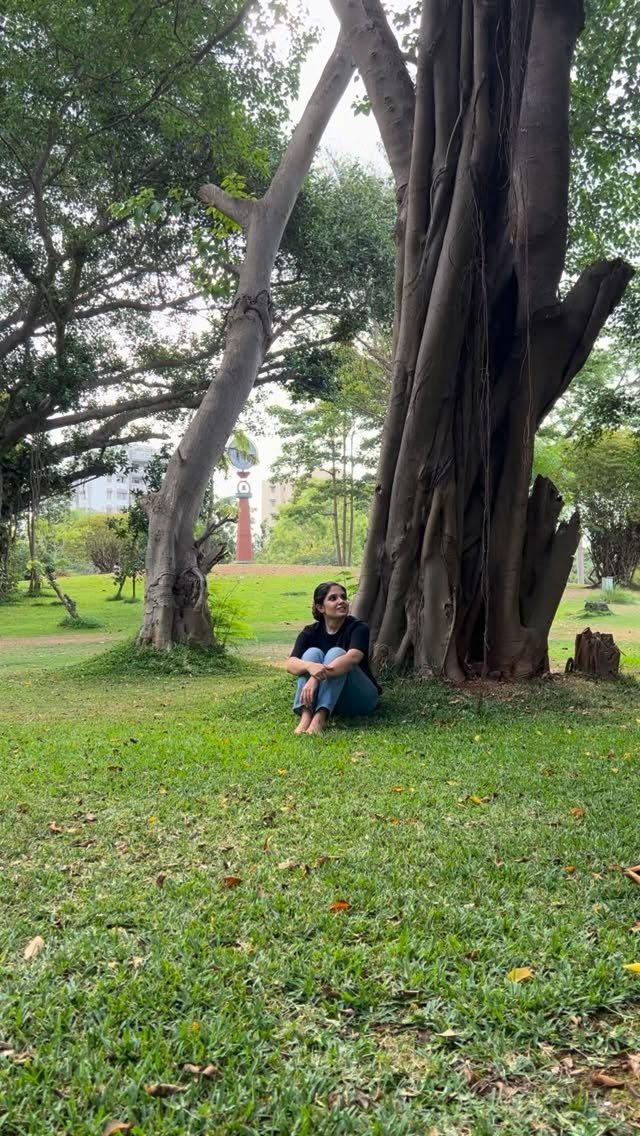
A public park costs nothing to enter, and the best seat in it is usually under a large old tree. Spread a blanket in its shade, bring a book or a deck of cards, and let the afternoon go slow.
Pick a park with a landmark you can see from the grass, like the tower in the background here. It makes a handy meeting spot for friends.
Pack water and snacks from home so the day stays free.
2. Go for a Hike
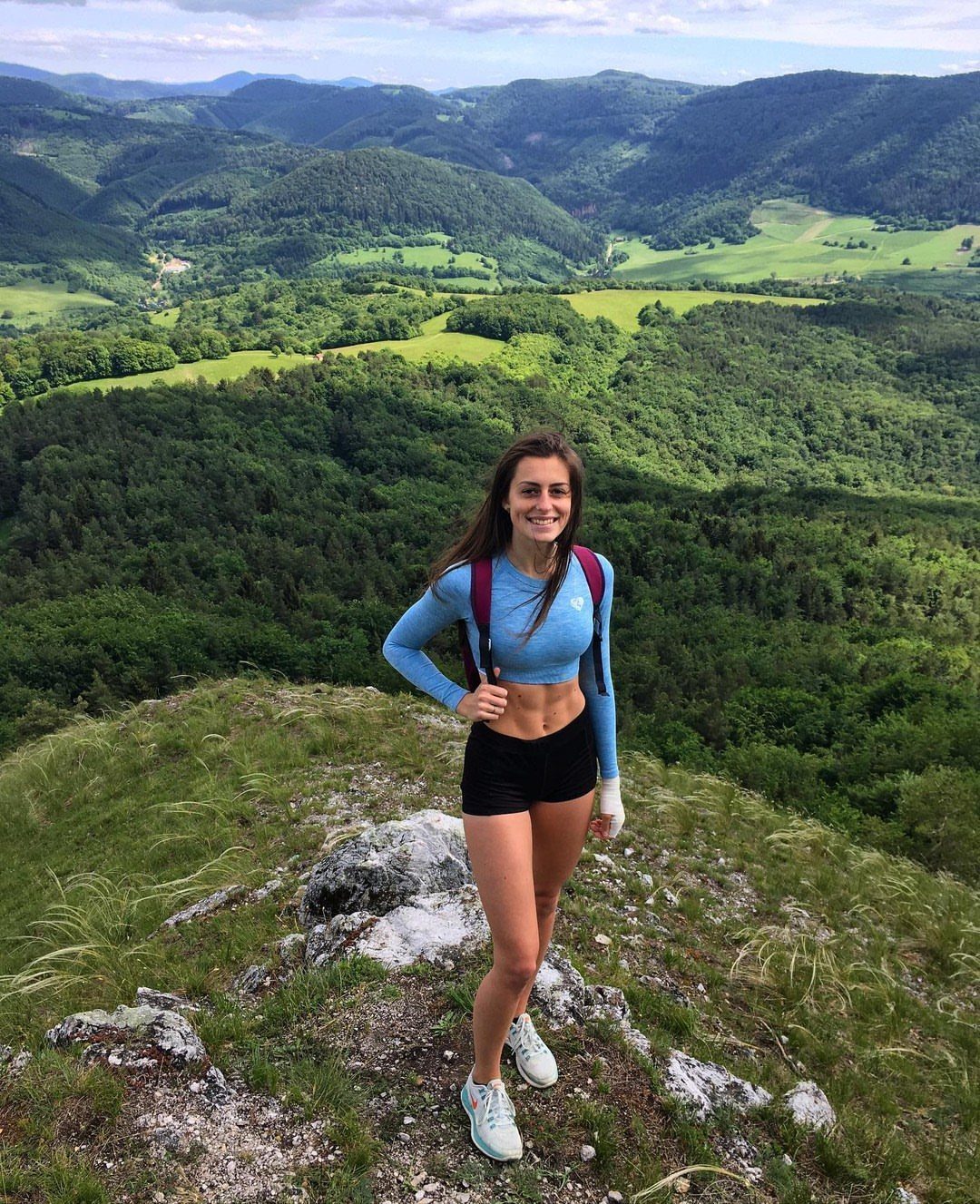
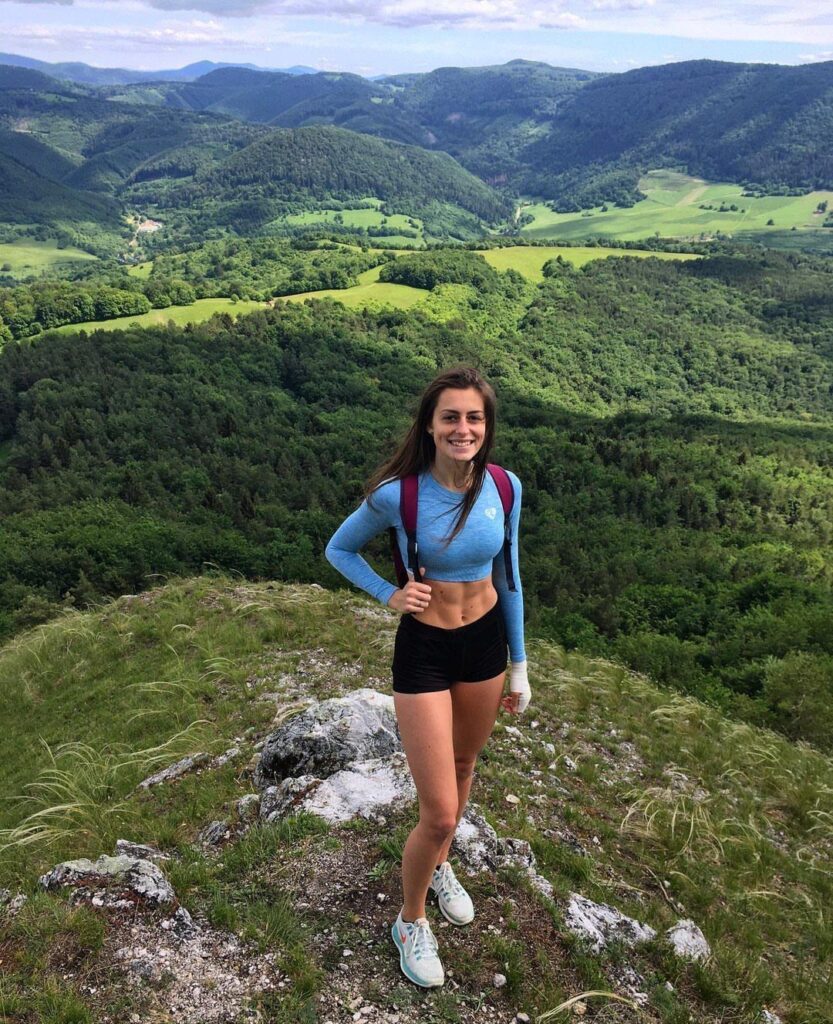
Any trail with a view at the top can fill an entire day for the price of gas. A rocky hilltop above a green valley is the kind of reward that makes the climb easy to justify.
Wear real athletic clothes and carry a backpack with water and food from your own kitchen.
I’d pick a local trail over a famous one: the drive is shorter, the crowds are thinner, and the view at the top is just as good.
Check your county or city park listings for routes close to home.
3. Take a Bike Ride
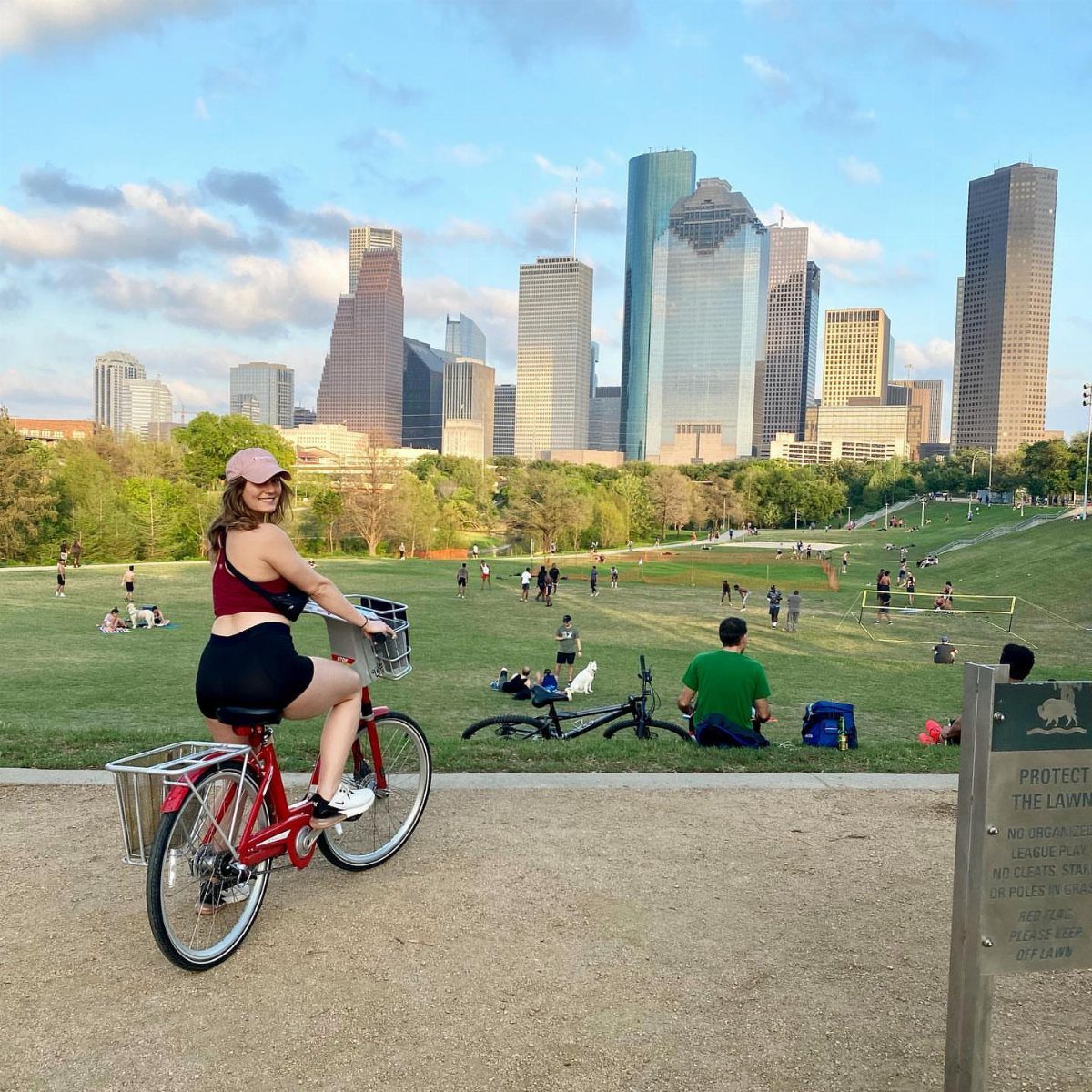
Free if you already own a bike, and a city park path is the easiest place to use it. Skyline views come with the ride, and the grass beside the path is where you stop for a rest.
Keep to the path. Signs like "PROTECT THE LAWN" mean the turf is off limits, so park the bike where others do and walk to your picnic spot.
Borrowing a bike from a friend works too, if you ride together.
4. Free Concerts
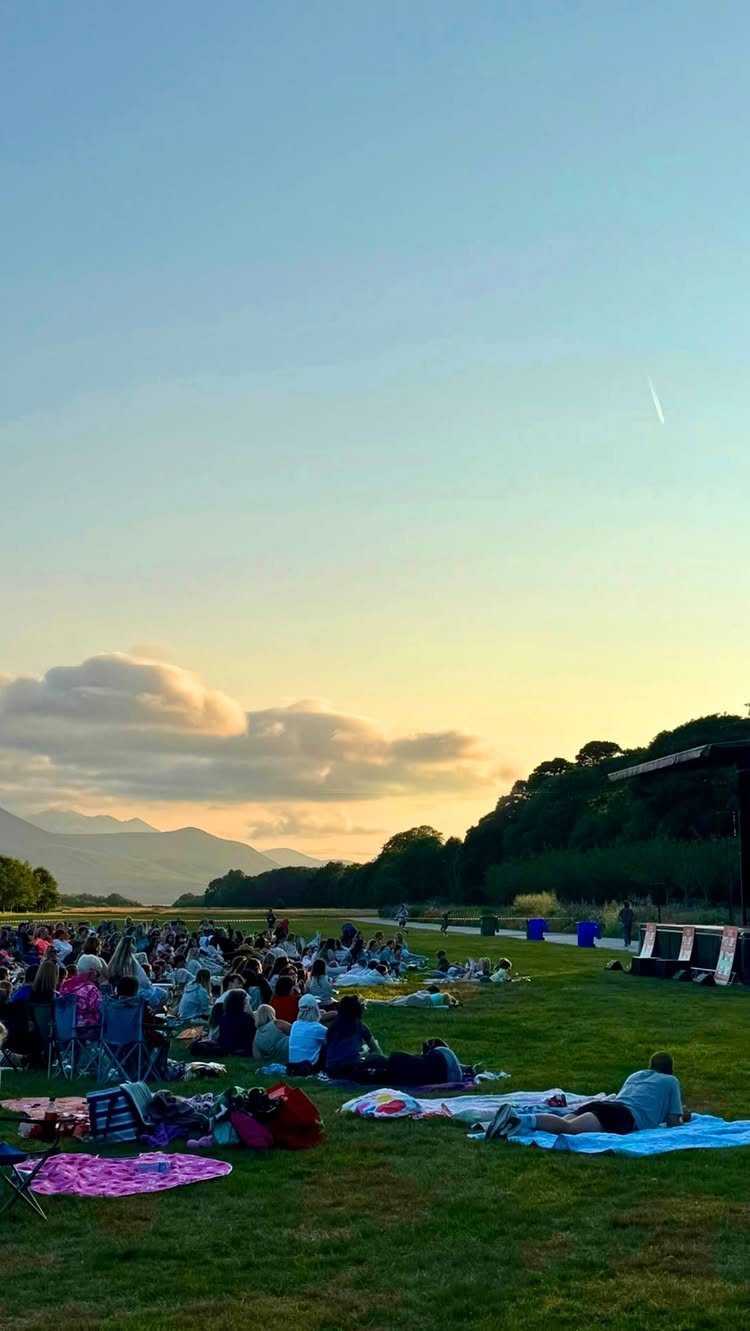
Outdoor concerts on a grassy field are among the cheapest evenings out, since you bring your own seating. Blankets and low folding chairs both work, and the sunset crowd tends to settle in early.
Arrive well before the start to claim a spot with a clear view of the stage. Eat dinner at home and carry a refillable water bottle so the night costs nothing.
Check city event calendars and park department pages for listings.
5. Do a Puzzle
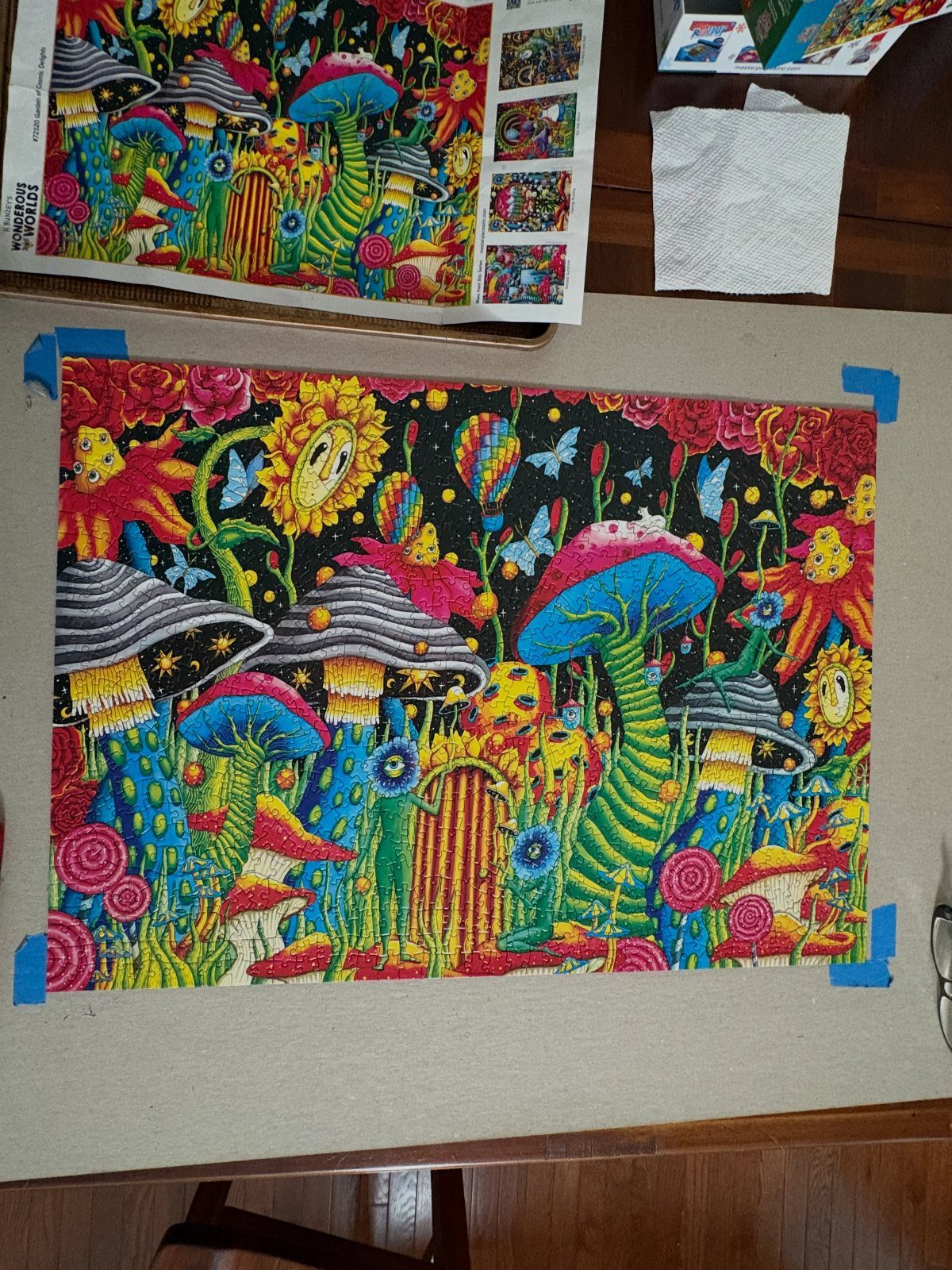
A jigsaw puzzle is a rainy-day project that can last days, and the finished picture is a reward in itself. A busy, colorful image like a mushroom forest gives you plenty of color clusters to sort by.
Keep the box lid propped up for reference, and work on a flat board so you can move the whole thing out of the way. Start with edge pieces, then group the rest by color.
A friend’s puzzle or a library copy keeps this one free.
6. Camp Out in the Garden
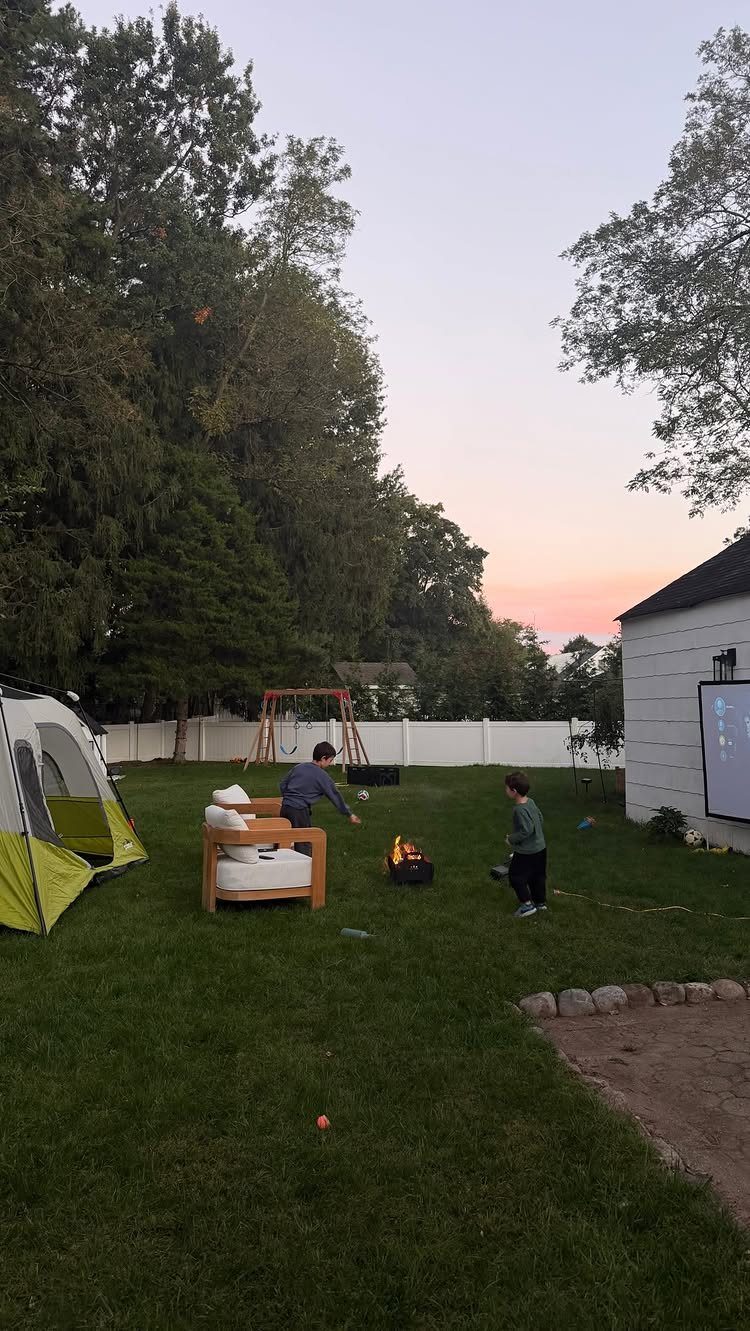
A tent on your own lawn feels like camping without the campsite fee or the drive. Add a small fire in a fire pit and the evening gets the full effect, with the house close if the weather turns.
Pitch the tent on flat grass before dark. Check local rules before lighting any fire, since many places restrict backyard burning.
Kids love this one, and a borrowed tent keeps it at zero dollars.
7. Make Hot Chocolate

Hot chocolate at home costs a fraction of a café mug, and a croissant on the side turns it into a proper breakfast. Warm the milk, stir in the chocolate, and finish with whipped cream and a few chocolate shavings.
Make it thick. A spoonful of chocolate syrup stirred into the mug gives the drink a rich, almost pudding-like body.
Cold mornings and rainy afternoons suit this best, especially with a friend across the table.
8. Camp by a River
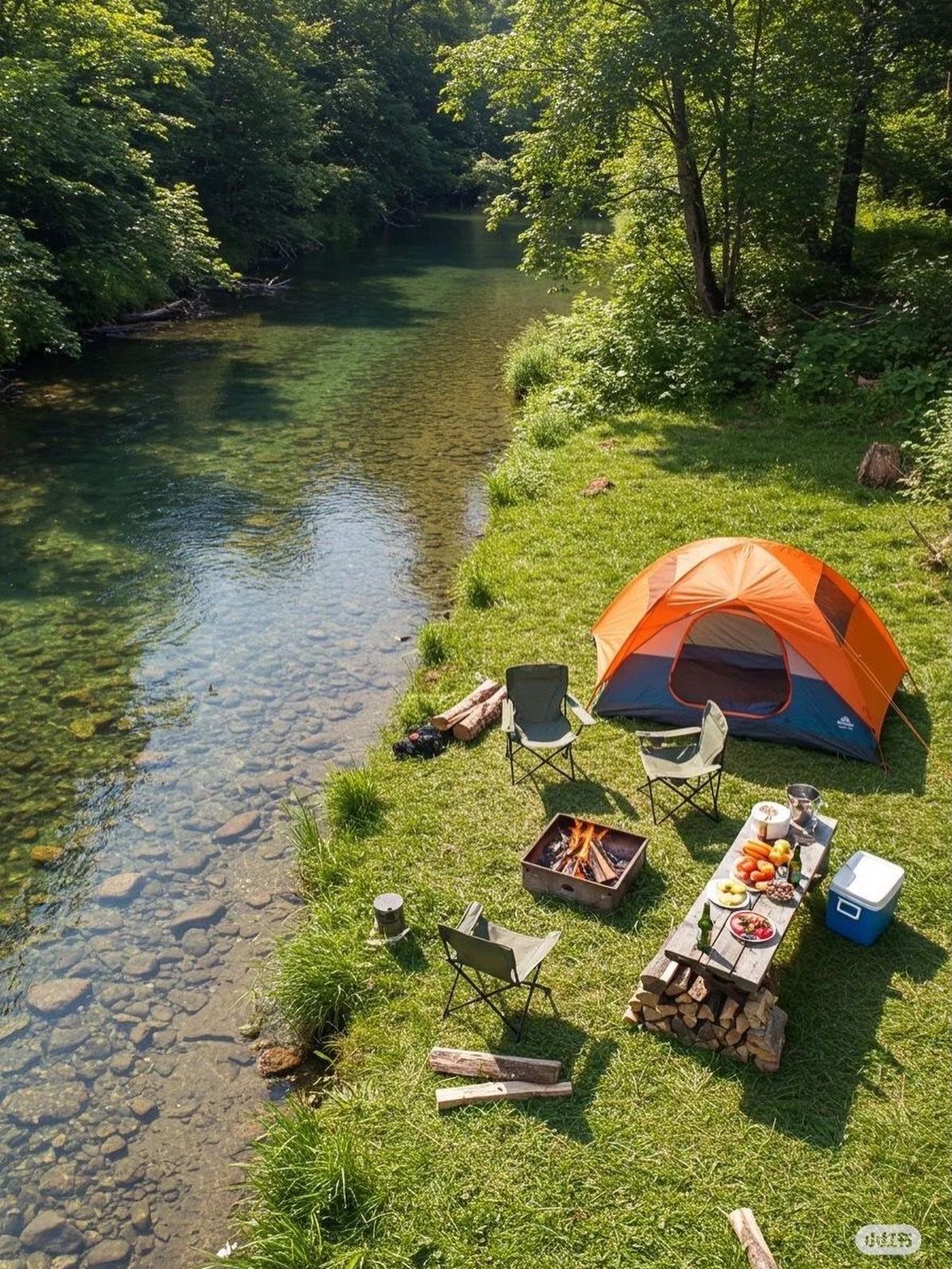
A riverside campsite gives you running water to listen to and trees for shade, and a flat grassy bank is the right spot for a tent.
Set up the tent first, then arrange folding chairs and a table near the fire.
Bring food from home and cook it over the fire to keep costs down. Many campgrounds charge a fee and some places restrict open fires, so read the posted rules or call the land manager ahead of the trip.
I’d borrow the gear from a friend rather than buy it.
9. Visit an Outdoor Library
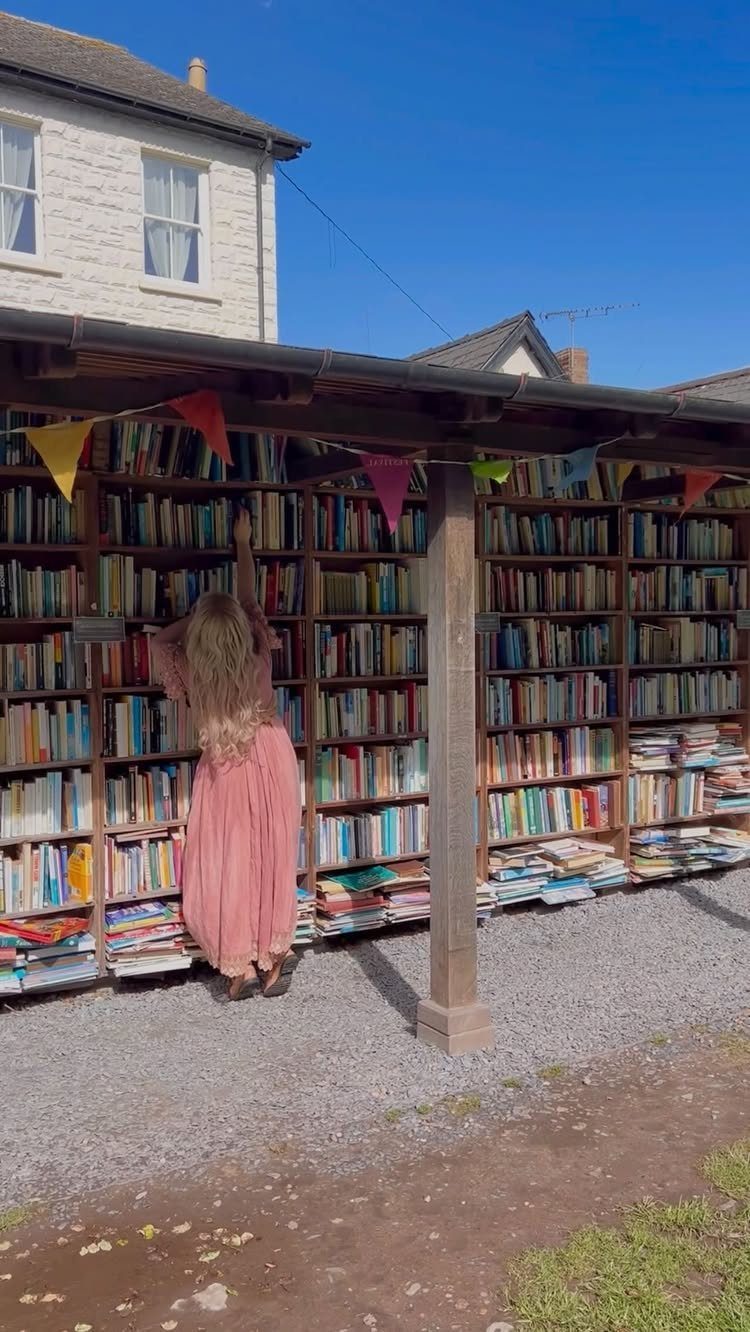
Outdoor libraries are free to browse, and a covered shelf means a light rain won’t end your visit. Take a book, leave one in its place, and you’ve spent nothing.
Bring a few books of your own to donate so the shelf stays full for the next reader. Then sit on a nearby bench or the grass and start reading.
Search your town’s parks and community pages for shelves like this one.
10. Go Wild Swimming
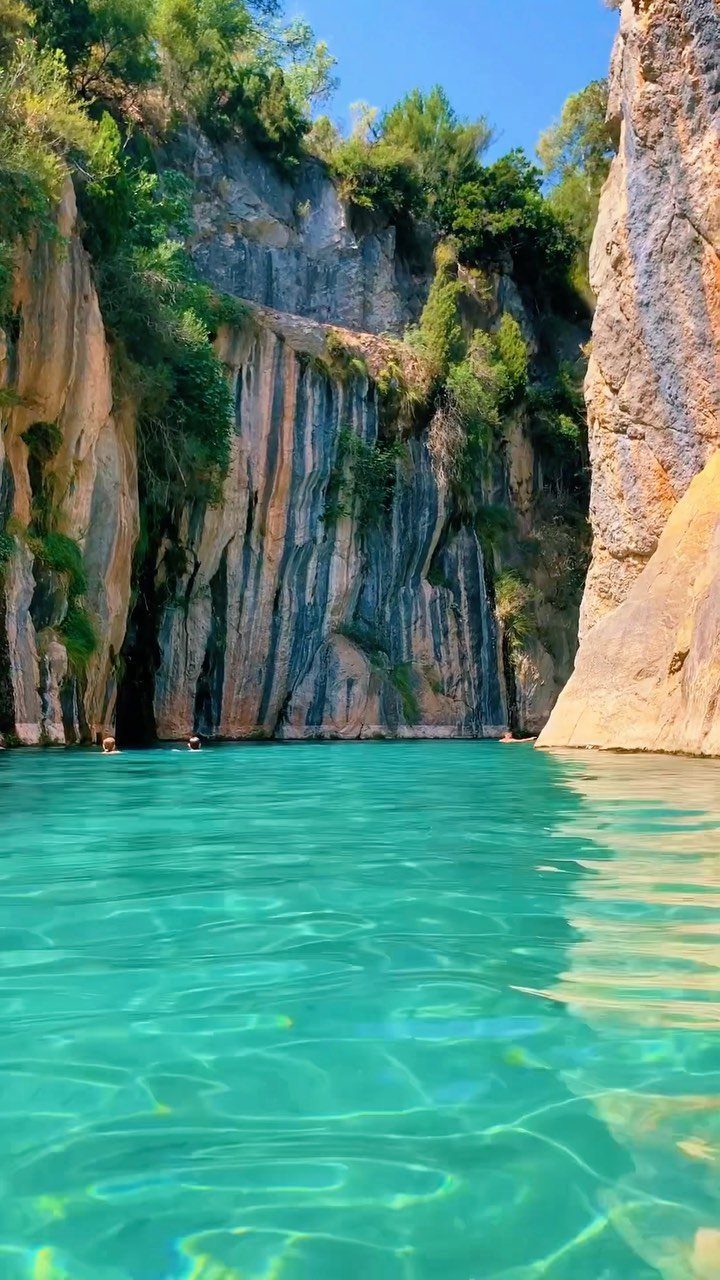
Clear water between rocky cliffs is about as good as a free swim gets, and the only cost is getting there. Pack a towel, a dry change of clothes, and water to drink.
Look before you jump in. Check the depth and the current from the bank, and swim with a friend rather than alone.
I’d choose a quiet weekday morning, when the water is calm and the shore is empty.
11. Go Stargazing at Night
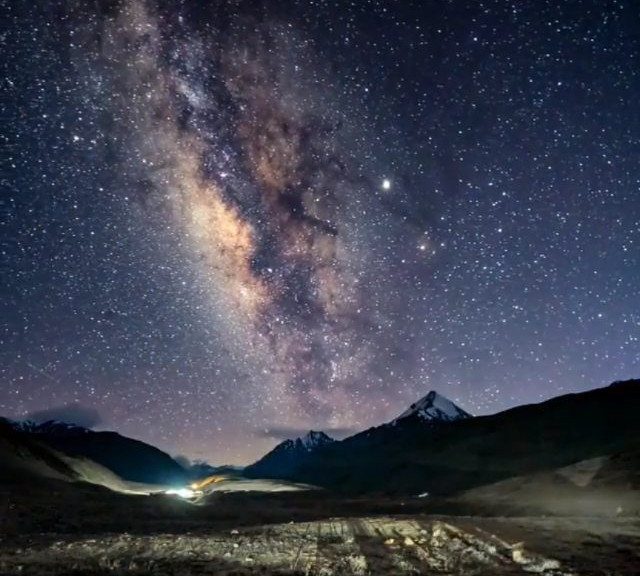
A dark sky with the Milky Way overhead costs nothing but a late night. The farther you drive from city lights, the more stars show up.
Give your eyes time to adjust to the dark, and keep your phone screen dim or covered with red cellophane. A blanket on the ground is easier on the neck than standing.
Pick a clear night, bring a warm layer, and a thermos from home.
12. Stroll Through a Botanical Garden
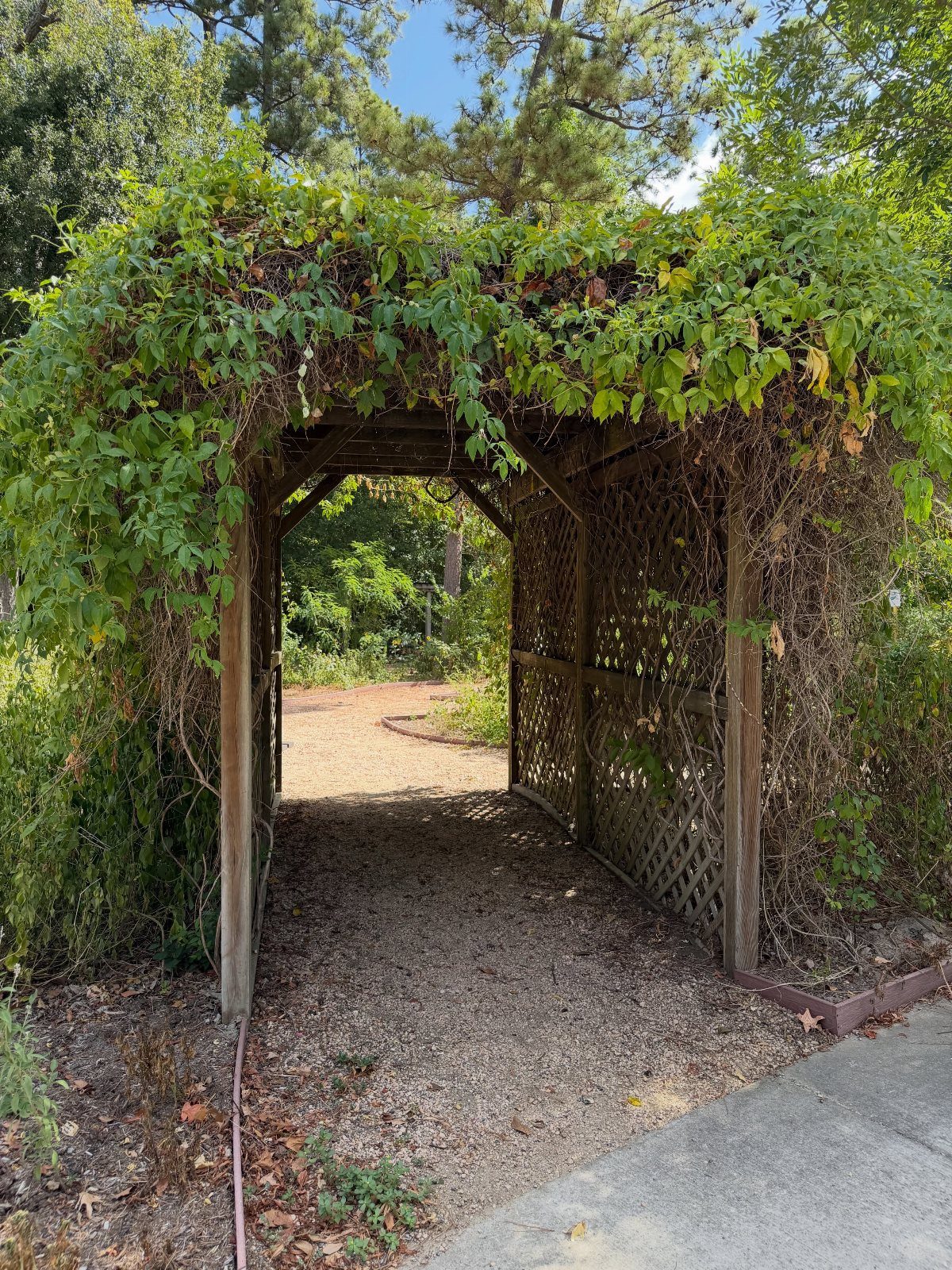
A garden path under a vine-covered trellis is a slow, shaded walk, and it suits an easy afternoon with a friend or parent. Gravel paths are simple to walk, so comfortable shoes are all you need.
Many botanical gardens charge admission, so I’d call ahead or check the website for free days. Public gardens run by a city or park department are often free to enter.
Go on a sunny day, when the light comes through the leaves.
13. Browse a Local Bookstore
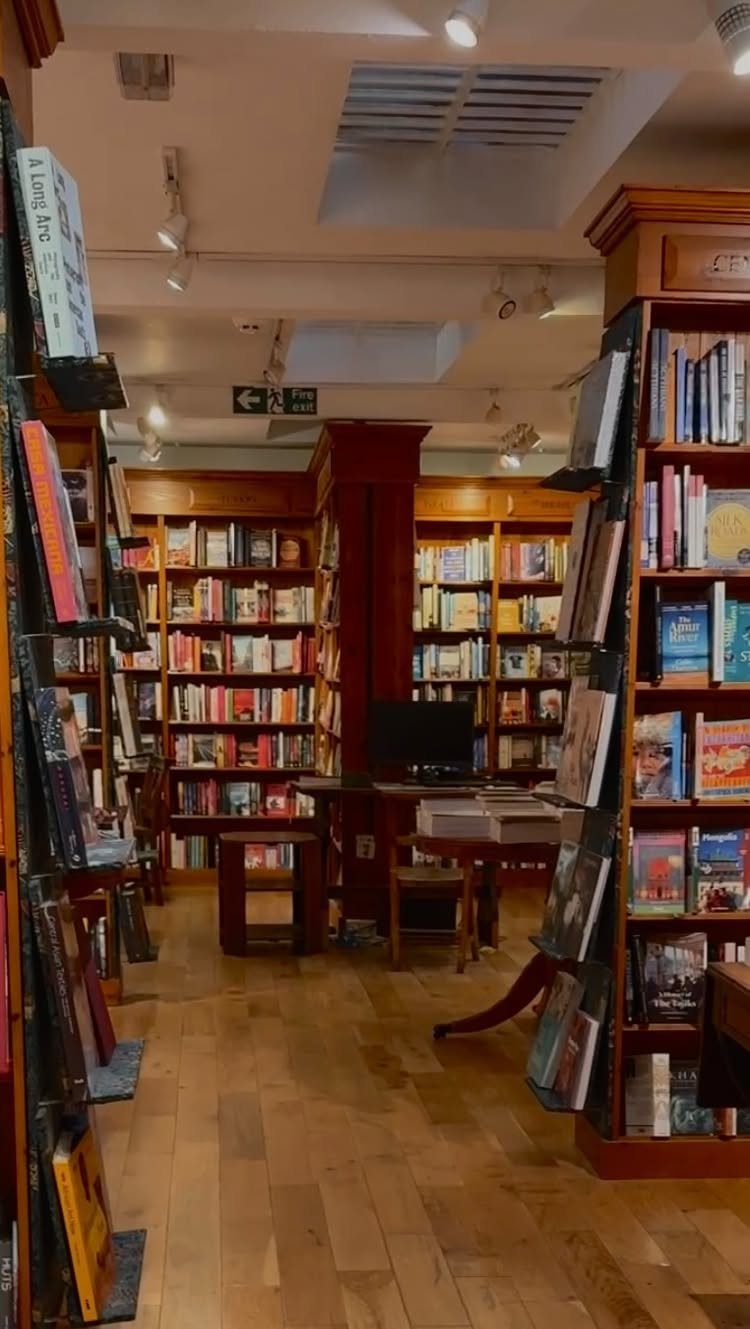
A local bookstore costs nothing to walk into, and tall wooden shelves with warm light make it an easy place to lose an hour. Browsing is free, so the only spending is whatever you choose to take home.
Start with the section you never visit. Then ask the staff what they would hand a friend; a recommendation costs nothing either.
Go with a friend and agree to meet at the register in an hour. Zero dollars only works if the wallet stays in the car, so leave it there.
14. Relax by a Lake Pier
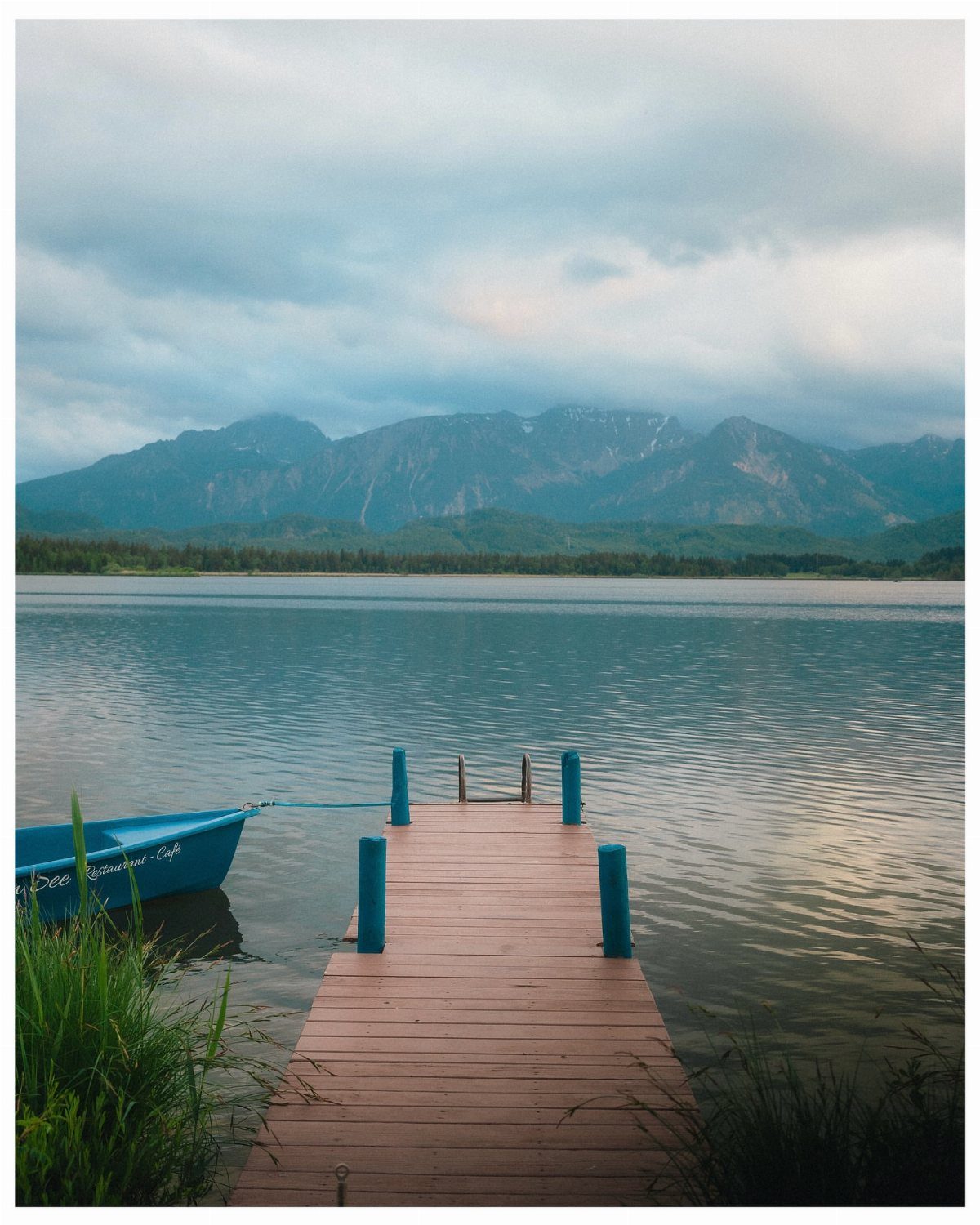
A wooden pier over still water, with mountains behind it, is a place to sit and do very little. Bring a thermos and a snack from home, and the afternoon costs only the drive.
Sit near the end of the pier, where the view opens up. A cushion or folded jacket helps, since planks get hard after the first half hour.
Restaurants and cafés near piers often sell lake-view tables at lake-view prices, so I’d skip them and eat a meal at home first.
Early morning is quietest, before anyone else claims the planks.
Plan Your Weekend Activities
Sit down with everyone who will be in on the weekend and ask each person for one thing they want to do.
A plan built from those answers gets followed; a plan one person made alone tends to fall apart by Saturday afternoon.
Then write the weekend out, day by day, with activities and meals side by side. Having it on paper means nobody is deciding at 5 p.m. whether to order a pizza.
Before the weekend starts, check the pantry and fridge against the meal plan.
A missing ingredient is the most common reason a no-spend weekend ends at a drive-through, so fill the gaps from what you already own, or swap the meal.
Use Local Resources
Look up your community calendar online a week or two ahead. Libraries often host weekend readings, and an event like that gives a parent and child a free reason to pick up new books together.
Ask your library about passes too. Some let you check out free entry to local museums and zoos, which would otherwise cost admission.
Many museums and zoos run free or reduced-price days each month, so check the schedule on their websites before you go. Those days fill up, so I’d plan the visit around the date instead of dropping in on a whim.
Get Creative at Home
Pick a dish you already know by heart and build it from whatever is sitting in your cupboards and fridge. It counts as a creative project, and it’s the easiest one to start on a slow evening.
For something more hands-on, free online tutorials cover knitting, sewing, and woodworking. Writing a short story or poem needs only paper, and drawing needs only whatever supplies are in a drawer.
A painting night with friends stays cheap if you plan the paint.
Grab one bottle each of red, blue, and yellow paint and mix the secondary colors yourself; a bottle of black and one of white will stretch the range of shades.
Multipacks of canvas panels run cheaper per piece than single canvases, and since they’re small and flat, you can work on a table with no easel. Ask each guest to bring their own brushes.
Frequently Asked Questions
What can you do with your friends with no money?
Free fun with friends comes down to 3 things: a patch of park grass, a trail within driving distance, and a cooler you fill at home before anyone leaves the driveway.
A potluck dinner or a painting night with shared supplies also keeps the group busy without spending much.
Where to go with your friends for free?
Start with a public park, since entry costs nothing and a landmark you can see from the grass makes an easy meeting spot.
A local trail, a lakeside pier, or a quiet swimming spot also work, and the only cost is gas to get there.
City event calendars list free summer concerts and street festivals, and a bag of homemade snacks plus a refillable water bottle keeps the afternoon at $0.





