Weather decides which of these places is yours, because some need clear skies, like the light beams in Antelope Canyon, while others look better under cloud, like the icebergs of Jokulsarlon and the ruins of Machu Picchu.
Pick the place that fits the month you can actually travel, and book the season-bound ones first, such as Antelope Canyon, Torres Del Paine and Whitehaven Beach.
1. Limestone Islands in Ha Long Bay
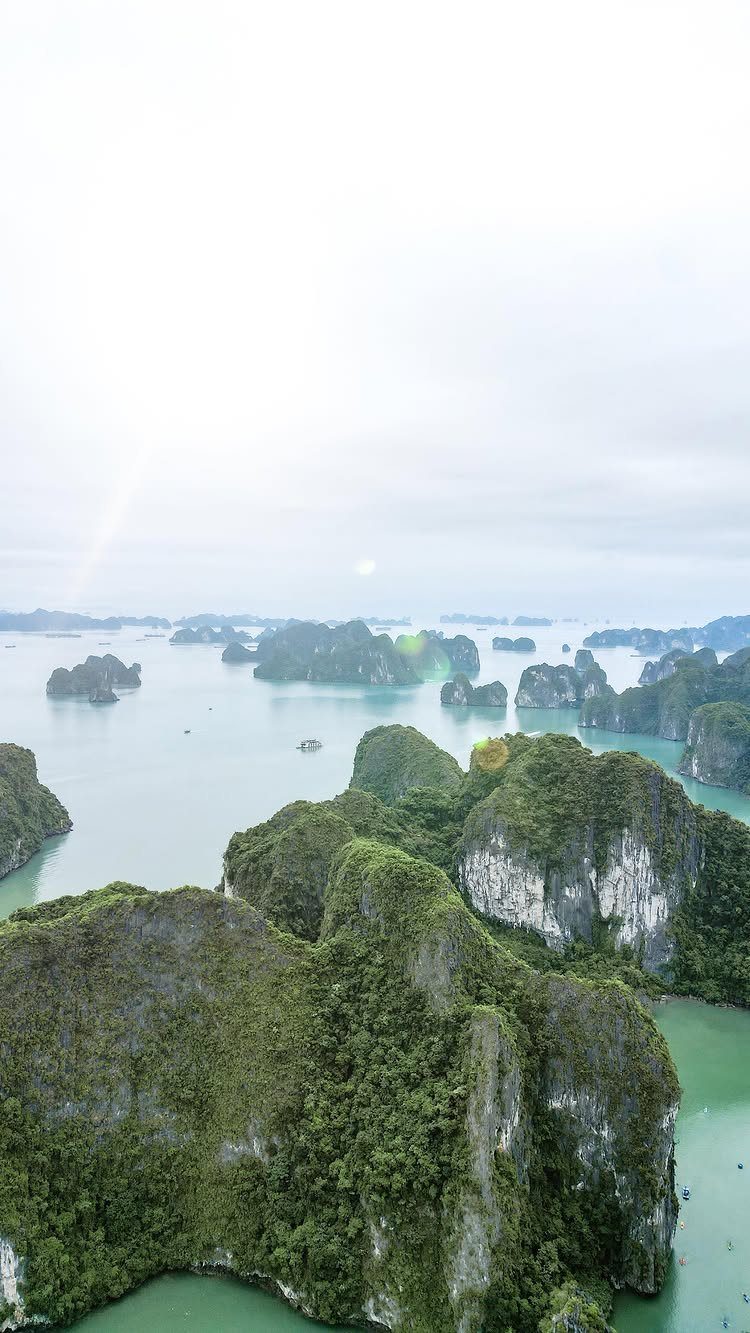
Ha Long Bay is a UNESCO World Heritage site, and the green limestone islands crowding the turquoise water are the reason. They are tall, steep and close together, so the view changes with every bend of a boat.
Plan on seeing it from the water, not from the shore. Overcast skies still give you strong color in Ha Long Bay, since the green and turquoise water and the tree-covered limestone hold up without direct sun.
2. Grand Canyon Rim Views
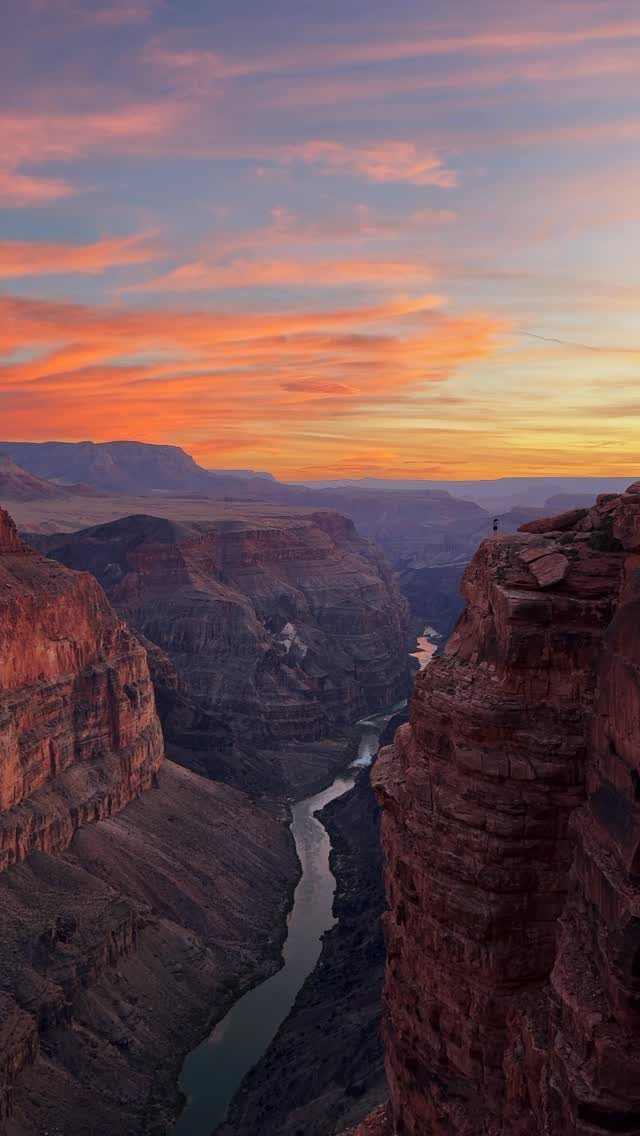
Deep red rock, a winding Colorado River far below and almost no railing between you and the drop: the Grand Canyon rim rewards patience at the overlook.
Sunset is my pick, because the low light turns the layered walls a richer red.
Walk a short way from the busiest viewpoint and the crowd thins fast. Stay well back from the edge, especially once the light fades.
3. Whitewashed Buildings in Santorini
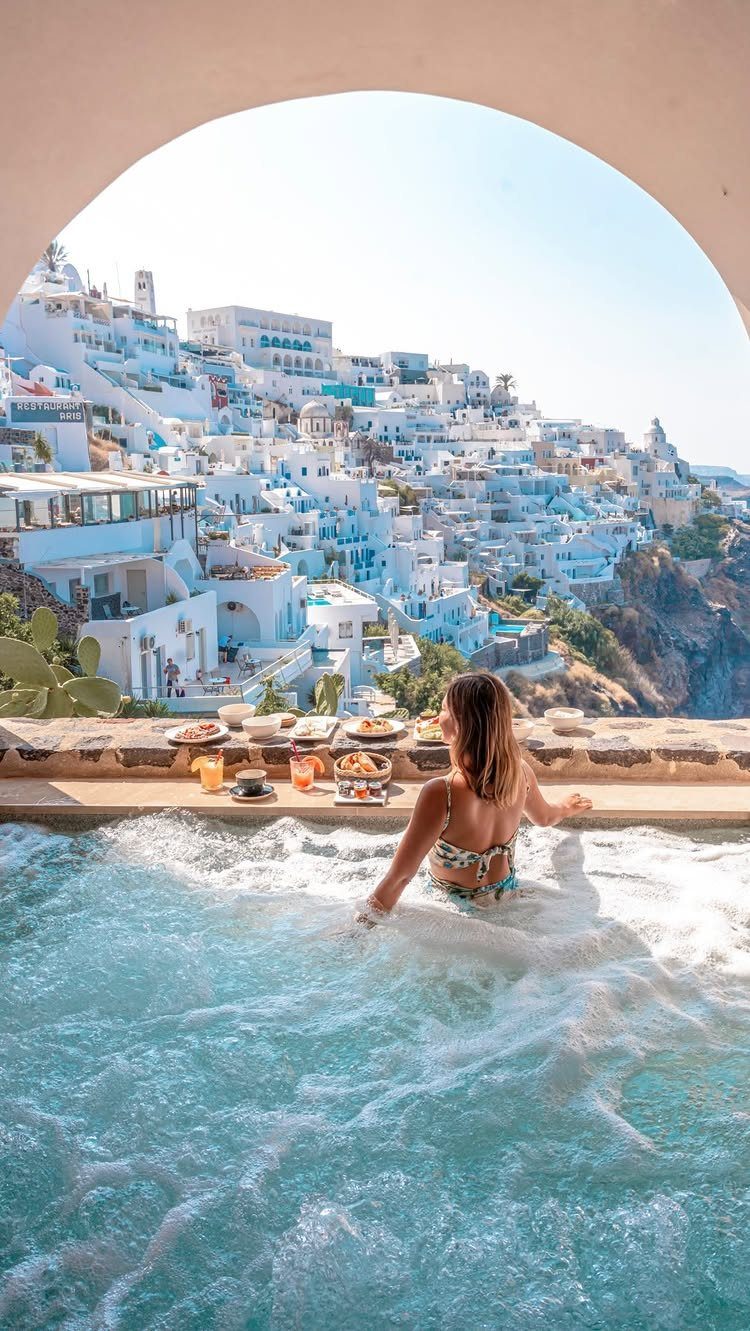
Santorini’s whitewashed buildings stack up the hillside, and the best way to see them is from a pool or terrace that looks straight across at them.
Pick a stay with that view built in, framed by an arch if you can get it.
Eating at a hillside restaurant gives you the same outlook for the price of a meal, which suits a tighter budget. I would pay for the room view only if you plan to spend real time on the terrace.
4. Ancient Incan City of Machu Picchu
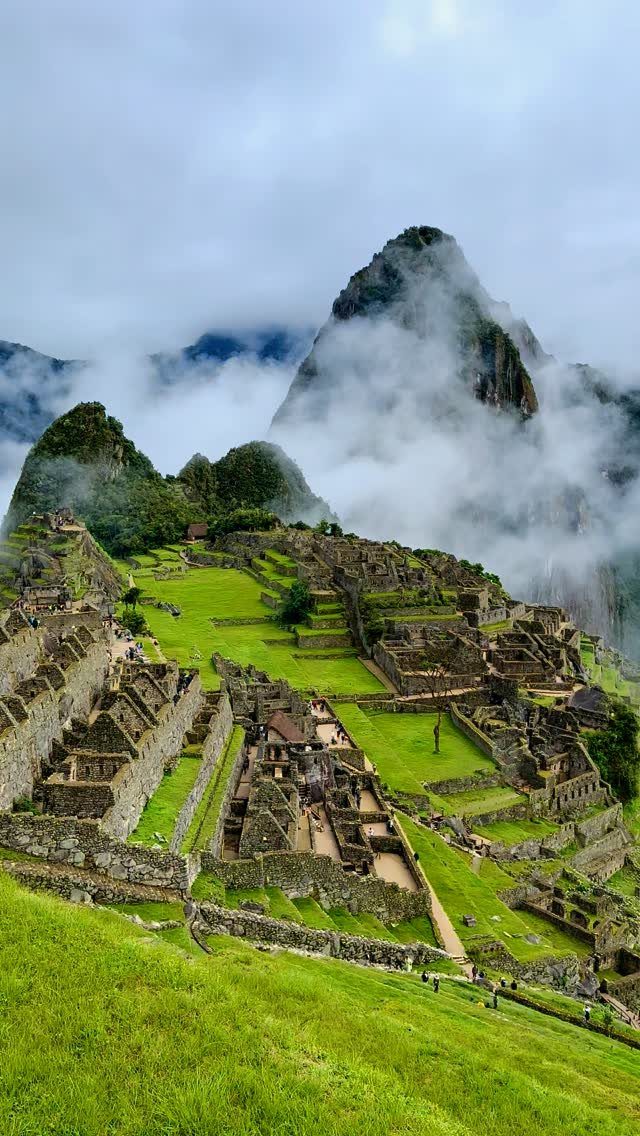
Machu Picchu sits high in the Andes, and its green terraces and stone walls look best when clouds are moving across the peak behind them. That drifting cover is part of the appeal, so don’t expect a flat blue sky.
Go with room to wander slowly. Bring layers, since mountain weather shifts quickly.
5. Floating Icebergs in Jokulsarlon Glacier Lagoon
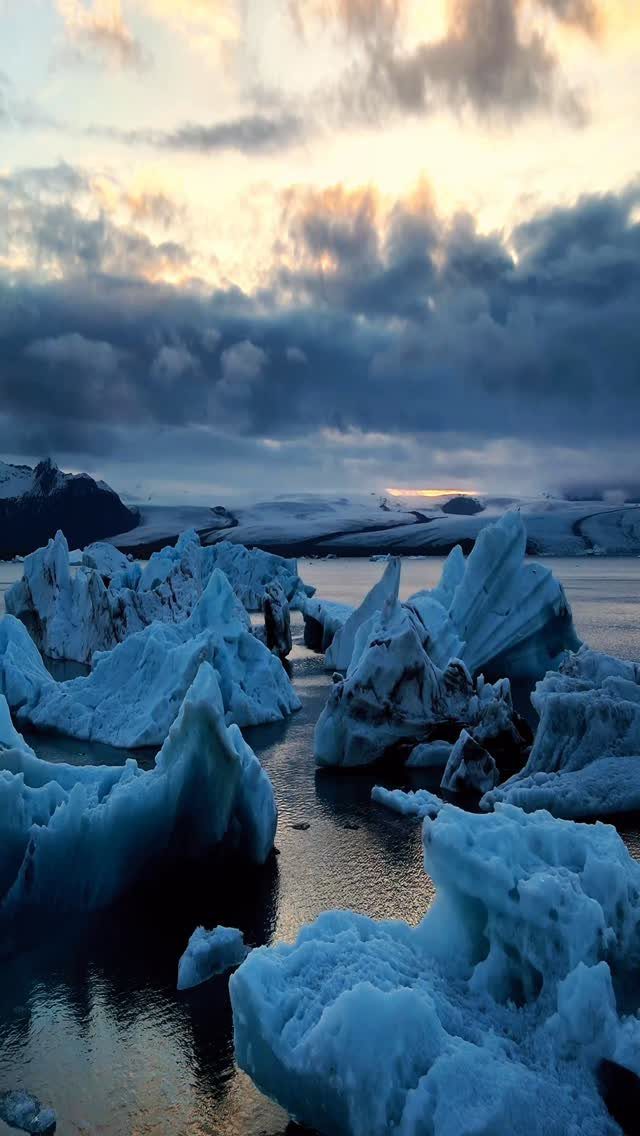
Jokulsarlon is a glacial lagoon where jagged blue and white icebergs drift on dark water, with snow-covered mountains behind. The contrast is the draw: the ice looks almost lit from within against the black surface.
Cloudy sunset light suits the lagoon well, because the blue ice picks up color without harsh glare. Dress for cold wind off the water, and give yourself time to watch, since the icebergs slowly shift position while you stand there.
6. Petra, Jordan
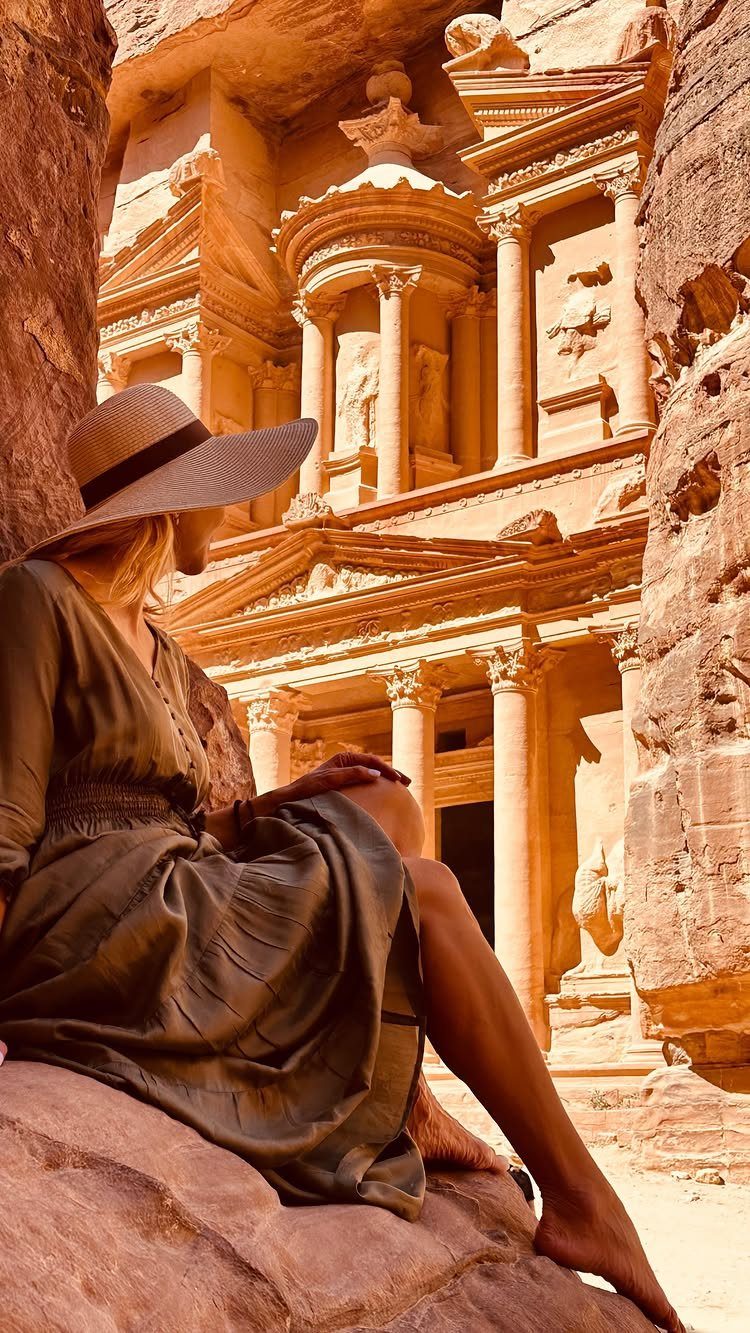
Al-Khazneh, the Treasury, is carved straight into the rock face at Petra, Jordan, and it is the facade everyone comes for.
Find a rock or ledge facing the Treasury and sit for a while; it is the best way to take in the full facade.
I would linger longer than feels necessary; the carving rewards a slow look.
7. Over-Water Bungalows in the Maldives
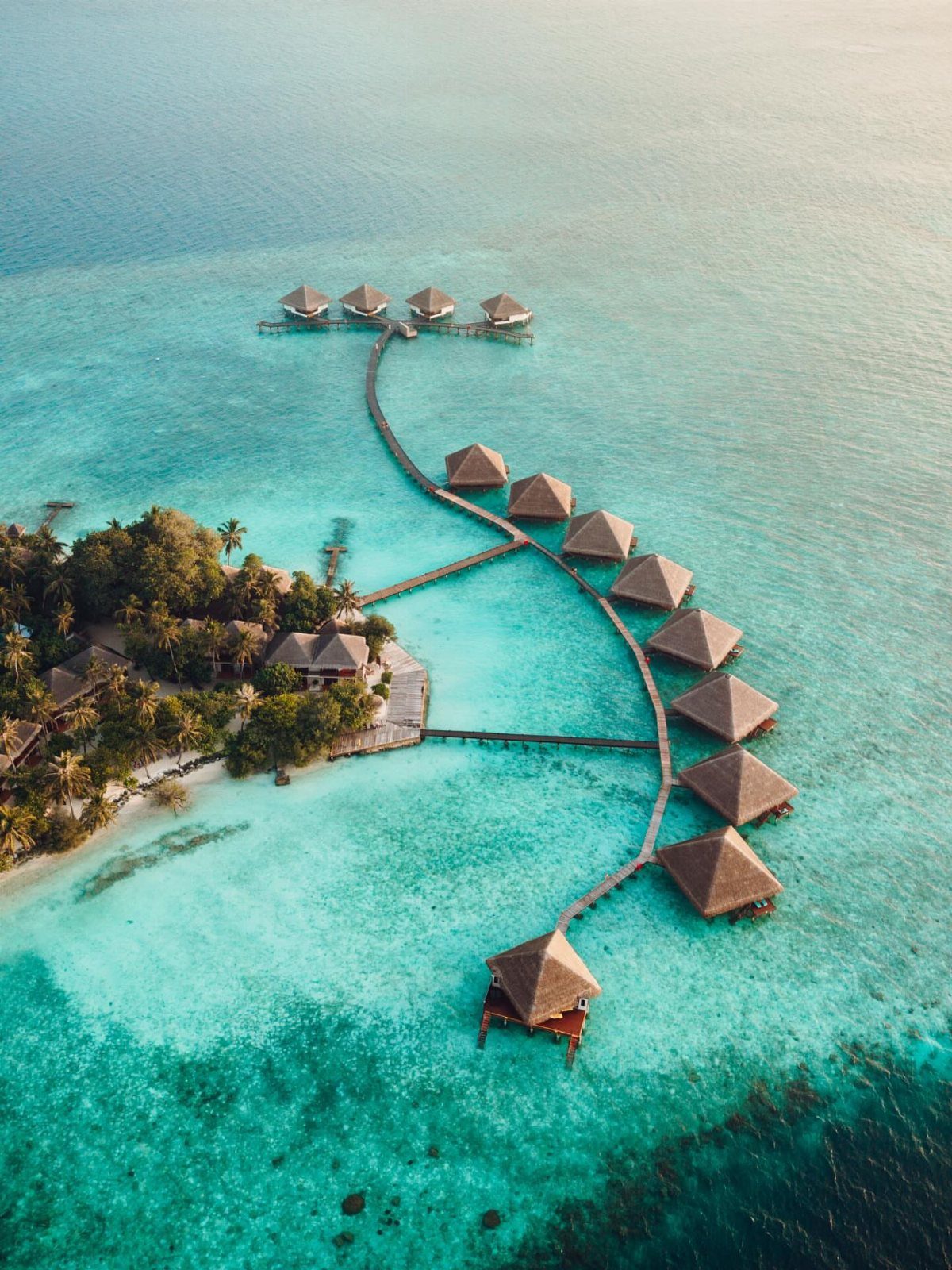
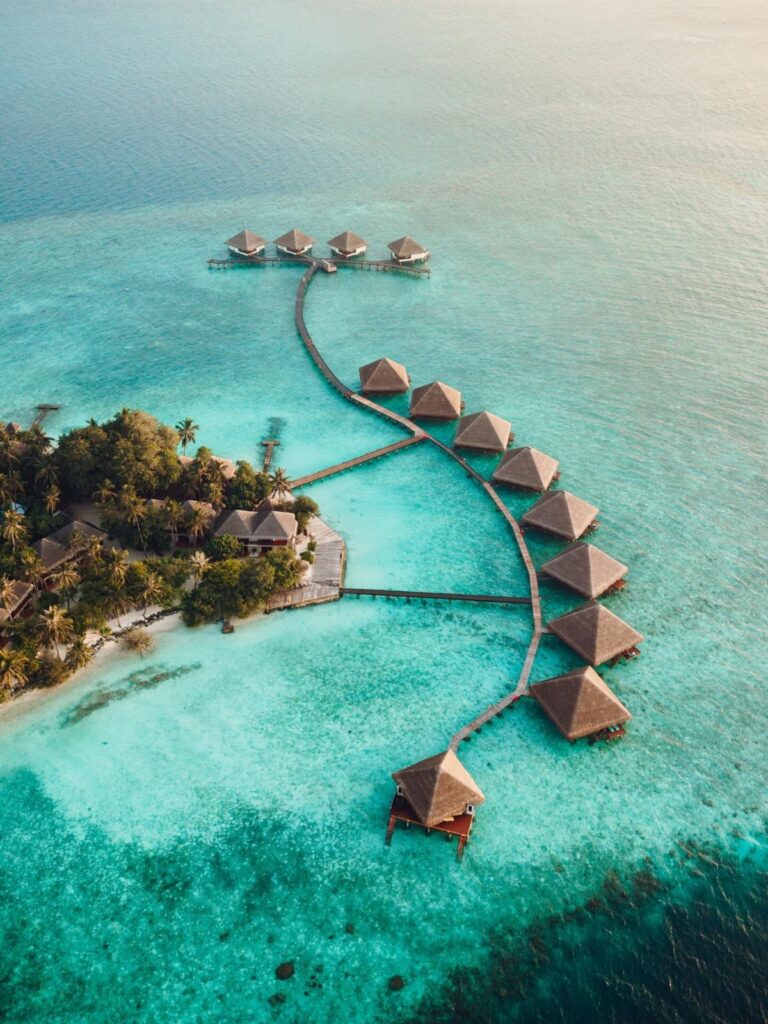
Thatched roofs, wooden walkways and shallow turquoise water: the Maldives over-water bungalow is a room built over the lagoon, with the island and its palms just behind.
The walkway is part of the design, so you cross open water to reach your door.
Budget is the catch. A stay like this costs far more than a beach hotel, so I would book it only if you plan to spend most of your days at the room itself.
8. Victoria Falls Waterfalls
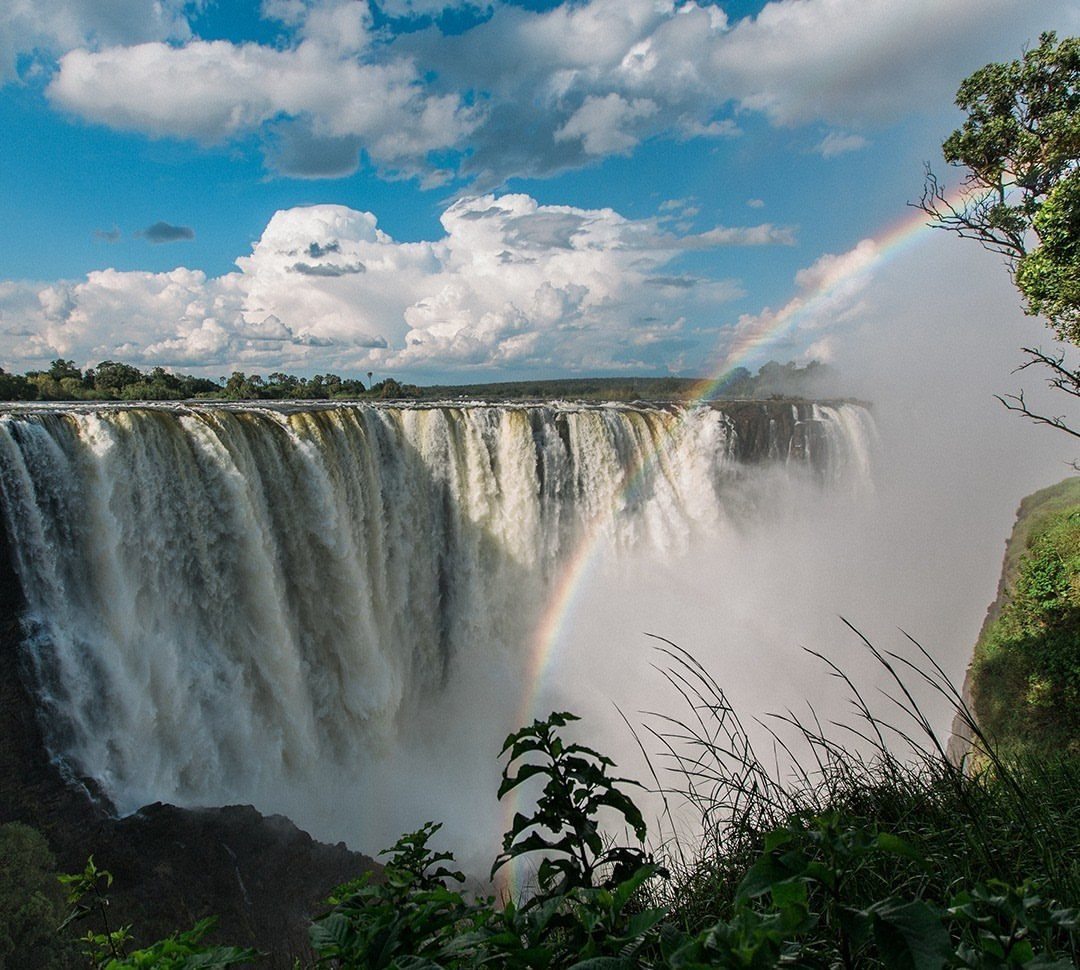
Victoria Falls is one of the largest and most famous waterfalls in the world, and a rainbow in the mist is the detail that sticks.
Spray hangs over the whole drop, so you see the wide curtain of white water through a veil of moisture.
Choose a viewpoint with green foliage close in front of you; it frames the falls better than an open edge. Bring a rain jacket and a way to keep your phone dry.
9. Dramatic Mountains of Torres Del Paine
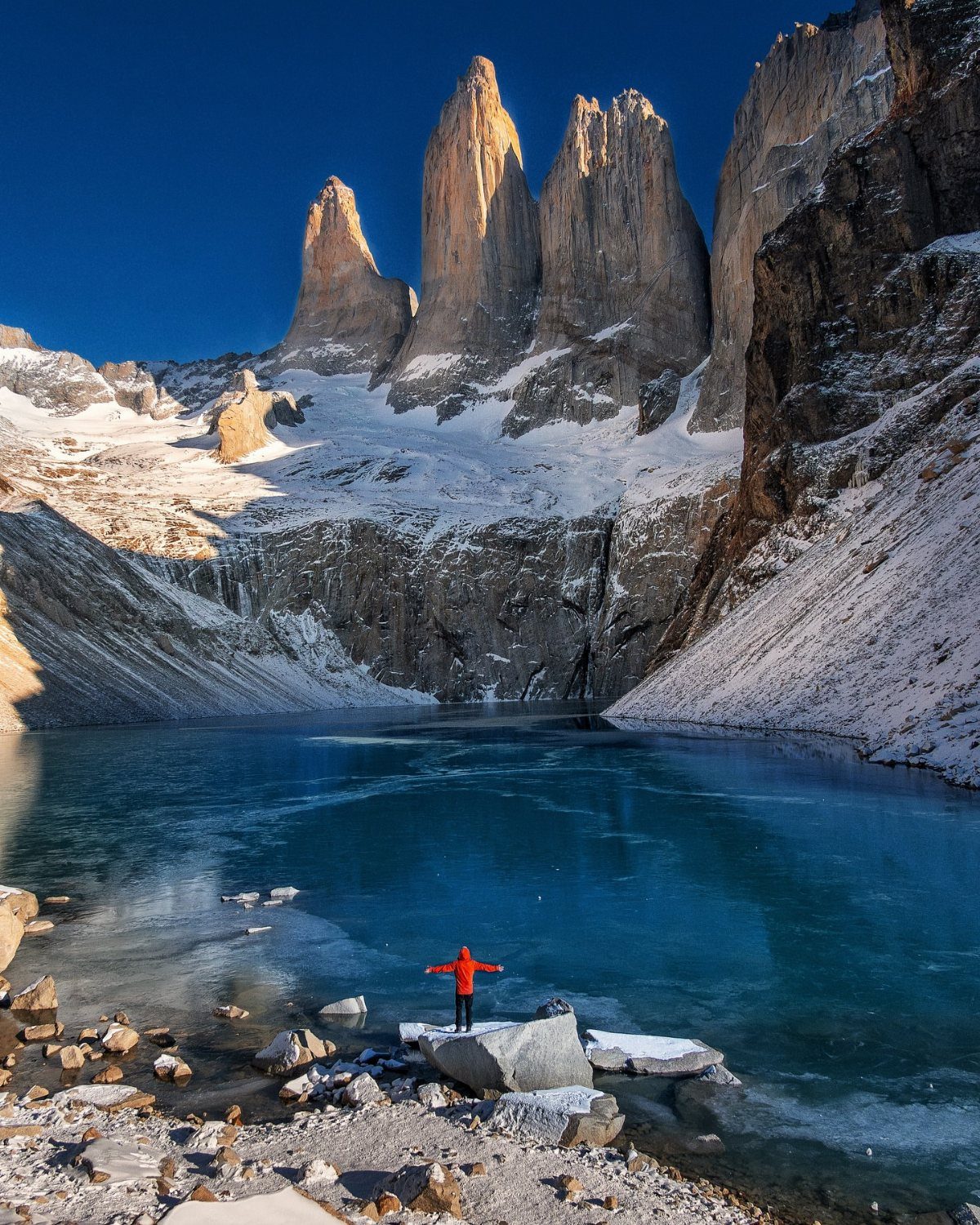
Granite peaks rise straight above a glacial lake in Torres del Paine, and that jump in scale is what I remember planning around.
The park is known for dramatic mountains and diverse ecosystems, so a single trip gives you rock, snow and water.
Pack a bright jacket.
10. Cappadocia, Turkey
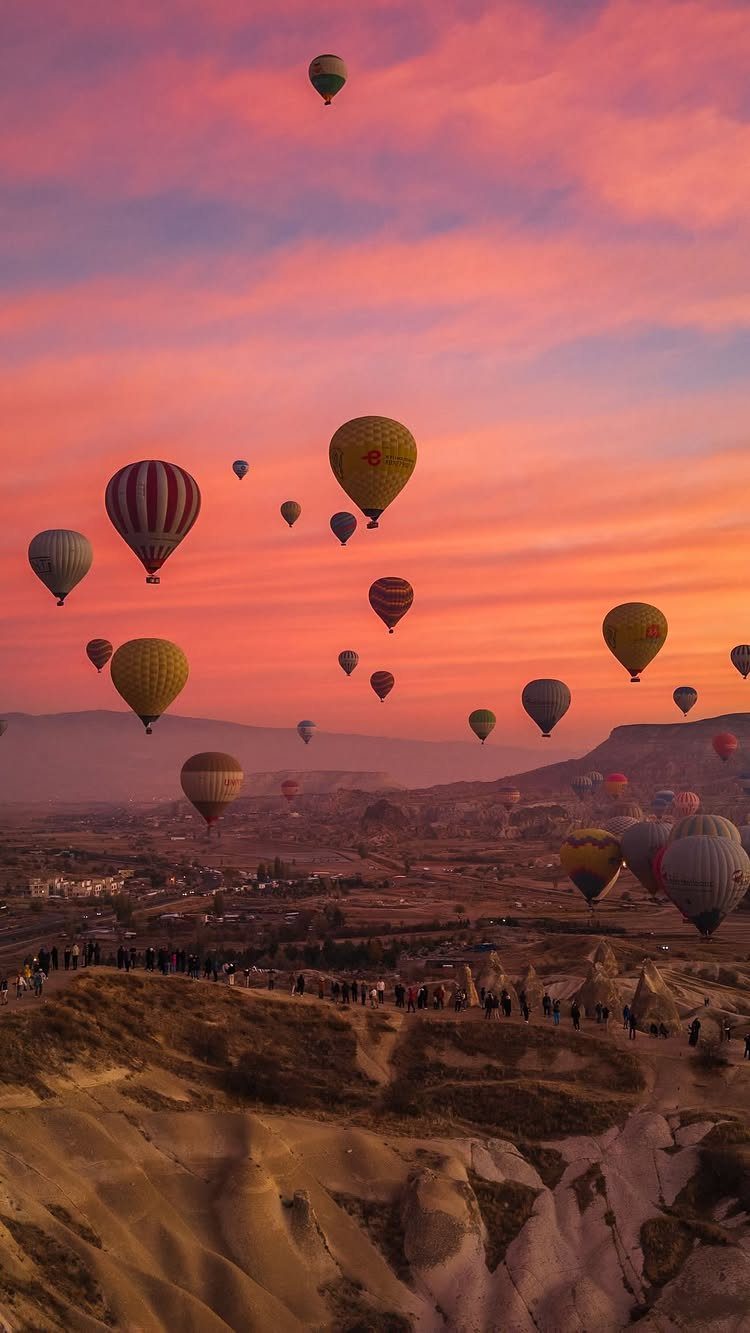
Cappadocia at sunrise: dozens of hot air balloons drift over a valley of strange rock formations while the sky goes pink and orange. The balloon ride is the famous part, but the formations are the reason the view works.
If you skip the ride, a ridge viewpoint shows the same sight for free.
Expect company there, since a crowd gathers before dawn. Arrive early to claim a spot.
11. Cascading Lakes of Plitvice Lakes
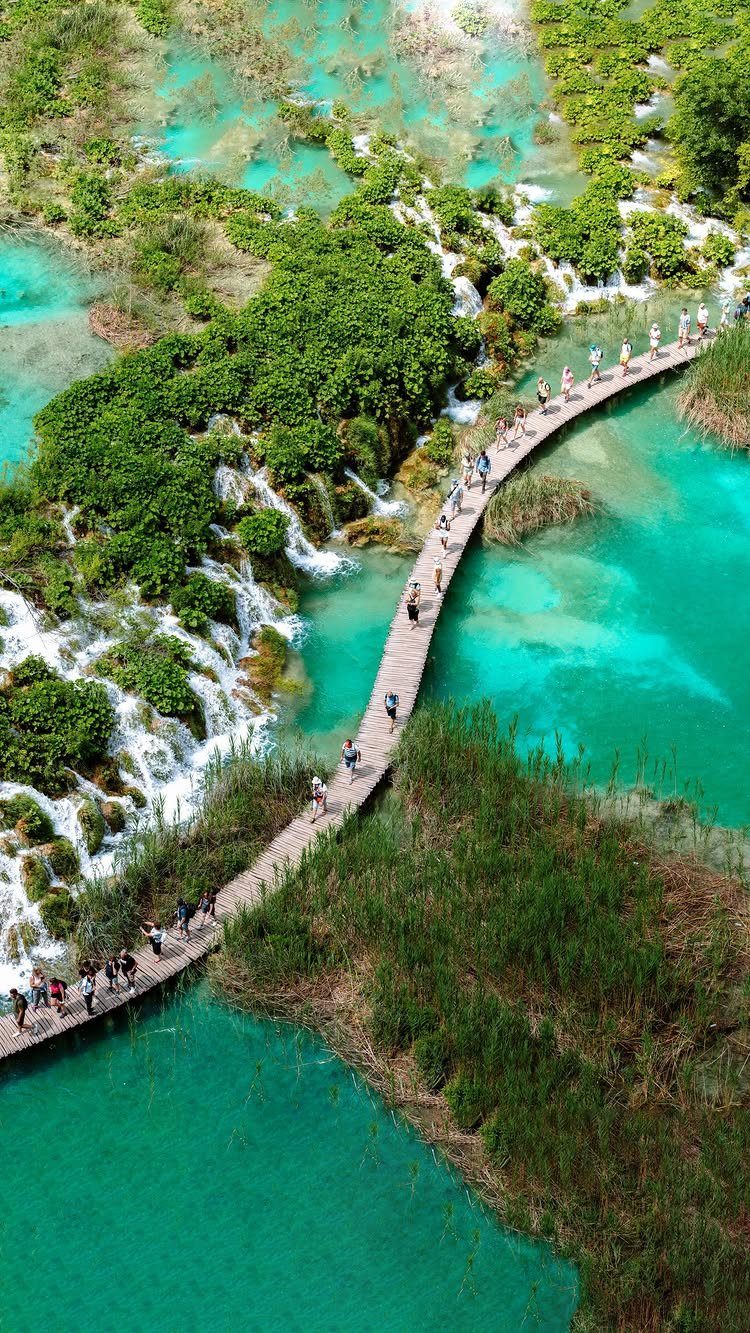
Plitvice Lakes is a national park known for cascading lakes and waterfalls, and a wooden boardwalk carries you right across the turquoise water. You walk over the lakes, not beside them, which is a better angle than any shore trail.
Expect other walkers on the boardwalk; I would go early to keep the planks less crowded. Wear shoes with grip, since wood near spray stays slick.
12. Vermillion Torii Gates at Fushimi-Inari
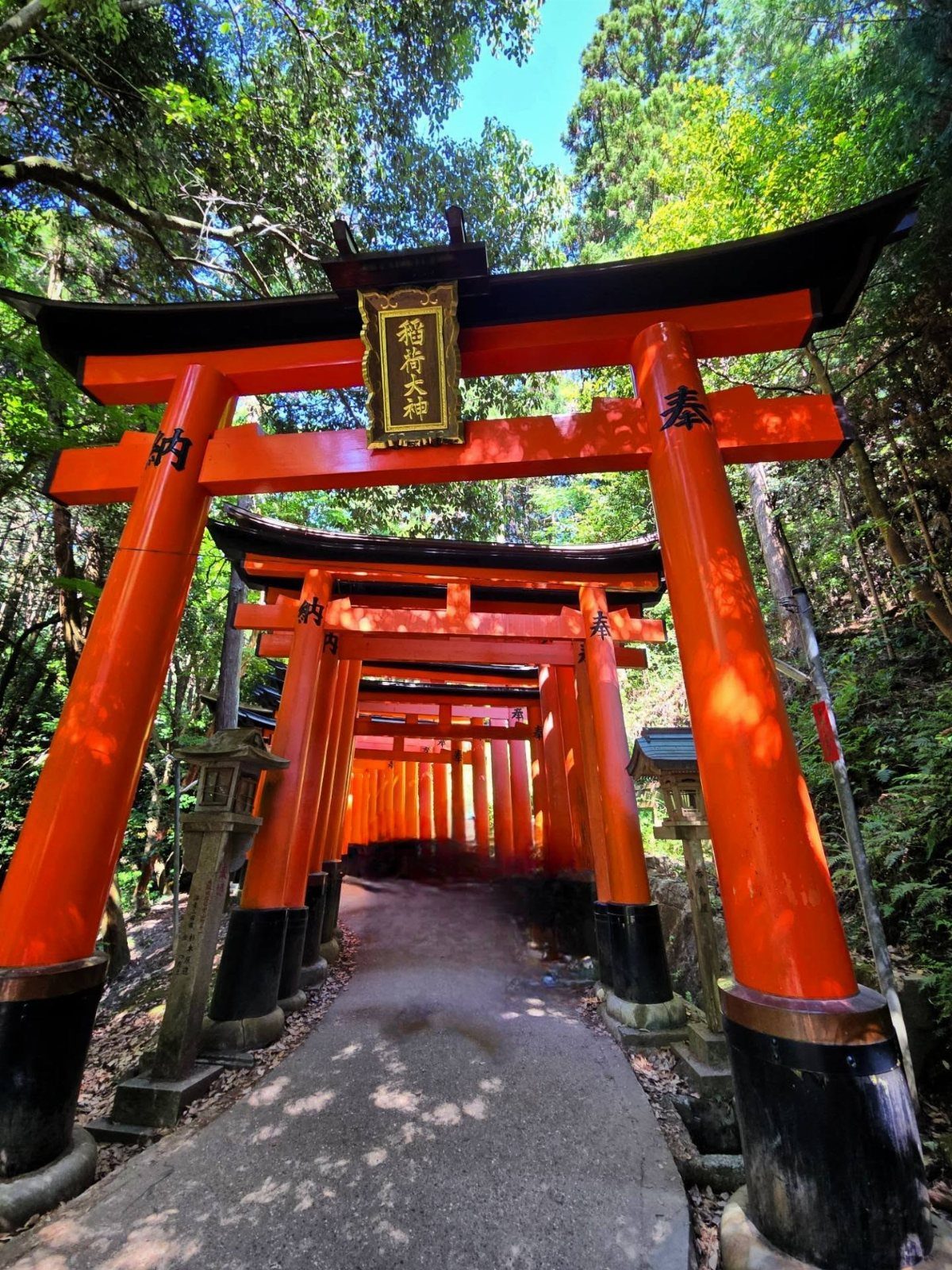
Fushimi-Inari is a shrine famous for thousands of vermillion torii gates, and the path through them feels like a tunnel cut into the green forest.
Each gate carries a plaque with Japanese characters, so stop at the first one and look closely.
Getting the path without people takes timing. I would arrive very early and walk uphill past the first stretch, where crowds thin out.
13. Christ the Redeemer in Rio De Janeiro
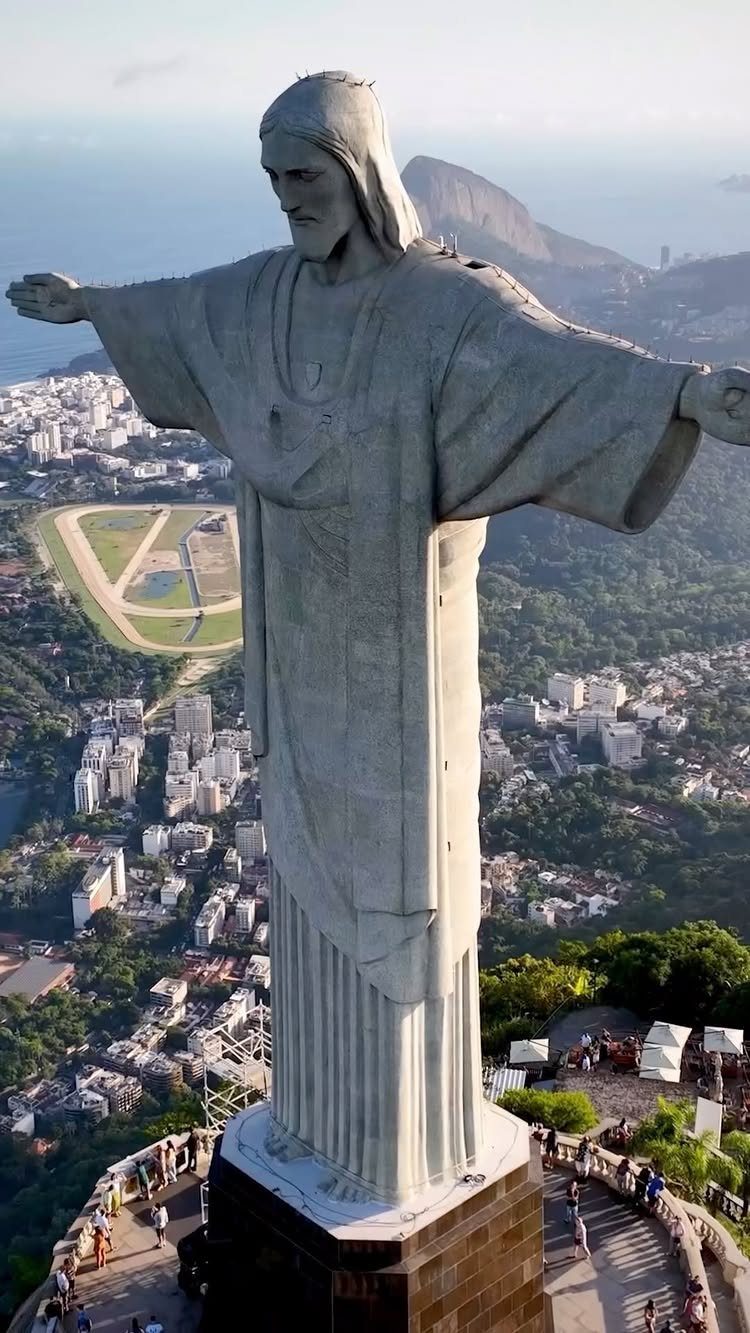
Christ the Redeemer stands high above Rio de Janeiro, with the city and its mountains spread out below the base. Rio is an exciting city, and the statue is the one stop worth planning your day around.
Whether you ride up the mountain or book a helicopter tour, the statue’s viewpoint puts the whole city below you.
I would choose the top for the crowd at the base, which gives the statue real scale. The helicopter costs more, and I would only pay for it if the aerial angle matters to you.
14. Paris, France
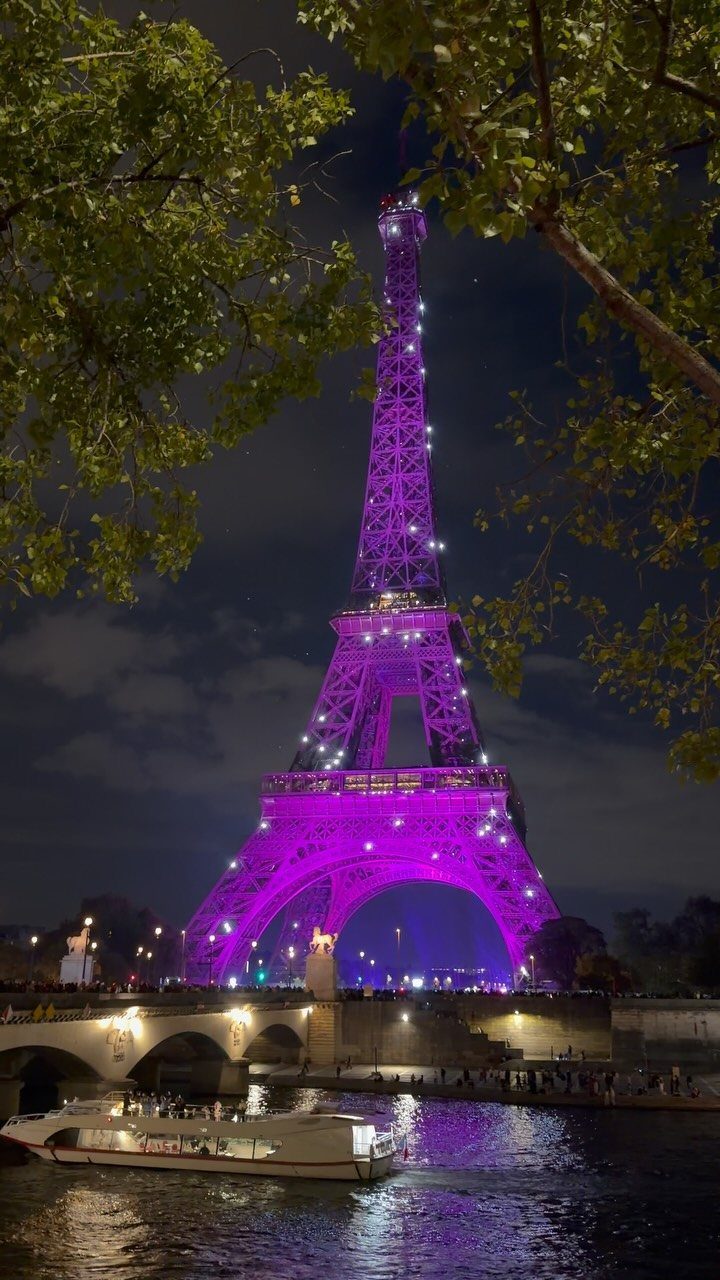
Paris after dark is my pick, when the Eiffel Tower glows and its light spills across the Seine. The City of Love earns the nickname most at night, from the water.
I would book an evening cruise and sit on the open deck if the weather allows. Check the price before you commit, since cruise fares vary a lot by operator.
15. Neapolitan Islands, Italy
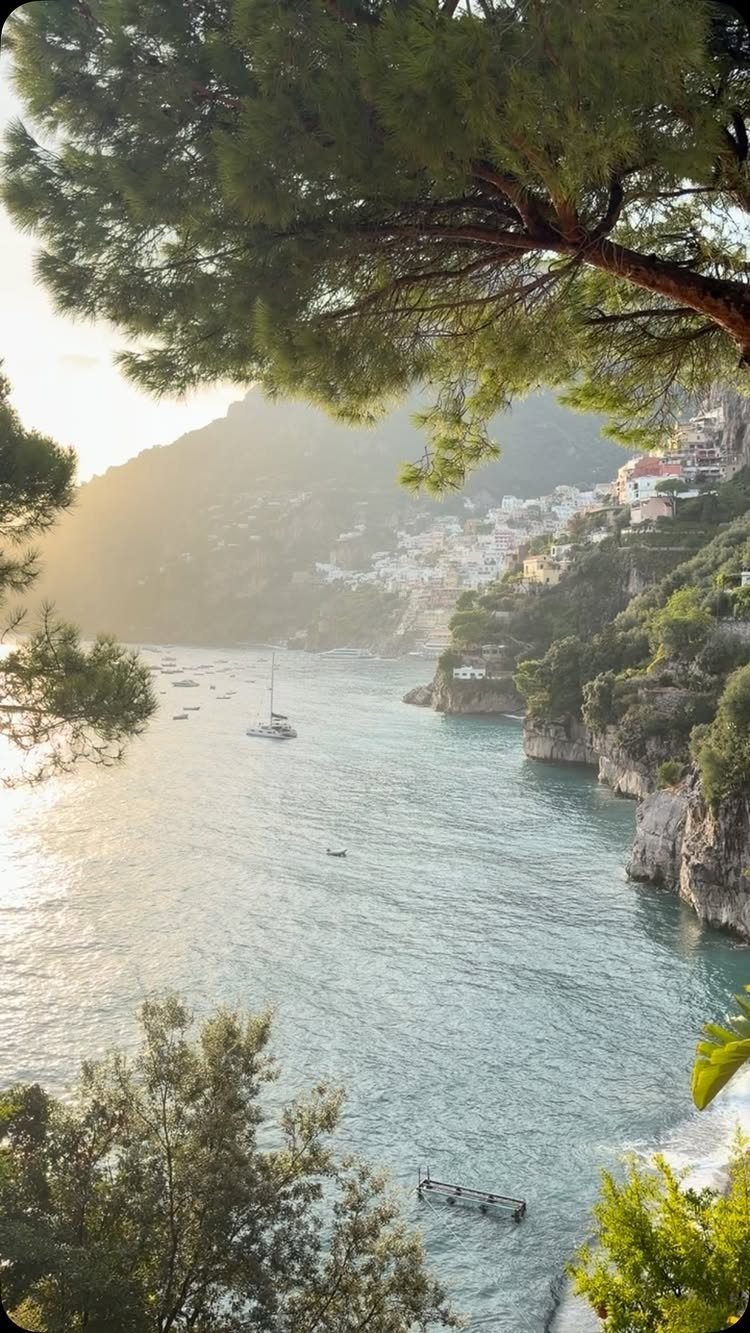
The Neapolitan Islands put pale buildings on a cliff above a turquoise bay, with boats dotting the water below. Pine branches across the foreground make a natural frame, so stand under the trees and look through them.
I would see the coast from the water as well as from the cliff top. The boats in the bay are part of the scene, and a short ride shows the town from the angle that makes it look best.
16. Reflections in the Norwegian Fjords Waters
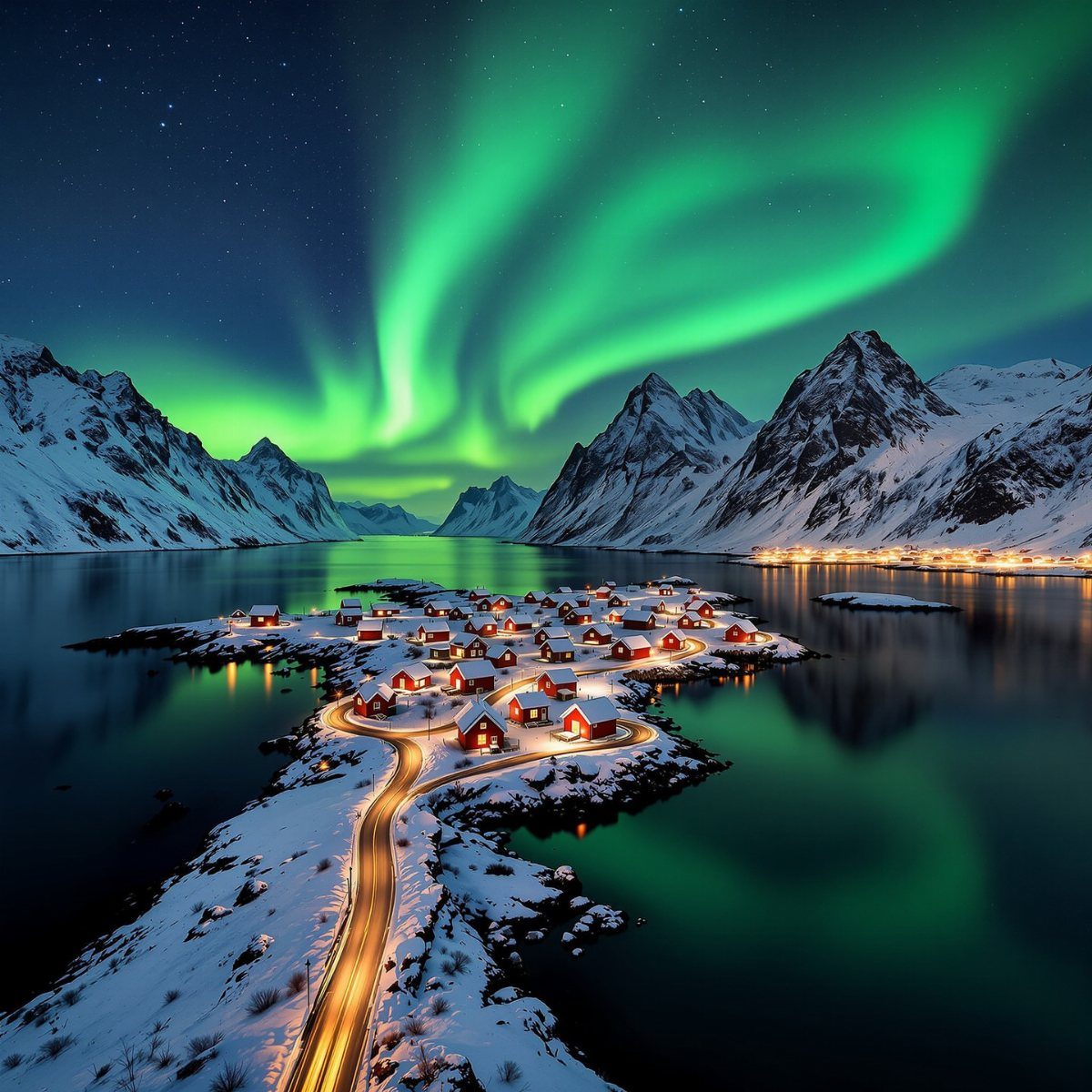
Calm water is what makes the reflection work, so choose a sheltered spot over an open stretch.
Winter adds the aurora, and the green glow doubles in the water too. Dress for serious cold, and give the sky time, since the lights come and go.
17. Mausoleum of the Taj Mahal
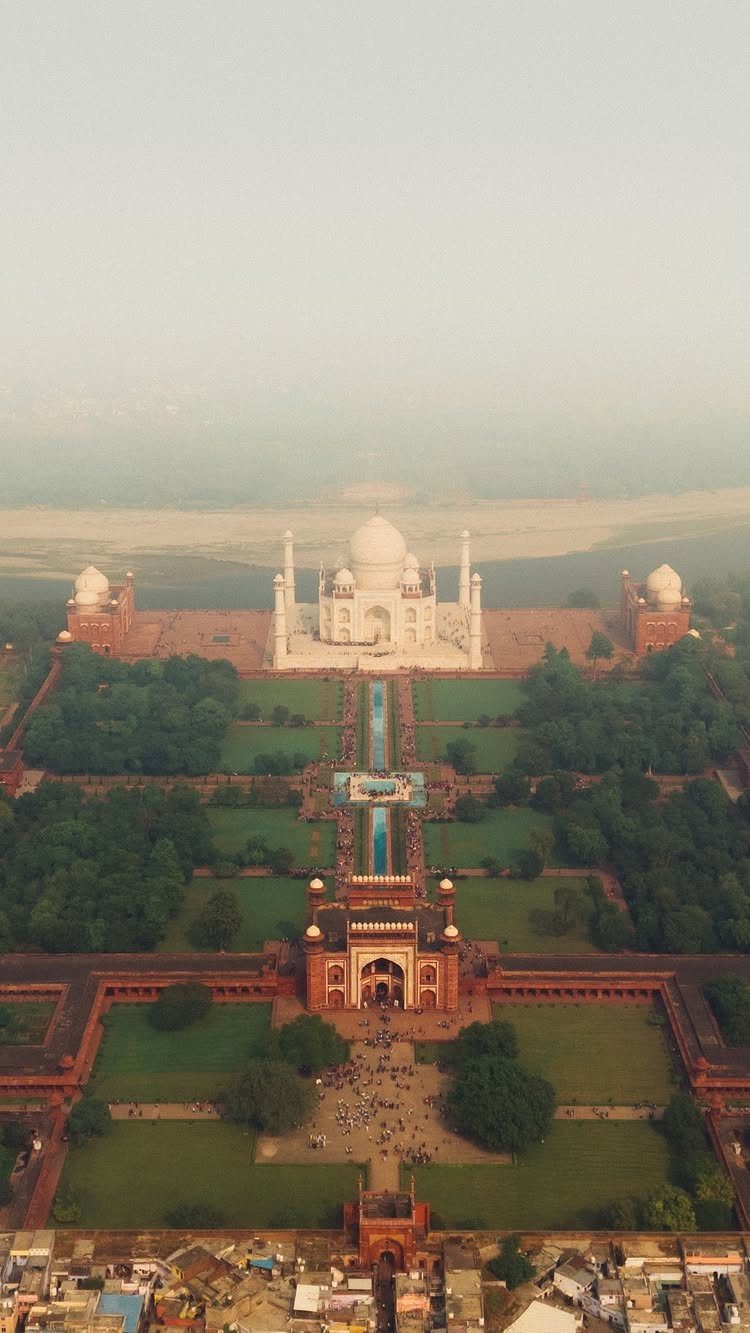
The Taj Mahal in Agra sits at the end of symmetrical gardens and long reflecting pools, so the white marble appears twice, once on the stone and once in the water.
Hold the center of the path for the cleanest view.
Paths fill with walkers, and haze can flatten the sky. Get there at opening, and the central axis of the complex is yours for a few minutes before the tour groups fill it.
18. Pagodas of Bagan Temple Complex
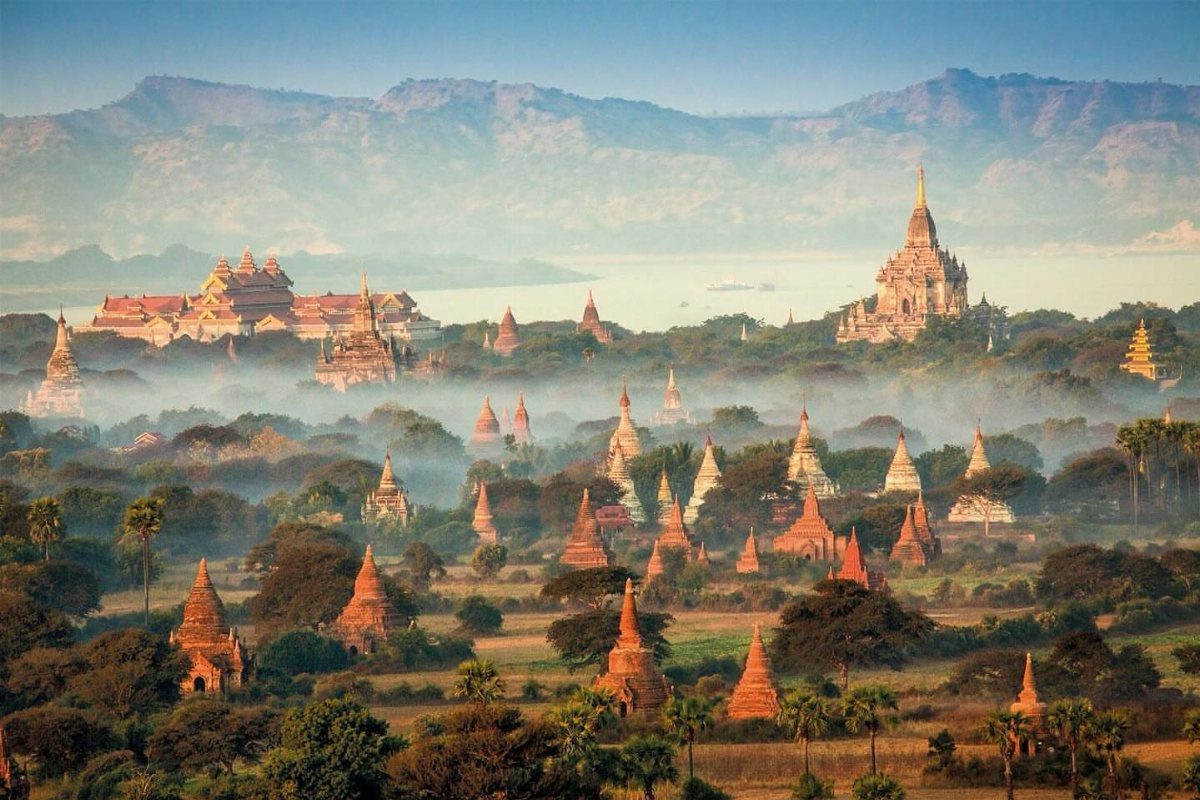
Bagan has more than 2,000 surviving pagodas spread across a wide plain, so plan on a full day to cover even a fraction of them.
Count on a full day, since the pagodas sit far apart and the scale only sinks in once you move between them.
Go early, when mist still hangs low over the plain and the brick looks warm against a clear sky. I would pick a few temples and linger at each, not try to see them all.
19. White Sands of Whitehaven Beach
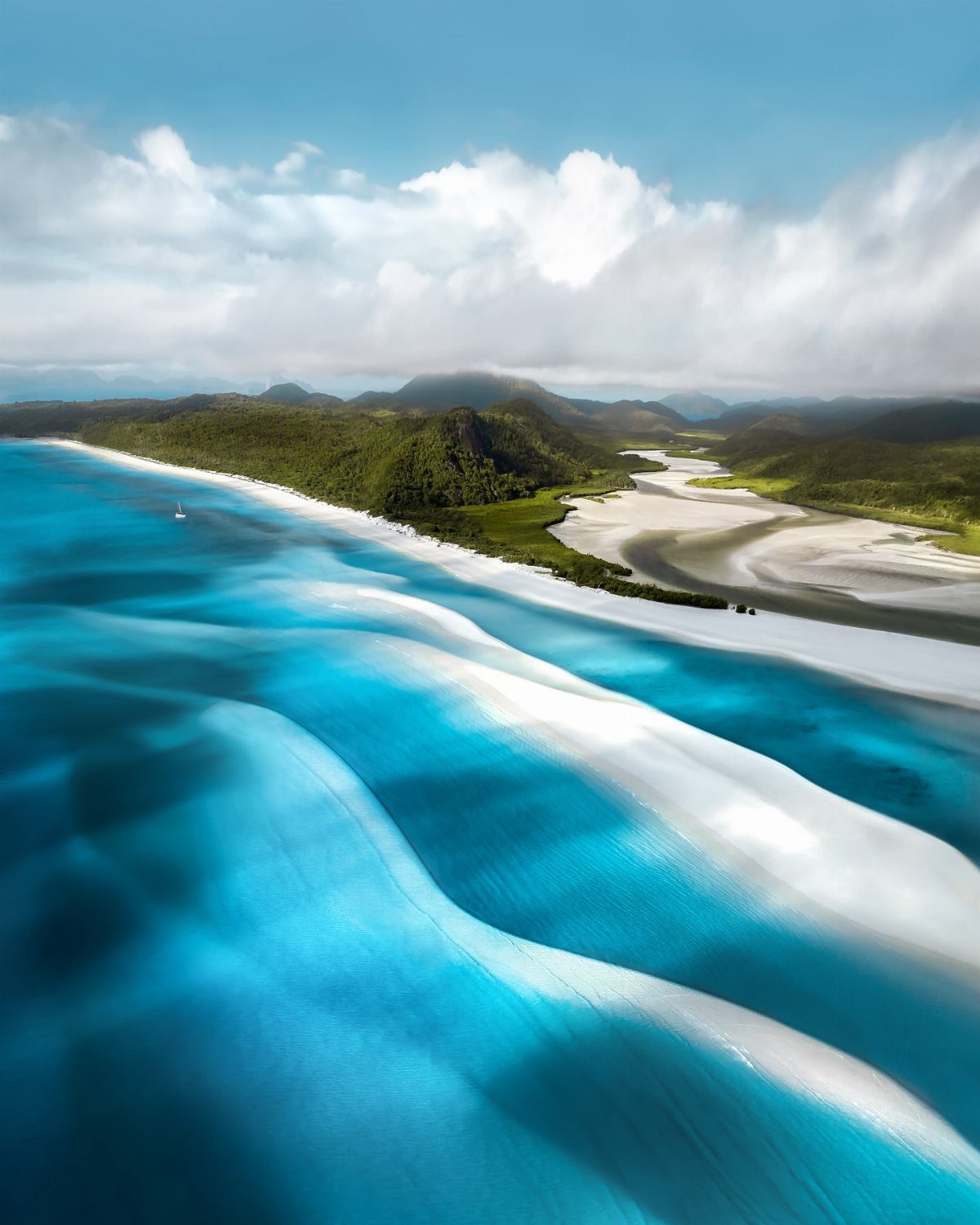
Whitehaven Beach is a long stretch of pale sand where swirling channels of turquoise water cut through the shoreline, with green hills behind and a river inlet feeding the pattern.
The swirls are the reason to see it, and they read best from above.
A scenic flight or a high lookout shows the full design. Pack sunscreen and a hat, since a white beach throws the glare back at you.
20. Salt Flat Reflections at Salar De Uyuni
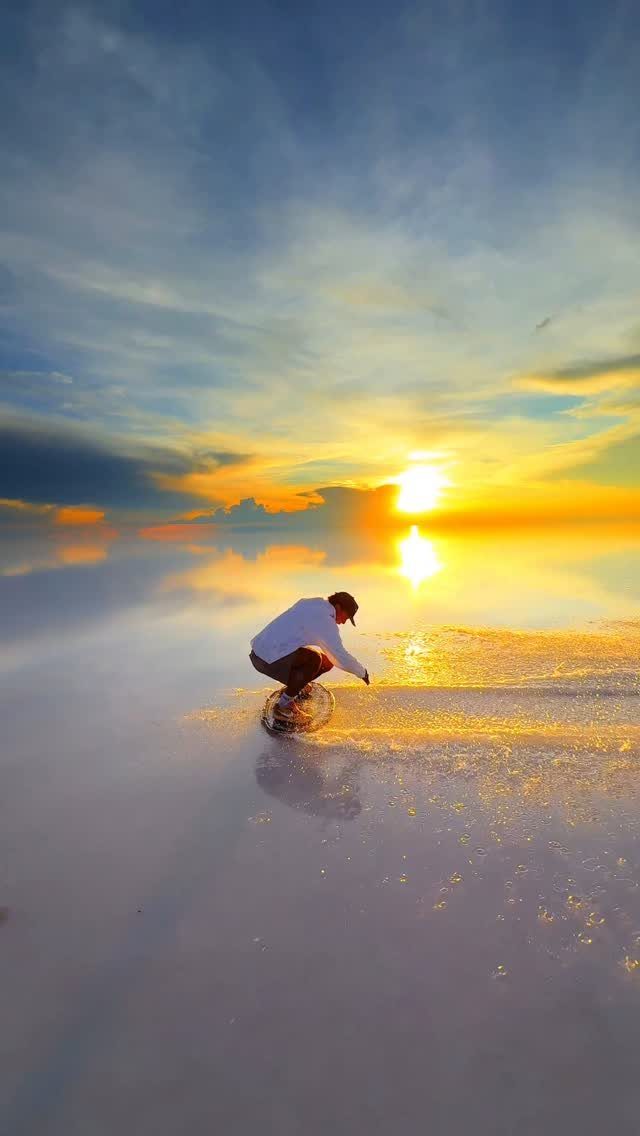
Salar de Uyuni is the world’s largest salt flat, and a thin sheet of water on top turns it into a mirror that doubles the sky.
Sunset is my pick, because the sun and the color overhead repeat across the ground.
Crouch low to bring the reflection into your view. Bring sunglasses, and expect to be walking on wet salt, so wear shoes you can rinse.
21. Slot Canyon Rock Formations in Antelope Canyon
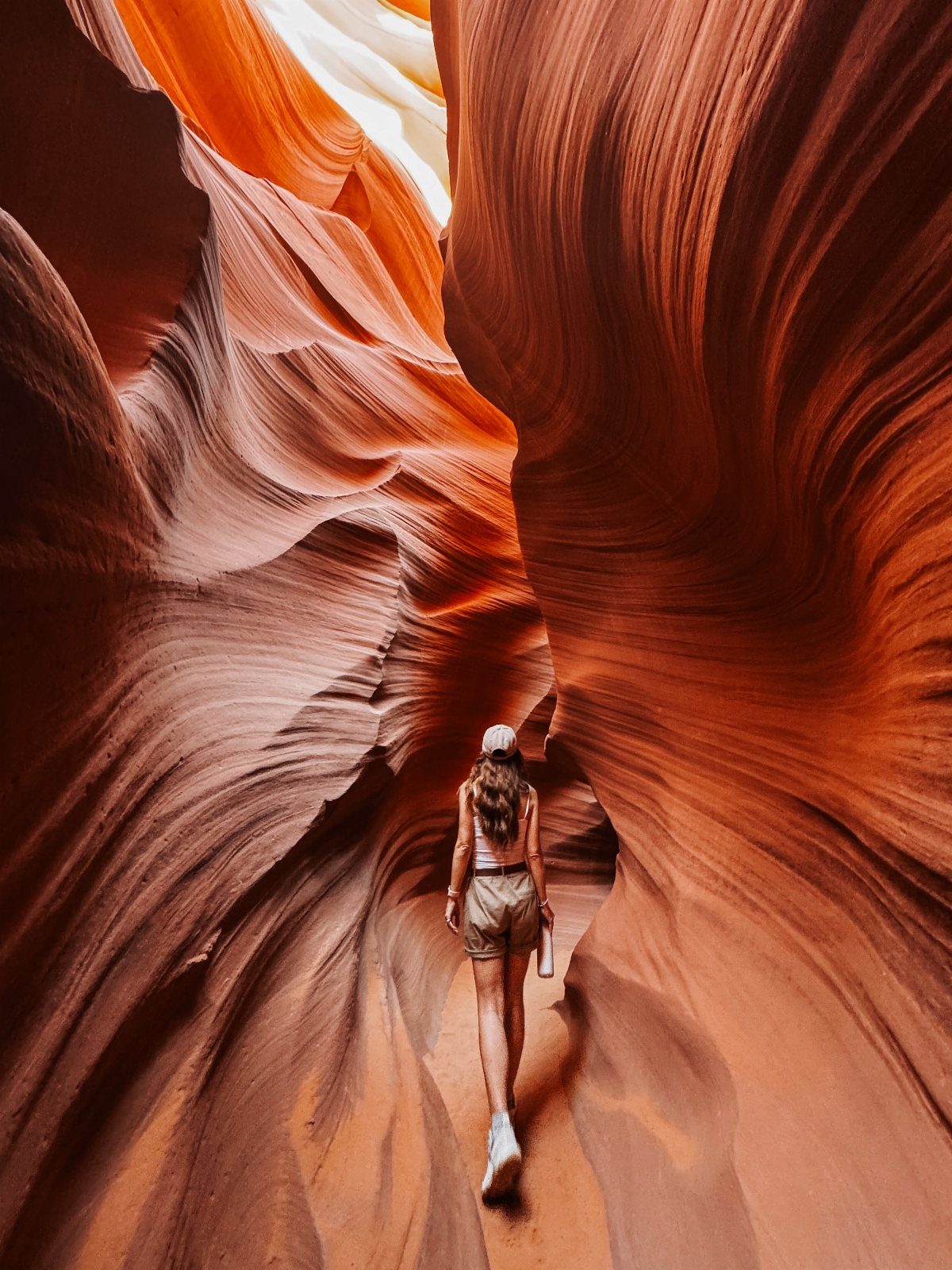
Antelope Canyon is a slot canyon, so narrow that you walk between smooth orange sandstone walls that curve like frozen waves. Light beams are its other famous feature, and they depend on the sun reaching the narrow gap overhead.
Go when the sky is clear, since beams need direct light. Keep your pace slow in the tight passages, and hold your bag in front of you so it doesn’t scrape the walls.
Best Time to Visit
Sort them by weather before you sort them by taste.
Book the places with a hard weather window first, since flights and rooms fill fastest there. Leave the flexible ones for later in your planning window and lock in the season-bound ones first.
If a trip has to fall in a crowded month, choose the early or late edge of that season. You usually get similar weather with fewer people, and prices often ease a little.
Check the forecast again 7–10 days out. Sites that depend on clear skies or calm water are worth a day of flexibility in your schedule.
Travel Tips
Book the hard-to-get items first: timed entries, guided tours and flights. Hotels with free cancellation can wait a few weeks, and that gives you room to adjust if prices drop.
Plan no more than 1 major stop per day. Travel time between sights eats more hours than most itineraries admit, and a slow day usually beats a packed one.
Pack in layers, a light rain jacket and shoes with real tread. Carry a portable phone charger and a small dry bag, because your phone is also your ticket, map and camera.
Save offline maps and digital copies of every confirmation before you leave. Signal at remote sites is unreliable.
Compare total costs, not nightly rates. Transfers, entry fees and tours can add up to more than the room.
Photography Advice
Light decides most photos, so build each day around the first and last hour of sun. Arrive well before the color peaks so you can set up your tripod and check your framing without rushing.
Shoot a wide frame first, then move closer for details.
Keep your phone lens clean; a quick wipe on a soft cloth fixes most hazy shots. Turn on the grid lines to keep horizons level.
Take several frames of the same view over 10 minutes, since light and clouds change quickly.
Protect your gear: use a strap, a rain cover or zip bag, and carry a spare battery. Put the camera down when the footing is bad, because no photo is worth a fall.
Frequently Asked Questions
What are the most beautiful places in the world?
Beauty comes in different kinds, so I sort them by what you want to see.
Ha Long Bay’s limestone islands, the Grand Canyon rim, Santorini’s whitewashed hillsides, Machu Picchu, Petra, the Taj Mahal and Salar de Uyuni’s mirror-like salt flat all earn the title.
Pick two or three that fit your taste and season instead of chasing every name.
What is the best time to visit these places?
Weather decides it, so sort places by their weather window before anything else.
Sunrise suits Cappadocia, Bagan and the Taj Mahal, sunset suits the Grand Canyon and Salar de Uyuni, and Antelope Canyon needs a clear sky for its light beams.
A trip stuck in a peak month still works if it starts in the first week or ends in the last; the weather is close to the middle of the season and the crowds thin out.
Where to travel once in a lifetime?
For a single big trip, I would pick a place where the scale can’t be captured in photos, like Machu Picchu, Petra or the Grand Canyon. Machu Picchu looks best with clouds drifting over the peak behind its terraces.
Petra rewards a long, slow look at the Treasury carved into the rock. The Grand Canyon is best at sunset, when low light deepens the red walls.
What are the most underrated travel destinations?
Plitvice Lakes in Croatia and Torres del Paine in Chile are my picks. Plitvice has the better view from its wooden boardwalks, which sit just above the turquoise water, lower and closer than any shoreline path.
In Torres del Paine, granite towers rise over a glacial lake, so a single trip covers rock, ice and water. Go early at Plitvice, because the boardwalk gets crowded.





