Free stops like Tate Britain, Notting Hill and Buckingham Palace sit next to paid ones like the Tower of London, a West End show and The Shard, so the real split is between what you see from the street and what you pay to enter.
Budget and schedule decide which side each stop lands on: with limited days and money, look from outside first, then book online only for the one or two interiors worth a ticket.
1. Hyde Park
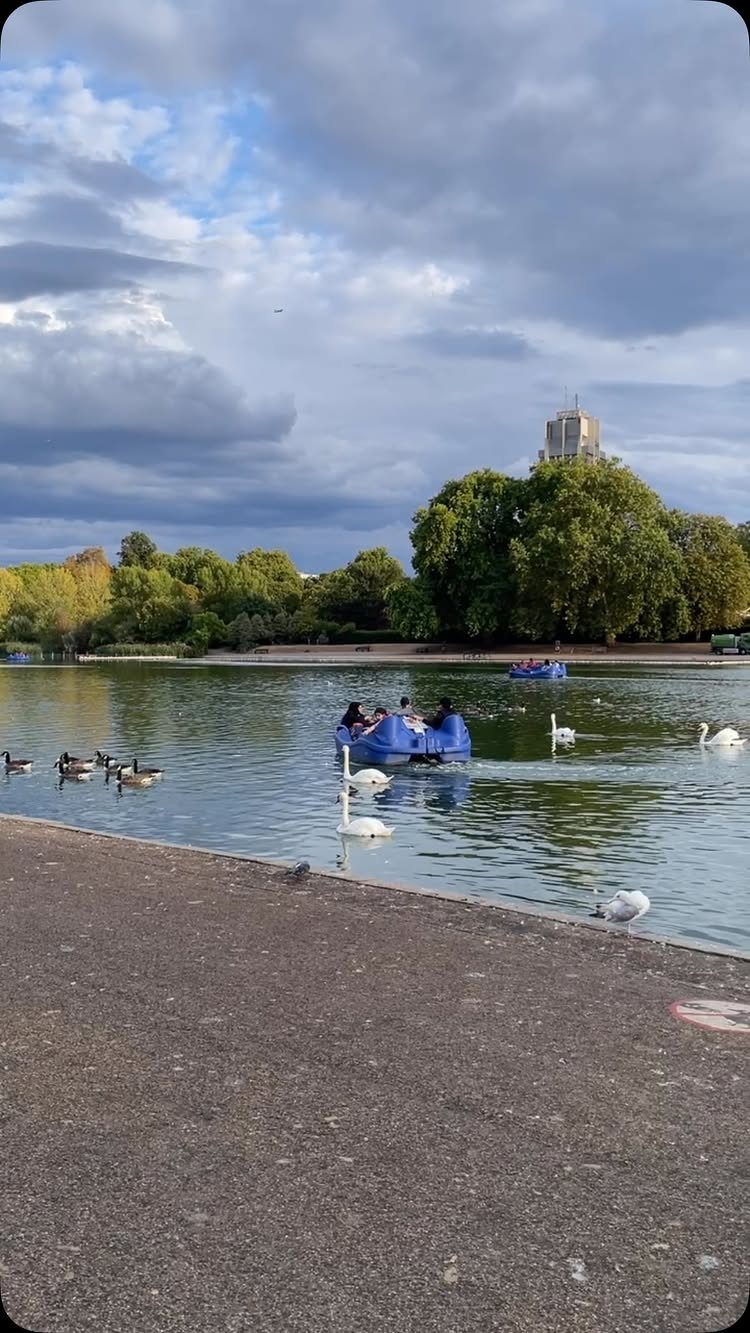
Pedal boats on the lake are the cheapest way to get off your feet in central London and still feel like you went somewhere. Swans and geese share the water, so expect to steer around them.
Go on a day with some cloud cover if you can; the open water gets bright and warm fast.
Pack a snack, since a lake loop eats more time than it looks like it will. Rental prices change, so check the boathouse before you plan the budget.
2. Buckingham Palace
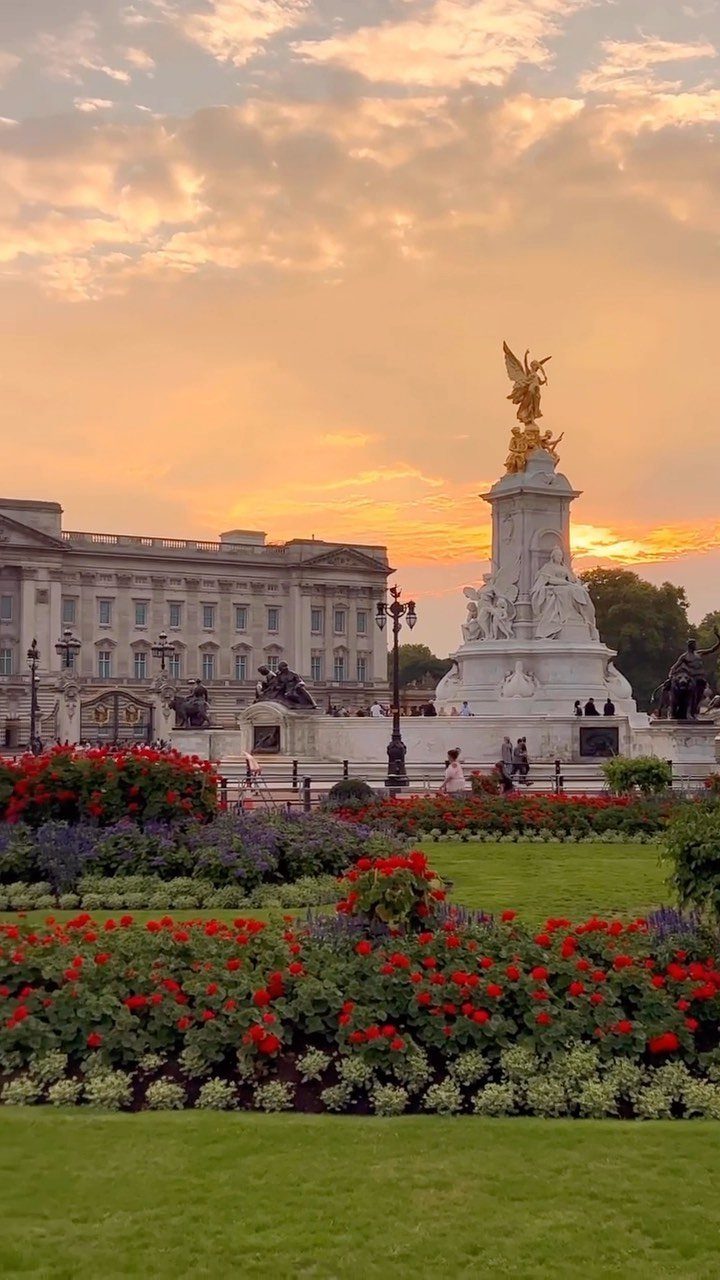
Sunset is when the palace earns its spot on a short itinerary. The light turns the stone and the Victoria Memorial orange, and the flower beds in front make a better foreground than the fence line does.
Viewing from outside the gates costs nothing, which matters on a tight budget.
I’d treat it as a 15-minute stop on a walk, not a destination, and arrive early enough to find a spot along the memorial’s edge before the evening crowd thickens.
3. London Eye
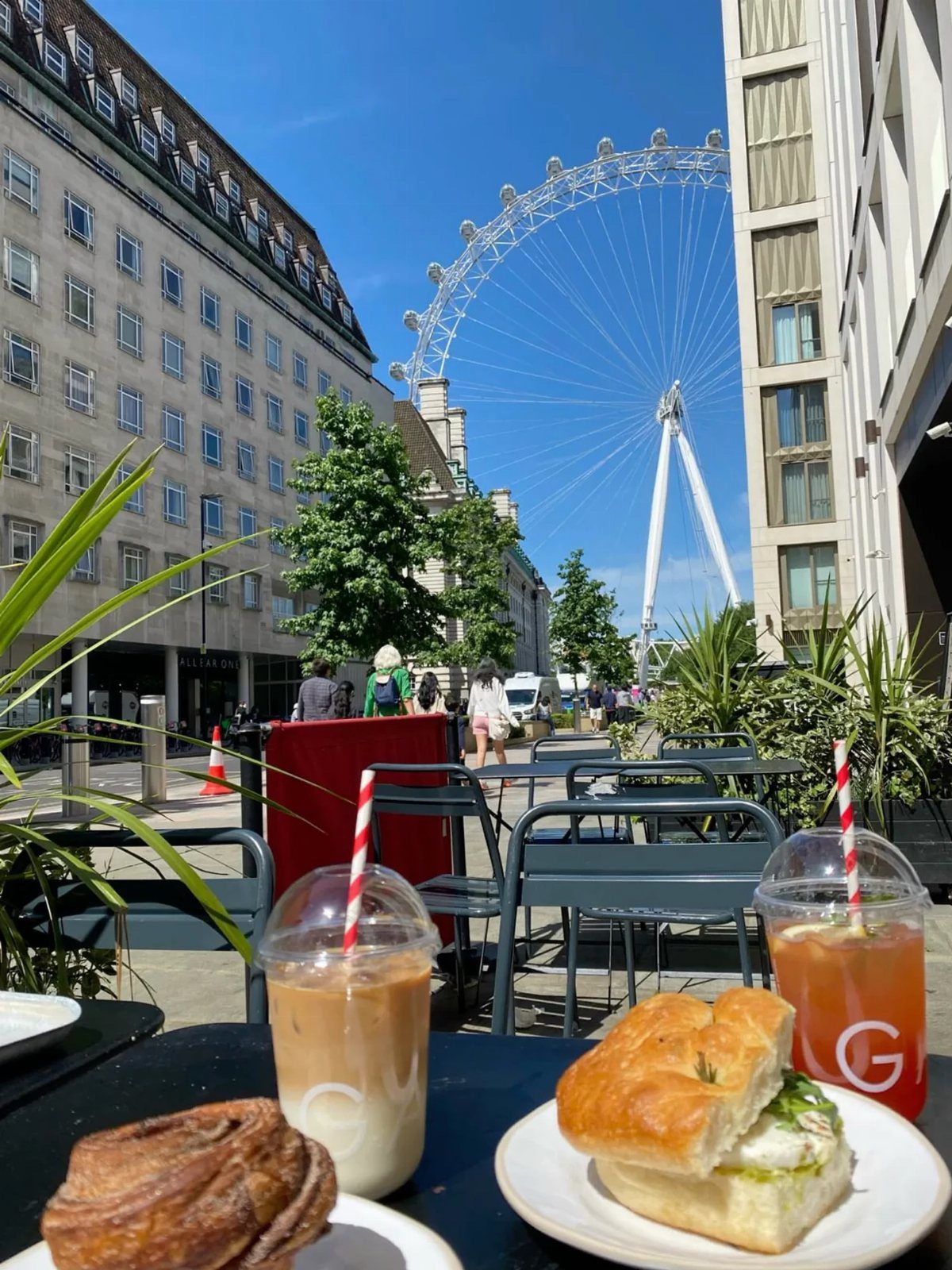
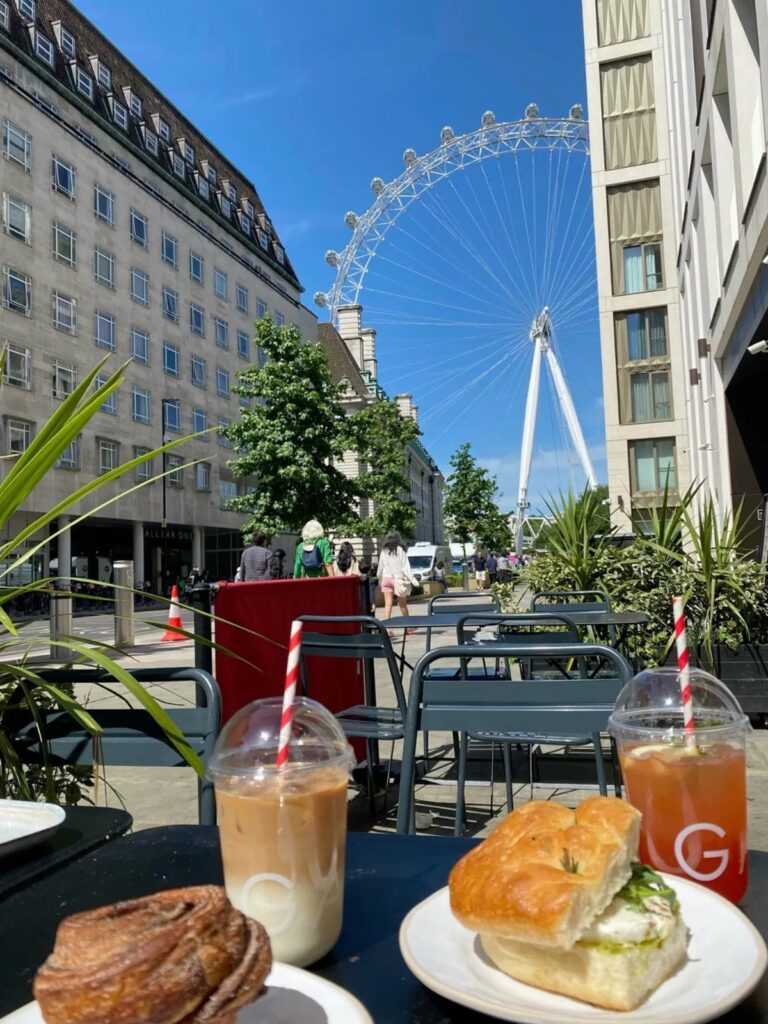
Skip the ticket line for a moment and eat across the river from the wheel instead.
A coffee and a sandwich at an outdoor table gives you the London Eye as scenery for a fraction of the cost of a ride.
If you do want the panoramic view from inside a capsule, book online ahead, since walk-up lines are the real time sink. My pick for a limited schedule: look first, then decide if the view justifies the fare.
Although it’s inescapably touristy, a rotation on the London Eye is one way to get your bearings. It takes 30 minutes to complete a full turn, reaching 135m (443ft) at its highest point, providing spectacular views of iconic landmarks from its glass capsules.
4. Westminster Abbey
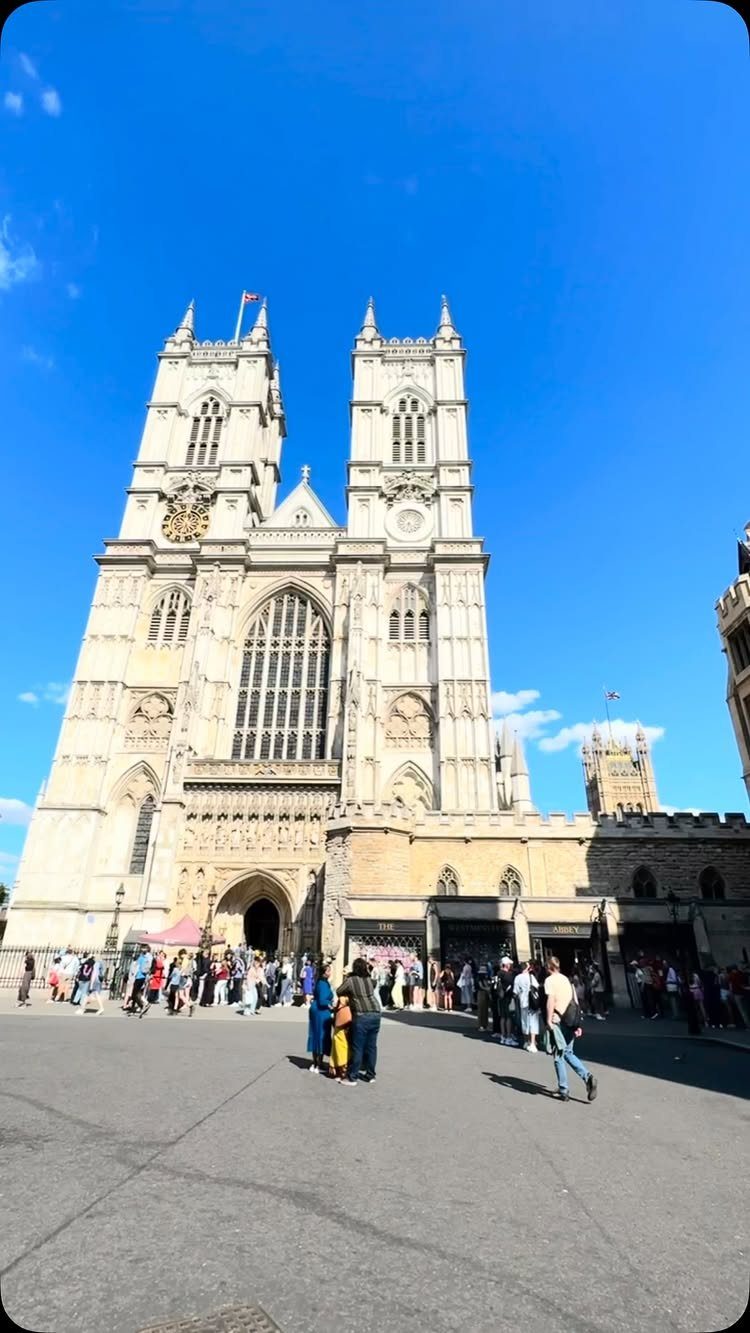
More than 3,000 people rest here, from monarchs to poets to scientists, and that count is the reason to go inside rather than just photograph the facade.
Interior entry costs money, so decide in advance whether you want the tombs or only the exterior.
5. Afternoon Tea
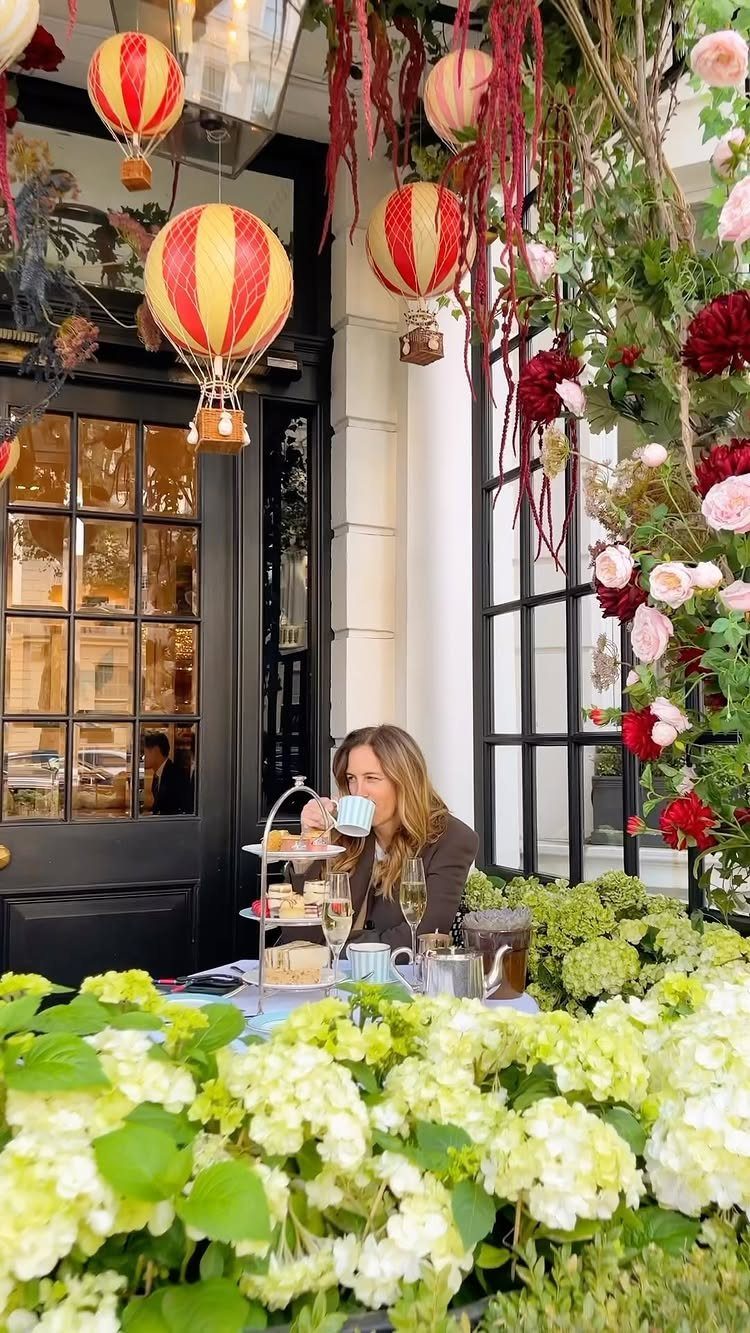
A tiered stand of pastries and sandwiches, a pot of tea, and optionally a glass of champagne: that is the format, and it works best as your one proper sit-down meal of the day.
Plan it for mid-afternoon and skip lunch.
Book online weeks ahead, because the popular rooms fill.
Garden settings like a floral courtyard are lovely in dry weather but leave you at the mercy of rain, so ask about indoor backup. Prices vary widely, so compare menus first and pick the one that fits your budget.
6. Borough Market
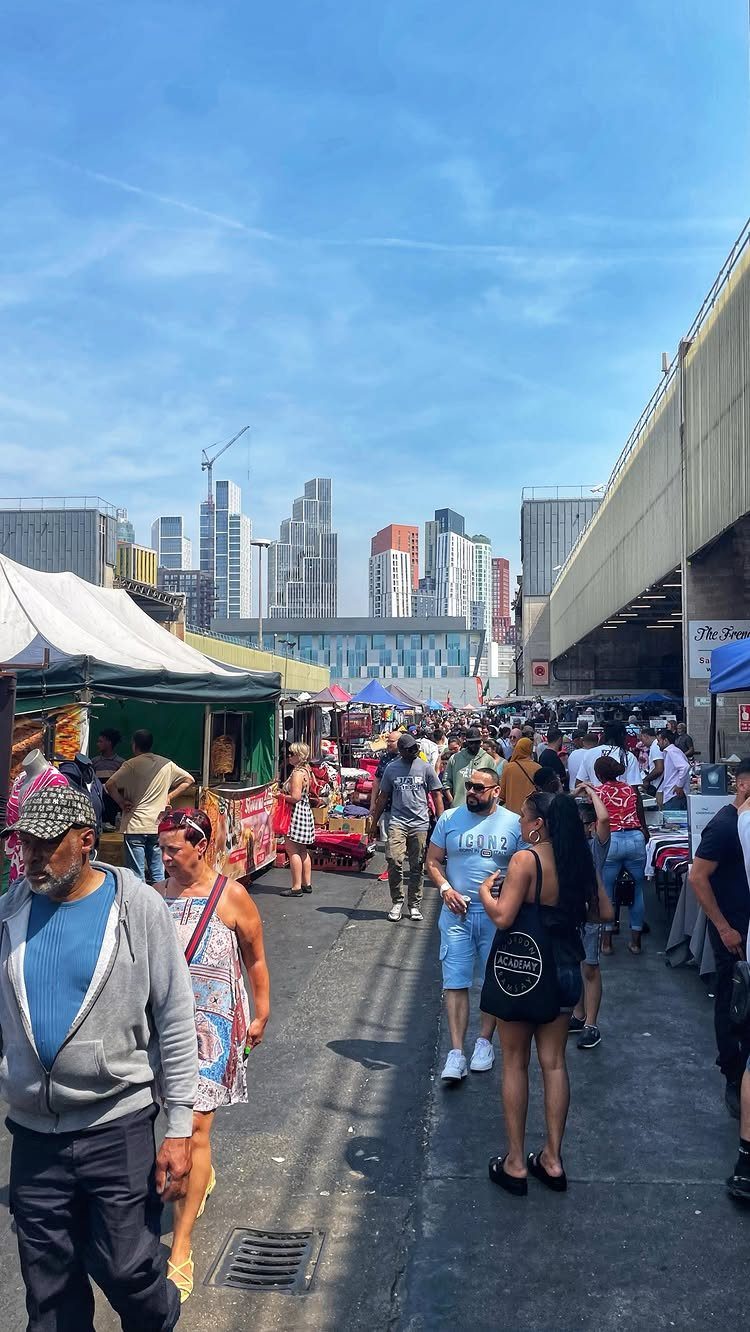
Borough Market is a food crawl more than a single meal, and the white stalls under the skyscrapers make it easy to graze from one to the next. Come hungry and skip breakfast.
The crowds are thick, so weekday mornings beat weekends for moving at your own pace.
On a budget, split dishes and graze across several stalls rather than sitting down at one. Look for the sign marked "The Freeman" as a handy meeting point if your group splits up.
7. Leadenhall Market
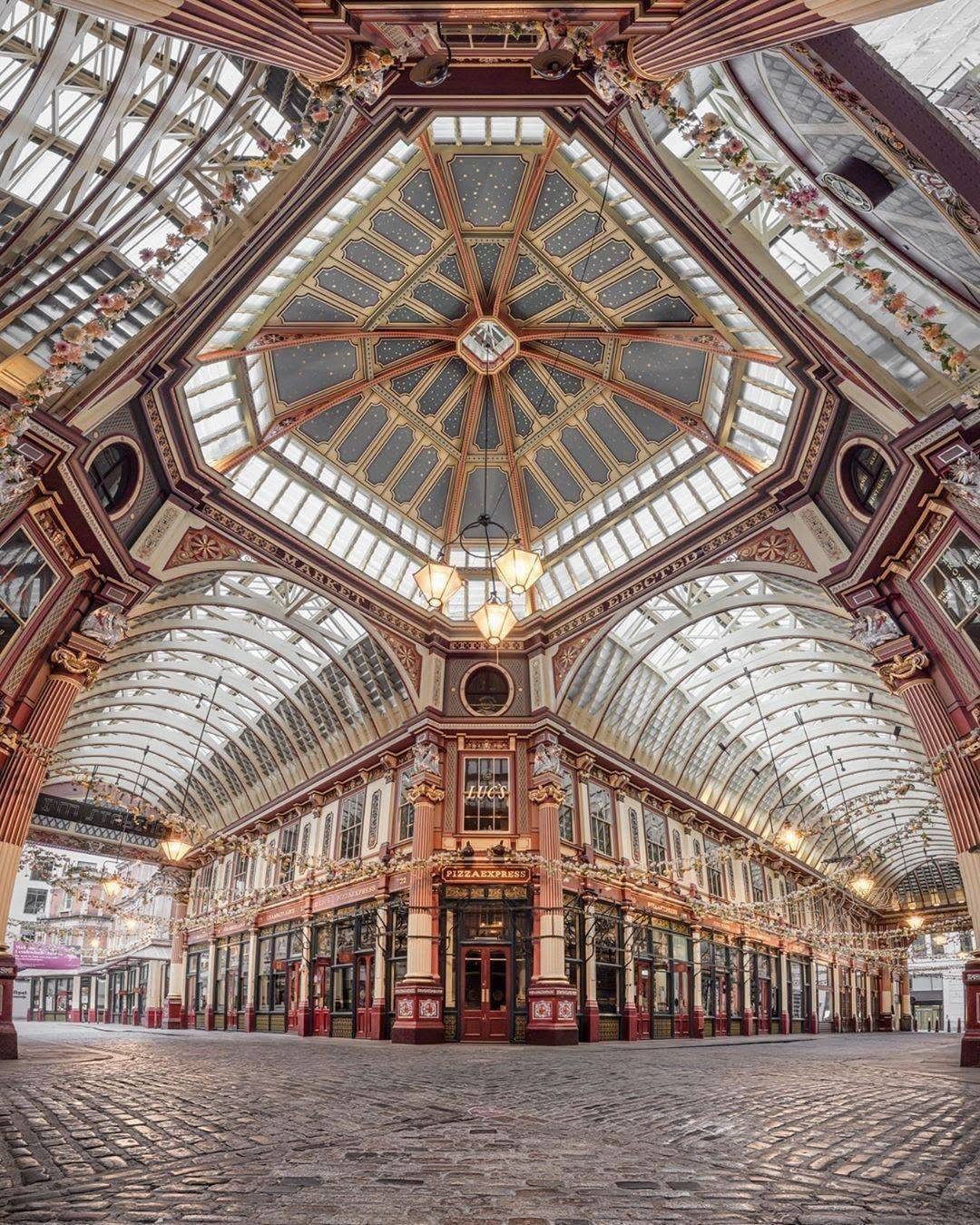
Leadenhall Market is worth a detour for the roof alone: a vaulted glass ceiling over red storefronts and a cobblestone floor. Photographing it takes about 10 minutes, so it fits between bigger stops without costing a half day.
Cobblestones get uneven underfoot, so choose soles that won’t slip on wet stone.
8. Sky Garden
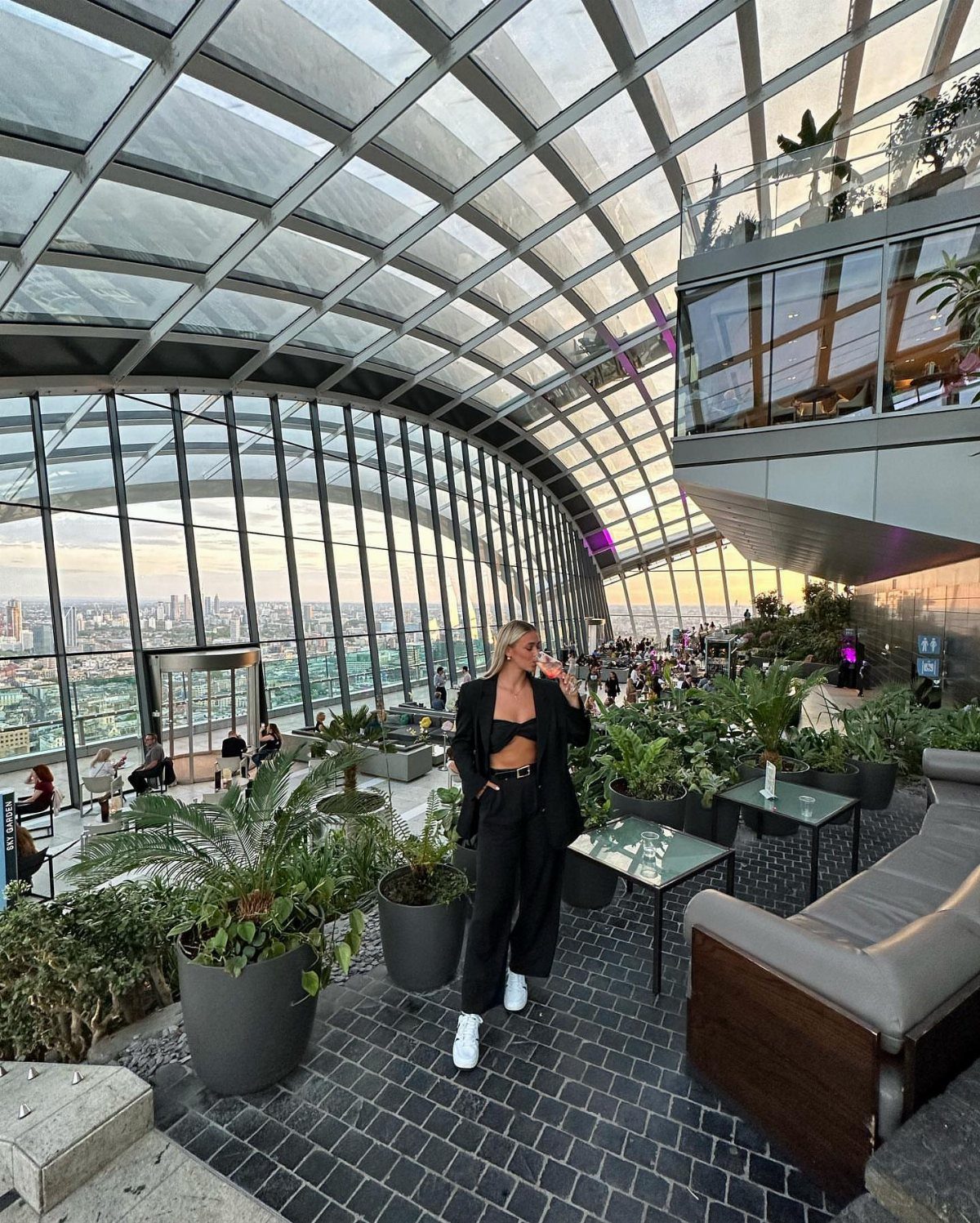
Plants, seating and a glass roof sit above the city here, and the skyline view is the reason to climb up. For a traveler on a budget, a garden with a panorama is a better deal than most paid viewpoints.
Book online ahead, since a walk-up plan can cost you the whole slot. Pick a clear day, because glass shows haze and rain streaks.
I’d leave enough time to sit down with a drink rather than just snap and leave. Check current entry terms before you build the budget.
9. Tower Bridge
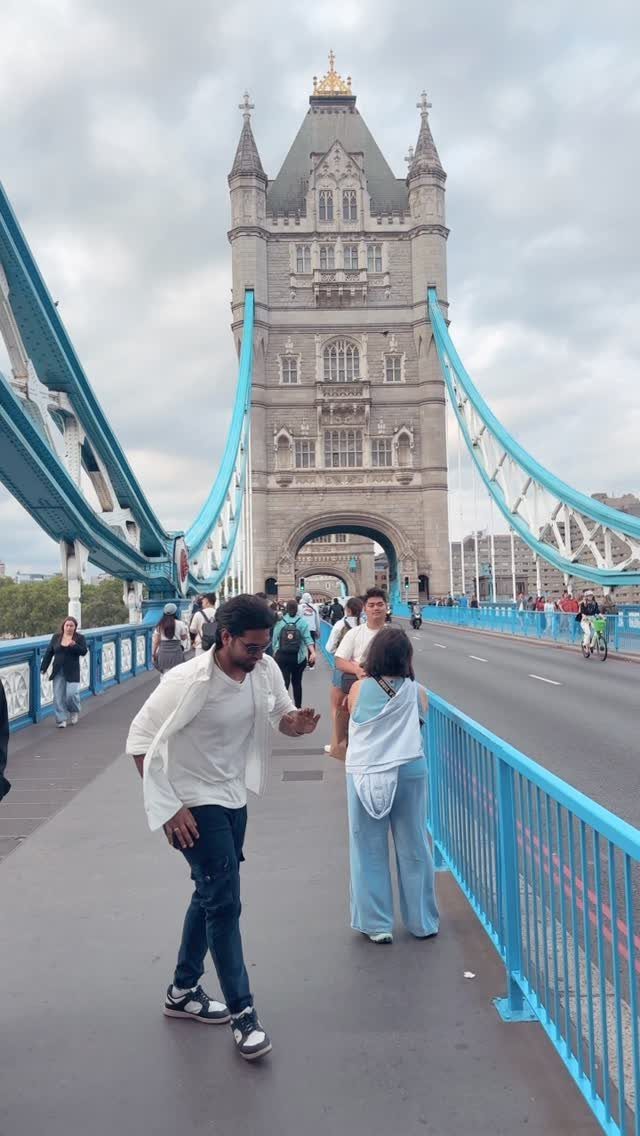
Walk across the pedestrian walkway rather than just photographing the bridge from the bank.
Cross early in the day if you can, because a crowded walkway slows you down.
Crossing Tower Bridge on the upper walkway or the road level costs nothing, but going inside the Tower Bridge Exhibition is a separate paid ticket, so check the current price before you plan.
10. BIG BEN
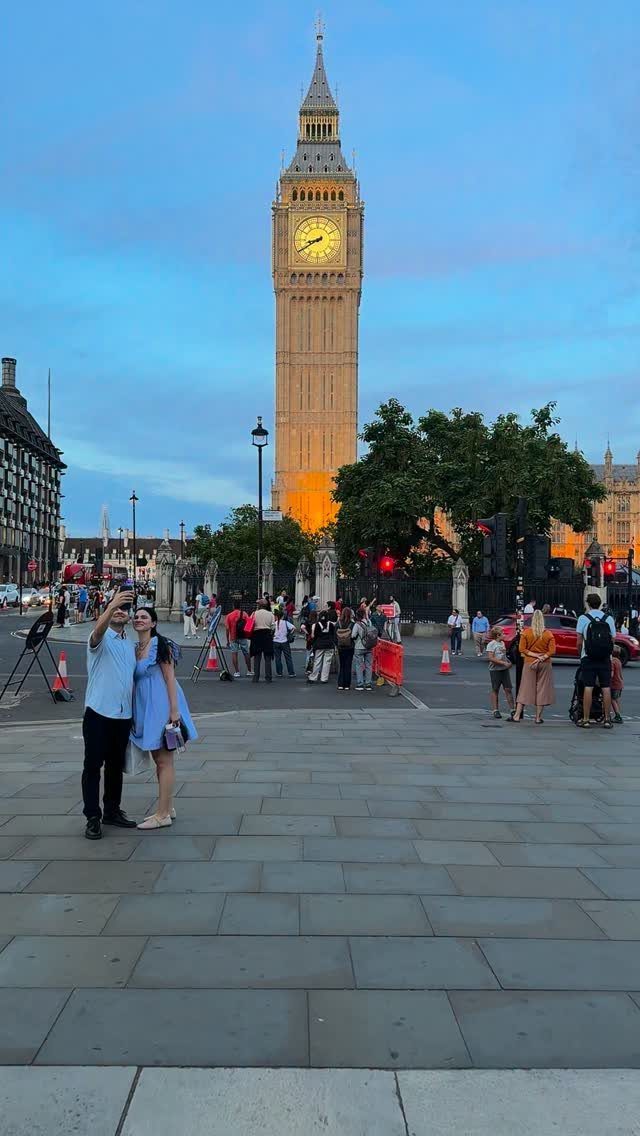
Big Ben pairs with the Palace of Westminster, so one stop covers two landmarks. The paved plaza across from the tower gives you room for a wide shot that fits the full clock tower, which a close crop can’t do.
Traffic runs right alongside, so watch your footing while you back up for a selfie. I’d keep this to a quick photo stop on a walking route, and the view from outside costs nothing.
11. Piccadilly Circus
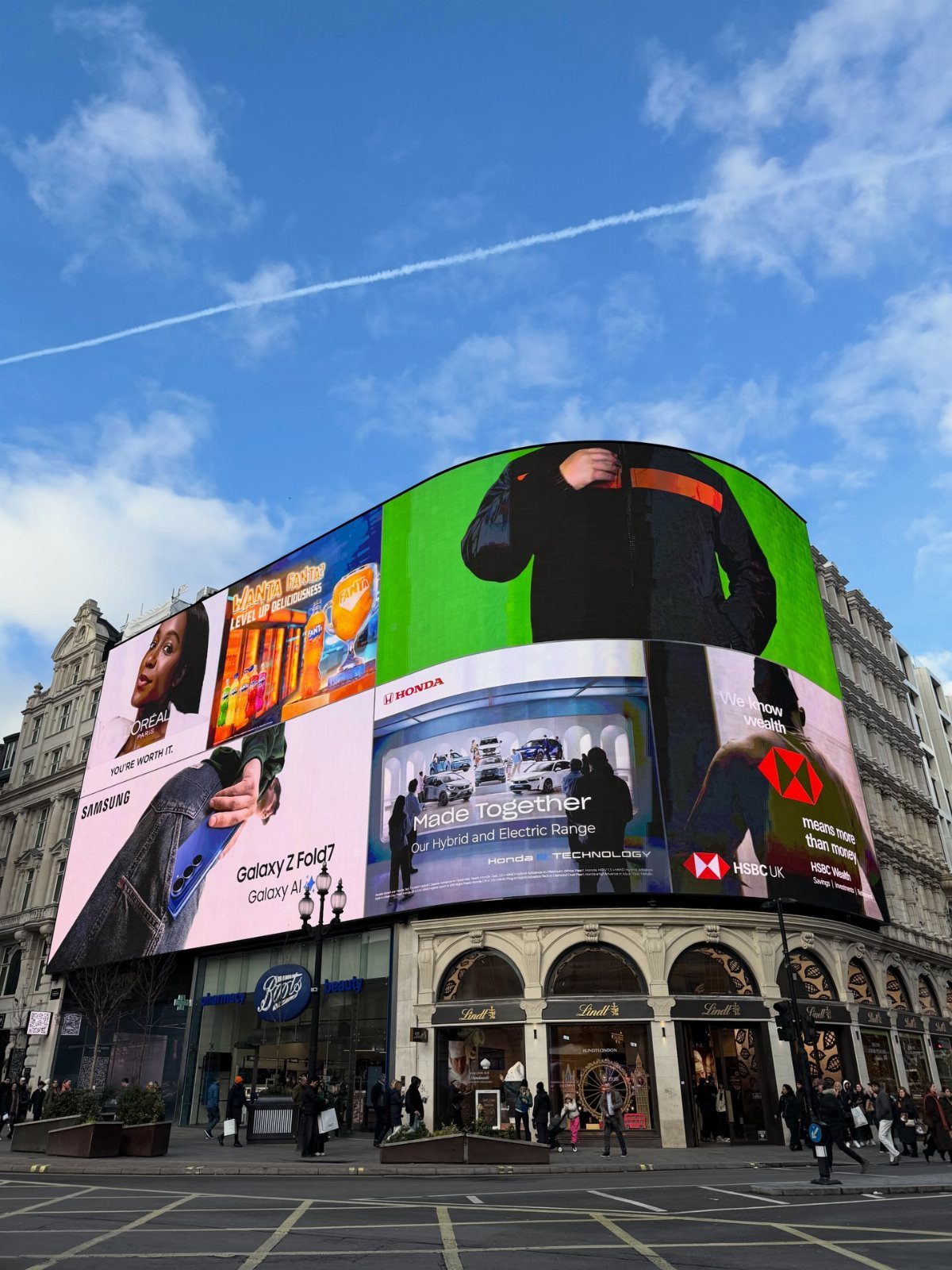
Piccadilly Circus is a curved digital billboard wrapped around a busy corner, and it runs ads for brands like Honda, Samsung and L’Oreal. Viewing it is free, which suits a tight budget.
Come after dark if you want the screens at full glow; daytime under blue sky works for photos but loses the punch. Shops like Boots and Lindt sit right on the street if you need a quick stop.
12. Theatre in the West End
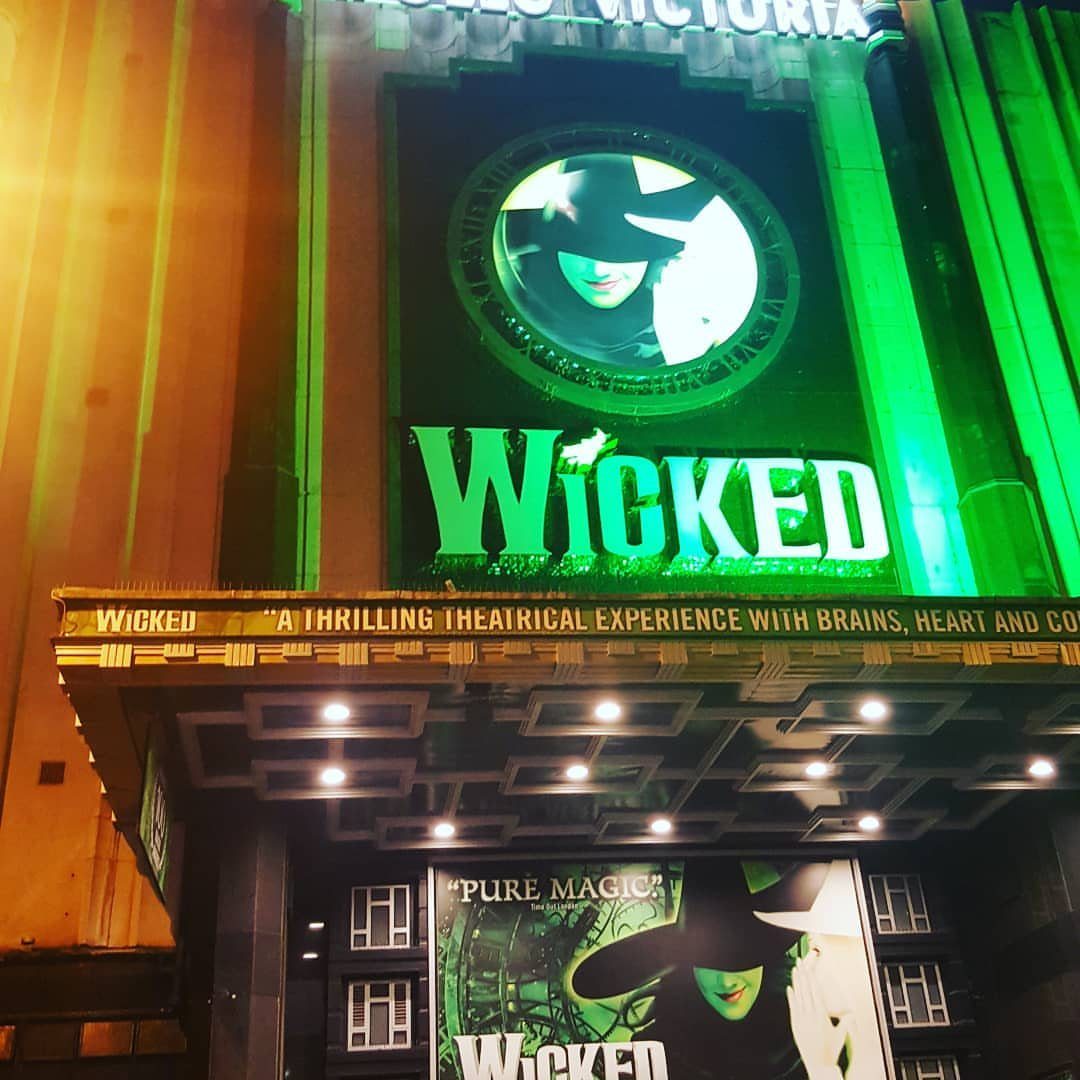
A West End show is the one splurge I’d defend on a short trip.
Book online ahead for the dates you want, because popular shows sell out.
Compare seat tiers first, since ticket prices vary widely and cheaper seats still give you the show. Go for an evening performance, when the lit signs look their best.
13. Camden Market
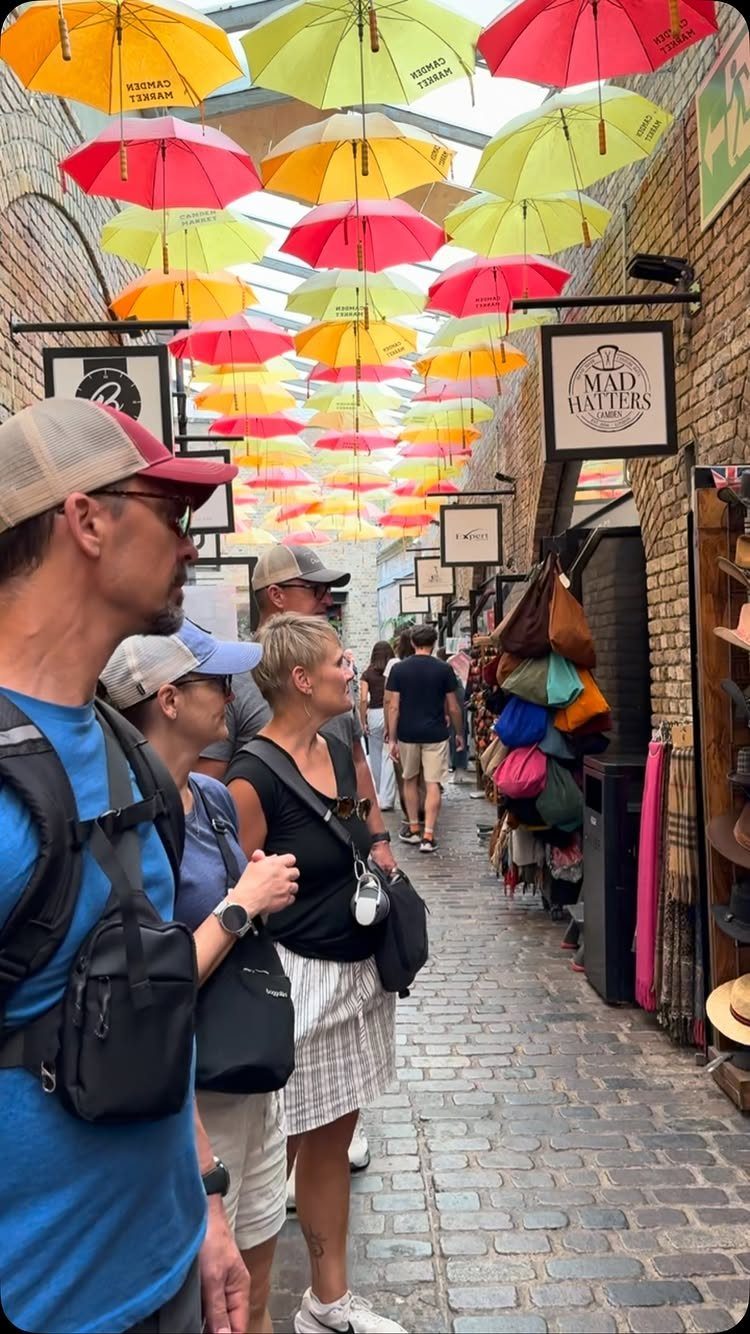
Camden Market runs over 1,000 traders across four interconnected zones, so choose one area to start with and let the rest wait. Vintage hunters should head for the clothing and hat stalls; everyone else can graze on food.
Cobblestone alleys under hanging umbrellas get packed, and a full loop takes longer than it looks. I’d arrive hungry, eat first, then shop with a clear head and a spending cap.
14. Notting Hill
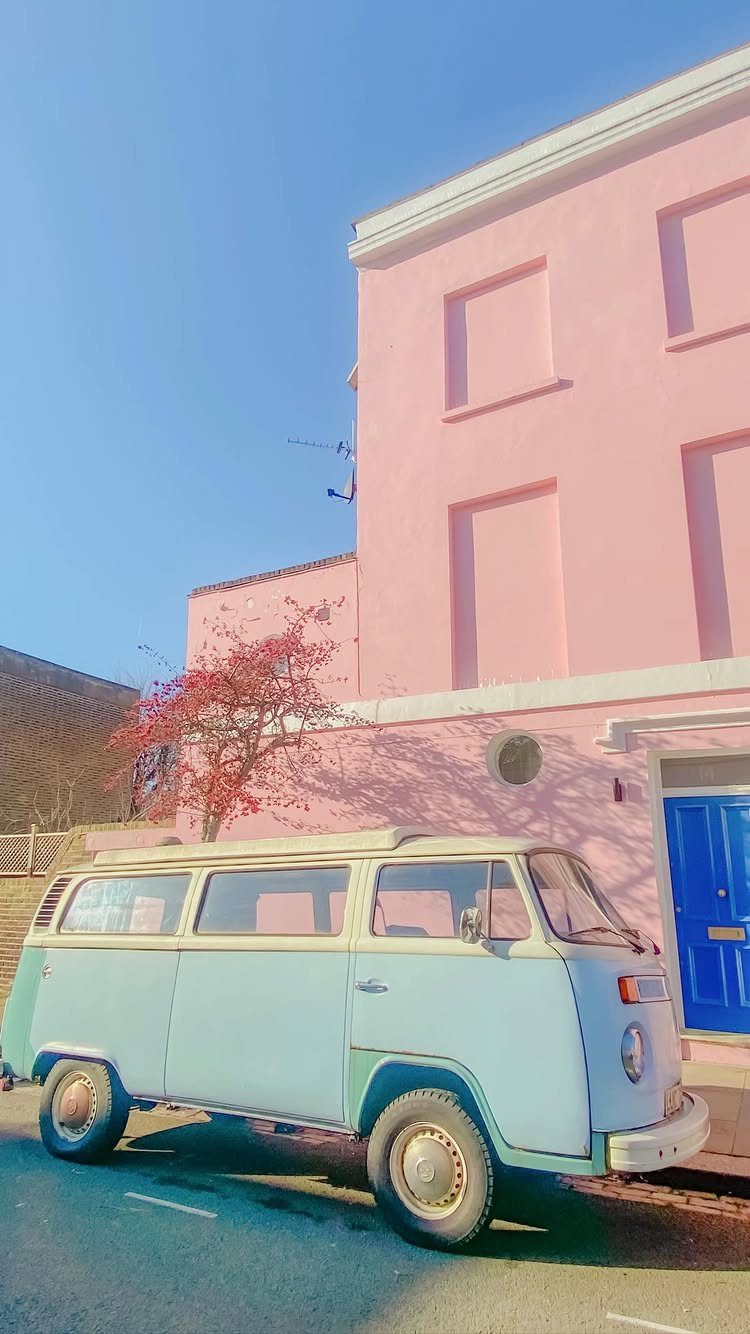
Notting Hill rewards a slow walk, not a checklist. Pastel houses with bright doors, like a pink facade with a blue door, are the whole draw, and strolling the side streets costs nothing.
Go early on a clear day, when the colors read best and the sidewalks are quiet. Pick a block, take your photos, and keep moving; these are people’s homes, so stay off the steps.
15. Shopping at Harrods
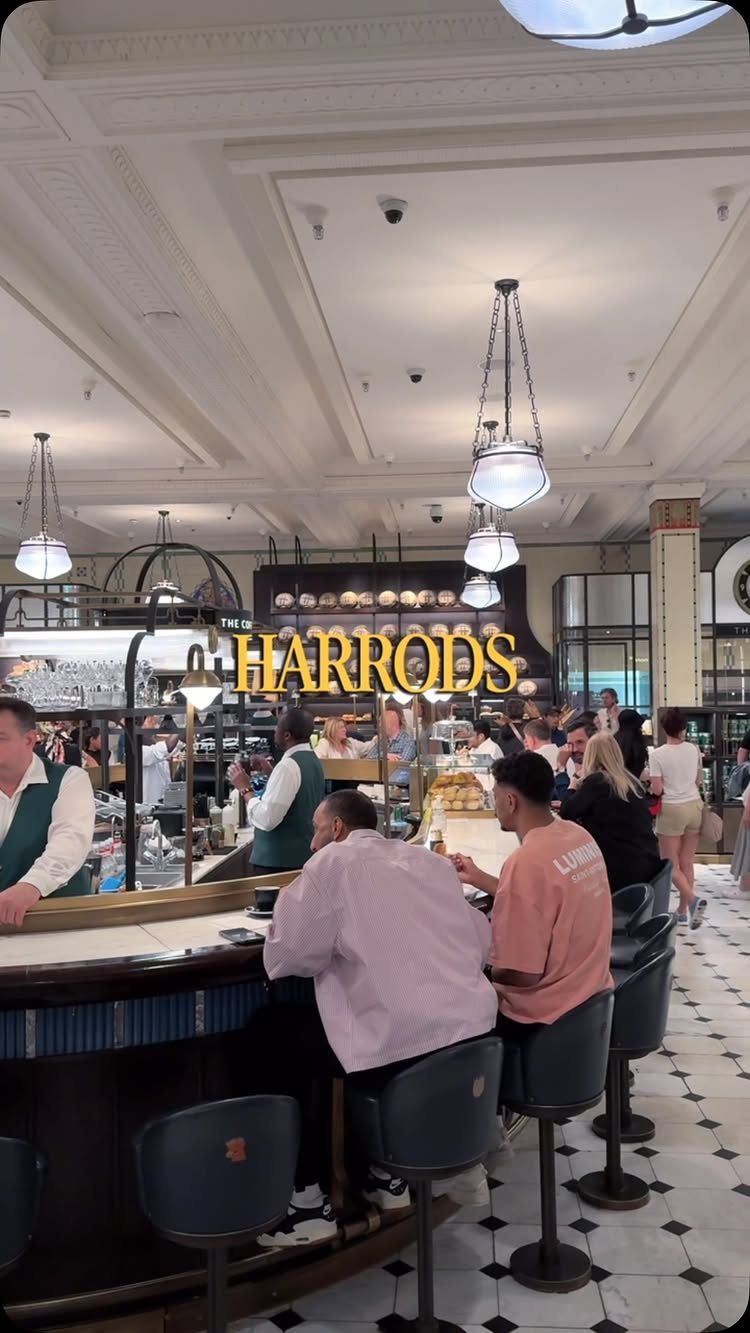
Harrods works best as a food stop, not a shopping trip. The food hall has counters with stools where you can sit, eat and drink, and that is a cheaper way into the building than buying anything luxury.
Browsing is free, so treat it as a look-around with one snack. Prices run high, so check menus before you order, and leave the clothing floors for a bigger budget.
16. Historic Pub
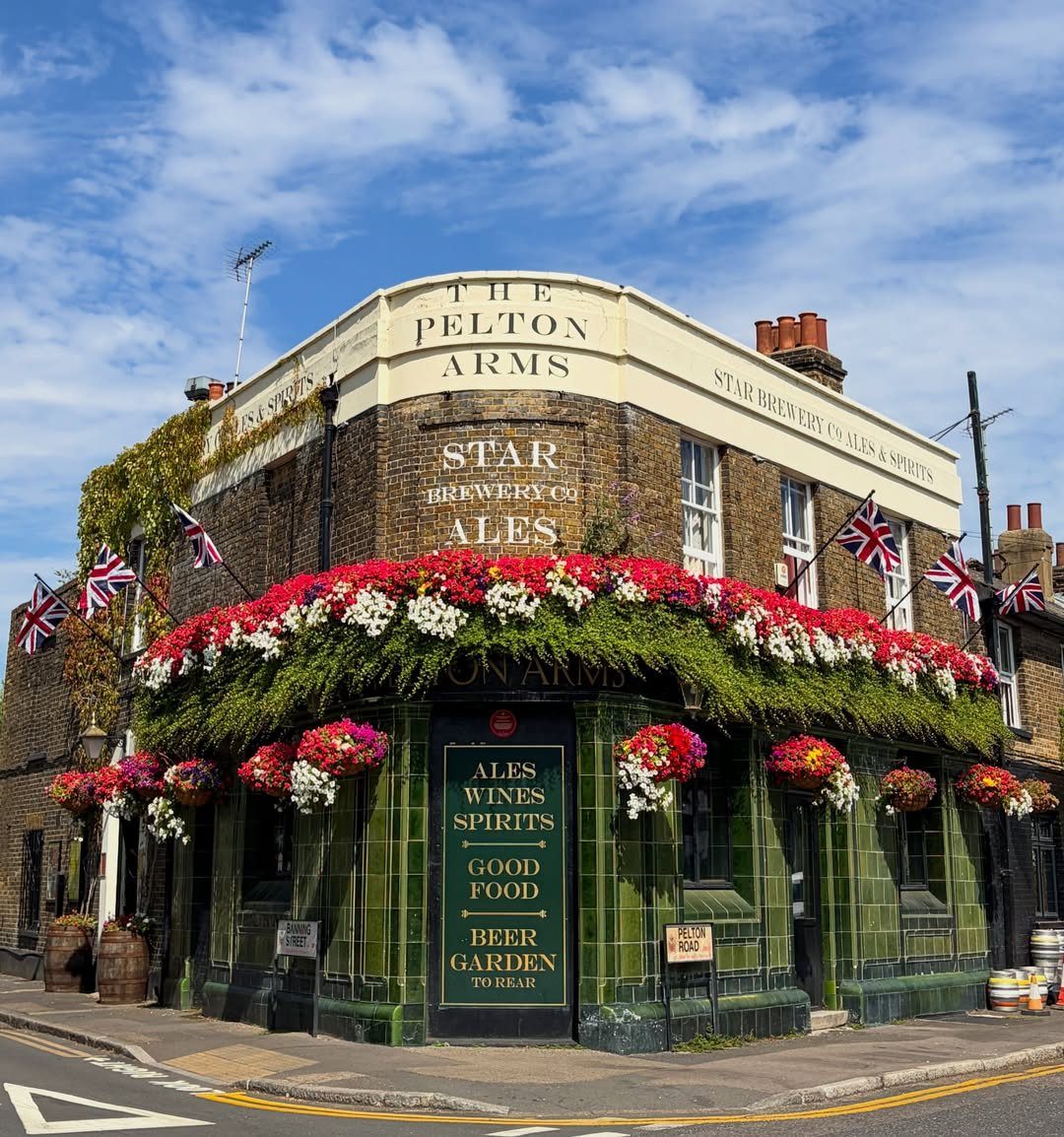
A pub with a beer garden to the rear, like The Pelton Arms, is the version I’d pick: green tile outside, flowers hanging by the door, and a back patio for a dry afternoon.
Order at the bar, since table service is rare, and try a local ale from the brewery named on the sign.
A pint and a seat make one of the cheapest sit-downs in the city. Look at the forecast first, since a pub garden only works when it isn’t raining.
17. Kew Gardens
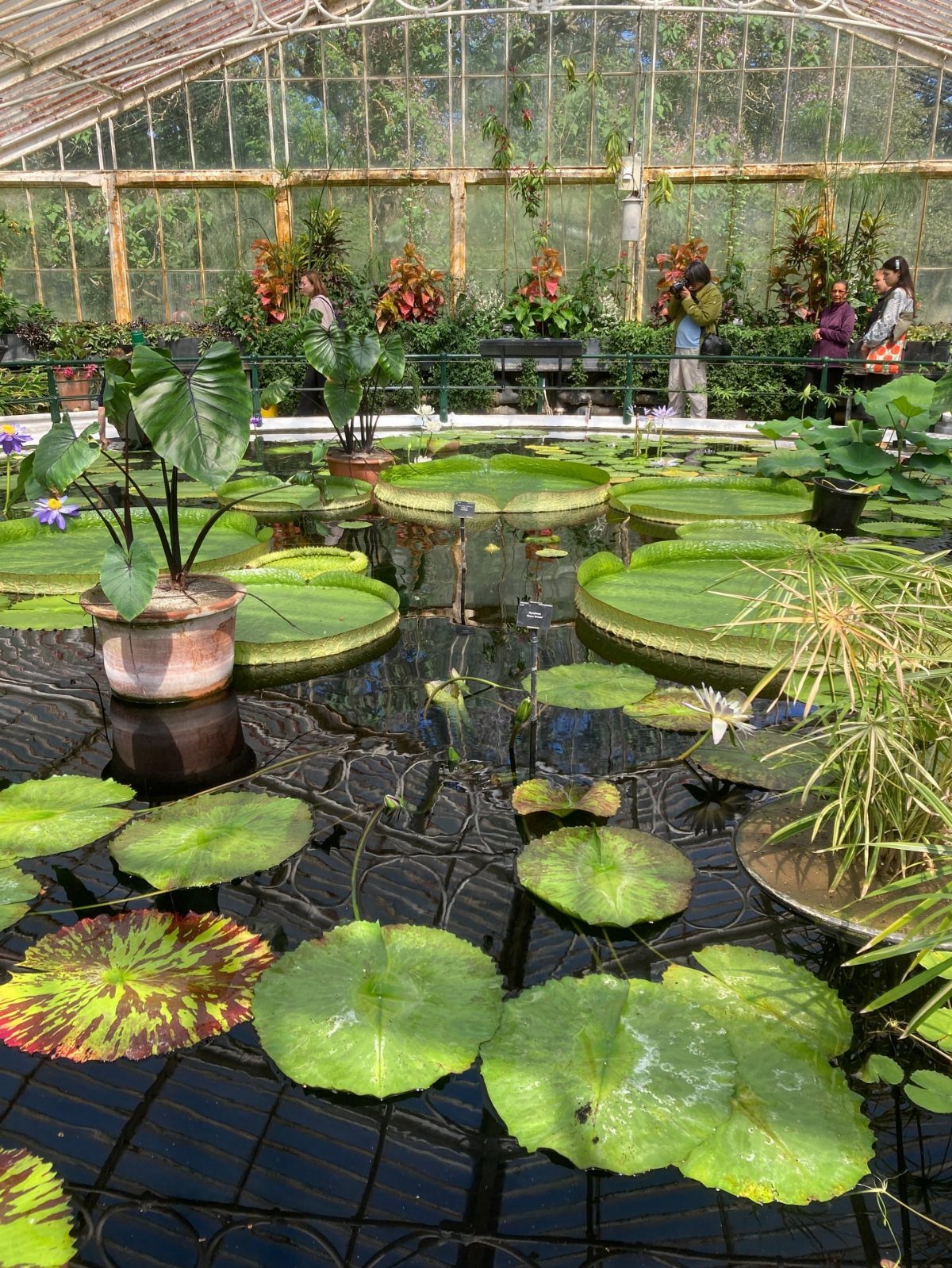
Start in the glass conservatory with the giant water lilies, because it is the stop that justifies the trip. Warm, humid air and a pond of huge lily pads make it a good pick for a rainy day.
Dress in layers, since the greenhouse heat is a jump from outdoors. Kew is big, so give it a half day at least.
18. St. Paul’s Cathedral
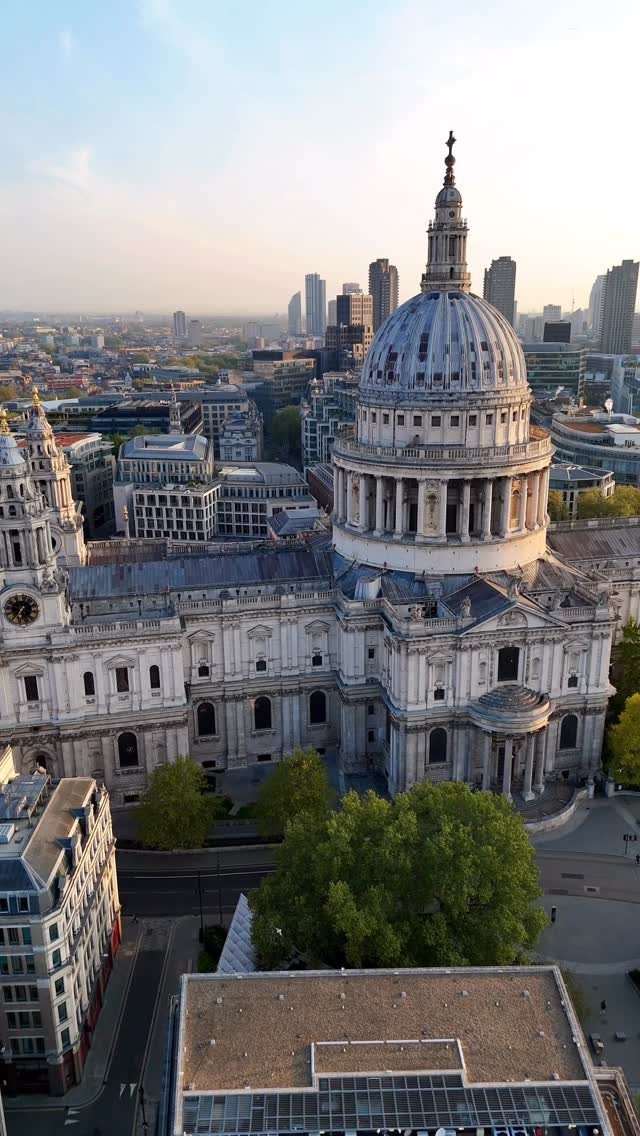
St. Paul’s dome is the reason to put this on a short list, and it shows from across the skyline, so you can see it for free and then decide whether the interior is worth a ticket.
I’d see the outside from a distance first, then choose. A clear day matters if you want the dome against open sky.
19. The Shard
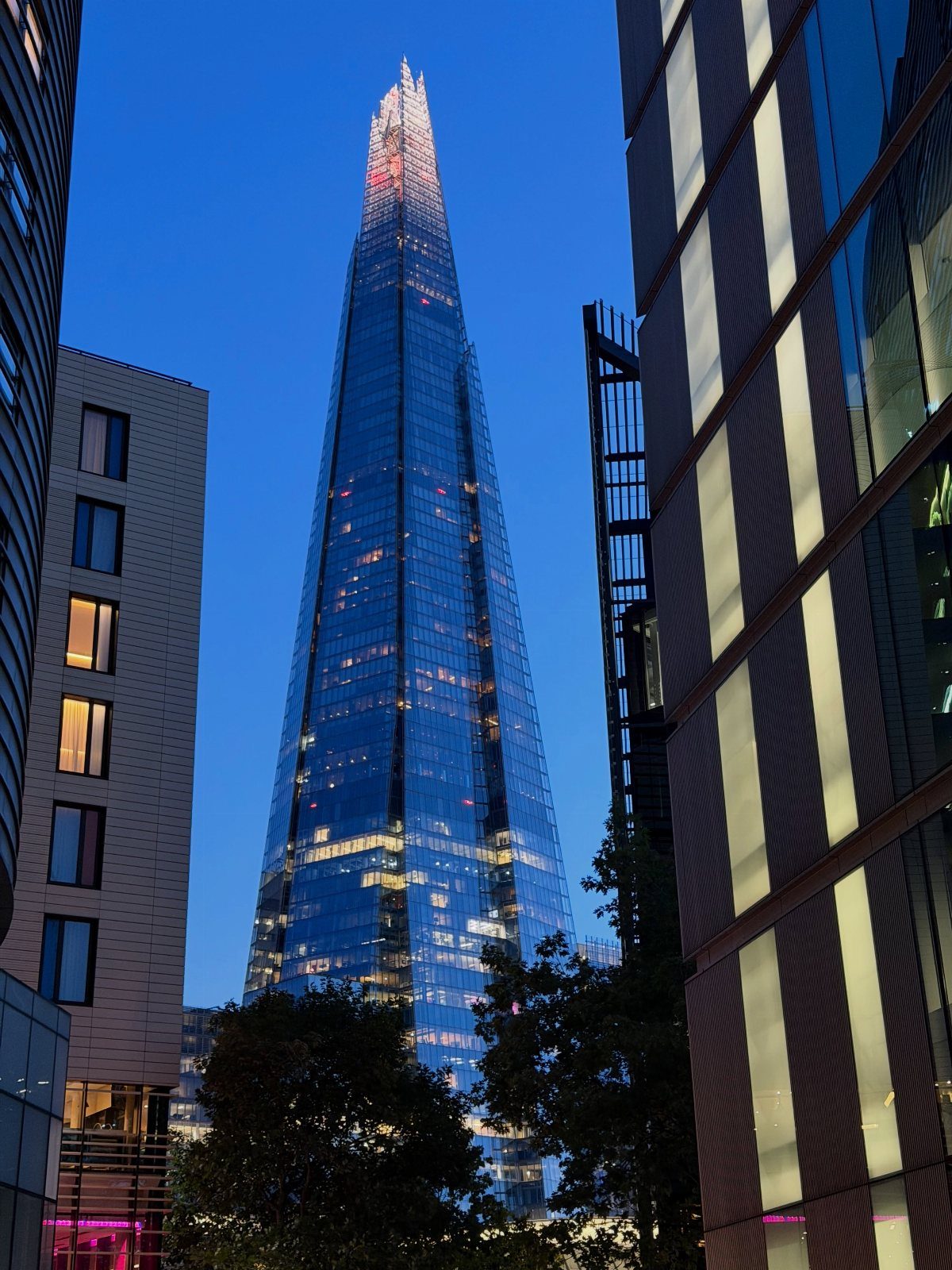
The Shard is the tallest building in the UK, and its observation decks are the reason to go up instead of just looking at it from the street.
The Shard’s glass tip is easy to see from street level around dusk, and looking up at it from the ground costs nothing.
I’d take that photo first, then decide whether a ticket is worth the money on a tight budget.
20. National Gallery
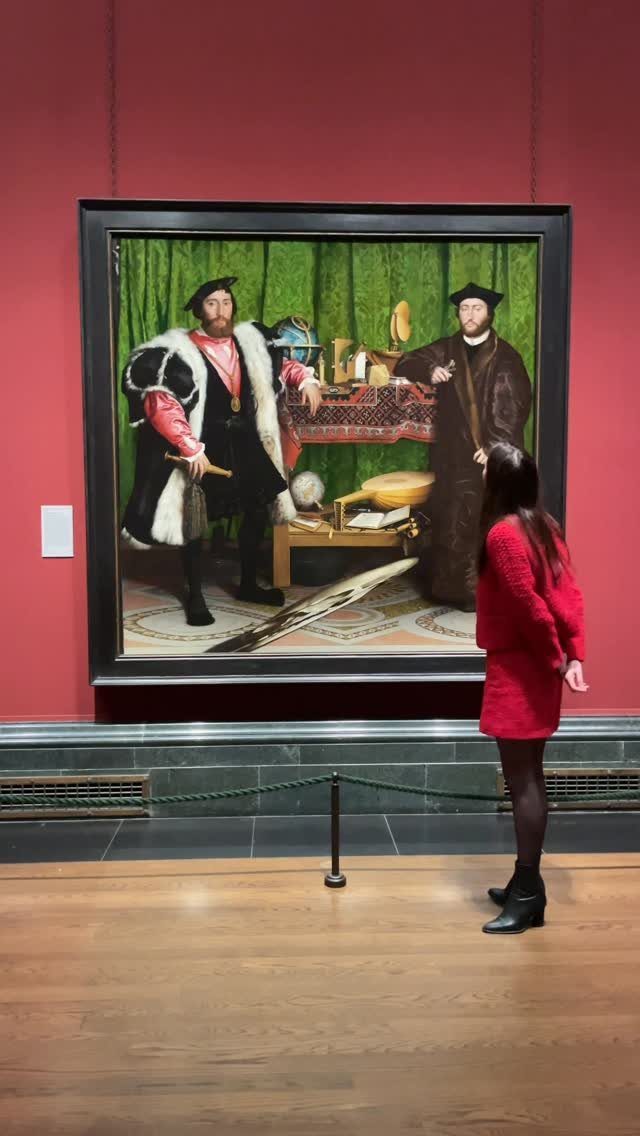
Holbein’s double portrait of two men, The Ambassadors, is hung large enough that you can stand back and take in the whole canvas at once. Give it a few quiet minutes instead of a quick glance.
I’d pick one or two paintings and spend real time with them, since a full pass through the galleries eats an afternoon.
21. Churchill War Rooms
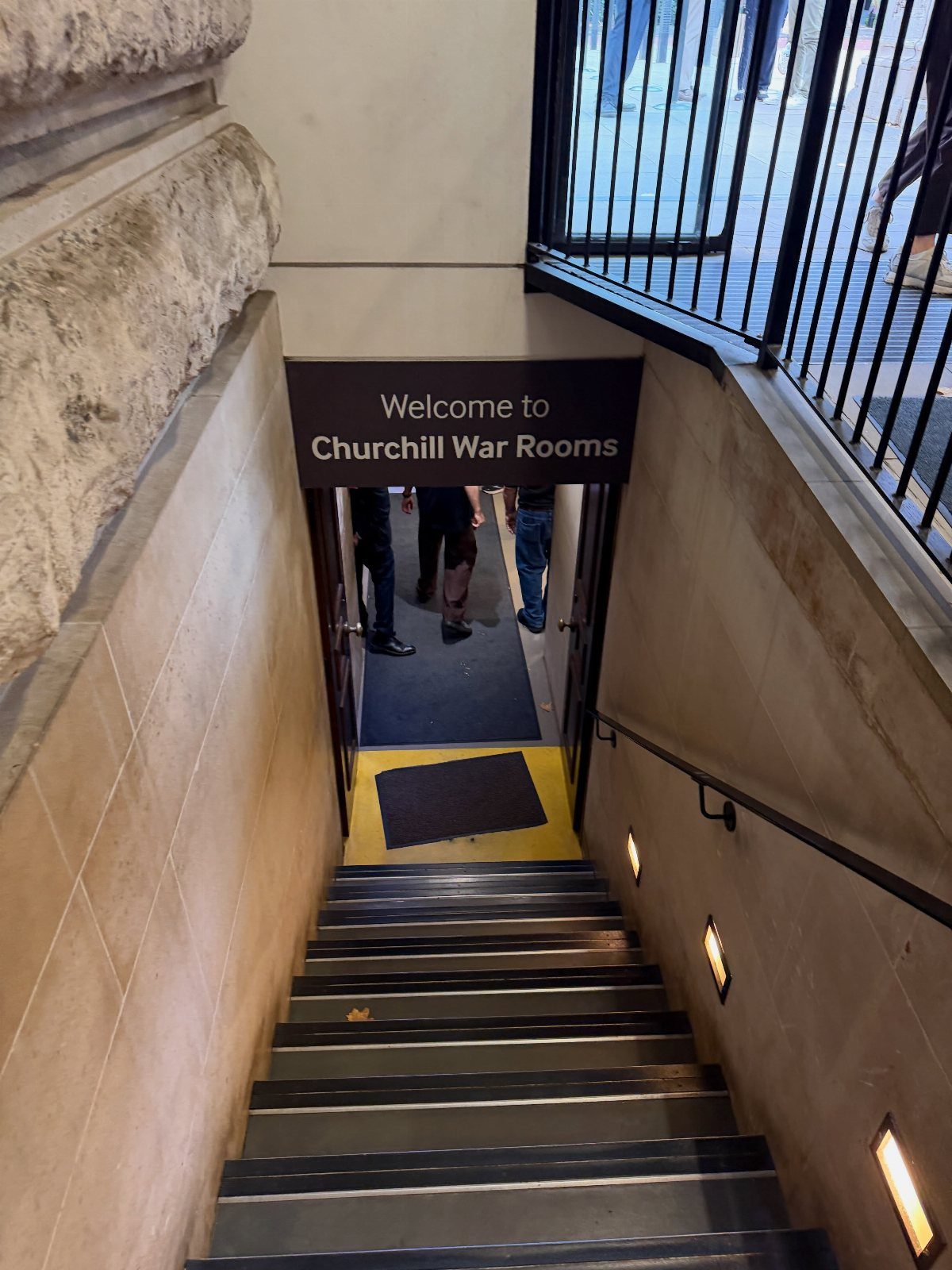
A short flight of stairs leads down to the entrance, and the descent is the right mood-setter: this museum is about Winston Churchill’s WWII efforts.
It suits a traveler who likes history with a clear focus, not a sprawling gallery.
Allow a couple of hours and book online ahead so you aren’t stuck in a walk-up line. Prices change, so confirm the current rate on the official site when you book.
22. Little Venice
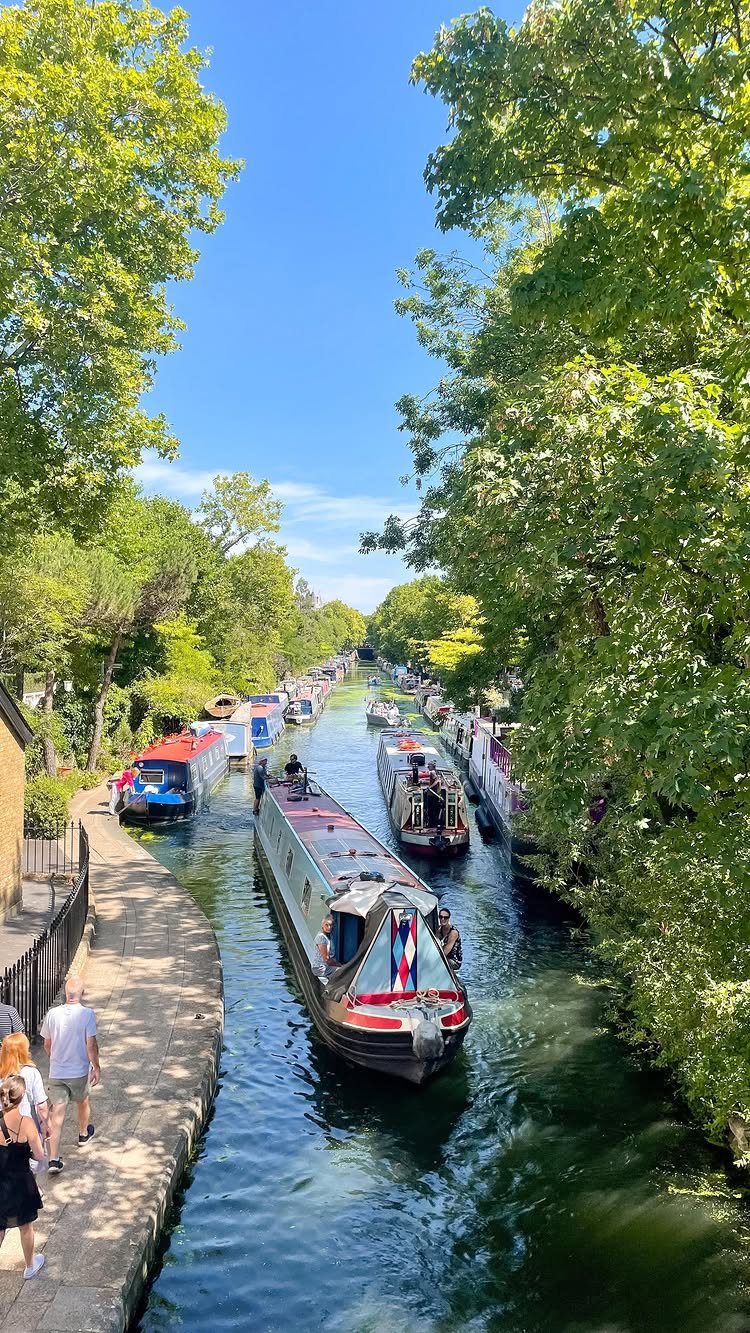
Narrowboats lined up on a tree-shaded canal make Little Venice the calmest stop on this list, and walking the paved bank costs nothing.
Go on a dry day, when the green overhead and the boat colors look best.
I’d treat it as an easy stroll between bigger sights, not a full-day plan. Wear flat shoes, since you’ll spend the time on your feet along the water.
23. Sir John Soane Museum
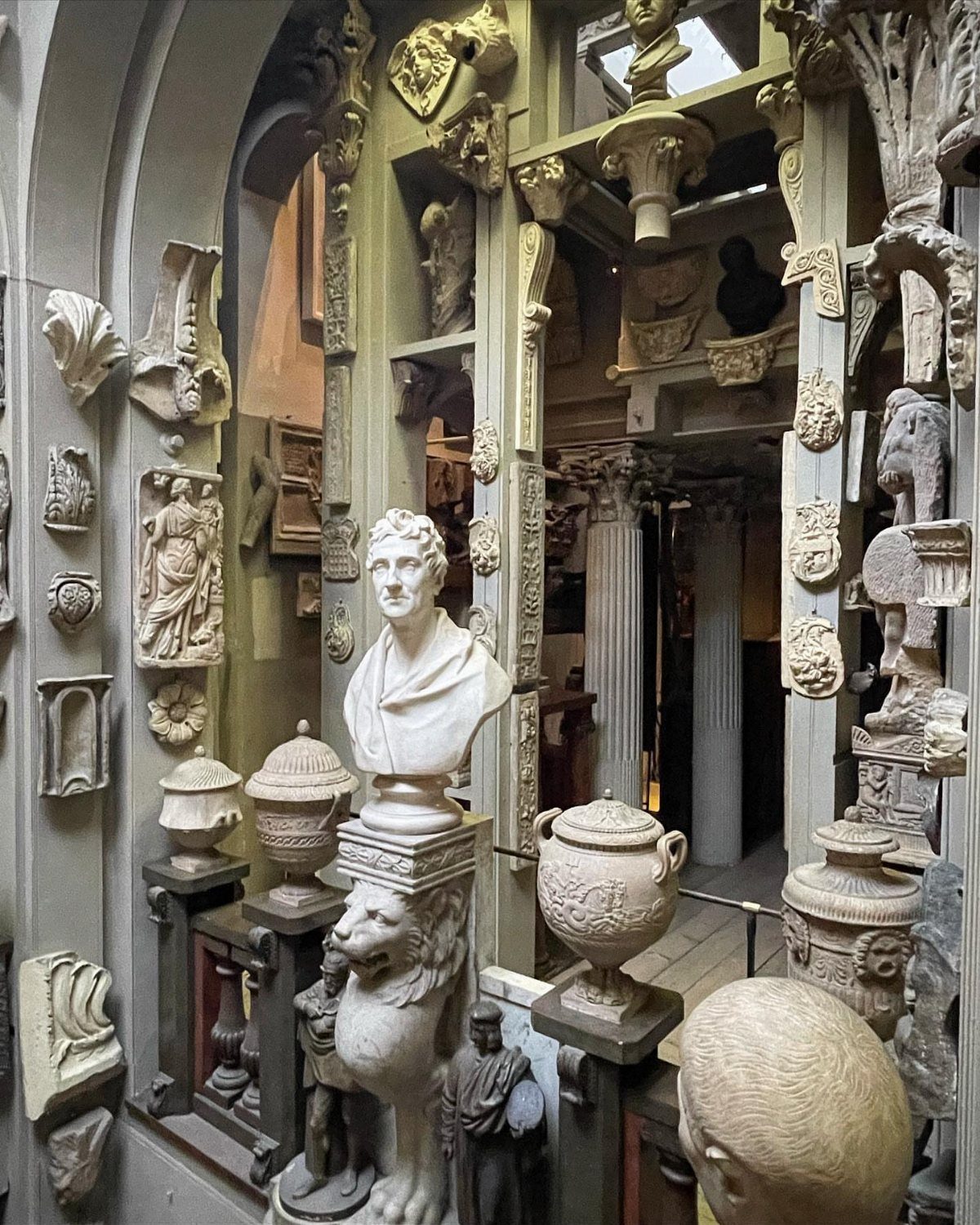
Slow down and look up as well as straight ahead.
The museum is dedicated to the architect John Soane, so it rewards people who like design more than people who want a quick photo.
Confirm entry terms and opening hours ahead of time, and keep bags small, since the space is crowded.
24. Natural History Museum
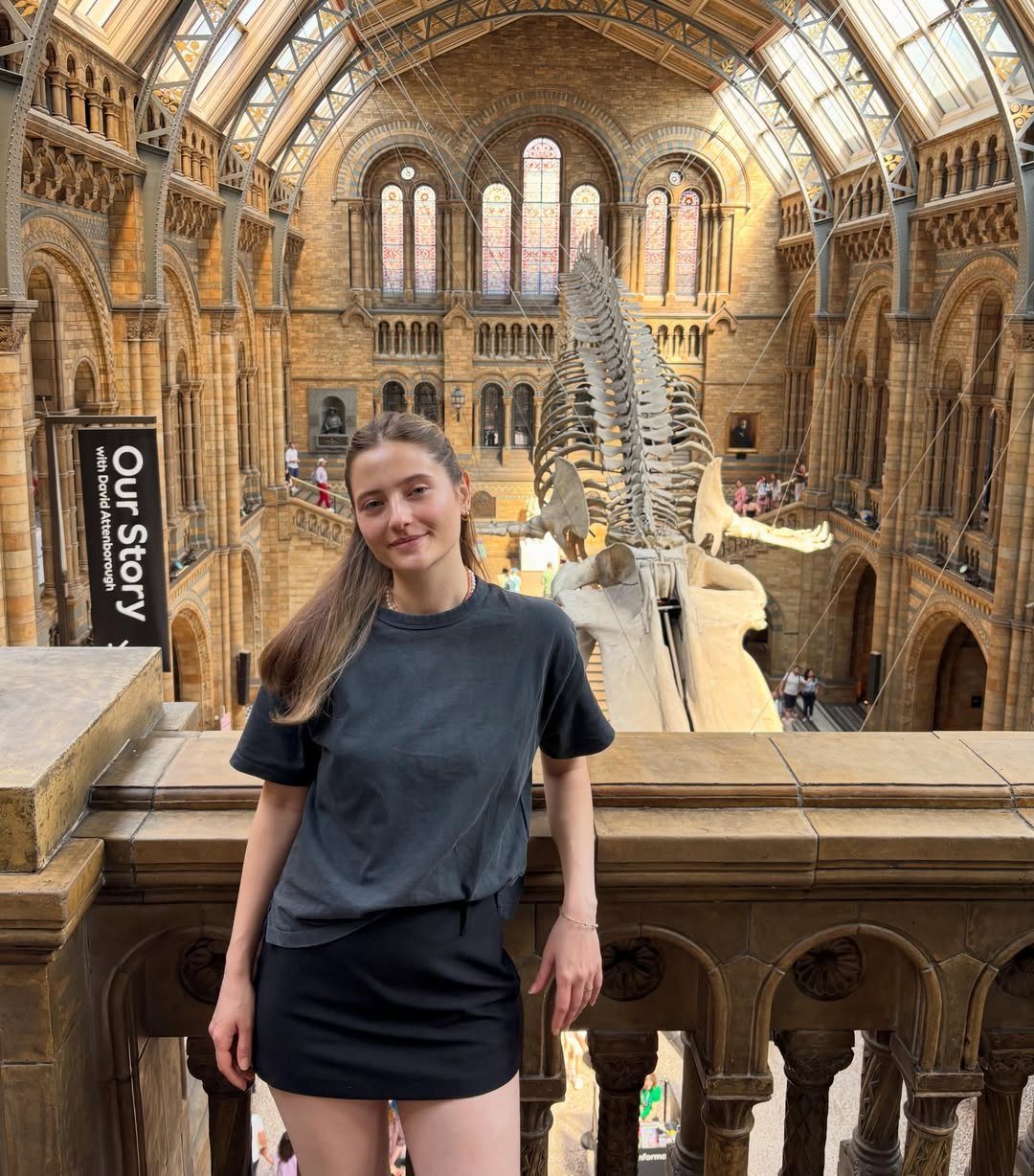
A dinosaur skeleton in a grand hall is the shot everyone wants here, and the scale is why it works. Stand back far enough to fit the whole frame.
Arrive early, before the hall fills, so you can pose without strangers in the background. I’d pair it with a weekday visit if your schedule allows.
25. Tate Britain
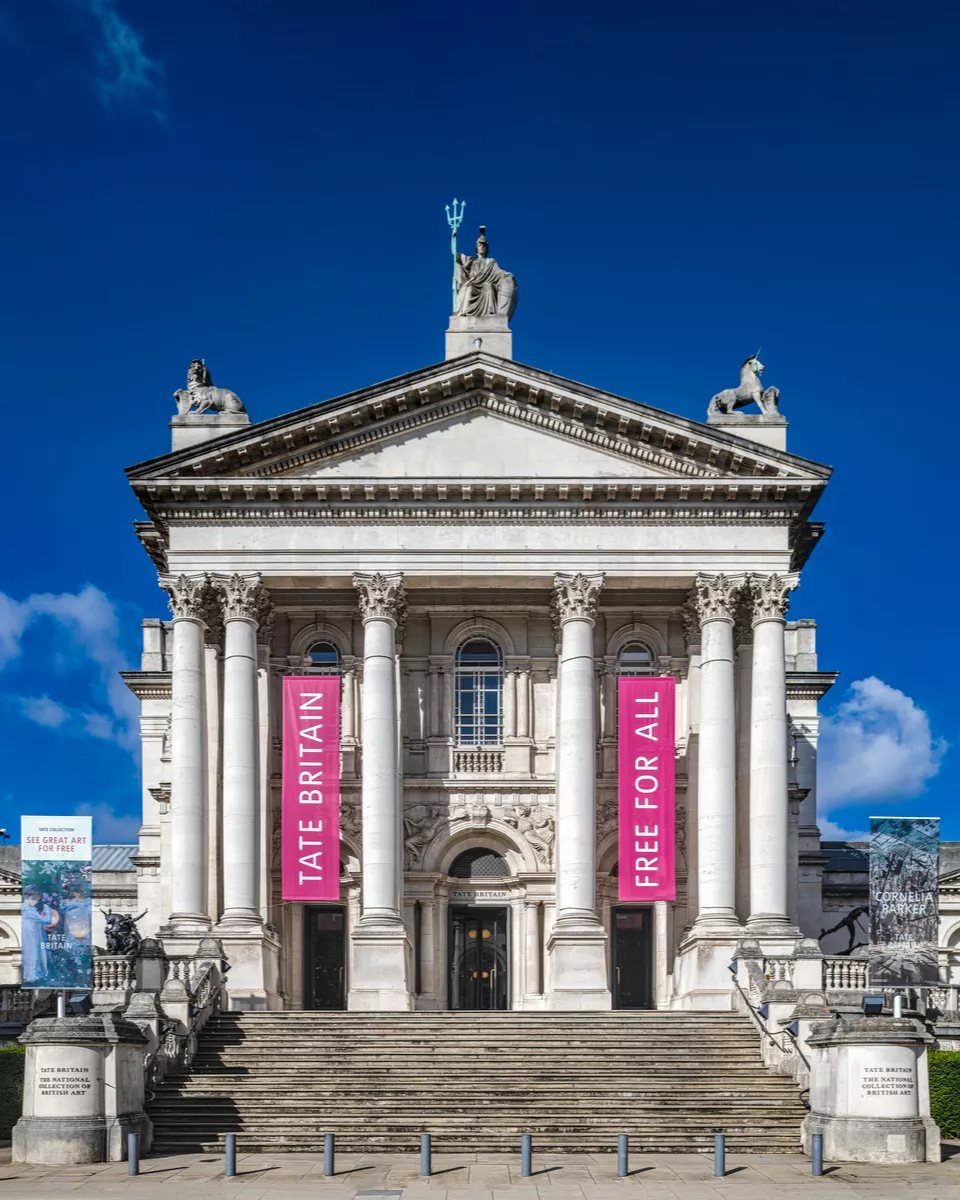
Pink banners across the columns read "FREE FOR ALL," and that line decides this stop for a traveler watching the budget. Walking in costs nothing.
I’d treat it as a one-room-at-a-time visit and pick a single gallery of British art rather than trying to see everything. Cloudless days show off the white columns and steps best for a photo from the street.
26. Museum of London
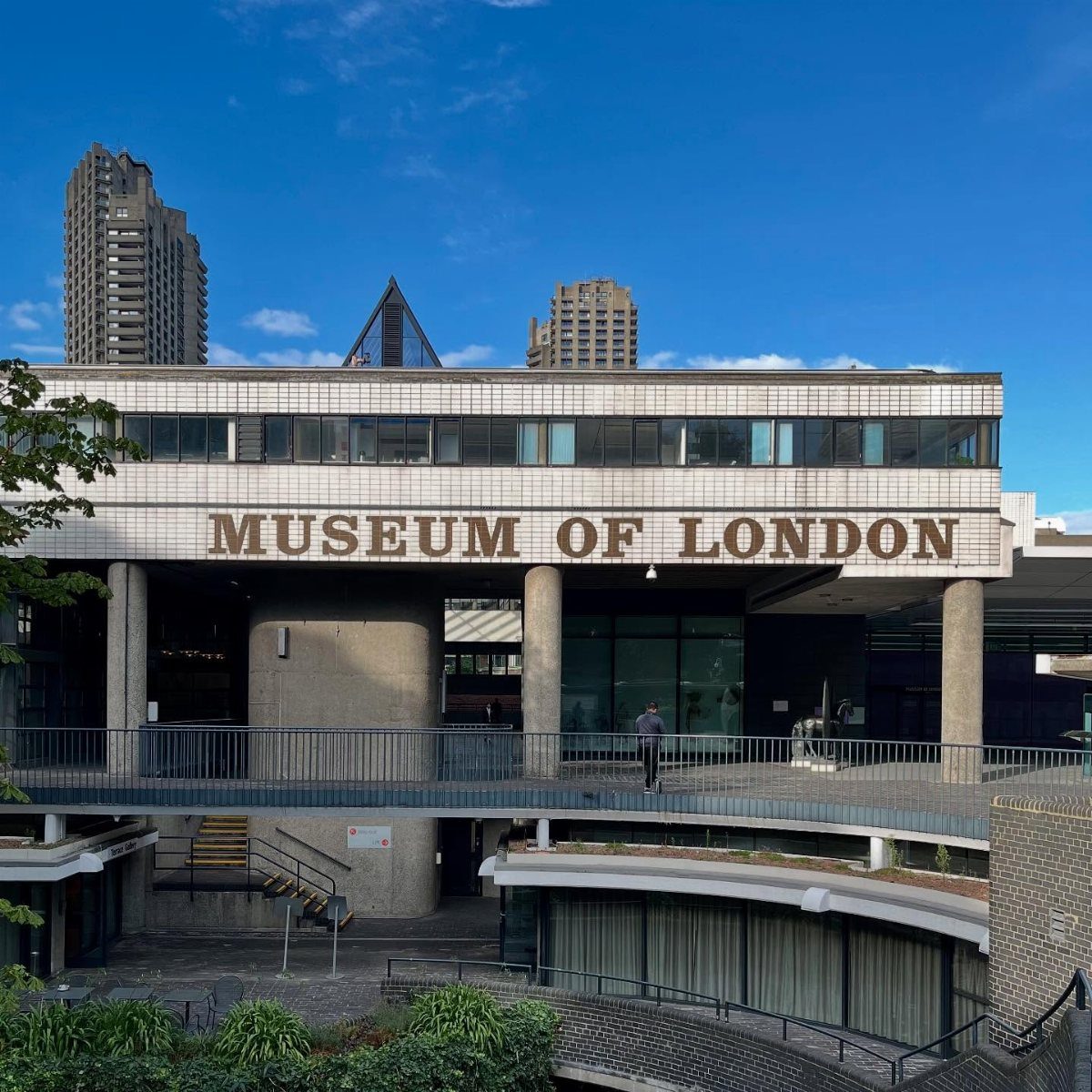
Stand back on the walkway to fit the sign and the high-rises together.
I’d keep this to a short stop between bigger sights. Check current entry terms and opening hours before you go, since I can’t promise what they are today.
27. Tower of London
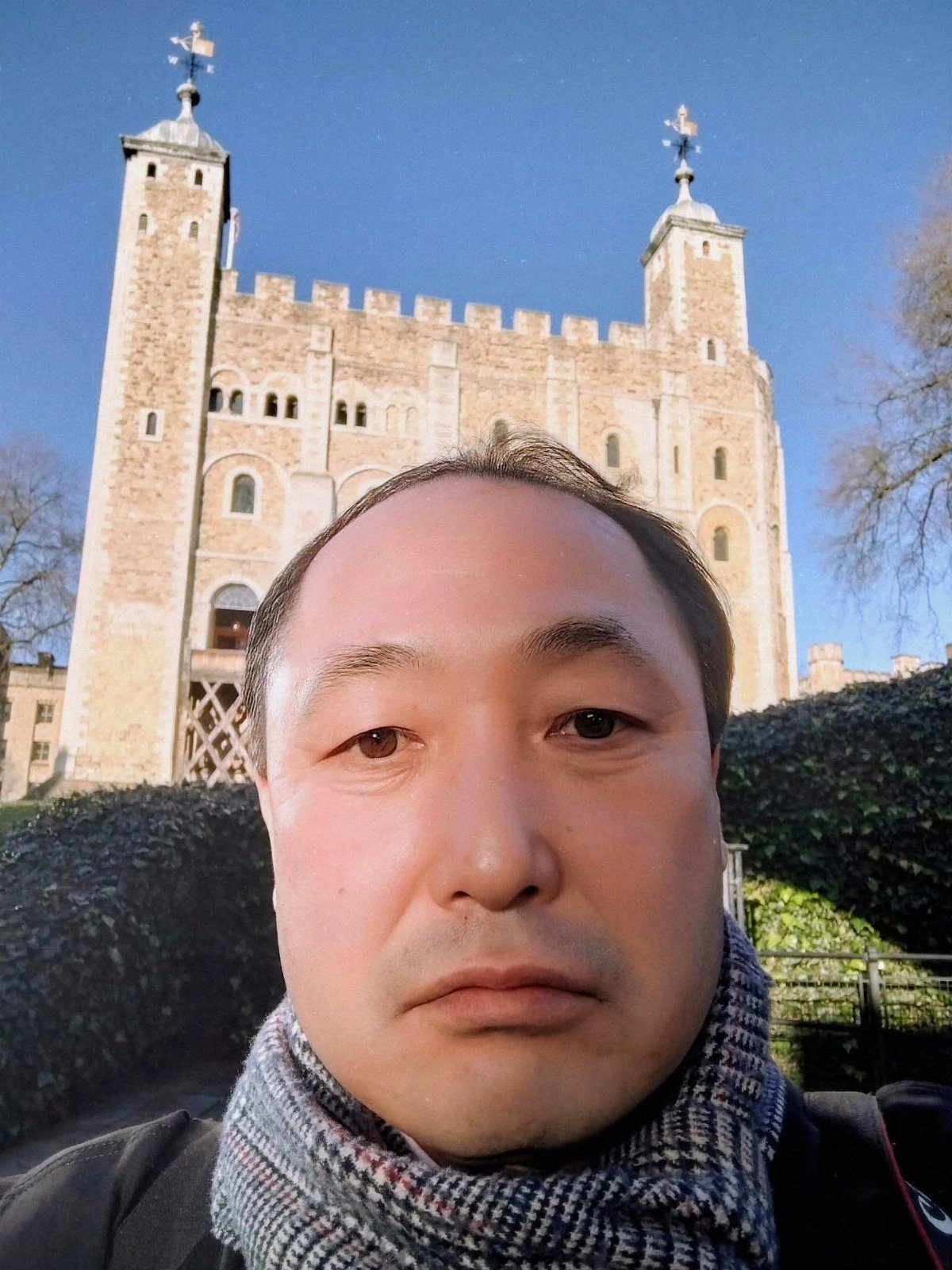
Selfie angle decides this one: hold the phone low and tilt up so the White Tower fills the space behind you instead of a sliver of sky.
Clear weather helps the pale stone of the White Tower show its detail, so check the forecast and aim for a dry morning if your dates are flexible.
Wear a scarf if the weather is cool, since you’ll spend time standing outdoors. Entry costs money, so decide ahead whether you want inside or only the exterior, and book online if you go in.
28. Grant Museum of Zoology
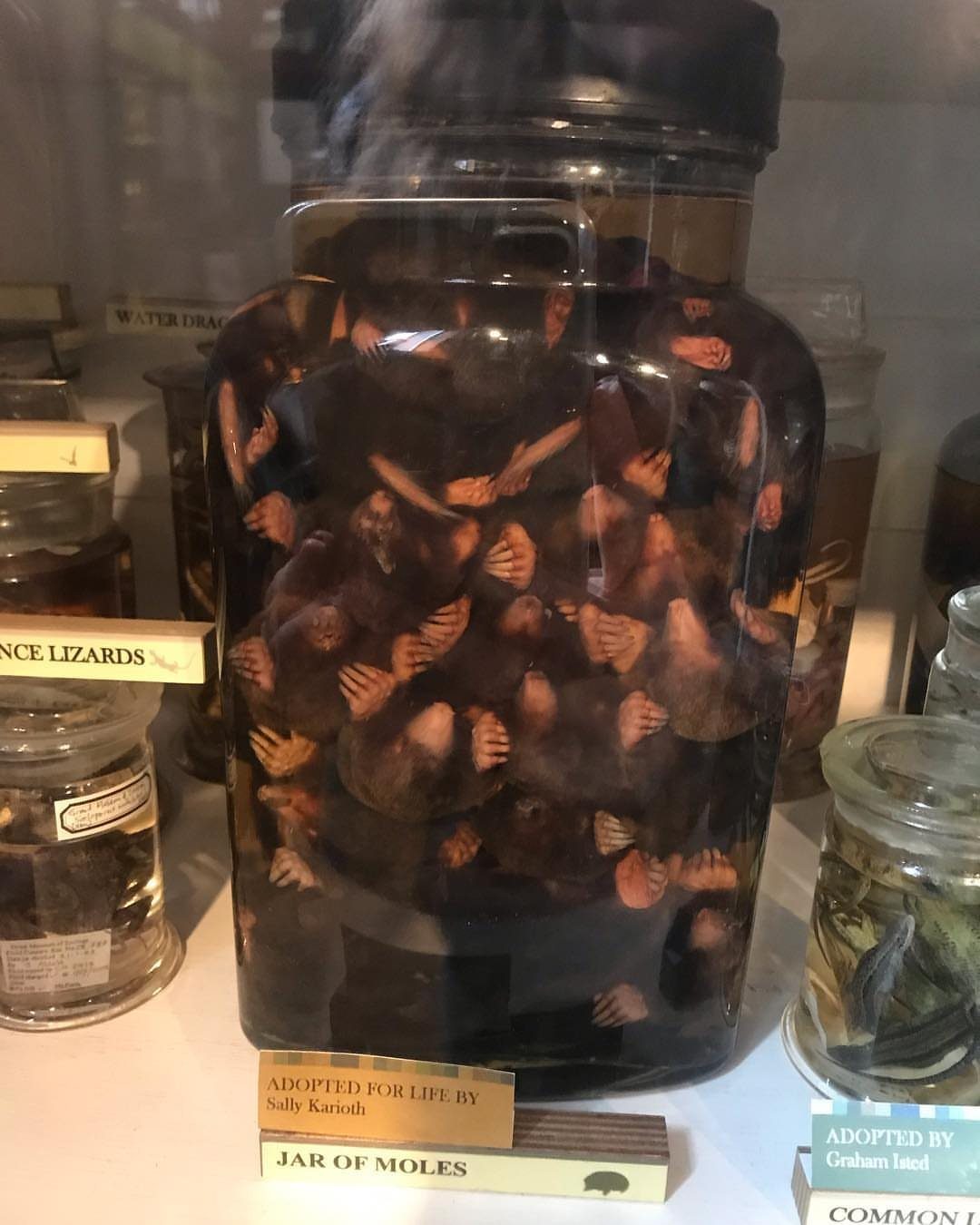
A jar of preserved moles with a label reading "JAR OF MOLES" is the sort of oddity that makes this museum worth a short detour. Specimens crowd the shelves, so you look closely at each one instead of walking past.
I’d pick it for a rainy hour or a curious traveler, not for a big-name checklist. Look at the labels too: some jars carry an "ADOPTED FOR LIFE BY" line with a name.
Check the current opening hours and any booking rules on the university’s site, because a small collection like this can change its schedule with little notice.
Best Times to Visit London
London works in any month, so the real choice is which trade-off you prefer. April–May and September–October give you mild days and shorter lines, and in fall the leaves turn in Hyde Park and Regent’s Park.
June through August has daylight past 9 p.m. and warm weather, though it also brings the biggest crowds and the highest hotel rates. If you go in late August, plan for crowds and book timed entries early.
December is the month for lights on Regent Street and Oxford Street, plus Christmas markets, if you can handle short, gray days. If that is your draw, pick December and pack for cold.
Travel Tips for London
I would open the trip with a walk along the South Bank, heading east beside the Thames. Exit the Tube at Westminster, cross Westminster Bridge, and keep the river on your left as you follow the Queen’s Walk east.
Along the way, look across the water at the City skyscrapers.
An Oyster card keeps Tube rides simple. Book attractions ahead to skip lines.
If you plan to see several paid sights, price out a London Explorer Pass.
A sightseeing pass bundles several major attractions into one purchase, and it often costs less and saves time at the ticket line compared with buying each one separately.
Accommodation Recommendations
Pick your base by the kind of trip you want.
Covent Garden puts you steps from the West End theaters, the shops and a long list of restaurants.
It also has the Royal Opera House and street performers. South Bank has Thames views and sits near the Tate Modern and the London Eye.
Staying near Tower Bridge also works.
London is spread out, so choose the neighborhood that matches your budget and your top sights, then check Tube access before you book.
Frequently Asked Questions
What are the top things to visit in London?
For a first trip, I’d start with Buckingham Palace at sunset, the Tower of London, Westminster Abbey, Tower Bridge and Big Ben.
Many of these cost nothing from the outside, so you can photograph first and pay for interiors only where it’s worth it. Add Borough Market for food and a West End show for the one splurge.
What to see in London in 3 days?
Cluster the big landmarks early in the trip and save the last day for markets and museums, which are easier to enjoy when your feet are tired.
A South Bank walk makes a good first day: start at Westminster Bridge, pass Big Ben, and keep going toward the London Eye with the City skyline ahead.
Add the Tower of London and Tower Bridge, a food crawl at Borough Market, and an evening West End show. Tate Britain is free, and Kew Gardens needs at least a half day.
Is 200 pounds enough for 3 days in London?
It can stretch if you lean on the free stops, but it leaves little room for paid sights or a show. Buckingham Palace, Big Ben, Piccadilly Circus, Notting Hill, Little Venice and Tate Britain cost nothing to see.
Entry to the Tower of London, Westminster Abbey, the Shard and a West End show costs extra, so pick one or two and check current prices before you set the budget.
What food must I try in London?
Afternoon tea and a graze through Borough Market are the two I’d put first. Afternoon tea, with its tiered stand of sandwiches and pastries and a full pot, doubles as one real sit-down meal, so reserve well in advance.
Fish and chips with a pint at a pub is the classic cheap sit-down, and Brits put vinegar on the chips.





