The list runs from free habits like putting each item back in its spot at every stop to gear such as a portable tire inflator and a multi-tool, so the real question is how much of your trip depends on things going wrong.
Passengers with kids need the backseat organizer and the travel games; a solo driver needs the phone mount, the roadside emergency kit and the paper road map.
1. Snacks and Drinks
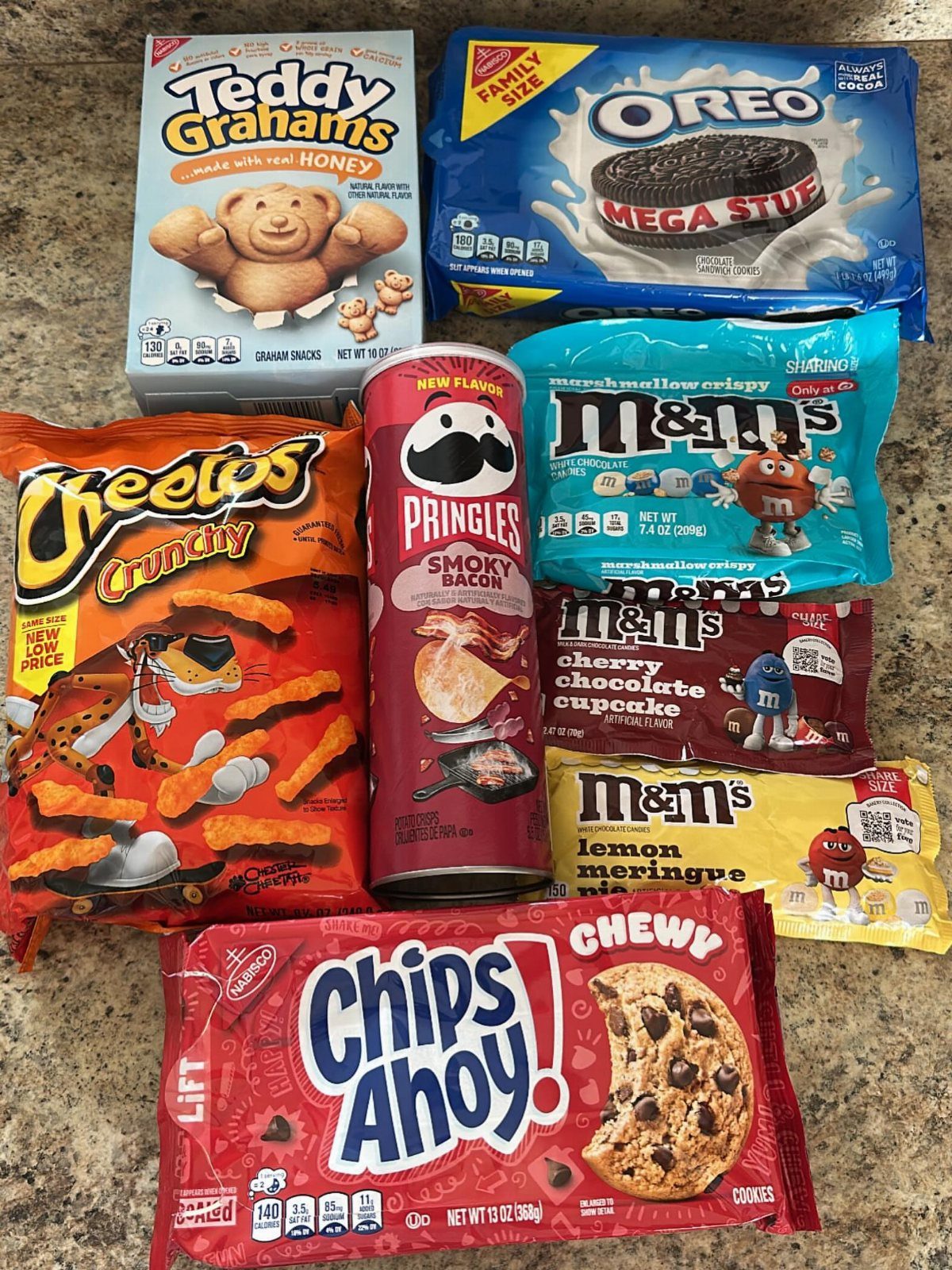
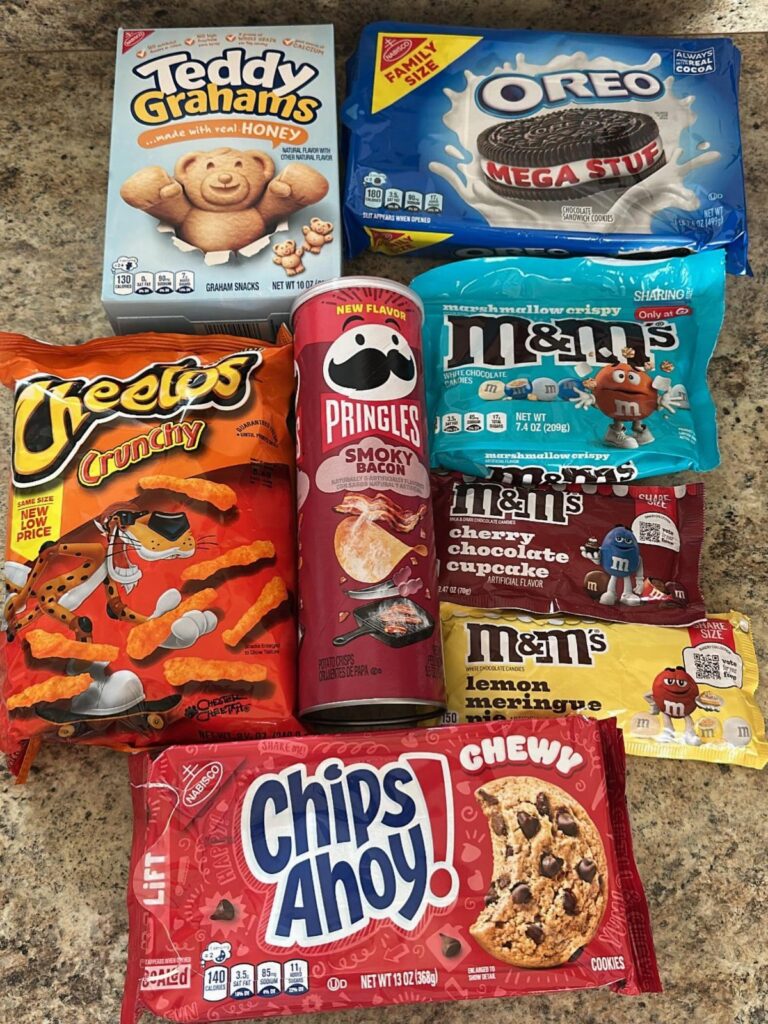
Cookies, chips and candy cover the salty-sweet craving, but a bag of only those leaves everyone thirsty and sluggish by hour three. I add water to the mix and pack at least one snack that isn’t sugar.
Individually packaged items beat open bags in a moving car. Crumbs stay contained, and a kid can grab one without a negotiation.
Fewer snack emergencies means fewer unplanned stops, which is the real payoff.
2. First Aid
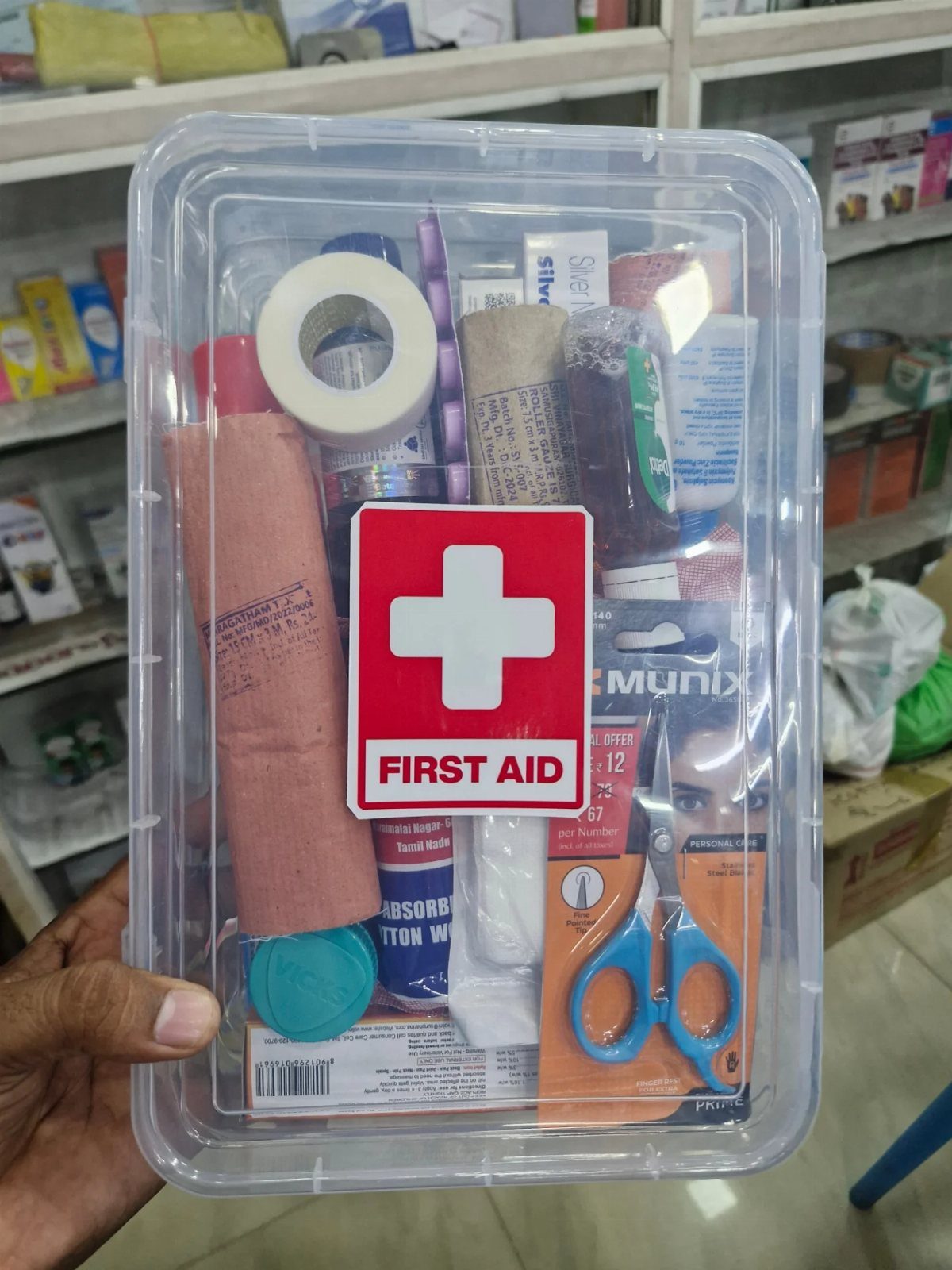
A clear box with a red cross on the lid wins over a zippered pouch, because you can see the scissors and bandages without dumping everything out. When someone is bleeding on a back seat, that matters.
Check the contents before you leave. Bandages, tape and scissors are the baseline; add any personal medications the kit lacks.
Keep it within reach of the cabin, not buried under luggage in the trunk.
3. Roadside Emergency Kit
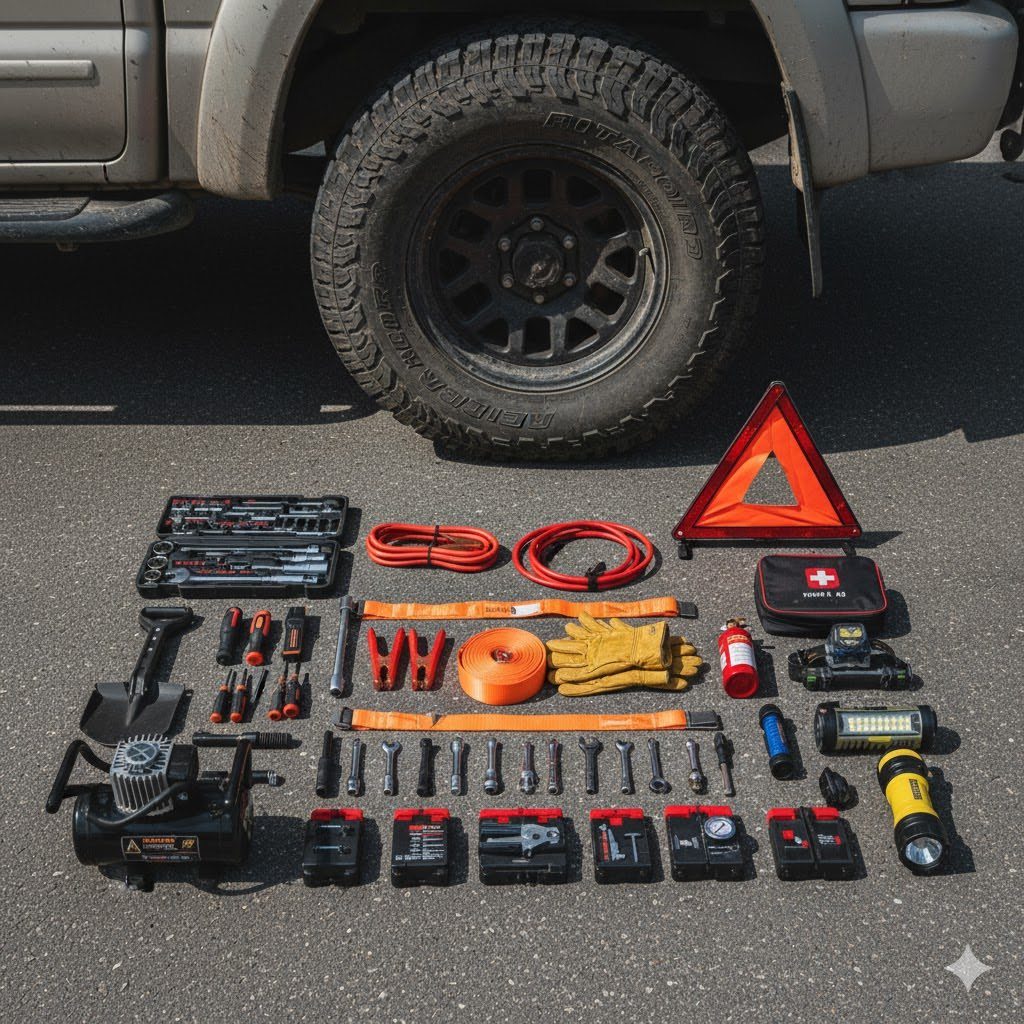
Jack, jumper cables, warning triangle and a first aid kit: that set is what a basic roadside kit should hold, and a pre-assembled one saves you from buying each piece alone.
Lay everything out once at home. Learn where the jack and cables sit before you’re on a shoulder with traffic passing, not after.
Store the kit where you can reach it without unloading the whole trunk.
4. Cooler
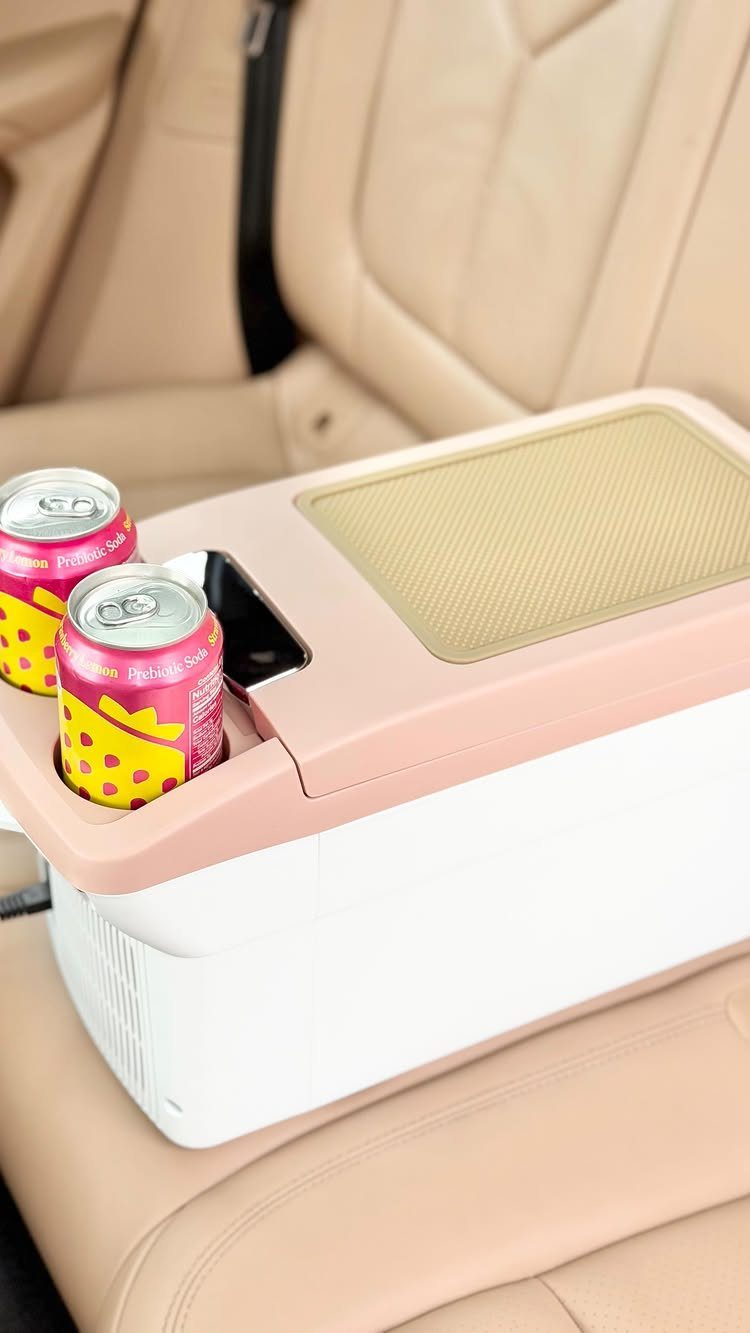
Small enough to ride on the seat beside you, a soft portable cooler keeps drinks within arm’s reach, so nobody digs through the trunk at a rest stop.
A compact cooler for the cabin, filled with cans, is the one I’d pick, and a bigger cooler in the trunk makes sense if the trip is long.
Cold packs work better than loose ice, since melt turns into a puddle on upholstery, especially on leather.
Hydro Flask is one of the top names in the cooler game, and its 12-liter Cooler Bag is perfectly sized for any road trip, even in cramped truck cabs.
5. Travel Pillow
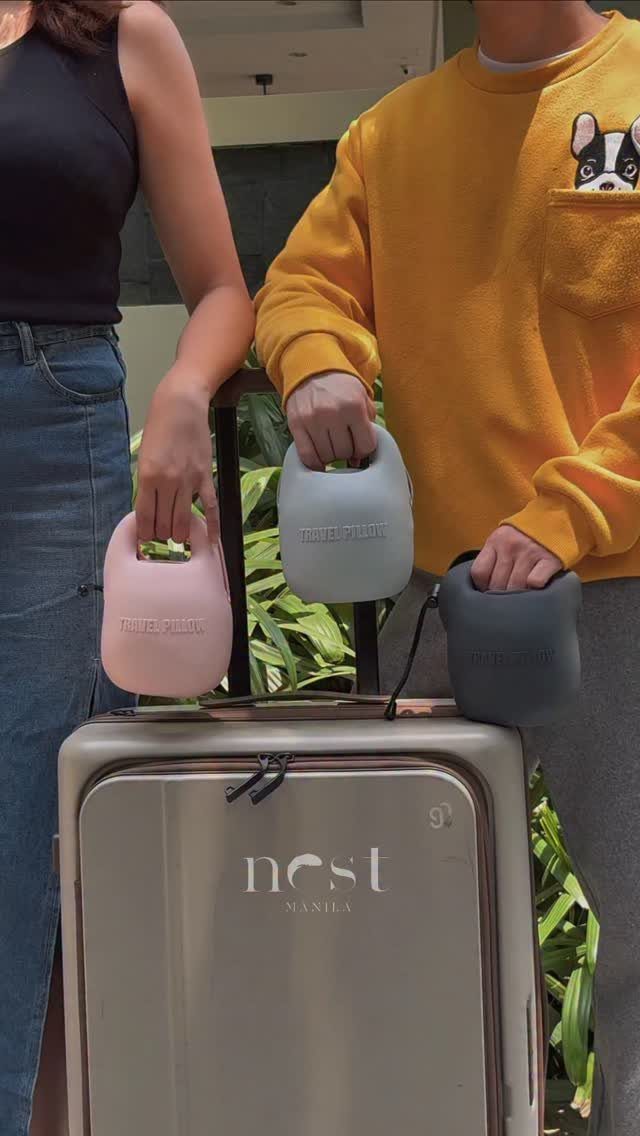
Memory foam is the material I’d look for in a travel pillow, since it holds its shape for hours of sleeping upright, where a cheap inflatable sags.
Pick a color that hides dirt; dark grey beats light shades on a long trip.
Passengers get the benefit, never the driver. Buy one per sleeper, and let each person test the fit before you leave.
6. Hand Sanitizer
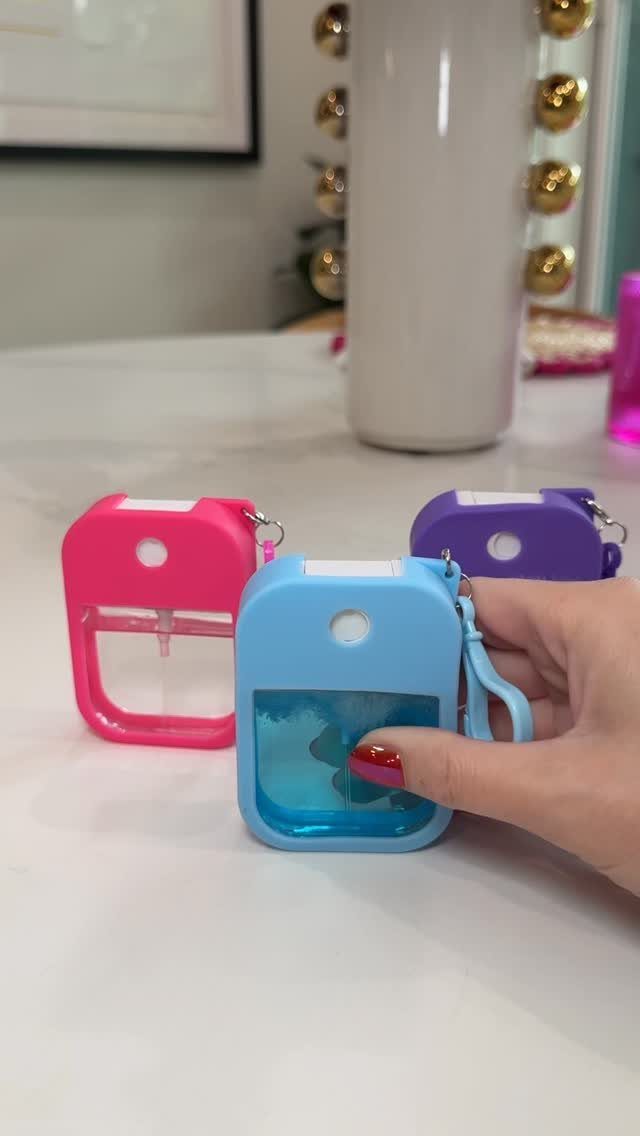
Clip a small bottle to a bag or tuck it into a door pocket; the pocket-size format is the one I’d buy, because it actually gets used.
Buy a few and put one in each spot: the console, the glove box, the kids’ seat area. Hands get dirty at gas stations and rest stops, and the bottle should already be there when you climb back in.
Use it before snacks.
7. Portable Air Freshener
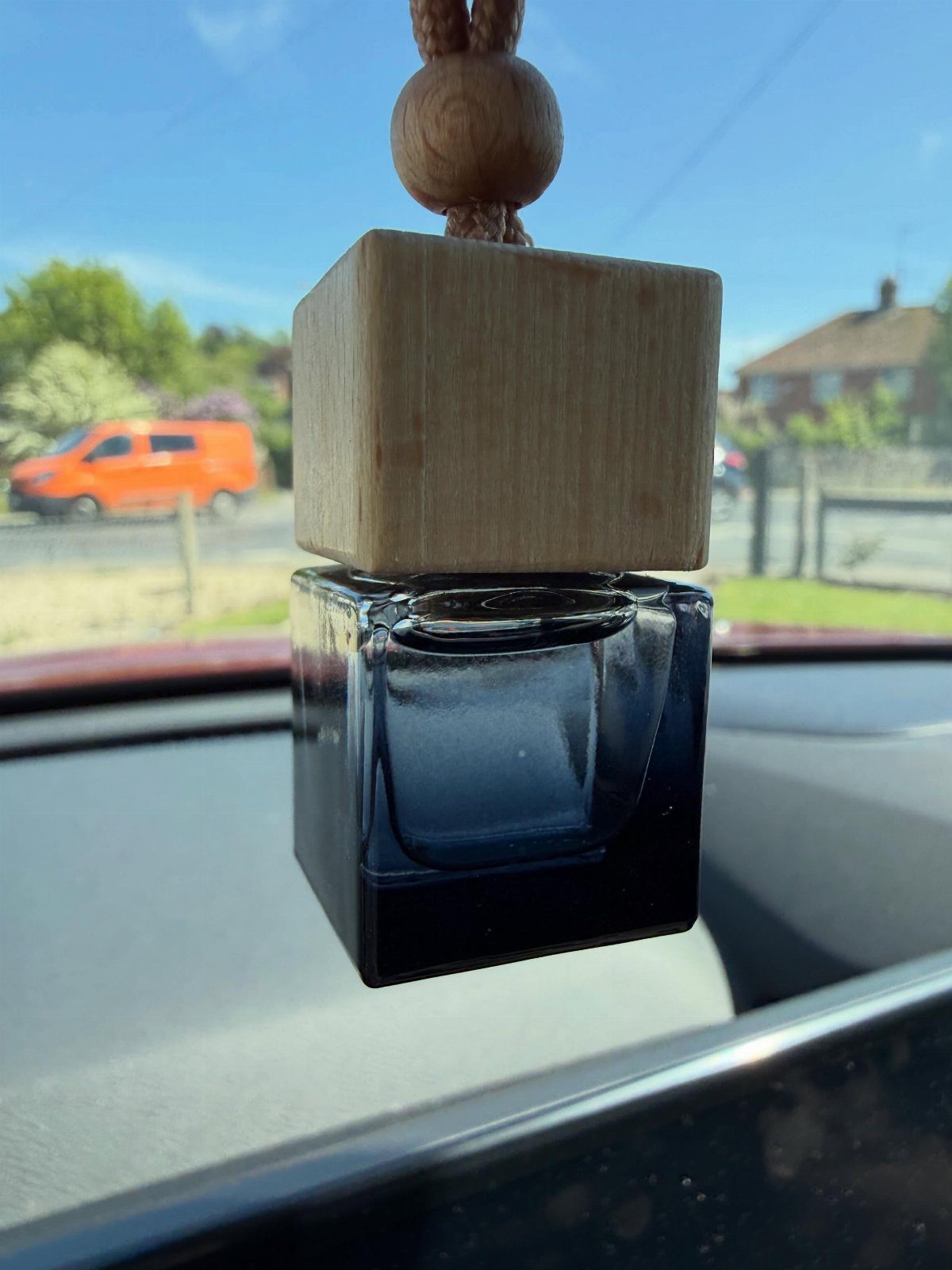
A hanging air freshener in a small glass bottle with a wooden cap and a rope loop is the format I’d pick: it sits clear of the vents and the leak-resistant cap keeps the oil off your dash.
It looks like part of the car instead of a cardboard tree.
Hang it where it won’t swing into your line of sight. Buy a scent you like in a small space, since a car holds smell for hours and a heavy one gets old by mile 200.
Unscented clean air still beats a strong fragrance fighting with fast food.
8. Travel Games for Kids
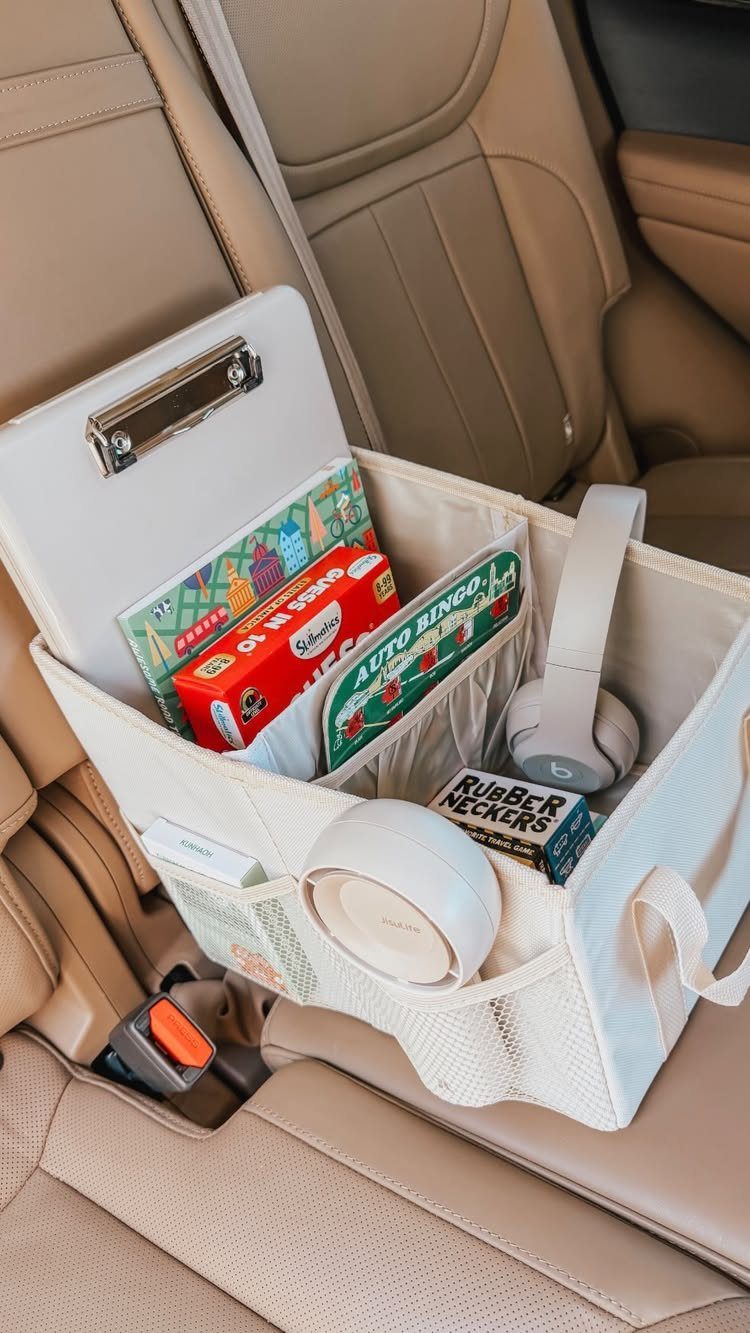
Printed car games like "Auto Bingo," "Guess in 10" and "Rubber Neckers" suit a back seat better than a tablet, because they ask kids to look out the window instead of at a screen.
Keep them in one bin within reach of the kids, with a clipboard as a hard surface for writing. Headphones in the same bin save arguments over whose turn it is for the music.
Pack more games than you think you’ll need; kids tire of each one fast.
9. Multi-tool
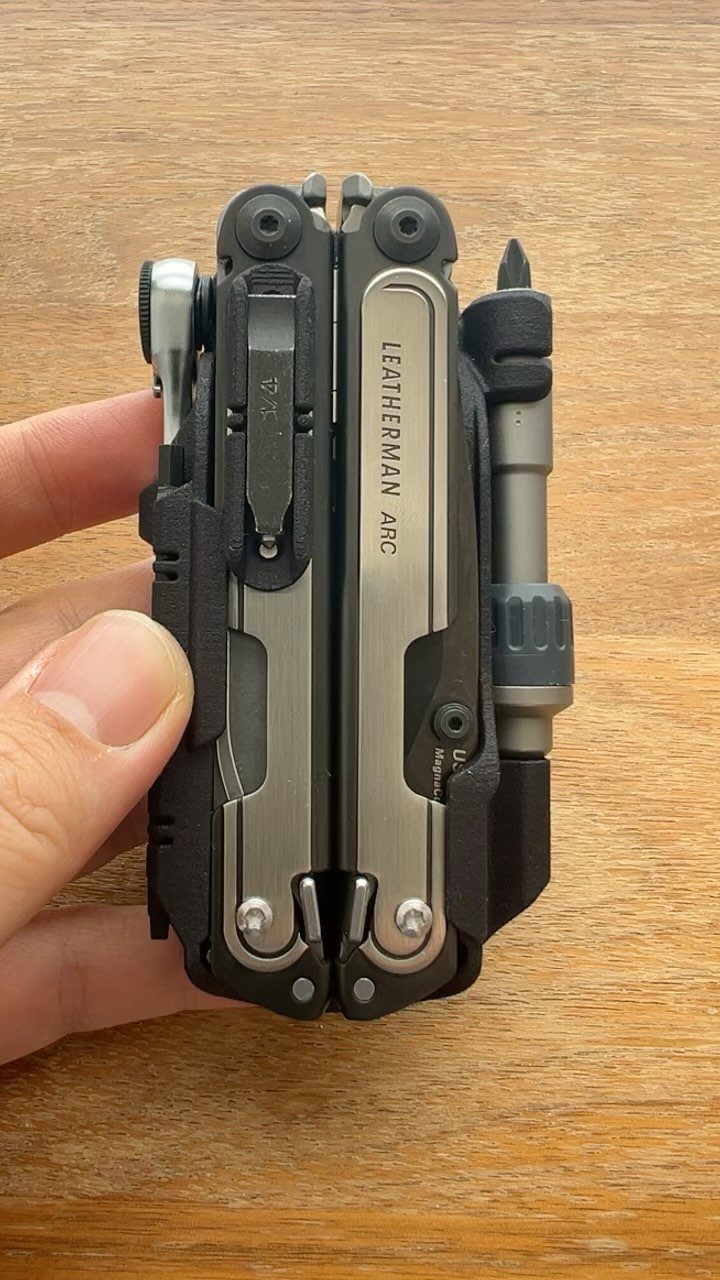
A compact multi-tool, such as the Leatherman Arc, handles loose screws, stubborn packaging and small fixes that a trip always seems to produce. A pen clipped to the case is a handy extra.
Keep it in the glove box or console, not buried in a suitcase. One tool in reach beats a full toolbox you can’t get to.
It won’t replace the roadside kit, but it fills the gaps between the jack and the cables.
10. Portable Tire Inflator
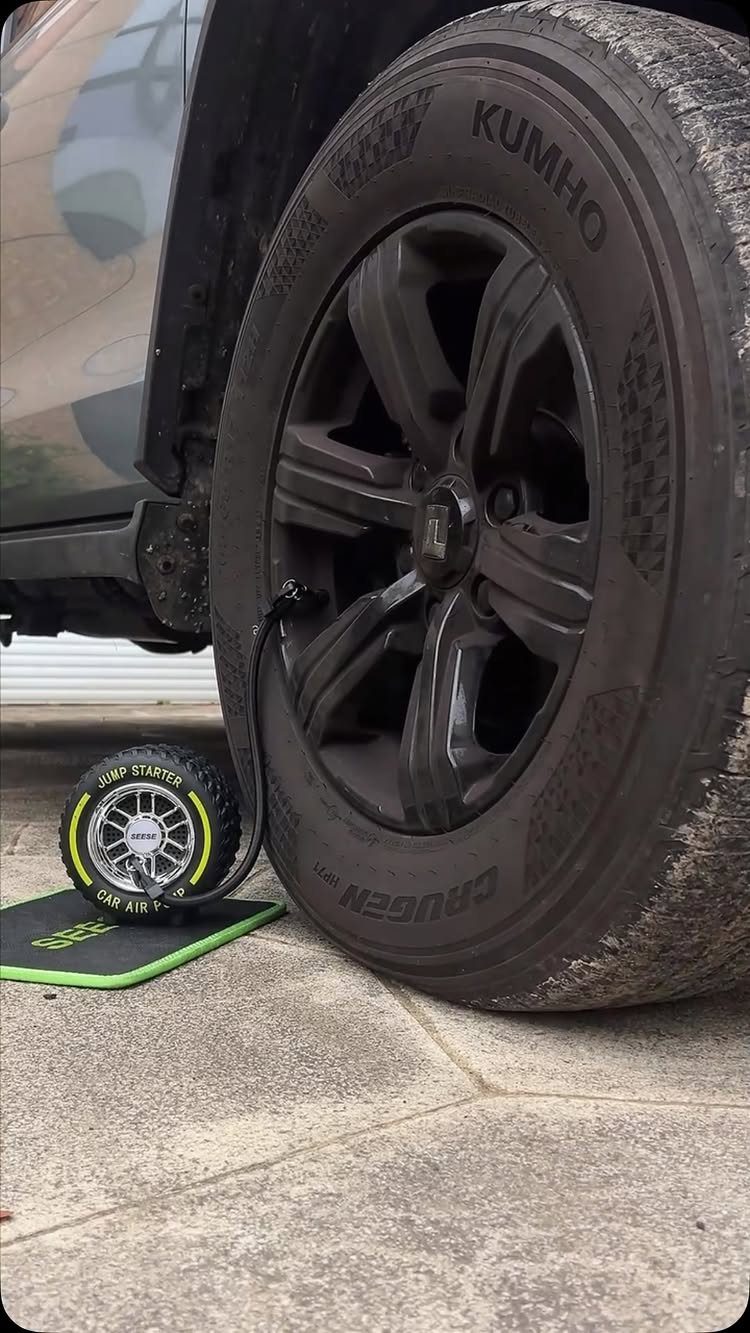
Low tire pressure is easier to fix at a campsite or driveway than at a station with a broken air machine, and a small electric compressor with a hose that screws onto the valve makes that possible.
Check pressure before you leave and again partway through the trip, since cold mornings and hot pavement both shift the reading. Your car’s recommended number is printed on the driver’s door jamb sticker.
Test the inflator at home once, so the first time you plug it in isn’t on a shoulder.
11. Trunk Organizer Bin
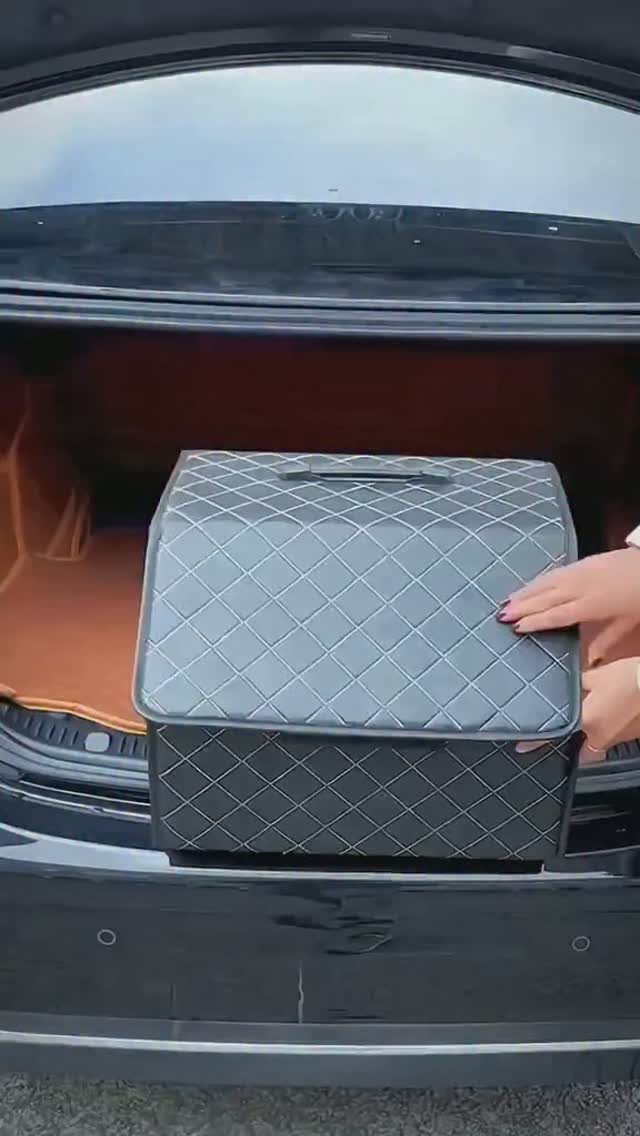
Loose bags slide around a trunk and bury the one thing you need. A quilted fabric bin with a firm shape gives the small items a home so they stay put.
I’d fill it with the stuff you grab at stops: spare jackets, shoes, towels, cleaning wipes. Pick one that folds flat, so it stores easily after the trip.
Put it near the trunk opening, where a hand reaches it first.
12. Headrest Hooks or Straps
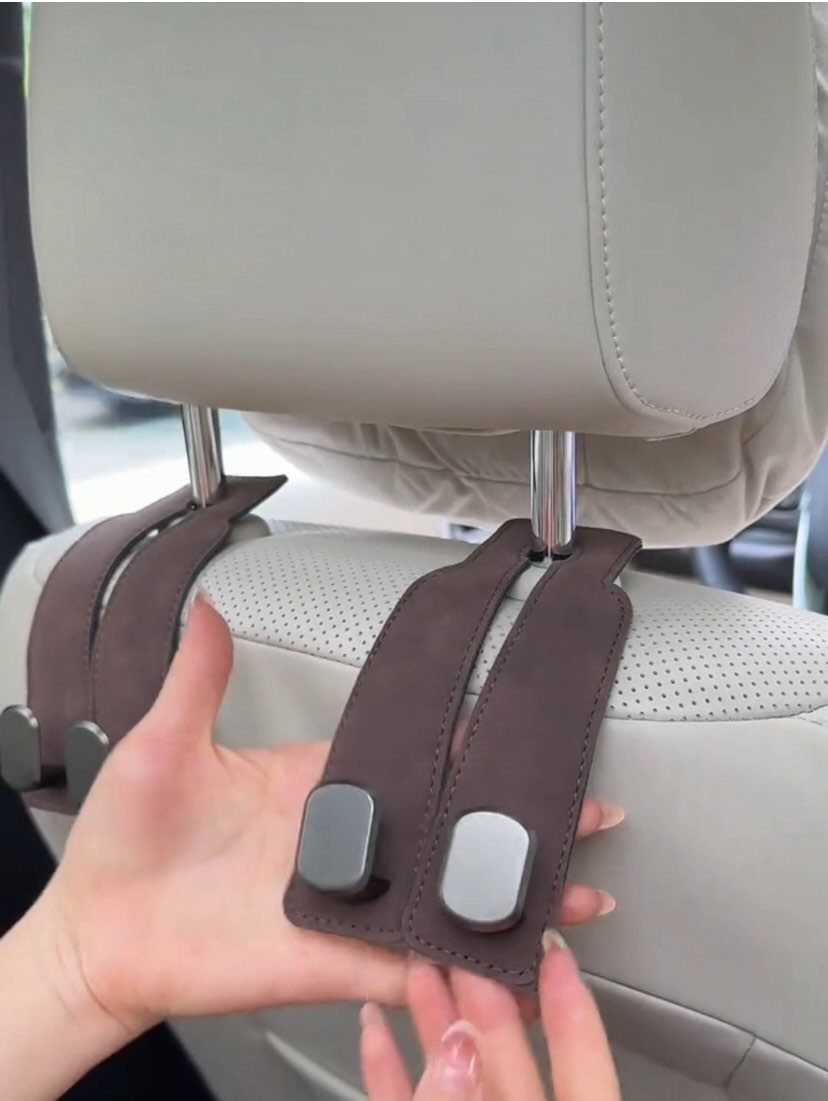
Leather straps with clips slide over the metal headrest posts and turn the seat back into a hook. Handbags, jackets and grocery bags hang off the floor, where they won’t slide under the pedals.
Install them before the trip, and test them with a loaded bag so you know the clips hold. I prefer leather to plastic because it looks tidier and grips the posts.
Keep heavy items off them; a purse is fine, a laptop bag is not.
13. Paper Road Map
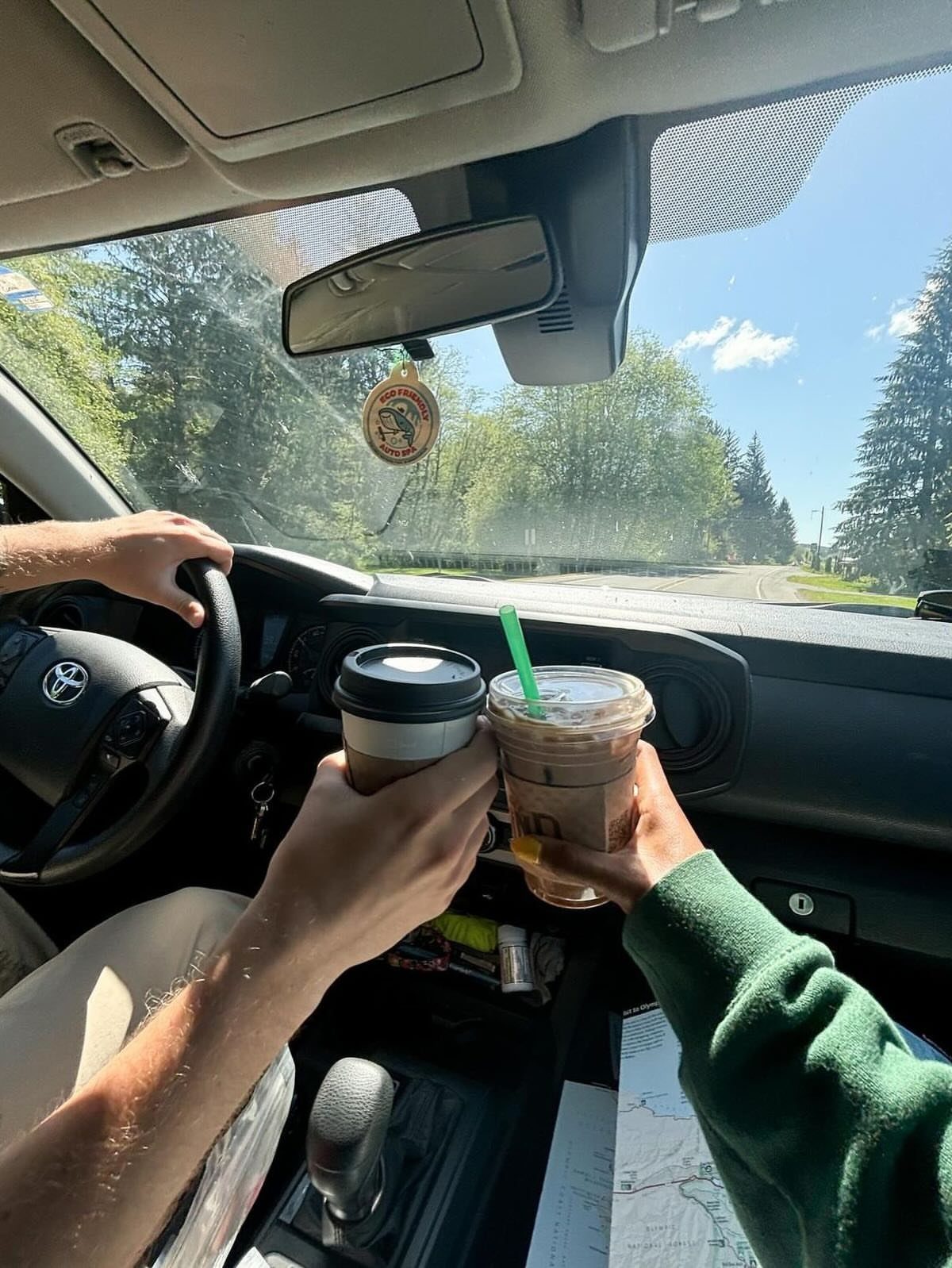
A paper map on the center console works when the phone doesn’t. It needs no signal and no battery, and it shows the whole route at once, which a small screen can’t.
Fold it to the stretch you’re driving so the passenger can read it at a glance. Mark your planned stops with a pen before you leave.
Keep it within the passenger’s reach, never in the driver’s lap.
14. Backseat Organizer
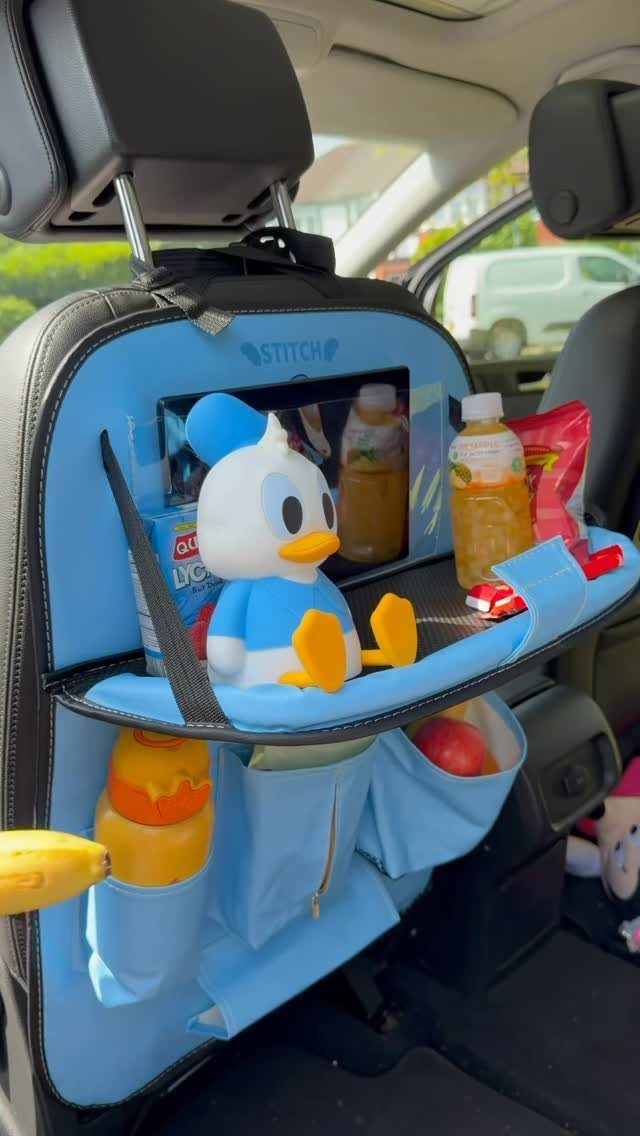
Strapped to the back of a front seat, a hanging organizer gives kids one place for juice bottles, snacks, a plush toy and a tablet. Nothing rolls under the seats, and nobody asks you to fish for it.
I’d pick one with deep pockets and a bottle slot, so drinks stay upright. Fill it before the trip, and put the things kids reach for most in the top pockets.
Cinch the strap snug around the headrest so it doesn’t swing.
15. Phone Mount for Navigation
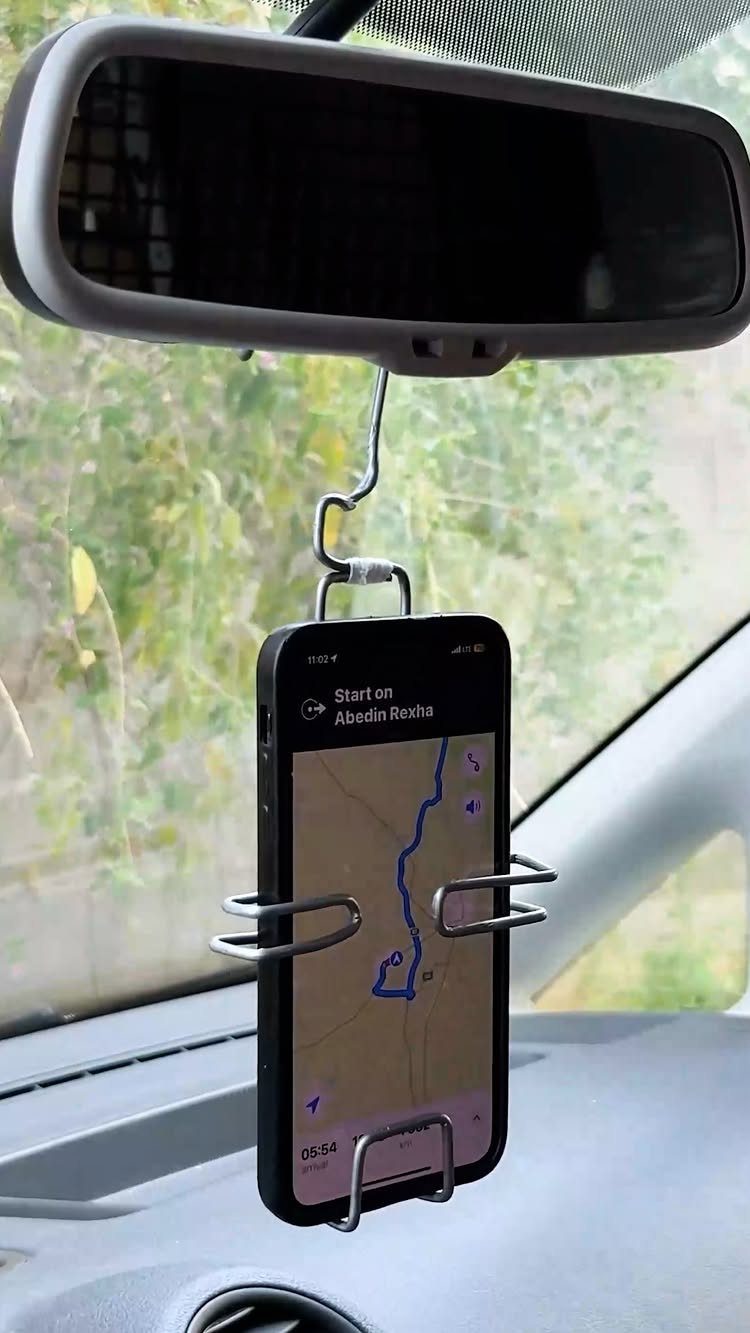
A wire mount that hangs from the rearview mirror holds the phone close to eye level, so the GPS map stays in view with only a short glance away from the road.
Set the route and the volume before you pull out, not at a red light. Use the voice prompts and glance only when you need to.
Test the grip with your phone at home, since a loose mount drops it at the first hard turn. Hang it where it doesn’t block your view.
Packing Efficiently
Load the trunk heaviest first. Luggage and coolers go in at the bottom, then rolled towels, clothes and water bottles fill the gaps around them.
If the trunk is full and the gear still won’t fit, a roof cargo carrier handles overflow. Bikes, surfboards and skis that can’t fit inside the car belong on an exterior rack.
A small car trash can keeps the cabin from turning gross by hour four. It doesn’t need to be fancy.
Large reusable shopping bags earn their space. I’d use one for a quick gas station run, and another to gather loose items when it’s time to unload.
Pre-trip Vehicle Check
Papers come first: driver’s license, registration and proof of insurance. Long hours behind the wheel raise the odds of a traffic stop, so keep all three within reach.
Keep the car manual in the glove box. It helps with minor fixes and explains any warning light you don’t recognize.
Confirm the spare tire is there, along with every tool needed to change a flat. Many cars have a dedicated compartment for both.
Add a water-resistant flashlight for night or rain breakdowns, and extra oil. A headlamp keeps your hands free.
Staying Organized
A system only works if every item goes back to its assigned spot after each use.
Make the reset part of every stop. Someone grabs the sunscreen, and it returns to its place before the doors close.
Empty the trash bag at each gas or rest stop; letting it pile up until evening means a messy car all day. Piles grow fast, and a clean cabin keeps everyone more comfortable over the miles.
At your destination, unpack in the same order you loaded, so the routine that packed the car also empties it.
Frequently Asked Questions
What items do I need for a long car trip?
Pack papers first (license, registration, insurance), then a first aid kit, a roadside emergency kit, a spare tire with the tools to change it, and a flashlight.
Water and individually packaged snacks, hand sanitizer, a small trash can and a phone mount fill out the cabin. A compact multi-tool and a portable tire inflator handle small fixes before they become stops.
How should I pack the car for a road trip?
Load the trunk heaviest first: luggage and coolers on the bottom, then rolled towels, clothes and water bottles in the gaps.
A bin near the trunk opening holds the things you grab at stops, like jackets and wipes. A roof cargo carrier handles whatever still won’t fit, and it keeps the cabin free for people.
How do I keep a car organized on a long drive?
Give every item an assigned spot and return it there after each use. Unpack in the same order you loaded, which makes the end of the trip as tidy as the start.





