The 13 places here range from Venice, where there are no cars at all, to Tuscany’s Val d’Orcia back roads, where a rental car is the only practical way in.
Your transport plan is what picks the place. If you’re riding trains between cities, Venice, Rome, Siena and Verona fit; if you’re willing to drive for the days you leave town, the countryside and coast open up.
Matera, with homes carved straight into the rock, sits in the second group for anyone wanting something quieter than the big-name cities.
1. Venice
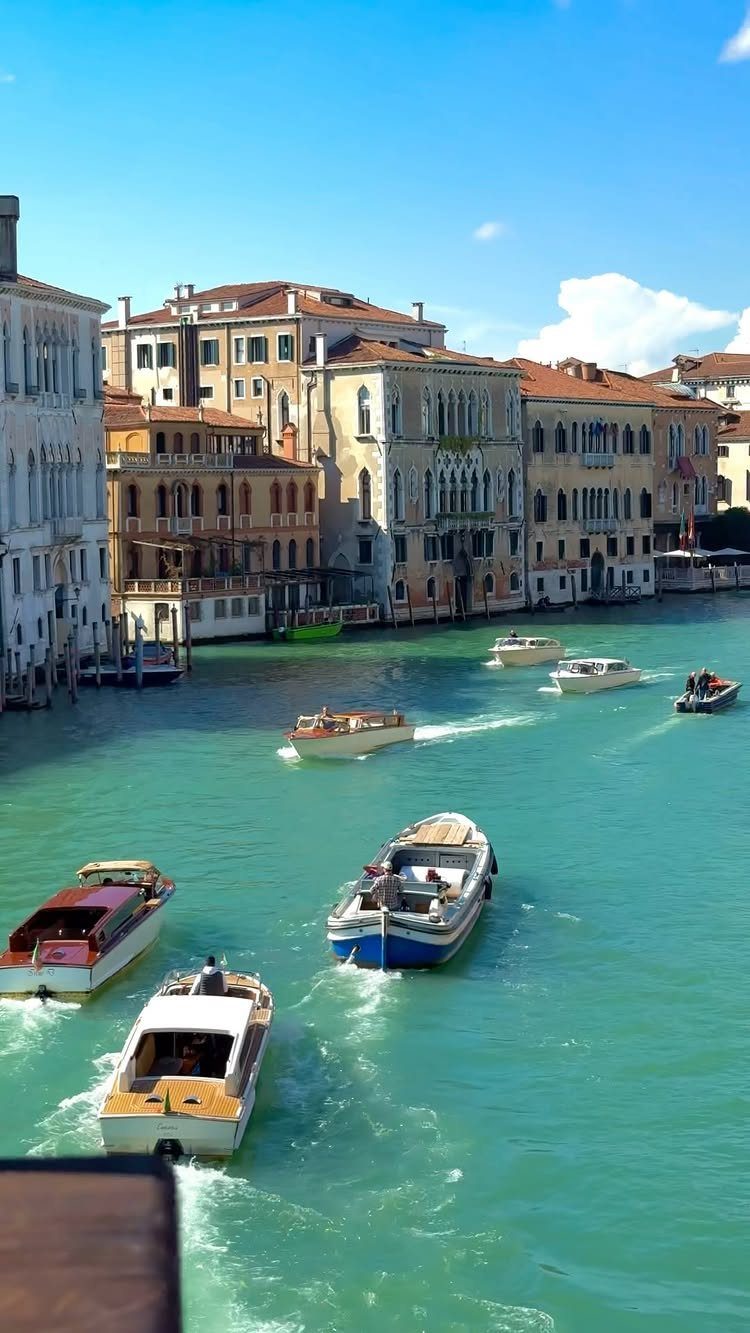
Water is the street here, and that decides everything about how you get around.
Motorboats and water taxis share the canal with the pedestrians’ bridges overhead, so plan your days around boat stops and walking, not around cars, because none exist.
Water taxis cost more than the public boats, and I would skip them unless you have heavy luggage. Budget extra time for getting lost on foot; the turquoise canals and old facades reward wrong turns.
2. Rome
Rome rewards the walker who leaves the main sights for the side streets.
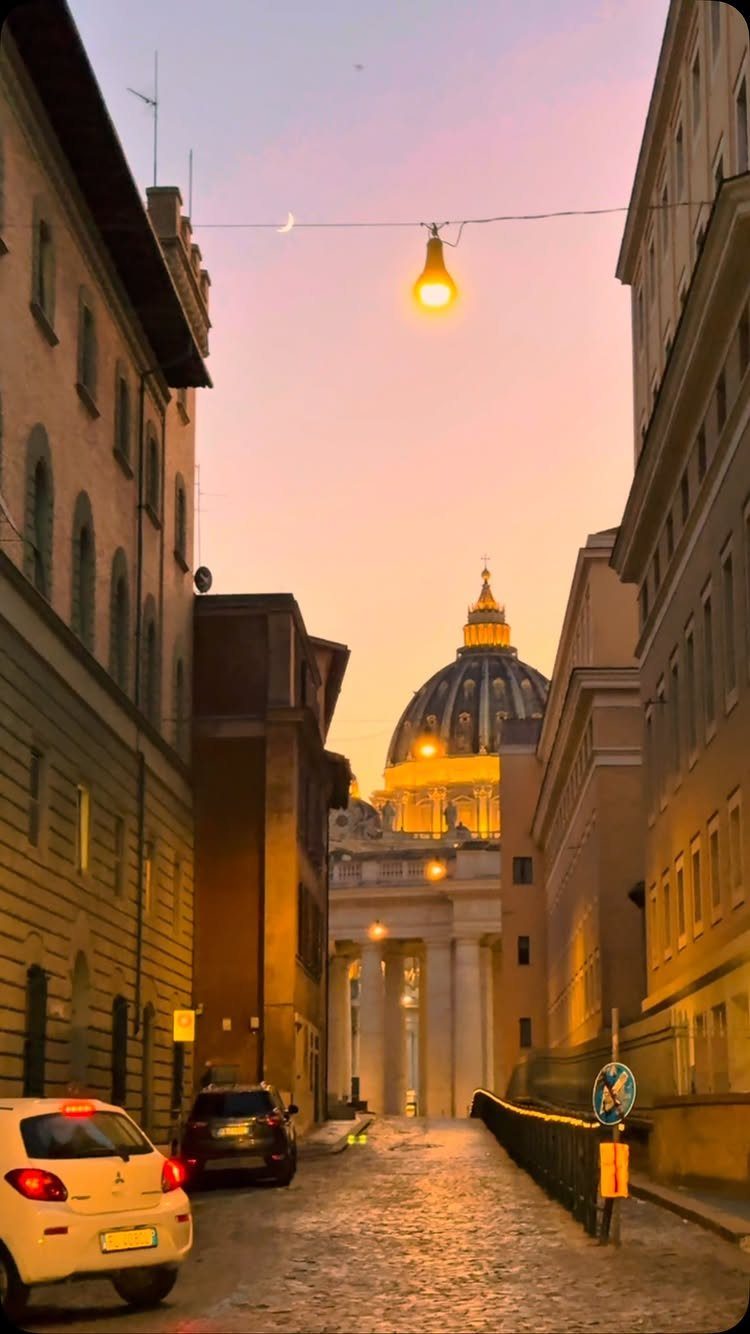
Rome’s best views of St. Peter’s dome come from the side lanes around the Vatican at sunset, and you find them by wandering, not by booking a spot.
Wear shoes with real grip, because stone paving punishes thin soles.
I would plan one evening with no destination and simply head toward the dome as the light drops. Rome suits first-timers who want history and culture in one compact capital.
3. Amalfi Coast
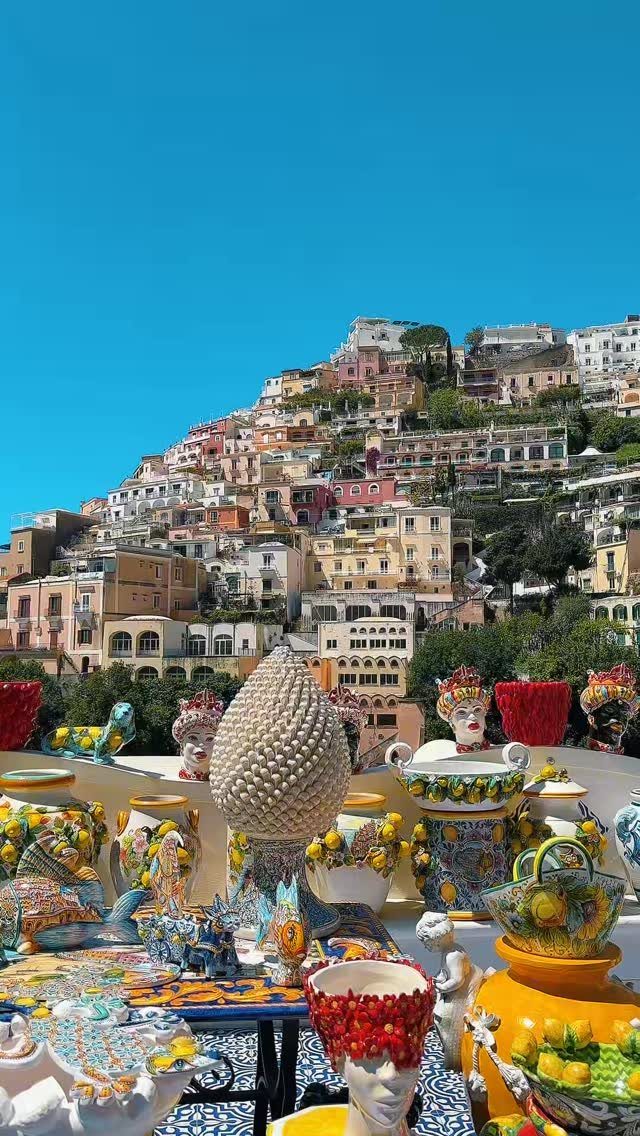
Pastel houses stacked up a hillside above the sea mark the Amalfi Coast, and the hand-painted local ceramics sold in the shops are the souvenir I’d actually spend money on. Bright painted pottery fits the scenery better than any magnet.
Pick a village base and stay put for a few nights, instead of racing between towns.
I prefer that pace, since the views from a terrace or hillside lane are the main event. Expect to climb, as these villages run vertically.
4. Siena
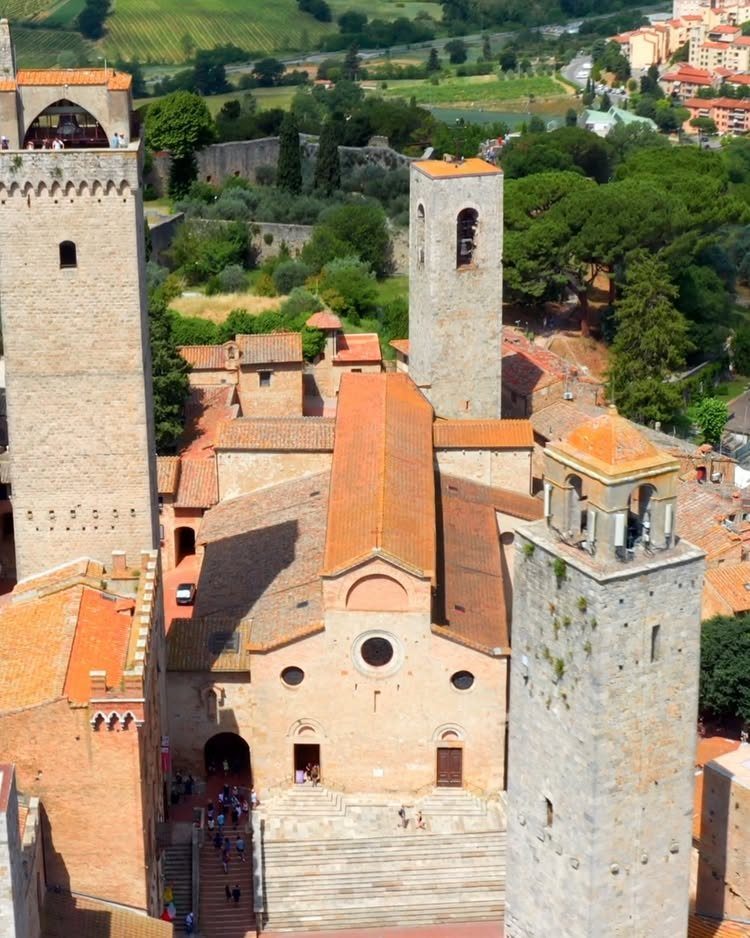
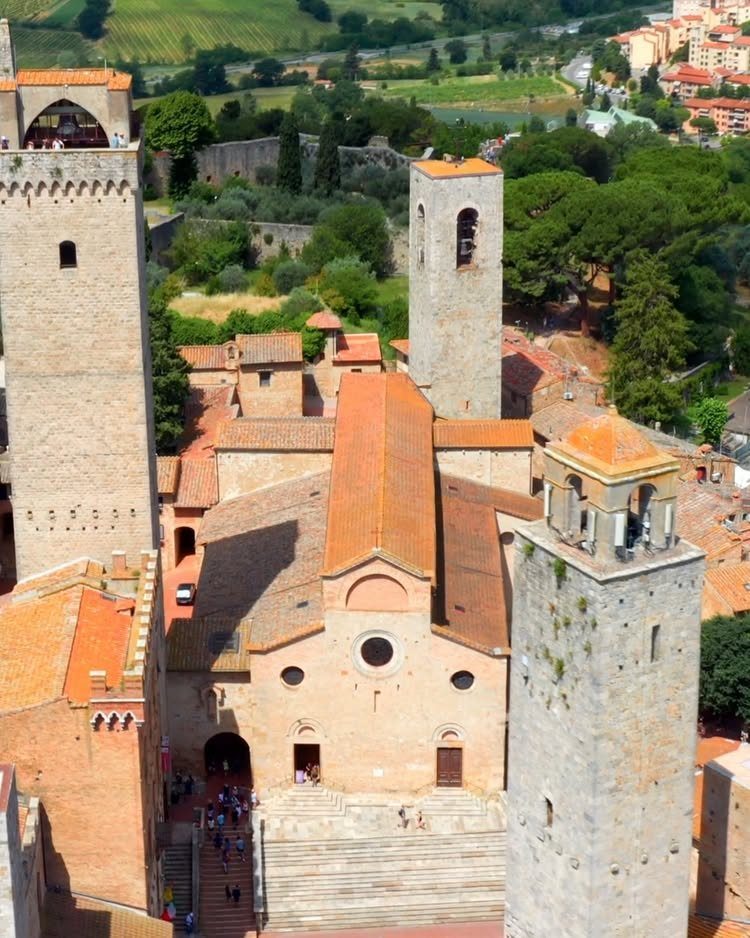
Look for a high vantage point first, then drop down into the lanes to see how tight the medieval layout really is.
Siena is compact, so it works well for a day or an overnight. I would choose it over bigger cities if you want medieval architecture without the crowds of a capital.
5. Verona
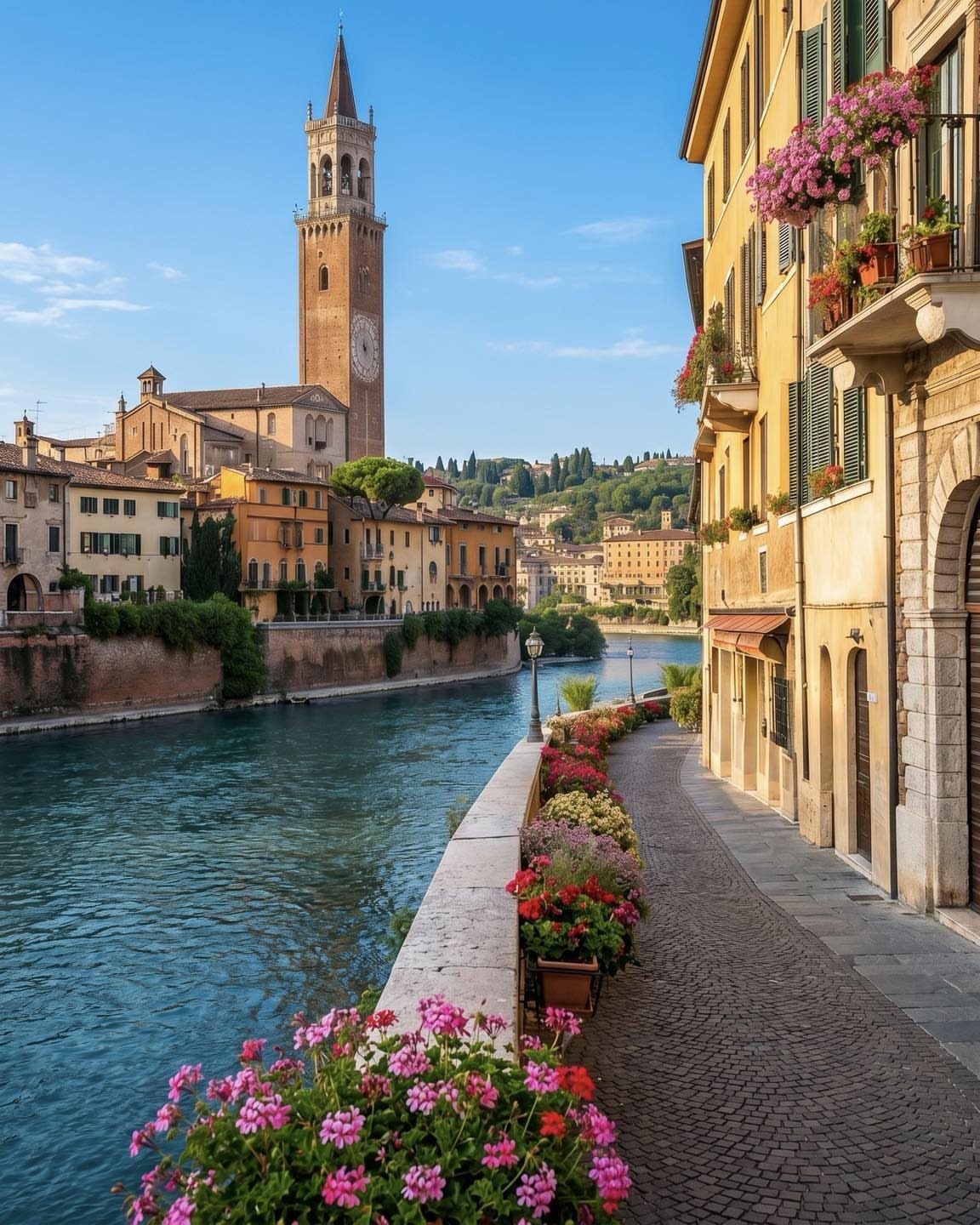
Verona pairs a riverside walk with yellow buildings, flower boxes and a tall brick bell tower, and the Romeo and Juliet story from Shakespeare gives the whole city a romantic pull.
Follow the river path first; it is quiet and easy underfoot on cobblestones.
Verona suits couples and anyone who likes a medieval town small enough to cover on foot. I would give it a full day, with time left over to wander without a plan.
6. Cinque Terre
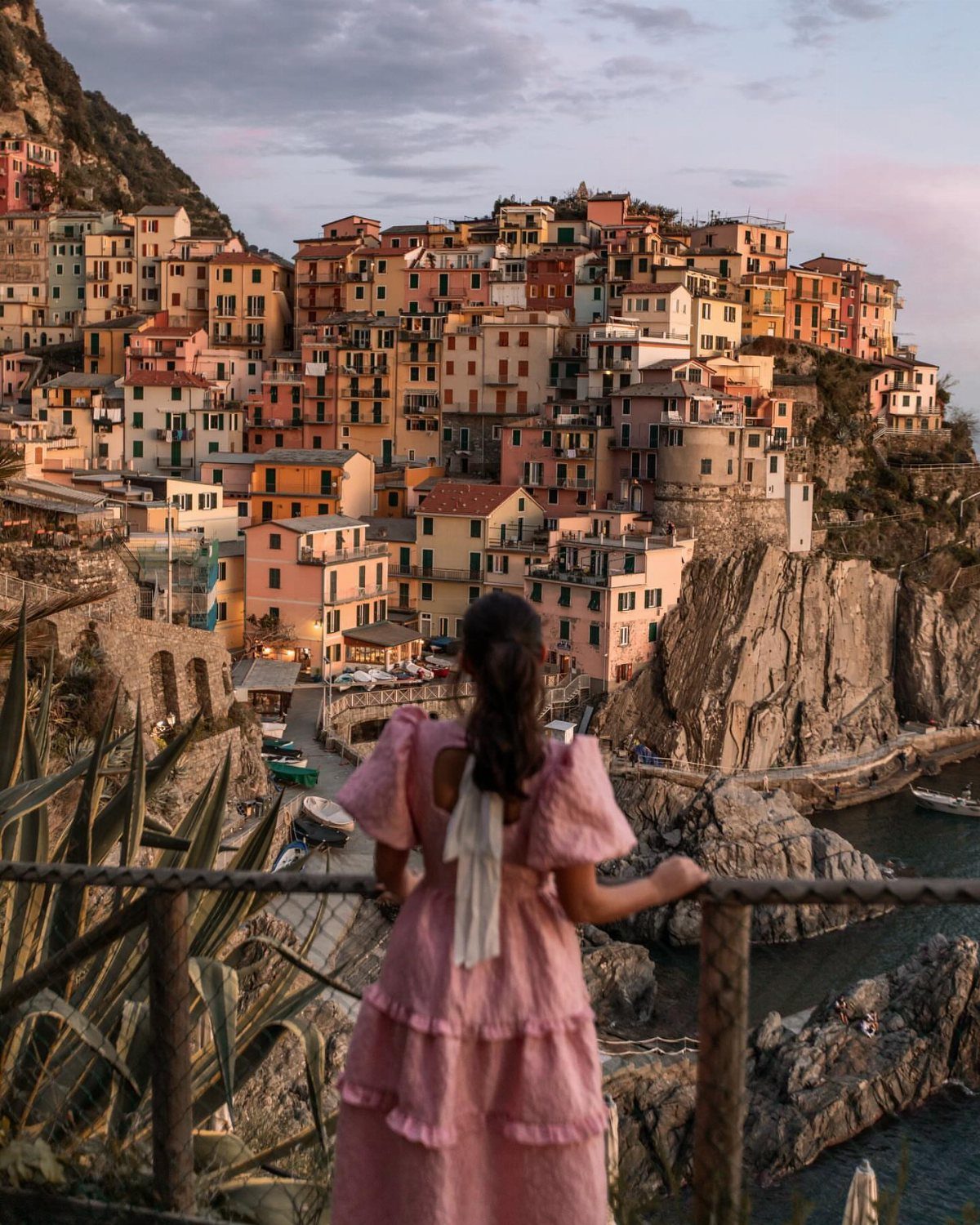
Manarola’s houses cling to a cliff above rocky shore, and that stacked color is why Cinque Terre tops so many photo lists.
Bring a dress or jacket that stands out against the buildings, as the woman in pink does, because the village backdrop is busy.
Wear sturdy shoes, since these villages sit on steep ground. I would pick a viewpoint over the water for the best frame, and expect to share it with other visitors.
7. Lake Como
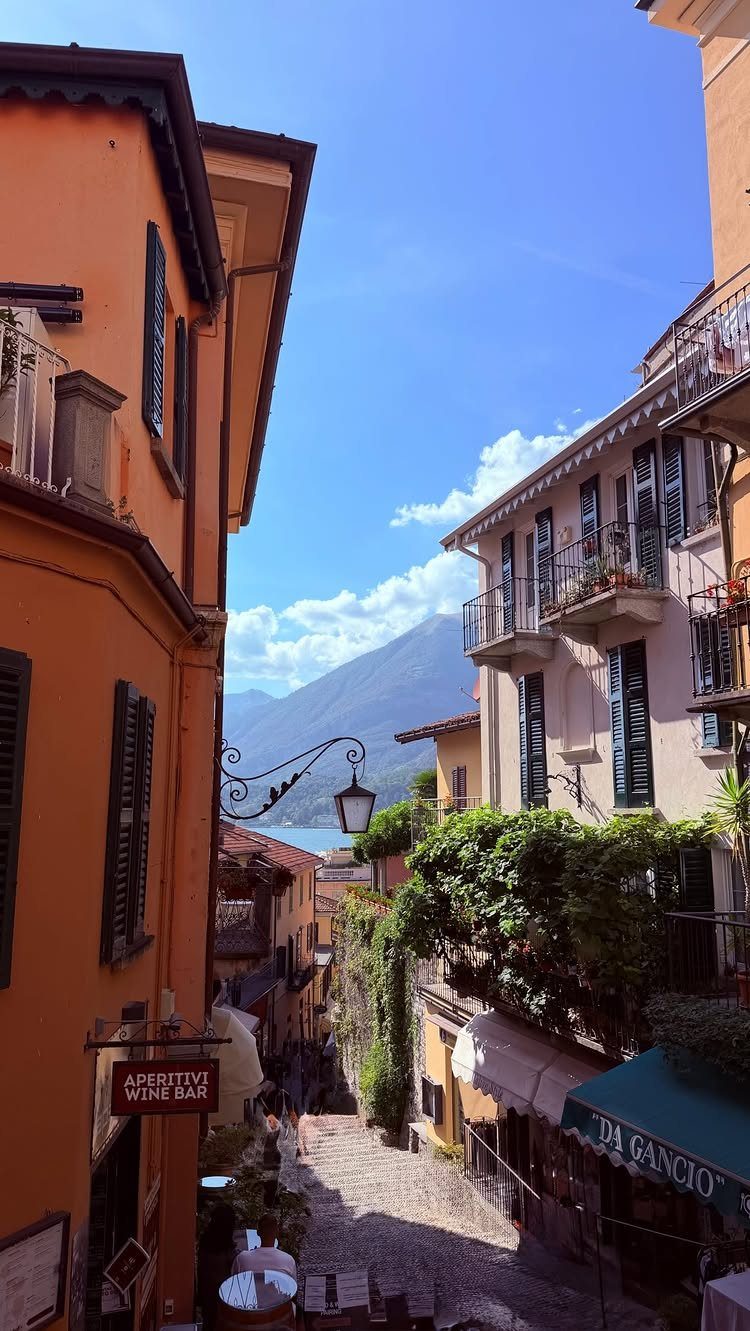
Lake Como’s lanes run straight down to the water, so a wine bar with a view is never far.
Pick a cobblestone street like this one and follow it toward the lake, then stop for an aperitivo where the signs point.
Wear flat shoes, because cobblestones are hard on heels. Mountains frame the far shore, so I would keep the lake in sight while you wander and let the street decide your route.
8. The Dolomites
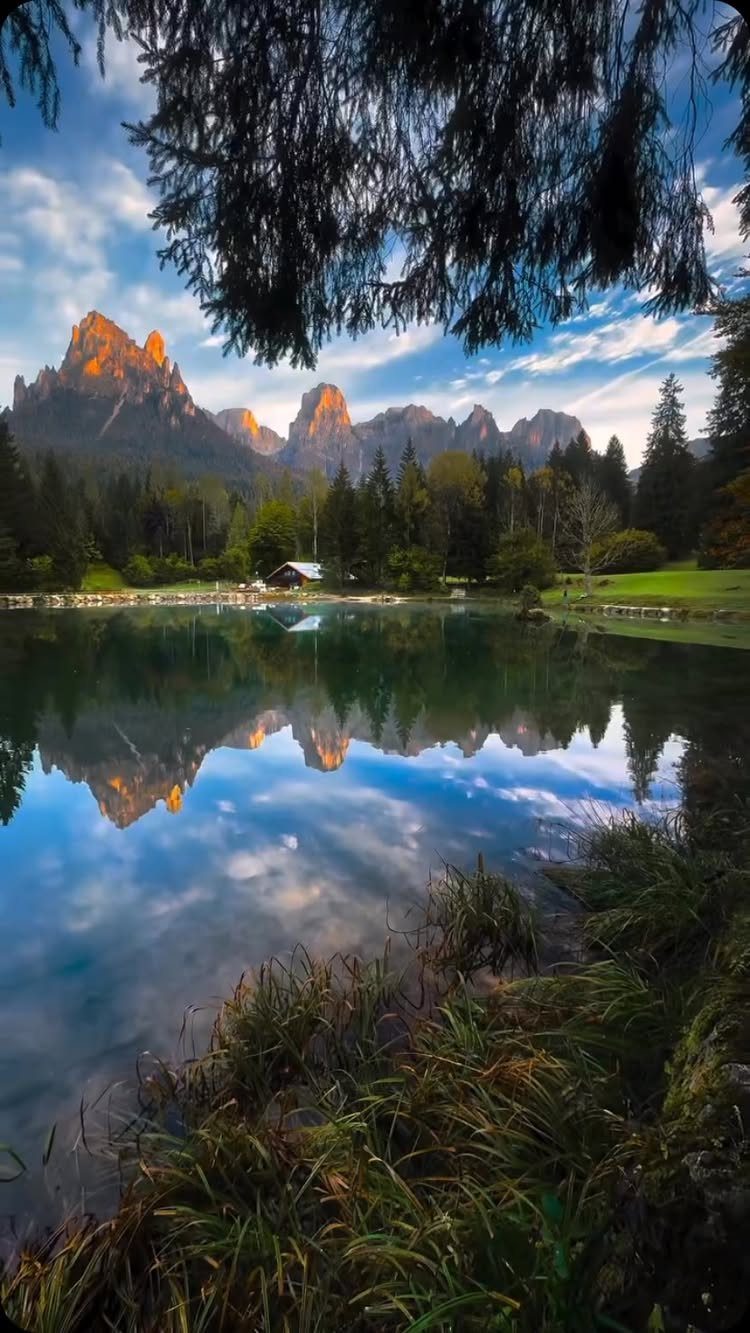
Still water is what makes the Dolomites photograph so well: jagged peaks double themselves in a clear lake, with evergreen forest running down to the shore. Go early, before wind ripples the surface and spoils the mirror.
Choose a lake with a trail around it over a roadside pullout, since the best reflection angles sit a short walk from the parking area.
Pack layers and sturdy shoes. I would rank the Dolomites above the cities on this list for anyone who wants nature over museums.
9. Sweeping Italian Countryside in Tuscany
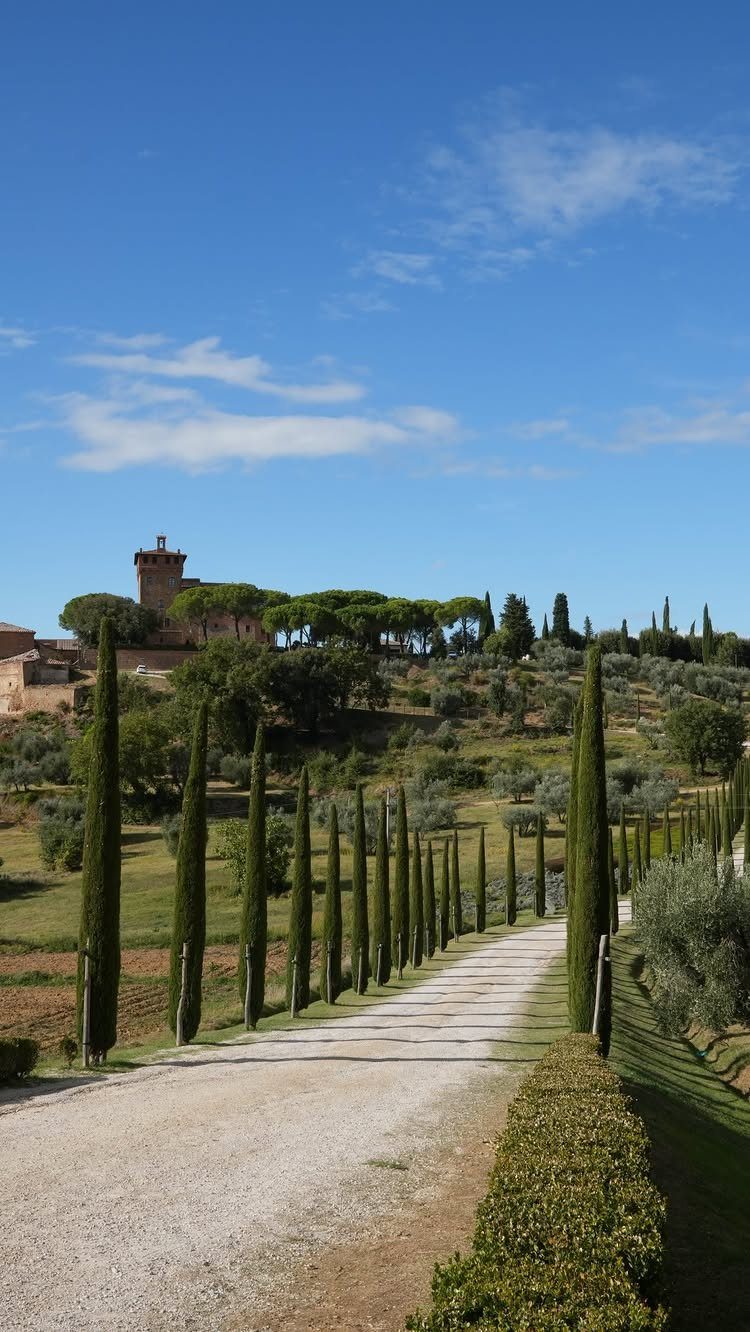
Tuscany’s classic look, cypress-lined gravel roads leading to stone farmhouses on the ridges, is easiest to find on the back roads of the Val d’Orcia, so plan on a rental car.
A rental car is the practical way to find it, since these roads sit far from train stations.
Book a farmhouse stay in the hills rather than a hotel in town, and plan slow days of driving with no fixed stops. Walking the gravel is easy in sneakers.
A bucolic countryside setting buttresses the luxe interior of this dreamy Tuscan villa.
10. Capri
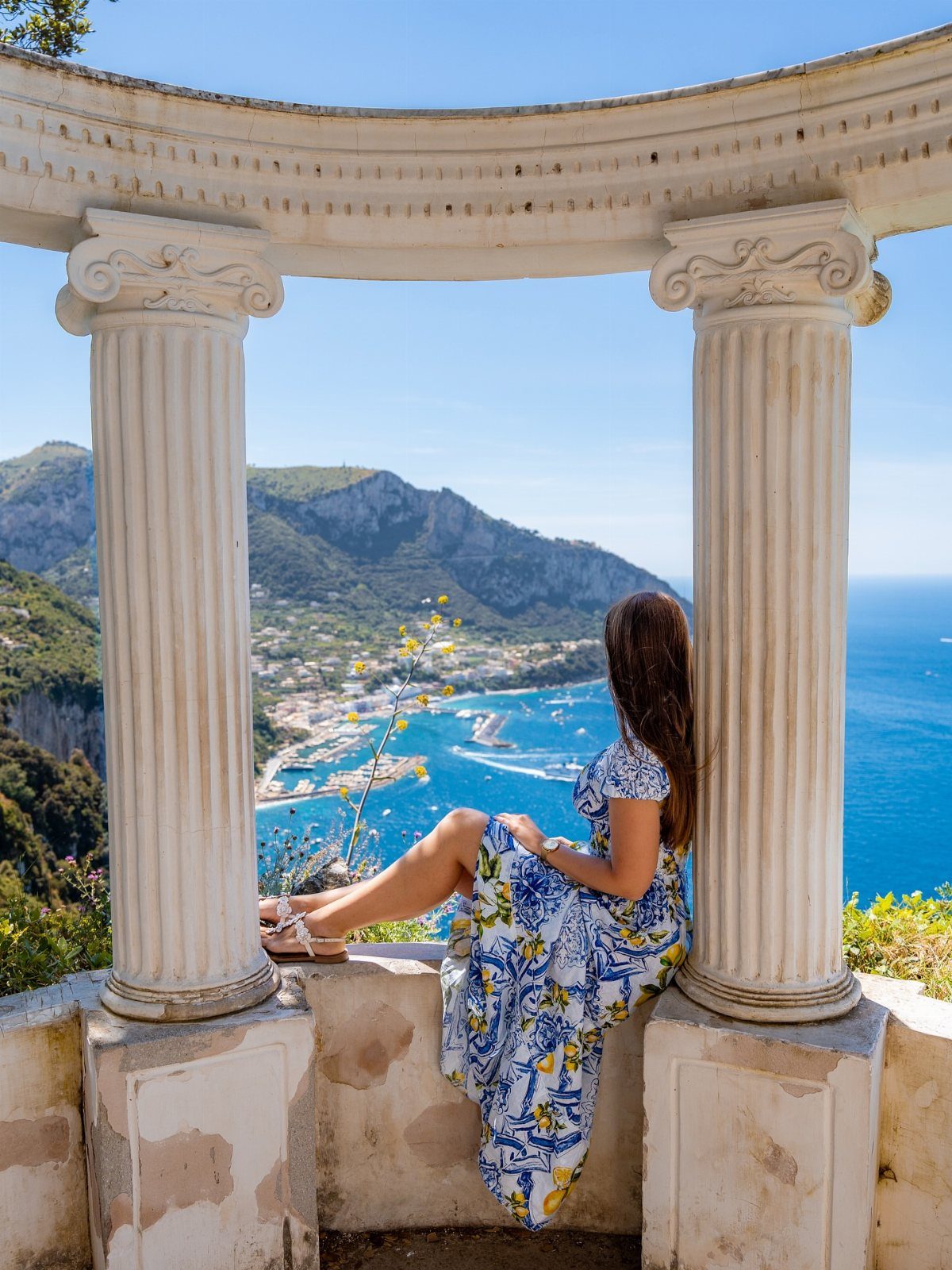
Capri’s white rotundas and terraces look out over the town, the blue sea and the mountains, and sitting in one is the whole appeal. Hunt for a covered viewpoint like this and give it a slow half hour.
Capri’s white stone and bright water look best with bold colors, so pack one patterned outfit for the photos.
Capri is an island, so plan boat timing and ferry costs before you book. I would treat it as a day or overnight, not a week.
11. Sardinia
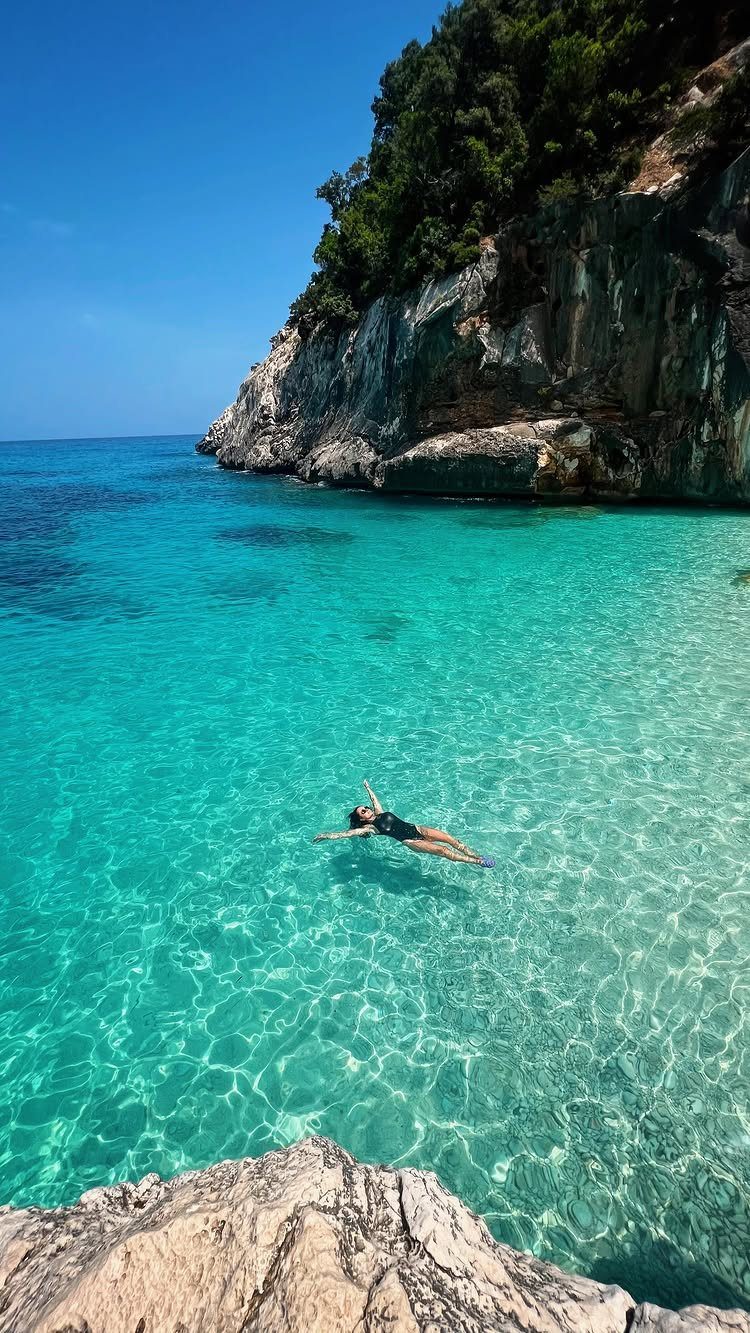
Sardinia’s water runs clear turquoise against rocky cliffs and green trees, and the beaches reward anyone willing to swim instead of just sunbathe. Float, snorkel or paddle; calm coves like this one make it easy.
The island has a culture distinct from the mainland, so I would spend a few days on the ground instead of a quick stop.
Bring water shoes for rocky entries. Sardinia’s calm, clear water is the draw, and a week of beach days with few other plans is how I would use it.
12. Polignano a Mare
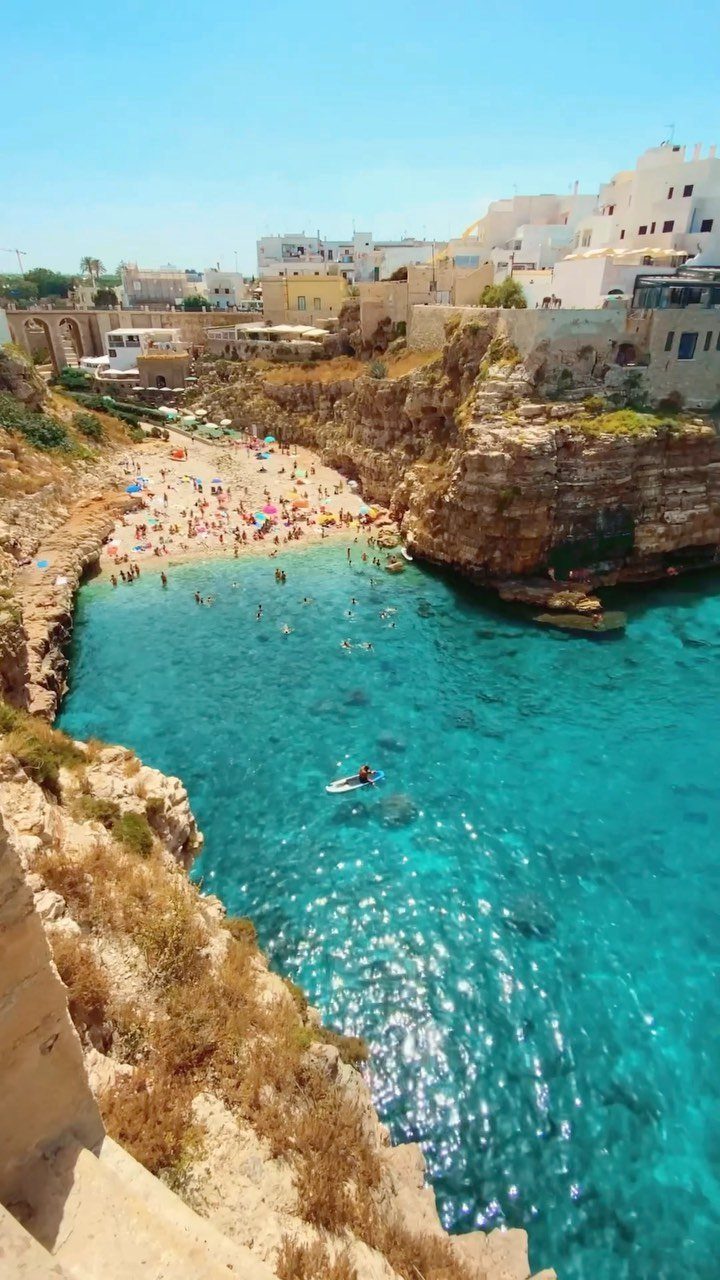
Polignano a Mare packs a small turquoise cove between high limestone cliffs, with white buildings stacked along the rim. The beach fills with people, so arrive early if you want room to swim or paddleboard.
Look down from the cliff edge first to judge the crowd, then head to the water.
I would pack water shoes, since the cove is rocky. The town is small, so it fits a half day easily and works well as a stop on a longer route.
13. Matera Ancient Cave Dwellings
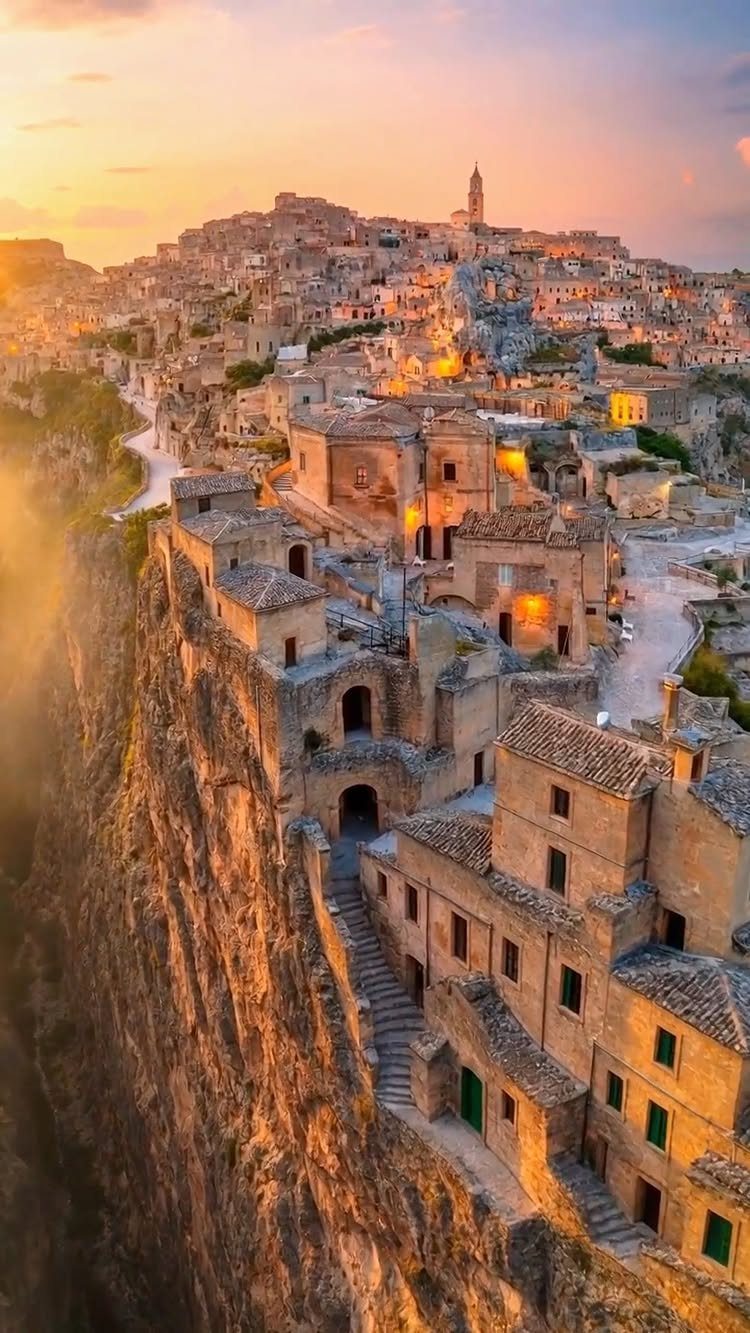
Matera’s homes are carved straight into the rock, so the cliff itself is the architecture. Stone dwellings step down the hillside, and a church spire rises above the roofs in the distance.
Sunset is the hour I would plan around, because the warm light turns the whole slope gold.
Find a high edge to look across the cliffside first, then walk down into the narrow streets to see how the dwellings sit inside the rock.
Wear sturdy shoes with grip, since the lanes climb and drop over uneven stone.
Matera suits travelers who want something older and quieter than the big-name cities, and I would give it at least an overnight so you can see it both at dusk and in the morning.
Travel Tips
Off-peak travel usually means lower prices on rooms and fewer people at every stop. Shoulder months are where I would look first, since you keep decent odds on weather and skip the crowds of high summer.
Build the itinerary around what you actually care about, not around a checklist.
If food is the draw, give it more days; if you want trails, plan fewer stops and longer stays. Italy punishes overpacked schedules.
Book the pieces with limited supply first, like lodging in small towns, and leave the rest of each day loose.
Transportation Advice
Public transport is efficient in the major cities, so skip the car there. Trains and local transit cover the big stops cheaply, and a car in a city mostly means parking trouble.
Rural areas and coastal regions are different. A rental car is worth considering for those, because buses and trains thin out once you leave the main routes, and a car lets you stop where the scenery does.
The practical split: use trains between cities, then pick up a car only for the days you head into the countryside or along the coast. That avoids paying for a car that sits parked.
Frequently Asked Questions
What are the best places to visit in Italy?
For pretty scenery, Venice, the Amalfi Coast, Cinque Terre, Lake Como, the Dolomites and Tuscany’s Val d’Orcia lead my list, with Rome for history.
Pick by what you want to look at: canals and old facades, pastel cliffside villages, mirror lakes, or cypress-lined farm roads.
Smaller stops like Matera, Siena and Polignano a Mare give you older, quieter or less crowded views than the big names.
What is the most beautiful thing about Italy?
The variety packed into one country is what stands out to me. You can go from turquoise canals in Venice to cliffside villages in Cinque Terre, glassy Dolomite lakes, and cave dwellings carved into rock in Matera.
Each region has its own look, so the most beautiful part depends on whether you want coast, mountains, countryside or medieval towns.
What should I not miss in Italy?
If I could keep only one stop, it would be Rome, and I would save an evening for the narrow streets near the Vatican, where St. Peter’s dome glows against the fading sky.
The Amalfi Coast is the other, best enjoyed by staying a few nights in one village instead of racing between towns.
After that, add what fits your taste: Venice for canals, or Matera at sunset for warm gold light on the cliffside dwellings.





