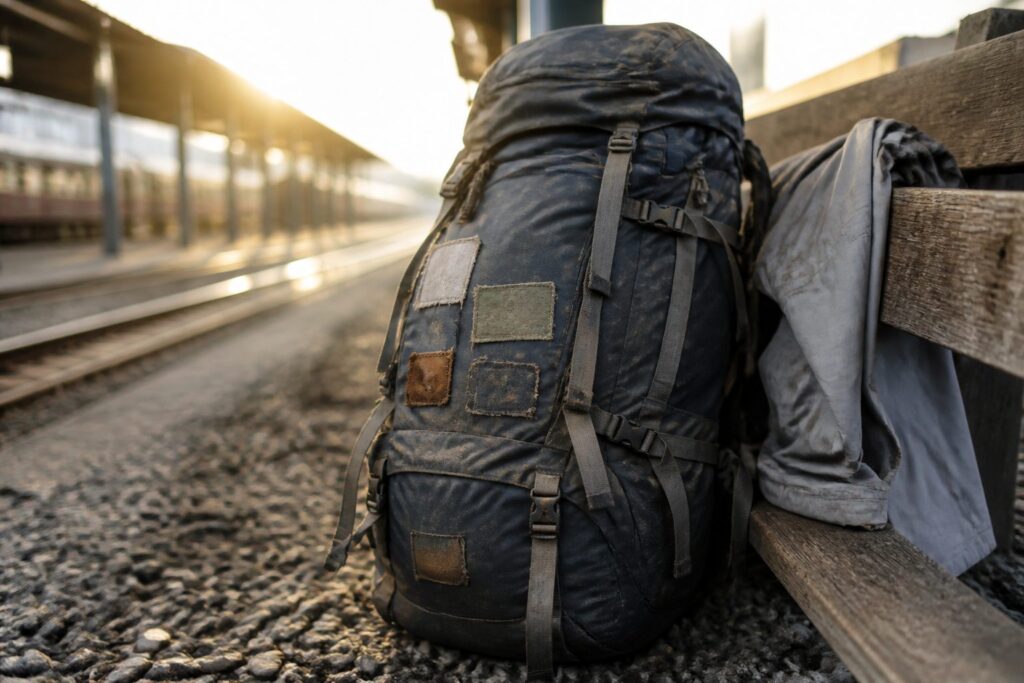
You end up with everything you own on your back, moving through airports and onto buses without a checked bag or a fixed address.
The cost is a month of choosing wrong before the hard choices start feeling obvious. Most people get the bag itself wrong: they buy volume they do not need, then fill it.
A 40-liter pack is the practical ceiling for true mobility; go larger and the weight you gain is not gear, it is options you will not use.
1. Choose the Right Backpack
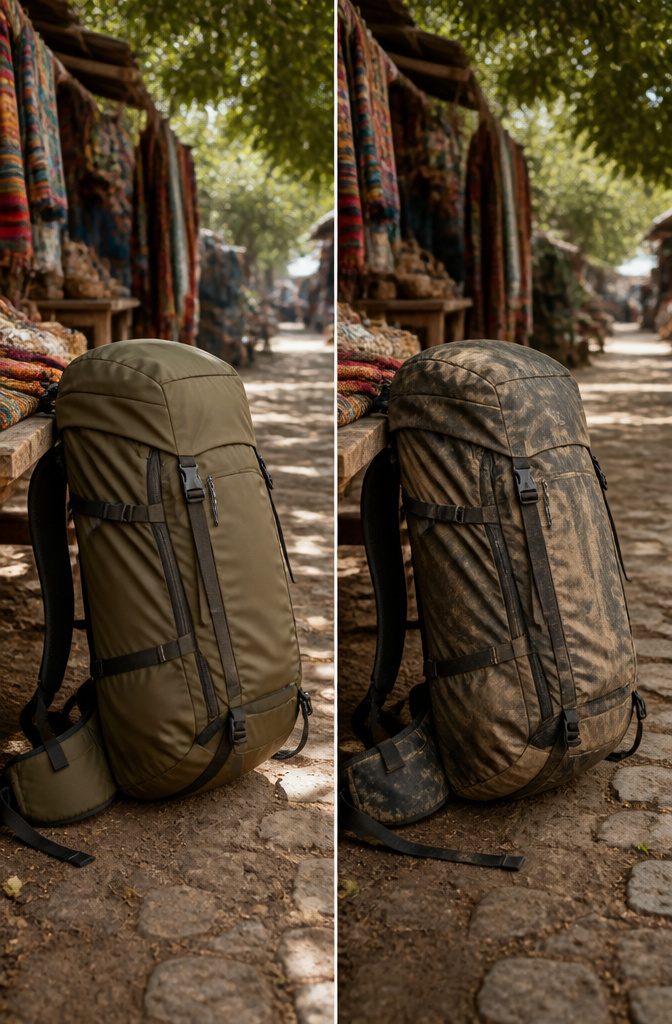
A 25-liter pack handles a long weekend; a 40- to 45-liter bag carries two weeks if you choose well. The gap between them is not just volume but discipline.
Smaller forces harder choices and lighter loads, which is exactly why you chose to live out of a backpack. Go larger and you will fill the space, every time.
Durability and functionality matter more than clever pockets. A broken zipper in Lisbon or a strap that digs into your shoulder by day three turns travel into endurance.
I look for reinforced stress points and a hip belt that actually transfers weight, not just decorative webbing. Water resistance helps; a dedicated rain cover is better still.
This choice is the foundation everything else builds on. Clothing systems, gear lists, even how you move through airports or onto ferries, all flow from what you are willing to carry on your back.
Get the pack wrong and the best packing strategy in the world only compensates so much.
2. Pack Versatile Clothing and Lightweight Fabrics
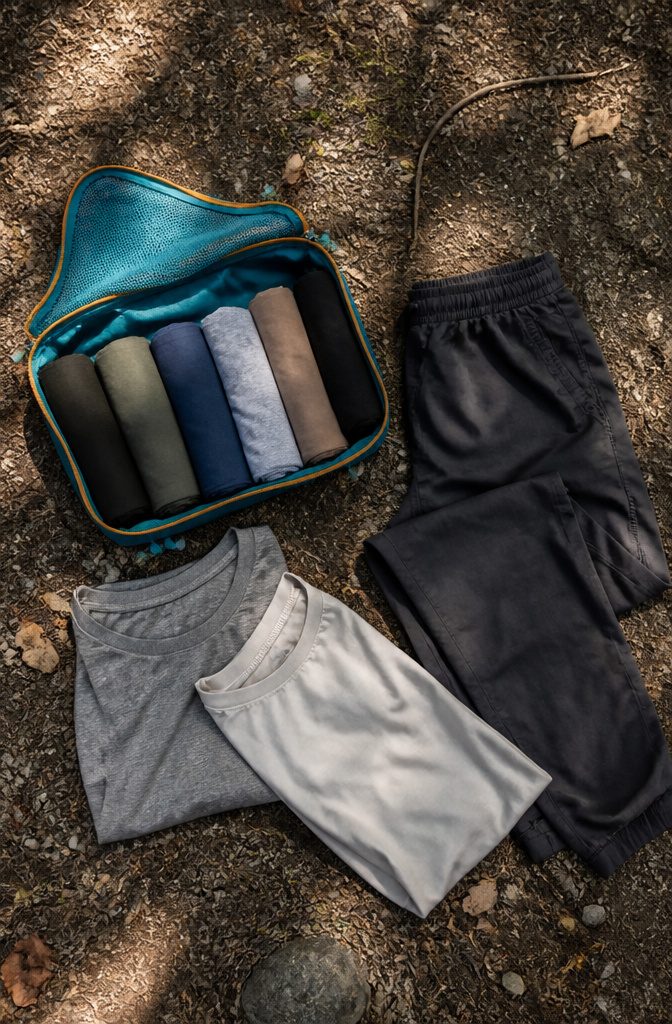
The right fabrics make or break living out of a backpack.
Merino wool and synthetic blends dry overnight in a hostel sink and resist wrinkles without needing an iron. I skip cotton almost entirely; it stays damp for hours and eats up packing space I do not have.
Rolling clothes instead of folding them saves roughly a third of the volume in my pack and keeps shirts wearable straight out of the bag.
A single pair of dark pants, two neutral tees, one light hoodie, and a compact rain shell covers five days or fifty, since everything mixes.
One source travels with a 15-liter bag using exactly this formula: pants and a tee on the body, one spare of each plus socks and underwear packed.
Toiletries stay minimal and under 3.4 ounces per bottle.
Deodorant, toothbrush, floss, and a solid bar of soap replace half the liquids I used to carry. The weight drops by half, and security screening becomes routine instead of a repacking scramble.
3. Maximize Space With Cubes and Compartments
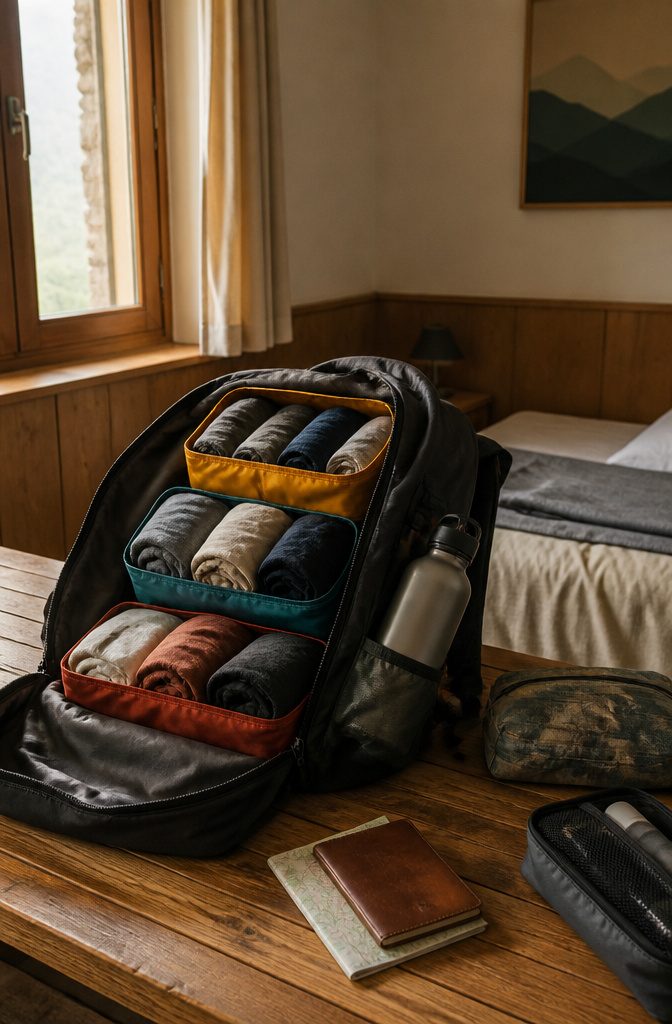
Rolling clothes instead of folding them is the first move that actually buys space.
The technique removes air from sleeves and pant legs, and the tight cylinder resists wrinkling better than a creased fold. Once the rolling is done, packing cubes keep those rolls from unspooling the moment you dig for a charger.
I use one cube for tops, another for bottoms, and a third for underwear and socks. The separation means I pull out one cube at a time instead of disturbing everything.
Compression bags add another level for bulky layers, though they wrinkle synthetics more than cubes do. I save them for fleece or down that springs back.
The outer pockets matter more than most people use them.
A front organizer pouch holds a passport, wallet, and phone for security lines. Side pockets take a water bottle.
The lid pocket works for toiletries in a zippered pouch, which contains any leak before it reaches clothing. A 40-liter pack with this system holds roughly five days of clothing and gear, maybe seven if every piece mixes and matches.
The limit is real, but so is the reward: everything has a location, and you find it without unpacking half your life on a hostel floor.
4. Invest in Multi-Functional Gear
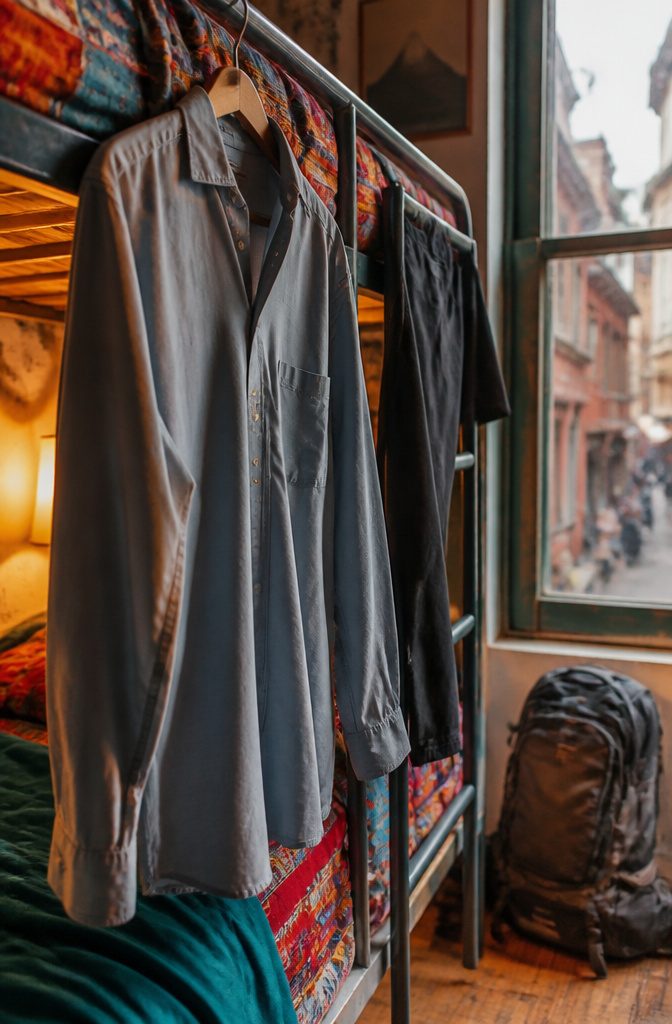
Every item in a backpack competes for the same limited real estate, so versatility is the only way to keep load manageable.
I look for pieces that work across contexts rather than single-use specialists. A button-down shirt in lightweight, quick-drying fabric functions at a casual dinner, as a sun shield on a boat, or layered under a sweater when temperatures drop.
Dark merino wool trousers handle city walking, light hiking, and evenings out without looking like travel costume.
Accessories should earn their grams too. Packing cubes separate clean from dirty but also compress volume; a carabiner clips a water bottle, secures a laundry line, or hangs gear off a hostel bunk.
Tactical pouches with Molle webbing attach where needed and relocate when the situation changes. What you spend upfront, in money and in time hunting down items that genuinely span uses rather than merely claiming to, comes back later.
A jacket with zip-off sleeves that looks awkward in either mode wastes money and space. I pay more for one piece that works well in three situations than for three pieces each perfect in one.
5. Stay Organized On the Move
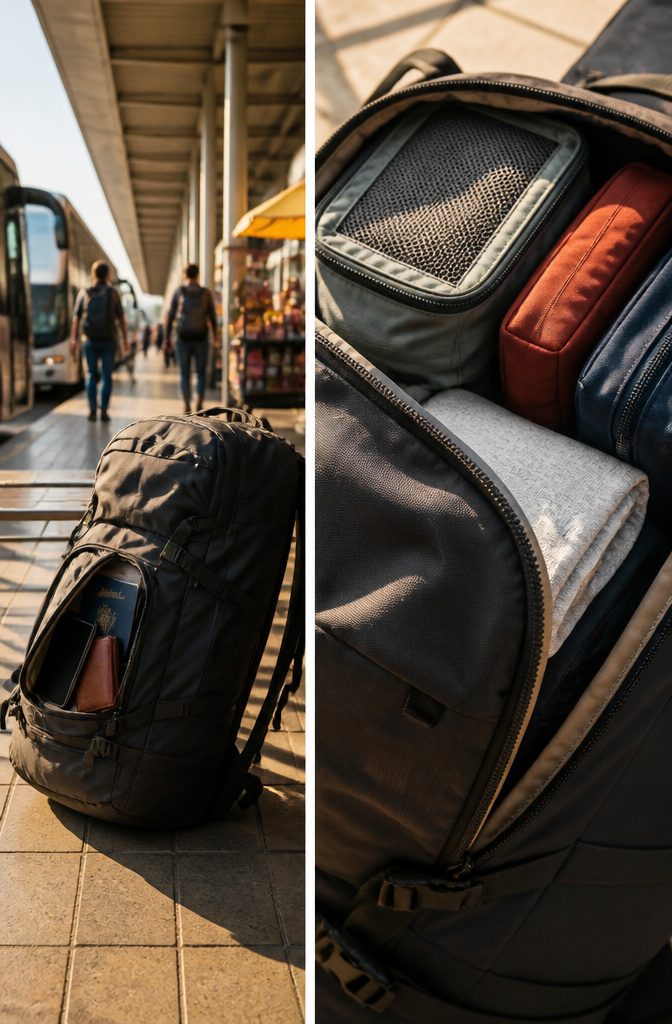
A pocket you can reach without taking the pack off is the difference between fluid travel and constant frustration.
I keep my passport, wallet, and phone in the most accessible outer pocket or a small tactical pouch clipped to a shoulder strap, because digging to the bottom of a loaded bag on a hot bus platform is not where I want to spend my time.
The clean-versus-dirty problem will sink your whole system by day three if you let it.
I use packing cubes or zippered pouches to separate worn clothes from fresh ones, and I assign one cube to dirty laundry the moment the first worn item goes in.
That containment also keeps a leaky toiletries bottle from spreading through everything else. Quick retrieval without unpacking the entire load is what separates a setup that lasts from one you abandon after a week.
6. Wash Clothes and Live Minimally
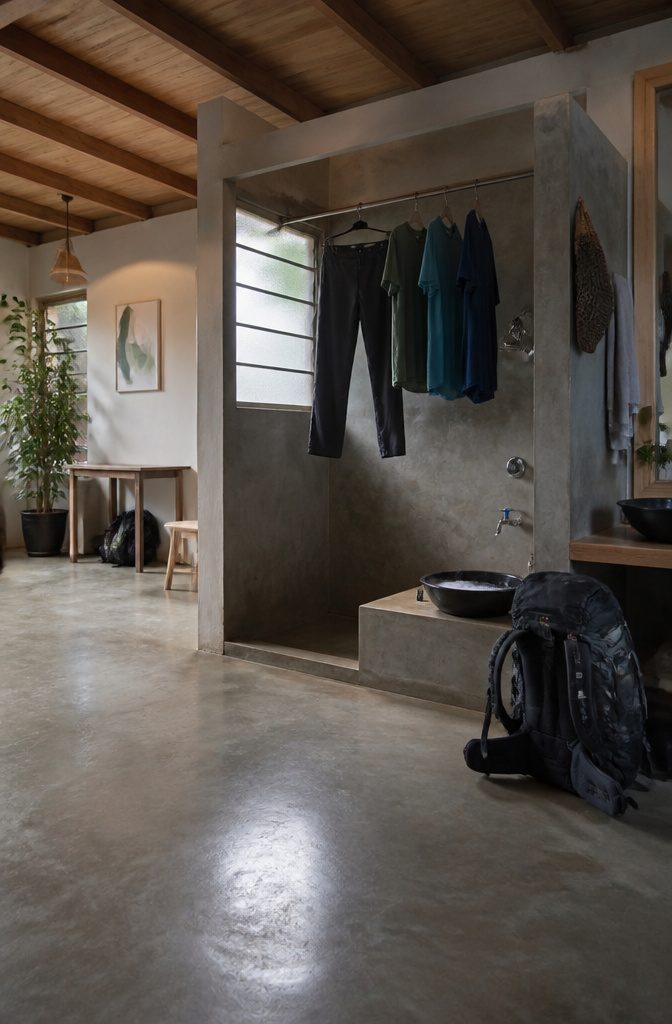
Three minutes in a hostel sink is what keeps the whole system running.
Rub a little soap through a shirt, rinse, wring it tight, and hang it on a chair back or shower rod overnight. Quick-dry fabric matters here; cotton stays damp for half a day and starts to smell.
What you get back is carrying almost nothing: a pair of pants, a couple of shirts, spare socks and underwear, maybe a light hoodie. Wash daily, wear daily, and the bag stays under 20 liters.
That is the real shift. Living out of a backpack is not about organizing what you own; it is about owning so little that organization stops being a problem.
The first week feels like deprivation. After that, dragging a roller bag through a crowded train station looks like the hardship.
What Living Out of a Backpack Actually Means
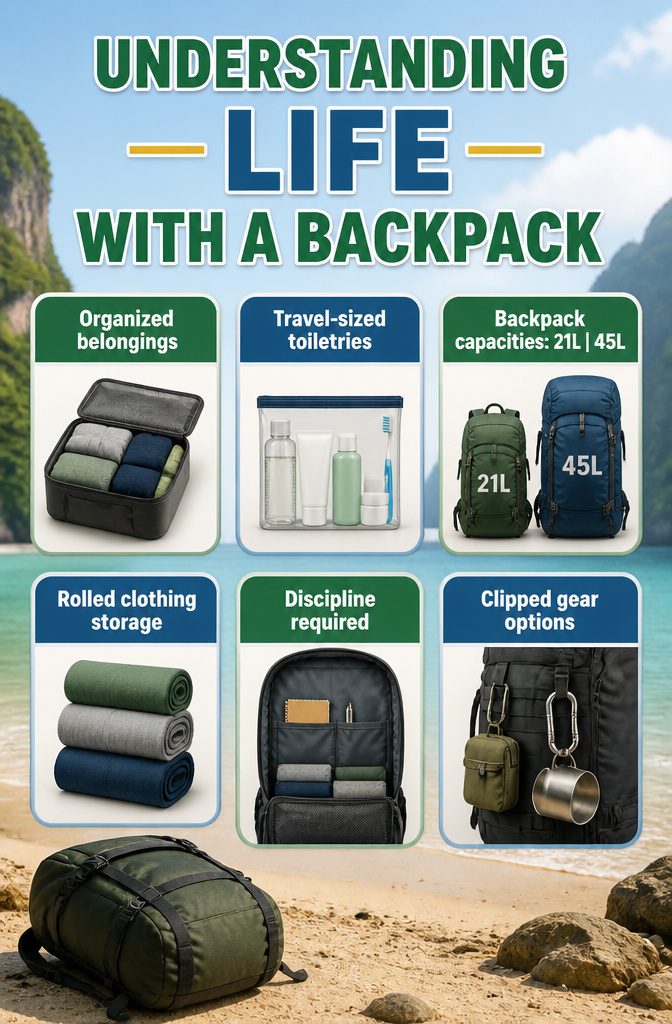
Living out of a backpack means carrying every personal item you need in a single bag while moving through the world without a fixed address. The definition sounds simple, but the reality reshapes your relationship with possessions.
Clothing becomes a system, not a wardrobe: each piece must pair with every other piece, and quick-drying fabrics win because a sink wash at midnight needs to be wearable by morning.
Toiletries shrink to travel-sized containers that fit in one hand.
The 21-liter pack is enough for some; others need the breathing room of 35 liters or the full 45. The real constraint is not the bag’s volume but your willingness to own only what serves a purpose.
Space gets reclaimed through rolled clothing, compression cubes, and the discipline to store socks in the pockets that line the interior rather than letting them roam.
The lifestyle adjustment is steeper than the packing technique. You buy nothing without asking where it sleeps, and you learn that "organized" means every item has a assigned place because chaos in a backpack spreads fast.
Some travelers pair their pack with carabiners and tactical pouches clipped to exterior webbing; others keep it stripped clean to dodge airline fees and narrow bus aisles.
Neither choice is wrong, but the stripped approach wins if your moves are frequent and your routes involve budget carriers.
Backpack Sizes and Mobility Packs
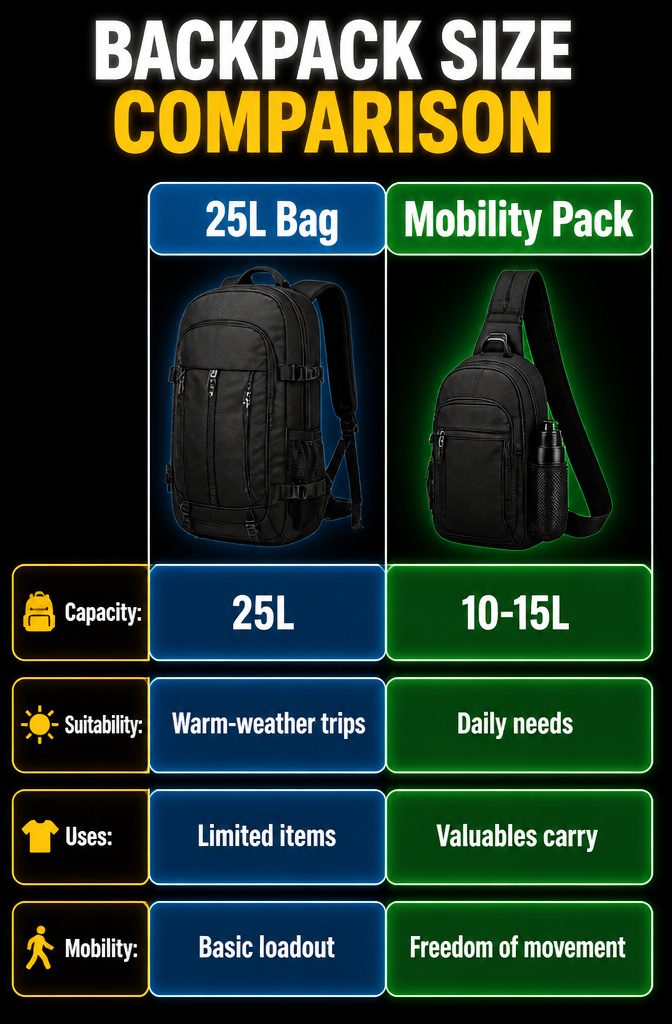
Capacity matters more than features when you’re actually wearing the pack every day. A 25L bag forces hard choices and works only for warm-weather trips where you wear your bulkiest items onto the plane.
Most people land at 35L to 40L, which holds roughly five days of clothing plus a sleep layer and light rain shell without checked-bag fees on budget airlines.
At 45L you gain flexibility for cold nights or a laptop, but the frame starts catching on bus aisles and narrow hostel staircases. I think 40L is the practical ceiling for true mobility.
The mobility pack sits outside this math entirely. It is a 10L to 15L cross-body or small daypack that never nests inside your main bag, because that defeats its purpose.
You carry it in front on travel days, with passport, phone, a water bottle, and your one in-flight comfort item. Once you drop the big pack at lodging, the mobility pack becomes your walking-around kit.
Without it, you either overpack the main bag for daily use or leave valuables in a hostel locker and hope. The two-bag system looks like extra gear, but the real weight stays on your back where it belongs.
Laundry Supplies for On-the-Go Washing
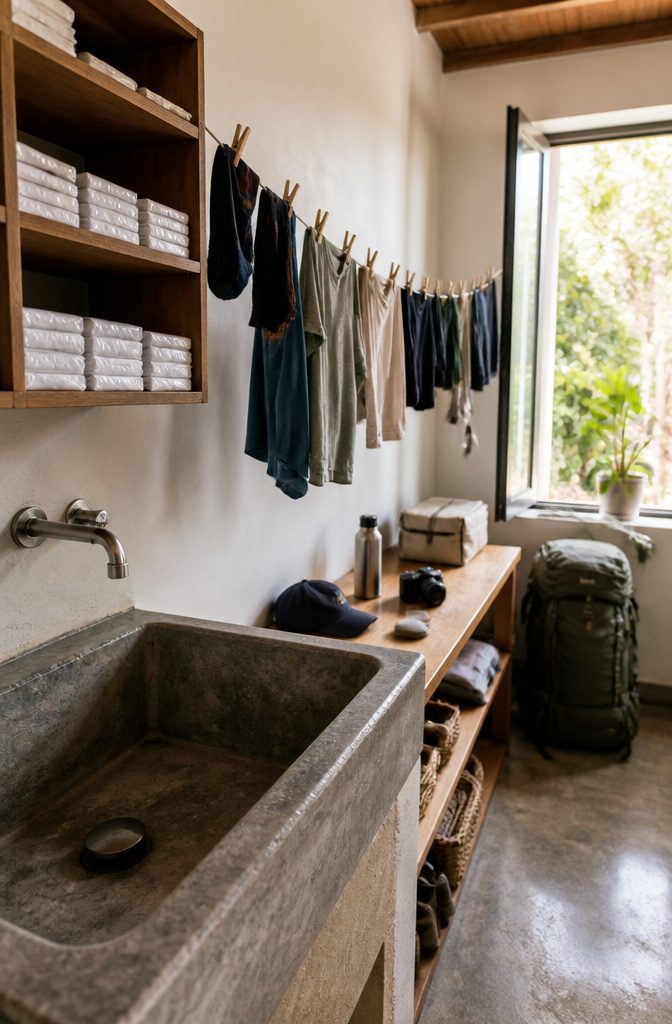
A solid sink stopper and a short length of braided clothesline do more washing than any gadget I have seen marketed to travelers.
The stopper turns any hotel or hostel basin into a washtub. The clothesline, strung across a shower rod or window frame, holds a full day’s wash with space to dry.
Detergent sheets beat liquid or powder for the same reason solid shampoo wins: no leaks, no TSA drama, and the weight is almost nothing. I carry enough for two weeks and tear pieces for small loads.
Wool clothing changes the math entirely. A merino shirt can go three to four wears before it needs washing, and it dries overnight on that clothesline.
Cotton demands more frequent washing and stays damp longer, which in humid climates means smelling like a gym bag by morning.
The real discipline is washing every evening, not waiting until you are out of clean clothes.
Fifteen minutes of agitation in a sink, a wring, a hang, and you wake to a dry wardrobe. Skip this habit and you are suddenly hunting an overpriced laundromat in a city you wanted to walk instead.
Frequently Asked Questions
What does living out of a backpack mean?
Living out of a backpack means carrying every personal item you need in a single bag while moving through the world without a fixed address.
It reshapes your relationship with possessions: clothing becomes a system where each piece must pair with every other piece, and you own only what serves a purpose.
The lifestyle requires minimalism and the discipline to wash clothes in a sink and buy nothing without asking where it sleeps.
How can I maximize space in my backpack?
Roll clothes instead of folding them, then corral those rolls in packing cubes so they do not unspool when you dig for a charger.
Compression bags help with bulky layers like fleece or down. Use outer pockets deliberately: a front pouch for passport and wallet, side pockets for a water bottle, and the lid pocket for toiletries in a zippered pouch to contain leaks.
What should I pack for living out of a backpack?
Pack versatile clothing in quick-drying fabrics like merino wool or synthetic blends, plus multi-functional gear where one item serves three contexts.
A single pair of dark pants, two neutral tees, one light hoodie, and a compact rain shell covers five days or fifty, since everything mixes.
Toiletries stay under 3.4 ounces per bottle: deodorant, toothbrush, floss, and a solid bar of soap replace half the liquids travelers usually carry.
What size backpack do I need for living out of a backpack?
A 25L bag forces hard choices and works only for warm-weather trips where you wear your bulkiest items.
Most people land at 35L to 40L, which holds roughly five days of clothing plus a sleep layer and rain shell without checked-bag fees.
At 45L you gain flexibility for cold nights or a laptop, but the frame starts catching on bus aisles and narrow staircases. 40L is the practical ceiling for true mobility.
Is a backpack good for traveling?
A backpack beats wheeled luggage for any route involving buses, trains, ferries, cobblestones, or hostel staircases. The weight stays on your back instead of dragging behind you through crowded stations.
What you give up is the ability to set anything down; that is why keeping the load under 20 liters through daily sink washing and minimal ownership matters more than organizing a heavier bag.
What is living out of a suitcase?
Living out of a suitcase is the parallel phrase for a mobile lifestyle using wheeled luggage rather than a backpack.
The concept is similar: minimal possessions, no fixed address, frequent movement. The difference is mechanical: suitcases roll on flat surfaces and must be carried up stairs or over cobblestones, while backpacks distribute weight on your body and free your hands.





