
Entry costs nothing for nearly all 18 ideas on this list; what I actually pay for is parking, fuel, or a few dollars in a donation box at a church or garden, so the cheapest outing is the one with the fewest of those side costs.
Getting there decides my pick: an old town walk, a library visit or a mural loop needs no car, while scenic drives and beach lots put fuel and parking on the bill.
Museums are the exception, since many charge, though the Smithsonian museums in Washington, DC are free every day, and the White House tour is free if you book far in advance.
1. Free Iconic Bridges and Parks
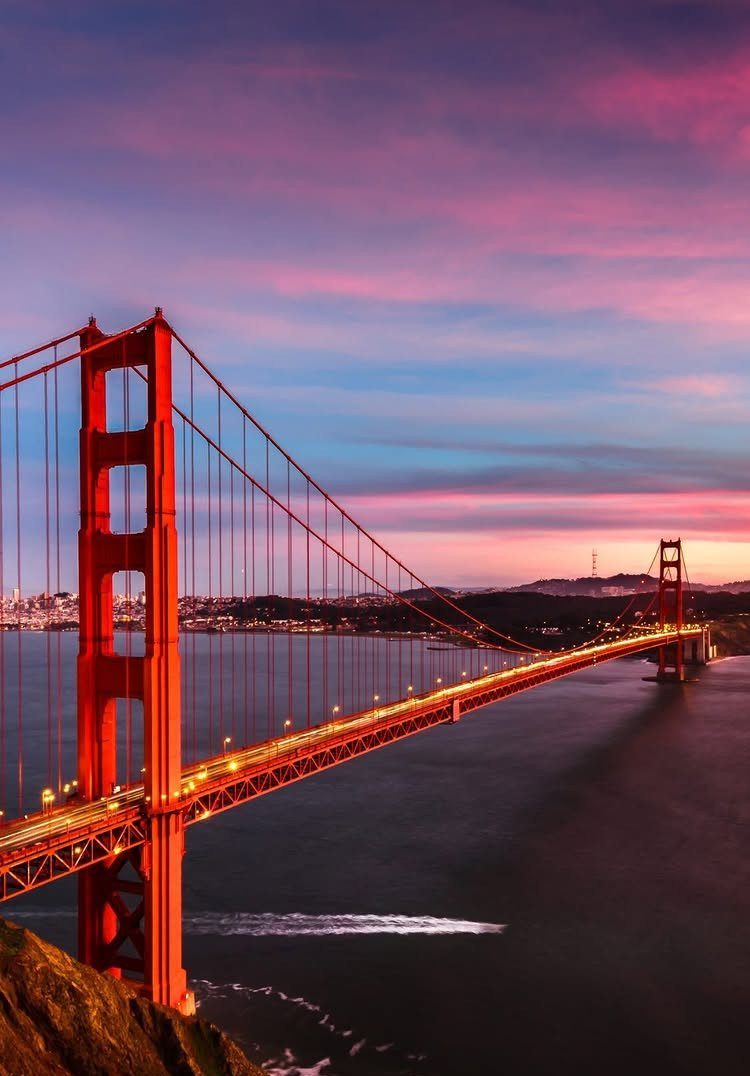
Walking across a famous bridge costs nothing, and a sunset view like this makes late in the day the right time to do it.
Bring a layer, since bridges and open water tend to be windy and cool in the evening. Parking and transit can cost money, so work out how you’ll reach the approach ahead of time.
The park at either end often gives a better view than the deck itself.
2. Local Markets with Fresh Produce

2 jars of jam in hand, a vendor chatting across the table: a local market is the cheapest route to learning what a place actually eats. Walking the stalls costs nothing, and many vendors let you taste before you buy.
I like going with a small budget and a plan to spend it on one jar or one piece of fruit. Independent shops nearby often cluster around the market, so the browsing can fill an entire morning.
Go early for the best produce, and carry a tote bag.
3. Go for a Hike
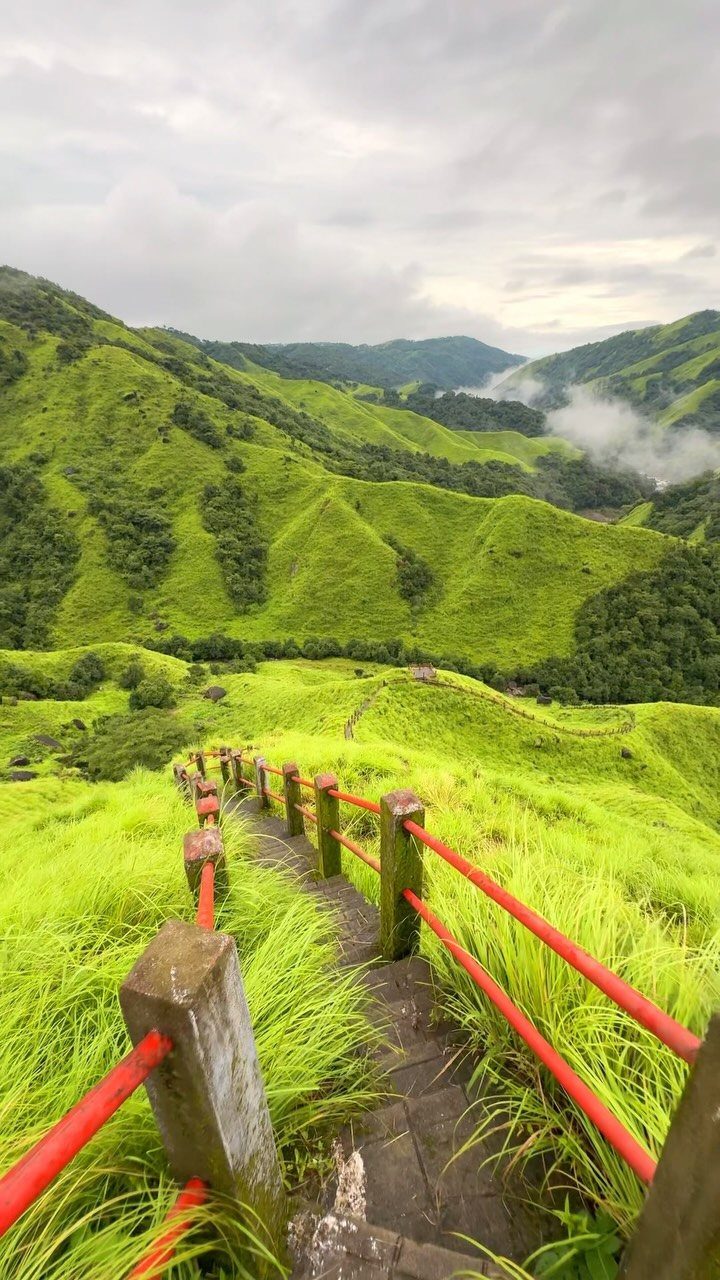
Stone steps with red railings dropping into a misty green valley are what a good free hike looks like: no gate, no fee, just a trail and a few hours.
Hiking lets you see the natural beauty of wherever you’ve landed, and it’s the best use of a free day when the weather cooperates.
Pick a route you can finish before dark and look at the weather report, because mist and cloud change both views and footing. Steps like these can be slick when wet, so wear footwear with solid grip.
Carry water and a snack.
4. Local Parks with Playgrounds

Admission is free, and the surrounding grass and trees give you a place to sit and rest between sights.
For families, a playground like this can save an afternoon and a lot of money. Look for ones with shade, since midday sun on play surfaces gets hot.
Search a map app for parks near your lodging, then pick the one with the newest-looking equipment.
5. Visit the Beach
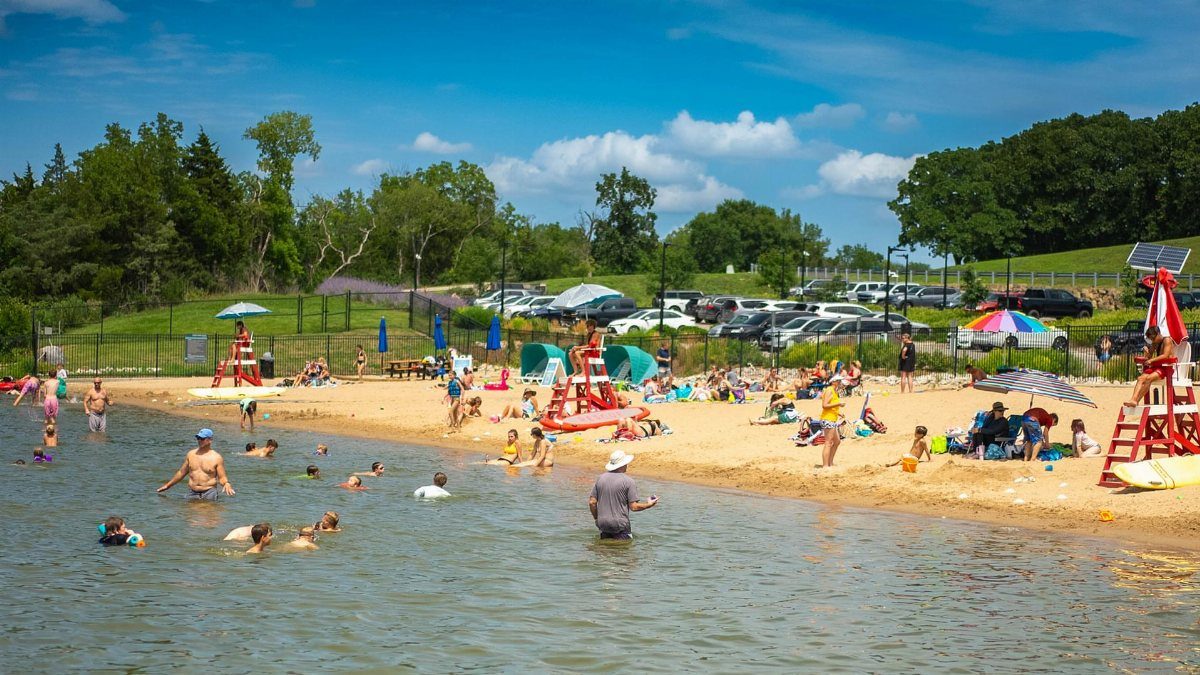
For a free swim, a public beach with lifeguards is the one to pick. Sun, sand and water cost nothing, and a stand with a guard on duty makes the water far easier to trust.
Expect crowds on sunny weekends, and expect parking to be the biggest hurdle; arrive early or the lot will be full. Bring your own umbrella or shade, since rentals add up quickly.
Swim near the lifeguard stand, and check posted flags before you get in.
6. Watch a Sunset
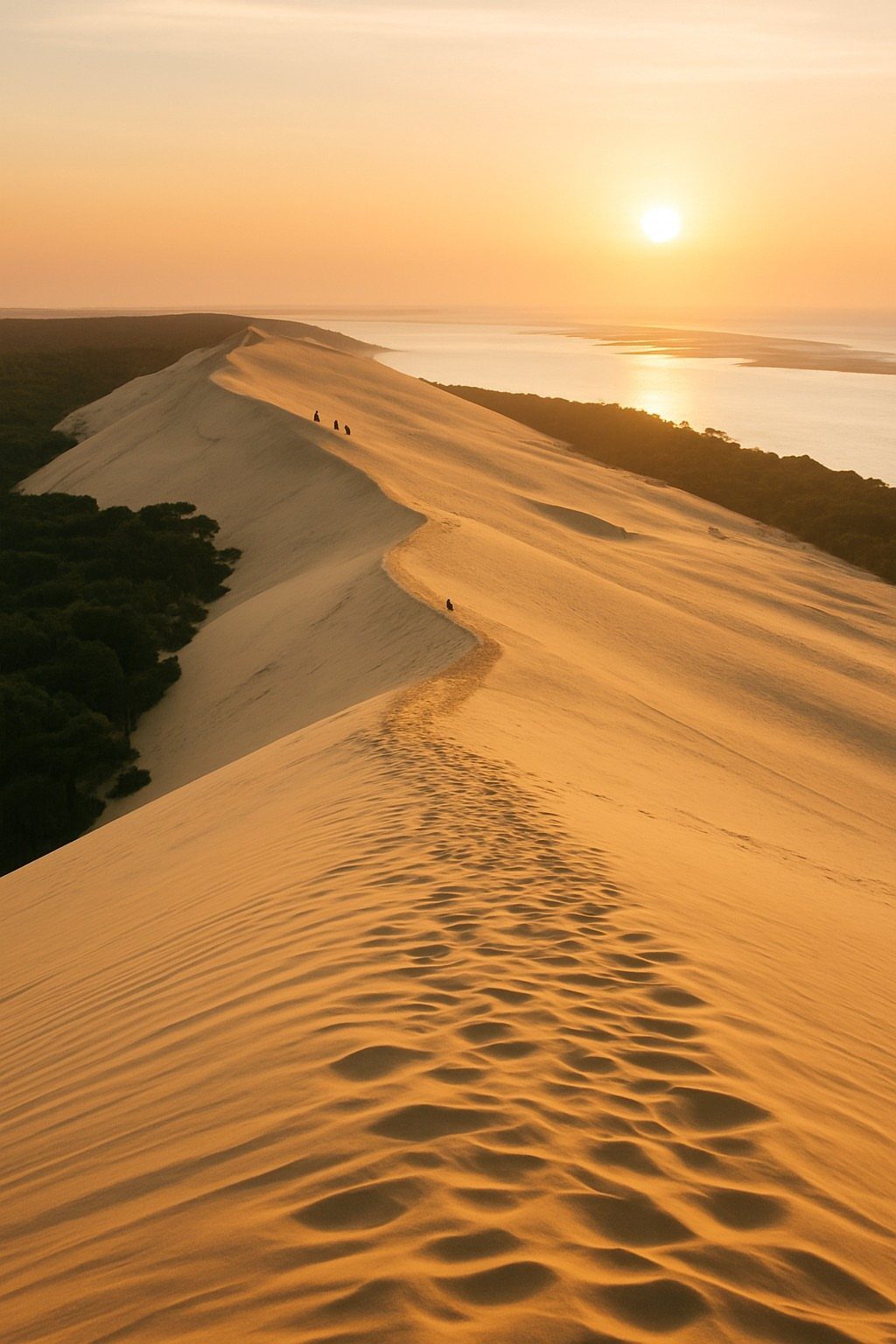
Climb a dune ridge about an hour before the sun drops, and you’ll have time to find a good spot without rushing.
Sunset costs nothing and rewards patience: golden sand, open water and a line of footprints leading you toward the light.
Bring a flashlight or phone light for the walk back, because the way down gets dark fast. Sand is tiring to climb, so wear shoes you can shake out.
Stay a few minutes after the sun is gone; the sky often looks better then.
7. Churches and Temples
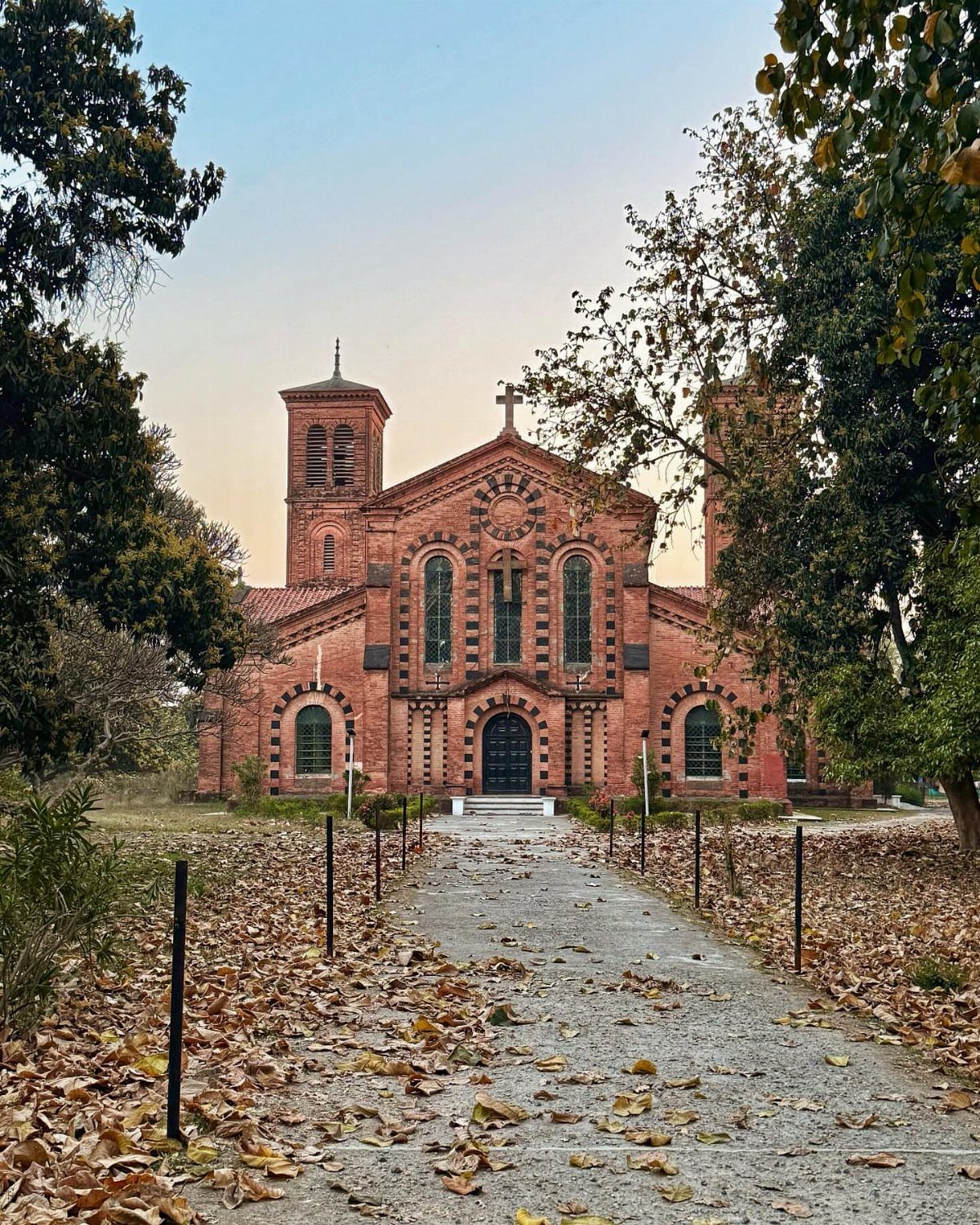
Brick towers at the end of a leaf-covered path make a church a fine free stop, since many keep their doors open to visitors at no charge. Check posted hours first, because a locked door is the most common letdown.
Dress modestly, with shoulders covered, and keep your voice low if a service is underway. A donation box near the entrance is the polite place for a few dollars, though no one requires it.
Walk the grounds even if the doors are shut.
8. Explore Botanical Gardens
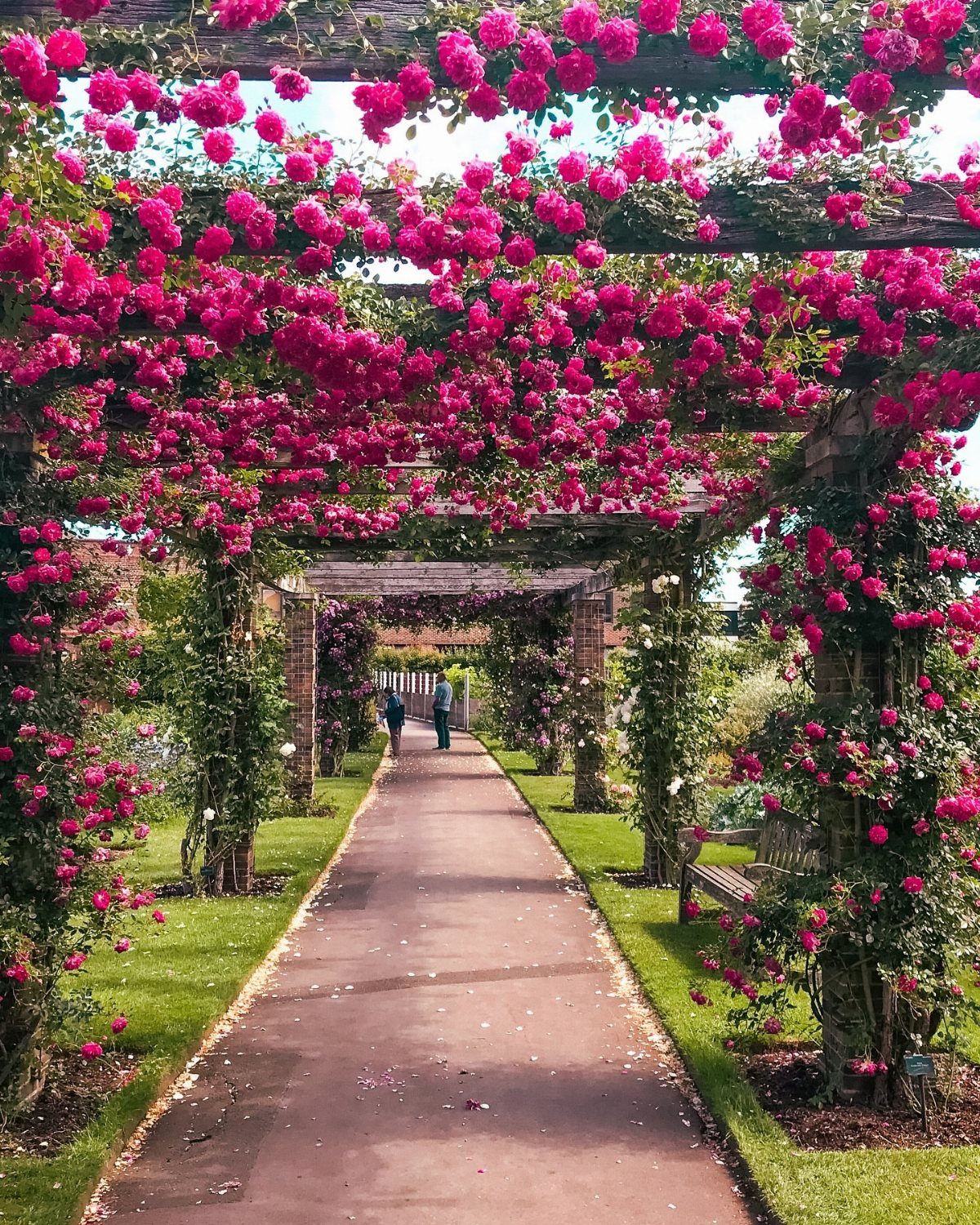
A rose-covered pergola over a paved path is the kind of thing a botanical garden does well: plants labeled, benches placed where the view is best, and room to wander slowly.
Some gardens charge admission, so confirm the price first and look for free days or free hours.
Visit when the main beds are in bloom, which for roses usually means late spring into summer. Quiet mornings suit gardens best, so a nearly empty path is a good sign.
Bring water and sit on a bench for a while.
9. Murals and Installations in Urban Areas

Find a big wall painting, like a face ringed with flowers, and you’ve got a free gallery with no hours.
Neighborhoods with a lot of street art are worth a loop on foot, and a map app search for "murals" near your lodging usually turns up a cluster.
Go in soft morning or late-afternoon light for photos, and step back far enough to fit the whole piece. I’d pick a walk of several walls over a single stop.
Look for lettering or dates in the artwork; they often hint at the story.
10. Historic Old Town Walking Tour
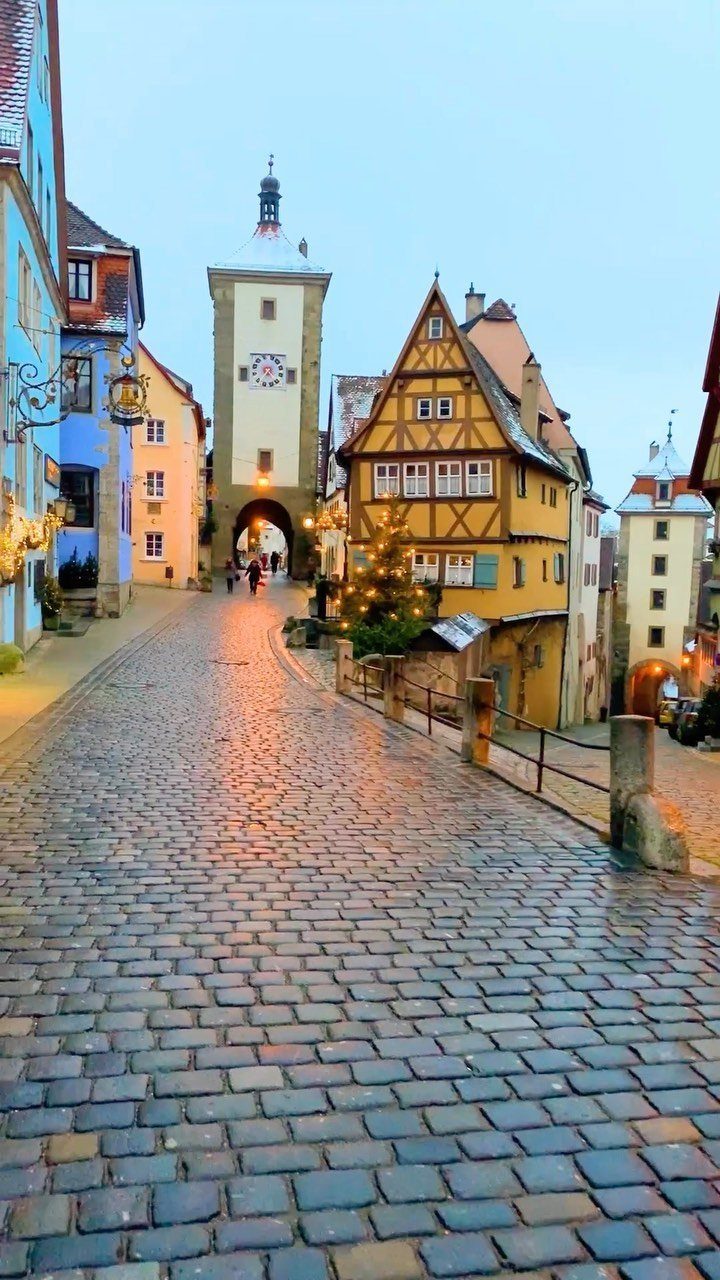
A cobblestone street lined with half-timbered houses and ending at a clock tower is a walking tour that needs no guide. Wander without a fixed route, and let the tower pull you along.
Choose grippy soles, since uneven stone is hard on thin shoes and on ankles. Many old towns have free self-guided maps at visitor centers, and those beat paid tours on price.
Go early, before the lanes fill with tour groups, and look up at the rooflines.
11. Nature Boardwalk Trails
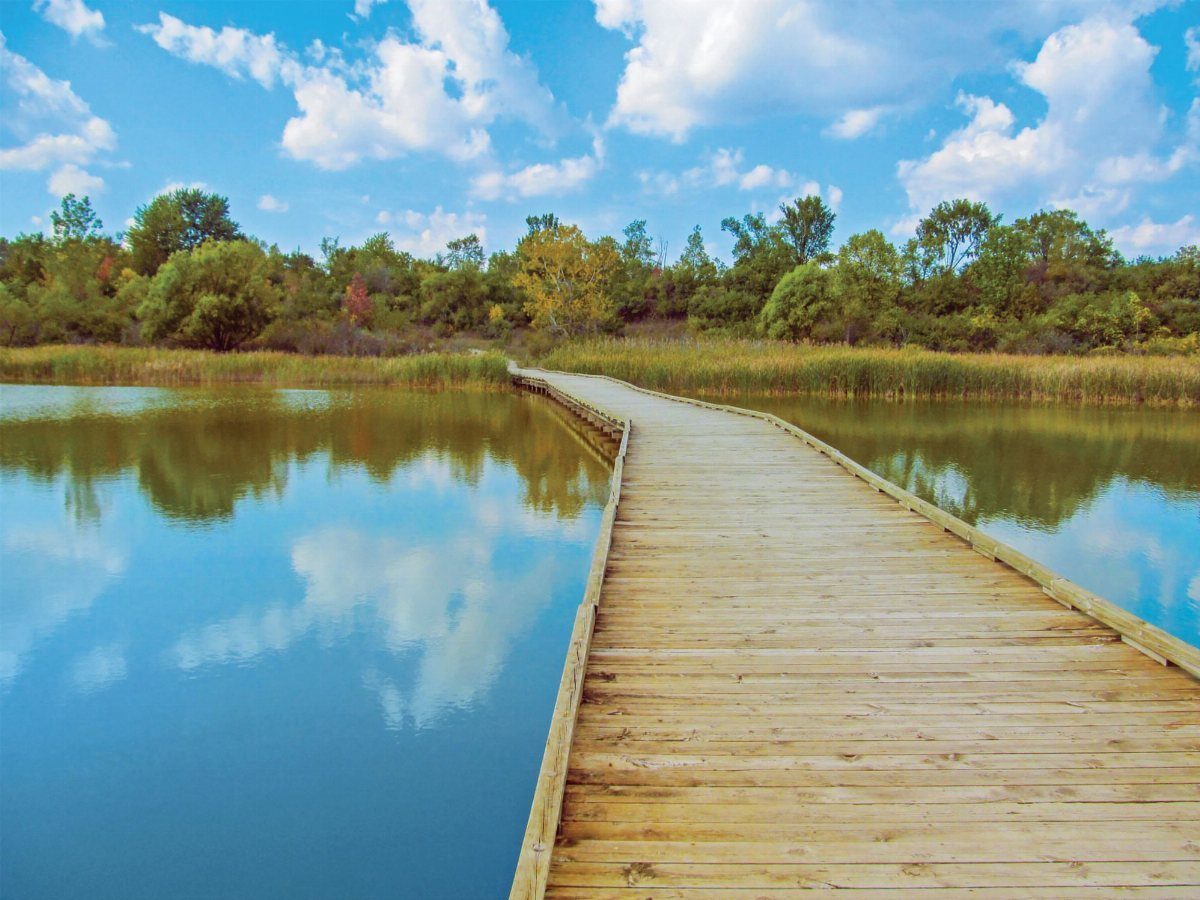
A wooden boardwalk curving over calm water lets you cross wetland without getting your feet wet, and walking it is free in most places. The flat surface makes it one of the easiest outings for any fitness level.
Bring bug spray in warm months and stay on the planks to protect the habitat.
Move slowly; wildlife shows up for quiet walkers.
12. Outdoor Sculpture Gardens

An open-air sculpture garden gives you art you can walk all the way around, with no ticket line. Many courtyards and public plazas hold pieces like this, and a search for "public art" near you often finds them.
Walk around each piece rather than viewing it from one side. Cloaked forms like this change a lot with the angle of the light.
Check for a nearby plaque; it names the artist and costs nothing to read.
13. Coastal Cliff Walks
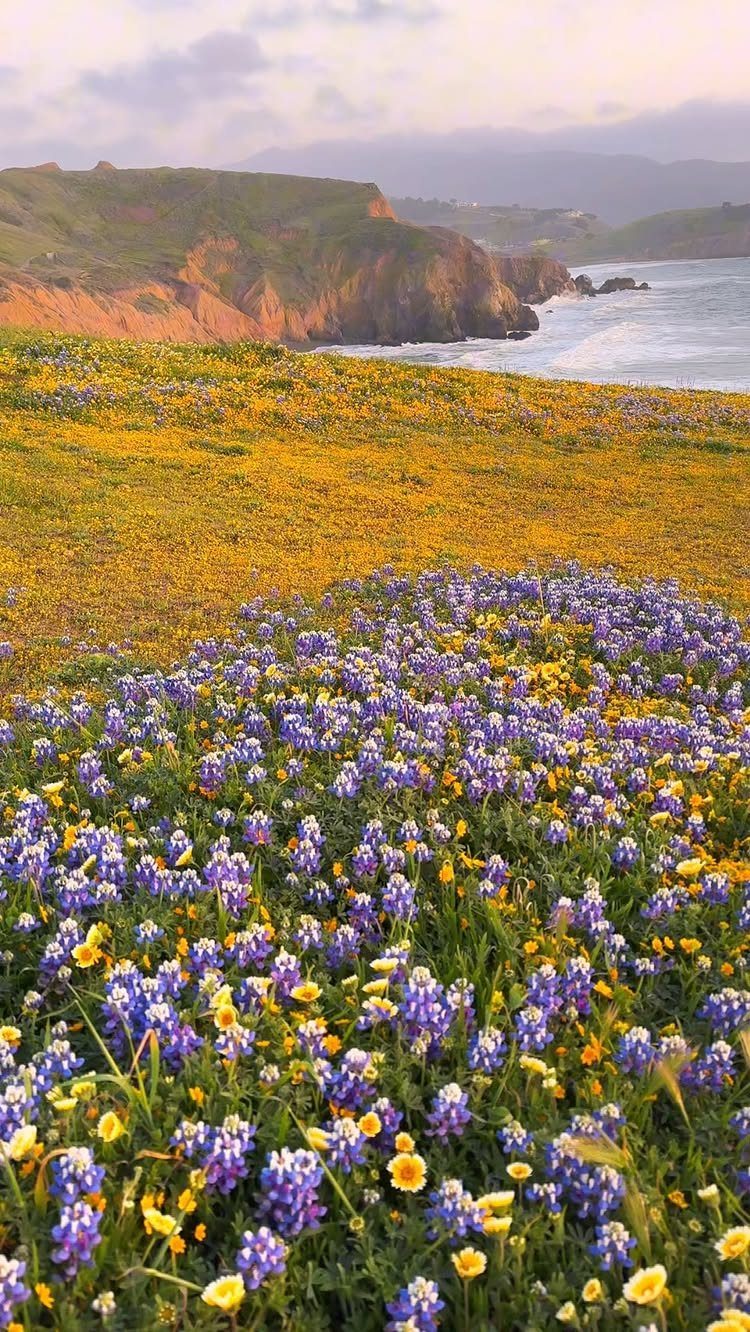
Wildflowers along a cliff edge turn a plain coastal walk into the best free afternoon on a budget. The path costs nothing, and the ocean and distant hills do the work.
Stay on the worn trail, since cliff edges can crumble and the flowers are easy to trample. Wear shoes with grip, and keep a layer handy because cloud and sea wind cool things fast.
Pick a clear day, if you can, for the long views.
14. Scenic Outdoor Picnic
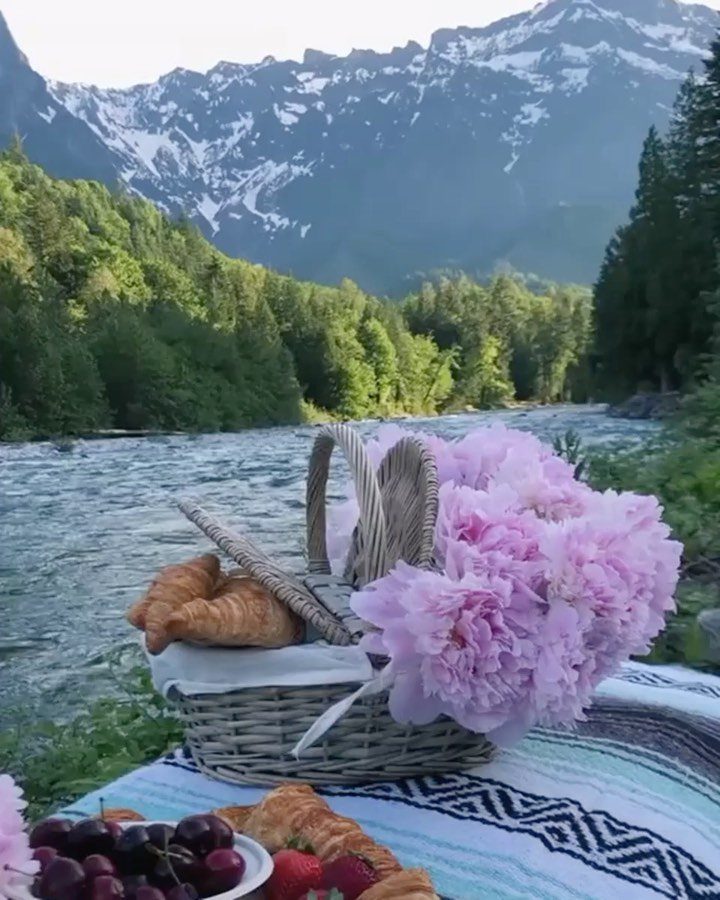
Pastries, cherries, strawberries and a bunch of peonies on a blanket by a river: a picnic gives a scenic spot a purpose, and the food is the only cost.
A bakery stop and a market fruit run keeps the total low.
I’d choose a flat spot near the water with a view of the mountains, then pack a trash bag and take everything back out.
Fruit and pastries need no cooking, so a basket is all the gear required.
15. Window Shopping in Historic Arcades

Under a vaulted glass ceiling, a historic arcade lets you browse polished floors and carved stone facades without buying anything. Walking in is free, and window shopping is the whole activity.
Look up as much as you look sideways; the ceiling is the main attraction. Shops can tempt, so decide beforehand to spend nothing, or limit yourself to one small treat.
Weekday mornings tend to be calmer for photos.
16. Scenic Drives
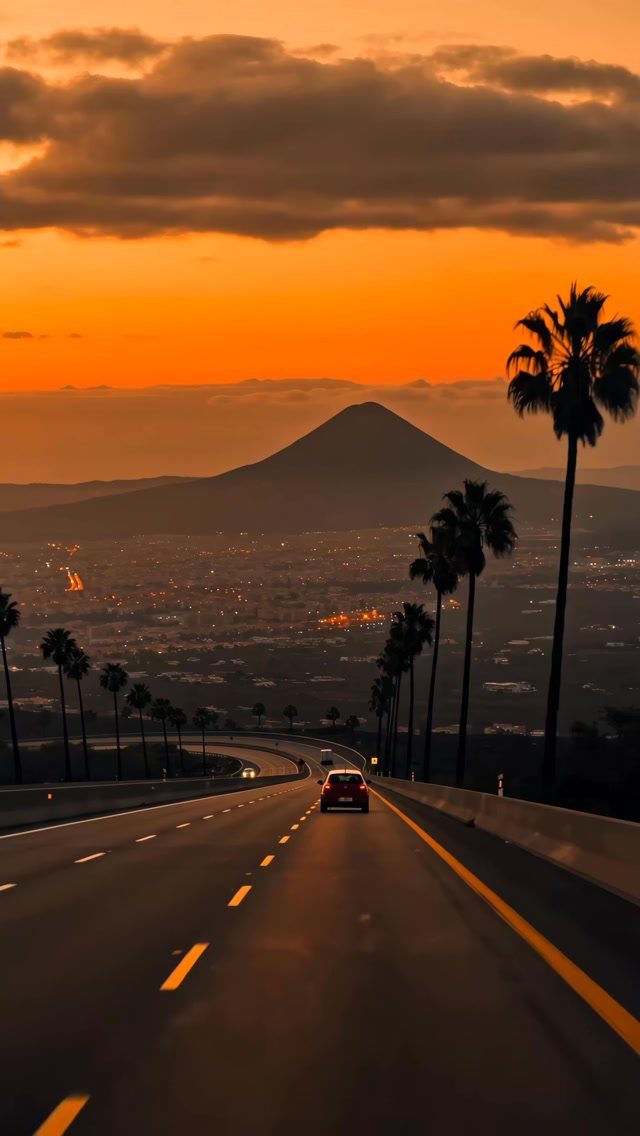
A road lined with palm trees running toward a mountain at sunset is a drive worth planning around the light. The scenery costs nothing; fuel is the real expense, so pick a loop you can finish in one outing.
Fill the tank beforehand and check your route on a map app. I’d time the drive for the hour before sunset, then pull over safely at a spot with a view instead of shooting photos from the wheel.
17. Historic Cemetery Exploration

An old stone mausoleum with a rose window and a tall obelisk makes a historic cemetery a quiet, free outing, with autumn leaves adding to it. Many keep gates open during daylight, but check posted hours first.
Walk softly, stay on paths, and never lean on or rub weathered stones. Photograph from a respectful distance.
Look for dates and carved symbols; they tell the story of a place better than any sign.
18. Modern Public Library Visit

Skylights, big glass windows and a metal staircase make a modern library a free, bright place to rest, and entry costs nothing. Many have seating by the windows, so it works well for a midday break.
Check opening hours before you go, and keep your voice low. Ask whether the building has a viewing floor or an exhibit space; those are often the best part.
A library also gives you free Wi-Fi to plan the next stop.
Finding Free Activities
Ask the staff directly: "What’s free this week?" gets a better answer than "What should I see?"
Locals know what never makes a brochure. A barista, a hotel desk clerk or a vendor at a market stall will often name a free concert, a neighborhood festival or a viewpoint within a minute.
Community events are worth checking a few days ahead. Look at the town’s event calendar or a library bulletin board.
Museums are the exception to the "free" rule, since many charge. Look at their websites for free entry days, discounts for students, seniors or military veterans, and reciprocal entry if you hold a membership at a museum back home.
Planning Around Free Days
Free days reward planning, so check each site’s official page before you book flights or lodging. Build the rest of the trip around the free day, not the other way around.
Some famous museums are free every day, including the Smithsonian museums in Washington, DC.
Plenty of other museums only waive the fee during set windows, like one evening a week, so check the posted hours on the museum’s own site before you plan a day around it.
Free days draw crowds, so arrive early and expect lines.
Check the other discounts too. Students, seniors and military veterans often get free entry on specific days, and a membership at a museum near home may get you in elsewhere.
One free tour needs far more lead time: the White House. You can tour it at no charge if you book far in advance, so request it as soon as your dates are firm.
Some museums only offer a free day once a month, but the Palm Springs Art Museum, with a modern and contemporary-art focus—including a whole house that’s a masterpiece—is free every Thursday evening from 5–7 p.m.
Budget Travel Tips
A tight budget doesn’t have to shrink a trip. I plan the paid highlights first, then fill the open days with free activities so the total stays reasonable.
That order matters. If you try to see everything a destination offers, the costs pile up fast, and free days give you room to breathe between the expensive ones.
Treat free days as part of the plan, not a fallback. Put them on the itinerary with the same weight as a ticketed stop, and the trip feels full instead of thin.
Walk the back streets of a big city, watch people in a public square, or head to the nearest trail.
Frequently Asked Questions
What activities to do with no money?
Hiking, a public beach with lifeguards, a sunset watch, a walk through a historic old town and a mural loop all cost nothing.
Match the pick to the weather and the hour: trails and beaches when the sky is clear, murals and old town streets in the soft light of early morning or late afternoon.
Free admission does not cover the trip itself, since parking, fuel and transit fares can add up, so work out how you’ll get there first.
Are museums free?
Some are, but many charge. In Washington, DC, every Smithsonian museum is free daily, but most other museums waive fees only in set windows, such as one evening each week.
Memberships can travel too: a pass from a museum near home sometimes gets you into partner museums in other cities.





