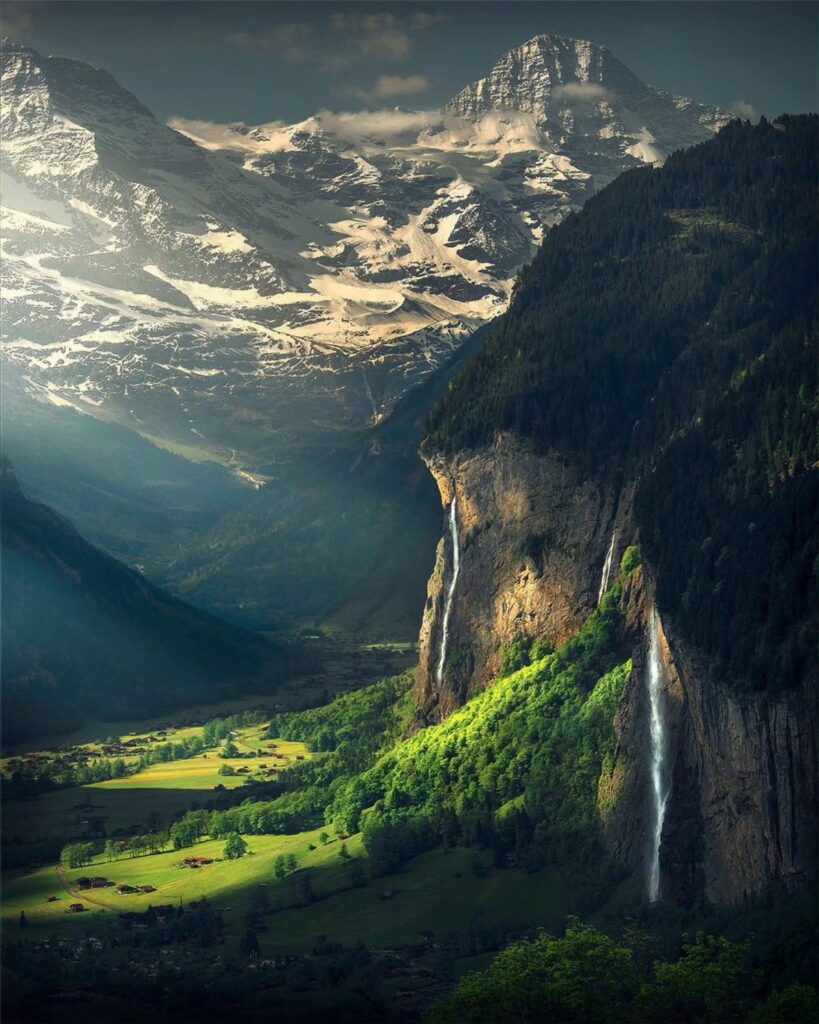
Season and sky decide which of these places fits your trip: the northern lights need a dark winter night and usually several tries, and Salar de Uyuni only mirrors the sky when a thin layer of water covers the salt.
The range runs from a short walk below the Grand Canyon rim to a long, costly trip for the icebergs and wildlife of the polar south, so check the timing for each place before you book anything.
1. Grand Canyon
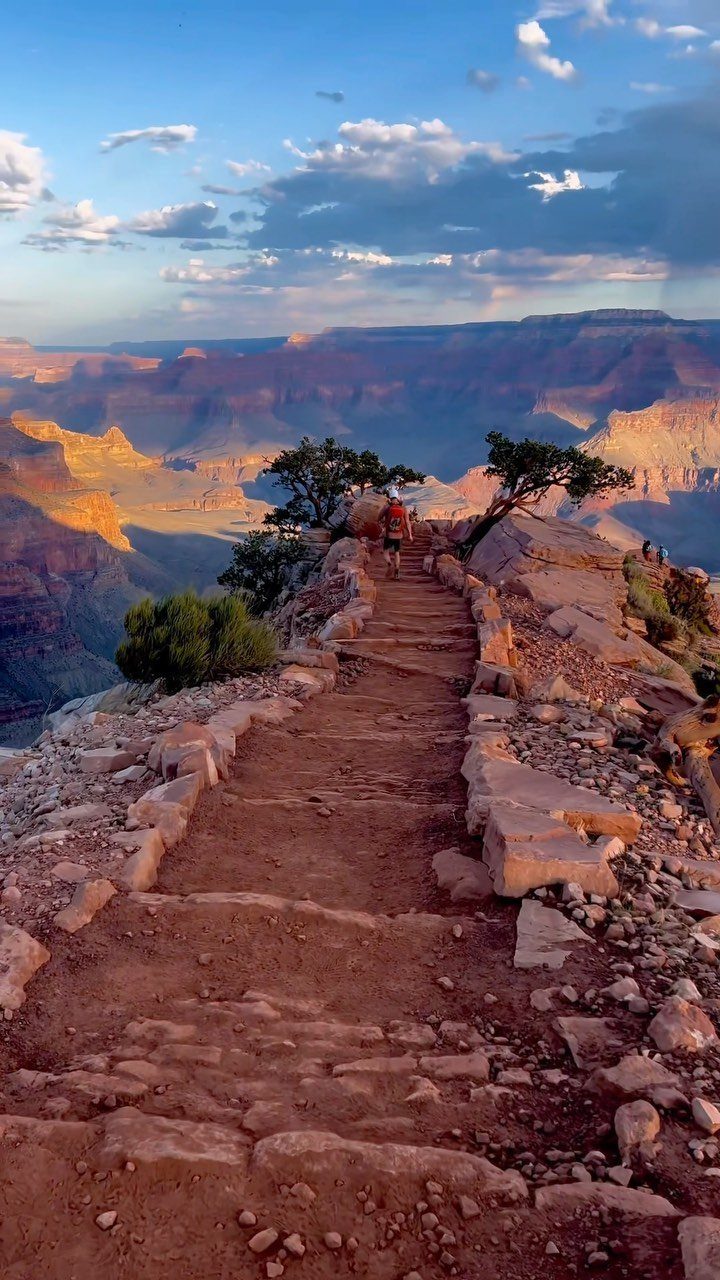
A stone staircase and a dirt trail are all it takes to get you below the rim, and that is where the Grand Canyon changes scale.
From the overlook the red rock reads as a painting; on the trail it becomes walls you have to climb back out of.
For a first visit, I would walk a short stretch down and turn around early. Every step down is a step you must climb back, so plan the return before you start.
Overcast days suit the Grand Canyon better than most people expect, because soft light keeps the glare off the rock and the reds and oranges look deeper, so I plan for clouds at the rim instead of dreading them.
2. Iguazu Falls
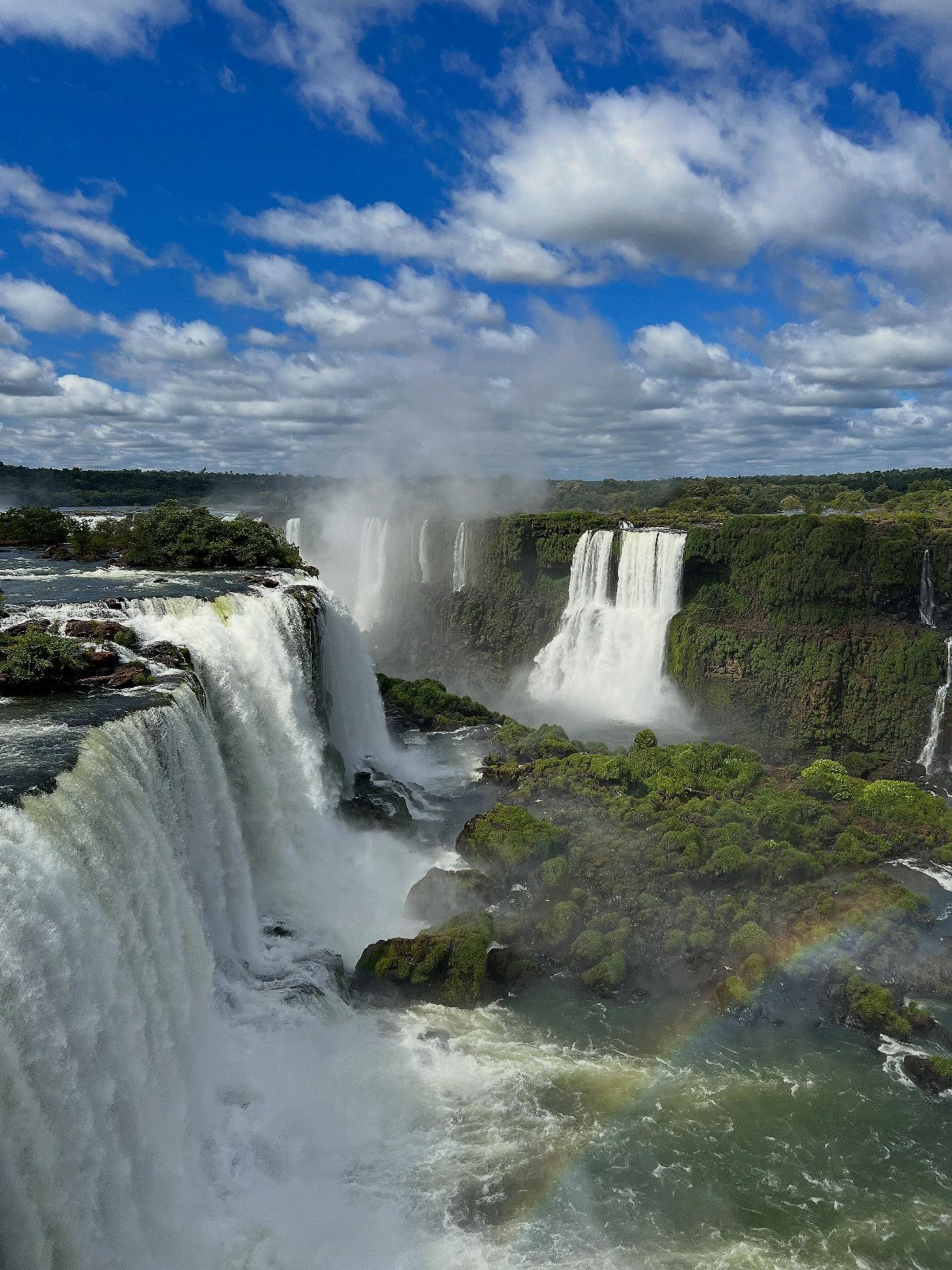
Iguazu Falls is a wall of separate cascades rather than one drop, with green jungle pressed against the cliffs and a rainbow hanging in the mist on a clear day.
The sheer spread of the falls, roughly 275 separate drops across nearly 2 miles, is what put Iguazu on the Seven Natural Wonders list.
Plan for a full day, not an hour.
The falls look different from every angle, so I would walk more than one vantage point instead of settling for the first view. Bring a rain layer for your camera; the mist reaches you even in sunshine.
3. Fjords, Mountains, and Geothermal Phenomena
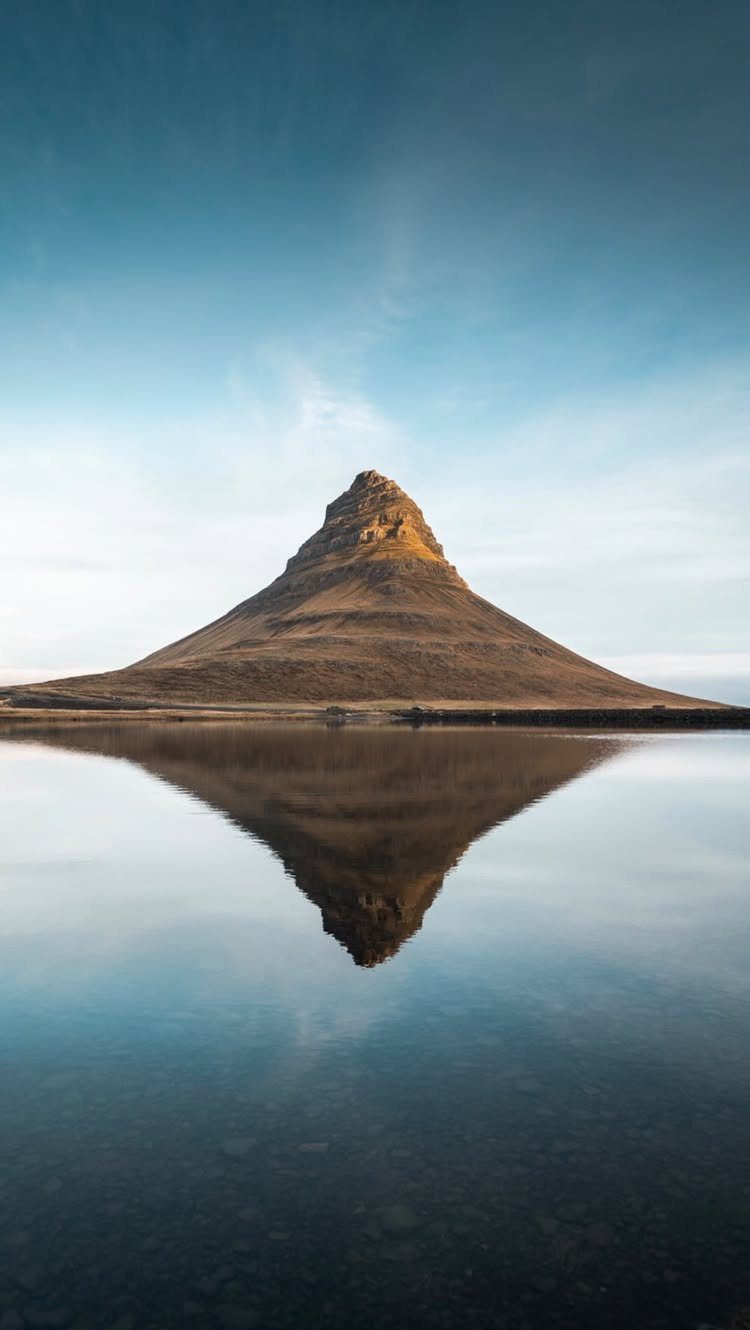
Still water is what makes a mountain scene like this work. A pointed peak mirrors itself in a blue lake only when the surface is calm, so the best hours are usually early morning or evening, before wind ripples it.
Fjord country adds geothermal features to the mix, which is rare in one trip. I would build the route around the lakes and mountains first, then add the hot-spring stops as a bonus.
4. Tallulah Gorge State Park
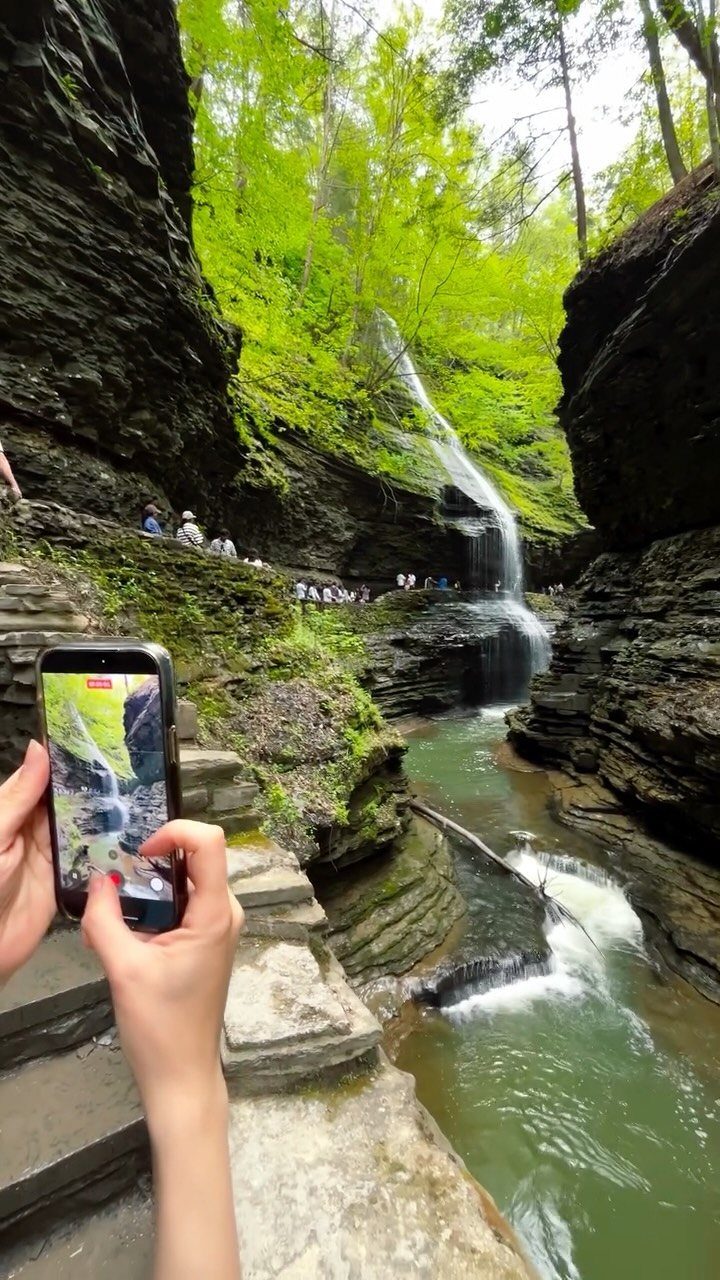
Tallulah Gorge State Park puts a tall waterfall inside a rocky gorge ringed by green trees, and the trail along the rim lets you watch it from several spots. It is a Georgia stop that rewards a short visit.
Shoot the falls from more than one overlook, since distant hikers on the trail give the photo a real sense of depth.
For a road trip in the Southeast, I would pick this over a longer detour: big drama, modest effort.
5. Perito Moreno Glacier
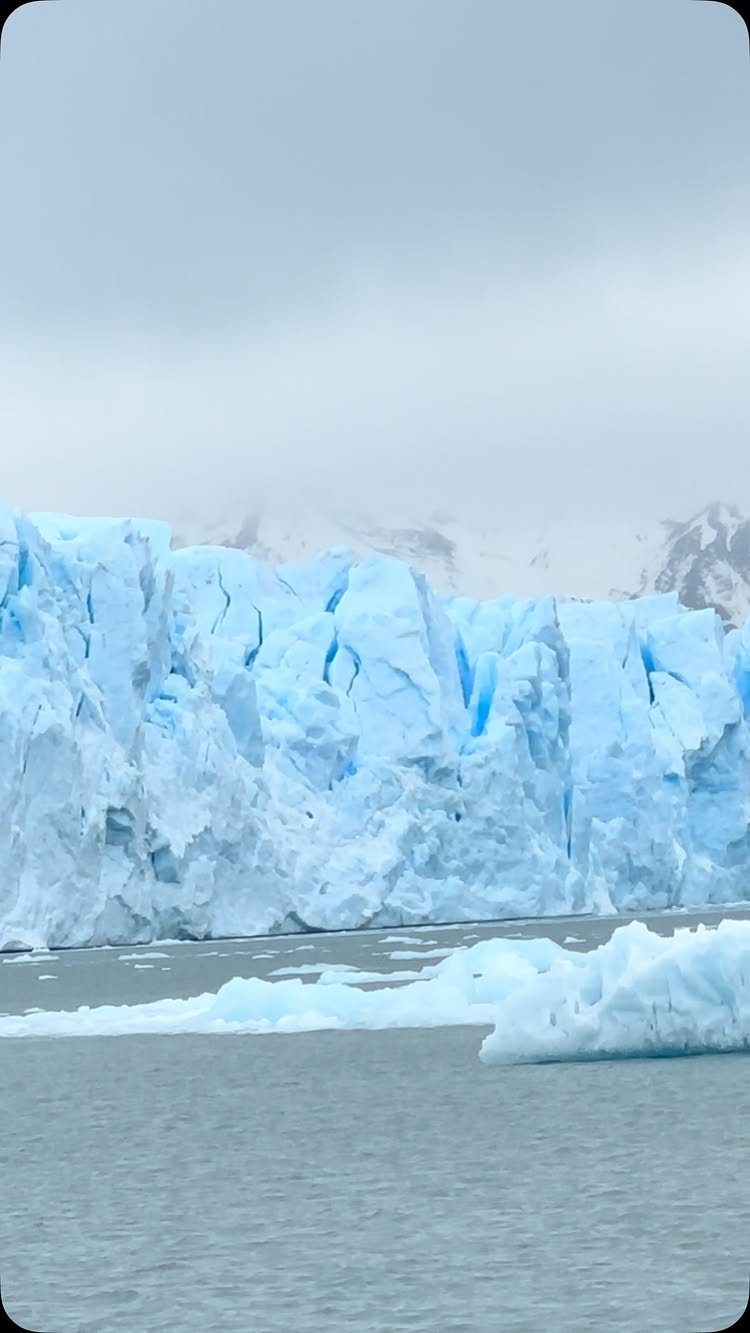
Perito Moreno Glacier in Argentina is a bright blue ice wall meeting grey water, with chunks drifting loose below it. The blue is the detail that stops people; the jagged face looks almost lit from inside.
Overcast days like this one actually help, because flat light deepens the blue.
I would give it a few unhurried hours at the viewpoints, since ice breaking off the face is worth waiting for. Pack warm layers even in summer: the air off the ice runs cold.
6. Victoria Falls
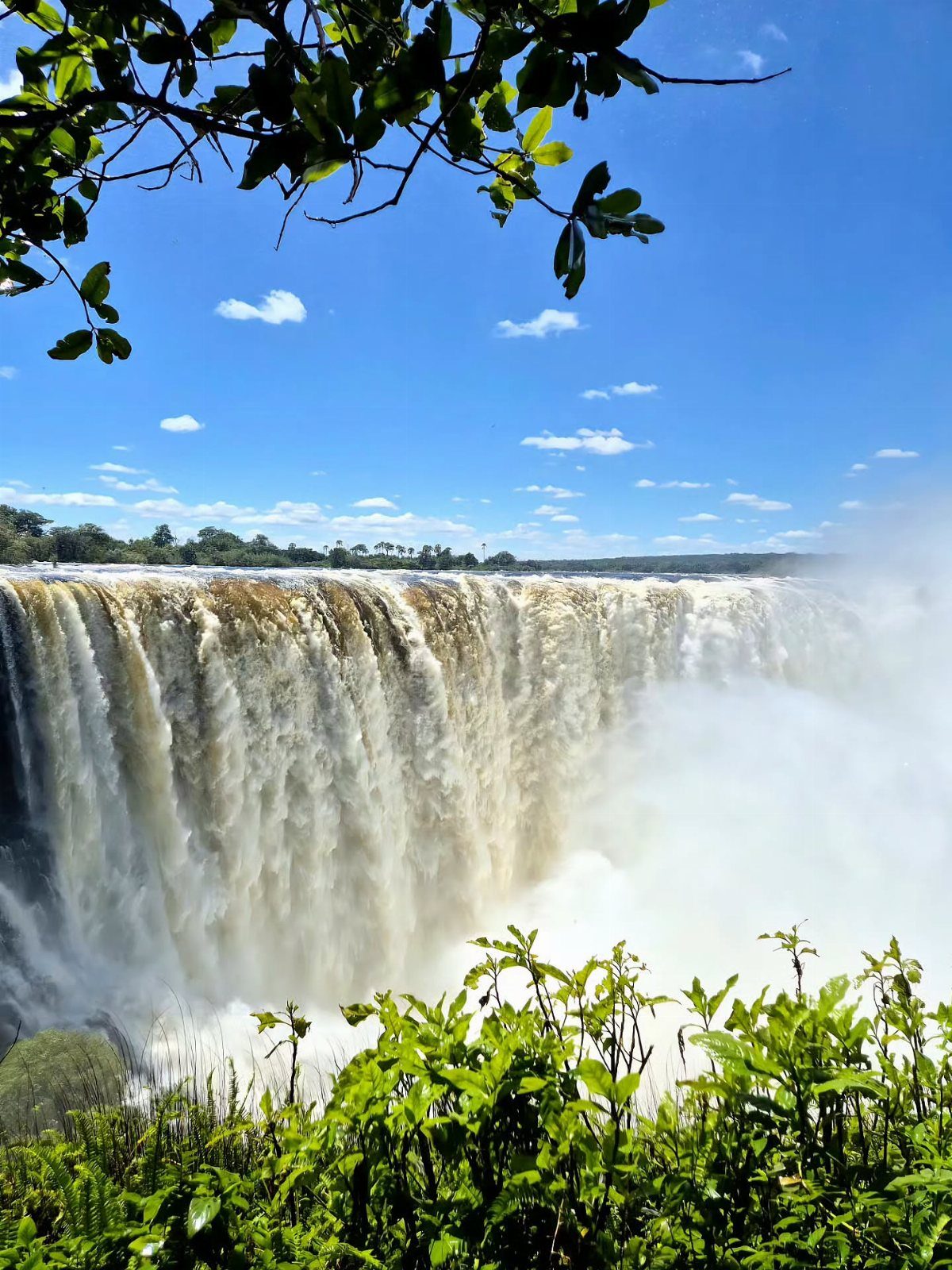
Victoria Falls is among the largest waterfalls in the world, and the brown-tinted water pouring over the cliff into a wall of mist shows why. The spray rises so high it hides the base of the drop.
Expect to get wet at the closest viewpoints, so a waterproof jacket and a dry bag for your phone are worth carrying.
I would walk the green, forested edges first for the wide views, then move in close for the roar.
7. Lake Titicaca
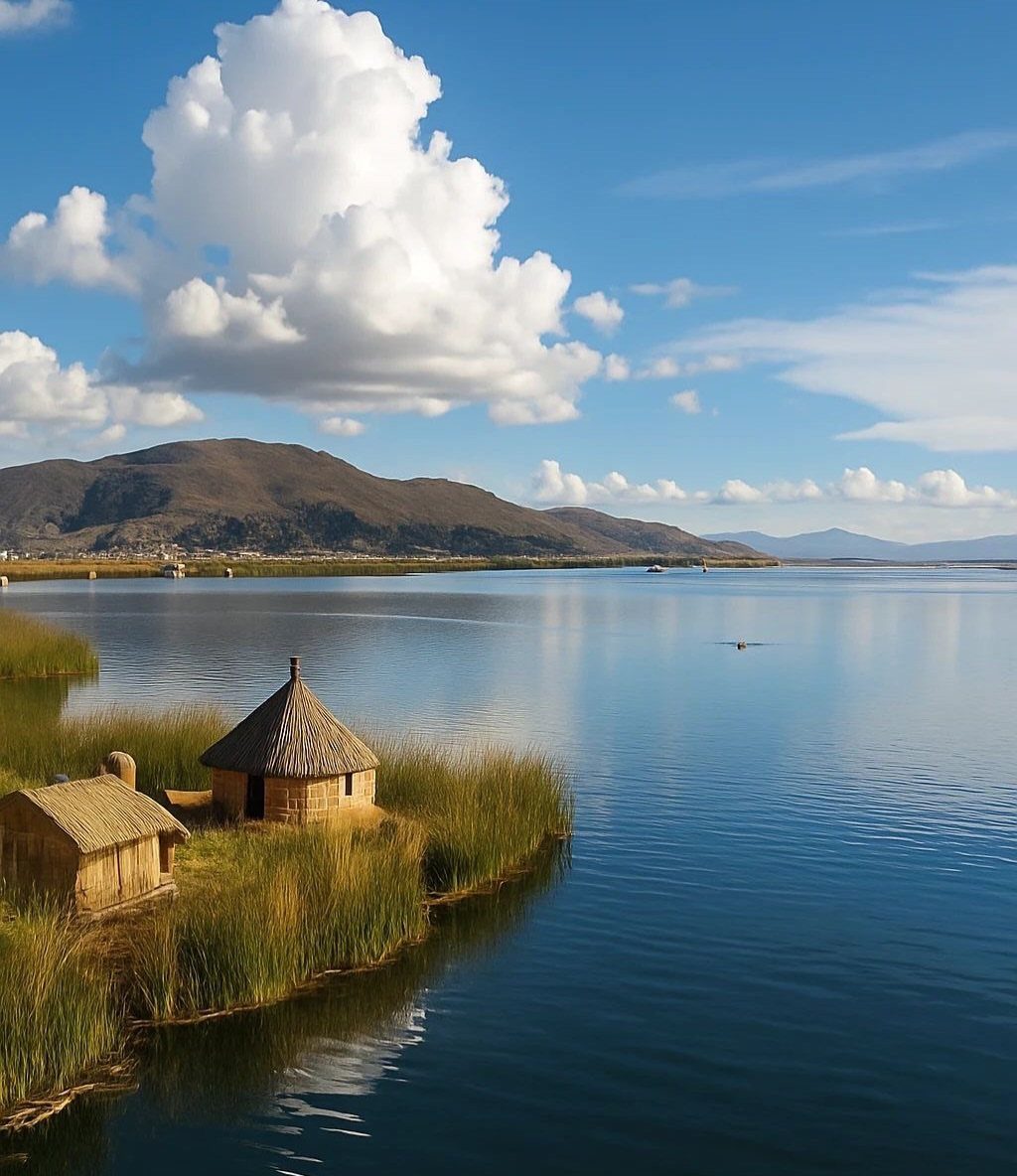
Lake Titicaca is the biggest lake in South America, and the floating islands, built by hand from layers of reed, are what make it worth the trip over any other high-altitude lake.
I would pick a clear morning for the water, since a big sky like this one rewards early light.
Give the islands an unhurried stop instead of a quick pass; the reed underfoot and the huts themselves are worth the time.
8. Table Mountain and Beautiful Botanical Gardens
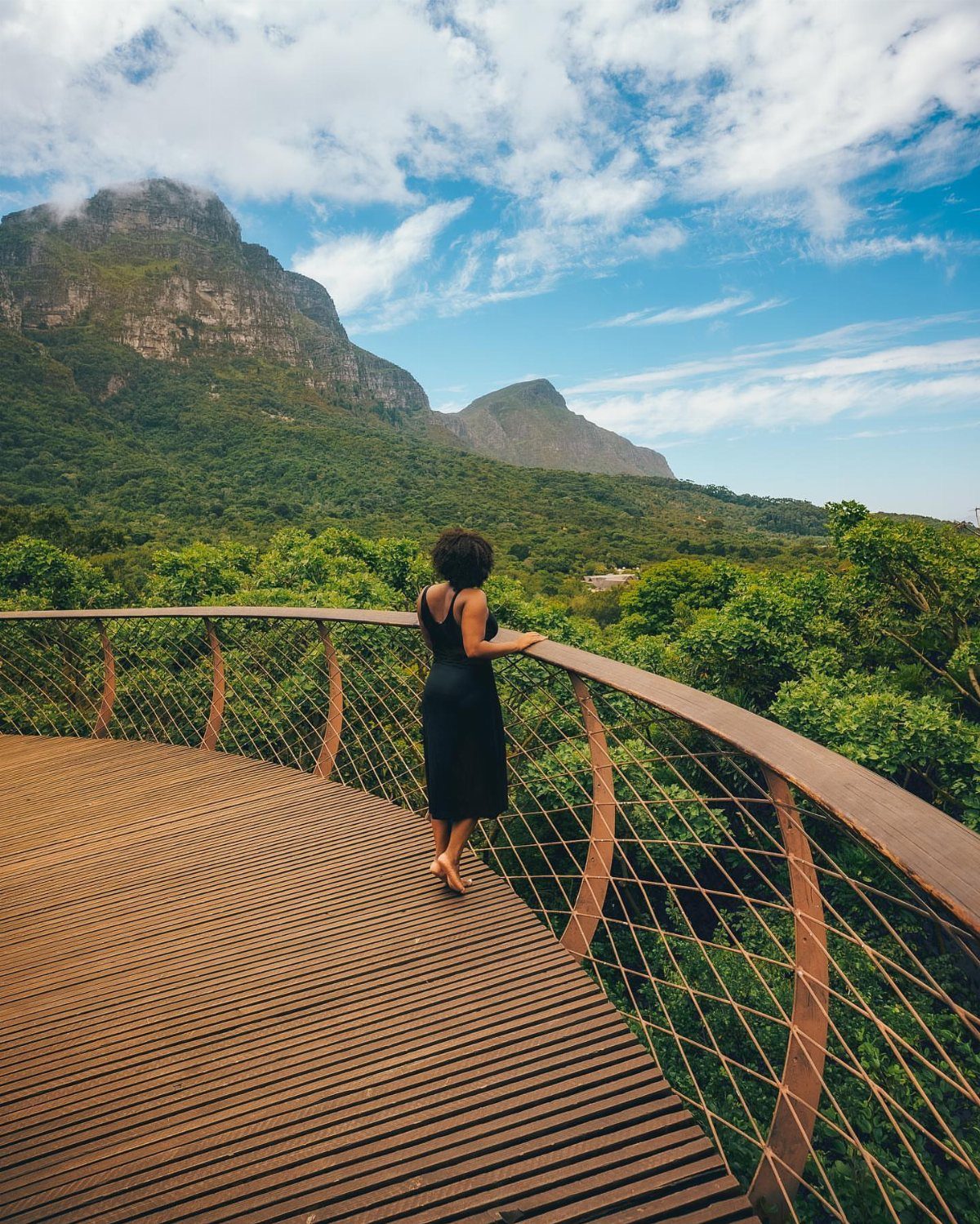
The forest drops away below, and the flat-topped mountain stands over the valley.
Pair it with the botanical gardens, which I would treat as a slow second stop after the mountain views. A clear blue day shows the green at its sharpest, so I would check the sky before committing to the walk.
9. Northern Lights
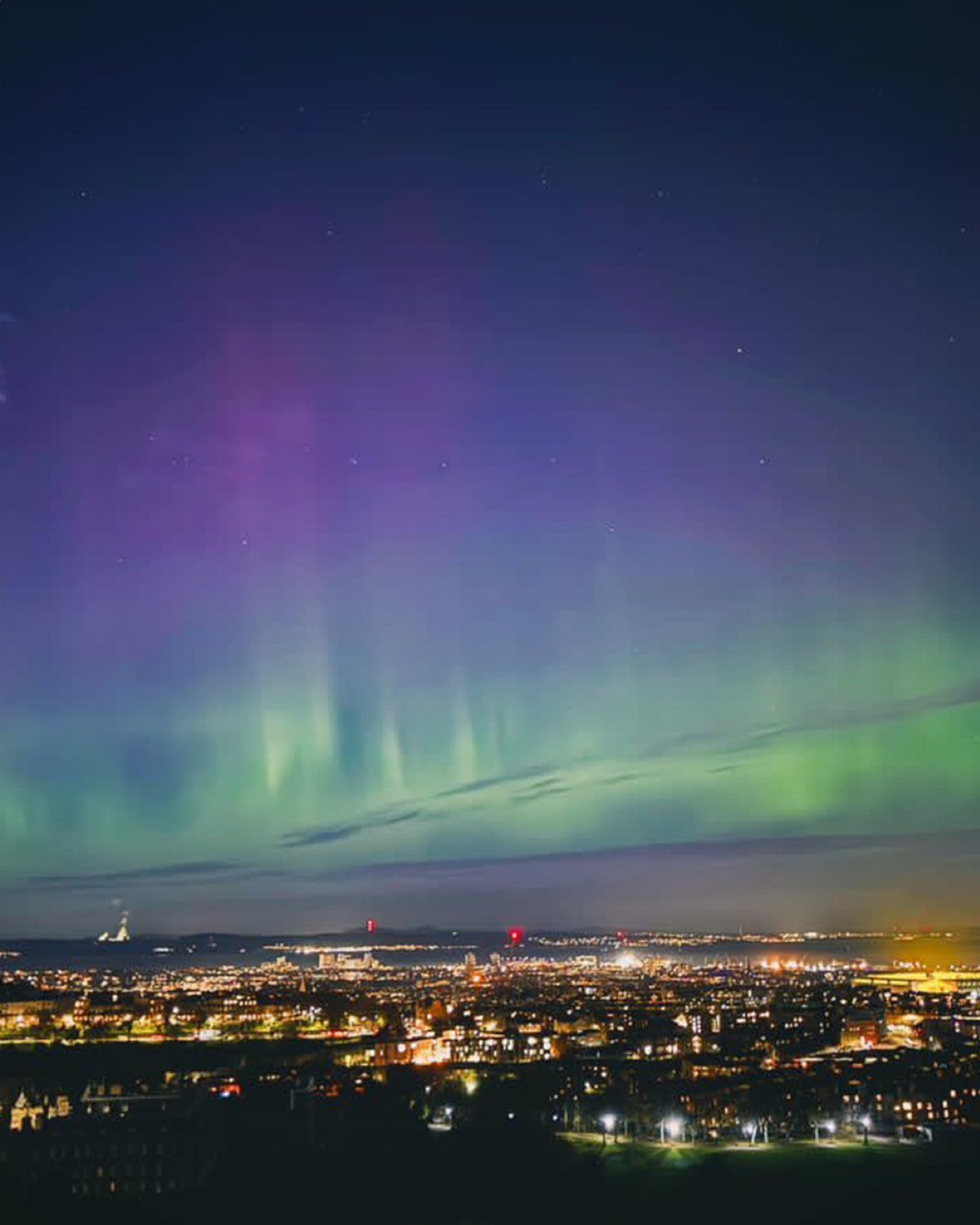
Green and purple light spreading over a city skyline is the best argument for watching the northern lights near town, where you can wait out the cold with somewhere warm close by.
The aurora shows best on a clear night in the winter months, and cloud cover can erase any single evening, so I would give it several nights.
Get away from the brightest streetlights, though, because glare washes out the fainter colors. A tripod matters more than any lens; the camera needs a long, steady exposure to catch the purple.
10. Ouzoud Waterfalls (Morocco)
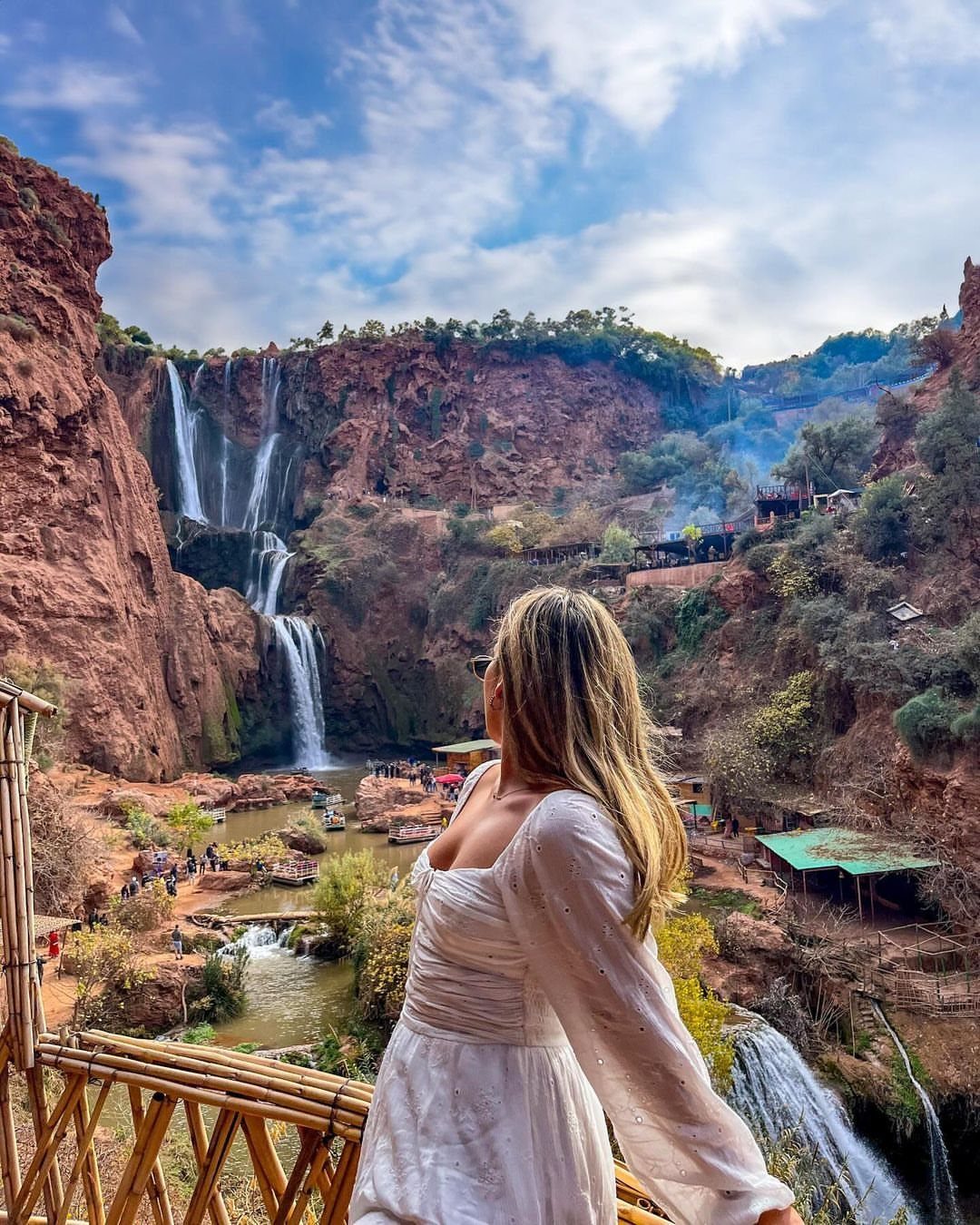
Ouzoud is the biggest waterfall system in North Africa, and I would walk the path along the top first, because it lets you see the whole drop in one look.
Below, small boats and visitors crowd the valley floor, which gives the water a true sense of height.
I would walk the overlooks first, then head down for the close-up view. Wear shoes with grip, since spray keeps the lower paths slick.
11. Salar De Uyuni
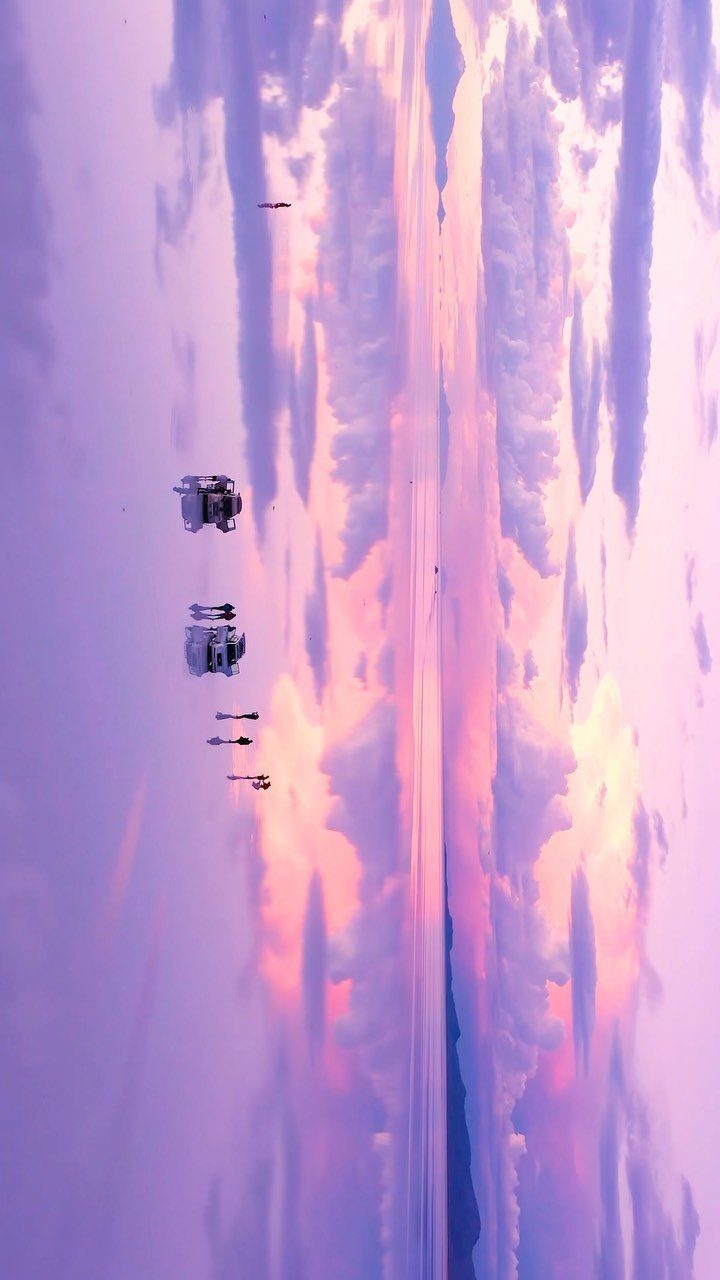
Salar de Uyuni is the world’s largest salt flat, and a thin layer of water turns it into a mirror that doubles the sky.
Plan around sunset if you can, because the salt flat holds a thin sheet of water in the wet season and reflects the sky so well that the horizon disappears.
The reflection only appears when the surface is wet, so check conditions before booking. Reaching the middle means a 4×4, and going with a guide makes sense on ground this featureless.
12. Stunning Icebergs, Mountains, and Unique Wildlife
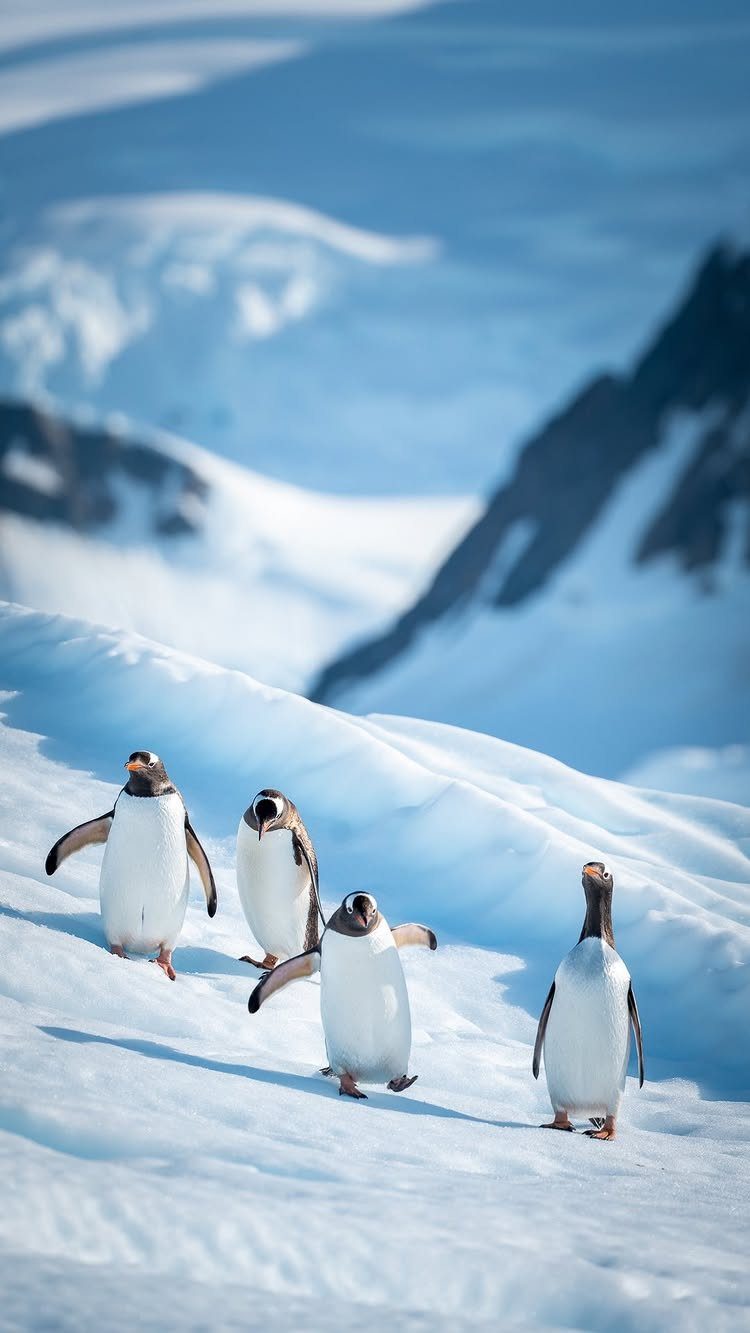
Penguins crossing snow with ice and mountains behind them make the case for this trip better than any itinerary. It is the ultimate pairing of wildlife and scenery, and neither one is a side show.
Expect a long, costly journey, so I would spend it on time rather than speed.
Stay quiet, keep your distance, and let the animals set the pace. A zoom lens beats walking closer.
Travel Tips for Nature Lovers
Pack light for hikes, and decide what earns its weight before you leave. Water, a rain layer, sun protection and a charged phone cover most day trails; everything else is optional.
Respect conservation rules even when they feel strict. Staying on marked trails, following closures and keeping your distance from animals are what keep these places open to the next visitor.
Consider going off-peak if you want solitude. Shoulder-season weeks and early mornings thin the crowds, though you may trade away some services, so check what is open before you book.
Best Times to Visit
Spring is the time for cherry blossoms in Japan. If you plan the trip around the blooms, you also get bamboo forests, hot springs and Mount Fuji in the same visit.
Blossom timing shifts from year to year and varies by region, so book flexible lodging and keep a few spare days in the schedule.
Popular blossom weeks fill up early, so book your cherry blossom dates as soon as your plans firm up.
Summer offers great hiking conditions in many destinations. Trails are usually clear and daylight runs long, but popular routes get busy, so start early and compare dates before you commit.
Wildlife Encounters
Seeing penguins in Antarctica and flamingos at Salar de Uyuni shows how much a trip can hinge on animals.
Before booking, find out which season the wildlife is actually present, since a beautiful place at the wrong time can leave you with scenery only.
Choose operators that follow clear wildlife rules, such as set viewing distances and small groups. Those limits protect the animals, and they usually make for better viewing.
Bring binoculars or a zoom lens, and plan a few extra days if you can. Animals keep their own schedule, and patience gives you more than any itinerary.
Frequently Asked Questions
What is considered the most beautiful place on the planet?
Beauty is a matter of taste, so no single place wins.
Ask people for the single most beautiful spot and the Grand Canyon and Iguazu Falls get named first; my vote goes to Iguazu, where about 275 separate falls stretch across nearly 2 miles and rainforest crowds right up to the rock walls.
The Grand Canyon is the better pick if you want scale, especially once you walk below the rim.
What are some of the natural wonders of the world?
The Grand Canyon, Iguazu Falls and Victoria Falls are the ones named most often.
Victoria Falls belongs on any natural wonders list too: it ranks among the largest waterfalls on Earth, and the spray rises so thick that it hides the bottom of the drop.
2 more picks I would add are Perito Moreno Glacier in Argentina and Bolivia’s Salar de Uyuni, the largest salt flat on the planet.





